Cadaqués day trip from Barcelona
Cadaqués travel guide: Salvador Dalí's home village on the Costa Brava, how to reach it from Barcelona, what to see and honest trip-length advice.
From Barcelona: Dalí triangle and Cadaqués tour
Duration: Full day
- Free cancellation
- Hotel pickup
Quick facts
- Distance from Barcelona
- 175 km northeast
- Travel time
- 2h30–3h (bus via Figueres or car)
- Access
- No train — bus from Figueres or car
- Best for
- Dalí heritage, authentic village atmosphere, coves
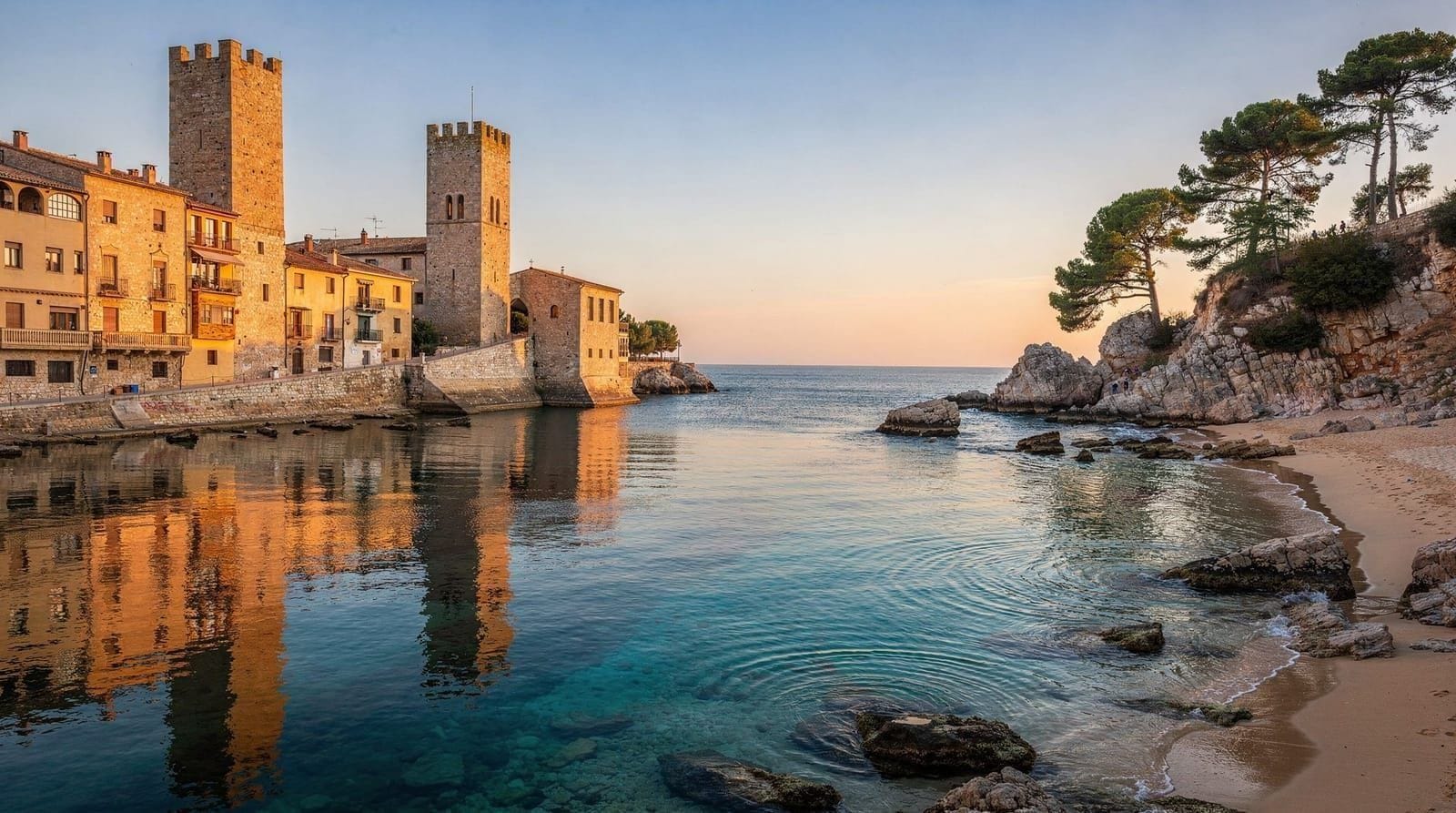
Cadaqués sits at the end of a mountain road that winds over the last spur of the Pyrenees before France, and that isolation — frustrating for transport, decisive for character — has made it unlike any other village on the Catalan coast. Salvador Dalí chose to live here for most of his working life, and the quality of light, the surrealist geometry of the Cap de Creus headland and the fishermen’s white houses stacked on the hillside remain as strange and particular today as when he painted them.
Cadaqués at a glance
| Where | 175 km northeast of Barcelona, Costa Brava’s northern tip |
| Cost | Village free; Dalí house from €15.50 online; lunch €25–40 |
| Time needed | Full day; overnight strongly recommended |
| Getting there | Train/bus via Figueres (~3h) or car (~2h30) |
| Best time | May–June and September–October |
Why Cadaqués is different
Most Costa Brava towns were transformed by tourism in the 1960s and 70s. Cadaqués was protected by its access problem — the mountain road, which until recently was single-lane and slow, acted as a natural filter. The village kept its medieval street pattern, its fishing-community architecture, and a disproportionate share of Catalan artists and intellectuals who came for the same reasons Dalí did. Today it has boutique hotels, art galleries and good restaurants, but no high-rise blocks, no all-inclusive resorts, no strip of neon bars.
Getting there from Barcelona
There is no train to Cadaqués. The two realistic options are:
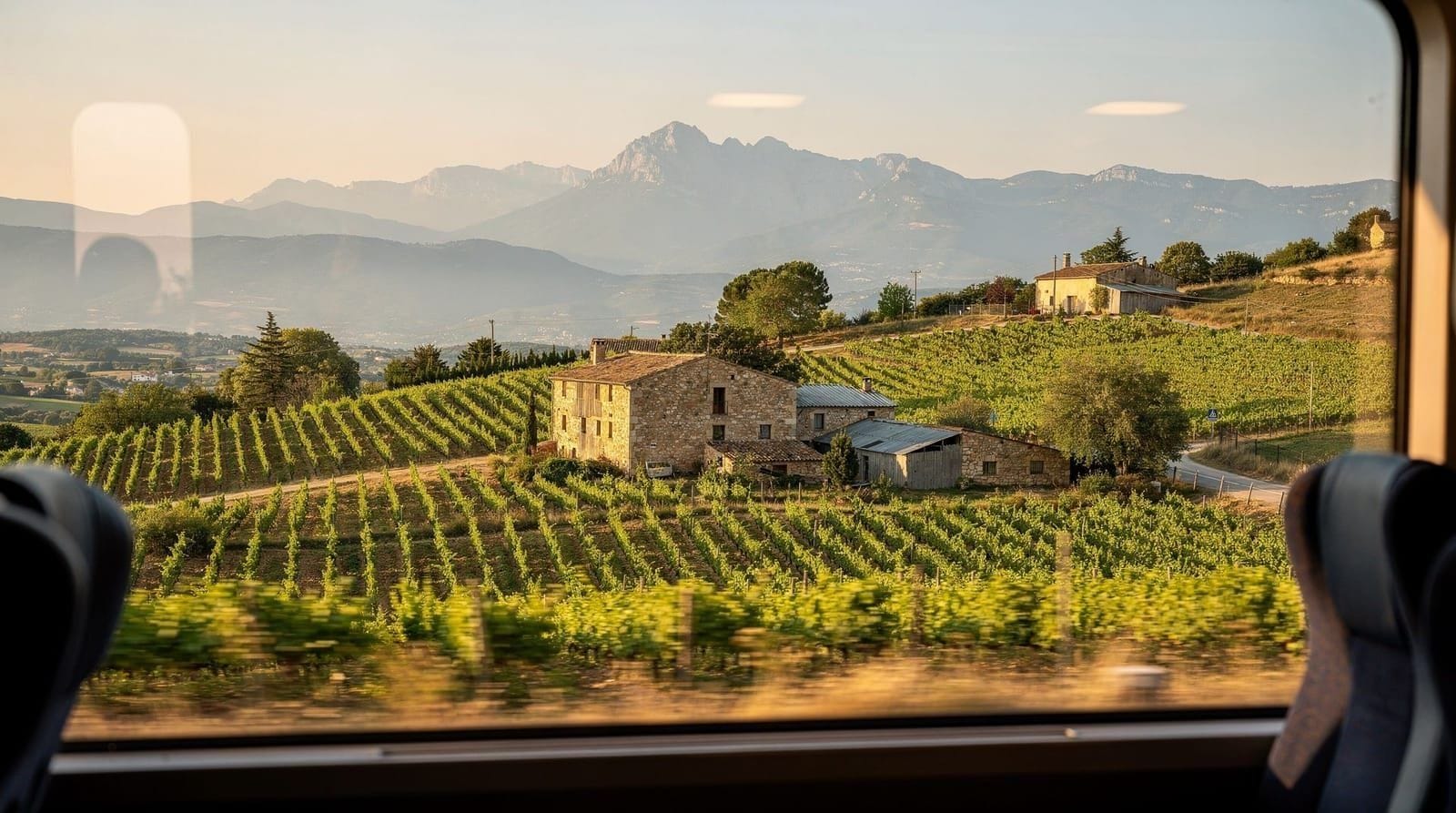
By bus (via Figueres): Take a regional train from Barcelona Sants to Figueres (approximately 1h50; fare on the official Renfe website). At Figueres station, walk or take a taxi to the bus station (15 minutes on foot), then catch a SARFA bus to Cadaqués (45–60 minutes). Total travel time: around 3 hours each way. SARFA runs several services daily in summer; reduced in winter. For current schedules, check sarfa.com — no English booking interface, but manageable.
By car: From Barcelona, take the AP-7 motorway north to Figueres, then follow the GI-614 over the Col de Perafita mountain pass to Cadaqués. Approximately 2h30. Parking in the village is limited; use the paid car parks on the approach road. A car also allows a detour to Cap de Creus (10 minutes beyond Cadaqués) and the Dalí house at Port Lligat without depending on return bus times.
By guided tour: The most practical option for a day visit. The Girona and Costa Brava combined tour often includes a Cadaqués stop, though typically only 2–2.5 hours in the village. Dalí-focused tours that include Cadaqués and Figueres give more depth; see the day-trips guide for current options.
What to see
Cadaqués village: The lower town around the church of Santa Maria (white 18th-century baroque, visible from the sea) and the fishing port is the photogenic core. The upper lanes require some climbing but are quieter and reward exploration. Gallery-hopping is legitimate here — a handful of serious contemporary art spaces reflect the village’s cultural history. Allow 2–3 hours to walk the village properly without rushing.
Casa Museu Salvador Dalí at Port Lligat: A 10-minute walk north from the village centre along the bay, this is where Dalí actually lived and worked — not the Theatre-Museum in Figueres, which was a showcase for his public persona. The Port Lligat house is more intimate: a warren of interconnected fishermen’s cottages that Dalí adapted obsessively over 40 years. His studio, his library, his swimming pool shaped like the lips of Mae West. Visits are timed and run in limited groups that enter every 10 minutes. Advance booking is always required: book on the official Dalí Museums website well ahead for July–August. General admission is €15.50 online (House and Olive Grove), reduced €12.00; check current hours and closures (the house closes in winter) on the official site.
Cap de Creus: 20 minutes from Cadaqués by car or 2 hours on the coastal path, the Cap de Creus headland is a national park. The geology is extraordinary — wind-eroded schist formations that do resemble Dalí’s landscapes. The lighthouse restaurant, El Far de Cap de Creus, serves seafood with panoramic views; arrive before 1 pm on weekends or you will not get a table. No public transport; car or hiking required.
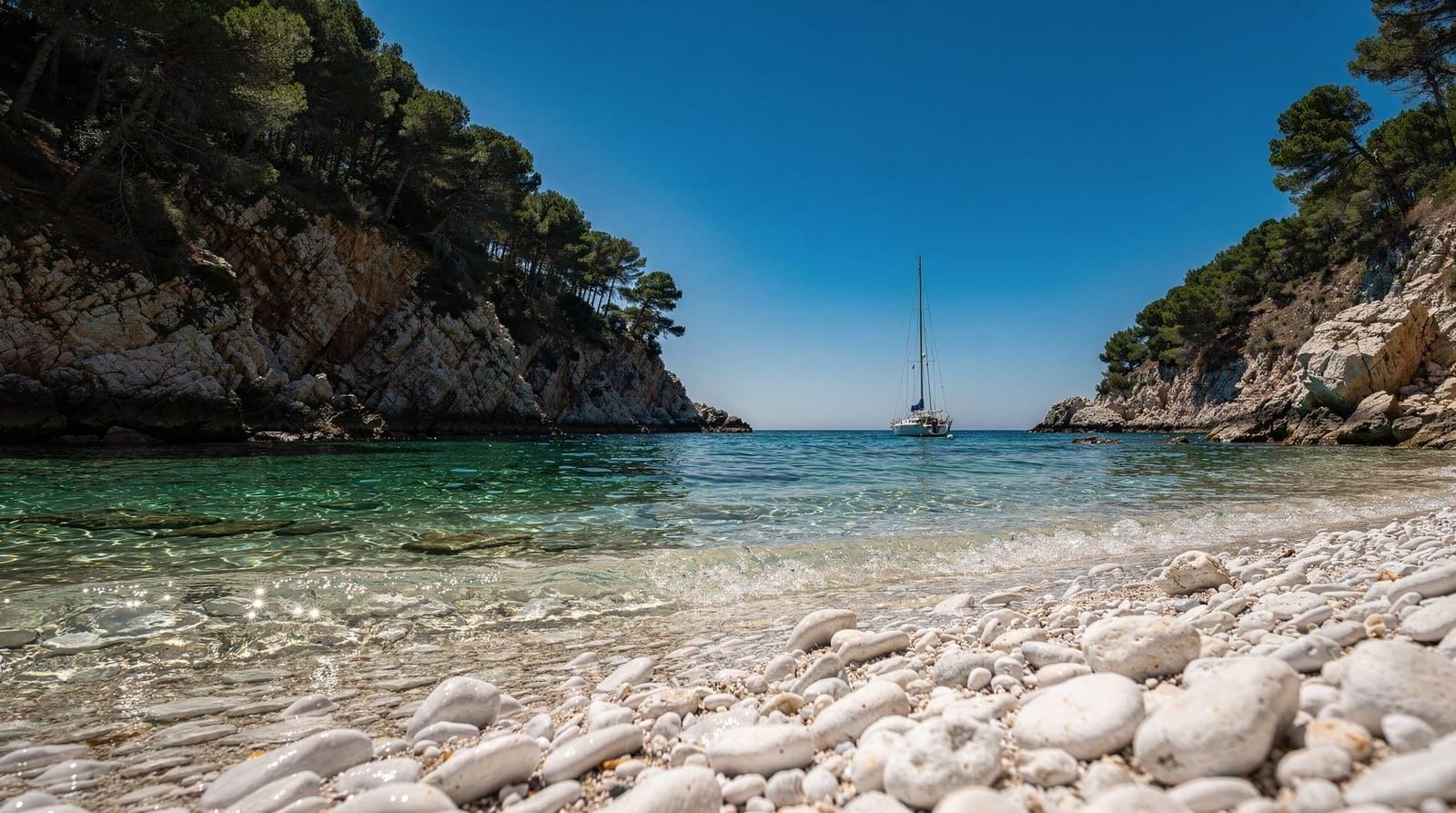
Beaches and coves: The main village beach (Platja de Cadaqués) is suitable for swimming; Platja de Portlligat (adjacent to the Dalí house) is quieter. The Cap de Creus coves — accessible on foot or by small boat from the port — are spectacular but remote. Sa Conca, Cala Guillola and Cala Fredosa require 1–2 hours of walking on rough terrain.
Honest overnight assessment
A day trip from Barcelona to Cadaqués involves roughly 6 hours of travel for perhaps 3–4 hours in the village. That is enough to see the house, walk the village and eat lunch, but not enough to understand why artists have been coming here for a century. Two things happen at Cadaqués that day-trippers miss: the evening light (from 7 pm onward, when the low sun turns the white walls amber and the port fills with locals) and the morning quiet (before the tour buses arrive at 11 am). An overnight stay — even just one night — changes the visit from a tick on a list to an actual experience of the place.
That said, if you have only one day, a guided tour that includes Cadaqués and Figueres is more efficient than DIY by public transport.
Where to eat
La Galiota: Long-established family restaurant on a terrace above the port. Reliable suquet de peix and grilled fish. Reservations advisable.
Es Balconet: Simple terrace place, honest cooking, good value relative to the village average.
What to avoid: Tourist menus on the main seafront promenade. Prices are higher than anywhere else on the Costa Brava; the quality differential does not always match.
Combining with Figueres
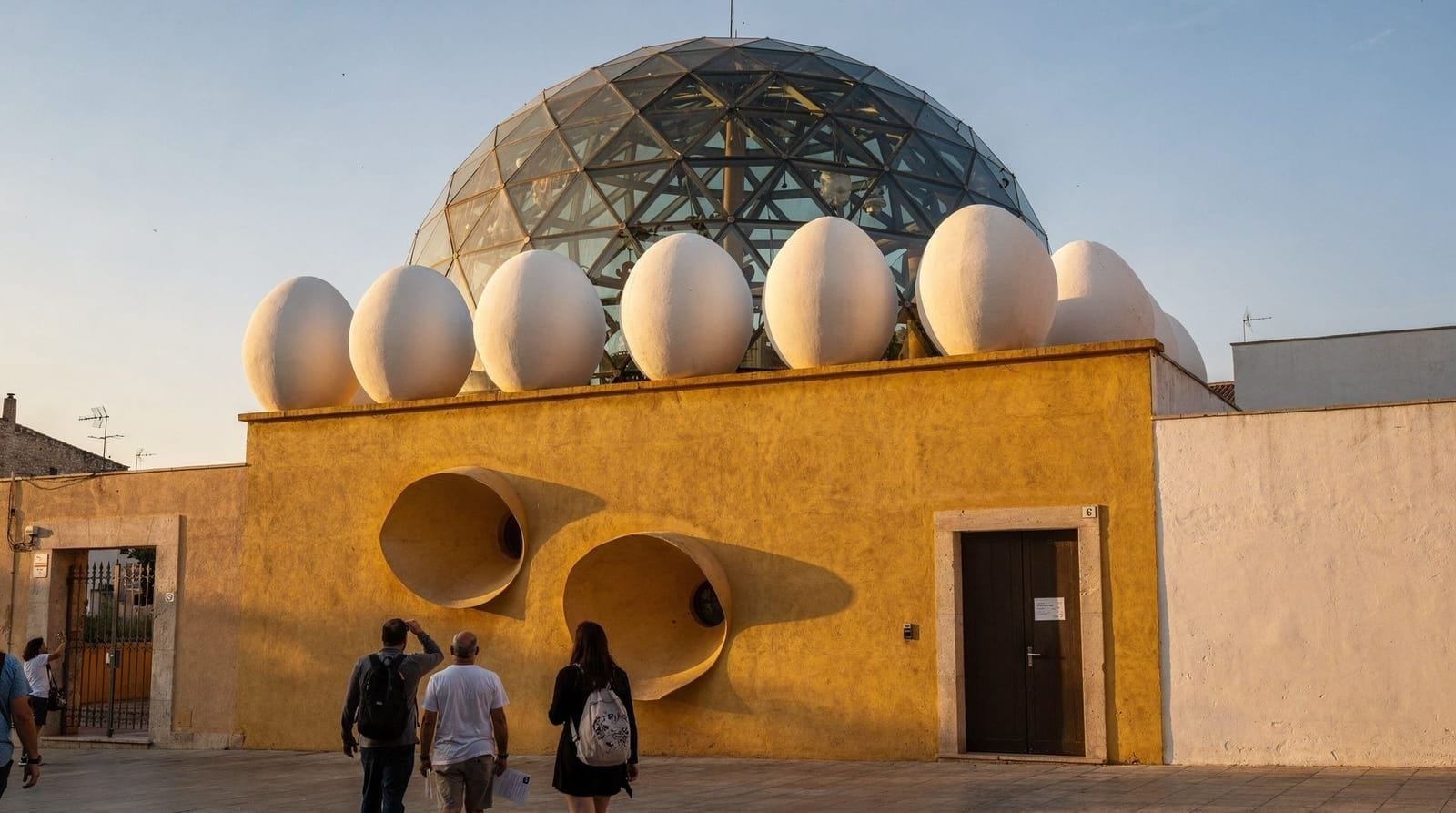
Cadaqués and Figueres (home to the Dalí Theatre-Museum) make the core of the “Dalí triangle” — a route that also includes his castle at Púbol and the Port Lligat house. The triangle is genuinely meaningful for Dalí enthusiasts: three completely different expressions of his work. Attempting all three in a day is exhausting; two is more realistic. The combined tour guide covers the options.
Planning the day if you do go
Whatever the transport, the shape of the day matters more than the list of sights. The simplest structure is to treat the Dalí house as the fixed point and build everything else around its timed slot. Book that first, then work backwards: choose the bus or the departure time that gets you to the village comfortably before your entry, leave a margin for the mountain road, and accept that anything beyond the house, the village and one meal is a bonus rather than a target.
Walk down to the port before you do anything else. Seeing the bay, the church and the white houses from the water’s edge gives the village a context that makes the rest of the day easier to read. Then climb into the upper lanes, where the noise drops quickly. After the house, come back along the bay without hurrying; the walk between Port Lligat and the village is short but is one of the nicest stretches of the day, and it is a good moment to sit down for a coffee and let the place settle.
Carry water, a hat and shoes you can walk in. The lanes are steep in places and the stone gets hot in summer. If you plan to swim, bring a towel and something for your feet, because the small beaches are pebbly in places and the coves are more rugged than the photographs suggest.
Cadaqués and the Dalí story
It helps to arrive with a loose idea of why this village mattered to the painter. He did not treat Cadaqués as a backdrop: the bay, the rocks and the light recur across his work, and the village is where his ideas about landscape took shape. Reading a little about his life before you come, or visiting Figueres first, turns the walk through the lanes into something closer to a conversation with the paintings.
The contrast between the two sites is the real lesson. In Figueres the artist stages himself; at Port Lligat you see where he lived, worked and rearranged his surroundings over decades. Visitors who see both in the right order tend to come away with a more complete picture than those who pick only the famous museum. If the Dalí connection is your main reason for coming, plan the trip around it and let the rest of the day be unhurried.
Making it an overnight stay
If you can spare a night, the logic of the trip changes completely. You arrive without watching the clock, you can take the house visit at the time that suits you, and you still have the evening and the following morning for the parts of the village that day-trippers rarely see. Book accommodation early for the busy months, since the village is small and the supply of rooms is limited.
An overnight also removes the pressure of the return journey. Instead of working out the last bus, you can eat slowly on a terrace, walk the waterfront after dark and start the next day with a quiet coffee before the first groups arrive. Many travellers who intended a quick visit say afterwards that they wish they had stayed longer, and that is the clearest argument for building a night into the plan.
If you are combining the village with a longer coastal trip, our Barcelona and Costa Brava itinerary shows how to fit Cadaqués in without rushing, and the Costa Brava boat trips guide covers seeing the coves from the water, which is an appealing alternative to the rough walking paths.
What to expect from the village atmosphere
Cadaqués is a place to slow down. Shops open and close on their own rhythm, lunch stretches, and the best moments are often unplanned: a conversation at a bar, an unexpected gallery, a view from a corner you took by mistake. Visitors who arrive with a rigid checklist tend to enjoy it less than those who leave space.
The village also has a Catalan character that is easy to miss in a short visit. Signs, menus and conversation are mostly in Catalan, and a few words go a long way; our Catalan language basics and the broader Catalan culture guide will help you read what you see. For a sense of the wider region, the Catalan Pyrenees page shows the mountains that this coast ends against.
Who Cadaqués suits, and who should choose elsewhere
Cadaqués suits travellers who care more about atmosphere than convenience: people drawn to art, to quiet lanes, to long lunches and to a coast that has not been rebuilt for mass tourism. It also suits those who enjoy walking, since the best parts of the surroundings reward effort. Couples and solo travellers often find it especially rewarding because the village is small, safe to wander and easy to settle into.
It suits families with young children less well. The journey is long, the lanes are steep and the coves are rugged, so a gentler base on the coast is easier. For a more relaxed beach-focused stay, look at Tossa de Mar, and for a different mix of culture and sea within easier reach of the city, consider Sitges. If you are still weighing up how far to travel from the city, the Barcelona itinerary tips can help you decide how many days to give the coast against the city itself.
Whichever way you decide, be honest about your energy. A long day of transport followed by a timed visit and a steep walk is a lot, and the village deserves better than to be seen through tiredness. Give it the time it asks for, and it repays you.
Practical tips
- Check bus times before you leave Barcelona, and confirm the last return service on the day, because services thin out outside the busy season.
- Arrive early. The village is at its best in the first hours, before the day groups come in.
- Reserve a table if you want a particular terrace, especially at weekends.
- Keep your plans flexible for weather: wind and rain change the character of the coast, and the light can be spectacular afterwards.
- If you are travelling with a mixed group, the guided option from the day-trips guide removes most of the logistics at the cost of some freedom.
- Compare this trip with the other options on the Girona page if you are unsure which northern excursion suits you best.
Cadaqués vs other Costa Brava villages
Compared with Begur or Tossa de Mar, Cadaqués is further, harder to reach, and more expensive — but it offers something neither has: a genuine artistic legacy tied to a specific, still-visitable house, and an isolation that has kept its character unusually intact. If your priority is easy logistics and pretty coves, choose Begur or the wider Costa Brava. If it’s the Dalí connection and a village genuinely shaped by artists rather than tourism, the extra travel time to Cadaqués is worth it.
Cadaqués earns its reputation. The village is genuinely different from the resort Costa Brava, the Dalí house is worth every logistical complication, and the light at Cap de Creus is as strange as the paintings it inspired. Plan the travel carefully, book the house visit long in advance, and give yourself more time than you think you need.
Top experiences
Bookable activities with verified prices and instant confirmation on GetYourGuide.