Sitges day trip from Barcelona
Sitges by train in 30 minutes from Barcelona: 17 beaches, Modernista old town, the Cau Ferrat museum and honest advice on crowds and costs.
Barcelona: Tarragona & Sitges guided day trip with transfers
Duration: Full day
- Free cancellation
- Hotel pickup
Quick facts
- Distance from Barcelona
- 35 km south
- Train
- R2 Sud, 30–40 min from Passeig de Gràcia
- Train fare
- T-Casual Zone 2 (~€4–6 return effective)
- Best for
- Beach day, LGBTQ+ welcoming, Modernista town
Sitges has been welcoming visitors since the 1890s, when Catalan Modernista artist Santiago Rusiñol turned his clifftop house into an arts commune and the town’s mild winter climate attracted the Barcelona bourgeoisie for convalescence. Today it is the easiest and most complete day trip from Barcelona — 35 minutes by train, genuinely beautiful in its own right, with a 19th-century old town, 17 beaches, a major art collection and a cosmopolitan atmosphere that has been there long before it became internationally known.
| Where | 35 km south of Barcelona, Costa Daurada |
| Getting there | R2 Sud train, 30–40 min from Passeig de Gràcia |
| Cost | Around €5 single train fare, or T-Casual Zone 2 (~€25.50/10 trips) |
| Time needed | Half day to full day |
| Best time | Weekday mornings in May, June, September |
Getting there from Barcelona
The Rodalies R2 Sud line runs directly from Passeig de Gràcia (or Barcelona Sants) to Sitges in 30–40 minutes. Trains run every 20–30 minutes throughout the day. The T-Casual Zone 2 card (€25.50, 10 trips) covers the journey in both directions — if you already have a Zone 1 T-Casual for the city, you need the Zone 2 version for Sitges. Single tickets are approximately €5 each way. No advance booking required; buy at the station or via the Rodalies/Renfe app.
Sitges station is a 10-minute walk from the old town and beach. Follow the road downhill to the seafront.
This is the cheapest and most convenient day trip from Barcelona — no car required, no tour to book, train runs all day. For a comparison with other Catalonia day trips, see the day-trips from Barcelona guide or the detailed Sitges day-trip guide.
The old town
Sitges’ old town occupies a small promontory between two beaches, dominated by the 17th-century Church of Sant Bartomeu i Santa Tecla on the clifftop (visible from the sea; free to enter). Below the church: the famous Passeig de la Ribera promenade, a row of 19th-century houses facing the beach. One block inland from the promenade, the Carrer del Pecats and surrounding lanes contain the best restaurants and bars — and lower prices than the seafront.
The town’s character was set by Catalan Modernisme: Santiago Rusiñol, Ramon Casas and other artists of the 1890s used Sitges as a studio and showcase, filling the town with decorated facades, ironwork balconies and tiled panels. The tourist office has a Modernisme walking route map.
Cau Ferrat and the museums
Cau Ferrat Museum: Santiago Rusiñol’s house-studio on the clifftop is the main cultural destination in Sitges. He built and expanded it over two decades, filling it with his art collection, his own paintings, decorative ironwork, ceramics and — most notably — two paintings by El Greco that he bought at the 1894 Festes de Modernisme and transported to Sitges in a ceremonial procession that brought 3,000 people. The museum reopened in 2014 after a major restoration; it is beautifully presented. Entry approximately €10 adults; combined tickets for Cau Ferrat + the adjacent Maricel Museum available. Book ahead in high season.
Museu Maricel: Adjacent to Cau Ferrat, a collection of medieval and Baroque art in a historic building connected by a bridge over the street. Less famous than Cau Ferrat but worth including in the combined ticket.
Museu Romàntic: In the town centre, a 19th-century bourgeois house preserved in complete period detail — furniture, objects and atmosphere of a prosperous Catalan family of the era. Slightly eccentrically also displays one of the largest collections of antique dolls in Spain. Entry approximately €4; guided tour available.
Beaches
Sitges’ 17 beaches cover 5 km of coastline from Garraf in the west to Aiguadolç in the east. All are Blue Flag certified.
Central beaches (most popular): Platja de la Fragata and Platja de Sant Sebastià, immediately adjacent to the old town promontory. Well-serviced with sunbed rental, beach bars and water sports. Fill by 10 am in July–August.
Eastern beaches: The beaches east of the centre (Platja del Terramar and beyond) are slightly quieter and served by a seafront promenade. L’Home Mort beach, 2 km east, is where the LGBTQ+ beach community concentrates in summer.
Garraf: 2 km west of Sitges, a small fishing cove with a village of stone buildings, a handful of seafood restaurants and a beach that is significantly quieter than Sitges’ central beaches. Accessible on foot along the coastal path (30 minutes, some cliff sections) or by staying on the train one more stop.
LGBTQ+ Sitges
Sitges has been welcoming to LGBTQ+ travellers since the 1960s, when its relative openness made it unusual in Franco-era Spain. Today it is consistently ranked among the most welcoming LGBTQ+ destinations in Europe, with a year-round gay scene centred on Carrer del Pecat (Street of Sin) and surrounding lanes in the old town.
The Gay Pride week in June draws significant crowds; Carnival (February) is the peak event of the LGBTQ+ calendar; the summer beach season has a specific social geography (eastern beaches toward L’Home Mort). None of this is exclusive — Sitges presents as a general cosmopolitan resort town where the LGBTQ+ welcome is simply part of the fabric rather than a separated space.
Where to eat
Avoid the promenade: The Passeig de la Ribera seafront restaurants have prime views and tourist-level prices. Food quality varies; the best fish restaurants are one block back.
Carrer del Pecat and surrounds: Better value, local atmosphere, decent cooking. Fragata restaurant (on the promenade, the exception) has a long local reputation for fish. El Pou (in the old town backstreets) is a reliable Catalan kitchen.
La Nansa: A longstanding favourite for traditional Catalan seafood — suquet de peix, fideuà, and local catch grilled simply. Book ahead at weekends.
What to drink: The local vermouth culture has a presence in Sitges — aperitivo hour between noon and 1:30 pm at the bars around the church steps, with good vermouth from Catalonia’s producers. Cava over sangria, always.
Honest crowd assessment
Sitges in July–August on a weekend is a full-on resort experience. Beaches are packed, the old town promenade is shoulder-to-shoulder, and restaurants fill by 1:30 pm. This is not necessarily bad — it has energy and life — but if you want a quieter version of Sitges, go on a weekday or in the shoulder months.
Best timing: A weekday in May or June, arriving by 10 am. The sea is warm enough from late May (18–20°C water). The old town is walkable without crowds, the Cau Ferrat has space, and you can get a good lunch table without a reservation. Return to Barcelona on an evening train.
When to go: a season-by-season view
| Season | Sea temperature | Crowds | Verdict |
|---|---|---|---|
| February | Cold, no swimming | Very high (Carnival week only) | Go for Carnival, not the beach |
| May–June | Warming, 18–20°C | Low–moderate | Best overall balance |
| July–August | Warm, 22–24°C | Very high, especially weekends | Full resort mode, arrive early |
| September–October | Still warm, 21–23°C | Low | Quiet beaches, warm sea, our top pick |
| Winter (Nov–Mar) | Too cold to swim | Very low | Old town and museums only |
Nearby: Garraf Natural Park
Beyond the western beach at Garraf, the Garraf Natural Park rises into dry limestone hills above the coast — a stark, almost lunar landscape that contrasts sharply with the resort town below. A short stretch of the coastal path from Sitges gives a taste of it without committing to a full hike; serious walkers can continue further along marked trails. It’s a good half-hour detour if you’ve done the beaches and museums and still have energy, and it’s free.
Sitges beyond the day trip
Sitges also anchors two of the region’s better-known events: Sitges Carnival in February, one of Spain’s most extravagant, and the Sitges Film Festival in October, a major genre-cinema event that fills the town’s hotels. Both are worth planning an overnight around rather than a day trip, since evening events run late and the last convenient trains back to Barcelona are gone by then. For general planning on when to visit the wider region, see the best time to visit Barcelona guide, and for wine-country pairing, Penedès is a similar distance southwest and combines naturally with a Sitges morning if you have a car.
DIY vs guided tour
DIY: The best approach for Sitges. The train is trivial, the town is walkable, the beaches are self-evident. No logistical advantage to a tour.
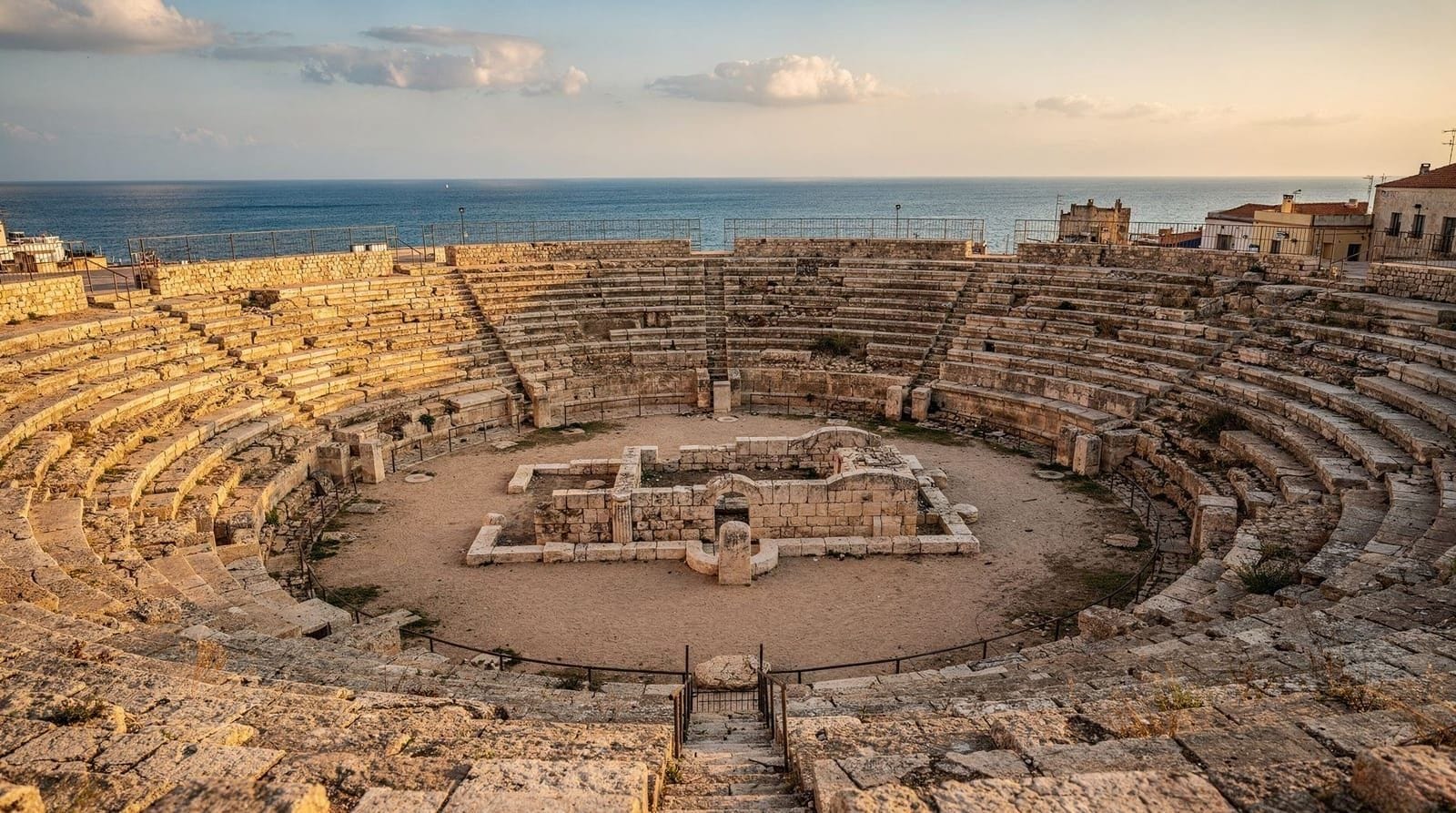
Guided tour: Combined Tarragona and Sitges tours exist and make sense if you want to cover both in a day — train to Tarragona for the Roman ruins, then train to Sitges for the afternoon beach. The guide’s transport arrangements simplify the multi-stop logic.
Sitges is the day trip that requires the least planning and delivers the most immediate pleasure. Thirty minutes on the train, ten minutes to the beach, a morning in the Cau Ferrat, lunch at a backstreet restaurant with good local fish, and an afternoon on the sand. The T-Casual Zone 2 card covers the transport cost. Come in May or September for the combination of warm sea and uncrowded beaches that makes it genuinely special.
Top experiences
Bookable activities with verified prices and instant confirmation on GetYourGuide.