Barcelona travel guide
Plan a Barcelona trip the honest way: what to book ahead, neighborhoods to base in, real prices and the tourist traps to skip.
Barcelona: Sagrada Família skip-the-line ticket with audio guide
Duration: 2 hours
- Free cancellation
- Instant confirmation
Quick facts
- Language
- Catalan and Spanish
- Currency
- Euro (€)
- Airport
- El Prat (BCN), 15 km south
- Best months
- May, Jun, Sep, Oct
Barcelona rewards travelers who plan a little and book the right things ahead. The city packs Gaudí’s UNESCO-listed architecture, a medieval old town, a working Mediterranean beach and one of Europe’s best food scenes into an area you can largely cross on foot or with a €13 metro card. The catch is that its headline sights now run on strict timed entry — turn up without a ticket for the Sagrada Família in July and you simply will not get in.
Barcelona at a glance
| Best time to visit | May, June, September–October |
| Days needed | 3–5 days |
| Language | Catalan and Spanish |
| Currency | Euro (€) |
| Airport | El Prat (BCN), 15 km south |
| Daily budget | €70–90 budget, €120–180 mid-range, €250+ comfort |
Why Barcelona works as a city break
Few European capitals give you this much variety in a compact grid. In a single day you can climb a Gaudí rooftop in the Eixample, eat lunch at a market stall in El Born, swim off Barceloneta and watch the sun set from the bunkers above Gràcia. The 2026 Gaudí centenary has pushed demand for the Modernisme sites to record levels, so the gap between a smooth trip and a frustrating one comes down to what you reserve before you arrive.
For the headline architecture, the Sagrada Família is the one to lock in first. Tickets are released on a rolling three-month window, and a basic adult entry starts at €26, with one tower included for €36.
Neighborhoods to know
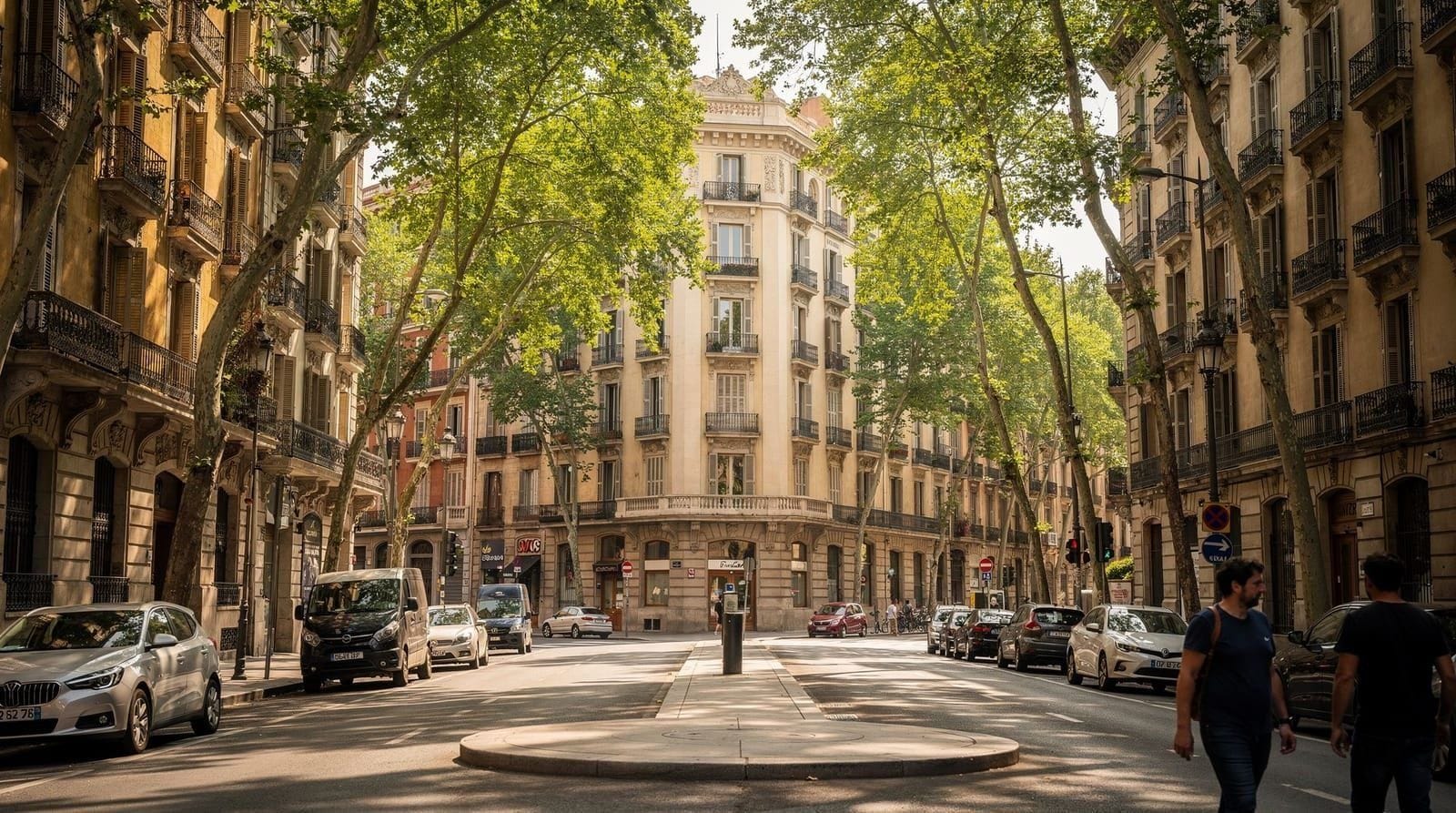
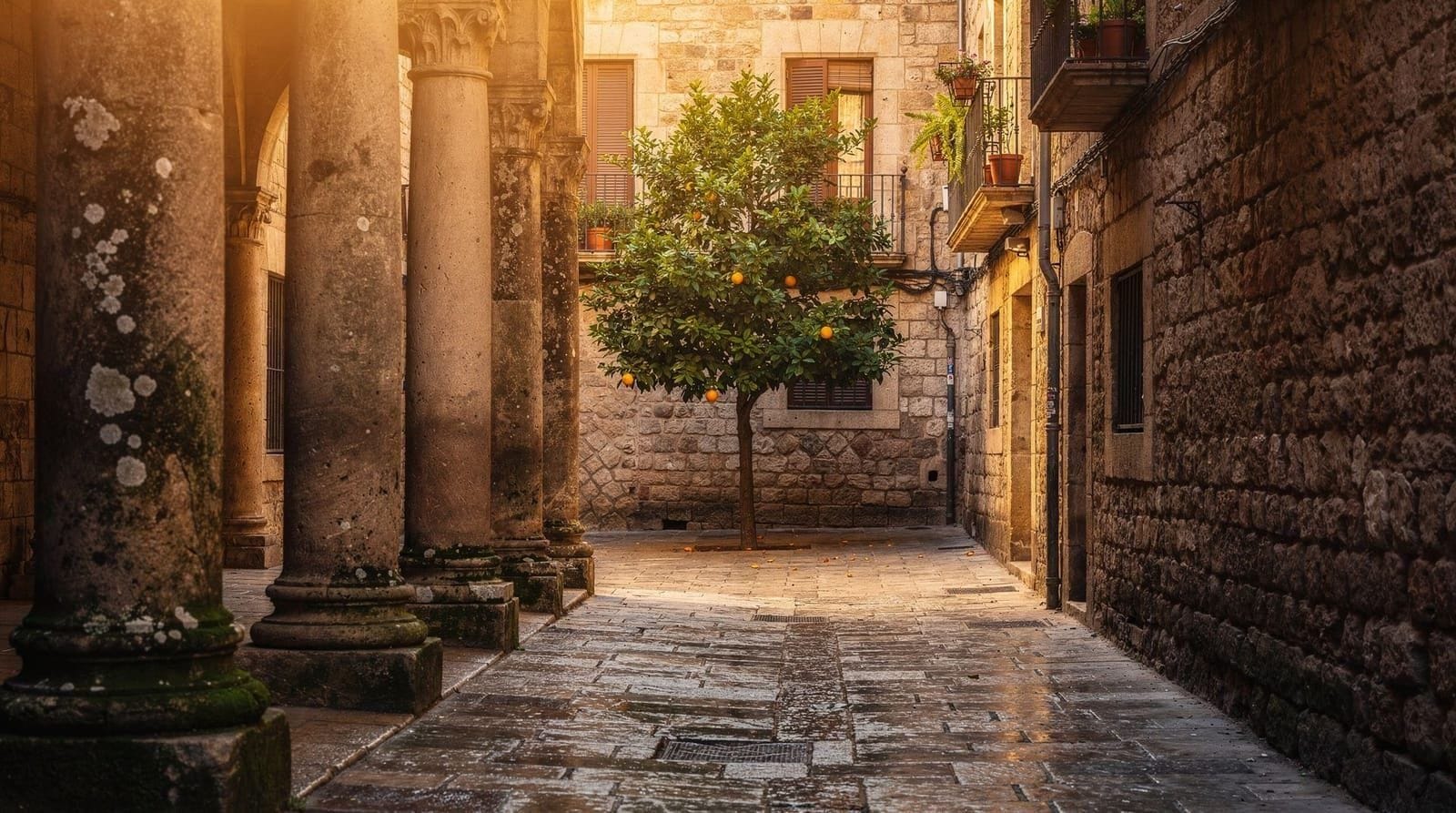
Barcelona is a city of distinct barris. The Gothic Quarter is the historic core — atmospheric but touristy. Neighboring El Born is more fashionable, with the Picasso Museum and the city’s best tapas. The Eixample grid holds the Gaudí houses and the best hotels, while Gràcia keeps a village feel that locals still actually live in.
For where to base yourself by travel style, see our guide to the best neighborhoods in Barcelona.
Comparing Barcelona’s central neighborhoods
| Neighborhood | Character | Best for | Watch out for |
|---|---|---|---|
| Eixample | Elegant grid, Modernisme architecture | First-timers, architecture lovers | Higher hotel prices near Passeig de Gràcia |
| Gothic Quarter | Medieval core, atmospheric lanes | History, central location | Crowds and pickpocketing |
| El Born | Fashionable, food-focused | Foodies, couples | Fewer budget hotel options |
| Gràcia | Village feel, local life | Longer stays, quieter base | Slightly further from headline sights |
Getting in and around
From El Prat airport, the Aerobus reaches Plaça Catalunya in 35 minutes (from €7.45 according to ATM), while the R2 Nord train uses a standard integrated fare but only runs from Terminal 2. Official taxis are metered, with a €4.60 airport supplement. Once in town, a T-Casual card (10 trips, €13) covers most visitors; the Hola Barcelona travel card adds the airport metro. Full breakdown in getting around Barcelona.
When to go
May, June and September–October are the sweet spot: warm enough for the beach, lighter crowds than peak August, and lower hotel prices. July and August are hot, expensive and saturated. Winter (December–February) is quiet and cheap but too cold to swim; the trade-off is worth it for travelers who prioritize thin crowds at the Gaudí sites over beach weather. See the best time to visit Barcelona for a month-by-month breakdown.
How many days to allow
Three days is the practical minimum for a first visit — enough for the Gothic Quarter and El Born on day one, Eixample and the Gaudí trail on day two, and Barceloneta beach plus Montjuïc on day three. Four to five days lets you slow down and add a Catalonia day trip without feeling rushed. See how many days in Barcelona and itinerary planning tips for a full breakdown by trip length, including a suggested 3-day itinerary for first-timers.
Day trips worth the train
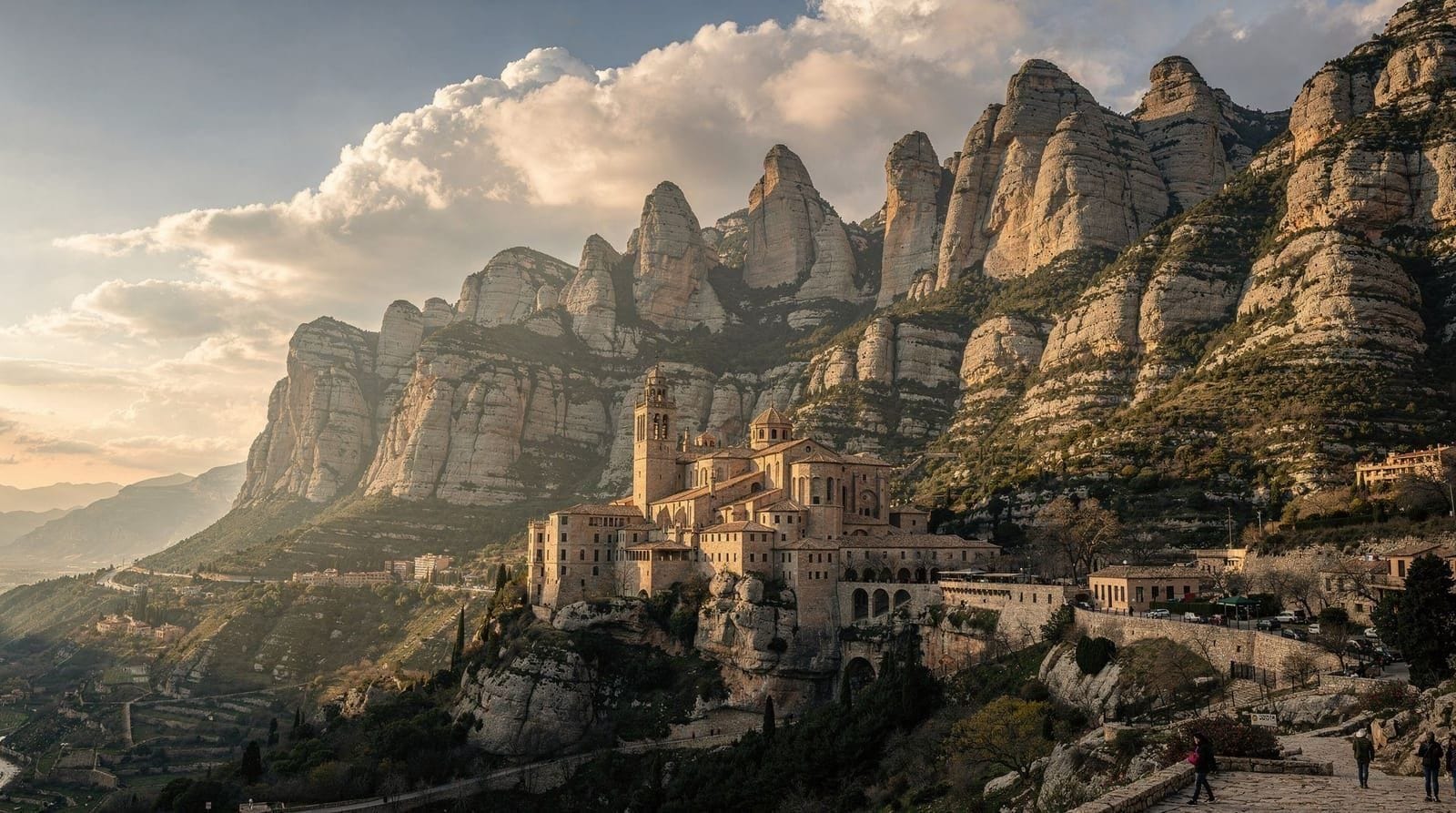
If you have a fourth or fifth day, Catalonia opens up fast. Montserrat (the serrated mountain monastery) is an hour out; Girona and the Costa Brava are 40 minutes by fast train; Sitges is the easiest beach escape at 30 minutes. Our day-trips guide compares them on time, cost and effort.
Food, tapas and what to skip
Barcelona’s food scene rewards leaving the main tourist strips. La Boqueria market off La Rambla is beautiful but the front stalls are priced for tourists; walk to the back for honest prices. El Born and Gràcia have the best concentration of independent tapas bars, while beachfront restaurants in Barceloneta are a well-known paella trap — frozen rice reheated and served at inflated prices. A weekday menú del día (set lunch, €12–14) at a neighborhood restaurant is the best-value meal in the city. See the best tapas neighborhoods and the paella and sangria traps guide for specifics.
Building a first visit around the booking calendar
The easiest way to plan Barcelona is to work backwards from the sights that need a reservation. Fix your dates, then secure the timed-entry attractions first and let everything else fill the gaps. The Sagrada Família comes first, and the Sagrada Família booking guide explains how the slots work and which ones are worth choosing. Next come Park Güell, Casa Batlló and La Pedrera. If you want to see how the houses and the park fit together on foot, the Gaudí trail lays out a sensible order, and the three-day Gaudí itinerary turns it into a schedule.
Once the timed tickets are in, build each day around them. Put a booked sight in the morning or early afternoon, keep the surrounding hours loose, and choose a neighborhood to wander nearby rather than crossing the city twice. Barcelona is much more enjoyable when the day has one fixed anchor and a lot of slack than when every hour is scheduled. A late lunch, a long walk and an unplanned detour into a side street often end up being what people remember.
Beyond Gaudí: the rest of the city
It is easy to arrive thinking Barcelona is only about Gaudí, but the city has plenty more to offer once the big names are booked. Montjuïc is the hill above the port and holds a castle, gardens and several museums, which makes it a good half-day for anyone who likes a mix of views and culture. The Montjuïc cable car is a scenic way up, and the Joan Miró Foundation and MNAC are the main art stops on the slopes. In El Born, the Picasso Museum sits among narrow medieval streets and pairs naturally with an afternoon of tapas.
If you enjoy music and performance, the Palau de la Música Catalana is one of the most striking interiors in the city, and the flamenco show guide explains what to expect from an evening tablao, including the honest point that flamenco is Andalusian rather than Catalan. For something more local, the castellers and the sardana are traditions that say far more about Catalan identity, and the Catalan culture guide gives the background that makes the city make sense.
Sample days that actually work
A good first day stays in the old town. Start in the Gothic Quarter before the streets fill up, walk across to El Born for lunch, and spend the late afternoon at the Picasso Museum or simply sitting in a square. Finish with tapas in the same neighborhood rather than taking the metro across town. This keeps the day compact and leaves energy for the evening.
A second day suits the Eixample. Book the Gaudí houses for the morning, walk the grid between them, and take your time over lunch away from the busiest corners of Passeig de Gràcia. In the afternoon, head up to Gràcia for the squares and the quieter streets, and watch the sunset from a viewpoint if the weather is clear.
A third day can be the coast and the hill. Spend the morning on Montjuïc, then go down to Barceloneta for the afternoon. The beaches guide compares the stretches of sand so you can pick one that suits you, whether you want lively or relaxed. If you are traveling with children, the Barcelona with kids guide adjusts this rhythm for shorter attention spans and earlier bedtimes.
Staying safe without being paranoid
Barcelona is a comfortable city to walk around, and most visitors never have a problem. Still, petty theft is the one real nuisance, and a few habits remove most of the risk. Carry only what you need for the day, keep your phone away from café tables and metro doors, and be especially alert in crowded places where people are distracted, such as at the market, on the Rambla and in busy carriages. The pickpocket guide and the wider safety and scams guide cover the common tricks in detail, and the tourist traps guide helps you spot overpriced restaurants and unofficial sellers before you sit down.
Use the same caution with tickets. Buy from the official site or a reputable platform rather than from anyone approaching you in the street, and be wary of resellers who add a markup for something you could book directly. A little skepticism about anything that seems too convenient goes a long way here.
Practical habits for a smoother trip
Dinner is later in Barcelona than in many other countries, so restaurants that open early are often aimed squarely at visitors. If you eat at a local hour, you will usually find better food and a more relaxed room. Learning a few words of Catalan is appreciated, and the Catalan language basics guide is a short way to get started, though English and Spanish are both widely understood in the center.
Wear comfortable shoes, because the best parts of the city are discovered on foot. Plan your pace around the weather, too: in the warmest months, the middle of the day is better spent in a museum, a shaded square or by the water than climbing hills in full sun. If it rains, the rainy day guide has indoor ideas that still feel like Barcelona rather than a consolation prize.
Where to go next
If this overview has given you a rough shape for the trip, the next step is to fix the details. Decide where you will sleep with the where to stay guide, work out your budget with the budget guide, and decide how to move around with the transport pass comparison. For a short visit, the 48-hour plan shows how to compress the highlights, while the four-day itinerary gives a more relaxed version with room for a day trip.
Plan around the booking reality, base yourself centrally, and keep your wits about you in the crowds, and Barcelona is one of the most rewarding city breaks in Europe.
Top experiences
Bookable activities with verified prices and instant confirmation on GetYourGuide.
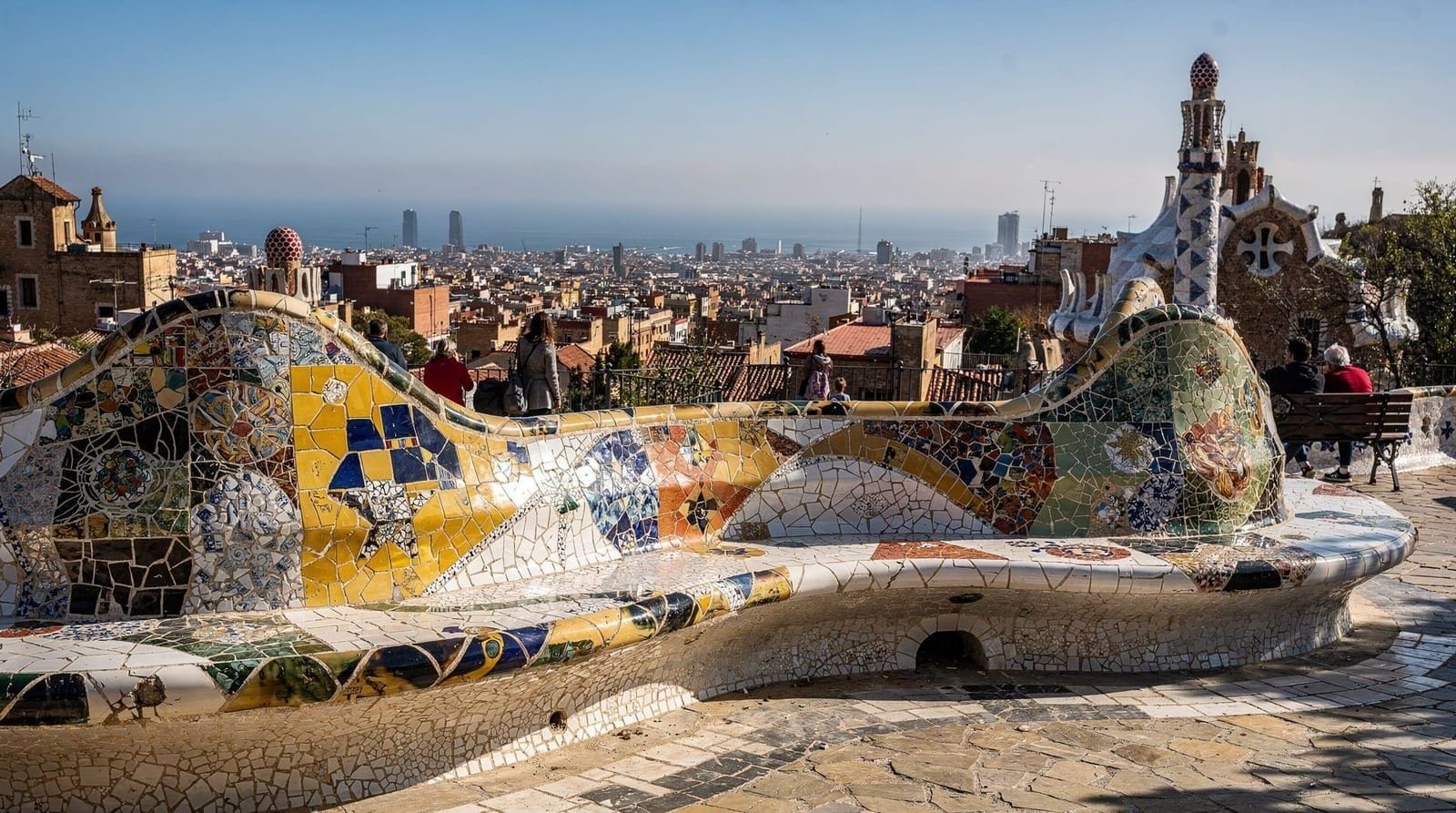
Barcelona: Park Güell skip-the-line admission ticket
- Free cancellation
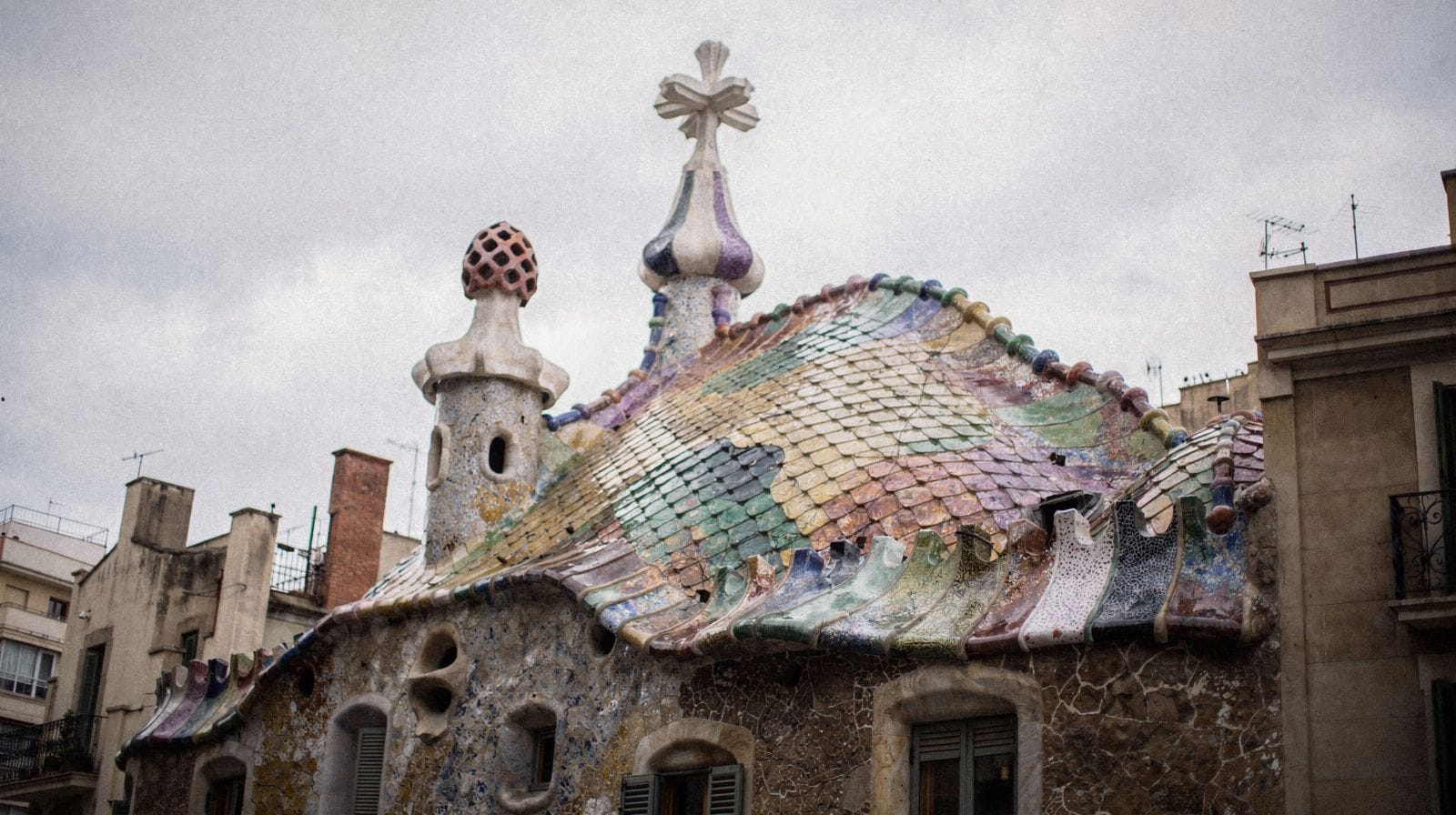
Barcelona: Casa Batlló fast-track tickets and architecture tour
- Free cancellation
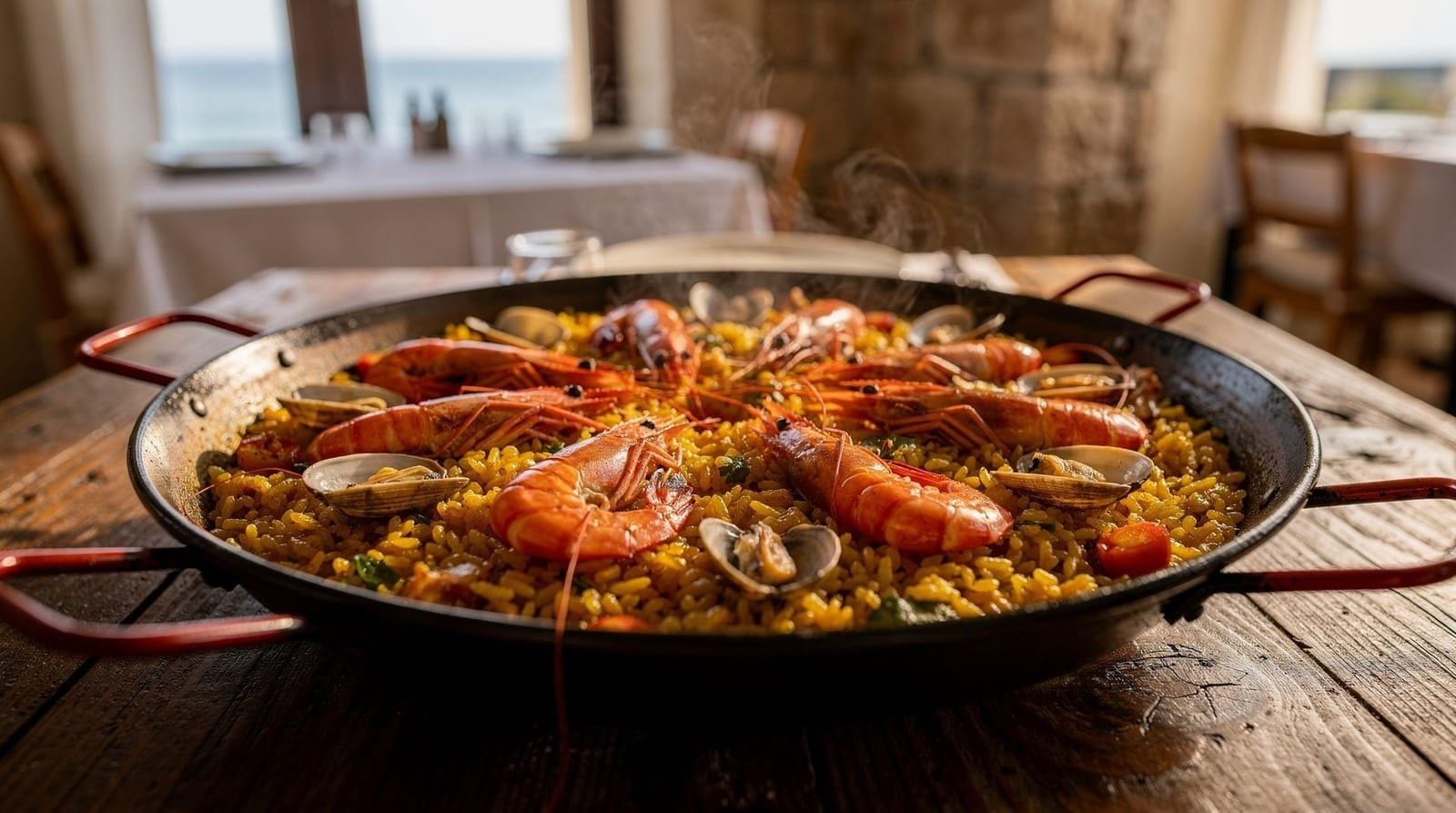
Barcelona: old town tapas & paella food tour with 8 tastings
- Free cancellation
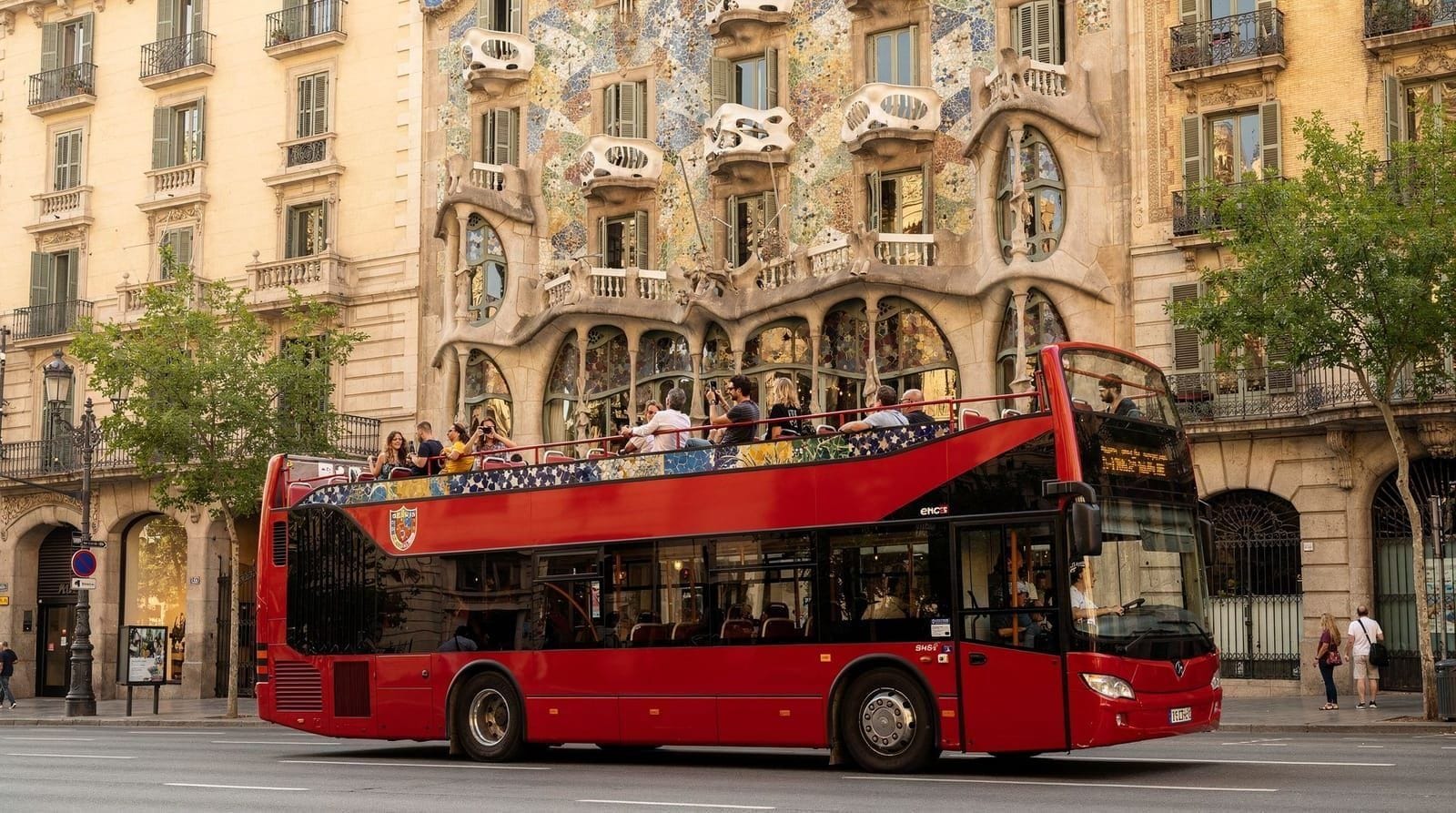
Barcelona: City Sightseeing hop-on hop-off bus 1 or 2-day ticket
- Free cancellation
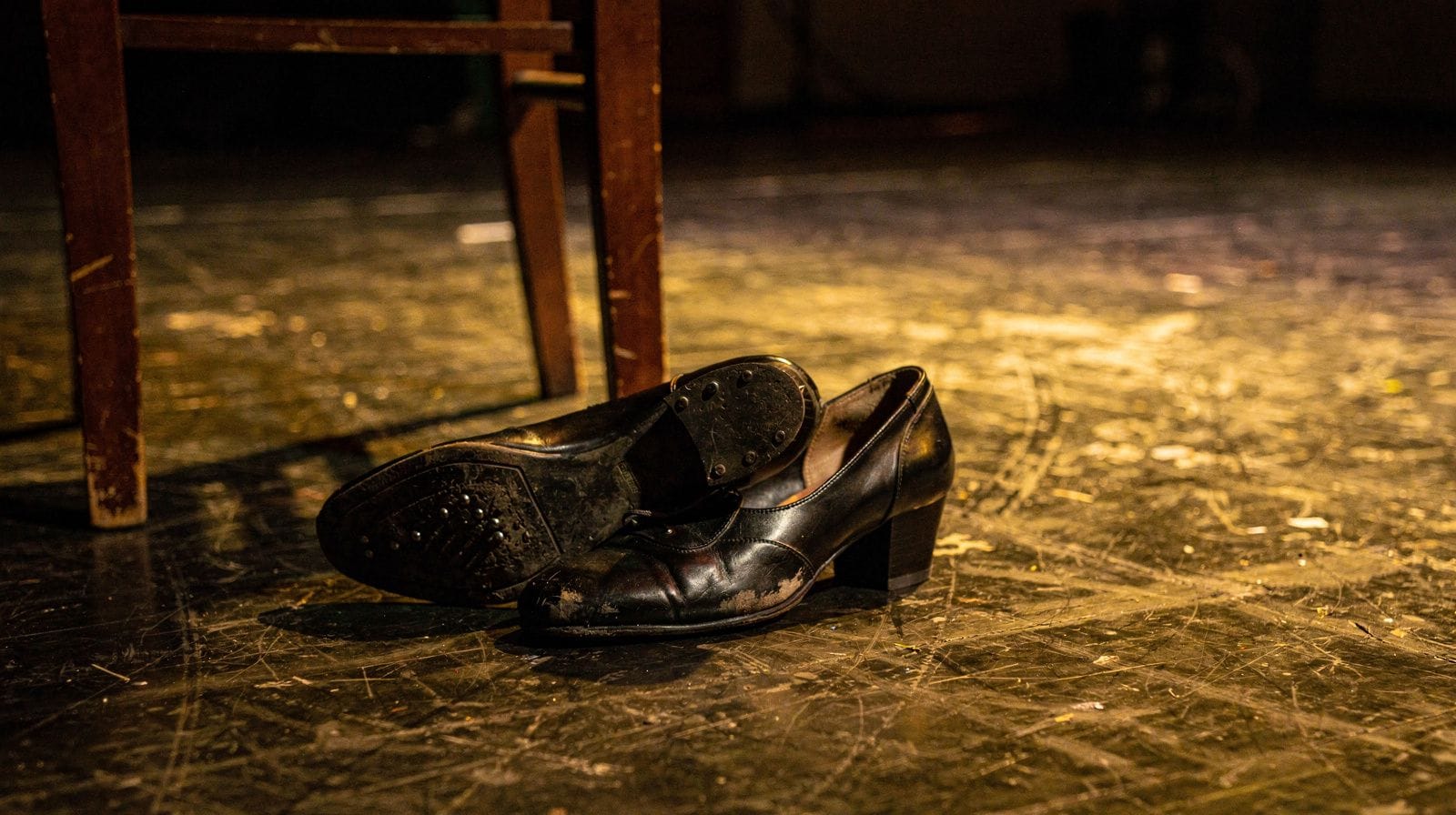
Barcelona: flamenco show at Tablao Flamenco Cordobes
- Free cancellation