Costa Brava day trip from Barcelona
How to visit the Costa Brava from Barcelona — best beaches, rocky coves, medieval towns, and whether to go DIY or join a tour.
From Barcelona: Costa Brava and Girona small-group tour
Duration: Full day
- Free cancellation
- Small group
- Hotel pickup
Quick facts
- Distance from Barcelona
- 100–175 km northeast
- Transport
- Bus or tour (no direct train to most towns)
- Best for
- Rocky coves, medieval villages, coastal walking
- Season
- May–Oct (July–Aug crowded)
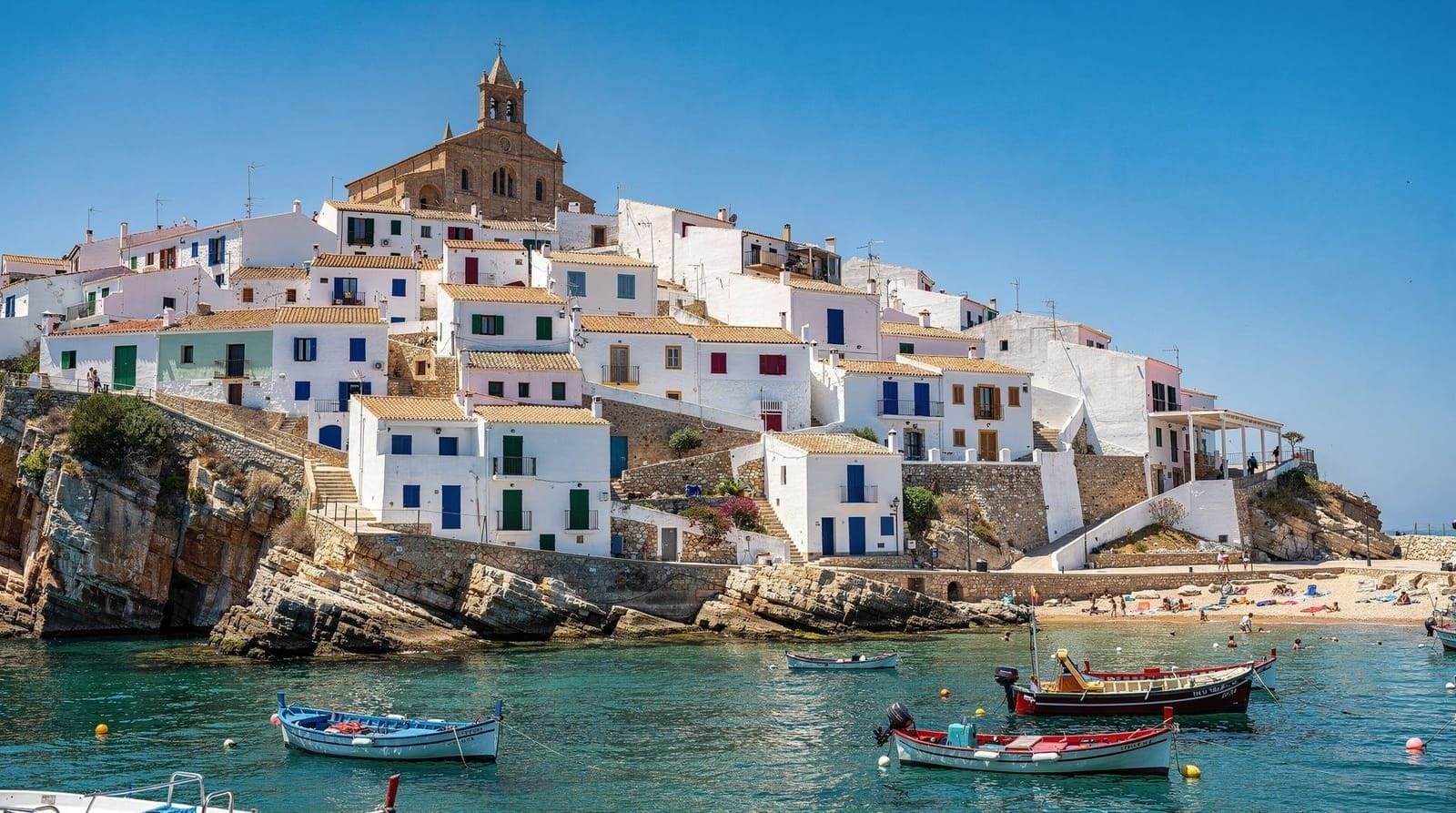
The Costa Brava — literally “rugged coast” — stretches 200 kilometres north of Barcelona to the French border, where the Pyrenees drop into the Mediterranean in a series of pine-clad cliffs, turquoise coves and fishing villages that have somehow kept their character despite decades of summer tourism. As a day-trip destination, the southern stretch (roughly from Blanes to Begur) is what most visitors target: medieval Tossa de Mar, the isolated whitewashed lanes of Cadaqués, and the clifftop village of Begur with its hidden coves below.
Costa Brava at a glance
| Where | 100–175 km northeast of Barcelona, extending to the French border |
| Cost | Bus to Tossa ~€25–30 return; guided tours from ~€65–75 |
| Time needed | Full day (northern villages benefit from an overnight) |
| Getting there | Bus (Tossa only), guided tour, or car |
| Best time | May–June and September–October |
Getting there from Barcelona
Unlike Montserrat or Girona, the Costa Brava has no single fast train. The geography — a rugged coastline with no rail corridor — means you have two realistic options.
By bus (Tossa de Mar only): SARFA buses run from Estació del Nord in central Barcelona to Tossa de Mar in around 1h15. Return fares are approximately €25–30. Services are roughly hourly in summer, less frequent in winter. Book online in advance for July and August.
By guided tour: The most practical option for the northern Costa Brava (Cadaqués, Begur, Calella de Palafrugell) or a combined coastal route. Small-group tours from Barcelona typically pick up from central hotels, include a coastal boat trip and arrive back in the evening. Prices start at €65–75 per person and handle all logistics.
By car: About 1h30 to Tossa de Mar, 2h30 to Cadaqués. Gives full flexibility but parking in high season is difficult in smaller villages — pay car parks fill by 9 am in July. See our guide to getting around Barcelona and Catalonia for car rental tips.
For a broader comparison of Costa Brava itineraries against other Catalonia day trips, see the best day trips from Barcelona.
The three main areas
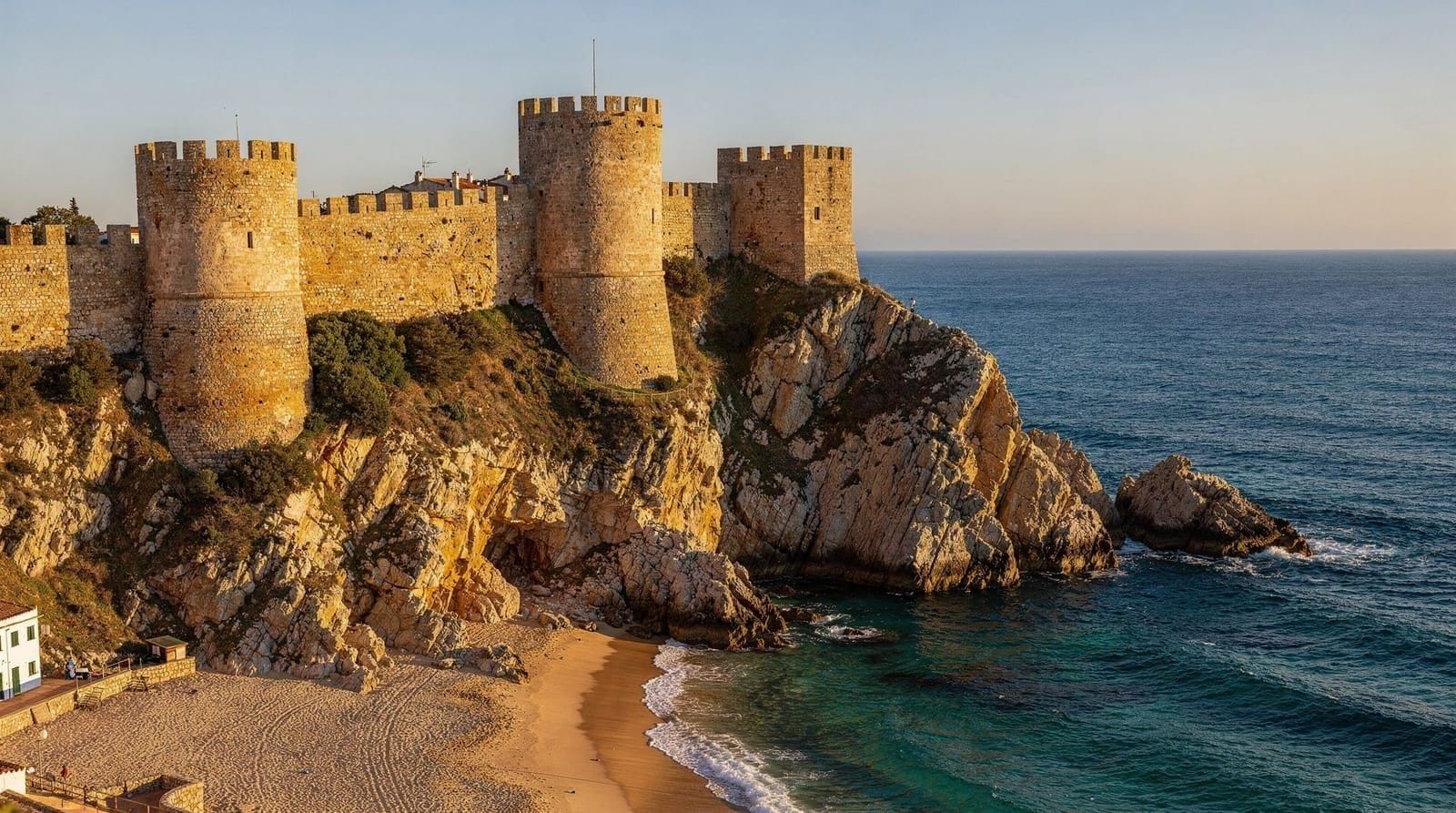
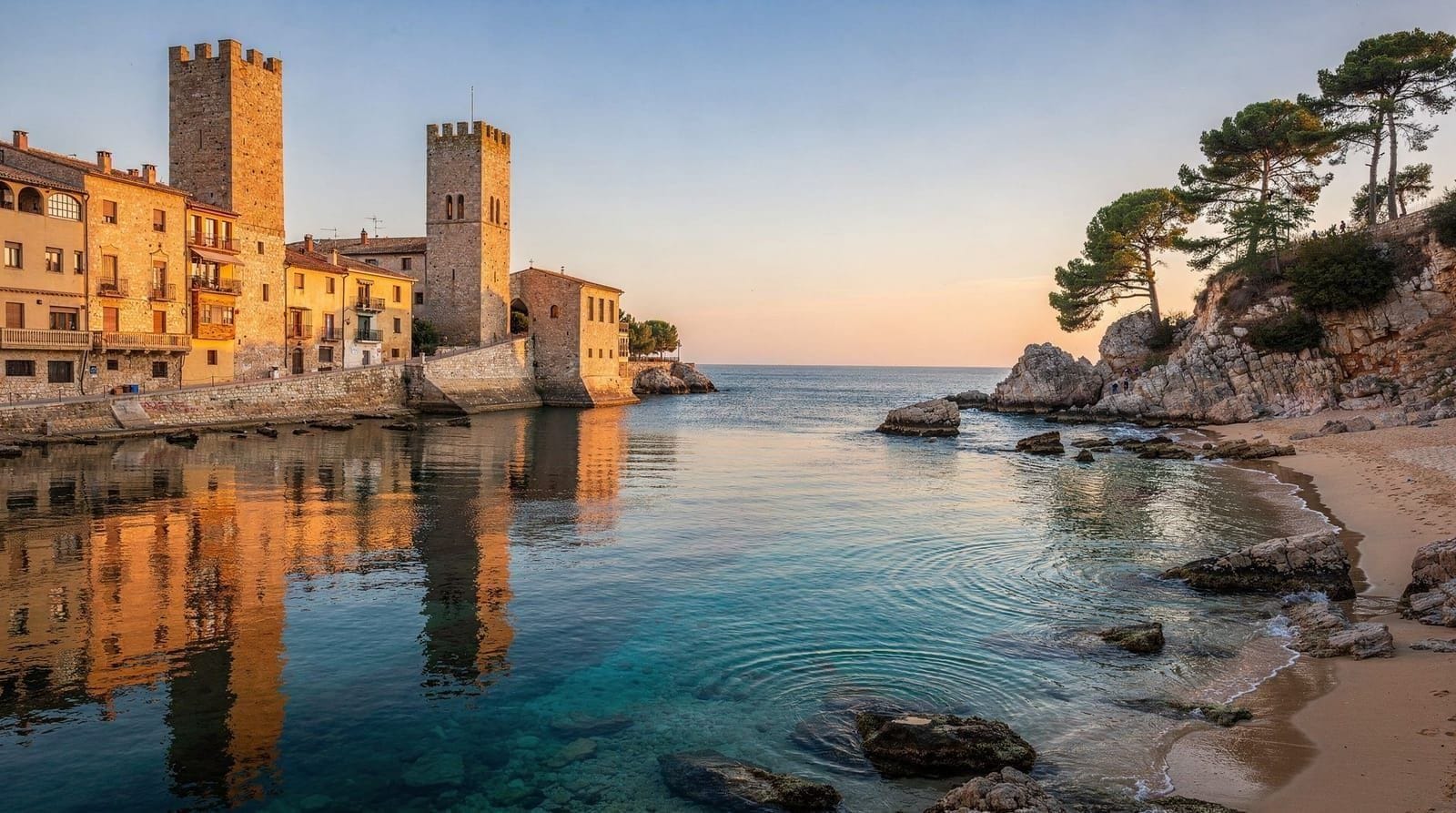
Southern Costa Brava (Tossa de Mar, Sant Feliu de Guíxols) Tossa is the star here: a 12th-century walled old town (Vila Vella) perched above a curved bay, with the remains of a castle-fort visible from the sea. The beach in front of the walls is among the most photographed in Catalonia. Sant Feliu de Guíxols, slightly further north, has a good seafood market and a handsome promenade but gets less attention from day-trippers.
Central Costa Brava (Palafrugell, Begur, Calella de Palafrugell) This is where Catalan summer culture concentrates. Begur village sits on a hilltop 200 metres above the coast, with a ruined Arab castle and cobbled lanes connecting to six different coves below — Aiguablava, Sa Riera, Sa Tuna and others. Calella de Palafrugell is a genuine old fishing village, now very popular with Catalan families. These places are better for an overnight, but determined day-trippers who come by car and start early can cover one village and one cove.
Northern Costa Brava (Cadaqués, Cap de Creus, Roses) Cadaqués is the most famous name — the white village where Salvador Dalí lived for decades, isolated by the last spur of the Pyrenees before France. The lack of a direct road (a narrow mountain pass, now improved but still slow) has been both curse and blessing. Cadaqués remains remarkably authentic. Cap de Creus, the easternmost point of Spain, is a 20-minute drive beyond Cadaqués: a stark, elemental headland. Both are best from Figueres (45 minutes) or as part of the Girona and Costa Brava day trip.
Comparing the three areas at a glance:
| Area | Travel time | Access | Best for |
|---|---|---|---|
| Southern (Tossa) | ~1h15 by bus | Direct bus — easiest DIY option | First-timers, walled old town |
| Central (Begur, Palafrugell) | ~2h by car | Car strongly recommended | Secluded coves, local atmosphere |
| Northern (Cadaqués) | ~2h30–3h | Bus via Figueres, car, or tour | Dalí heritage, isolated character |
What to see and do on the coast
Boat trips along the cliffs: The most memorable way to appreciate the Costa Brava’s geology is from the water. Glassas, sea caves, cliff arches and turquoise depths invisible from the coastal path. Boat excursions run from Tossa, Begur and Cadaqués; guided day tours from Barcelona typically include a 1–2 hour coastal segment.
The coastal walking path (Camí de Ronda): A continuous path runs the length of the coast, originally built for customs guards patrolling for smugglers. The section between Tossa de Mar and Sant Feliu de Guíxols (18 km) is the most dramatic — cliffs, pine forest, hidden coves and no roads in sight. Take four to five hours in either direction; water and sun protection essential.
Medieval Tossa: The Vila Vella is free to enter any time. Climb the walls in the late afternoon when the light turns golden and most day-trippers have left. Inside: the 12th-century church, a small municipal museum, and a famous cast-iron statue of Ava Gardner, who filmed here in 1951 and reportedly called it “paradise.”
Dalí connections: The northern coast is Dalí country. Cadaqués has the Casa Museu Salvador Dalí at Port Lligat (advance booking essential; small groups only). Cap de Creus inspired many of his surrealist landscapes. Combine with Figueres for the full Dalí picture.
Fishing ports with restaurants: The best food on the Costa Brava is in non-touristy fishing villages: Llafranc, Tamariu, l’Escala. Anchovy from l’Escala (anxoves de l’Escala) is a regional product worth seeking out — look for restaurants that serve them simply with bread and olive oil. Avoid the main promenade restaurants in Tossa or Roses; walk one street back.
DIY vs guided tour
Go DIY if: You have a car, a clear destination in mind (Tossa for buses), or time for an overnight. The Costa Brava rewards slow travel — one cove, one village, one meal.
Take a tour if: You want to see multiple points of coast without logistics stress, you are visiting in summer and don’t have a car, or you want the coastal boat trip included. Small-group tours to the Costa Brava are genuinely good value given transport complexity. See the Girona + Costa Brava guide for detailed tour options.
The honest trade-off: Guided tours follow set itineraries and popular stops. You will see more coastal scenery but spend less time in any one place. For Cadaqués specifically, a tour may give you only 2 hours — enough to walk the village and eat a quick lunch, not enough to appreciate its quality of light and isolation.
Practical timing
The Costa Brava works as a full day from Barcelona, not a half day. Even Tossa — the closest option — benefits from arriving by 9 am and leaving at 6 pm to get beach time, see the walled city in good light, and have a proper lunch. The central and northern coast adds 30–60 minutes of travel each way.
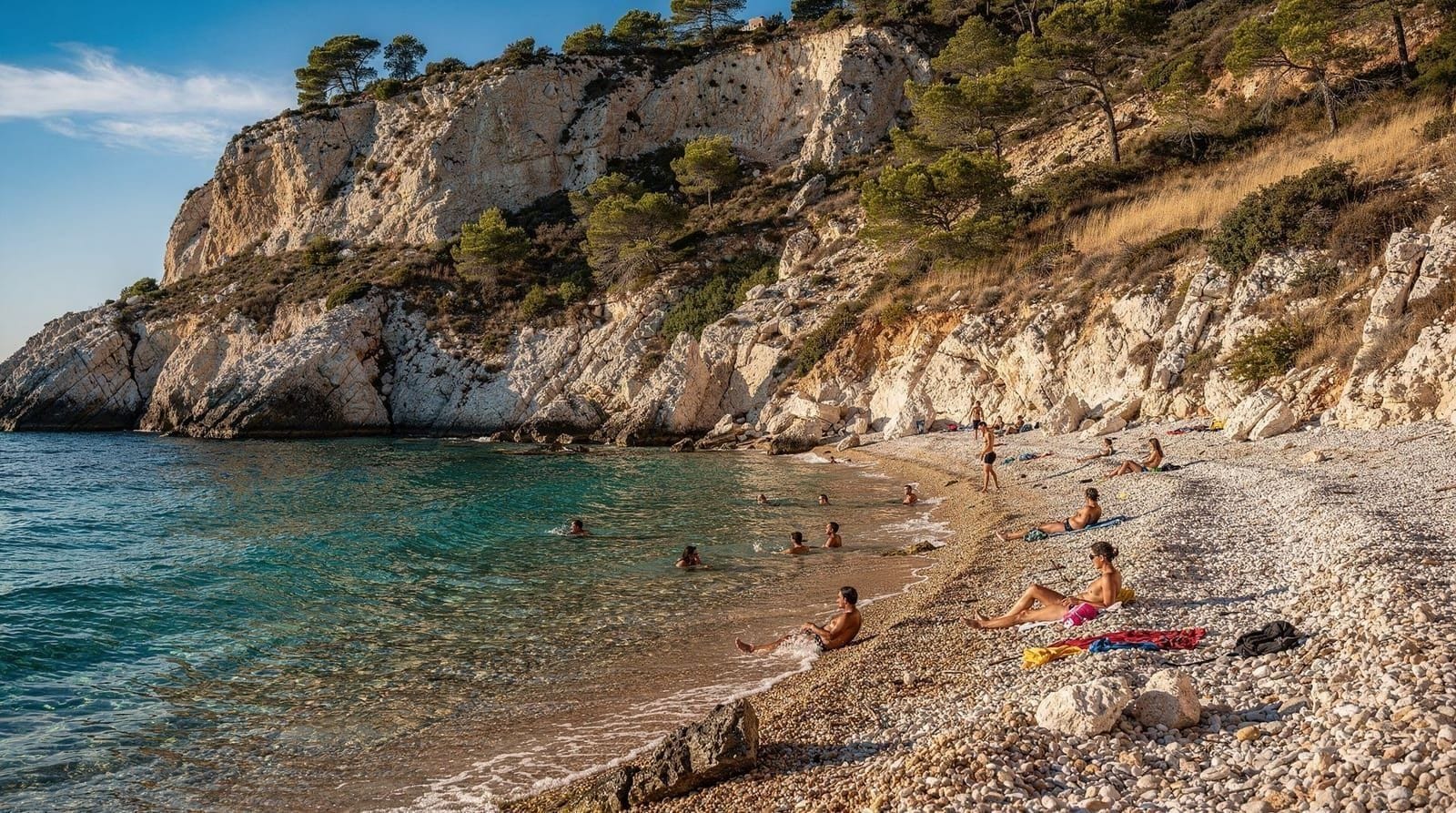
Summer crowds: July–August, the most famous coves (Cala Gat, Cala Maset near Cadaqués; Aiguablava near Begur) can be very crowded by 11 am. Arrive at 8–9 am, leave for the next village by noon, or swim at secondary coves. Water is cleanest and least crowded before 10 am and after 6 pm.
Best months: May–June and September–October. The sea is warm enough from late May; September is warm (24°C water), less crowded, and the light is exceptional. October is quiet, prices drop, and the coastal walking trails are at their best.
Combining with nearby destinations
The Costa Brava pairs naturally with Girona (40 minutes inland; medieval Jewish quarter, colourful riverside houses). Most organised tours combine both. The northern coast links to Figueres and the Dalí Museum, an easy add-on if you have a car or join a combined tour. Besalú, a perfectly preserved Romanesque village 30 minutes inland from the coast, is worth a short detour.
For planning a wider Catalonia trip that includes the coast, check our day-trip comparison guide.
The Costa Brava rewards visitors who go beyond the obvious. Tossa is the easy choice; Cadaqués is the unforgettable one. For most day-trippers from Barcelona, a guided tour with a coastal boat section gives the best combination of scenery and convenience — save the slow exploration of individual coves for a longer Catalonia trip.
Top experiences
Bookable activities with verified prices and instant confirmation on GetYourGuide.
From Barcelona: Costa Brava day tour with boat trip
- Free cancellation
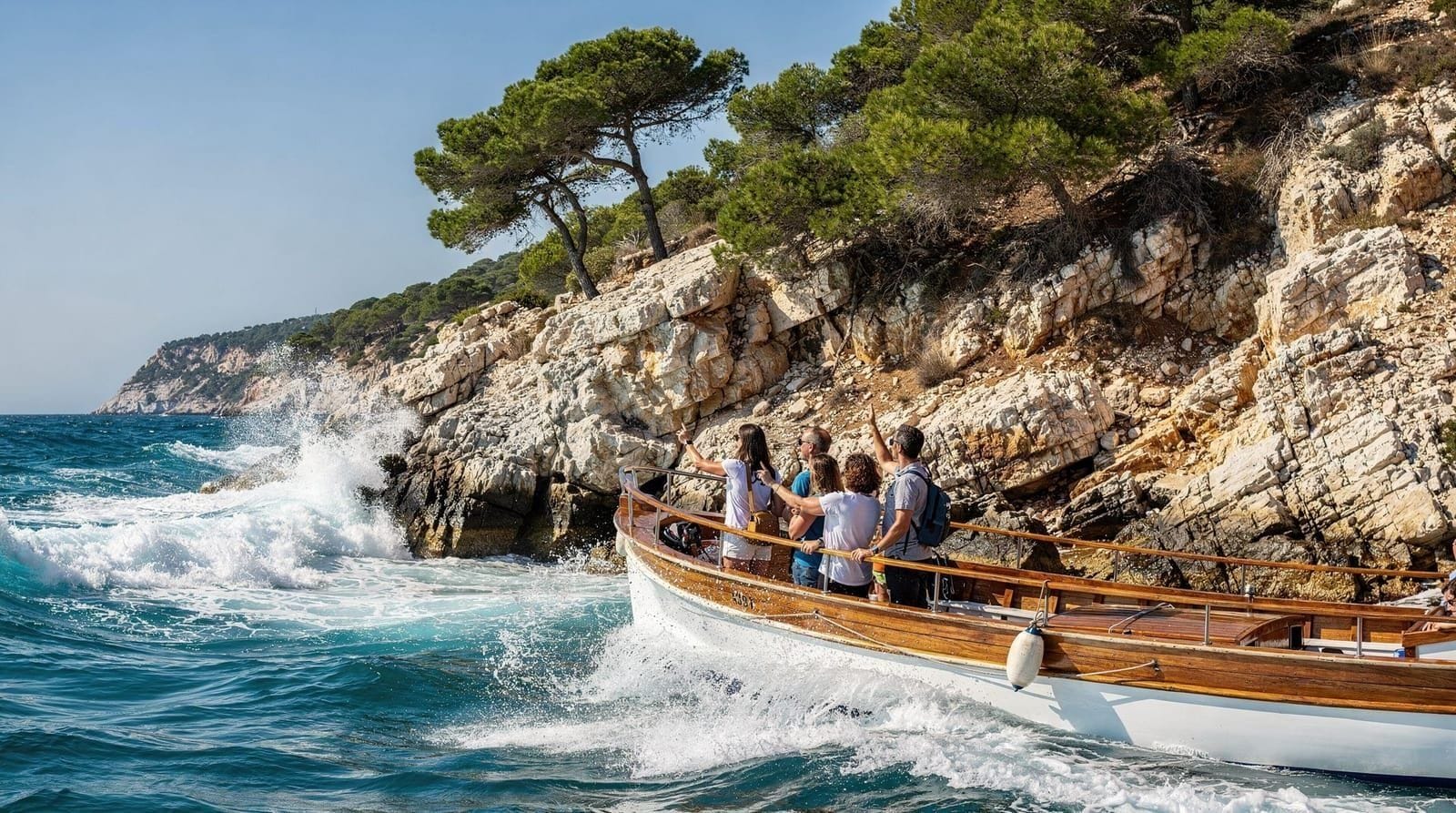
Barcelona: Costa Brava boat ride and Tossa de Mar visit
- Free cancellation
- Hotel pickup
Barcelona: Tossa de Mar coastal path & Costa Brava boat trip
- Free cancellation
- Small group
From Barcelona: Girona, Besalú & medieval villages day trip
- Free cancellation
- Small group
From Barcelona: Girona and Costa Brava day tour
- Free cancellation
- Small group