Girona day trip from Barcelona
Girona by train from Barcelona in 37 minutes: the medieval Jewish quarter, cathedral, city walls and colourful riverside houses. Full honest guide.
From Barcelona: Costa Brava and Girona small-group tour
Duration: Full day
- Free cancellation
- Small group
- Hotel pickup
Quick facts
- Distance from Barcelona
- 100 km northeast
- Train time
- 37–40 min by AVE from Barcelona Sants
- Train fare
- Train; fare on the official Renfe website
- Best for
- Medieval city, Jewish quarter, day-trip ease
Girona is the best day trip from Barcelona that most first-time visitors miss. The fast train journey takes 37 minutes, the old city is compact enough to cover on foot in a day, and the combination of a medieval Jewish quarter, a free walkable city wall, colourful riverside houses, and a cathedral with a single-nave interior that rivals any in Spain makes it worth the trip every time. Girona is also the gateway to the Costa Brava and the link to Figueres — making it a natural hub for a day or two in northern Catalonia.
| Where | 100 km northeast of Barcelona |
| Cost | Train (fare on the official Renfe website); cathedral €7.50, El Call museum €6 |
| Time needed | Full day recommended, half-day possible |
| Getting there | AVE high-speed train from Barcelona Sants, 37–40 min |
| Best time | April–June and September–October |
Getting there from Barcelona
The train from Barcelona Sants to Girona is straightforward. Regional trains (the slower, cheaper option) take about 40 minutes and run every 30–60 minutes; check the fare on the official Renfe website. AVE and regional express trains (AVANT) take 37 minutes and cost more. For a day trip, the regional train is entirely adequate; save the fast train for a tight schedule or if you are continuing to Figueres.
Girona station (Estació de Girona) is a 10-minute walk from the old city, crossing the Onyar river. Follow the river south and cross at the Pont de Pedra to enter the old town.
Buy tickets at the station vending machines (English available), at renfe.com, or use a physical ticket window for same-day travel.
For a full comparison of Catalonia day trips from Barcelona — including timing, cost and what suits different travellers — see the day-trips overview.
The old city: what to see and in what order
Allow a full day and resist the temptation to rush. Girona’s strength is the quality of its medieval fabric, which you miss if you are checking boxes.
Recommended morning:
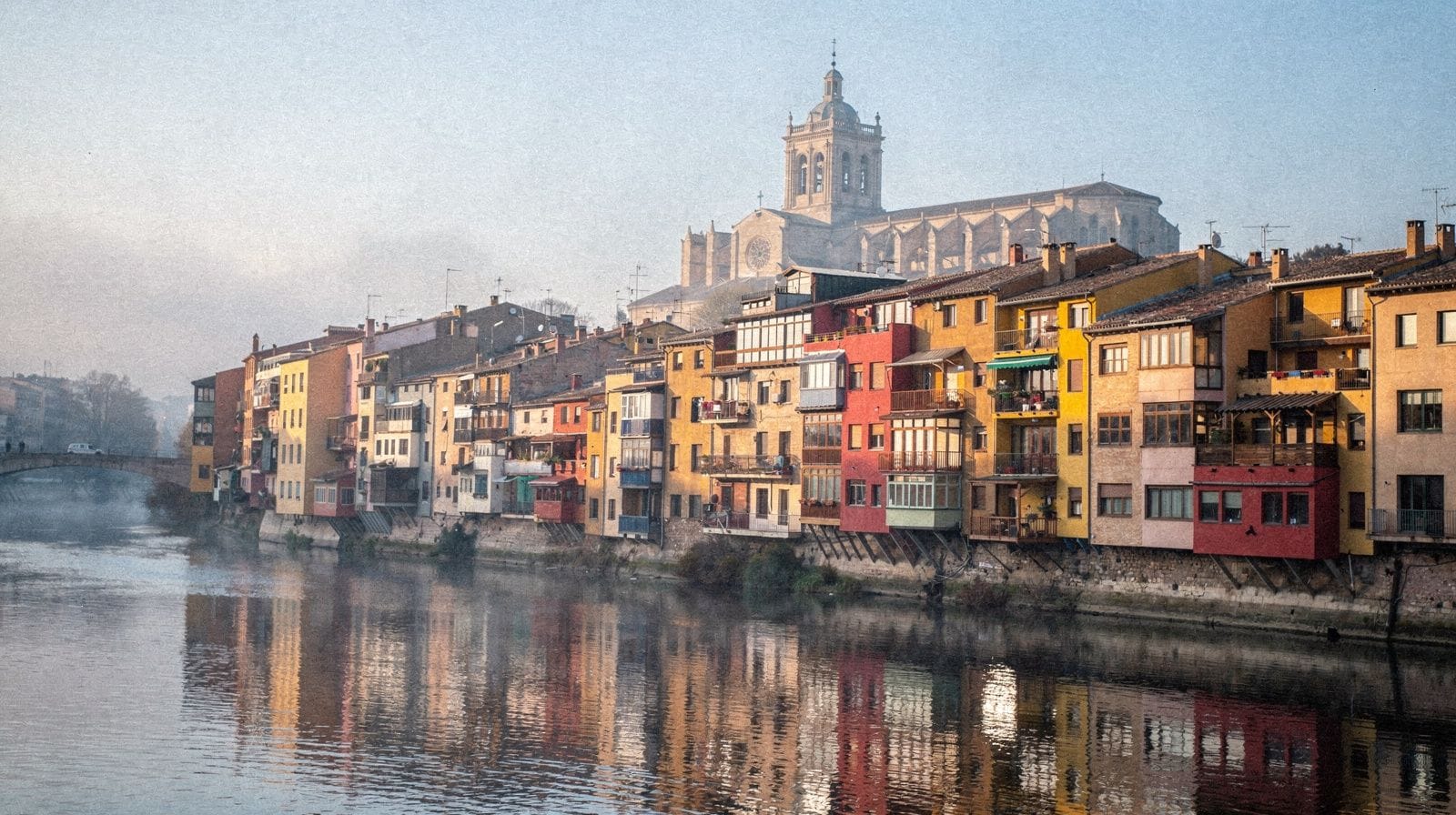
Start at the Pont de Pedra bridge and walk south along the Onyar riverbank. The Case Penjades — the colourful houses hanging over the river, reflected in the water below — are the image most associated with Girona and genuinely more photogenic in real life than in photographs. The best light is morning. Cross back over the pedestrian Pont de les Peixateries Velles (Eiffel-designed iron bridge) into the old town.
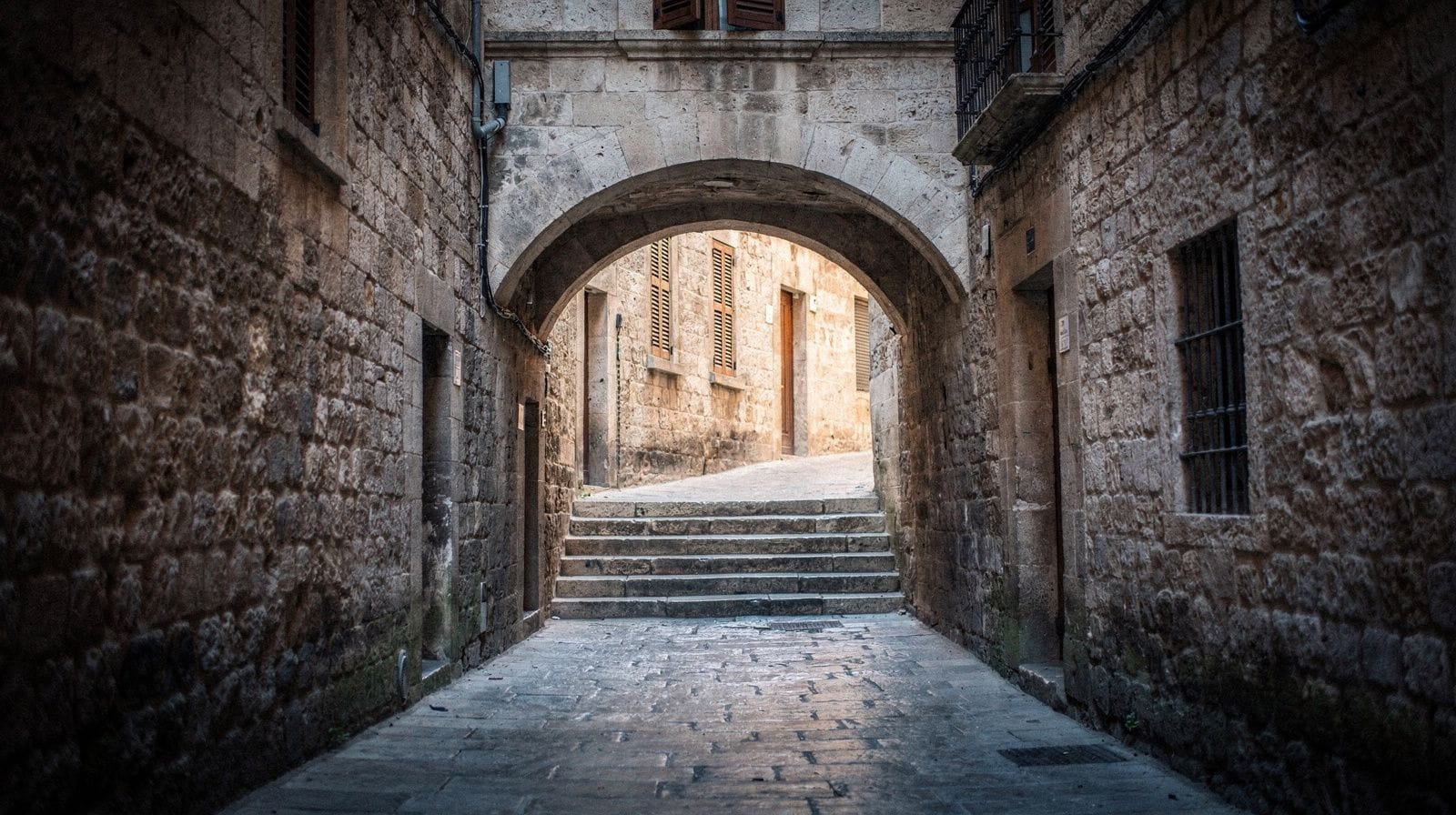
El Call (Jewish Quarter): Enter from the Carrer de la Força. The medieval Jewish quarter of Girona is one of the most intact in Europe — not a reconstruction but actual medieval streets and buildings where a Jewish community flourished from the 9th century until 1492. The Centre Bonastruc ça Porta (Museum of Jewish History) is at the centre; small exhibition, well-explained, €6 entry (opening hours vary by season: check the museum’s official website). The streets themselves are the experience — narrow, ancient, largely unchanged. Allow 1 hour.
Girona Cathedral: Approached by a wide baroque staircase (93 steps, a favourite filming location) from the Plaça de la Catedral. The interior is remarkable: a single 23-metre nave, the widest Gothic nave in the world. The cloister (Romanesque, 12th century) contains some of the finest carved capitals in Catalonia. The cathedral treasury museum holds the Tapestry of Creation, an 11th-century Romanesque embroidery that is one of the great surviving medieval artworks. Cathedral admission is €7.50 for adults, with an audio guide included. The staircase and exterior are free.
City walls (Passeig de la Muralla): Free. Accessible from several points near the cathedral. The elevated walkway gives views over the old city rooftops and the cathedral apse. On clear days, the Pyrenean peaks are visible to the north. 45 minutes for the full circuit; good shoes recommended.
Arab Baths (Banys Àrabs): Late-12th-century public baths in Romanesque style (not strictly Arab, despite the name — built after the Arab period but influenced by Islamic architectural traditions). Small, well-preserved, entry €3 (€2 over 65; closed 1 and 6 January and 24, 25, 26 December). 20 minutes.
Sant Feliu Basilica and Sant Pere de Galligants: Two lesser-visited Romanesque and Gothic churches worth a look if you have time beyond the cathedral. Sant Feliu, just below the cathedral steps, has a distinctive truncated bell tower and Roman and early Christian sarcophagi built into its walls. Sant Pere de Galligants, near the Arab Baths, houses the city’s small archaeology museum in a beautifully austere Romanesque cloister. Both are free or near-free to view from outside and add texture to a day that might otherwise be entirely cathedral-and-walls.
Afternoon:
Cross back to the new town side for lunch (better value, fewer tourists, genuinely good restaurants on the streets around the Rambla de la Llibertat). Return to the old city for the afternoon light on the cathedral facade and a final walk through El Call. The city walls in late afternoon are beautiful.
Pacing the day so it does not feel like a checklist
The old city rewards a slow rhythm. A sensible shape is to take the riverside first, spend the middle of the day inside the cathedral, El Call and the museums while the streets are busiest, and keep the walls for the end when the light softens and the crowds thin. Leave gaps between the sights: a coffee on a quiet square, a pause on a bridge, a detour down a side street that is not on any map. Girona is a city where the unplanned half hour is often the one you remember.
If you are travelling with children or with anyone who tires quickly, the walls are the easiest place to take a break from the busier lanes, and the riverside offers benches and open views. For families planning a wider trip, Barcelona with kids has ideas for balancing heavy sightseeing days with easier ones, and the family itinerary shows how a day trip like this can fit between city days.
Footwear matters more than most visitors expect. The lanes of the old quarter are cobbled, steep in places and polished smooth by centuries of feet, so comfortable shoes with decent grip make the day far more pleasant than fashionable ones. Bring water, a light layer for the shaded lanes and the cathedral interior, and sun protection for the exposed stretches of wall.
Game of Thrones filming locations
Series 6 of Game of Thrones filmed extensively in Girona in 2015. The main locations: the cathedral steps (Braavos temple exterior), the streets of El Call (Braavos thoroughfares), and the Carrer del Rei Martí near the Arab baths (used for several scenes). A dedicated tourist office map is available free; the self-guided walk takes 1.5 hours. The filming gave Girona a significant tourism boost but the city handles it well — the locations are genuinely interesting apart from the HBO connection.
Where to eat in Girona
Honest advice: Avoid the tourist restaurants on the east side of the old town near the main shopping street. Cross to the Barri Vell streets around Carrer de la Cort Reial for better value.
El Celler de Can Roca: Mentioned for context only — it is routinely ranked among the world’s best restaurants and is booked approximately 11 months in advance. Not a realistic option for a day-tripper, but worth knowing it exists 3 km from the city centre.
Restaurants worth trying: Divinum (modern Catalan in a 13th-century space), Le Bistrot (French-influenced, good value), Blanc (lighter contemporary cooking). Most close for the midday break between 1:30–3:30 pm — plan lunch for this window.
What to order: Catalan markets make Girona a good place for local produce. Anxoves (anchovies), embotits (cured meats), pa amb tomàquet (bread with tomato and olive oil) and local wine from the Empordà wine region. Cava rather than wine if you want something Catalan.
Is Girona a good fit for your Barcelona trip?
Girona suits travellers who already have a few days in the city behind them and want a change of pace. After the crowds at the Gaudí sites, the quiet medieval lanes feel like a different country. If you are still planning the Barcelona side of your stay, the 3-day classic itinerary and the 5-day full itinerary both leave room for a day away, and the guide on how many days to spend in Barcelona helps you decide where an excursion fits.
It also works well as a counterweight to a heavy sightseeing schedule. Travellers who enjoy history, architecture and unhurried walking tend to love it; those who mainly want beaches or nightlife may be happier with Sitges or the coast. If wine and food are your priority, Penedès wine country offers a different kind of day out, and the wine weekend itinerary shows how to combine it with the city.
For a first-person account of the city, the blog post on day-trip stories from Girona gives a more personal take on what a day there feels like, and the Costa Brava beaches post is useful if you are tempted to stretch the trip toward the sea. Anyone building a longer northern loop can look at the seven-day Barcelona and Costa Brava itinerary, which treats Girona as one stop among several.
Seasonality: when to go
| Season | Weather | Crowds | Notes |
|---|---|---|---|
| Apr–Jun | Mild, occasional rain | Moderate | Best light for the Onyar houses; gardens in bloom |
| Jul–Aug | Hot, dry | Heavy | Cathedral and El Call get crowded by late morning; go early |
| Sep–Oct | Warm, settled | Moderate | Best overall combination of weather and calm streets |
| Nov–Mar | Cool, occasional fog | Light | Fewer crowds, some restaurant closures; walls can be cold and windy |
Whatever the season, start early. The first hours of the day give you the riverside houses without crowds, a calmer cathedral staircase and softer light for photographs. Weather in Catalonia can turn quickly, so a small umbrella or light jacket is a sensible addition to your bag, especially outside the summer months. For a broader view of timing across the region, the guide to the best time to visit Barcelona explains how the seasons shape crowds and prices across the whole stay.
DIY vs guided tour
DIY by train: The best option for Girona. The train is fast, cheap and reliable. The old city is entirely walkable. Girona is one of the few Catalonia day trips where the guided tour does not add significant logistical value — the train handles the transport, and the old city is self-explanatory.
Guided tour: Adds value if you want expert historical context on El Call (the Jewish history is subtle and rewards good explanation) or if you are combining Girona with the Costa Brava (which requires a minibus to reach the coast). Small-group combined tours are well-reviewed and efficient for covering both in a day.
Combining with other destinations
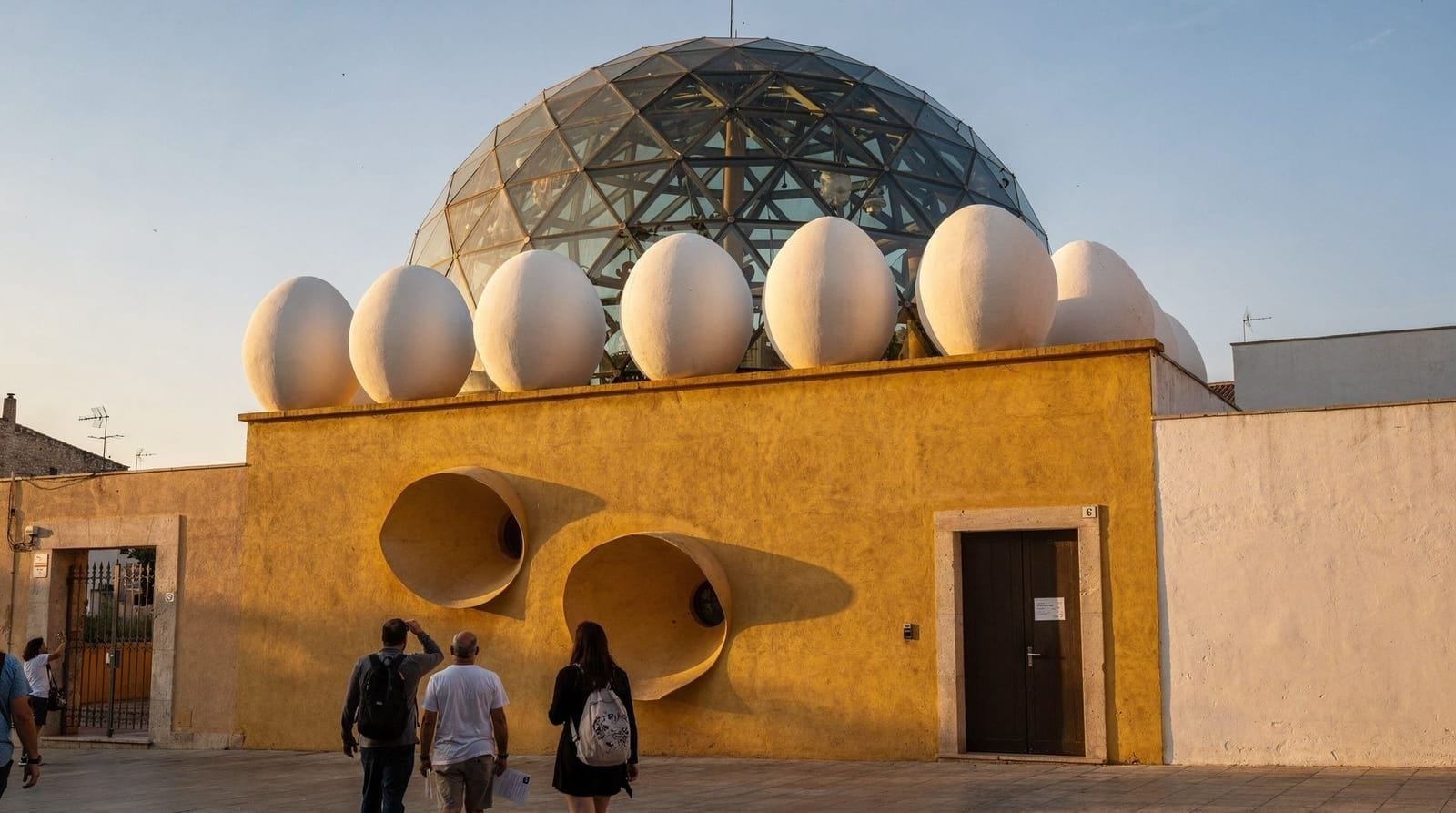
Girona + Figueres: The Dalí Theatre-Museum in Figueres is 30 minutes further north by regional train. A day that starts with Girona in the morning and Figueres in the afternoon is doable with an early start — Girona 9 am to noon, train to Figueres, museum from 2 pm. Book Figueres museum tickets well in advance in summer (from €18.50; sells out) and check the museum’s opening hours on the official Dalí Museums website.
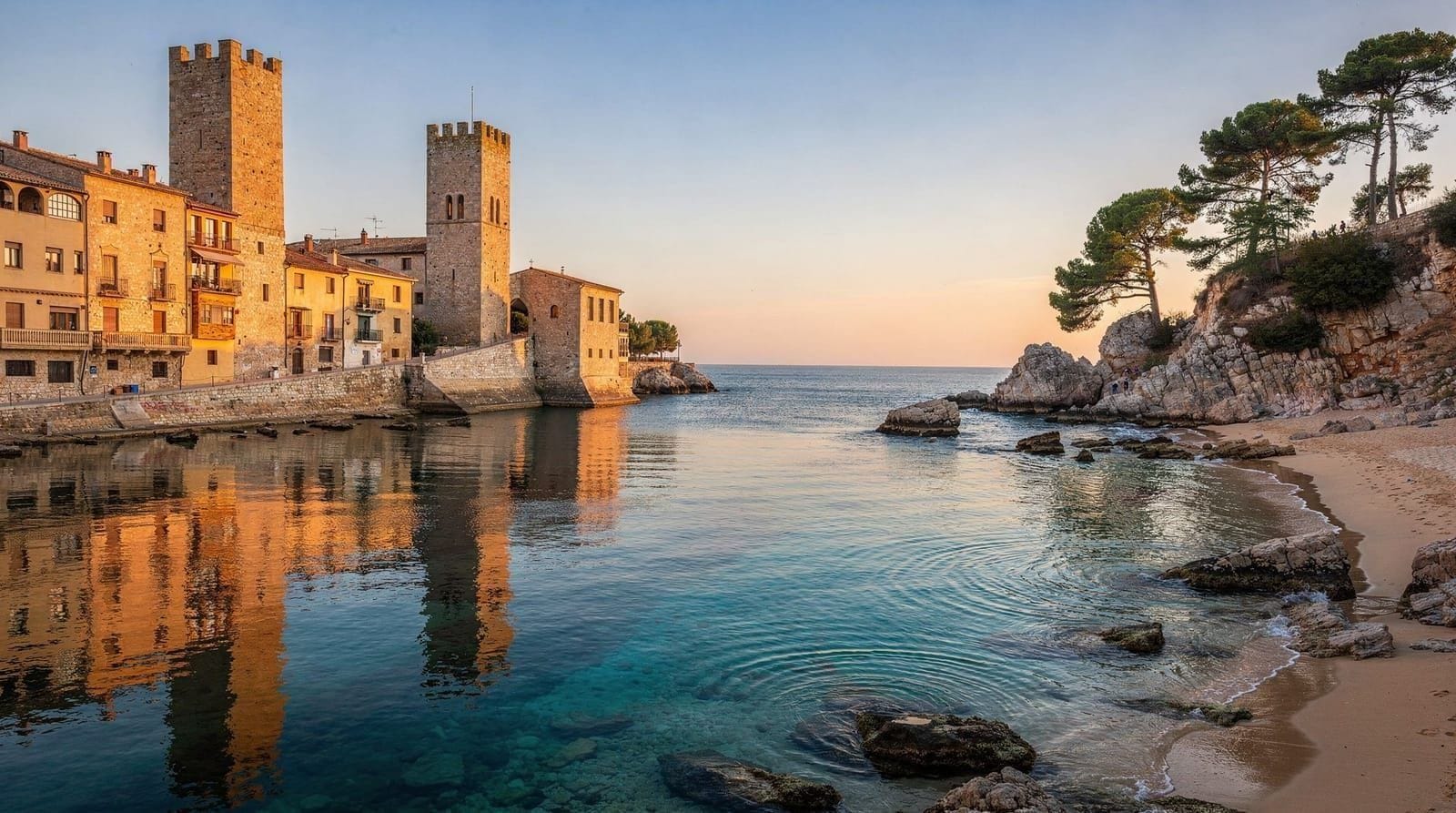
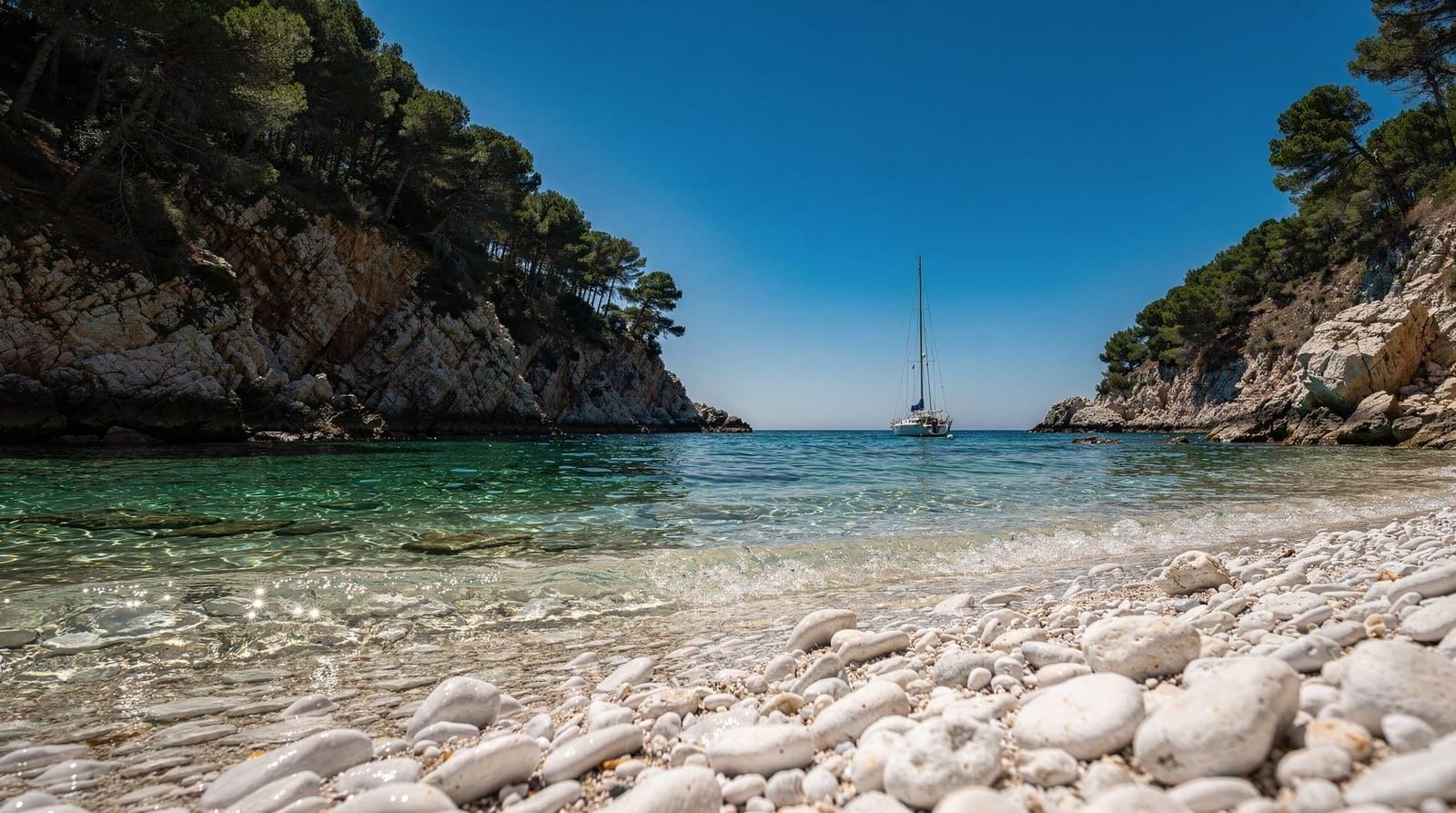
Girona + Costa Brava: The classic combination. Girona is 30–40 minutes inland from the coast; a guided tour handles the logistics. Besalú, a Romanesque bridge village 30 km west of Girona, is a shorter detour if you have a car.
The full guide to Girona and the Costa Brava covers the combined options in detail.
Girona is the Catalonia day trip that delivers the most reward per effort. The train is fast, the old city is genuinely medieval, and the combination of El Call, the cathedral and the city walls fills a day without any sense of padding. In the right season (April–June or September) with an early start, it is one of the most satisfying day trips in southern Europe. For a fuller comparison against Catalonia’s other classic excursions, see the best day trips from Barcelona guide.
Top experiences
Bookable activities with verified prices and instant confirmation on GetYourGuide.