Girona and Costa Brava day trip from Barcelona
From Barcelona: Costa Brava and Girona small-group tour
Duration: Full day
- Free cancellation
- Small group
- Hotel pickup
How far is Girona from Barcelona and how do I get there?
Girona is 100 km northeast of Barcelona. The AVE high-speed train from Barcelona Sants takes 37–40 minutes and costs €9–35 return depending on the train type and booking date. Regional trains are cheaper but take 1h20.
A 37-minute train ride from Barcelona Sants deposits you in one of the best-preserved medieval cities in Spain. Girona is compact, quiet in the mornings, and largely unaffected by the mass tourism that has reshaped so much of the Catalonian coast. Its medieval Jewish quarter — El Call — is the finest surviving example in the country. Its cathedral has the widest Gothic nave in the world. Its coloured houses above the Onyar river appear on ten million travel photographs per year and look better in person.
| Where | Girona, 100km northeast of Barcelona |
| Cost | Train around €9–35 return, or €70–80 guided tour |
| Time needed | Half day for Girona alone; full day with Costa Brava |
| Getting there | AVE from Barcelona Sants, 37–40 min |
| Best time | Weekday mornings, outside July–August peak |
Combine Girona with a trip to the Costa Brava coastline and you have the most varied day trip in the Barcelona region.
Getting to Girona from Barcelona
By AVE or Avant train (recommended)
Renfe operates high-speed AVE and regional Avant trains from Barcelona Sants and Barcelona Passeig de Gràcia to Girona. Journey time is 37–40 minutes by AVE; approximately 1 hour 20 minutes by slower regional trains.
Pricing varies significantly by booking date and train type. An AVE booked in advance can cost as little as €9 single; booking the day before or on the day often runs €20–35 single. Regional trains are consistently cheaper at €5–9 single but take twice as long.
Book at renfe.com or the Renfe app — tickets are not interchangeable with metro or FGC cards. Print or download your ticket before you arrive at the station; queues at Sants ticket machines can be long on summer mornings.
By guided tour
Guided tours from Barcelona to Girona (and often Girona + Costa Brava or Girona + Besalú) depart most mornings. They handle all transport in a minivan or coach, include an English-speaking guide, and add commentary on the Jewish history, the city walls, and the cathedral. Typical cost: €70–80 per person for a full day including both Girona and a coastal stop.
The advantage of a tour is logistics. The disadvantage is a fixed itinerary — you see what the guide prioritises. If you know the city well or prefer to wander without structure, take the train independently.
What to see in Girona
El Call — the medieval Jewish quarter
The Call (from the Hebrew word kahal, community) was established in the 9th century and survived until the expulsion of 1492. The streets of El Call are extraordinarily intact: narrow alleys lined with stone buildings, stone archways and tiny squares that have barely changed since the 15th century. The Centre Bonastruc ça Porta occupies the site of the last synagogue and houses a thoughtful museum on Sephardic history. Entry approximately €4.
Allow at least one hour to walk El Call properly. It is easy to miss the best alleyways: the tourist office distributes a free map with a signed route.
The cathedral
Girona’s Gothic cathedral has the widest Gothic nave in the world — 23 metres, completed in 1417. The earlier Romanesque cloister (12th century) is remarkable: carved capitals depicting scenes from the Old Testament, each one different. The Tapestry of Creation, an 11th-century Romanesque embroidery, is one of the most significant medieval textiles in Europe.
Entry to the cathedral and museum: approximately €7 adults. A combined ticket with the Arab baths is €11. The cathedral is closed on Sunday mornings during Mass.
The city walls
The Passeig de la Muralla is a walkway along the top of Girona’s medieval walls, encircling the old city for approximately 2 kilometres. Views from the towers look east towards the Gavarres hills and north towards the Pyrenees foothills. The walk takes 45–60 minutes at a comfortable pace.
The Arab baths (Banys Àrabs)
Actually not Arab but Catalan-Romanesque, built in 1194 after the fashion of Roman and Moorish bathhouses. The apodyterium (changing room) with its central pool and octagonal columns is a remarkably elegant space. Entry approximately €4.
The Onyar river houses
Walk down to the riverside and cross any of the central bridges (the Pont de Pedra or the red iron footbridge) for the classic view: a line of ochre, pink and yellow houses rising directly from the river walls. The scale is intimate and the reflection on still mornings is photogenic in any light.
Adding the Costa Brava
Tossa de Mar (most accessible option)
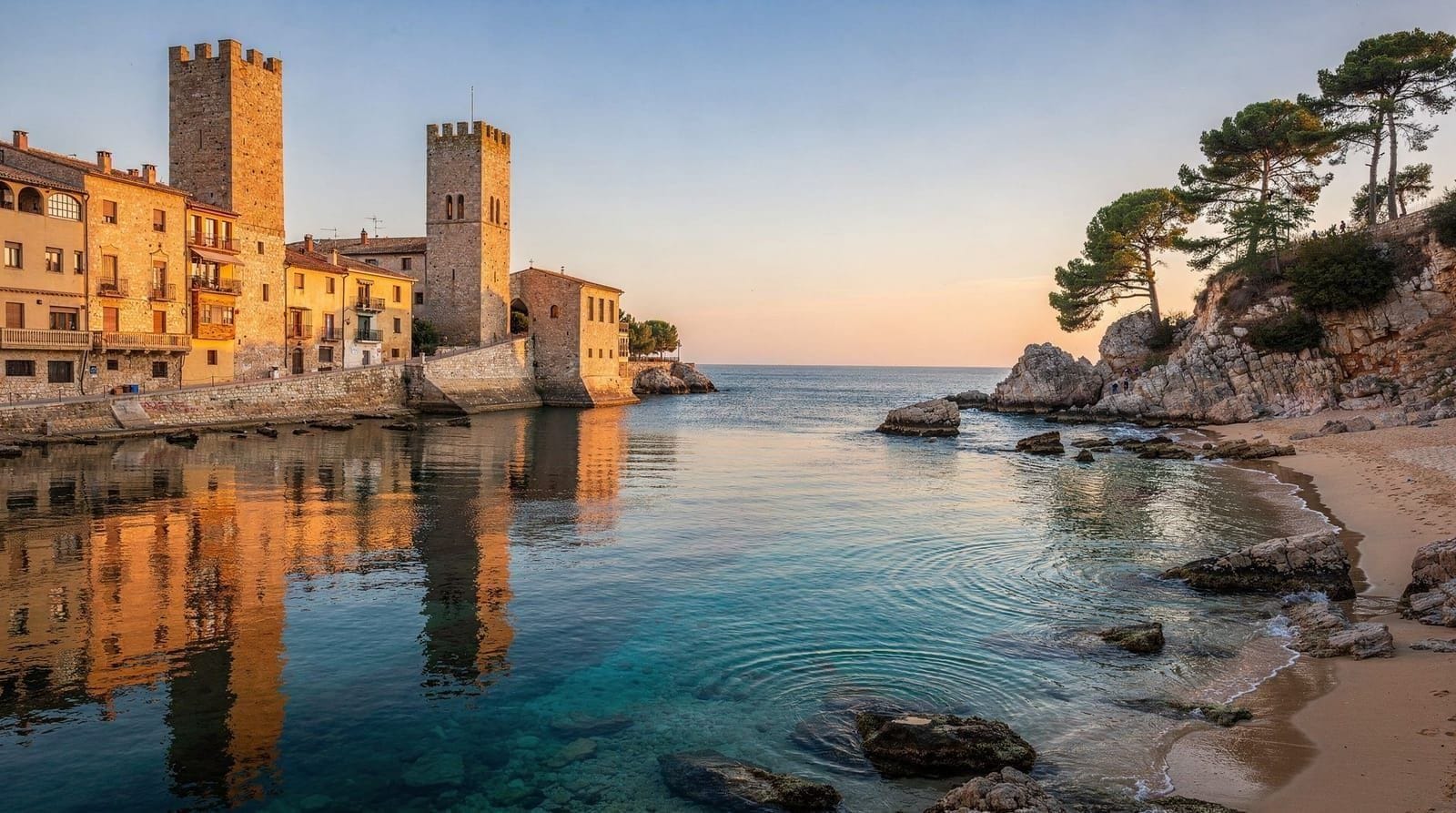
From Girona bus station (a 10-minute walk from the old town), buses depart to Tossa de Mar. The journey takes approximately 45 minutes. Tossa is the only medieval walled town on the Costa Brava — a semicircle of 12th-century towers on a headland above a crescent beach, with fishing boats below and pines above. The old town inside the walls (Vila Vella) is car-free, small, and genuinely beautiful.
There are excellent small restaurants in Tossa — fresh sardines, grilled fish and rice dishes are the local strengths. Budget €20–30 for lunch.
Return buses to Girona allow you to catch an evening train back to Barcelona comfortably.
Cadaqués (longer commitment)
Cadaqués sits 175 km from Barcelona in a cove accessible only by a winding mountain road. It was Salvador Dalí’s home for much of his adult life and retains an isolated, end-of-the-world quality entirely unlike the more accessible Costa Brava resorts. Getting there by public transport requires a bus from Figueres (itself 2 hours from Barcelona by slow regional train). Cadaqués is much better suited to an overnight stop than a day trip — see it as part of a Costa Brava overnight rather than a day excursion from the city.
Begur, Palafrugell and the Empordà coves
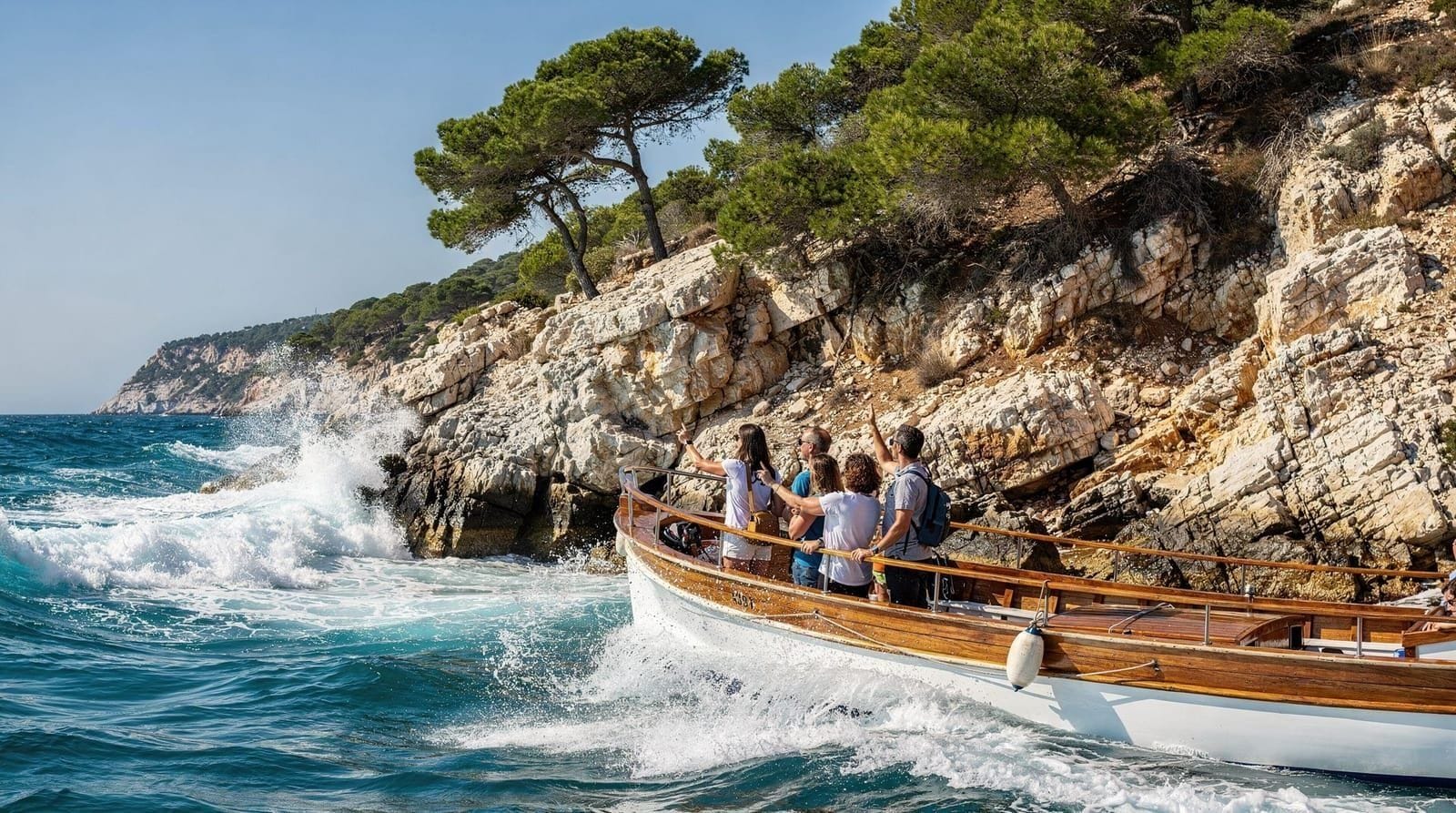
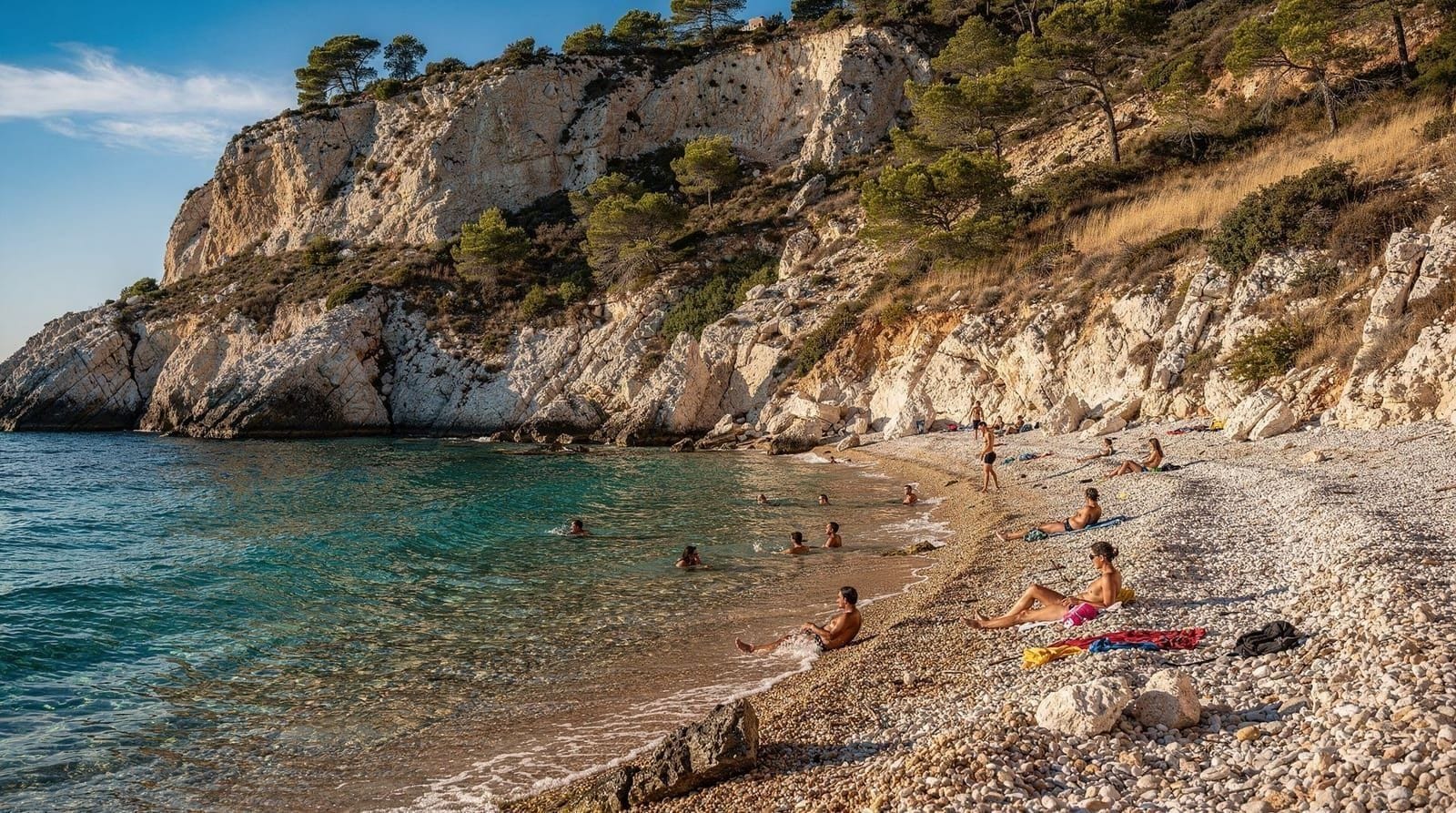
The most dramatic rocky coves of the Costa Brava — Aiguablava, Sa Riera, Tamariu — are clustered around Begur and Palafrugell. Public transport connections are sparse and slow. If you want to reach them independently, rent a car. By guided tour, a Costa Brava boat excursion from Barcelona covers several coves by boat in a single day (~€65–75) without the transport headache.
Girona combined with Figueres and Dalí
Many operators combine Girona with a visit to the Dalí Theatre-Museum in Figueres (35 minutes north of Girona by regional train). The combined Girona + Figueres guided day tour (~€75) is a good choice for those with both cultural and surrealist interests. The Dalí Theatre-Museum is one of the strangest and most enjoyable museums in Europe — Dalí designed it himself as a total artwork. Advance booking for museum entry is strongly recommended; it sells out in summer.
Practical tips
- Girona on foot: The old town is entirely walkable. Hire a taxi or ride-hail for the 10-minute transfer from the train station to the old city centre if you have luggage.
- Timing: Leave Barcelona by 09:00 for a comfortable Girona + coast day. The last trains back to Barcelona from Girona run until approximately 21:00.
- Weather: Girona is slightly warmer and drier than Barcelona. The Costa Brava is also generally sunny but can get tramuntana wind from the north — a fresh, dry wind that makes for excellent light and rough seas.
- Language: Spanish and Catalan are both spoken. In El Call and the cathedral, some staff speak English. In coastal restaurants, Spanish is usually understood.
A walking route through Girona’s old town
If you have a half-day in Girona, this sequence covers the highlights without backtracking and allows for unhurried exploration. Total walking time is around 3 hours, plus time inside each site.
Step 1 — Train station to El Call (15 minutes on foot)
From Girona station, cross the Pont de Pedra into the old city and turn immediately right onto the Rambla de la Llibertat — an arcaded promenade with cafés and shops. At the end of the rambla, turn left onto Carrer dels Ciutadans and then right into the warren of El Call. Allow a minimum of one hour here. Pick up the free signed route map at the tourist office on the rambla before entering.
Step 2 — El Call to the Cathedral (10 minutes)
Exit El Call up the steps that lead to Carrer de la Força and continue uphill to the Cathedral steps. The 86-step staircase is the one familiar from Game of Thrones (the Sept of Baelor exterior in seasons 6–7). Allow 45–60 minutes inside including the Tapestry of Creation and the Romanesque cloister.
Step 3 — Cathedral to the Arab Baths (5 minutes)
From the Cathedral square, take Carrer dels Alemanys northwest to the Banys Àrabs. This 12th-century Romanesque bathhouse takes 20–30 minutes to see properly. The combined ticket with the Cathedral saves approximately €4.
Step 4 — City walls (45 minutes)
The entrance to the Passeig de la Muralla (wall walk) is signposted from near the Arab baths. Walk the circuit clockwise for the best views — looking east from the towers over the medieval roofscape toward the Gavarres hills. The walk returns you to a point near the Cathedral area.
Step 5 — Onyar river and return (15 minutes)
Descend from the old city to the riverside via any of the stepped lanes. Cross to the west bank via the Pont de Pedra and look back: the classic Girona photograph, with the row of coloured houses and the Cathedral tower above. Return along the rambla toward the station.
Girona’s food scene — a Michelin-starred city
Girona has more Michelin-starred restaurants per capita than almost any other city in Europe, and for a city of 100,000 people it is an extraordinary culinary destination. The reason is partly the quality of local ingredients — fish from the Costa Brava coast, beef from the Pyrenean foothills, wild mushrooms from the Garrotxa, the volcanic-soil vegetables of the Empordà — and partly the influence of El Celler de Can Roca, which has twice been named the best restaurant in the world.
El Celler de Can Roca (Carrer de Can Sunyer 48): Run by the three Roca brothers — Joan (cuisine), Josep (sommelier) and Jordi (pastry) — this is a three-Michelin-starred restaurant operating at the absolute top level of contemporary Catalan cooking. Reservations open several months in advance online and sell out within hours. If you want to eat here, plan your Girona trip around an available date, not the other way around. The tasting menu runs approximately €220–250 per person before wine.
For the rest of us: Girona’s market and the streets around it offer accessible versions of the same local ingredients. El Mercat del Lleó (Plaça Calvet i Rubalcaba) is the city’s covered market — open Tuesday to Saturday mornings, excellent for fresh produce, local cheeses and prepared food. The restaurant streets around the old town (Carrer dels Calderers, Carrer de la Cort Reial) have a range of well-priced restaurants serving Empordà cuisine.
What to eat: Suquet de peix (Catalan fish stew), butifarra (pork sausage with white beans), escudella i carn d’olla (winter stew), pa amb tomàquet with locally cured meats. For something specifically Gironan: look for mel i mató (fresh ricotta-style cheese with honey) as a dessert.
Practical note for day-trippers: Spanish lunch service runs 13:30–15:30. If you arrive in Girona at 10:00 and want to eat well, plan explicitly for lunch before the afternoon phase of sightseeing. Restaurants fill up quickly from 14:00.
Figueres and the Dalí Theatre-Museum as an extension
Distance from Girona: 35 km north by regional train, approximately 30–40 minutes. Distance from Barcelona: 140 km by AVE (about 55 minutes direct).
Figueres is the birthplace of Salvador Dalí and home to the Teatre-Museu Dalí — the most visited museum in Spain after the Prado and Reina Sofía, and one of the most unusual museums anywhere in the world. Dalí designed it himself as a total artistic environment: the building (a former municipal theatre gutted by fire in the Civil War) is topped with giant eggs and golden figures, and every room inside is an immersive Dalí creation rather than a conventional gallery hang.
The collection includes large-scale surrealist installations, his Mae West living room (optical illusion furniture that forms a face when viewed from the right angle), an enormous ceiling painting of the sky above his feet as he gazes up at Gala, and his own tomb in the crypt below. The experience is disorienting, funny and genuinely unlike any other museum visit.
Practical booking: The Dalí Theatre-Museum in Figueres must be booked in advance in summer — it has a daily visitor cap and sells out. Check the official Dalí Museums website (salvador-dali.org). Summer evening sessions (19:00–21:00 in July and August) are somewhat less crowded than daytime.
Combining with Girona: A Girona + Figueres day is a full and efficient use of time. Take the early AVE to Girona (arriving around 10:00), do El Call, Cathedral and walls by 14:00, take a regional train to Figueres (arriving 15:00), see the Dalí museum, return to Barcelona from Figueres by direct train in the evening. The Girona + Figueres guided day tour (€75) covers both sites with transport if you prefer not to manage the train connections.
Besalú: the extra medieval stop
If you have a car or take a guided tour, the tiny fortified town of Besalú, 35 minutes from Girona, is worth the detour. Its 12th-century Romanesque bridge over the Fluvià river is the iconic image, and the town itself — barely a few streets — has a well-preserved medieval Jewish mikveh (ritual bath), one of the few surviving in Europe. Besalú does not have a useful train connection, so it is realistically a guided-tour or car-hire addition rather than a public-transport day trip; several Girona tours include a Besalú stop, and it pairs naturally with the Costa Brava direction since both lie north of the city.
Comparing your day-trip options
| Route | Transport | Approx. cost | Best for |
|---|---|---|---|
| Girona only | AVE train | €9–35 return | Independent travellers, half-day |
| Girona + Tossa de Mar | Train + local bus | €15–45 | DIY coast + city combination |
| Girona + Costa Brava | Guided small-group tour | €70–80 | Full day, no logistics to manage |
| Girona + Figueres/Dalí | Train or guided tour | €20–75 | Culture and surrealism in one day |
| Girona + Besalú | Guided tour or car | €70–85 | Two medieval towns without driving yourself |
From the Jewish history of El Call to the crumbling walls above Tossa de Mar’s beach, the combination of Girona and the Costa Brava is the richest cultural and scenic day trip available from Barcelona. See our best day trips overview to compare it against the full list.
Frequently asked questions about Girona and Costa Brava day trip from Barcelona
Is Girona worth visiting on a day trip from Barcelona?
Absolutely. Girona's medieval core — Jewish quarter, city walls, cathedral and Onyar river houses — is compact enough to cover in 3–4 hours. The city is chronically undervisited relative to its quality, making it a genuine contrast to the tourist saturation of central Barcelona.Can I combine Girona and the Costa Brava in one day?
By guided tour, yes. DIY is very tight: the train to Girona is fast but moving on to coastal coves by public transport requires bus connections and cuts into your time significantly. A small-group tour (~€70–80) is the practical choice for a Girona + coast combination.Which Costa Brava towns are doable as a day trip?
Tossa de Mar is the most accessible — 45 minutes by bus from Girona, with a medieval walled headland and a good beach. Cadaqués requires a bus change at Figueres and is better as an overnight stop. Begur and Palafrugell work best by car.Is Girona the city from Game of Thrones?
Yes. Several Girona locations were used as filming sites for King's Landing in seasons 6 and 7. The cathedral steps, the Arab baths and the old town streets are the most recognisable. The Girona tourist office runs a dedicated GoT walking tour.What train ticket do I need from Barcelona to Girona?
Book on Renfe.com or the Renfe app. The AVE (high-speed) is fastest but most expensive; regional Avant trains balance speed and price. Normal T-Casual metro cards do not cover this journey — you need a separate Renfe ticket.Is Besalú worth adding to a Girona day trip?
Yes, if you have a car or take a guided tour — its 12th-century bridge and medieval mikveh are genuinely worthwhile. It has no useful train connection, so it isn't realistic for an independent public-transport day trip; several Girona tours include it as an add-on stop.
Top experiences
Bookable activities with verified prices and instant confirmation on GetYourGuide.
From Barcelona: Girona, Besalú & medieval villages day trip
- Free cancellation
- Small group
From Barcelona: Girona & Dalí Museum day trip with small group
- Free cancellation
- Small group
From Barcelona: Costa Brava day tour with boat trip
- Free cancellation
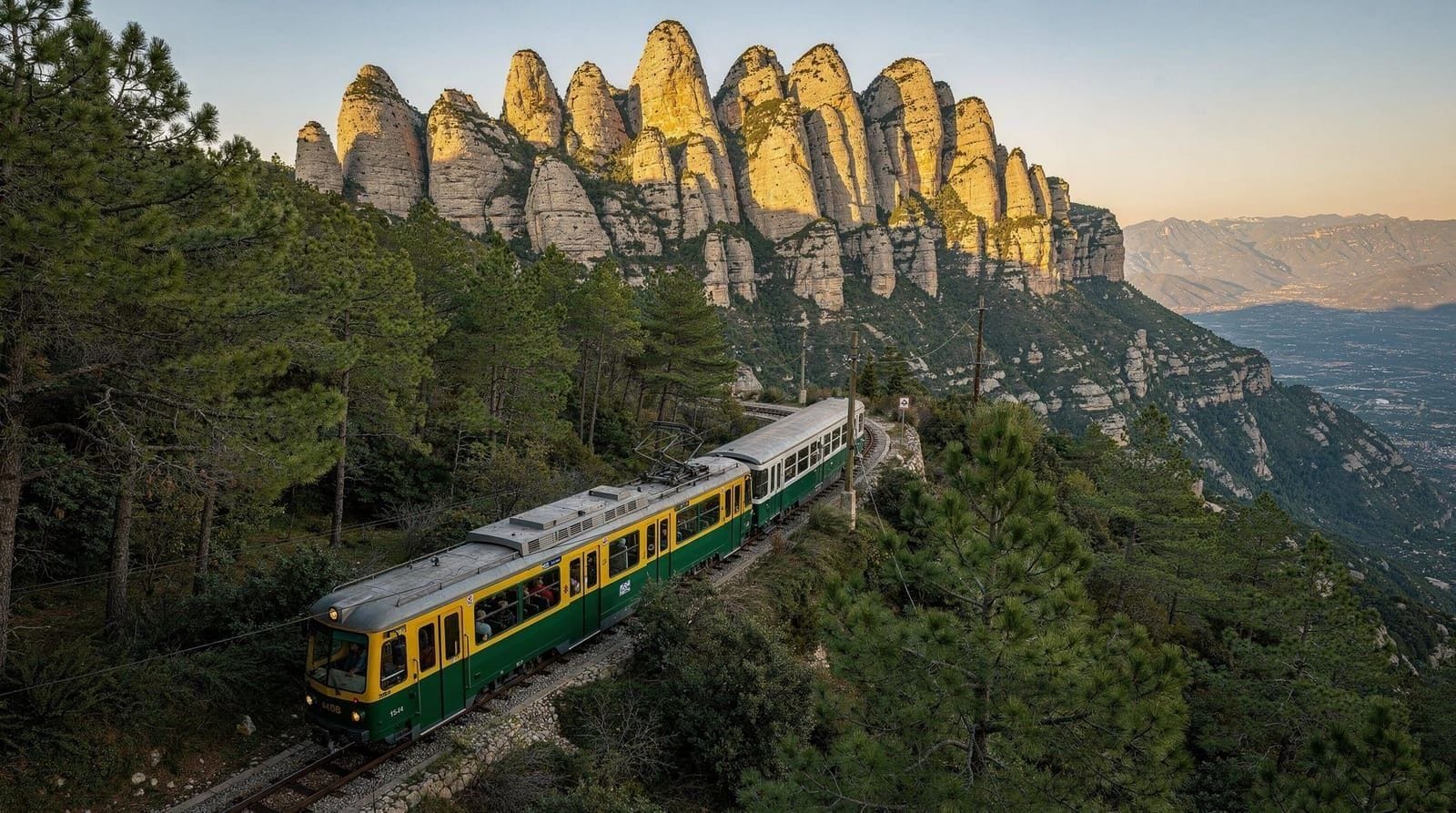
Barcelona: Montserrat, Girona & Costa Brava guided day trip
- Free cancellation
- Hotel pickup
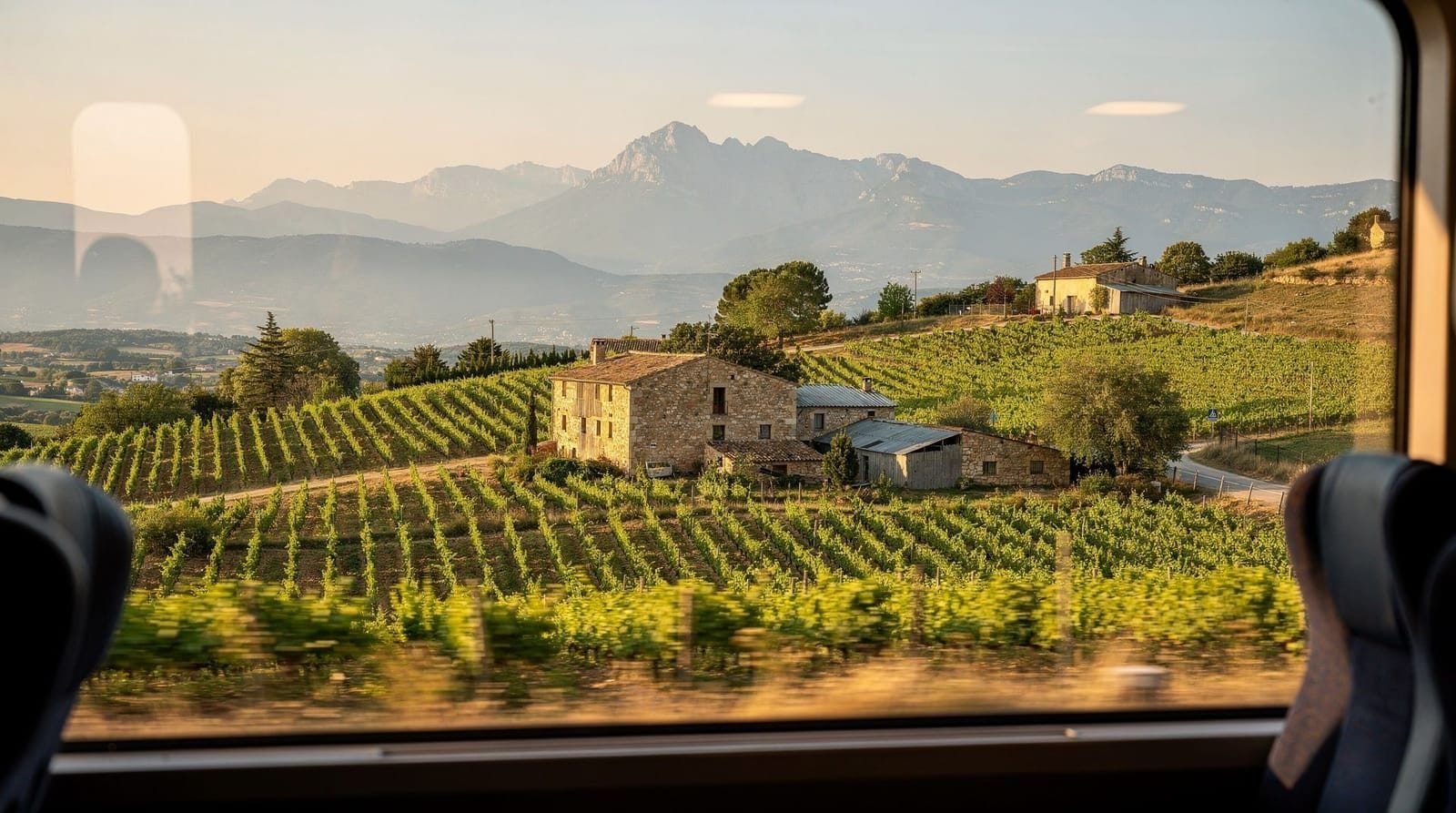
From Barcelona: Costa Brava & Dalí Museum small group tour
- Free cancellation
- Small group