Best day trips from Barcelona: 8 destinations ranked
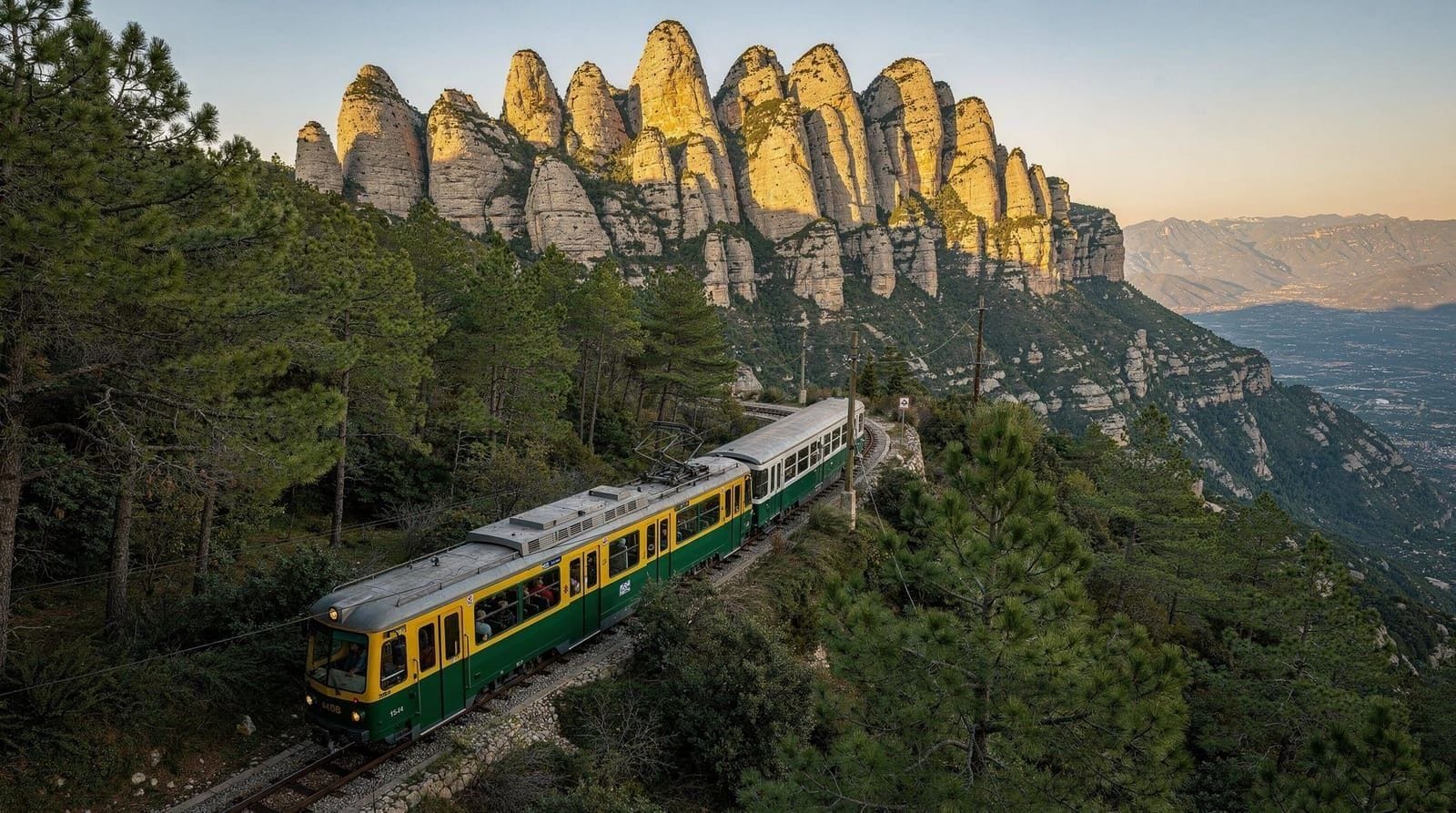
Barcelona: Montserrat monastery and natural park day trip
Duration: Full day
- Free cancellation
- Hotel pickup
What is the easiest day trip from Barcelona?
Sitges is the easiest: 30–40 minutes by Rodalies R2 Sud from Passeig de Gràcia, covered by a T-Casual Zone 2 card (~€4–6 return). Montserrat is the most dramatic and the most popular, at about one hour by FGC from Plaça Espanya.
Barcelona’s position on the northeastern coast of Catalonia makes it one of Europe’s best-placed cities for day trips. Within two hours in any direction you can reach medieval Jewish quarters, serrated mountain monasteries, Benedictine sanctuaries, Roman amphitheatres, and coves so blue they look invented. This guide ranks the eight most worthwhile options honestly — by logistics, scenery, and what you actually get for the time spent.
| Easiest | Sitges — 30–40 min by train, no tour needed |
| Most dramatic | Montserrat — rack railway to a cliffside monastery |
| Best for families | PortAventura (Tarragona/Salou) |
| Needs a car or tour | Costa Brava coves, Besalú/Rupit |
| Realistic ceiling | ~200 km each way if leaving by 08:30 |
How far can you realistically go in a day?
The practical ceiling for a comfortable day trip from Barcelona is about 200 kilometres each way, assuming you leave by 08:30 and return by 20:00. Most destinations below sit within 140 kilometres. Andorra at 200 km pushes the limit: you will spend close to eight hours travelling and have three to four hours on the ground unless you stay overnight.
All transport options below assume departure from Barcelona Sants or Passeig de Gràcia. Train prices are approximate second-class single fares for adults as of June 2026 — check Renfe.com or fgc.cat for current schedules.
1. Montserrat — the essential Catalan pilgrimage
Distance: 50 km northwest
Transport: FGC line R5 from Plaça Espanya to Monistrol de Montserrat, then cremallera (rack railway) or cable car — approximately 1 hour total
Cost (DIY): ~€30 combined FGC + cremallera return ticket (sold as a bundle at Plaça Espanya)
Best for: Scenery, spirituality, hiking, photography
No other day trip from Barcelona combines landscape, history and sheer visual drama quite like Montserrat. The mountain is a UNESCO-protected natural park — a ridge of conglomerate limestone worn into vertical needles and saw-tooth peaks rising to 1,236 metres. The Benedictine monastery at Sant Joan de la Penya has occupied the mountain since the 11th century. Its most venerated possession is La Moreneta, the Black Madonna, housed in the basilica.
The rack railway alone is worth the trip: it climbs 550 metres in a series of switchbacks with the valley dropping away beneath you. Once up, a network of signed hiking trails reaches viewpoints that most visitors never find.
DIY or tour? Both work. DIY is cheaper (around €30 all-in) and gives you freedom on timing. A guided tour (from €45–55) handles transport and adds cultural context. See our Montserrat day trip guide for the full breakdown.
2. Girona and the Costa Brava approach
Distance: 100 km northeast
Transport: Regional or AVE train from Barcelona Sants to Girona — 37–40 minutes
Cost (DIY train): €9–35 return depending on train type (regional vs AVE)
Best for: Medieval history, architecture, coastal scenery
Girona is one of Spain’s most underrated cities: a compact medieval core with Roman walls, a Gothic cathedral, and the best-preserved Jewish quarter in the country. The coloured houses reflected in the Onyar river are everywhere on social media — they hold up in person.
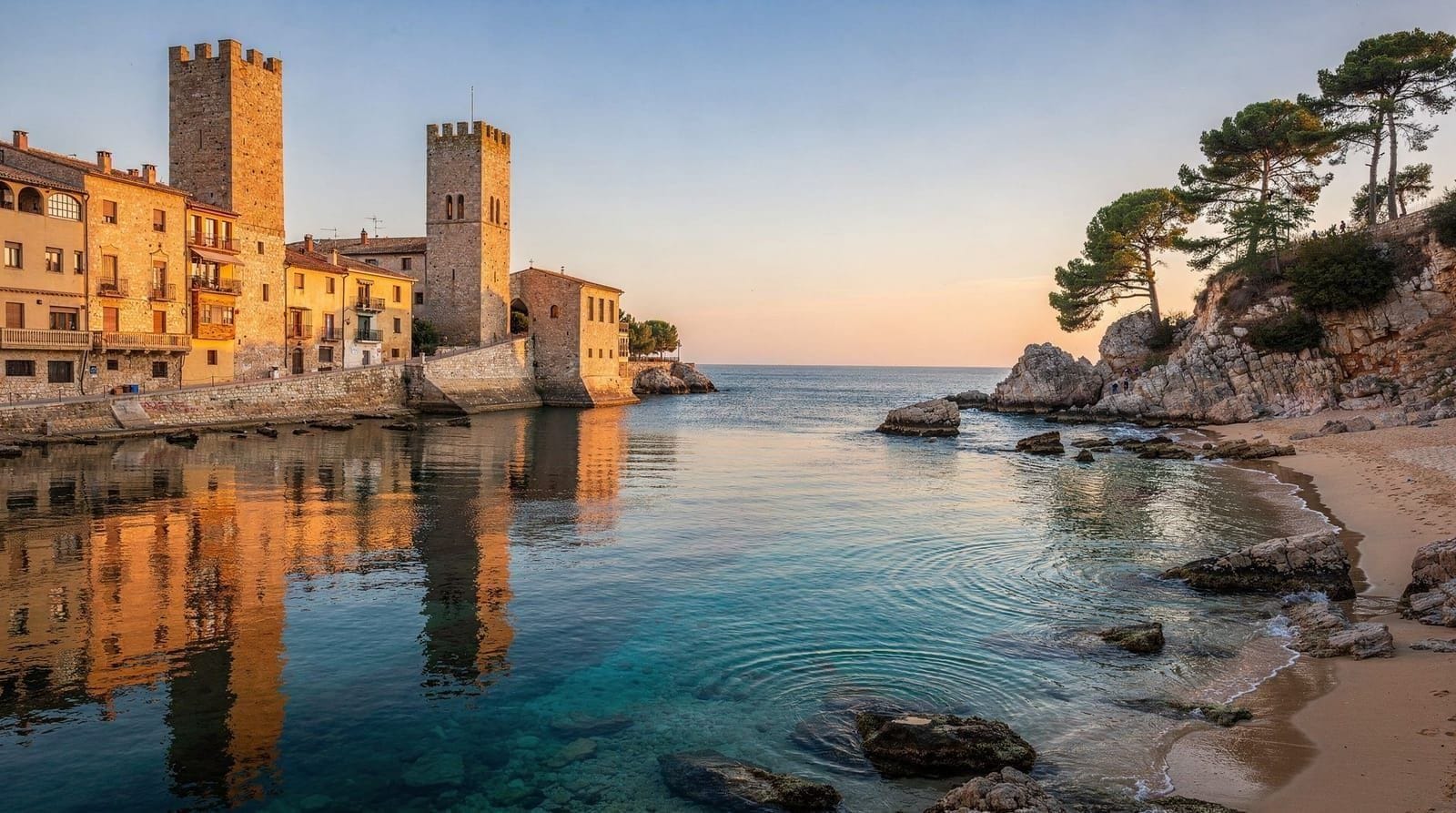
From Girona, the Costa Brava coastline is accessible by bus or tour. Tossa de Mar (45 minutes by bus from Girona) has a medieval walled headland overlooking a crescent bay. Cadaqués, further north and requiring a bus change at Figueres, is more isolated — better suited to an overnight than a day trip.
DIY or tour? If you want Girona only, the train is fast and cheap. To combine Girona with Costa Brava coves in one day, a guided small-group tour is the practical choice. See our Girona and Costa Brava guide for logistics.
3. Sitges — the easiest escape
Distance: 35 km south
Transport: Rodalies R2 Sud from Passeig de Gràcia or Sants — 30–40 minutes
Cost (DIY): T-Casual Zone 2 card covers it; effective return fare ~€4–6
Best for: Beaches, architecture, LGBTQ+ travellers, a relaxed afternoon
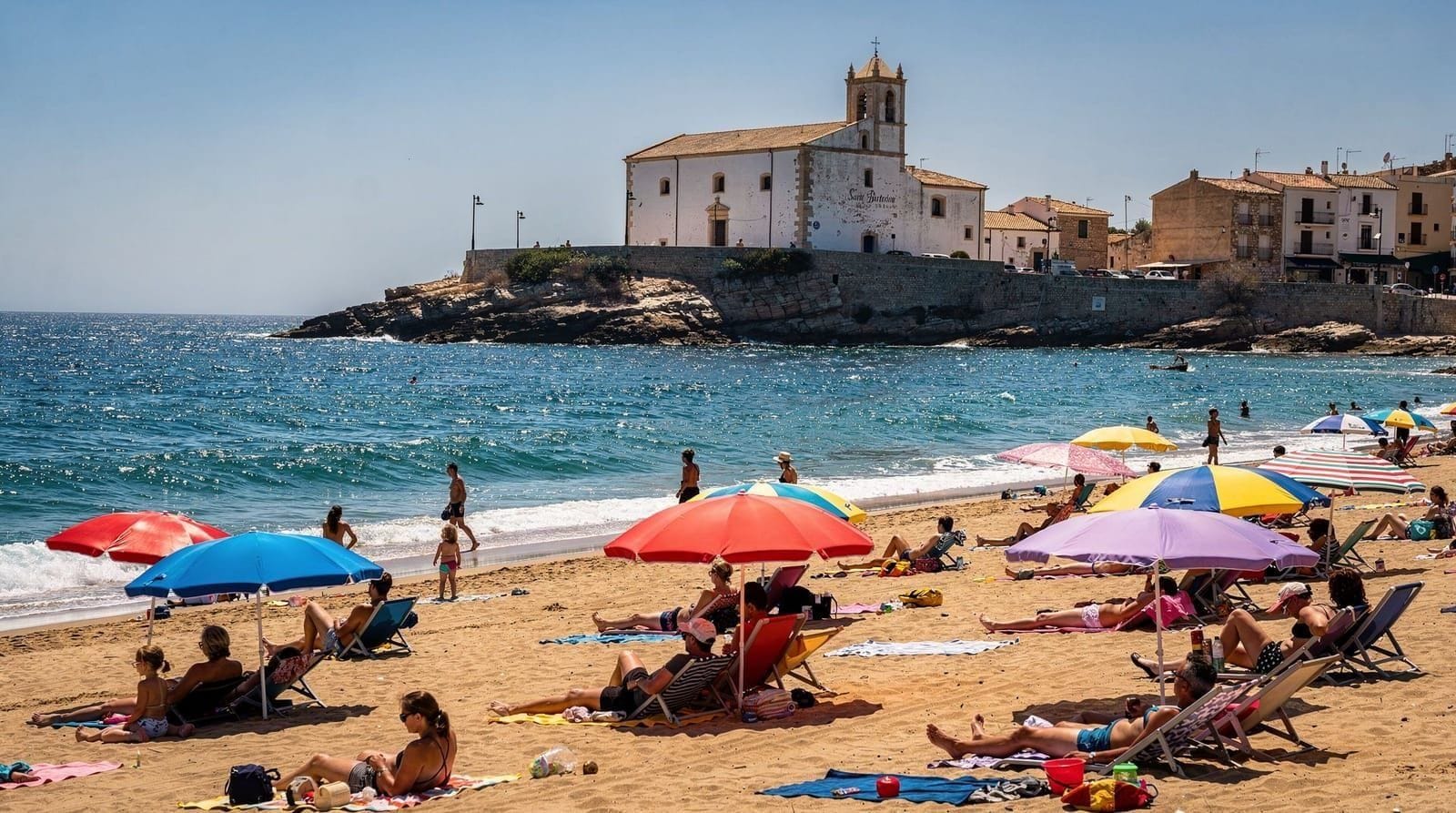
Sitges is an elegant 19th-century resort town with 17 beaches, a Modernisme seafront promenade, and a well-earned reputation as one of Europe’s most welcoming destinations. The Cau Ferrat museum holds an extraordinary collection of Romanesque iron, Catalan ceramics and paintings by Santiago Rusiñol. Outside February carnival season, the town is unhurried enough to slow down in.
The train from Passeig de Gràcia drops you at Sitges station seven minutes’ walk from the main beach. No transfers, no tour required. This is the simplest and cheapest escape on this list — and well suited to a half-day rather than a full day.
4. Tarragona and PortAventura
Distance: 120 km south
Transport: Regional or AVE from Barcelona Sants — 35–50 minutes
Cost (DIY): €8–20 return depending on train type
Best for: Roman history, families, theme-park fans
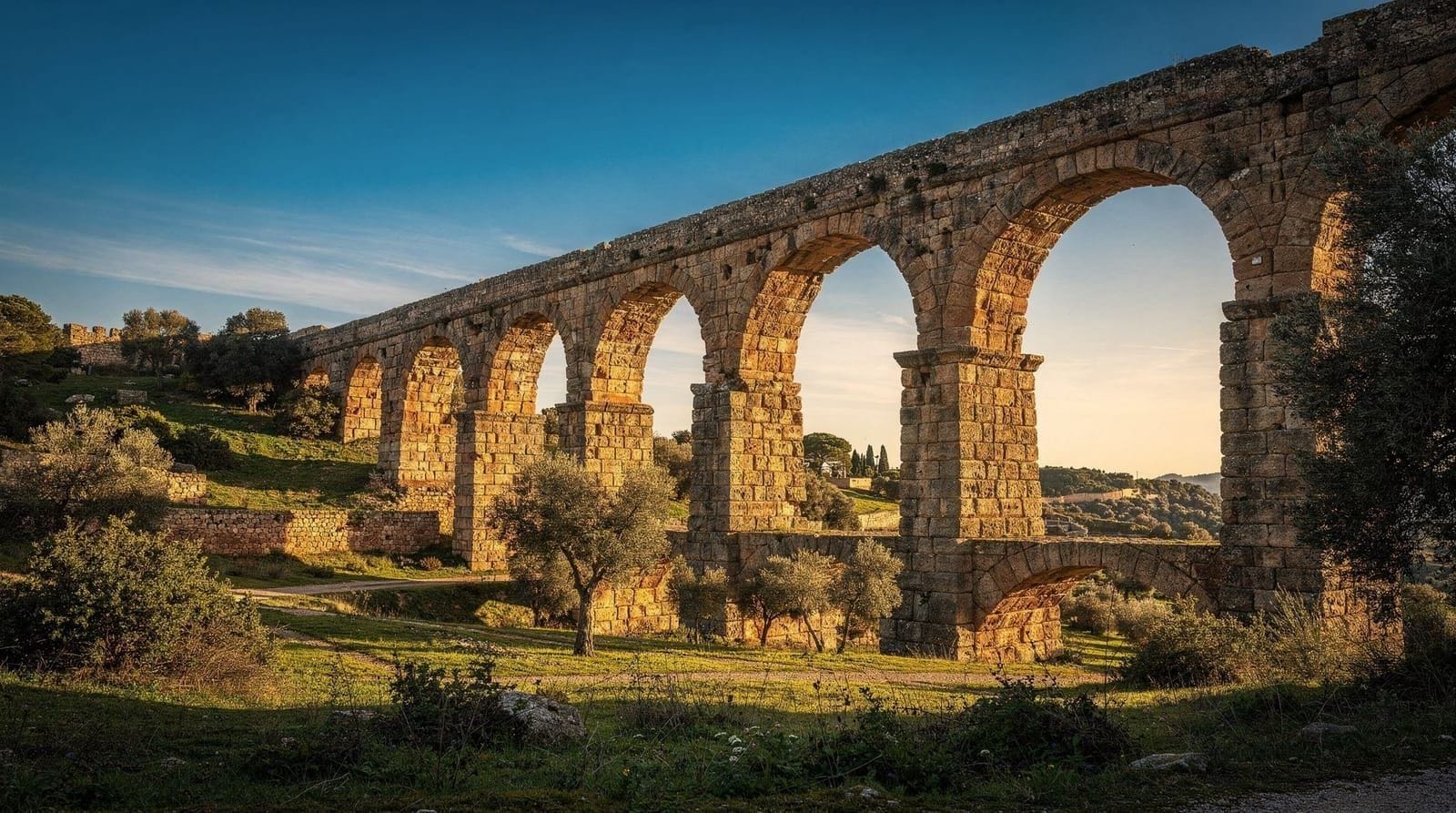
Tarragona has more Roman ruins per square kilometre than almost anywhere in Spain. The amphitheatre sits directly above the sea; the old city walls are UNESCO-listed; the archaeological museum holds mosaics that rival anything in Rome. Half a day in Tarragona’s old town followed by seafood on the rambla is a seriously underrated Barcelona day trip.
Ten minutes from Tarragona by local train is PortAventura World at Salou — a major theme park with six themed areas and Ferrari Land. Online day tickets run approximately €40–60. This is the obvious choice for families with older children who would rather ride Dragon Khan than examine Roman aqueducts. Our Tarragona and PortAventura guide covers both options in detail.
5. Penedès wine country
Distance: 50 km southwest
Transport: FGC from Plaça Espanya or Sants to Sant Sadurní d’Anoia — 45 minutes
Cost (DIY): €8–11 return
Best for: Wine, cava, rural Catalonia, food lovers
Sant Sadurní d’Anoia is the undisputed capital of cava — Catalan sparkling wine made by the traditional method. Codorníu and Freixenet, both founded in the 19th century, have their bodegas here and offer cellar tours with tastings. Independent wineries in the surrounding Penedès valleys are smaller and often more memorable.
Vilafranca del Penedès, one station further, has an excellent wine museum and a lively Saturday market. Tours from Barcelona range from €55 (Codorníu bus tour) to €85–100 for a four-wheel drive tour through smaller family wineries. See our Penedès wine day trip guide for DIY itineraries and tour comparisons.
6. Costa Brava boat trips — a different angle on the coast
Distance: varies by departure point
Transport: Typically coach from Barcelona to Lloret de Mar or Tossa de Mar, then boat
Best for: Snorkelling, dramatic coastline, coves inaccessible by road
The Costa Brava’s best scenery is only visible from the water. Limestone cliffs, sea caves, and turquoise coves between Tossa de Mar and Cadaqués are impossible to reach by car or foot from above. Boat trips from Barcelona combine the coach transfer to the coast with a catamaran or small-boat excursion along the cliffs.
These tours run approximately €65–80 per person and fill fast in summer. See our Costa Brava boat trips guide for the best operators.
7. Andorra — duty-free Pyrenees
Distance: 200 km north
Transport: Direct bus from Barcelona Nord (Alsina Graells) — 3h30–4h each way
Cost (DIY): ~€35–45 return
Best for: Shopping, skiing (winter), mountain hiking (summer)
Andorra is technically doable as a day trip, but barely. The bus from Barcelona Nord takes 3.5–4 hours each way, leaving you three to four hours on the ground. That is enough to buy duty-free electronics, spirits and perfume — which is why most people go — but not enough to meaningfully hike or ski.
Andorra is not in the EU. Bring your passport and check your country’s customs limits before buying. Our Andorra day trip guide covers the full logistics and what you can actually bring back.
8. Medieval villages (Besalú and Rupit)
Distance: 130 km northeast
Transport: Car or guided tour (no direct train)
Best for: Off-the-beaten-track Catalonia, photography, hikers
Besalú has one of the finest Romanesque bridges in Europe, a perfectly preserved old quarter, and a Jewish ritual bath (mikve) that survived the medieval period intact. Rupit, further north in the pre-Pyrenean foothills, is a stone village with a wooden-plank suspension bridge and views over volcanic landscape.
Neither is reachable without a car or a guided tour — public transport connections require multiple changes and leave little time on the ground. Small-group tours from Barcelona combining both villages run approximately €65–75.
DIY vs guided tour — the honest comparison
For destinations with a direct, fast train connection (Sitges, Girona, Tarragona, Montserrat via FGC), the train beats a tour on cost and flexibility. For destinations without direct trains (Costa Brava coves, Andorra, medieval villages), a tour is the practical choice. For destinations with both options (Girona + Costa Brava, Montserrat with hiking), the choice comes down to whether you want guided interpretation and a fixed schedule or independence.
Budget rule of thumb: DIY train day trips cost €10–30 in transport. Guided day tours run €55–90 for standard small-group formats. The premium buys you commentary, logistics and, often, hotel pickup.
| Destination | DIY cost | DIY complexity | Tour cost | Tour advantage |
|---|---|---|---|---|
| Montserrat | ~€30 (FGC + cremallera) | Low | €45–55 | Cultural context, no timetable stress |
| Girona only | €9–35 (Renfe) | Low | €55–65 | Commentary on Jewish history |
| Girona + Costa Brava | €15–45 + bus | Medium | €70–80 | Combines both without bus faff |
| Sitges | ~€5 (T-Casual) | Very low | €45–55 | None — DIY always wins here |
| Tarragona | €8–20 (Renfe) | Low | €60–75 | Useful for PortAventura add-on |
| Penedès | €8–11 (FGC) | Low | €55–100 | Access to small artisan wineries |
| Costa Brava by boat | — | High | €65–80 | Only viable option |
| Andorra | €35–45 (bus) | Medium | €55–70 | Marginal — bus is straightforward |
| Medieval villages | Car hire | High | €65–75 | Only viable option without car |
Solo travellers vs groups: does the calculation change?
Solo travellers generally get more value from DIY train trips than groups do, since the per-person tour price does not fall much with a single traveller while the train fare stays fixed regardless of party size. A solo visitor doing Sitges or Girona independently pays the same €9-35 whether travelling alone or as part of a couple, while a guided tour’s per-person cost barely changes between one traveller and four. Groups of three or more, by contrast, often find the guided tour’s fixed group rate works out close to the DIY train cost once you factor in the convenience of door-to-door transport and not needing to coordinate separate tickets for everyone.
For solo travellers specifically, Montserrat and Girona are comfortable to do independently — both have clear, single-line train or FGC routes with minimal room for error. The Costa Brava coves and Andorra, where the DIY route involves bus connections and longer unsupervised waits, are where a guided tour’s convenience matters most for someone travelling alone, purely from a time-and-hassle perspective rather than any safety concern.
Planning your day trip: timing and booking
When to go
Spring (April–May): The best overall window for day trips. Temperatures are comfortable (18–24°C in the valleys, cooler on Montserrat), crowds are manageable, and the Penedès vineyards are green from winter rain. Coastal destinations like Sitges and the Costa Brava are swimmable from late May. The mountain trails at Montserrat are clear of snow.
Summer (June–August): The busiest period. Montserrat gets extremely crowded on summer weekends — go early (first cremallera of the morning from Plaça Espanya, around 08:30) or book a guided tour that prioritises timing. Coastal destinations are best visited on weekday mornings in July and August; Sitges beach is genuinely congested on August weekends. Inland destinations like Tarragona and Penedès are hot (35°C+) in August — not ideal for extended walking.
Autumn (September–October): The ideal window if you can choose. Harvest season in Penedès (September–October) means the vineyards are at their most active and some bodegas offer harvest experiences. Montserrat has fewer visitors and the hiking trails are excellent in the cooler air. The Costa Brava sea temperature peaks in September — warm water, reduced crowds. La Mercè festival in Barcelona (September 23–27) coincides well with any visit.
Winter (November–March): Most attractions remain open but are significantly quieter. Montserrat in winter can be genuinely cold and occasionally icy at altitude. The Penedès wineries are open and uncrowded — arguably the best time for a serious wine visit. Andorra skiing is possible from December.
Advance booking
Some destinations require forward planning; others are walk-up ready.
Book at least a week ahead: Codorníu cellar tours in summer, Camp Nou / Barça experiences on weekends, Dalí Theatre-Museum in Figueres (mandatory in summer — sells out daily).
Book 48–72 hours ahead: Guided Montserrat tours in July and August, Girona + Costa Brava combined tours in peak season, any dinner-and-show flamenco package.
No booking required: Sitges by train, Girona by AVE (buy at the machine), Freixenet bodega tour (usually available same-day outside peak season).
What to bring
For mountain trips (Montserrat, Andorra, medieval villages): Layers are essential — Montserrat sits 700 metres above the plain and can be 6–8°C cooler than Barcelona. Walking shoes with grip for any trail beyond the Santa Cova path. Water (a litre per person minimum for any hiking).
For coastal trips (Sitges, Tossa de Mar, Costa Brava): Swimwear, reef-safe sunscreen, a small bag you can lock or leave at the hotel. Beach towels are available to rent at most Costa Brava resorts but it’s cheaper to bring your own.
For wine country (Penedès): No special kit, but eat a solid breakfast before visiting bodegas — tastings happen in the morning and early afternoon on an empty stomach is inadvisable. A small bag for purchases (wineries sell direct, and buying a bottle or two at cellar price is consistently good value).
For city extensions (Girona, Tarragona): Comfortable walking shoes for the old town cobblestones. A hat in summer. Girona’s old town is hilly; Tarragona’s Roman ruins involve uneven terrain.
The destinations above cover every interest from Roman ruins to cava cellars to theme parks. Use getting around Barcelona as your transport reference for city logistics before you head out.
Choosing between two day trips on the same trip
If your schedule allows two day trips, the strongest pairing is one mountain/inland day and one coastal day — Montserrat plus Sitges, or Penedès plus Girona — rather than two similar destinations. This gives genuinely different scenery and avoids the fatigue of two long train days spent looking at similar landscapes. Families splitting between generations often do Montserrat (broadly appealing, moderate walking) on one day and PortAventura (higher energy, thrill rides) on another, since combining both into a single day is not realistic given the distances involved.
If you are staying long enough to consider a multi-day version of any of these regions rather than a single day trip, the Barcelona and Costa Brava 7-day itinerary and the wine weekend itinerary both build out Penedès or the coast into a proper multi-day trip. For beach-specific day trip planning beyond what is covered here, see the best beaches near Barcelona guide.
Frequently asked questions about Best day trips from Barcelona
Which day trip from Barcelona has the best scenery?
Montserrat is hard to beat for sheer drama — serrated limestone peaks rising above the clouds with a Benedictine monastery clinging to the cliff face. The Costa Brava coastline (reached via Girona or Tossa de Mar) offers turquoise coves and medieval castle walls above the sea.Can I do Girona and the Costa Brava in one day?
Yes, on a guided tour. DIY is tight: the train to Girona takes 37–40 minutes, but moving on to Costa Brava coves by public transport adds significant dead time. A small-group tour (~€70–75) combines both efficiently.Is Montserrat worth it from Barcelona?
Yes, for almost every visitor. The mountain landscape is unlike anything else in the region, the rack railway is a spectacle in itself, and the Benedictine monastery has been a pilgrimage site since the 11th century. A half-day is enough; a full day adds hiking.How do I get to Sitges from Barcelona by train?
Take Rodalies R2 Sud from Passeig de Gràcia or Sants. Journey time 30–40 minutes. A T-Casual Zone 2 card (€25.50 for 10 trips, shared) covers the fare — making it effectively the cheapest day trip on this list.Which day trip is best for families with children?
PortAventura World near Tarragona is the obvious pick for thrill-seekers. Sitges is relaxed and beach-friendly for younger children. Montserrat offers a rack railway and short hikes that engage kids without being too demanding.Can I do two day trips from Barcelona in one visit?
Yes, and pairing one mountain or inland day with one coastal day (Montserrat plus Sitges, or Penedes plus Girona) works better than two similar destinations back to back. Two long train days to similar landscapes tend to feel repetitive rather than additive.Is Andorra worth it as a day trip from Barcelona?
Marginally. The bus takes 3.5-4 hours each way, leaving only 3-4 hours on the ground - enough for duty-free shopping but not for meaningful hiking or skiing. It has the weakest time-to-payoff ratio of the destinations on this list; most travellers get more value from Montserrat or Girona.
Top experiences
Bookable activities with verified prices and instant confirmation on GetYourGuide.
From Barcelona: Costa Brava and Girona small-group tour
- Free cancellation
- Small group
- Hotel pickup
Barcelona: Tarragona & Sitges guided day trip with transfers
- Free cancellation
- Hotel pickup
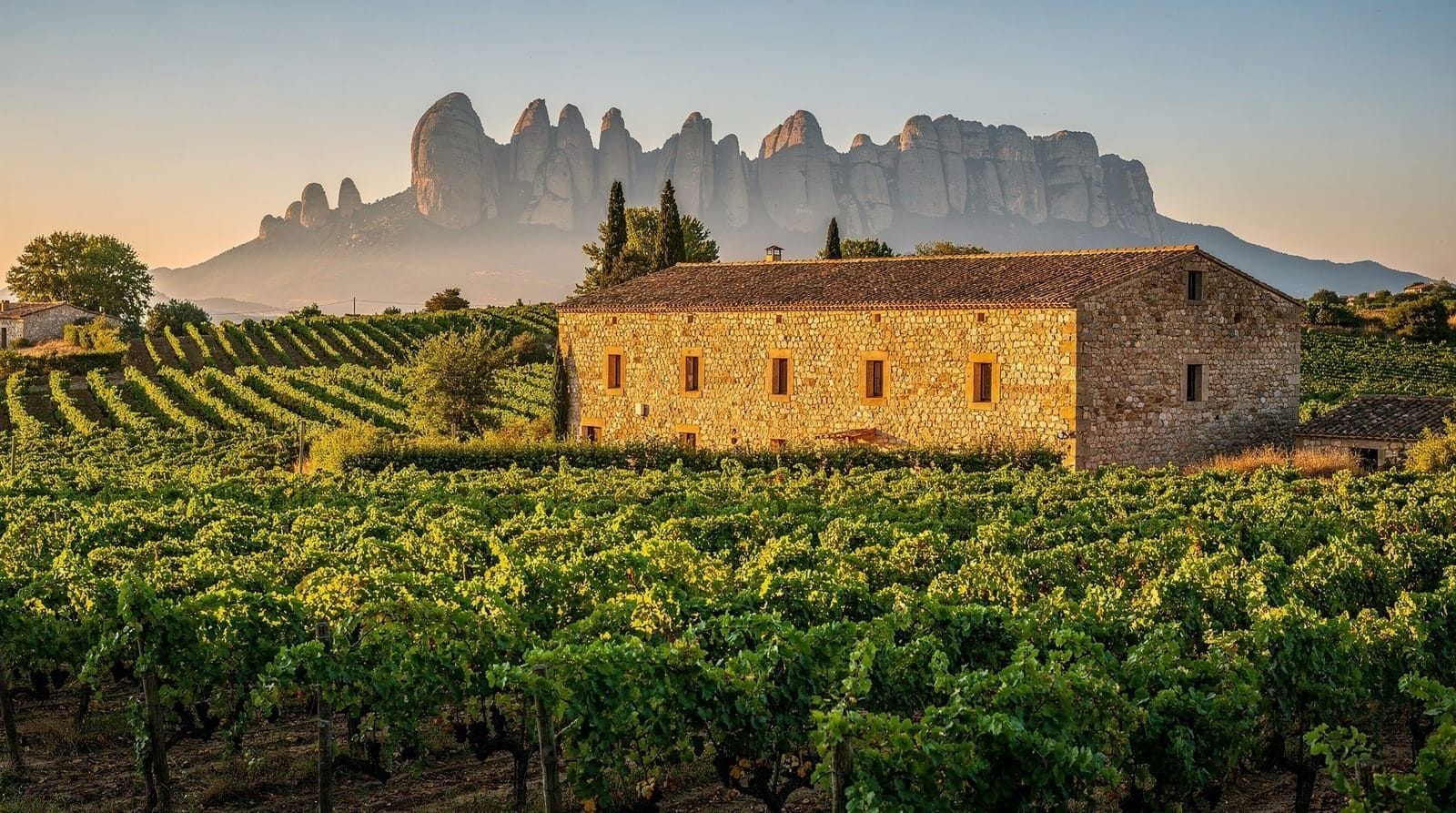
Penedès: Codorníu discovery tour with cava tasting
- Free cancellation
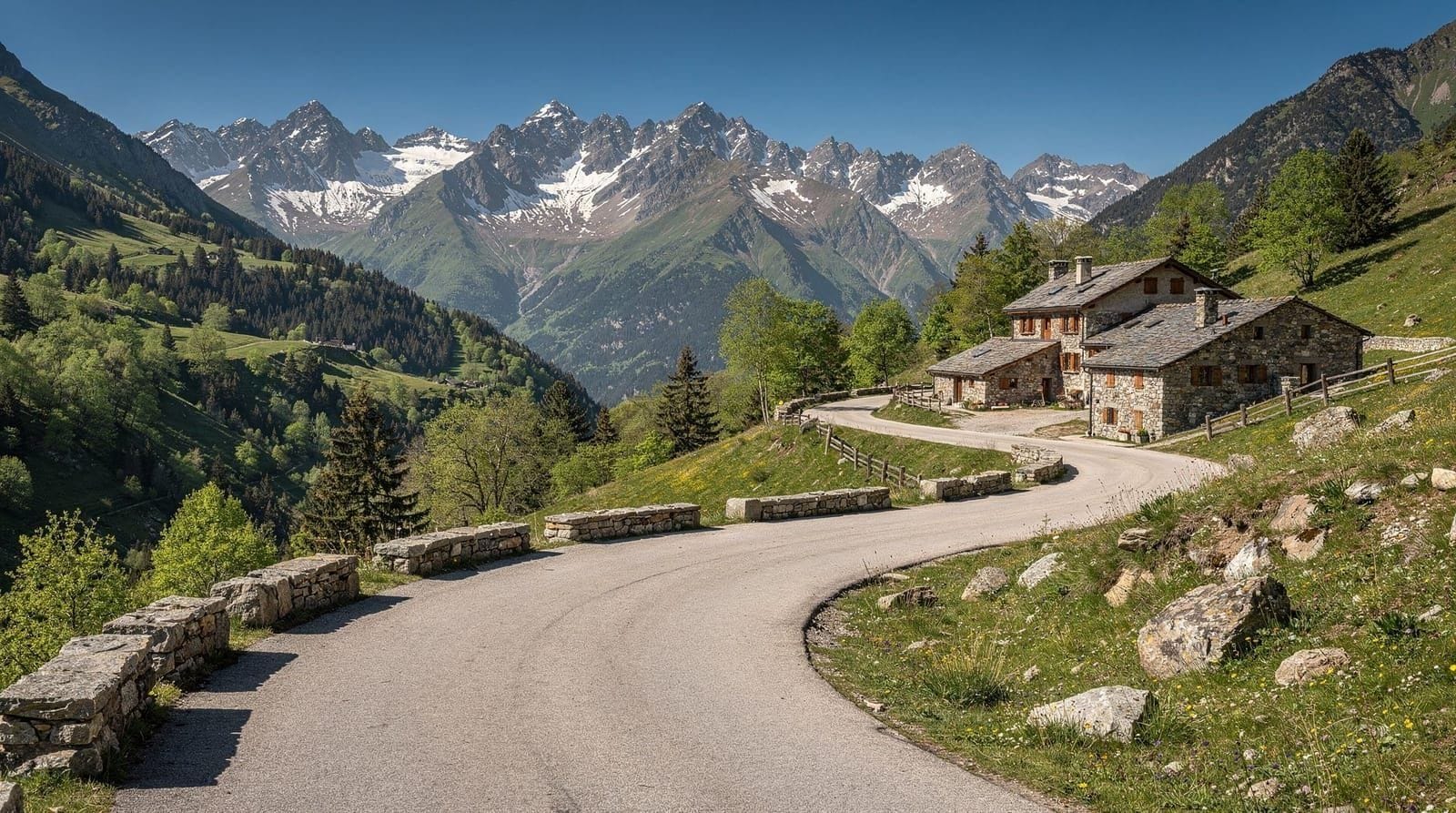
Barcelona: three countries – Andorra, France & Spain day tour
- Free cancellation
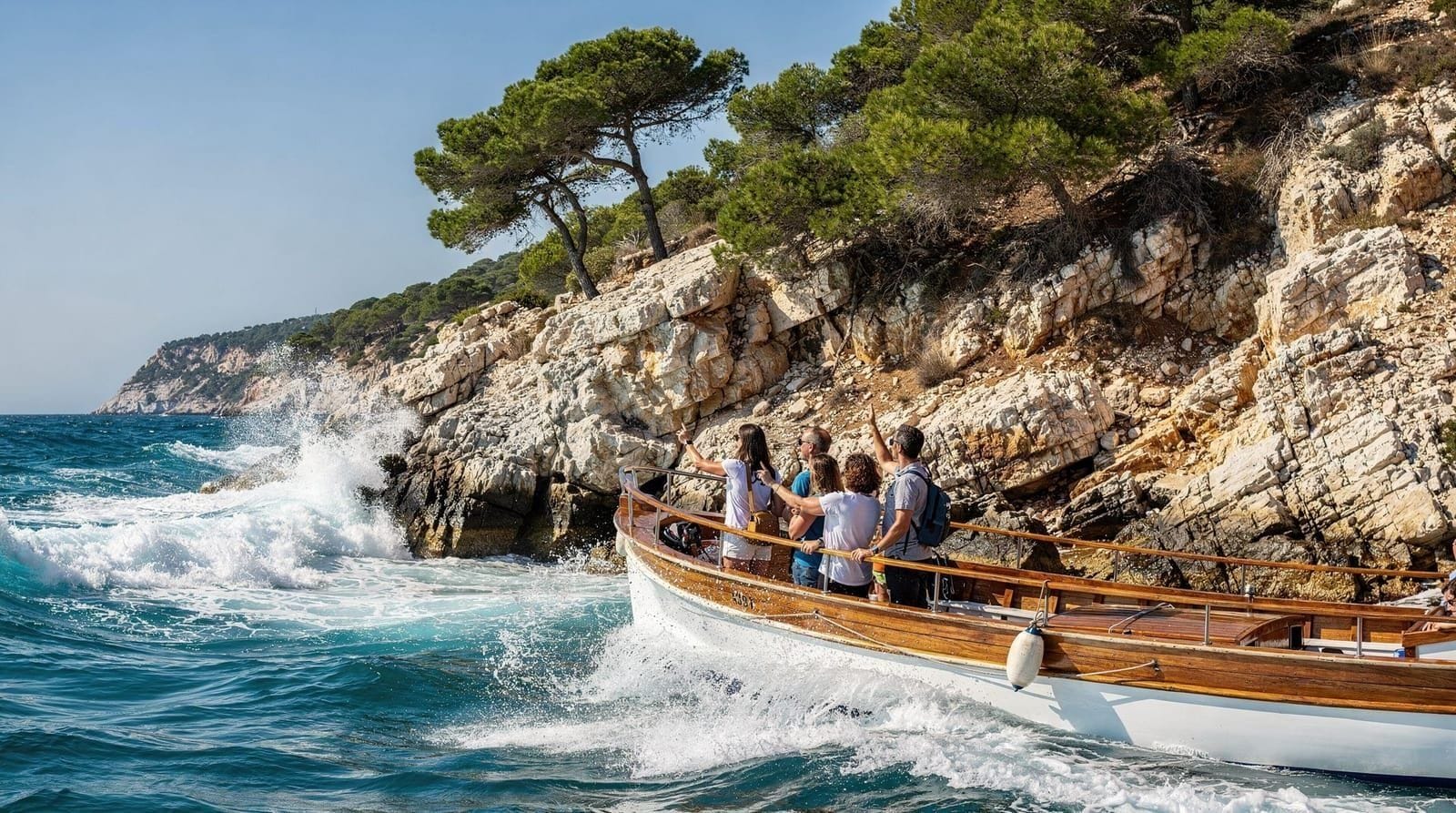
Barcelona: Costa Brava boat ride and Tossa de Mar visit
- Free cancellation
- Hotel pickup