Tarragona day trip from Barcelona
Tarragona day trip from Barcelona in 35–50 min by train: Roman amphitheatre, city walls, cathedral and one of Catalonia's best old-town seafood scenes.
Barcelona: Tarragona & Sitges guided day trip with transfers
Duration: Full day
- Free cancellation
- Hotel pickup
Quick facts
- Distance from Barcelona
- 100 km south
- Train time
- 35–50 min by regional/AVE from Sants
- Train fare
- €8–20 return depending on train
- Best for
- UNESCO Roman ruins, medieval cathedral, seafood
Tarragona is the secret day trip that travellers who know Catalonia recommend most often and everyone else overlooks. One hundred kilometres south of Barcelona on the same coastline, Tarraco was the Roman capital of the Iberian Peninsula for three centuries — a city of 40,000 with a full urban infrastructure that has left behind an extraordinary collection of monuments declared a UNESCO World Heritage Site in 2000. Layer a medieval cathedral quarter on top, add a genuinely good old-town restaurant scene, and Tarragona offers a day that rewards attention in a way that purely beach destinations don’t.
| Where | 100 km south of Barcelona, Costa Daurada |
| Getting there | AVE (35 min) or regional train (50 min) from Sants |
| Cost | Around €8–20 return depending on train |
| Time needed | Half day to full day |
| Best time | Weekday mornings, April–June or September–October |
Getting there from Barcelona
By train: This is the most practical option. Regional trains from Barcelona Sants reach Tarragona in approximately 50 minutes (single fare €8–10). AVE high-speed trains take 35 minutes but cost more (€10–15 single, depending on availability and booking time). Both run frequently throughout the day.
Tarragona station is on the lower seafront, about 15 minutes on foot from the Roman amphitheatre (following the seafront road east) or a 15-minute uphill walk to the old town. A taxi from the station to the old town costs approximately €5–8.
By guided tour: Combined Tarragona and Sitges tours from Barcelona are well-established (approximately €65–70, hotel pickup included). Useful for visitors who want to cover both destinations efficiently and would rather not deal with the train connection between them.
For comparison with other Catalonia day trips, see the day-trips from Barcelona guide. The dedicated Tarragona and PortAventura guide covers the southern Costa Daurada area in more detail.
The Roman monuments
Tarragona has the most significant Roman remains in Catalonia and among the best-preserved in all of Spain.
Roman Amphitheatre: Built into the cliff edge facing the sea in the 2nd century AD, the Tarragona amphitheatre held 14,000 spectators for gladiatorial games and executions. The position — with the Mediterranean as backdrop — is visually extraordinary. A Christian basilica was built inside the arena in the 6th century (converting the site of martyrdom); the foundations are visible. Entry approximately €4; combined tickets cover all main city monuments.
Roman Circus: A chariot racing track buried under the medieval old town — you walk through the vaulted underground passages (praecinctum) where the animals, chariots and performers waited before entering the track above. The full 325-metre length of the circus is traced by the streets of the old town above it; only part is accessible underground. Entry included in combined ticket.
City Walls: The Tarragona city walls are among the most remarkable Roman structures in the western Mediterranean. The lower sections date to the 3rd century BC — pre-Roman, probably Iberian or Punic in origin — making them potentially the oldest standing defensive walls in Spain. The upper Roman courses were added in the 2nd and 1st centuries BC. Walk the entire perimeter circuit (about 1 hour) or focus on the best-preserved northeast section near the Archaeological Walk (Passeig Arqueològic). Free to walk; some viewpoints have entry fees.
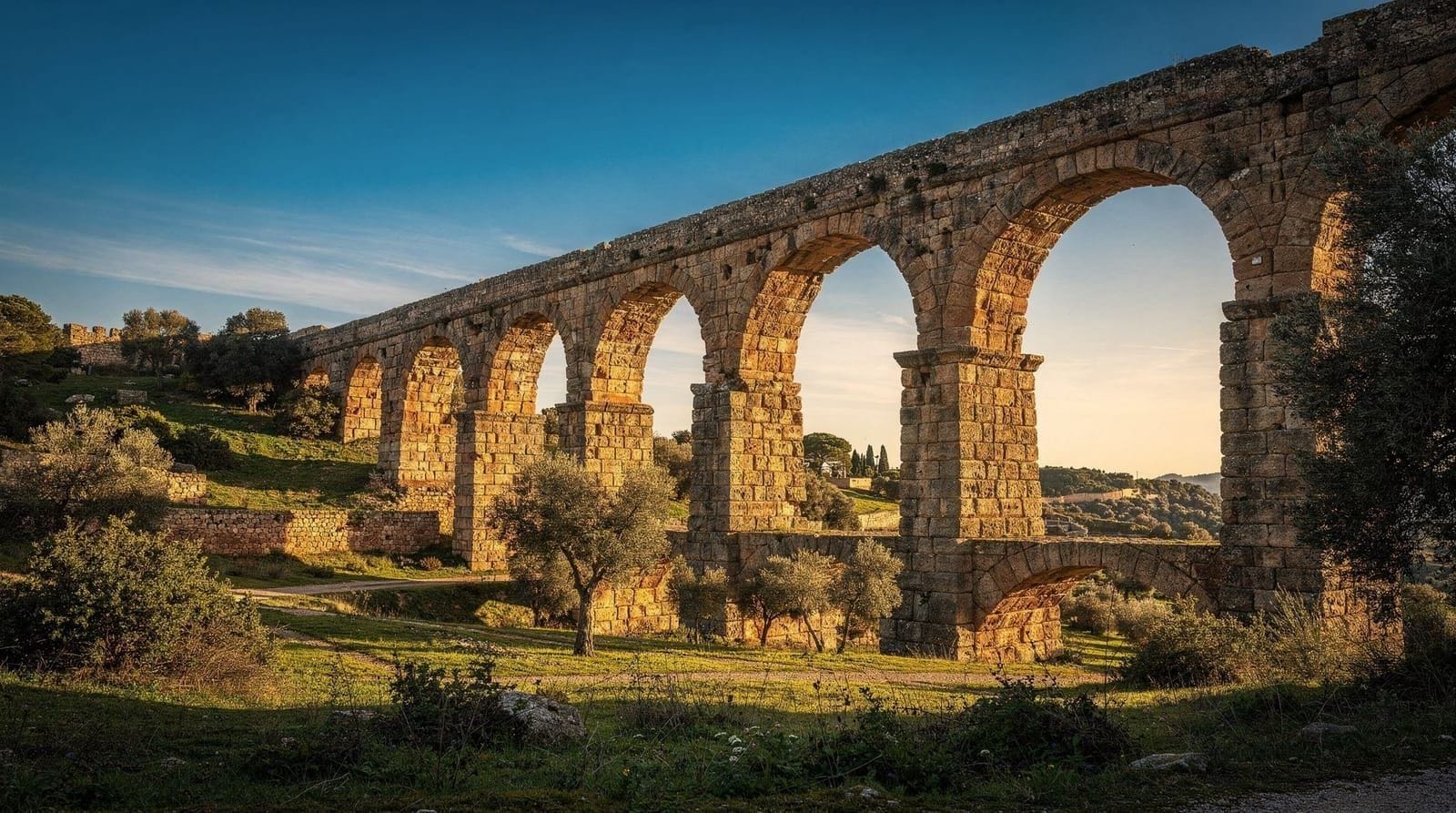
Pont del Diable (Devil’s Bridge Aqueduct): Ten kilometres north of the city, a 2nd-century Roman aqueduct 217 metres long and 27 metres high survives almost completely intact in open countryside. Free to visit; accessible by car in 15 minutes, by taxi, or on a guided tour. It is consistently listed among the best-preserved Roman aqueducts in the world. If you have a car, do not miss it.
The medieval cathedral
Built on the foundations of the Roman imperial cult temple, the Cathedral of Tarragona dates primarily from the 12th to 14th centuries — a slow construction that produced the characteristic Romanesque-Gothic transition visible in the nave (Romanesque) and the apse (Gothic). The main façade is one of the most impressive Romanesque facades in Spain.
The cloister: The 12th-century cloister is the highlight. The carved capitals are remarkable: the famous “cat funeral” capital (a procession of mice bearing a dead cat) and scenes of everyday life, fabulous animals, and biblical narrative. Catalan Romanesque carving at its best. Entry approximately €5; audio guide available and recommended.
Museu Diocesà: Within the cathedral complex, a collection of medieval art including altarpiece painting, liturgical objects and tapestries from churches across the Tarragona archdiocese. Good for context if you are spending a full day.
The Serrallo fishing quarter and eating well
The Serrallo is Tarragona’s working fishing port, a 10-minute walk south of the amphitheatre along the waterfront. It is not a tourist showcase — fishing boats dock here, the market happens in the morning, and the restaurants are for fishermen and local workers as much as visitors.
Where to eat: The Serrallo restaurants consistently outperform anything near the tourist sights. Look for places with handwritten daily menus featuring the catch (pesca del dia), romesco sauce (a nut-and-pepper sauce, the essential Tarragona condiment), fideuà, and rice dishes. Expect €20–30 for a proper lunch.
The tourist trap: Restaurants immediately adjacent to the amphitheatre and along the main tourist promenade below the old town — recognisable by the plastic menus and photos outside. Walk 15 minutes to the Serrallo or up into the old town backstreets for better quality and lower prices.
Romesco: Tarragona is the home of romesco sauce — a roasted pepper, tomato, garlic and almond sauce that is integral to local cooking. Every restaurant has its own version; comparing them is a legitimate activity.
The balcó del Mediterrani
The Balcony of the Mediterranean — the curved terrace at the end of the Rambla Nova, looking out over the amphitheatre, the sea and the long Costa Daurada coastline — is the social centre of Tarragona’s upper old town. Free. The combination of Roman ruins below, medieval cathedral behind, and Mediterranean in front conveys the centuries of occupation that the city has accumulated.
AVE or regional train: which to book
| Regional train | AVE high-speed | |
|---|---|---|
| Journey time | ~50 minutes | ~35 minutes |
| Fare | €8–10 single | €10–15 single |
| Frequency | Every 20–30 min | Fewer daily departures |
| Booking | Turn up and go | Advance booking recommended for best fares |
| Best for | Flexible timing, lower cost | Saving 15 minutes, fixed schedule |
For most day-trippers the regional train is the better choice — the frequency means you’re never waiting long, and the 15-minute time saving on the AVE rarely justifies the extra cost or the need to commit to a fixed departure.
The Platja del Miracle
Below the amphitheatre, the Platja del Miracle is Tarragona’s main city beach — sandy, Blue Flag certified, and genuinely pleasant despite sitting in a working city rather than a resort town. It’s an easy add-on if you finish the Roman sites with time to spare: 20 minutes to cool off before lunch, or an hour after the cathedral if the afternoon is hot. It’s never crowded the way Sitges or Costa Brava beaches get in summer, because most visitors come for the ruins and don’t think to bring swimwear.
Tarraco in context
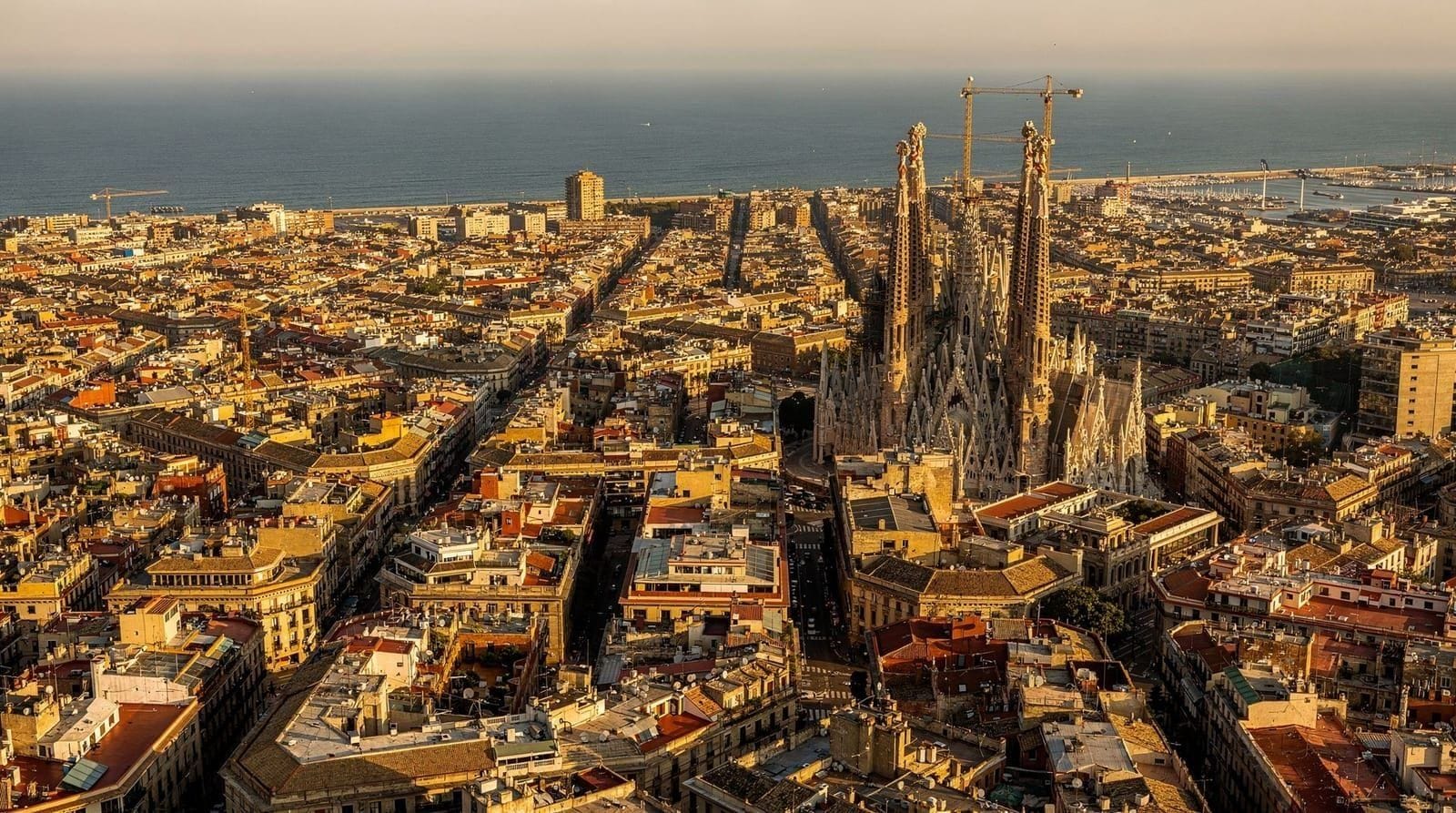
Tarragona’s Roman history connects directly to Barcelona’s own Roman past — Barcino (Roman Barcelona) was a secondary settlement compared to Tarraco’s status as provincial capital, and the Barcelona history guide covers how the two cities’ Roman layers relate. For a broader sense of how Catalan identity and culture developed from this deep history through to today, the Catalan culture guide is a useful companion read before or after a Tarragona visit.
Combining with PortAventura or Sitges
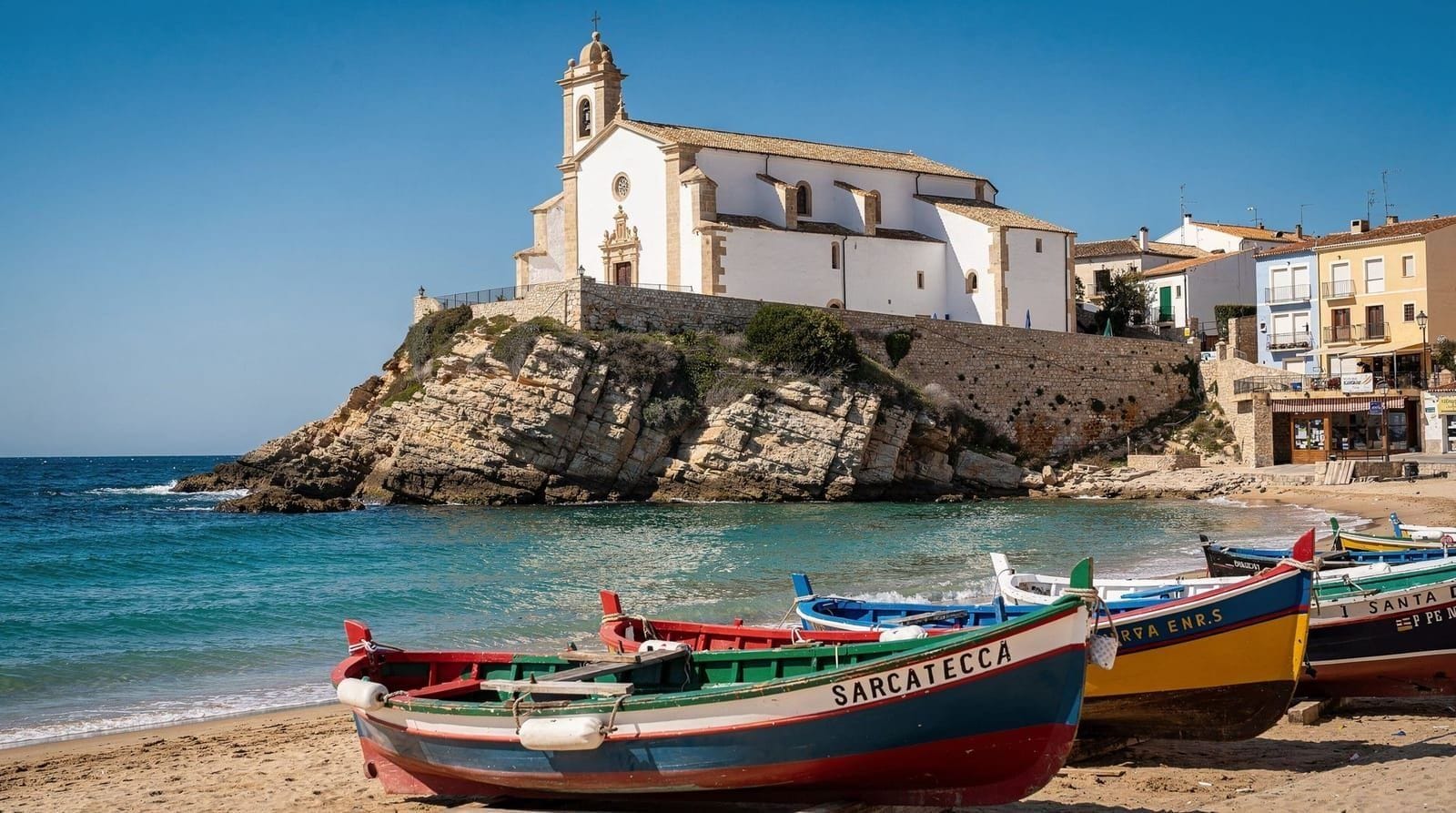
Tarragona + Sitges: A natural train-based combination (see the Sitges guide). Morning in Tarragona for the Roman sites, early afternoon train to Sitges (25 minutes), beach and old town, evening train to Barcelona.
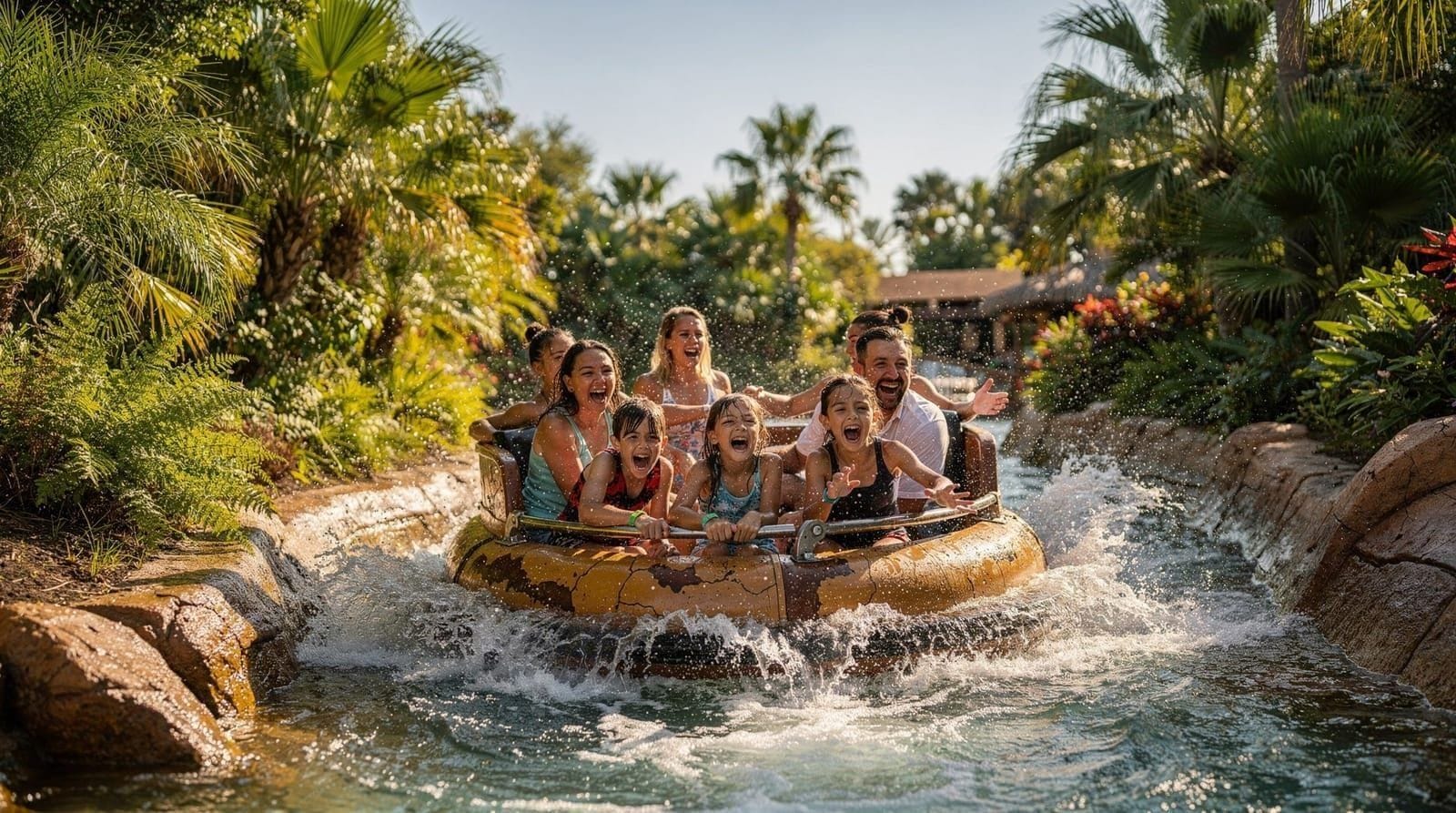
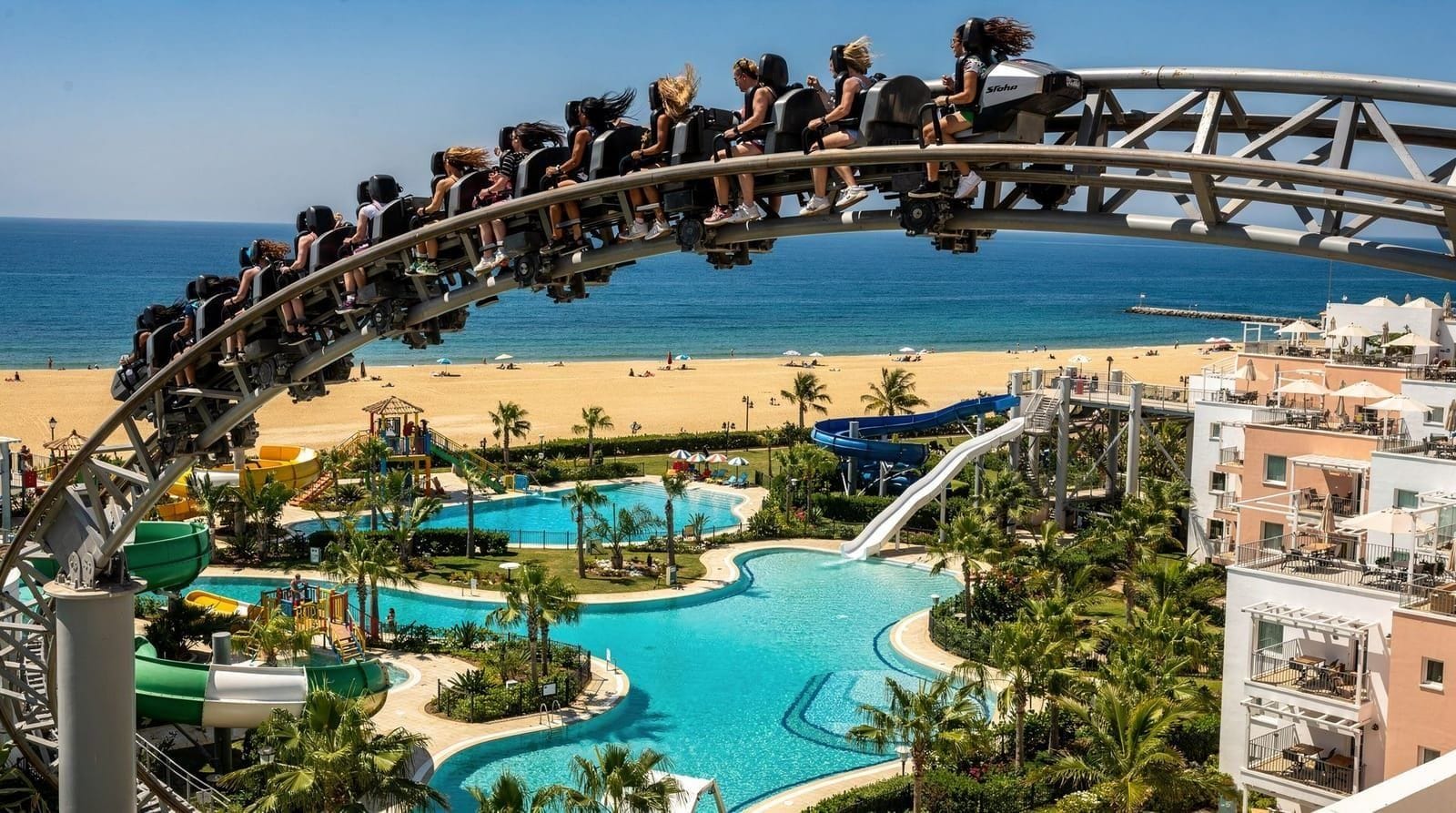
Tarragona + PortAventura: PortAventura World theme park is 10 minutes by train from Tarragona at Salou. If you have children, this combination is efficient — Roman history for the morning, roller coasters for the afternoon. The PortAventura guide covers booking and logistics.
Tarragona is the Catalonia day trip for travellers who want history rather than beaches — and who find, once they arrive, that the beach at the base of a Roman amphitheatre facing the sea is one of the more extraordinary sites in Mediterranean Europe. The combination of Roman monument, medieval city and seafood port makes it a richer day than most. Go on a weekday in April or September; arrive by 10 am; eat lunch at the Serrallo; take the afternoon train to Sitges if you want beach.
Top experiences
Bookable activities with verified prices and instant confirmation on GetYourGuide.