Tarragona and PortAventura day trip from Barcelona
Barcelona: Tarragona & Sitges guided day trip with transfers
Duration: Full day
- Free cancellation
- Hotel pickup
How long is the train from Barcelona to Tarragona?
35–50 minutes by regional or AVE train from Barcelona Sants. Prices range from €8 to €20 return depending on train type and booking date. Book on Renfe.com for the best prices.
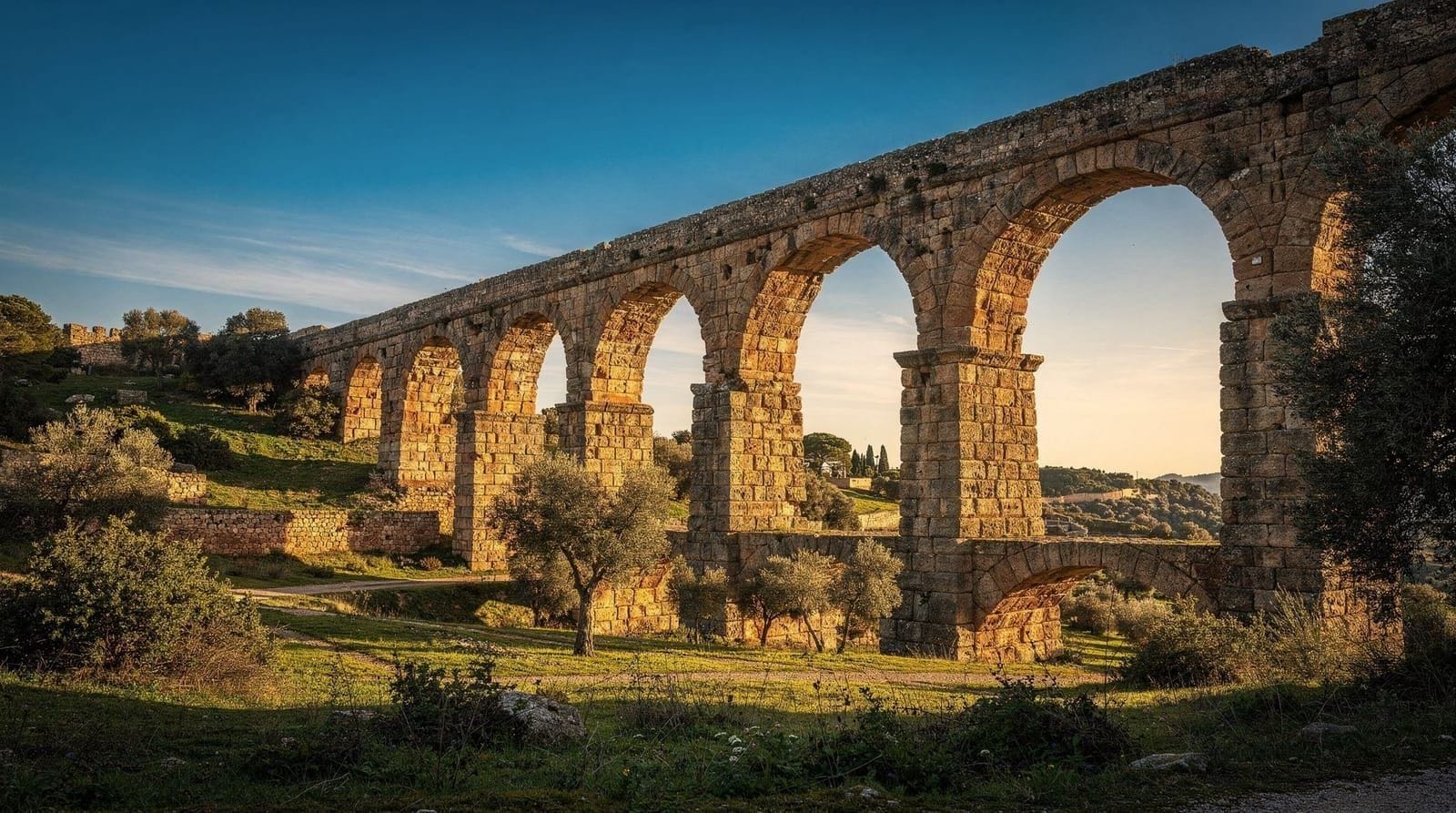
One hundred and twenty kilometres south of Barcelona, the Roman city of Tarraco sits on a limestone bluff above the sea. The amphitheatre looks down to the beach from the cliff edge; the chariot circuit underpins the medieval old town; and the 2,000-year-old city walls that Augustus built still hold up the Passeig Arqueològic promenade. Tarragona is a UNESCO World Heritage Site and one of the most rewarding Roman destinations in Spain.
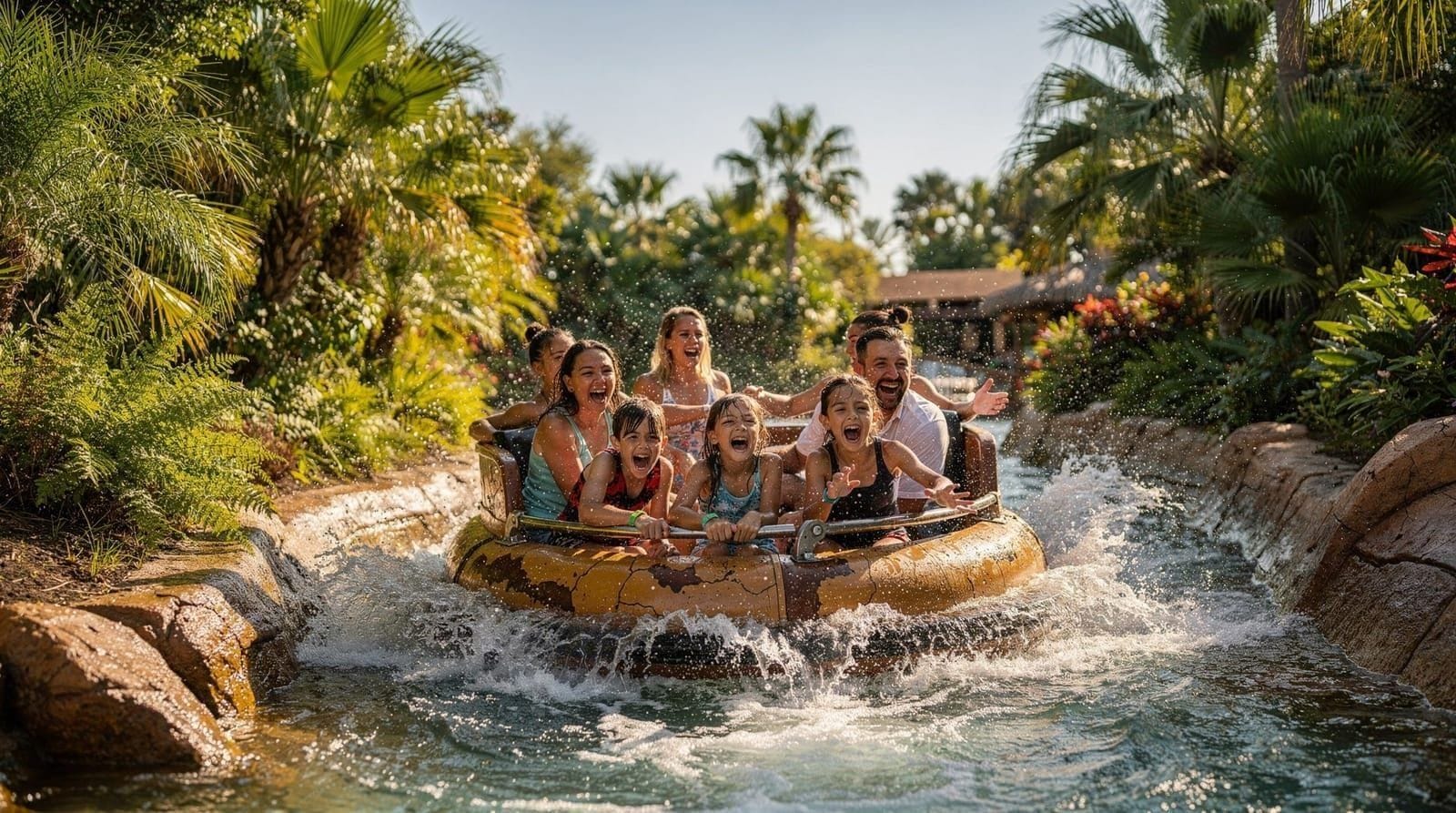
Ten minutes’ train ride further south, PortAventura World offers a very different experience: Europe’s second largest theme park, with six themed areas, 40 attractions and Ferrari Land next door. These two destinations share a train line and suit entirely different interests — but determined visitors have combined both in a single long day.
Tarragona and PortAventura at a glance
| Where | Tarragona 120 km south; PortAventura/Salou 10 min further |
| Cost | ~€10–30 return train to Tarragona; PortAventura tickets €40–60 |
| Time needed | Half day for Tarragona alone; full day to combine both |
| Getting there | AVE or regional train from Barcelona Sants |
| Best time | Roman sites year-round; calçotada season Jan–April |
Getting to Tarragona from Barcelona
By train
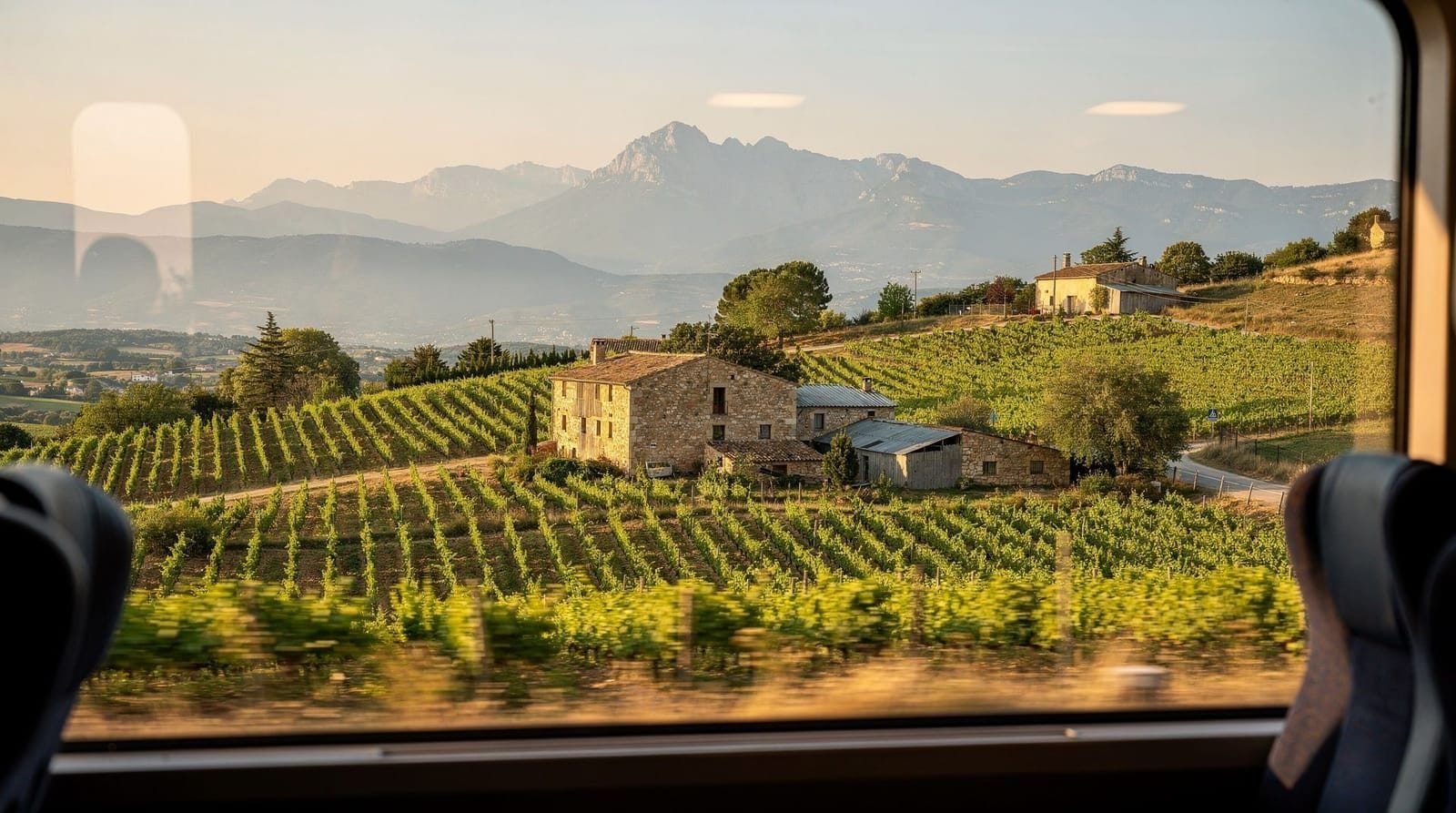
AVE (high-speed): Barcelona Sants to Tarragona in 35 minutes. Price varies by booking — from approximately €10 single booked in advance to €25–30 on the day. Book at renfe.com.
Regional train: Journey time 50 minutes to 1 hour 10 minutes. Cheaper (€6–10 single) and runs more frequently, but significantly slower.
Recommendation: Take the AVE down in the morning and a regional train back in the evening to save money on the return. Book the outbound AVE in advance on Renfe’s website.
By guided tour
Combined Tarragona + Sitges guided day tours run from Barcelona for approximately €65–70 per person. These handle all transport and include a local guide for the Roman sites. Good option if you want context for the archaeology or prefer not to navigate Renfe.
Since Tarragona and Sitges sit on the same rail corridor south of Barcelona, a guided tour that combines both removes the need to plan two separate train connections in a single day — useful if Roman ruins and beach time both appeal but the DIY logistics feel like too much on one trip.
Tarragona: what to see
Allow 3–4 hours for the highlights. The old town is compact and mostly walkable.
The amphitheatre (Amfiteatre Romà)
Built in the 2nd century AD on the cliff above the sea, the Tarragona amphitheatre held 14,000 spectators for gladiatorial contests and public executions. It is the most visually dramatic Roman site in the region — the sea behind the arena provides a backdrop that the Roman architects clearly planned.
In the arena floor, the foundations of a Visigothic church built in the 6th century over the site of early Christian martyrdom are still visible. Entry approximately €5.
The Circus Maximus
Roman Tarraco had one of the largest chariot-racing circuits outside Rome — 290 metres long and integrated into what is now the city’s central square (Plaça de la Font). You can descend into the vaulted substructures of the circus beneath the square and walk the track’s underground galleries. Entry to the praetorium tower and circus: approximately €5.
The Passeig Arqueològic (Roman walls)
A 1.2-kilometre walking route along the exterior of the Roman city walls, some sections dating to the 3rd century BC (pre-Roman Iberian construction). The walkway runs between the original Roman walls and an outer 18th-century fortification built by the British during the War of the Spanish Succession. Views north towards the Pyrenees on a clear day are exceptional.
National Archaeological Museum of Tarragona (MNAT)
Houses one of the finest Roman mosaic collections in Spain, along with coins, sculpture, ceramics and everyday objects from the Roman city. Manageable in 45–60 minutes. Entry approximately €6.
The old town and Roman forum
The medieval old town was built largely on and from Roman structures. The Gothic Cathedral of Tarragona incorporates a Roman temple in its foundations; Roman column drums are embedded in medieval walls throughout the old town. A pleasant 45-minute wander reveals layers of history compressed into a small area.
Eating in Tarragona
The Rambla Nova (Tarragona’s main boulevard) has the expected tourist restaurant concentration. Better food is available in the streets immediately north of the cathedral. Tarragona is fishing-port territory — the local romesco sauce (ground almonds, hazelnuts, dried peppers and olive oil) is the authentic condiment for grilled fish and vegetables. Avoid paella restaurants displaying photographs outside on the seafront.
PortAventura World
Getting there from Tarragona
From Tarragona’s train station, take a local regional train towards Salou/Cambrils and alight at Port Aventura station. Journey: approximately 10 minutes. Direct shuttle buses run between the station and the park entrance. Trains back to Barcelona depart from both Port Aventura and Salou stations.
Getting there directly from Barcelona
Direct trains from Barcelona Sants to Port Aventura station (via Tarragona) take approximately 1 hour 10 minutes. PortAventura operates a direct transfer package from Barcelona including park entry for approximately €65 per person.
The park
PortAventura divides into six themed worlds — China, México, Far West, Mediterranean, Polynesia, and SésamoAventura (youngest children). Highlights include Dragon Khan (Europe’s longest roller coaster at its opening in 1995), Shambhala (303 metres, one of Europe’s tallest) and Tutuki Splash.
Ferrari Land is a separate adjacent park (included in some combo tickets, extra on others) with the fastest accelerating roller coaster in Europe — Red Force, which hits 180 km/h in 5 seconds.
Online advance tickets for PortAventura only (no Ferrari Land) run approximately €40–55 depending on date. Ferrari Land add-on is €15–20, or book the two parks together on a combined ticket. Peak dates (July–August) are pricier. Always book online in advance — gate prices are noticeably higher.
The transfer package removes the need to manage train connections through Salou entirely, which matters more than it might seem on a day when you are also managing tired children and ride queues.
Combining Tarragona and PortAventura in one day
This is achievable with discipline:
- Take the AVE from Barcelona Sants at 08:30 — arrive Tarragona 09:05.
- Spend 09:15–12:30 at the Roman sites (amphitheatre, circus, archaeological museum).
- Lunch in Tarragona old town (12:30–13:30).
- Local train to Port Aventura station: 13:50, arrive 14:00.
- PortAventura: 14:00–20:00 (6 hours is enough for the main rides with standard queues outside peak dates).
- Train back: regional from Salou or Port Aventura station, arriving Barcelona approximately 21:30.
This is a full-day commitment and not suited to those who prefer a relaxed pace. Families with young children will find both in one day too much — choose one or the other.
Tarragona’s food scene
Calçots and the romesco tradition
Tarragona is the natural home of the calçotada — the Catalan feast built around calçots, a type of large spring onion grown in the Camp de Tarragona agricultural plain south of the city. Calçots are grilled directly over vine wood flames until the outer layer is charred and the interior is sweet and tender, then served wrapped in newspaper to retain heat and eaten with romesco sauce.
The calçot season runs from January through April, centring on late February. During this period, restaurants across the Tarragona province set up outdoor grills and serve calçotades as celebratory communal meals — long tables, bibs provided, fingers unavoidable. If you visit Tarragona between January and March, a calçotada lunch is the definitive regional food experience. Restaurants in the city centre offer it as a menu item during the season; outside the city the traditional format involves dedicated farm restaurants in the agricultural villages.
Romesco: what it is and where it comes from
Romesco sauce is a Tarragona product — widely considered to have originated in the fishing villages of the Costa Daurada south of the city, where fishermen developed a sauce for cooking fresh fish that could be made from pantry staples: dried nyora peppers (small, round, intensely flavoured), toasted almonds and hazelnuts, garlic, bread fried in olive oil, and a splash of wine vinegar. The result is a thick, rust-coloured sauce with a nutty, slightly smoky depth.
Romesco appears throughout Catalan cooking but in Tarragona it is specific: the version made in the city and the surrounding villages uses almonds rather than hazelnuts as the dominant nut, and dried nyora pepper rather than the broader Spanish dried pepper types. The version served with calçots in the calçotada is the most commonly known, but romesco is equally used with grilled fish, salt cod, and grilled vegetables.
Any serious restaurant in Tarragona’s old town will serve it. The best versions are made fresh, not from a jar — the texture should be slightly rough, not smooth.
Where to eat near the old town
The tourist concentration runs along the Rambla Nova and its side streets. Better restaurants are one or two streets further into the old town, particularly around the Plaça de la Font and the streets running off the cathedral.
- Les Coques (Carrer del Sant Llorenç): A Tarragona institution for traditional Catalan cooking — salt cod, rice, romesco, and grilled fish from the day’s market. Book ahead for lunch.
- La Cuina de Tarragona (Carrer de Fortuny): Market-driven cooking in a small space near the Rambla Nova. The menú del dia is good value and uses local produce from the Mercat Central.
- El Terrat (rooftop terrace options): Several restaurants with terraces overlooking the amphitheatre or the sea operate in the upper old town — the combination of Roman views and local food is harder to find than it should be; ask locals for current recommendations as the restaurant landscape shifts.
The working lunch: Tarragona, as a non-tourist city, does the Spanish menú del dia properly — three courses, bread, wine, and water for €12–15 in restaurants aimed at office workers and university students. This format is almost impossible to find in the most touristic parts of Barcelona. In Tarragona’s old town and university quarter, it is the norm. One of the quiet advantages of visiting a city that is not primarily a tourist destination.
The Mercat Central de Tarragona
The Mercat Central (Plaça Corsini) is Tarragona’s municipal covered market — a 19th-century iron-and-glass structure that has been recently renovated and operates as a genuine working market rather than a tourist attraction. The agricultural produce of the Camp de Tarragona arrives here: hazelnuts, almonds, stone fruits, vegetables from the huerta, and fish from the day’s Tarragona fleet.
Worth 30–40 minutes before or after the Roman sites, particularly for the fish section, which reflects what the local boats are landing. The almonds from the Camp de Tarragona are among the finest in Spain — the Marcona variety, small and sweet — and available from market stalls at prices far below Barcelona retail.
Tarragona vs Roman sites elsewhere in Spain
For visitors weighing Tarragona against other Roman destinations they might visit on a Spain trip, the comparison is worth making explicitly. Tarragona (ancient Tarraco) and Mérida (ancient Emerita Augusta) are the two most significant Roman sites on the Iberian Peninsula — sites that could genuinely be placed in a European shortlist alongside Arles, Orange and Nîmes in France, or the Herculaneum and Ostia Antica in Italy.
Mérida, in Extremadura, has a larger surviving amphitheatre, the finest Roman theatre in Spain (still used for summer performances), and a Roman bridge across the Guadiana that remains in daily use. For Roman monumental architecture in near-complete condition, Mérida has the edge in scale. However, Mérida is a major journey from Barcelona — not an option within a Spain trip unless you are based in Madrid or Seville.
What Tarragona has that Mérida does not is the extraordinary compression of Roman infrastructure within a living city. The circus foundations run under the medieval town square; Roman column drums are built into medieval walls; the amphitheatre overlooks an active beach. The relationship between the Roman layer and the subsequent 2,000 years of occupation is more legible in Tarragona than anywhere else in Spain. For a day trip from Barcelona, there is no comparison within realistic reach.
The other significant Roman sites in Catalonia — Empúries (on the Costa Brava, a Greek and Roman settlement that can be visited by boat or car) and the Roman ruins of Badalona (easily reached from Barcelona by metro) — are interesting but not in the same category of scale or preservation.
The Costa Daurada beaches as a third option
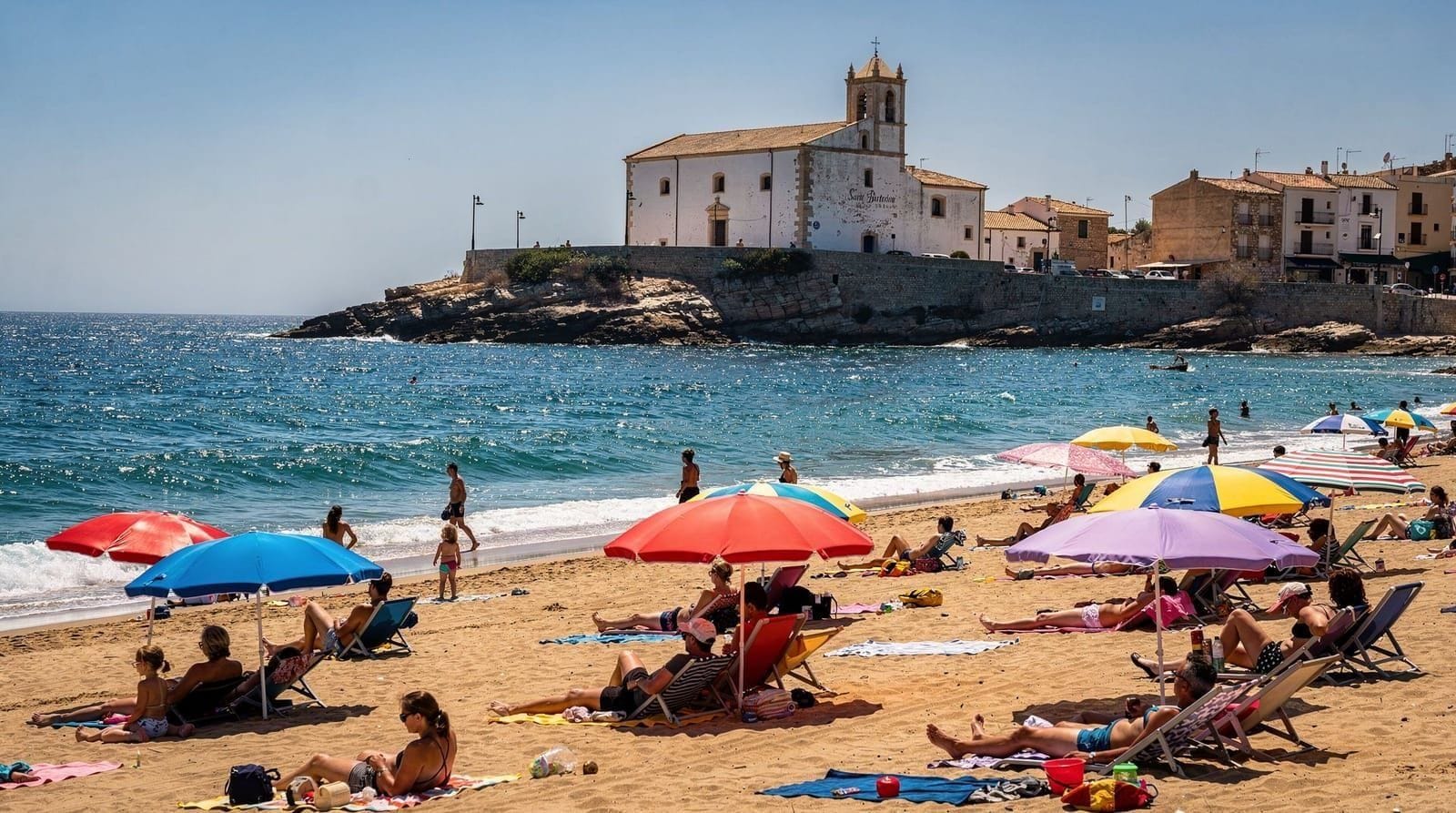
Salou and the surrounding Costa Daurada coastline offer a quieter alternative for anyone who wants sea and sand rather than Roman ruins or roller coasters on the same rail line. The beaches around Salou are wide, sandy and less crowded than Barcelona’s urban strand, and the town itself has a straightforward, family-oriented resort character distinct from both Tarragona’s historic core and PortAventura’s theme-park atmosphere. If your group is split between wanting culture, thrills and simple beach time, it is worth knowing that all three are reachable from the same regional train line south of Barcelona, even though combining more than two in a single day is rarely realistic.
Accessibility and mobility notes
Tarragona’s old town has cobbled streets and some steps around the amphitheatre and the Passeig Arqueològic, though the main sites are reachable via paved paths with moderate gradients rather than staircases. The archaeological museum and most indoor sites have step-free access. PortAventura is a modern, purpose-built park with wide paved paths throughout and wheelchair accessibility at the great majority of attractions; the park’s website publishes a detailed accessibility guide by ride, worth checking in advance if mobility is a concern for anyone in your group. Both destinations are more manageable in the cooler morning hours if walking long distances is difficult, since neither offers much shade around midday in summer.
Getting around once you’re there
Both Tarragona’s old town and PortAventura are best tackled on foot once you arrive — the Roman sites are within a compact, walkable perimeter, and the theme park is designed around walking between themed zones. For the Barcelona portion of your trip, the getting around Barcelona guide covers the metro and Rodalies network you’ll use to reach Sants station in the first place, which is the starting point for every route in this guide.
Whether you come for 2,000-year-old Roman walls or 300 km/h steel coasters, the coast south of Barcelona delivers. See our best day trips from Barcelona guide to compare with Sitges, Montserrat and beyond.
Frequently asked questions about Tarragona and PortAventura day trip from Barcelona
Is Tarragona worth visiting on a day trip?
Yes, especially for those with an interest in Roman history. The amphitheatre (sitting directly above the sea), the Circus Maximus foundations, the Roman walls and the archaeological museum make Tarragona one of the most significant Roman sites in Spain. Half a day is enough for the highlights.How do I get to PortAventura from Barcelona?
Take the regional train from Barcelona Sants to Port Aventura or Salou station. Journey time approximately 1 hour 10 minutes. PortAventura runs direct shuttle buses from the station to the park gates. Alternatively, combined transfer + ticket packages from Barcelona are available from around €65.Can I combine Tarragona and PortAventura in one day?
Yes, but with limited time at each. Take an early train to Tarragona (depart Barcelona by 08:30), do the Roman sites for 3 hours, then take a local train to Port Aventura station (10 minutes). You will have 4–5 hours at the park. This requires good planning and energy.How much does PortAventura cost in 2026?
Day tickets purchased online in advance run approximately €40–60 for adults. On-the-day prices at the gate are higher. Ferrari Land requires a separate add-on ticket (€15–20). Combo deals including Barcelona transfer tend to be more cost-effective.What are the best Roman ruins to see in Tarragona?
The amphitheatre (on the cliff above the sea) is the most dramatic. The Circus Maximus — where chariot races were held — has foundations integrated into the living city that you can walk through. The Passeig Arqueològic (Roman walls promenade) gives context to the full Roman city perimeter.
Top experiences
Bookable activities with verified prices and instant confirmation on GetYourGuide.