Barceloneta beach and neighbourhood guide
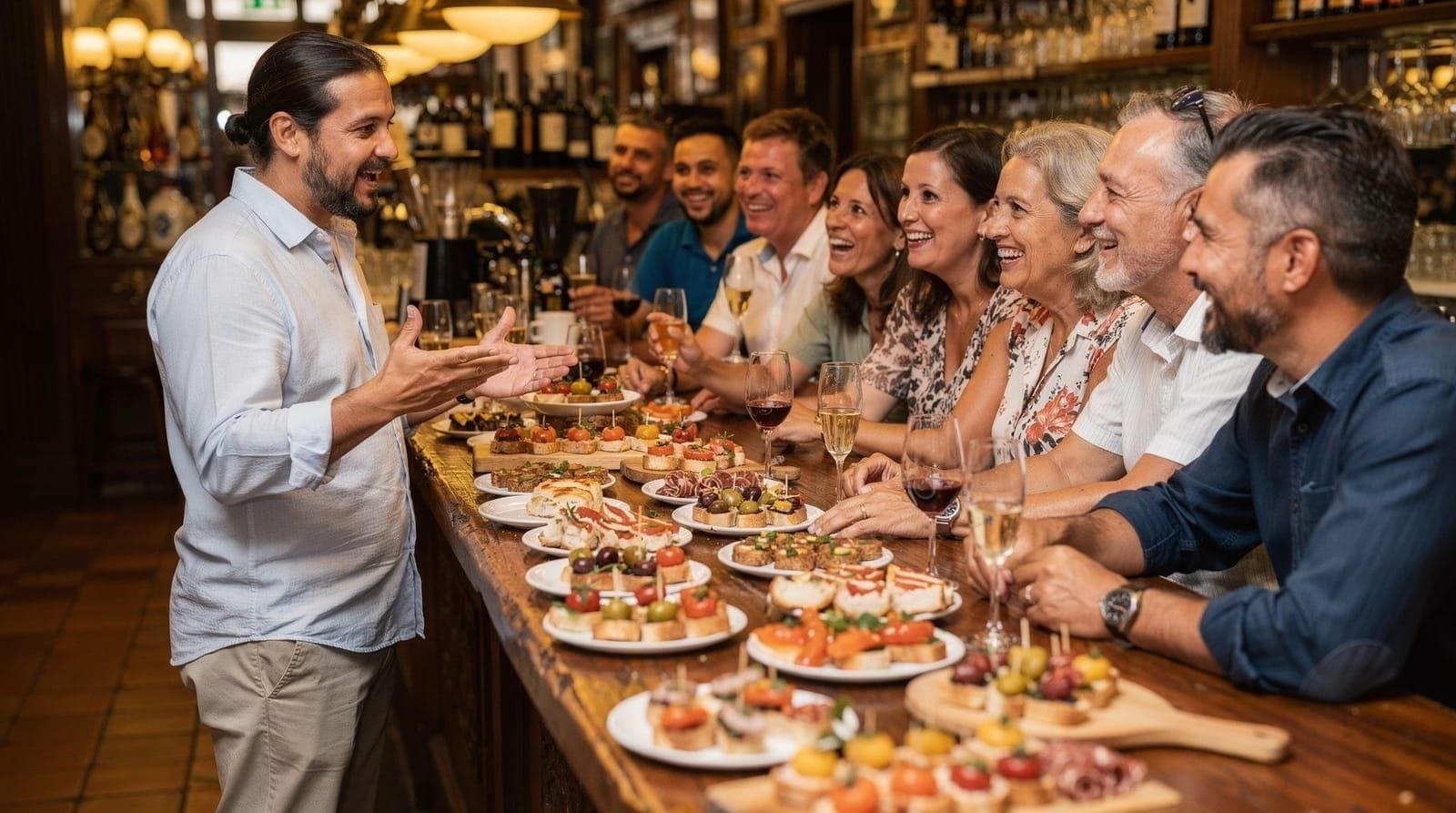
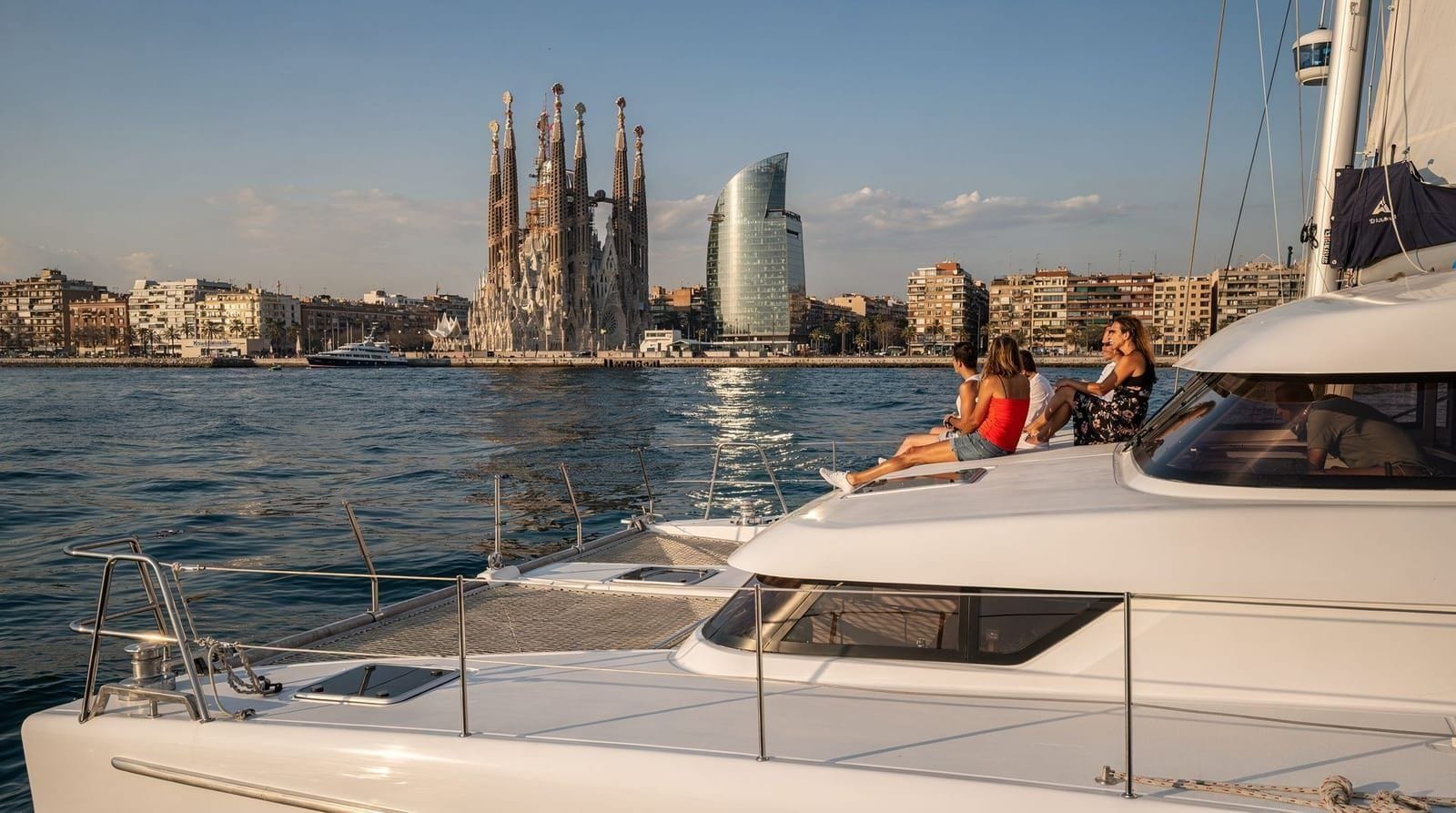
Barcelona: sunset sailing tour with tapas and open bar
Duration: 2 hours
- Free cancellation
What should I know before going to Barceloneta beach?
Barceloneta is Barcelona's most central beach — 15 minutes' walk from the Gothic Quarter. In July and August it is extremely crowded and pickpocket activity is high. Go early in the morning (before 10:00) or in May, June or September for a genuinely enjoyable visit. Avoid the tourist-trap restaurants on the main promenade strip.
Barceloneta is simultaneously one of Barcelona’s most historic neighbourhoods and its most touristic beach destination. The original quarter — a tight grid of 18th-century streets built for shipyard workers on a spit of land between the port and the sea — was constructed in the 1750s by military engineers and remains one of the most intact examples of Enlightenment urban planning in Spain.
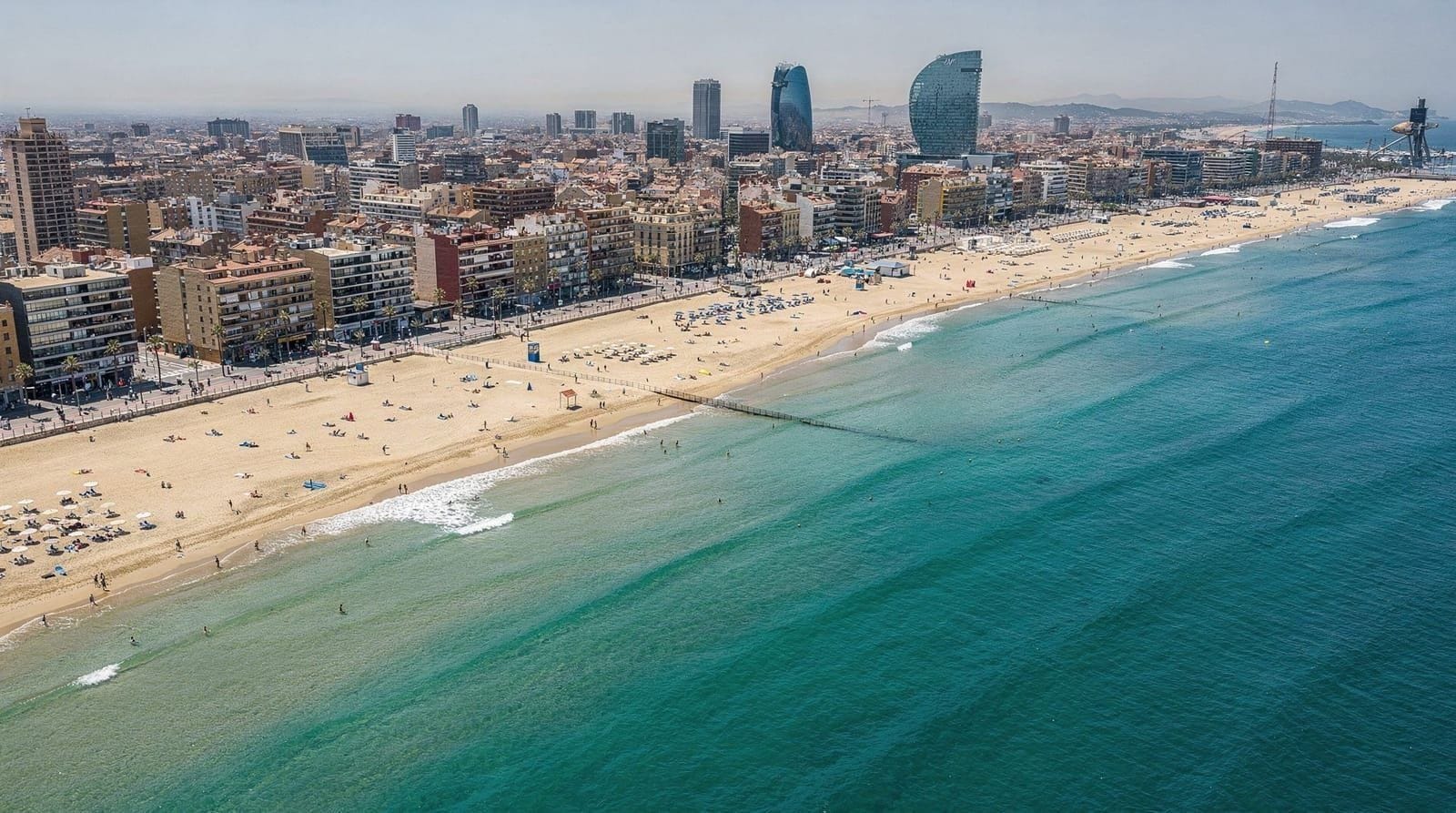
The beach in front of it is 1 kilometre long, wide enough in places for 30–50 metres of sand, and the most popular stretch of urban beach in Spain. In July and August it achieves a density of experience that is either vibrant or oppressive depending on your disposition and the hour you arrive.
| Where | Metro L4 Barceloneta, 15 min walk from Gothic Quarter |
| Cost | Free; sun loungers ~€7–10, lockers ~€3–5 |
| Best time | Before 10:00 or after 17:30; September overall |
| Avoid | Passeig Marítim paella restaurants, unattended bags |
| Nearby | Port Vell, L’Aquàrium, Port Olímpic |
The neighbourhood before the beach
Many visitors walk straight from the metro to the sand and miss the neighbourhood itself. The streets between Barceloneta metro station and the beach — Carrer de Sant Carles, Carrer del Baluard, Carrer de la Maquinista — are what the tourist strip is not: working-class Catalan, local bars with working lunches, fishermen’s bodegas, old women sitting in doorways. The contrast with La Rambla is complete.
Mercat de la Barceloneta (Plaça de la Font): A small neighbourhood market less famous and less overwhelmed than La Boqueria. Fresh fish from the fishing boats that still operate from the harbour nearby, seasonal vegetables, local cheese. Excellent for assembling a picnic.
The Barceloneta grid: The streets are laid out on a strict military plan — 36 blocks, each approximately 50 metres square, with streets running at 45 degrees to the sea to allow the sea breeze to ventilate the neighbourhood. This makes the neighbourhood impossible to get lost in and quite charming to walk through.
The beach
Platja de la Barceloneta is the southern section of the city beach strip, running from the W Hotel headland (Barceloneta’s far southern point) to the Port Olímpic breakwater in the north.
Sand quality: Clean, pale sand, maintained and raked daily in summer. Water quality consistently holds Blue Flag certification.
Facilities: Showers at regular intervals along the beach; toilets at the service buildings; sun lounger and parasol rental; lifeguard towers (June–September); first aid station near the central beach bar.
Beach sports: Volleyball nets at the central section. Paddle tennis rental on the Passeig Marítim. Windsurfing and paddleboard rental near the northeastern end.
The honest crowd picture
Barceloneta is the most accessible beach from central Barcelona, and in summer this means extreme density at peak hours. Honest expectations:
- July–August, 12:00–17:00 on weekends: Towel-to-towel across most of the beach. Finding a spot may require walking to the far northeastern end.
- Weekday mornings (before 10:00): Manageable, pleasant, good for swimming before the heat peaks.
- September: The sea is warmest (24–25°C), the crowd has dropped significantly. The best month to visit.
- Late afternoon (after 17:30): Density decreases as afternoon visitors pack up. Sunset over the W Hotel headland is good.
Season by season
| Season | Sea temp | Crowds | Verdict |
|---|---|---|---|
| Jun–Aug | 24–26°C | Very high | Warmest but towel-to-towel at peak hours |
| Sep | 24–25°C | Moderate, dropping | Best overall — warm sea, fewer people |
| May, Oct | 19–22°C | Low | Good for walking, swim optional |
| Nov–Apr | Below 18°C | Minimal | Beach walk only; too cold to swim for most |
For beach options beyond Barceloneta itself, including quieter alternatives closer to and further from the centre, see the best beaches near Barcelona guide and the complete Barcelona beaches guide.
Beach safety and theft
Barceloneta has the highest rate of beach theft in Barcelona — a function of its density and tourist concentration. Practical measures:
- Use the paid beach lockers on the Passeig Marítim (€3–5 per day)
- Never leave your bag unattended when swimming — split your group so someone is always bag-watching
- The primary theft technique is group distraction; if two or three strangers approach simultaneously, hold your bag
- Phone cases with neck straps and waterproof pouches allow you to swim with your phone
This should not deter you from visiting — it is a daily beach experience for thousands of people — but carelessness here is costly.
The paella trap (honest warning)
The beachfront restaurants on the Passeig Marítim and the side streets immediately adjacent are among Barcelona’s most egregious tourist traps. Paella displayed in photos outside, priced at €25–30 for “minimum 2 portions,” is invariably frozen or par-cooked and microwaved to order. This is not real Valencian paella and is not how Catalan seafood rice is made.
Real rice dishes require 30–45 minutes and are ordered by the table in advance. Any restaurant that can deliver a paella photograph dish to a walk-in tourist in 10 minutes is serving something inferior.
Better options:
- La Cova Fumada (Carrer del Baluard 56): The original bomba (fried potato croquette with meat filling) was invented here. Extraordinary local seafood. No sign, no reservations, opens from 09:00 and closes when the food runs out (usually 15:00). Cash only.
- El Suquet de l’Almirall (Passeig Joan de Borbó 65): A proper seafood restaurant with a reputation that has held for decades. The suquet (Catalan seafood stew) and fideuà (noodle rice) are the specialities. Book ahead.
- Bar Leo (Carrer de Sant Carles 34): A neighbourhood bar doing esmorzar de forquilla — the traditional Barcelona working breakfast/lunch of hot dishes, cheap wine, loud conversation. Not tourist-facing, not flash, excellent.
Port Vell and the old harbour
Directly attached to Barceloneta via the wooden Rambla del Mar boardwalk is Port Vell — the old harbour converted in the 1990s into a recreational marina. The Maremagnum shopping centre and L’Aquàrium are here. The aquarium is a serious institution (the only one in Europe with a Mediterranean tunnel tank) and genuinely good for families with children.
The harbour itself is pleasant for an evening walk. The departure points for sailing and catamaran tours are along the marina docks.
If you would rather see the beach and the harbour from the water at golden hour, a sunset sail departing Port Vell is the most relaxed way to close a beach day.
Sun loungers, showers and what’s actually free
Everything essential at Barceloneta is free: the sand, the sea, the showers spaced along the promenade, and the lifeguard-monitored swimming zones in season. Paid extras exist but are genuinely optional. Sun lounger and parasol rental (roughly €7–10 per unit per day) is convenient if you are staying all day and did not bring a towel or umbrella, but a beach towel on the sand works identically for anyone on a budget. The paid lockers on the Passeig Marítim (€3–5) are the one worthwhile expense for most visitors, given the theft rate — treat this as a near-mandatory cost rather than an optional extra if you are bringing a phone, wallet or passport to the beach.
Getting around
From the Gothic Quarter: 15–20 minutes on foot via Passeig d’Isabell II and the old port boardwalk. Pleasant walk.
Metro: L4 (yellow line) to Barceloneta. 5 minutes’ walk to the beach.
Bus: Lines 45 and V15 serve the beach promenade.
By bike: Bicing (city bike share) stations are at Barceloneta metro and along the Passeig Marítim. Cycle path runs the full length of the beach.
The neighbourhood’s history
A military project
Barceloneta is one of the most deliberately planned neighbourhoods in Barcelona’s history — and one of the most unusual. In the early 18th century, the construction of the Ciutadella fortress (built by Philip V after the siege of 1714 to physically dominate the city) required the demolition of the Ribera neighbourhood. Some 1,000 families were displaced.
The military engineers’ solution was to build a new neighbourhood on the sandy spit between the port and the sea — land that had previously been unusable. The plan, drawn up in 1715 by military engineer Joris Prosper van Verboom and implemented in the 1750s under Juan Martín Cermeño, was a strict grid: 36 blocks of identical dimensions, streets oriented at 45 degrees to the sea to allow ventilation, and buildings limited to a single storey (a military regulation to prevent any structure from threatening the cannon sightlines of the Ciutadella).
The single-storey rule was immediately ignored. Within decades, residents were building additional floors covertly, and by the 19th century the neighbourhood had become one of the densest in Barcelona — the same narrow streets, the same grid, but now with buildings three to five storeys high. The resulting character — working-class density, sea-facing orientation, community life lived at street level — defined Barceloneta for the next two centuries.
The fishermen’s quarter
From the 18th century well into the 20th, Barceloneta was Barcelona’s fishermen’s neighbourhood. The boats operated from the harbour immediately adjacent; the fish were landed, sold and processed within streets of the catch. The Barceloneta grid filled with fishermen’s families, sailors, harbour workers, and the small industries that supplied them — cooperages, net-menders, ice-houses.
This character explains the food of the neighbourhood: the seafood restaurants, the tradition of the working breakfast with anchovies and vermouth, the bomba (the dense fried croquette that was invented here), the fideuà (noodle paella) that developed from the fishermen’s practice of cooking the day’s unsaleable catch with pasta instead of rice. These dishes evolved from practical, working-port necessity and are still best understood in that context.
The fishing fleet has largely departed — the pleasure craft of Port Vell now occupy the harbour — but the culture persists. La Cova Fumada still serves its bombas with the same absence of tourist amenity that it always has. The Mercat de la Barceloneta still trades in fresh fish from the boats that remain.
The 1992 Olympic transformation
The single most dramatic change to Barceloneta’s character came not from within but from above — the planning decisions made for the 1992 Barcelona Olympics. The games required a sea-facing venue district, and the city used the opportunity to undertake the most significant urban transformation in the area’s history.
The industrial seafront that had closed the city from its Mediterranean edge — warehouses, rail lines, factories — was demolished. The beaches were redesigned: imported sand, new promenades, beach facilities, the Passeig Marítim broadened and repaved. The Olympic Village (Vila Olímpica) was built on the former industrial zone north of Barceloneta, creating a new neighbourhood from scratch with the athletes’ accommodation, the Port Olímpic marina, and the two iconic glass towers (Torre Mapfre and the Hotel Arts) that now define the skyline above the beach.
For Barceloneta itself, the Olympic transformation was both gift and displacement: the beaches became accessible and attractive for the first time in the modern sense, but the neighbourhood’s closed, working-class character was exposed to tourism in ways that have since fundamentally altered its social composition.
Evening in Barceloneta
The neighbourhood after dark has a different character from its daytime beach persona — slower, more local, and considerably more appealing for visitors who want to see Barcelona rather than its tourist infrastructure.
The vermut hour
The tradition of vermouth (vermut in Catalan) before lunch is deeply embedded in Barceloneta. Between 12:00 and 14:00, the neighbourhood’s old bars fill with residents drinking vermouth from the barrel — slightly sweet, slightly bitter, served with a splash of soda, an olive and an anchovy on a cocktail stick. This is not the tourist aperitivo of Italian cities; it is a working-class Catalan ritual that predates the current interest in vermouth as a fashionable drink.
Carrer de l’Almirall Cervera, Carrer de Sant Carles, and Carrer del Baluard have the highest concentration of old-school vermut bars. La Cova Fumada offers vermouth alongside its morning food service. Bar Electricitat (Carrer de Sant Carles 15) is one of the oldest vermouth bars in the city, unreconstructed and excellent.
In the evening, this same tradition continues, now called the “aperitivo” hour — roughly 19:00 to 21:00 — before the late Spanish dinner.
Passeig culture at dusk
The Passeig Marítim at dusk is one of the finest evening walks in the city. The promenade runs the full length of the beach from the W Hotel headland northward to the Port Olímpic, with the sea to the right and the neighbourhood to the left. Cyclists, runners, families with pushchairs, old men walking, teenagers on electric scooters — the full cross-section of the city uses the passeig from early evening onward.
The sunset viewed from the W Hotel headland — the sail-shaped building designed by Ricardo Bofill that marks the southern end of Barceloneta — is worth the walk to the southern tip of the neighbourhood. Looking back north, the beach stretches in a long curve toward the Port Olímpic towers, and the Collserola hills close the view behind the city.
From beach to dinner
The transition from beach neighbourhood to dinner destination happens around 20:30–21:30, when the last beachgoers have departed and the restaurant tables fill. The inland streets of Barceloneta offer better dinner options than the promenade strip. Carrer de l’Almirall Aixada, a block back from the Passeig Marítim, has a higher density of genuinely local restaurants.
The neighbourhood’s signature dinner dishes are rice: arròs a banda (seafood rice cooked in fish stock, served with alioli), arròs negre (squid-ink rice), and fideuà. These require a sit-down restaurant with a 30–45 minute cooking time. The beachfront restaurants that produce these dishes in 10 minutes are not making them properly — the real versions require planning and a reservation.
Barceloneta at its best — a September morning, warm sea, neighbourhood bocatería breakfast, empty sand — is one of the finest urban beach experiences in Europe. At its worst (August Saturday afternoon) it tests patience. Knowing when to go, where to eat, and where to put your bag makes the difference. For the wider picture of Barcelona beaches, see our complete beaches guide.
Combining Barceloneta with the rest of the city
Barceloneta’s location makes it easy to combine with other central sights rather than treating it as an isolated beach day. A morning swim followed by an afternoon in the Gothic Quarter or El Born — both a 15-20 minute walk away — is a natural pairing, and it means you are not doubling back across the city. For visitors staying longer, the best neighbourhoods guide covers how Barceloneta compares to Eixample or Gràcia as a base if beach proximity matters more to you than restaurant density in the evening.
If your trip includes a broader itinerary and you are trying to work out where a beach day fits, our 3-day classic itinerary and 5-day full itinerary both slot a Barceloneta morning into the wider plan rather than treating it as a full separate day, which is usually the right call unless beach time is your priority.
Frequently asked questions about Barceloneta beach and neighbourhood guide
Is Barceloneta beach free?
Yes. The beach is a public space, completely free to use. Sun loungers and parasols are available for rent (approximately €7–10 per unit per day) but are not required. There are free showers at regular intervals along the beach.How do I get to Barceloneta beach?
Metro L4 to Barceloneta station — 5 minutes' walk to the beach. Alternatively, walk 15–20 minutes south from the Gothic Quarter through the old port. Bus lines 45 and V15 also serve the area.Are there lockers at Barceloneta beach?
Yes — paid luggage lockers are available on the Passeig Marítim (promenade) near the beach. Approximately €3–5 for a beach day. Strongly recommended for valuables.Where do locals eat in Barceloneta?
Away from the main promenade. La Cova Fumada (Carrer del Baluard 56) is the original home of the bomba (fried potato croquette) — no sign, no booking, closes early. Bar Leo (Carrer de Sant Carles) does traditional working lunch. La Barceloneta restaurant (Carrer de la Mar 19) has good rice dishes.What is the best time to visit Barceloneta in summer?
Before 10:00 for a swim without crowds. After 18:00 for a more relaxed late afternoon and golden hour light. Avoid 12:00–17:00 on any summer weekend if you dislike extreme density.Can you swim at Barceloneta beach outside summer?
The sea drops below 20°C from November to April, too cold for most people to swim comfortably, though a few locals swim year-round. May and October are transitional — swimmable for the hardier visitor at 19-22°C. June through September is the reliable swimming window, with September offering the warmest water relative to the crowd level.How does Barceloneta compare to other Barcelona beaches?
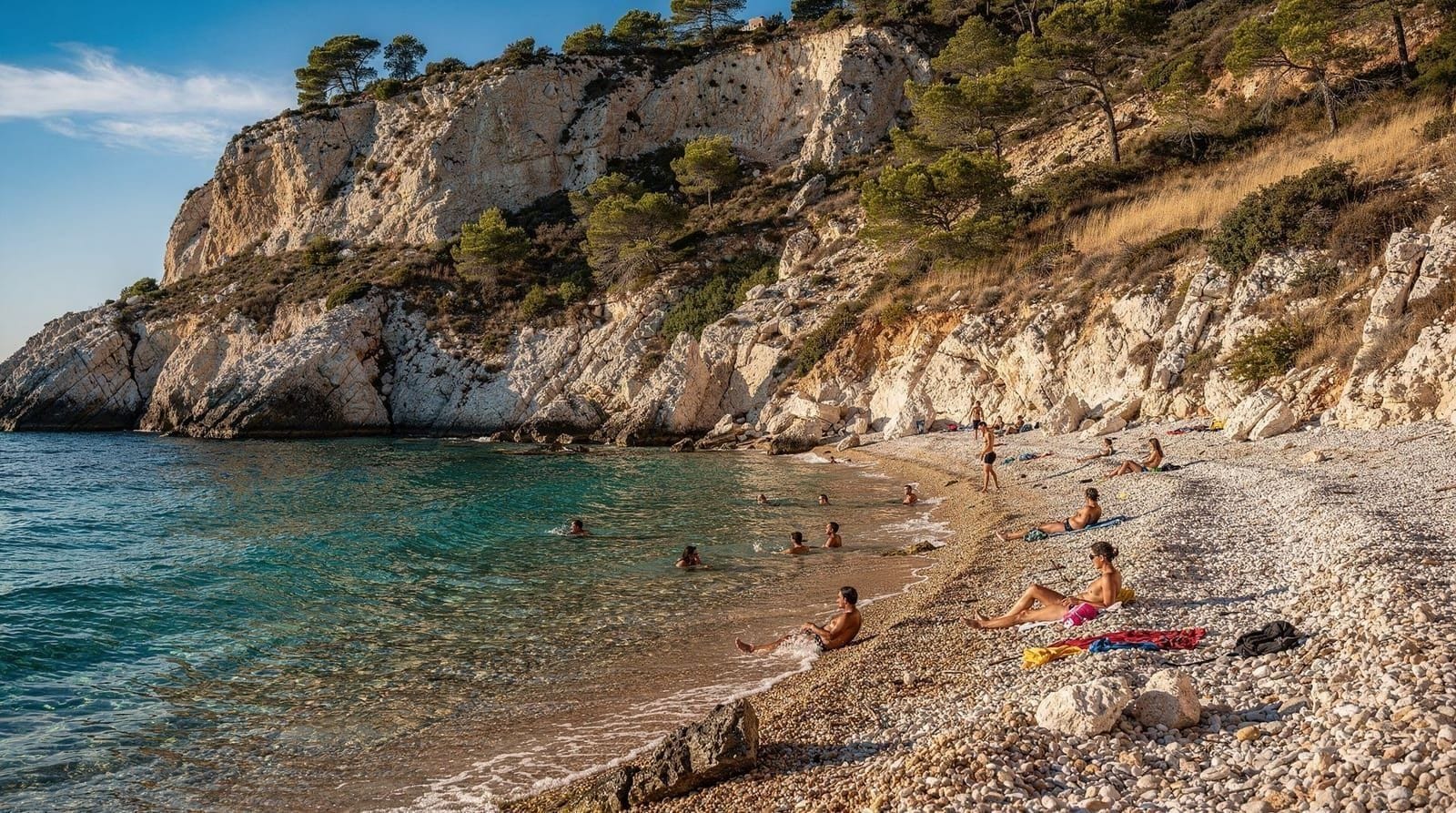
Barceloneta is the most central and most crowded. Beaches further northeast (Bogatell, Mar Bella) are quieter with similar sand quality and a 10-15 minute longer metro ride. For a genuinely different day, Sitges by train is a better choice than any city beach. See the best beaches near Barcelona guide for the full comparison.
Top experiences
Bookable activities with verified prices and instant confirmation on GetYourGuide.