Barcelona beaches guide: which beach to choose and when
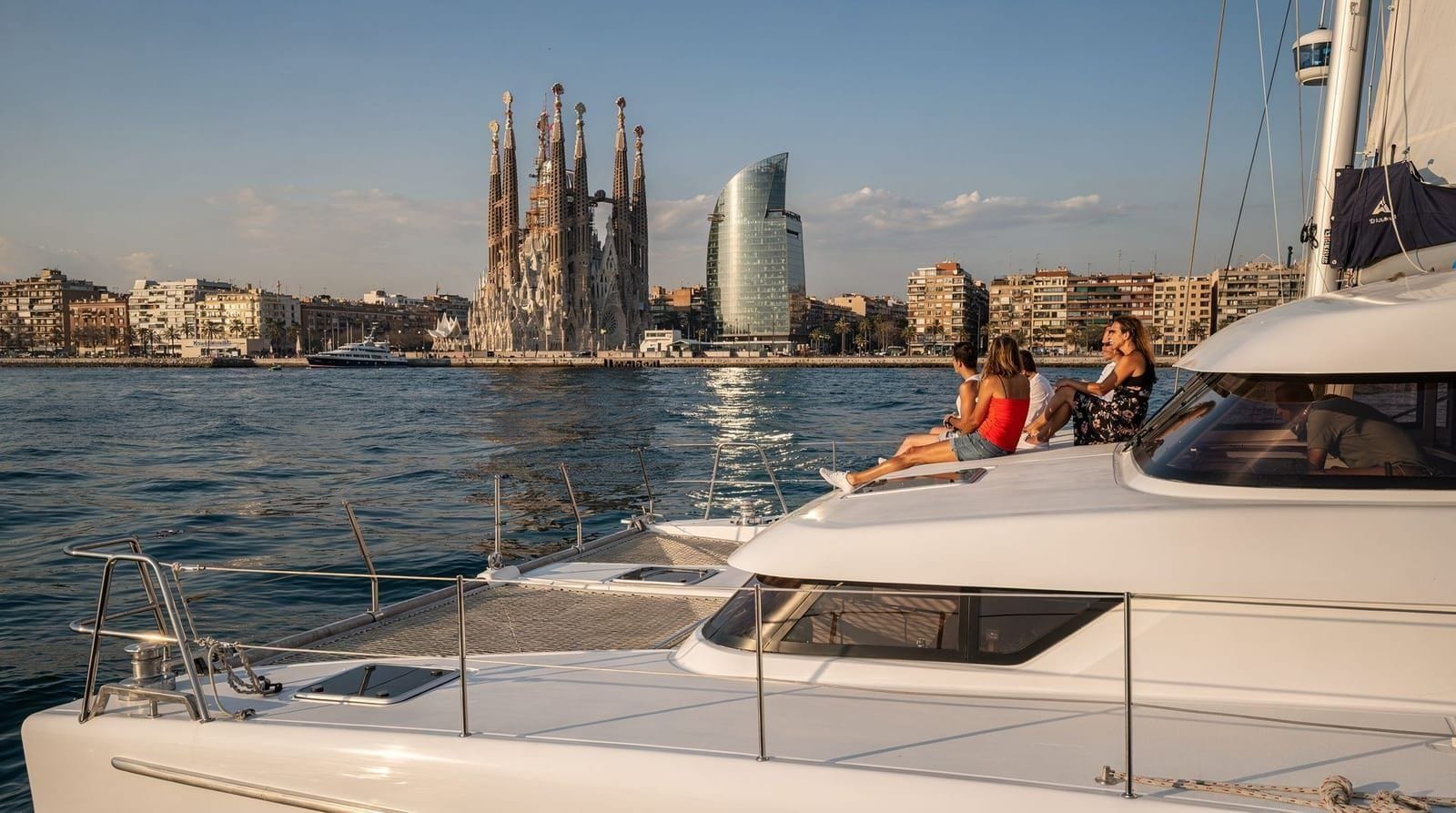
Barcelona: sunset sailing tour with tapas and open bar
Duration: 2 hours
- Free cancellation
Which is the best beach in Barcelona?
For atmosphere and proximity to the old town, Barceloneta. For quieter conditions away from peak crowds, Bogatell or Mar Bella (further northeast along the coast). Nova Icaria and Somorrostro strike a balance. Avoid Barceloneta on August weekends unless you enjoy absolute maximum density.
Barcelona’s relationship with its beaches is comparatively recent. Until the 1992 Olympics, much of what is now a 4.5-kilometre stretch of popular urban beach was occupied by industrial port facilities and rail yards. The Olympic redevelopment created the Port Olímpic, the Barceloneta promenade, and six new beaches to the northeast. Thirty years later, the beaches are one of the city’s defining attractions — and in peak summer one of its most uncomfortably crowded spaces.
This guide covers all the main beaches, who they suit, and when to go.
| Where | 4.5 km strip from Barceloneta northeast to Mar Bella |
| Cost | Free; loungers around €7–10, lockers around €3–5 |
| Best time | Weekday mornings before 11:00, or September |
| Getting there | Metro L4 (Barceloneta) or Tram Trambesòs for the northeastern beaches |
| Swim season | May through October, lifeguards mid-June to mid-September |
The Barcelona beach strip
The city beaches run continuously northeast from La Barceloneta towards Badalona. They are all sand, all free, and all served by the promenade (Passeig Marítim) running behind them. The main differences are distance from the city centre, crowd density, and the character of the surrounding neighbourhood.
Platja de la Barceloneta
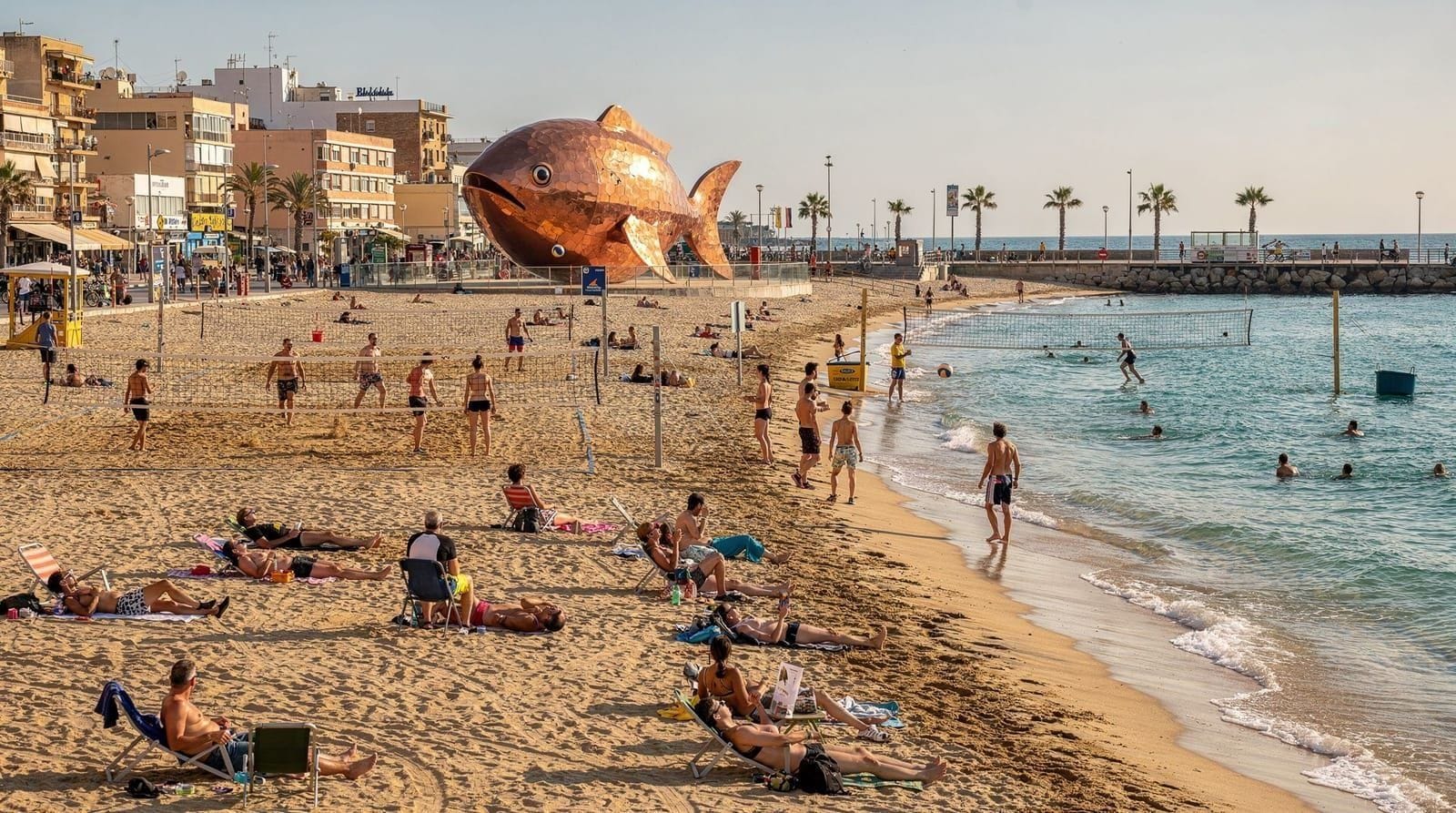
The most famous and most crowded. Barceloneta beach sits at the end of the old fishermen’s quarter — the neighbourhood that frames it is one of Barcelona’s most historic, a grid of 18th-century streets built to house shipyard workers. The beach is wide (30–50 m), long (1 km) and backed by the Passeig Marítim with its xiringuito bars, restaurants and occasional buskers.
The honest picture in summer: July and August weekends see Barceloneta beach approach capacity. Towel-to-towel density at peak times is real. Pickpocket activity is higher here than anywhere else in the city in summer. Do not leave bags unattended.
The case for Barceloneta: Location is everything — 15 minutes’ walk from the Gothic Quarter, directly accessible from metro L4 (Barceloneta stop). For a spontaneous morning or early afternoon swim when the city heat gets oppressive, nothing is easier. The neighbourhood itself is worth exploring: the Barceloneta market, the old squares, the narrow streets with their restaurant signs.
Best time: Weekday mornings from 09:00–11:00 or after 18:00, when the density drops and the light is softer. September and May are when Barceloneta is actually enjoyable.
Platja de Sant Sebastià
The beach immediately southwest of Barceloneta, between the beach and the W Hotel headland. Slightly smaller and slightly less crowded than Barceloneta proper. A popular spot for early morning swimmers — the lap pool nearby is used year-round.
The far southern end, near the Club Natació de Barcelona, has a dedicated area for older swimmers doing lengths. This section is consistently less crowded than the Barceloneta main beach even in summer.
Platja de la Nova Icaria
Northeast of the Port Olímpic (accessible via the marina), Nova Icaria catches slightly fewer visitors than Barceloneta because it requires walking through or around the marina. The sand is the same quality; the crowd is a noticeable notch lighter. Good for families. The neighbourhood behind — the Olympic Village — has several good restaurants catering to a more local crowd.
Platja del Bogatell
Another 500 metres northeast from Nova Icaria. Bogatell is popular with Barcelona residents rather than tourists — the crowd is predominantly local, slightly older than the Barceloneta mix, and noticeably less dense. Water quality at Bogatell is consistently rated among the best of the city beaches.
The approach from the city involves a longer walk or the Tram tramway (Tram Trambesòs line from Ciutadella / Vila Olímpica). This extra 10 minutes of transit is the main reason visitor density is lower here.
Platja de la Mar Bella and Nova Mar Bella
The furthest northeast of the main Barcelona beaches, backing onto the Poblenou / 22@ district. Mar Bella has a well-established naturist section at its eastern end and is generally the most relaxed, least touristy of the city beaches. The crowd is predominantly young and local. A small sailboat rental club operates from the beach.
Access: Tram Trambesòs from Ciutadella, or walk/bike northeast along the promenade (~30 minutes from Barceloneta).
Water quality and safety
All Barcelona city beaches are regularly monitored and most hold Blue Flag certification, indicating water quality above EU standards. The monitoring results are published daily at bcn.cat/platges during summer.
Swimming safety: Flag system operates at all beaches.
- Green flag: safe conditions, supervised swimming
- Yellow flag: caution advised, weak lifeguard supervision
- Red flag: swimming prohibited (rough conditions, contamination)
Lifeguards operate June–September during daytime hours. Outside this period, swimming is unmonitored.
Jellyfish: Mediterranean jellyfish (malagua, Pelagia noctiluca) appear periodically in summer. Check the warning buoys or the city beach app before swimming. Sting relief stations are available at beach first-aid points.
Beach theft is a genuine concern in high season — see our avoiding pickpockets guide for the specific mitigations that work at Barceloneta.
Beach theft — the honest picture
Barcelona city beaches, particularly Barceloneta in summer, have a well-documented theft problem. The primary tactic is group distraction — one or two people engage you, others take your bag. Secondary tactic: theft from unattended towels during swimming.
Practical measures:
- Use the paid beach lockers on Barceloneta (approximately €3–5 per day, located near the Passeig Marítim)
- Leave passports, excess cash and spare cards at the hotel
- Waterproof phone cases with a neck strap are useful for taking your phone swimming
- Going with at least two people allows rotation for bag-watching while swimming
This does not mean avoiding the beaches — tens of thousands of people enjoy them without incident every day. It means not being careless.
Beach bars (xiringuitos)
The regulation beach bars (xiringuitos) on Barcelona beaches serve food and drinks legally on the sand. Most are licensed and reasonably priced for the location. The paella/seafood trap warning applies here as everywhere in the beach tourist strip: the most prominent, most photogenic terrace restaurants directly on Barceloneta beach often serve inferior food at high prices.
Honest local spots along the Barceloneta promenade worth knowing:
- La Cova Fumada: A few blocks back from the beach (Carrer del Baluard 56). The absolute original of bombas de la barceloneta — fried potato croquettes. No signage, no reservations, closes when the food runs out. One of the best things you can eat in Barcelona.
- El Molinet: Carrer de la Maquinista. Bar with esmorzar de forquilla (working-lunch culture) — cheap, excellent local seafood.
Sailing from the beach
The city’s sailing and catamaran experience departs from Port Vell (the old harbour) near Barceloneta. Sunset sailings, catamaran cruises, and private charter options are the most popular on-water activities from the city. Our sailing and catamaran guide covers all the options.
For beaches beyond the city limits, our guide to the best beaches near Barcelona covers Sitges, Tossa de Mar and Costa Brava options within day trip range.
Beach infrastructure: what is actually available
Barcelona’s city beaches are well-equipped by European urban beach standards, but the infrastructure varies between beaches and between seasons.
Showers and changing facilities
Cold-water showers are installed at regular intervals along all the main beaches — approximately every 200–300 metres along the Barceloneta and Bogatell stretches. These are public, free and operational from June through September. Outside the summer season, many are turned off.
Changing cabins and lockers are available at the main Barceloneta beach infrastructure points (near the Passeig Marítim) from June–September. Locker cost is approximately €3–5 per day. At Bogatell and Mar Bella, facilities are more basic — fewer lockers, the same shower provision.
Foot rinse taps (lower-pressure taps at ground level for washing sand off feet) are separate from the main showers and more widespread — you will find them at every beach access point.
Toilets and drinking water
Public toilets are located at intervals along the promenade, generally near the shower and locker points, and are free and reasonably maintained during the summer season. Public drinking-water fountains are also present along the Passeig Marítim, a useful detail on hot days when refilling a bottle rather than buying drinks repeatedly makes a real difference to both comfort and cost. Coverage thins outside the main June–September season, in line with the general seasonal reduction in beach infrastructure described below. Tap water throughout Barcelona, including at these fountains, is safe to drink, though many locals prefer the taste of bottled water for everyday use — a matter of preference rather than safety. Bring a refillable bottle for the beach specifically — the on-sand xiringuito bars sell bottled water at a markup, and refilling free at a promenade fountain before walking onto the sand costs nothing, a small saving that adds up over a full day of beach hopping between Barceloneta and Bogatell, especially if you are travelling with children who go through water quickly in the summer heat, or if you are spending a full day moving between two or three beaches along the strip, where paying full price for bottled water at every stop adds up quickly compared with one free refill at the start.
Lifeguard coverage
Lifeguards operate June 15 – September 15 on all main city beaches, covering approximately 10:00–19:00 daily. The exact dates shift slightly year to year. From mid-September, coverage reduces and then ends.
Outside lifeguard hours, swimming is at your own risk. The flag system (green/yellow/red) continues to operate via automated buoys year-round, but there is no one watching the water.
Wheelchair access
Most Barcelona beaches have been progressively adapted since the 2010s. Boardwalks (passeres) extend from the promenade to the waterline at regular intervals, allowing wheelchair access to the sand. At Barceloneta, the main access points have ramps rather than steps.
Amphibious wheelchairs (cadires amfíbies) — specialist beach chairs designed for entry into the water — are available free of charge at Barceloneta (near the Club Natació de Barcelona) and Bogatell from June through September. Reserve by calling the city beach service (bcn.cat/platges has current contact details).
The accessible area of Mar Bella beach has historically been particularly well-equipped for visitors with disabilities, with dedicated access infrastructure and a nearby accessible toilet block.
Beach sports: what’s available and where
Paddle tennis
Paddle tennis courts (pàdel de platja) are installed along the Barceloneta promenade and at several points northeast toward Bogatell from June to September. Rental (rackets and balls) is available at the courts for approximately €10–15 per hour per pair. Courts book up quickly on summer weekends — arrive early or book via the Barcelona Esports app.
Beach volleyball
Permanent beach volleyball courts sit between Barceloneta and Nova Icaria. Courts are free and open; nets are maintained from June through September. On summer weekday mornings they are often available without waiting; weekend afternoons are busy with regular players.
Windsurfing
Windsurfing instruction and equipment rental operates from the Base Náutica de la Mar Bella — the sailing and watersports club at the eastern end of the city beach strip (access via the promenade northeast of Bogatell). Beginner lessons (2–3 hours) run approximately €50–70. Equipment rental for qualified sailors (board + sail + wetsuit if needed) approximately €30–40 per hour. The Tramuntana north wind that occasionally blows makes Barcelona a legitimate windsurfing spot when conditions are right.
Stand-up paddleboarding
SUP rental is available from several concessions along the Barceloneta promenade and near the Port Olímpic marina. Approximately €15–20 per hour for board and paddle. No licence or experience required — most rental operations include a 10-minute safety briefing.
The calmer water near the Port Olímpic marina entrance is better for beginners; the open beach stretches have more swell and are more appropriate for those with experience.
Beach volleyball leagues and pickup games
Beyond casual play, the Barceloneta and Nova Icaria courts host organised amateur leagues on weekday evenings from May through September, and pickup games are easy to join at almost any court on a weekend morning — Barcelona’s beach volleyball culture is genuinely participatory rather than purely a spectator activity. If you bring your own ball, courts are free and unbooked outside league hours; if not, several of the beach-facing bars near the Nova Icaria courts rent out volleyballs for a small deposit.
Kayak
Single and double kayaks are available from the same Base Náutica de la Mar Bella and from some Barceloneta concessions. Single kayak approximately €15/hour; double €20/hour. The coastline northeast toward the Besòs river mouth is flat and manageable for beginners.
Open-water swimming
The Club Natació de Barcelona near the southwestern end of Barceloneta beach has a seawater lap pool open year-round (entry approximately €8–10 per session). Many serious swimmers use this rather than the open beach for structured swimming. The club also organises open-water swimming events in the sea from June onwards.
Dogs, families and quieter pockets
Dogs are not permitted on the main city beaches during the official swimming season (roughly June to September), though a designated dog beach exists further along the coast beyond the city limits toward Castelldefels for owners travelling with pets in summer. Outside the swimming season, dogs on leads are generally tolerated on the sand at most beaches, though enforcement is inconsistent and it is worth checking current signage.
For families with young children, the shallower, gentler-sloping sections of Nova Icaria and the western end of Barceloneta near the Club Natació are the most commonly recommended spots — the water deepens more gradually than at Mar Bella or the open stretches toward Bogatell. Shade is scarce on all Barcelona beaches (there is little natural cover and few permanent structures), so a pop-up sun tent or parasol rental is worth the cost for a family with small children spending several hours on the sand in July or August.
Beaches through the seasons
Barcelona’s beach season is genuinely longer than most northern European visitors expect, but the experience varies substantially by time of year.
April–May: the shoulder window
Sea temperature in April is 14–16°C — cold by Mediterranean standards but swimmable for the hardy. More relevantly, air temperature in May reaches 20–24°C, the beaches are virtually empty, and the whole promenade and neighbourhood infrastructure is present without the summer pressure.
This is when Barcelona residents who actually live in the city use the beaches properly. The xiringuito bars are open (from April) but uncrowded. The water quality is at its cleanest (less boat traffic, less sunscreen runoff). On warm May weekends, the atmosphere is genuinely pleasant without being overwhelming.
June–August: peak season
June is still manageable on weekdays; July and August are the months when Barceloneta becomes genuinely difficult. The beach is at or beyond comfortable capacity on weekend afternoons in August. The promenade is noisy, the xiringuitos are full, the water has more jellyfish (peak season), and the theft risk is at its highest.
The case for visiting in peak summer: the sea temperature reaches 24–26°C in August (genuinely warm for comfortable swimming); the outdoor atmosphere after dark along the promenade is vivid and energetic; the sunset views from the beach over the sea are worthwhile regardless of the crowds.
Strategy for peak summer: arrive before 10:00 or after 18:00. The 2-hour window after the lifeguards go off duty (19:00–21:00) is when Barcelona residents actually swim — the crowds thin noticeably and the evening light is the best of the day.
September: the ideal month
September is the best single month for Barcelona beaches by almost every metric. The sea temperature peaks in September (25–27°C, warmer than June because the sea takes months to heat up). Crowds drop noticeably after the first week, as European summer holidays end and the school year starts. Air temperature is 22–27°C — comfortable for the beach without the August oppressiveness. The La Mercè festival (late September) adds cultural events to the calendar.
Weekday Septembers at Bogatell or Mar Bella are genuinely relaxed. Lifeguard coverage continues until mid-September. The water quality remains good.
October–March: the off season
Lifeguard coverage ends in mid-September. Swimming is possible but unmonitored, and water temperature falls to 18°C in October and 13°C by February. The beaches are not empty — locals walk the promenade year-round, and winter mornings with the city quiet and the Pyrenees visible to the north (sometimes snow-capped) can be striking.
The xiringuito bars close for the winter from approximately November. The beach lockers and chair rentals disappear. The volleyball courts and paddle tennis installations are removed.
Winter at the Barcelona beach is a walker’s experience rather than a bather’s. Barceloneta neighbourhood and the fishing quarter behind it retain their identity year-round and are worth visiting for the architecture and the local bars regardless of swimming conditions.
For help deciding which morning to give to the beach versus the Gothic Quarter or Gaudí sites, our Barcelona itinerary tips guide covers the timing trade-offs across a multi-day trip.
Barcelona’s beaches are a genuine asset — free, sandy, swimmable from May through October, and walking distance from the historic centre. The honest caveat is that Barceloneta in August tests everyone’s patience. Time your visit well and you will have a beach that almost no European capital can match. See our Barceloneta neighbourhood guide for the full picture of the area beyond the sand.
Frequently asked questions about Barcelona beaches guide
Is Barcelona beach water clean enough to swim in?
Yes. Most Barcelona city beaches hold Blue Flag status — water quality is monitored daily in summer. The current runs generally northeast along the coast; the beaches at Mar Bella and Bogatell are typically slightly cleaner than Barceloneta, which receives more boat traffic near the harbour entrance.Are there pickpockets on Barcelona beaches?
Yes — beach theft is common on Barceloneta, particularly in high summer. The standard tactic is distraction: someone engages you while another takes your bag. Never leave bags unattended. Use beach lockers (paid, available on Barceloneta) or carry only what you need.Is Barcelona beach free?
Yes — the beaches are free public spaces. Sun loungers and parasols are available for rent (approximately €7–10 per lounger per day) but are not required. The sea is open to all.When are Barcelona beaches least crowded?
Weekday mornings before 11:00, and from September onwards. July and August weekends (especially Barceloneta) are extremely crowded. May, June and late September offer the best combination of warm water, manageable crowds and comfortable air temperature.Can I eat and drink on Barcelona beaches?
You can bring food and non-alcoholic drinks. Open alcohol consumption on the beach is officially prohibited under the city's beach ordinance and can result in a fine. The xiringuito beach bars (official, regulated) serve food and drinks legally.
Top experiences
Bookable activities with verified prices and instant confirmation on GetYourGuide.