Penedès wine country day trip from Barcelona
Day trip to Penedès from Barcelona: the FGC train to Sant Sadurní d'Anoia, Codorníu and Freixenet tours, cava tasting, and independent winery visits.
Penedès: Codorníu discovery tour with cava tasting
Duration: 4 hours
- Free cancellation
Quick facts
- Distance from Barcelona
- 50 km southwest
- Train
- FGC to Sant Sadurní d'Anoia, 45 min
- Train fare
- FGC train; fare on the official FGC website
- Best for
- Cava cellars, Catalan wine country, harvest season
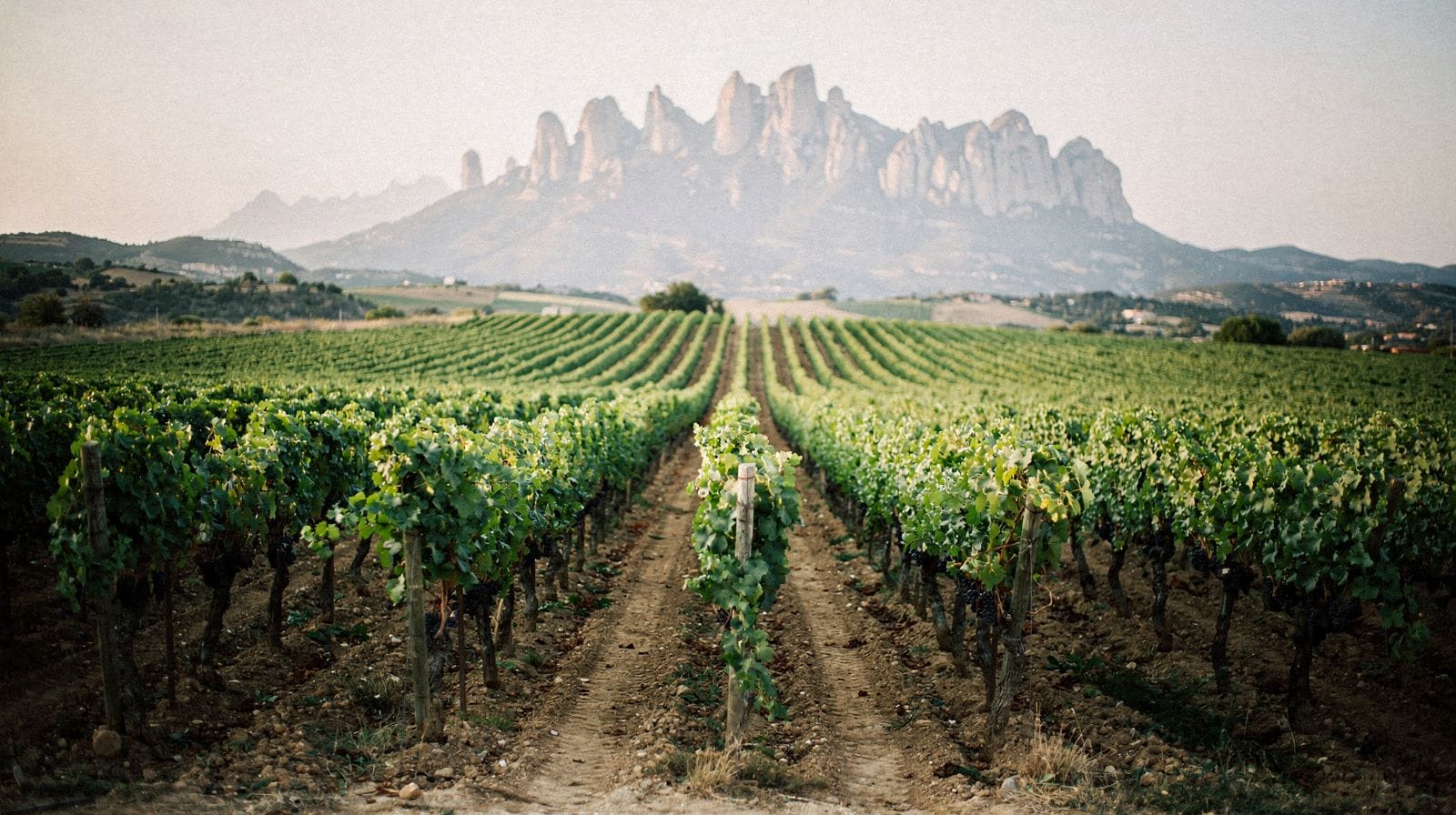
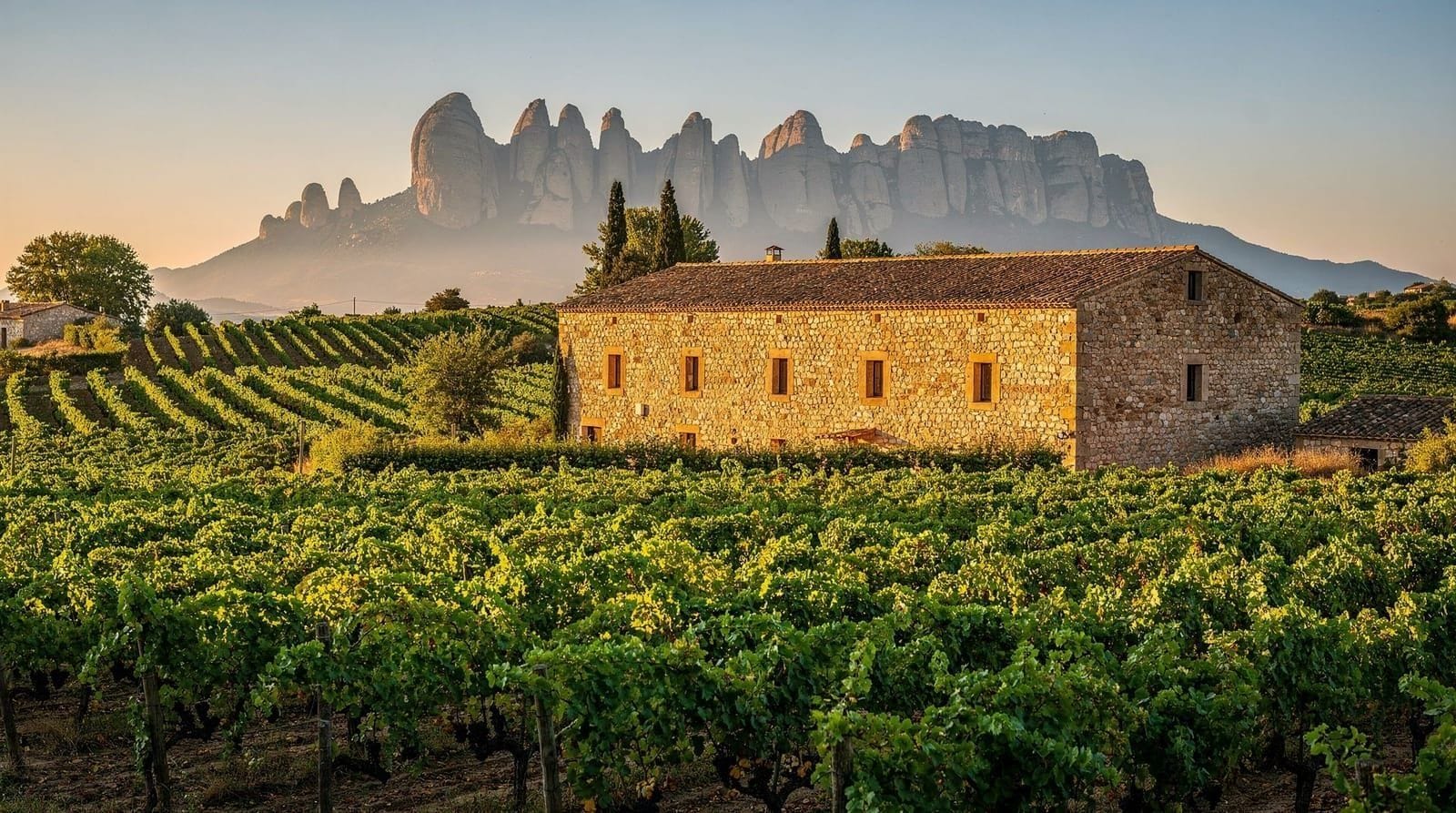
Penedès is the wine-producing region that supplies the cava in every Catalan celebration — and given that Catalans celebrate with cava rather than sparkling wine from anywhere else, this is a significant amount of wine. The region 50 km southwest of Barcelona is centred on Sant Sadurní d’Anoia, a working agricultural town whose subsoil is a labyrinth of underground tunnels belonging to Codorníu, Freixenet and dozens of other cava houses. Above ground: rolling vineyards, small-farm villages, and the fuller-bodied still wines of the Alt and Baix Penedès sub-zones that are increasingly attracting international attention.
| Where | 50 km southwest of Barcelona, centred on Sant Sadurní d’Anoia |
| Cost | FGC train (fare on the official FGC website); cellar tours €12–25 |
| Time needed | Half day to full day |
| Getting there | FGC from Plaça Espanya, ~45 min |
| Best time | September–October (harvest) and April–June |
Getting there from Barcelona
By FGC train (recommended): The FGC line from Plaça Espanya station in central Barcelona reaches Sant Sadurní d’Anoia in approximately 45 minutes. Trains run every 30–60 minutes throughout the day. Check the official FGC website for the current fare. No advance booking required; buy at the station or online. The Plaça Espanya–Sant Sadurní route is one of the most efficient day-trip connections in Catalonia.
From the station, Codorníu is a 10–15-minute walk and Freixenet is approximately 5 minutes. The tourist office in the town centre has maps and can assist with independent winery visits.
Vilafranca del Penedès: The larger town and wine capital of the region (a few stops before Sant Sadurní on the FGC), with a comprehensive wine museum (Museu del Vi) and more restaurant options. Good for a combined Sant Sadurní + Vilafranca itinerary.
By guided tour: Tours from Barcelona typically include hotel pickup, transport and a winery visit with tastings. Useful if you want a curated selection of wineries beyond the big names, or to combine with Montserrat. Prices from €55–90. Electric bike tours through vineyards are a popular tour format.
The practical side is simple enough that it rarely needs more planning than a glance at the timetable. Plaça Espanya is well connected to the rest of the city, so if you are staying in the Eixample, Poble-sec or near the Gothic Quarter, the metro gets you to the FGC platforms without fuss. If you are still deciding how to move around the city generally, the getting around Barcelona guide explains how the different networks fit together, and the transport pass comparison helps you judge whether a pass is worth buying before you add a regional train trip. Check the fare structure for your particular ticket before assuming it covers the FGC leg to the wine country.
A sensible habit is to note the last return train before you start your first tasting, rather than after the last one. Wine country days have a way of stretching, and a relaxed lunch can eat the afternoon. Know your return time, build your day backwards from it, and the rest takes care of itself.
For a comparison of all Catalonia day trips from Barcelona, see the day-trips overview or the dedicated Penedès wine day-trip guide.
The cava cellars
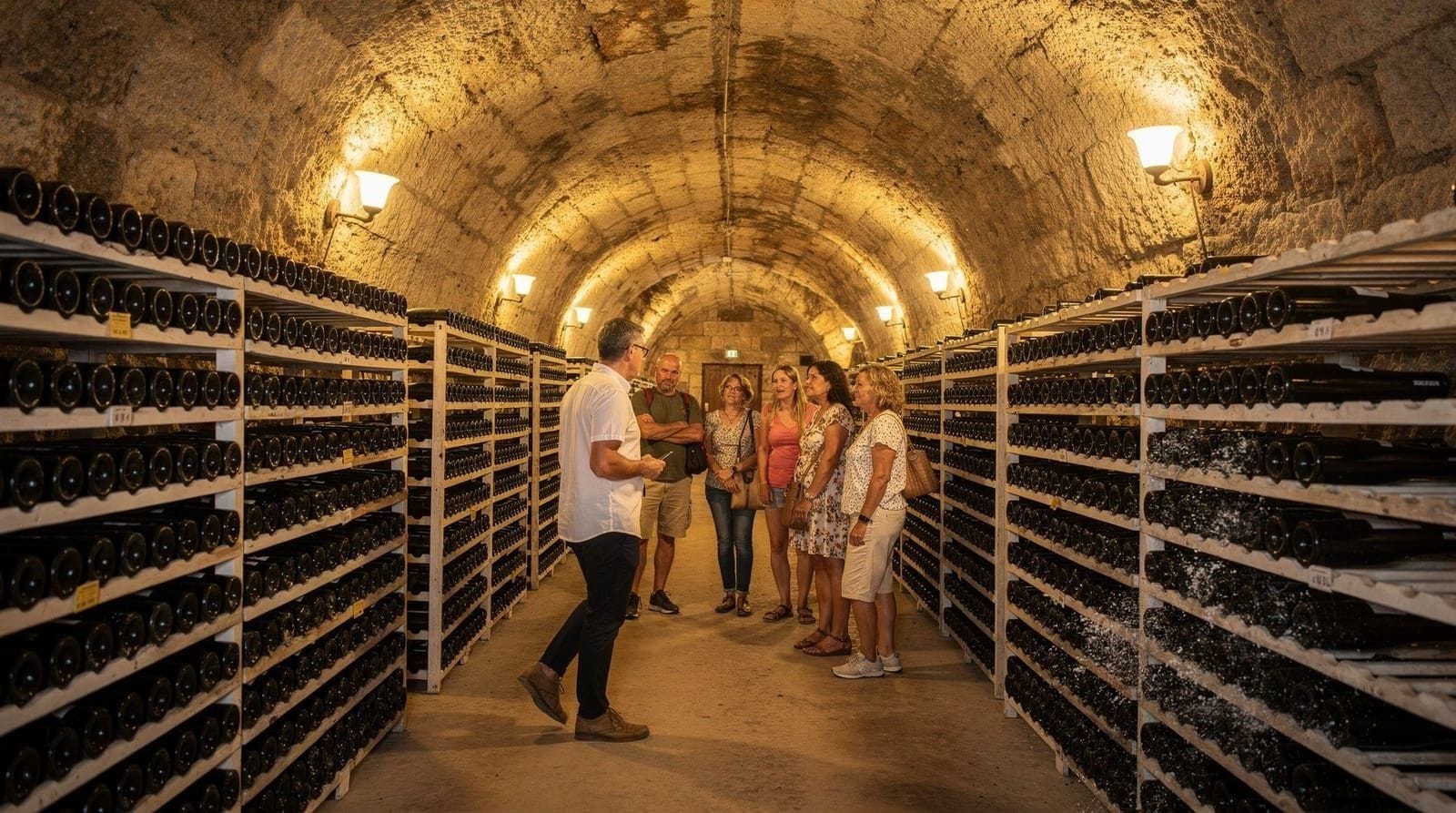
Codorníu: The flagship experience for first-time visitors. The estate is a registered Artistic Monument of Catalonia, anchored by a Modernista winery building designed by Josep Puig i Cadafalch in 1915 — the same architect who designed Casa Amatller on Barcelona’s Passeig de Gràcia. The underground cellars extend for 30 km; a small electric train takes visitors through them on tours. The brand’s history spans over 400 years (founded 1551; sparkling wine production began 1872). Book on the official Codorníu website. The Heritage Tour (75 minutes, 2 cavas tasted) is €25 for adults (€20 for over-65s and students, €18.75 for ages 8–17, free under 8); longer tours with more tastings cost more. Advance booking recommended in summer; check current tour times on the official site.
Freixenet: 5 minutes from Sant Sadurní station, the most internationally recognised cava brand (with the distinctive black bottle). The cellars are less architecturally remarkable than Codorníu but the tour is well-produced and the tasting generous. Book at freixenet.com; similar pricing.
Smaller producers: For a more personal experience, seek out producers such as Gramona (biodynamic pioneer, remarkable cellars), Raventós i Blanc (the founder of Catalan wine production separated from the mainstream cava DO), or Pérez-Roca (small family operation). The tourist offices in Sant Sadurní and Vilafranca can arrange visits; alternatively, a wine-focused tour operator will have relationships with producers open to small groups.
How to taste like you mean it
A cellar tour is a better experience if you arrive with a little method. Cava is served cold and in a tasting glass rather than a narrow flute at most good houses, because the wider bowl lets the aromas open up. Look at the bubbles first: fine, persistent streams are the mark of careful bottle ageing. Then smell before you sip, and pay attention to what comes through, whether citrus, orchard fruit, toasted almond or something closer to sea air. Cava from Xarel·lo-led blends often shows that earthy, saline streak the region is known for.
Pace yourself. Tasting flights are often generous, and after two or three cellars the flavours blur together. Drink water between pours, eat something substantial before you start, and do not feel obliged to finish every glass. Spitting is perfectly normal at serious producers and nobody will think less of you for it. If you are visiting more than one house, ask each guide what they would pair the wine with; the answers reveal how differently each producer thinks about its own style.
If you enjoy a particular bottle, ask how it is sold. Some houses ship abroad and some only sell at the cellar door, so it is worth asking before you decide whether to carry bottles home. Remember that glass in hand luggage and long walks back to the station do not mix well.
For a deeper look at the styles of sparkling wine you will meet along the way, the Penedès cava tours guide lists the formats available, and the vermut guide covers the other local aperitif culture worth sampling before lunch.
Cava vs Champagne, the honest comparison
Visitors familiar with Champagne often arrive expecting a lesser version of the same thing, which undersells what cava actually is. Both use the traditional method of second fermentation in the bottle, but the grape varieties, terroir and price point diverge significantly. Cava’s Xarel·lo, Macabeu and Parellada grapes grow in a warmer Mediterranean climate than Champagne’s Chardonnay and Pinot Noir in continental France, producing a style that is typically fruitier upfront with a distinctive earthy, saline minerality rather than Champagne’s chalky austerity. Crucially, cava is priced for everyday drinking — a good bottle runs €8–15 retail, against €35+ for entry-level Champagne — which is why it is Catalonia’s default celebration drink rather than an occasional luxury. The full cava vs Champagne guide goes deeper into the production differences.
Beyond cava: the broader wine region
The Penedès DO is not only cava. Still wines are produced across the territory, particularly:
Xarel·lo: The flagship white grape of the region, used in cava blends but increasingly vinified as a single-variety still wine with age-worthy structure and a characteristic mineral quality. Some of the best Catalan white wines are Xarel·lo from producers who decided the grape deserved its own identity.
Garnatxa (Garnacha): The dominant red in Penedès, producing everything from fresh young wines to serious age-worthy bottles depending on the producer. The old-vine Garnatxa from the hillier parts of Alt Penedès is particularly good.
Torres: The most internationally visible Penedès producer, with estates across the region and a visitor centre in Pacs del Penedès. Their ecological winery and visitor experience is one of the most professionally run in Catalonia. Book tours at torres.es.
Vilafranca del Penedès
The capital of the Penedès region, 20 minutes by FGC from Sant Sadurní, is worth including for:
Museu del Vi (Wine Museum): Housed in the royal palace of Pere III, an excellent and comprehensive exhibition on the history of wine-making in Catalonia, from Roman amphorae to modern cava production. Entry approximately €4. Good for context before or after a winery visit.
Castellers: Vilafranca is one of the great casteller (human tower) towns in Catalonia — the local colla (team) competes regularly and practices on Sunday mornings in the town square from around 10 am. Human towers are a UNESCO Intangible Heritage tradition specific to Catalonia; stumbling across a practice session is one of the most unexpectedly moving things you can see in rural Catalonia.
The old town: A medieval centre with a Gothic royal palace and market square; smaller and less dramatic than Girona but pleasant for a walk.
The harvest season (September–October)
September is the best month for a Penedès visit if you care about wine more than weather. The harvest period (verema) typically runs from late August through October depending on variety:
- Late August: Chardonnay and Parellada (early white varieties for cava base wines)
- September: Xarel·lo, Macabeu, most white grapes
- October: Garnatxa and other red varieties in cooler sites
During harvest, many wineries offer verema participation experiences — helping with the pick, a traditional harvesters’ lunch (usually a local stew called escudella d’ànec). Book well in advance; these fill quickly. The vineyard landscape in September is also at its most photogenic: golden leaves, heavy bunches, harvest machinery.
Shaping your day in the vineyards
The region rewards a slow rhythm. A good half-day plan is one cellar tour with tasting, a proper lunch, and a gentle walk through the town. A full day lets you add a second producer, ideally one with a very different character from the first, so you taste a large house and a small family estate in the same visit. That contrast teaches you more about Catalan sparkling wine than visiting two similar cellars ever could.
If you only have a short window in the city, the wine tasting in Barcelona guide offers a lighter alternative, while those with more time can build the trip into a longer plan such as the Barcelona wine weekend itinerary. The cava country weekend story gives a first-hand sense of what a longer stay in the area feels like.
Timing within the year matters too. Spring brings fresh green vines and mild walking weather, while early autumn brings the activity and colour of the harvest. The best time to visit Barcelona guide will help you decide which season suits the rest of your trip. In the hottest part of summer, start early and keep the afternoon for the cool underground cellars, which are a welcome escape from the heat above ground.
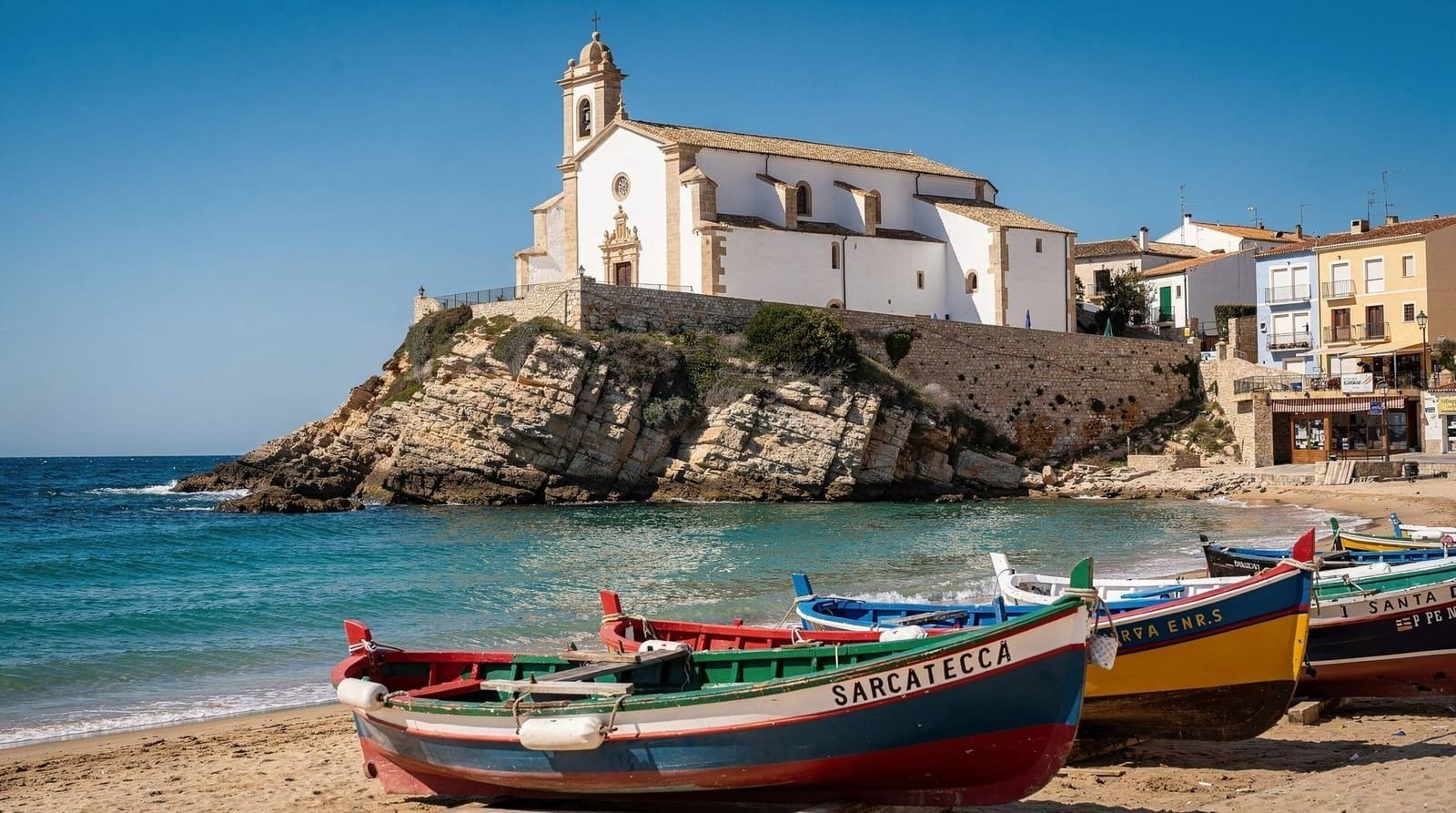
Finally, if the coast appeals more than the countryside, Sitges is a natural neighbour to pair with the wine country in a longer stay, offering a very different mood of sea air and seafront walks after the vineyards.
Where to eat in Penedès
El Molí de les Fonts (Sant Sadurní): Reliable Catalan cuisine in a converted mill. Good local wine list, obviously.
Can Solé (Vilafranca): Long-established family restaurant in the town centre. Honest cooking, generous portions.
At the wineries: Codorníu and Torres both have restaurants on their estates. Worth booking for a more contemplative lunch in the countryside without returning to town.
What to order: Carn d’olla (boiled meat and vegetables), embotits (cured meats) from the region’s pig farms, pa amb tomàquet, and a glass of local still Xarel·lo before the cava tasting. Avoid requesting sangria — drink what the region actually produces.
Lunch deserves as much planning as the tasting. Many visitors treat food as an afterthought and end up tasting on an empty stomach, which dulls the whole experience. Book a table if you are travelling in a group or at a weekend, and let the meal be long; Catalan lunches are not rushed. If you want to explore Catalan food culture more widely once you are back in the city, the La Boqueria what to eat guide is a good follow-up for the products you tasted in the countryside.
Combining with Montserrat
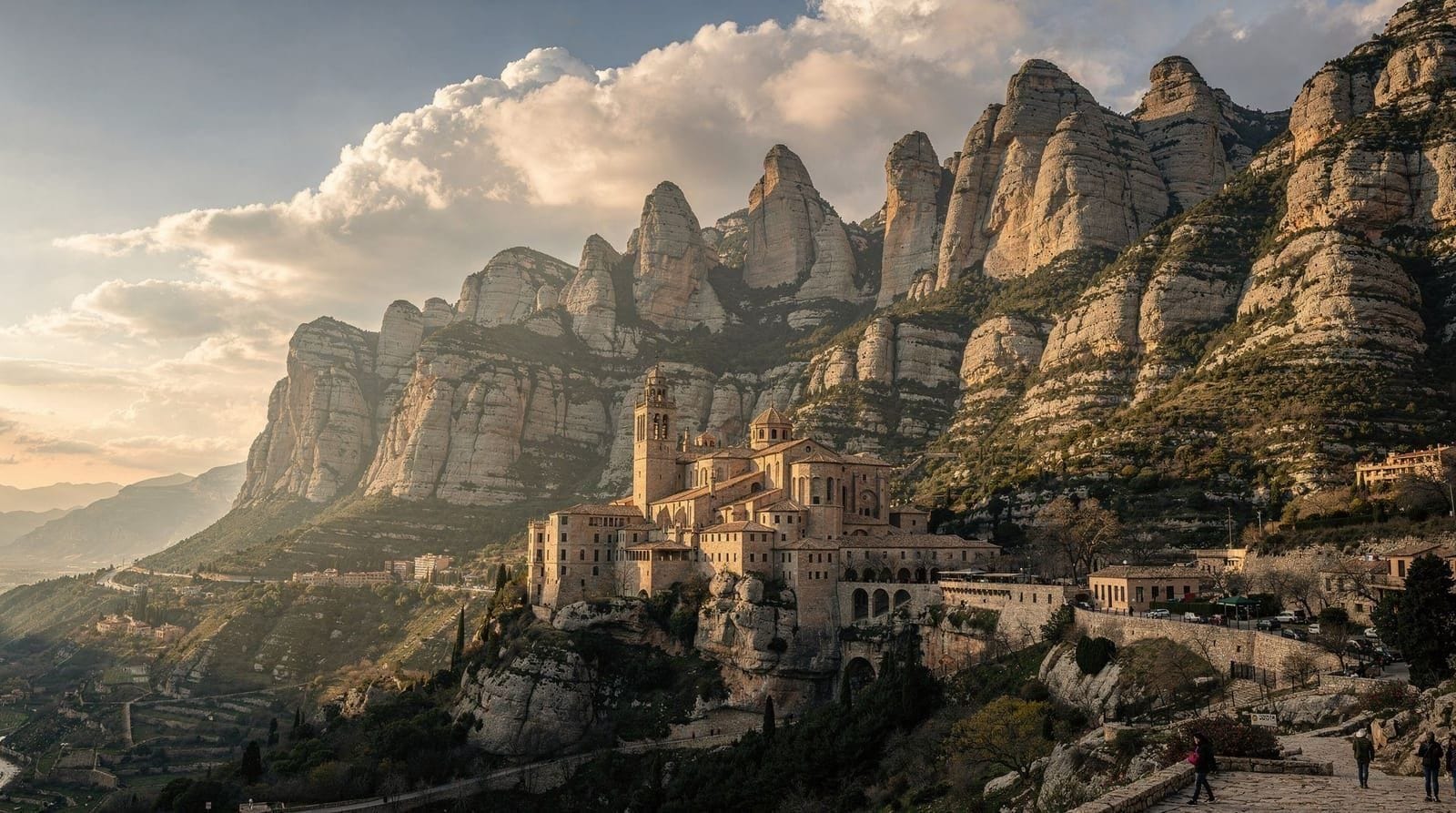
The Montserrat-Penedès combination is the most natural full-day itinerary in this part of Catalonia. The two destinations are 20 km apart; a morning at the mountain (monastery, La Moreneta, hiking) and afternoon in the wine country (one winery with a proper guided cellar tour and tasting) works very well. Guided tours running this combination exist and are excellent value; see the Penedès wine guide for details.
The Penedès wine country is one of Catalonia’s most overlooked day trips — partly because the destination is wine rather than a city or a beach, which makes it less obvious to visitors. But for those with any interest in how sparkling wine is made, what good Catalan still wine tastes like, and what a working agricultural landscape looks and smells like in September, it is an extraordinary day. The FGC train handles the logistics; the rest is walking between cellars and letting the bubbles carry you home. The Penedès cava tours guide and wine tasting in Barcelona guide cover more options if you want to go deeper.
Top experiences
Bookable activities with verified prices and instant confirmation on GetYourGuide.