Penedès wine and cava day trip from Barcelona
Penedès: Codorníu discovery tour with cava tasting
Duration: 4 hours
- Free cancellation
How do I get to Penedès wine country from Barcelona by train?
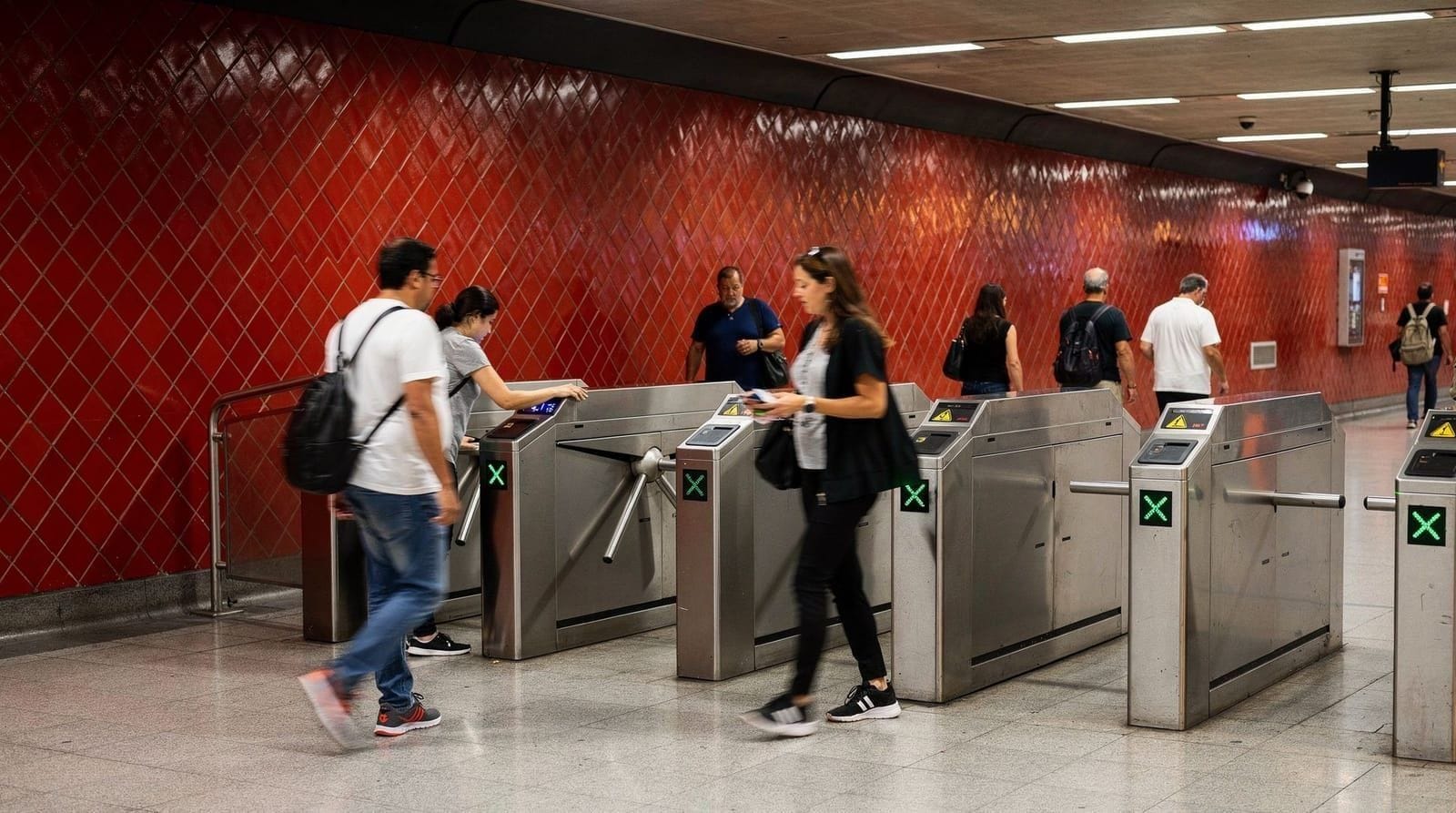
Take FGC from Plaça Espanya or Passeig de Gràcia to Sant Sadurní d'Anoia (cava capital) in approximately 45 minutes. Return fare €8–11. Trains run roughly every 30 minutes. No reservation required.
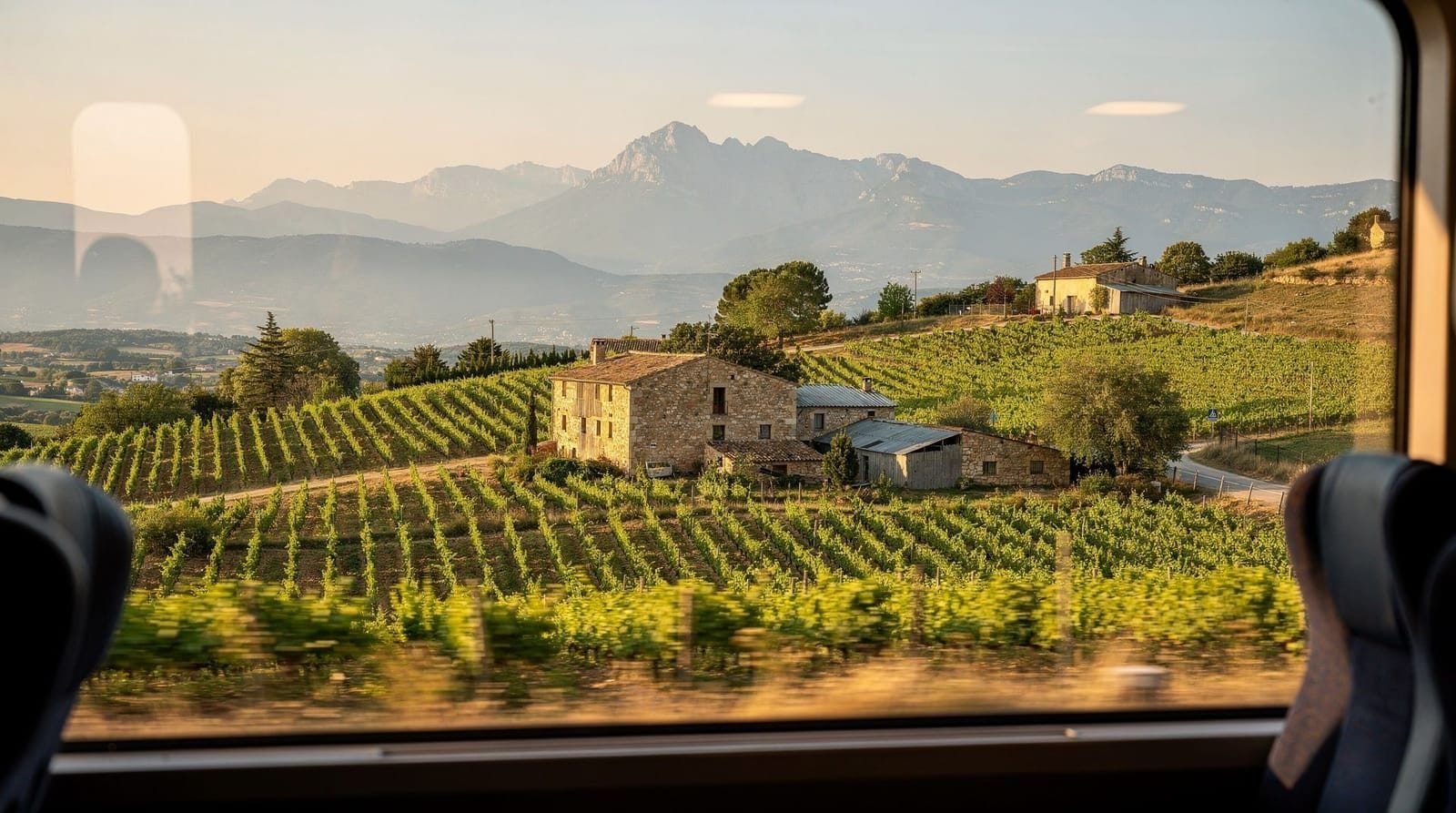
Fifty kilometres southwest of Barcelona, the Penedès valley floor is striped with vineyards between limestone ridges. This is the heart of cava production — Spain’s answer to Champagne made by the same traditional method, from indigenous grape varieties, in cellars that were being carved into the ground before Champagne had legal protection. Sant Sadurní d’Anoia, the main town, calls itself the Cava Capital of the World with some justification: Codorníu and Freixenet are both based here, and the town produces more bottles of traditional-method sparkling wine than any other place on earth.
The day trip from Barcelona is genuinely easy. The FGC train from Plaça Espanya arrives in 45 minutes. No car is needed for a visit to the main bodegas. And unlike wine regions that require expensive guided tours to access, several Penedès producers are set up for independent visitors.
| Where | Sant Sadurní d’Anoia and Vilafranca del Penedès, 50km SW of Barcelona |
| Cost | Train around €8–11 return; guided tours from around €55–100 |
| Time needed | Full day (7–8 hours including travel) |
| Getting there | FGC train from Plaça Espanya, or a guided day tour |
| Best time | Spring or autumn for weather; September–October for the harvest atmosphere |
Getting there from Barcelona
FGC train (recommended DIY option)
FGC line R4 departs from Plaça Espanya (and Passeig de Gràcia, one stop later) roughly every 30 minutes. Alight at Sant Sadurní d’Anoia. Journey time: approximately 45 minutes.
Return fare: €8–11 depending on zones purchased. No advance booking required — buy tickets at the FGC station.
From Sant Sadurní station, Codorníu is a 15-minute walk or 5-minute taxi. Freixenet is 5 minutes from the station on foot.
Vilafranca del Penedès is one station further south (5 minutes more). It has a larger town centre, the Vinseum wine museum, and access to smaller artisan wineries in the surrounding countryside.
By guided tour from Barcelona
Guided Penedès wine tours typically depart from central Barcelona by minivan and include transport to two or three wineries, cellar tours, and tastings. Prices range from €55 for a half-day Codorníu-focused tour to €85–100 for full-day four-wheel drive tours visiting smaller family producers. Hotel pickup is usually included.
The advantage of a guided tour is access to smaller, harder-to-reach wineries and a guide who can explain production differences. The advantage of going independently is flexibility and cost.
Codorníu — the Modernisme cellar
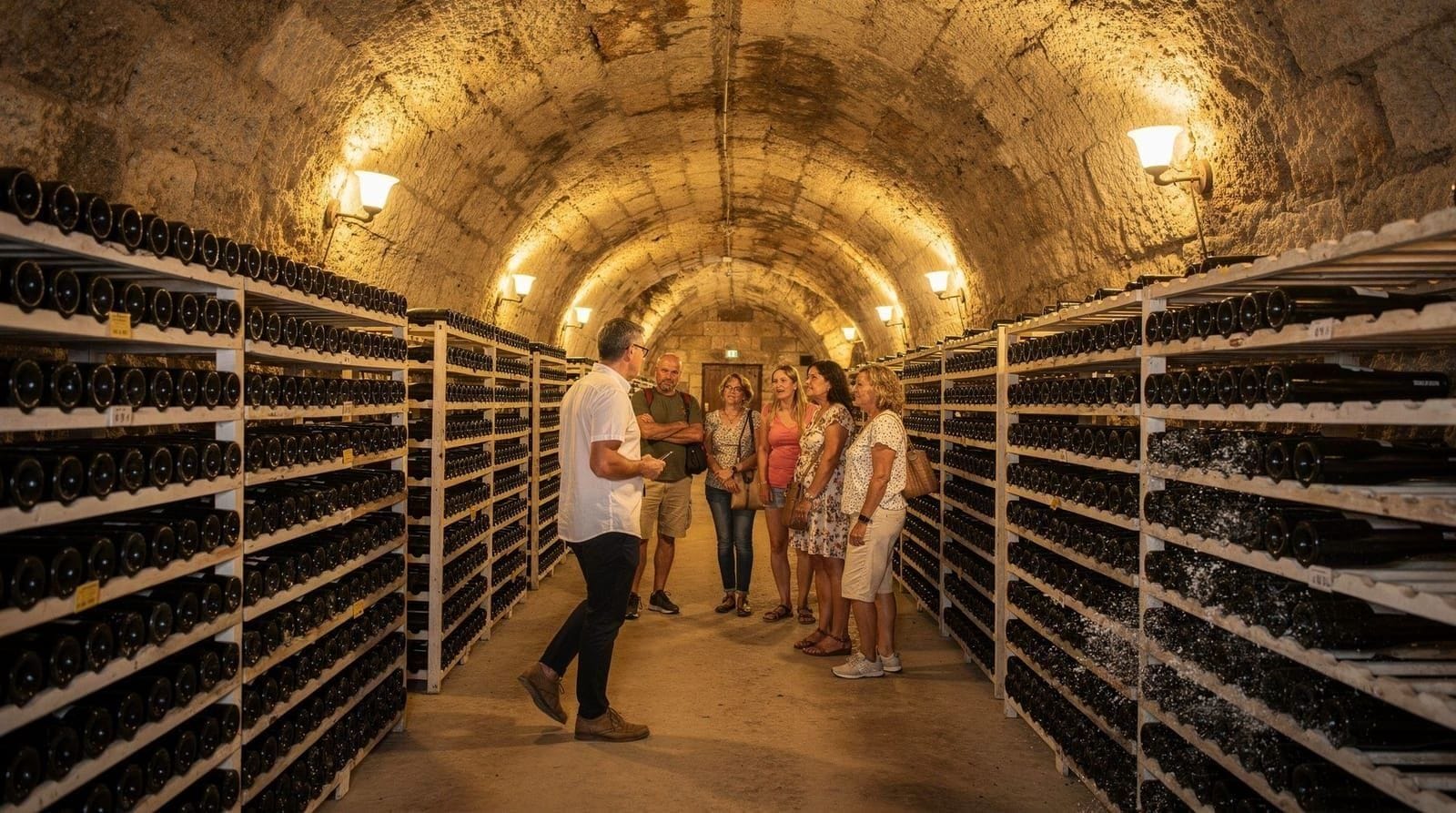
Codorníu is the oldest cava producer in Spain (founded 1551) and holds a remarkable architectural secret: its underground cellars were designed in 1895 by Josep Puig i Cadafalch, one of the three great Catalan Modernisme architects alongside Gaudí and Domènech i Montaner. The building above ground is a Modernisme masterpiece — brick arches, ceramic tiles, iron fittings — listed as a National Monument. The 26 kilometres of underground tunnels beneath hold the production cellars and 100,000 oak casks.
Cellar tours run most mornings and include a tasting of three cavas. Book online in advance (approximately €20–25 per person). The tour takes 1.5–2 hours. Photography inside the cellars is permitted.
Codorníu produces a wide range across price points: the entry-level Brut Reserva is a reliable all-purpose cava (~€8 retail); the Anna de Codorníu range (Blanc de Blancs) is more interesting; the Jaume de Codorníu Brut Gran Reserva represents their prestige tier.
Freixenet — the black bottle
Freixenet (the family name is Ferret) is Codorníu’s rival and the other global name in Spanish cava. Their Cordon Negro black bottle is the best-selling sparkling wine in the world by volume. The Sant Sadurní bodega offers cellar tours that cover the production process from grape pressing to riddling to disgorging.
Tours: approximately €18–22, including tastings. Also bookable online. Freixenet’s cellars are less architecturally dramatic than Codorníu but the production tour is more instructive about the technical process.
Both visits in one day: feasible if you book the Codorníu morning tour (10:30) and Freixenet afternoon tour (15:00), leaving lunch in Sant Sadurní’s market square between them.
Smaller artisan producers
The real wine discovery in Penedès is the network of smaller family producers making still wines from indigenous varieties. Xarel·lo — the grape that gives Catalan cava its structure and citrus character — also makes excellent still whites when fermented without secondary fermentation. Look for:
- Jean León (Torrelavit, 10 km from Sant Sadurní): pioneered Cabernet Sauvignon and Chardonnay in Penedès in the 1960s. Now part of the Torres group but still interesting.
- Gramona (Sant Sadurní): one of the quality leaders in vintage and gran reserva cava. Cellar visits by appointment.
- Mas Comtal (Avinyonet del Penedès): independent family estate making honest Xarel·lo whites and natural wines.
For artisan producers, either book a guided tour that includes smaller estates or arrange visits directly (email in advance — most require appointments).
The electric bike wine tour
The Penedès landscape is flat enough for cycling — gentle vine-covered slopes, few hills, excellent views. Guided electric bike wine tours (approximately €70, 5 hours) depart from Sant Sadurní and visit two or three smaller wineries with tastings along the route. This is the best way to see the working agricultural landscape rather than just the visitor-centre experience at the major bodegas.
Vinseum, Vilafranca
The Museu de les Cultures del Vi de Catalunya (Vinseum) in Vilafranca del Penedès presents the complete history of Catalan winemaking from prehistoric grape cultivation to contemporary organic production. It is housed in a medieval palace and is unexpectedly thorough. Entry approximately €8. If you have a serious interest in wine history and production culture, this is a better stop than either Codorníu or Freixenet tours alone.
Combining Penedès with Montserrat
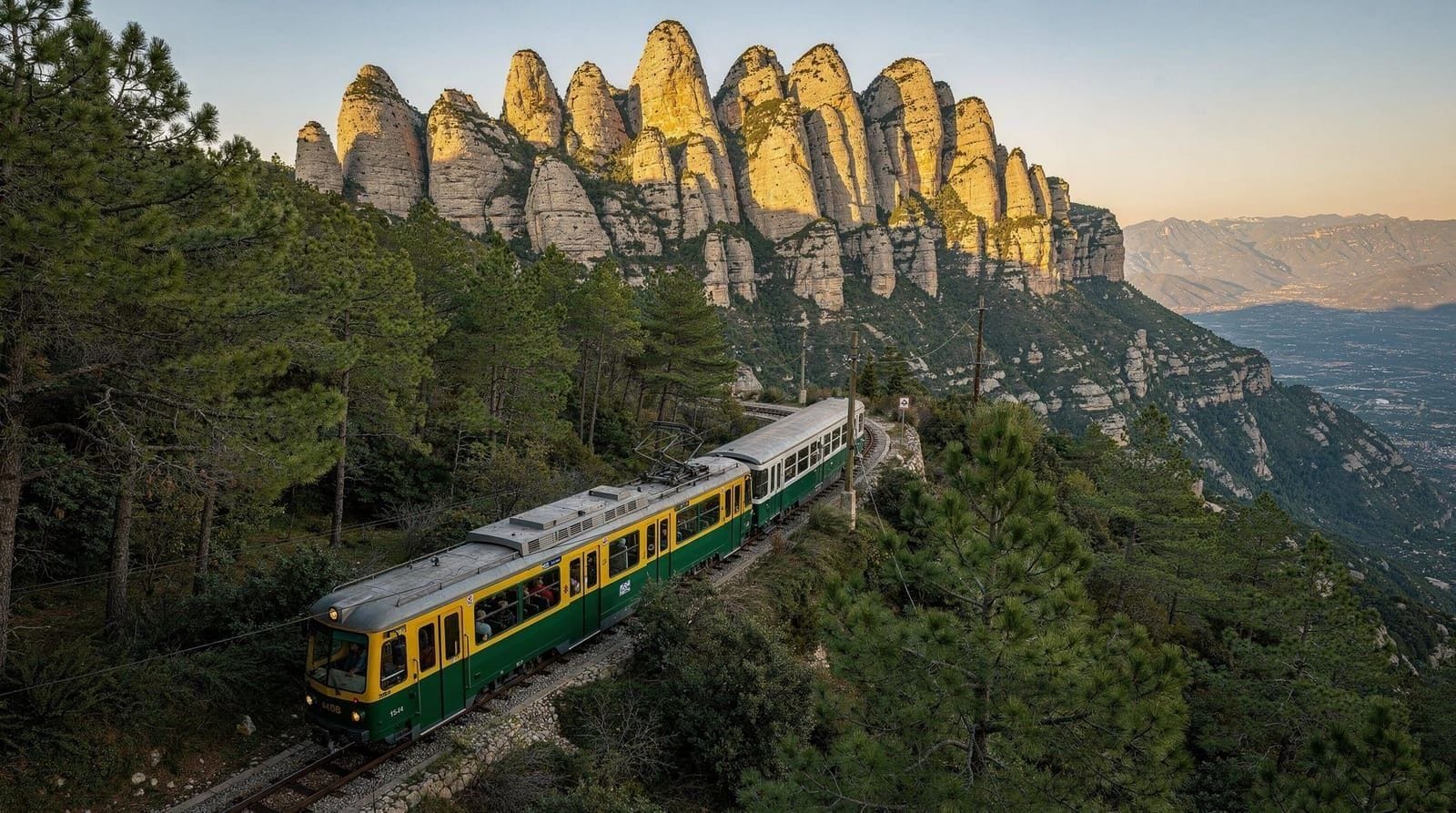
Montserrat sits on the northern edge of the Penedès region. The combination of morning monastery visit and afternoon winery tour is logical and well-catered for by guided operators. Tours typically include rack railway to Montserrat, guided monastery visit, lunch, and an afternoon cava cellar tour — approximately €85–90 for a full day from Barcelona. See the Montserrat day trip guide for the monastery side of that combination in full detail, and the getting around Barcelona guide for how the FGC network connects to the rest of the region.
What to eat in Penedès
The regional cuisine is hearty Catalan rural cooking: pa amb tomàquet (bread rubbed with tomato and olive oil, the fundamental Catalan starter), escudella (winter vegetable and meat stew), and carn d’olla (slow-cooked meats). In summer, vegetables from the market at Vilafranca del Penedès are outstanding. The local custom is to eat the main meal at 14:00 — restaurants are quieter before 13:30 and after 15:00.
Cava is the obvious drink. At the bodega shops, a good cava for the table costs €8–15. Penedès white wines (particularly Xarel·lo) are usually better value than the equivalent Catalonia DO wines from Barcelona’s city-proximity premium.
The Penedès winemaking tradition: three indigenous grapes
Cava is made primarily from three grape varieties that are native to Catalonia and grown almost exclusively in the Penedès and surrounding regions. Understanding what each one contributes explains why Penedès cava has a distinct character that differs from Champagne even when the production method is identical.
Macabeu
Macabeu (also written Macabeo; the same grape is called Viura in Rioja) is the most widely planted of the three and the most neutral in character. It contributes freshness, moderate acidity and light citrus and floral notes. In a traditional cava blend it forms the backbone — providing structure without dominating the aromatic profile. On its own as a still wine, Macabeu tends toward understated, clean whites that pair well with seafood but rarely excite.
Its main viticultural advantage is productivity and reliability — it ripens evenly across the Penedès valley floor and gives consistent yields. For this reason it became the foundation of the mass cava industry from the late 19th century onwards.
Xarel·lo
The most distinctive and most interesting of the three, and the one driving the current revival of Penedès still wine. Xarel·lo (pronounced roughly “sha-REL-lo”) has a pronounced personality: high acidity, a somewhat saline or mineral quality, and a tendency toward oxidative flavours when vinified without intervention. It can smell of fennel, green apple, hay and chalk.
In cava, Xarel·lo provides complexity and longevity — bottles with a higher Xarel·lo proportion age better. As a varietal still white (vinified dry and unblended), it produces wines with a distinctly Catalan character: full-bodied by white wine standards, with a slightly waxy texture and savory finish. The best examples come from old vines in the Alta Penedès and the Conca de Barberà.
Small producers like Mas Comtal, Oriol Rossell and Can Ràfols dels Caus bottle Xarel·lo as a single-varietal wine worth seeking out. These are rarely found outside Catalonia — the argument for buying a bottle at the winery rather than waiting to find it at home.
Parellada
The third variety brings delicacy and aromatics: floral notes (typically white flowers, sometimes dried herbs), lower alcohol, and a lighter body than the other two. It grows at higher altitude in the Alt Penedès (around Vilafranca and into the hills above) where cooler temperatures preserve its aromas.
Parellada ripens latest of the three and is the most sensitive to warm vintages — in particularly hot years its contribution can become flat. In good vintages it is responsible for the lifted, fragrant quality in fine cavas and can make elegant single-varietal whites.
The traditional Penedès cava blend combines all three in roughly equal proportions, with variations by producer and vintage. Some houses (notably Gramona) have moved toward higher Xarel·lo content in their premium ranges; others (certain Codorníu premium lines) add Chardonnay to the blend, which is permitted under cava DO regulations.
What to pack for the day
Comfortable walking shoes matter more than most visitors expect — the walk from Sant Sadurní station to Codorníu and across to Freixenet, plus any wandering through Vilafranca, adds up to a few kilometres on foot over the course of the day. In summer, a hat and water are worth carrying, since the walk between wineries is often unshaded. A light layer is useful even in warmer months, as cellar interiors are kept cool for the wine. If you plan to buy bottles, bring a tote bag or small backpack with padding, since most wineries do not provide sturdy carrying bags for fragile purchases.
Buying wine to take home: cellar vs supermarket
The practical question for any visitor to the Penedès is whether to buy at the winery or wait. The honest answer depends on what you are looking for.
What’s worth buying at the cellar
Artisan and small-production wines: Anything made in quantities of under 10,000 bottles per year is essentially impossible to find reliably in export markets. If you taste a still Xarel·lo from Mas Comtal or a vintage gran reserva cava from Gramona at the winery, you will not find the same bottle at home. Buy it there.
Prestige and vintage cavas: The top tier from producers like Codorníu (Jaume de Codorníu Gran Reserva) and Gramona are available in some export markets but at significant premiums. Cellar price is typically 30–50% below retail in other countries.
Direct production wines: Some small Penedès producers sell wine only at the cellar or through local restaurants. These wines exist in a commercial blind spot — no export agent, no European supermarket listing. A tasting room visit is your only access.
What’s not worth hauling home
Entry-level branded cava: Freixenet Cordon Negro (€5–8 anywhere in Europe) and Codorníu Clàssic are available in supermarkets across the continent at equivalent or lower prices. There is no practical advantage to buying them at the winery and carrying them home.
The same wines you can order online: If a winery ships internationally and the price difference after shipping is under 20%, the shipping option is probably better. Ask at the tasting room whether they export — most now do for orders over 6 bottles.
Practical logistics
Wine bottles are heavy and breakable. For more than two or three bottles, most wineries can organise shipping directly. For hand luggage, the hard-sided wine bags sold in airport shops are not worth the price — use your clothing wrapped around bottles in a hard-sided checked bag. EU citizens travelling within the EU face no customs limit on wine purchased for personal use, but check your specific country’s import rules if flying internationally.
Penedès by season
| Season | Weather | What to expect |
|---|---|---|
| Spring (Apr–Jun) | Mild, comfortable for walking | Vines in bud burst; good tour availability, moderate crowds |
| Summer (Jul–Aug) | Hot, sun exposed at midday | Busiest season; book Codorníu well ahead; tastings can feel rushed |
| Autumn (Sep–Oct) | Warm days, cooling evenings | Harvest (verema) in progress; most authentic but tours book faster |
| Winter (Nov–Mar) | Cool, occasionally rainy | Quietest season; easiest booking; some smaller producers close midweek |
Visiting during harvest season (September–October)
The Penedès harvest (verema in Catalan) typically runs from mid-September through October, with exact timing varying by variety and altitude. Xarel·lo and Macabeu are usually harvested in September; Parellada, grown at higher altitude, follows in October.
Visiting during harvest is not a packaged tourist experience — it is the working agricultural season for every winery in the region. This means the Penedès is at its most alive and its most authentic during these weeks.
What you will see: Grape pickers in the vineyards (increasingly mechanised, but small estates still harvest by hand), tractors loaded with harvest crates on the rural roads, and wineries in full production. The smell of fermenting must — grape juice beginning its transformation to wine — hangs over Sant Sadurní d’Anoia in October. The large bodega cellars at Codorníu and Freixenet become temporarily inaccessible for tours during peak pressing, but the alternative view of active harvest production is more interesting.
Harvest experiences: Some smaller Penedès producers offer paid harvest participation — a morning picking grapes with the working crew, followed by a lunch with the winemaker. These need to be arranged directly, weeks in advance. Ask the Penedès Tourism board (turismepenedes.cat) for current listings, as participants vary year to year.
The Vilafranca festival: The Festa de la Verema (harvest festival) in Vilafranca del Penedès usually takes place in the last weekend of September. It includes open winery days, tastings in the town square, and cultural events. Vilafranca is also the home of the Vilafranca colla, one of the most competitive casteller groups in Catalonia — you may catch a human tower performance during the festival.
Practical note: Winery booking is more complicated during harvest as staff are occupied with production. Book any cellar tours earlier than you would at other times of year, and be prepared for some tours to be cancelled if the harvest schedule overrides the visitor programme.
Penedès wine country is the closest wine region to Barcelona and one of the most accessible in Spain. Compare it with other day trip options in our complete day trips guide, or read our cava versus Champagne guide for deeper context on what makes Catalan sparkling wine distinctive.
Frequently asked questions about Penedès wine and cava day trip from Barcelona
What is cava and how is it different from Champagne?
Cava is Catalan sparkling wine made by the traditional method (secondary fermentation in the bottle, identical to Champagne), primarily from three indigenous grape varieties: Macabeu, Xarel·lo and Parellada. The Penedès DO around Sant Sadurní d'Anoia produces over 95% of all Spanish cava. The taste profile is generally crisper and more citrus-forward than Champagne.Can I visit Codorníu and Freixenet on the same day?
Yes — both are in Sant Sadurní d'Anoia, within walking distance or a short taxi ride of each other. Book cellar tours in advance, especially in summer. Codorníu's underground Modernisme cellars designed by Puig i Cadafalch are the more architecturally spectacular.Is Penedès worth visiting without a tour?
Absolutely. Sant Sadurní is walkable, and Codorníu and Freixenet are easy to reach independently. For smaller artisan wineries in the surrounding hills, a guided tour or car is helpful but not required for a first visit.What is the difference between Penedès DO wine and cava?
Penedès DO covers still wines (white, rosé and red) as well as sparkling. The white wines from Xarel·lo are worth seeking out. The famous Penedès producers like Torres also make internationally distributed red wines here. Cava has its own separate DO with stricter regulations on production method.Can I combine Penedès with Montserrat in one day?
Yes — Montserrat lies directly above the Penedès valleys. Guided combination tours (Montserrat + cava wineries, approximately €85–90) are popular and well-structured: morning at the monastery, afternoon at a winery.Is it better to visit Penedès outside the September–October harvest?
For a straightforward cellar tour, yes — spring and early autumn offer better weather and easier booking. But visiting during the September–October harvest (verema) shows the region at its most authentic, with active picking and pressing, though tours require earlier booking and some may be cancelled if production takes priority.
Top experiences
Bookable activities with verified prices and instant confirmation on GetYourGuide.