Barceloneta travel guide
Barceloneta is Barcelona's beach neighbourhood: 4.5 km of city beach, sunset sailing, and seafood bars — but skip the tourist paella traps on the seafront.
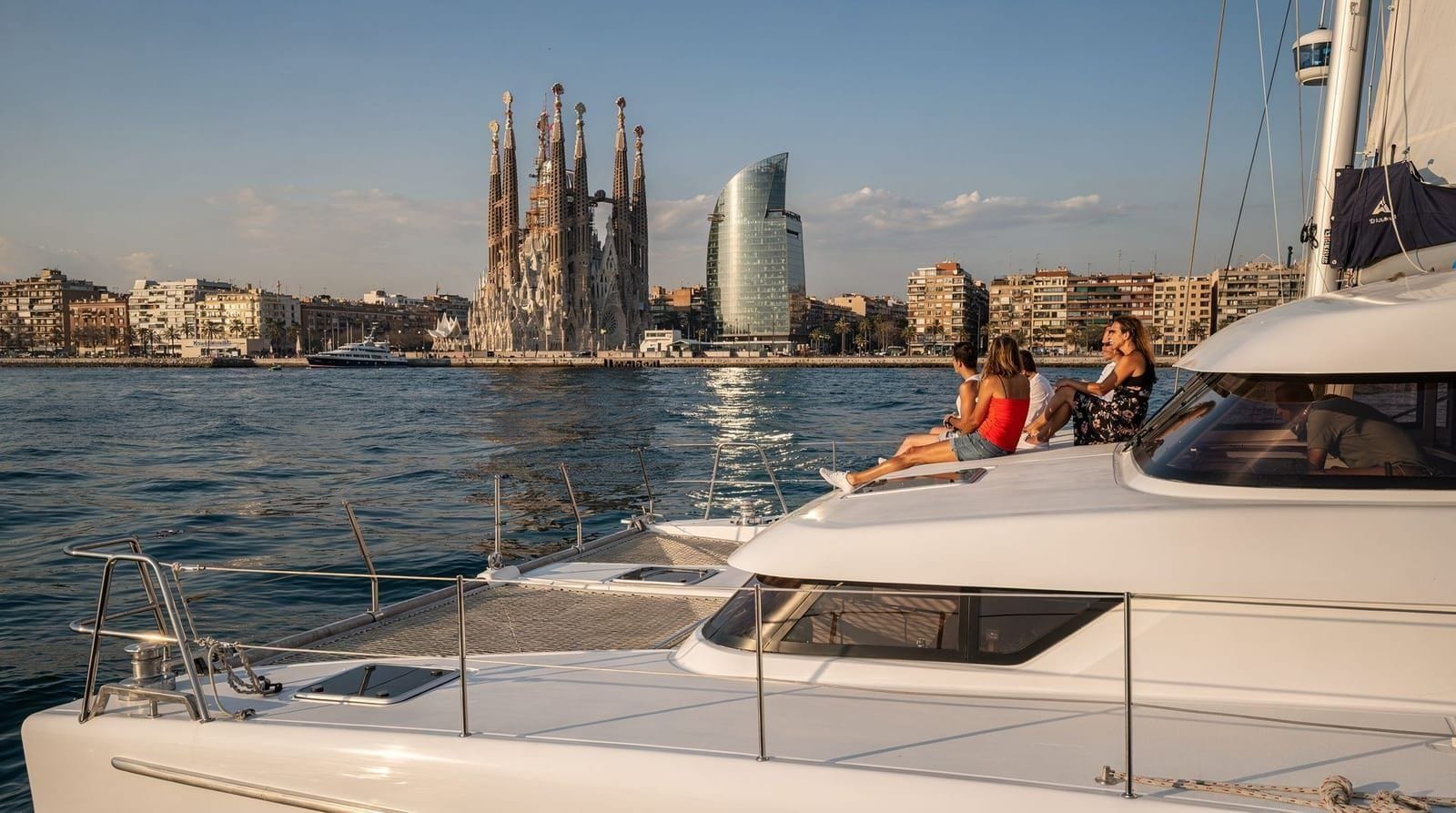
Barcelona: sunset sailing tour with tapas and open bar
Duration: 2 hours
- Free cancellation
Quick facts
- Metro
- L4 Barceloneta
- Character
- Historic fishing quarter, beach, seafood
- Beach length
- 4.5 km of city beaches (7 named sections)
- Budget alert
- Beachfront restaurants are tourist traps
Barcelona’s beach is one of urban planning’s more dramatic reversals. Before the 1992 Olympics, the Barceloneta seafront was an industrial wasteland of railway tracks, warehouses and polluted shoreline that effectively cut the city off from the sea. The Olympic redevelopment opened 4.5 kilometres of sandy beach, extended the seafront promenade and turned what had been the city’s forgotten back edge into its most visited recreational zone. The historic fishing neighbourhood tucked behind the beachfront — the original Barceloneta — predates all of this by 250 years and retains a character that the restaurant strip has largely buried.
Barceloneta at a glance
| Where | Beach neighbourhood between Port Vell and the sea, metro L4 |
| Cost | Beach is free; sun lounger hire around €6/day |
| Time needed | Half a day |
| Getting there | Metro L4 Barceloneta, or 15-minute walk from the Gothic Quarter |
| Best time | May–September for the beach; year-round for the neighbourhood |
The historic fishing quarter
The Barceloneta neighbourhood proper (as distinct from the beach) occupies a triangular peninsula between the Port Vell and the beach, built in the 1750s to rehouse the residents cleared from the Ribera neighbourhood (now El Born) to make way for the Ciutadella fortress. The street grid — 15 parallel lanes running perpendicular to the sea — was designed by the military engineer Juan Martín Cermeño and is remarkably intact.
The lanes are narrow, the buildings are tall, and laundry still hangs between opposing windows. Despite the tourist pressure, Barceloneta has maintained a working-class identity that contrasts with the gentrified polish of El Born immediately north. The local residents’ association actively resisted tourist apartment proliferation, with some success — you still find local grocery shops, fishermen’s associations and neighbourhood bars on the back streets.
The neighbourhood’s centre of gravity is the Barceloneta Market (Plaça de Font; open mornings, closed Monday) — a small market selling fresh fish directly from the lonja (fish auction) and useful as a reminder that this remains a fishing community as well as a tourist destination.
The beach: honest assessment
The beach is excellent for what it is — a Mediterranean city beach within easy reach of one of Europe’s most interesting cities. The sand is clean and well managed, with lifeguards on duty from approximately 09:00 to 21:00 May through September. Blue flag status confirms the water quality. Facilities include beach showers, sun lounger and umbrella hire (around €6 per lounger per day), and beach bars (chiringuitos) selling drinks, snacks and simple food at beach prices rather than restaurant prices.
The beach gets genuinely crowded in July and August, particularly on weekends. The Barceloneta section (closest to the city) is busiest; walking 10–15 minutes northeast to Bogatell or Mar Bella beaches gives significantly more space. Nudism is tolerated at the far end of Mar Bella.
Sea temperature peaks at 24–25°C in September, making the autumn shoulder season — warm water, thinner crowds, lower prices — the best time for a beach-focused visit. The water is swimmable May through October.
The beachfront restaurant problem
Every travel guide warns about Barceloneta beachfront restaurants. The warning is repeated because visitors continue to be caught out. The restaurants running along the Passeig Marítim advertise paella prominently with photographs, prices of €25–30 per person minimum (often with a “minimum 2 portions” requirement) and the promise of sea views.
What they typically serve is frozen or pre-cooked paella reheated to order — not the genuine wood-fired rice that takes 45 minutes to make from scratch. The tell-tale signs: a restaurant that can produce paella in under 20 minutes, a menu with photographs, and waiting staff who approach passers-by. Real Valencian-style paella in Barcelona is a weekend lunchtime institution served at inland restaurants by cooks who announce the dish at the start of service and stop taking orders once the rice goes in.
For honest seafood in Barceloneta, the better options are on the back streets rather than the beachfront. La Cova Fumada (Carrer del Baluard 56; cash only, no reservations, closed afternoons and weekends) is credited with inventing the bombas — deep-fried potato and meat croquettes — in the 1940s; the seafood is genuinely fresh. El Bar Colombo (Carrer del Baluard 12) is another neighbourhood fixture with fair prices. Neither advertises outside with photos.
Sailing and boat tours from Port Vell
The old harbour (Port Vell) sits immediately west of Barceloneta and is the departure point for Barcelona’s best marine activities. The sunset sailing market is genuine — a 90-minute catamaran cruise with an open bar and views back at the illuminated city is a pleasant way to end an afternoon, and prices are reasonable at €30–40 per person. Book the earliest available “sunset” slot (usually around 19:30–20:00) for the best combination of light and temperature.
The Las Golondrinas are the traditional harbour tour boats moored by the Columbus Monument — a 40-minute circuit of Port Vell costs €9.90 and provides a different perspective on the city’s waterfront. Shorter than a sunset sail but useful for the view.
For private charters — including full-day sailing excursions down the coast or to Sitges — Port Vell has a range of operators at very different price points. Expect to pay from €300 for a half-day private charter; the shared sailing tours are a better-value option for most visitors.
Beach etiquette and what to bring
Toplessness is legal and common on Barcelona’s beaches, including Barceloneta — locals and visitors mix without much fuss either way. Bring your own towel and water; beach vendors sell drinks, snacks and sunglasses but at a markup. Free public showers and foot-rinse stations are spaced along the promenade. Watch your belongings while swimming — bag theft is the main petty-crime risk on a crowded beach, not violent crime. For a broader view of Barcelona’s coastline beyond Barceloneta, see the Barcelona beaches guide and the best beaches near Barcelona.
Connecting to the rest of the city
Barceloneta connects naturally to El Born immediately north — the two areas share the Barceloneta and Jaume I metro stops on L4, and a 10-minute walk along Passeig Joan de Borbó links them directly. From the beach, the Gothic Quarter is 20 minutes on foot through the waterfront and Port Vell area.
The Olympic Port (Port Olímpic) sits between Barceloneta and the Poblenou beaches to the northeast. It has a concentration of bars and nightclubs that are lively from midnight but tourist-facing. The marina is worth seeing for the iconic Frank Gehry copper fish sculpture (1992) but the restaurants here have the same pricing problems as the beachfront.
For the complete picture on beach days, transport from the airport and the surrounding city, see getting around Barcelona.
Barceloneta works best as a half-day beach destination rather than a full-day base — swim in the morning, eat inland for lunch, and spend the afternoon on a sailing tour or walking back through El Born for dinner.
Top experiences
Bookable activities with verified prices and instant confirmation on GetYourGuide.