Parc de la Ciutadella: Barcelona's green lung and what to do there
Barcelona: 1-day ticket to Barcelona Zoo
Duration: Full day
- Free cancellation
- Skip the line
Is Parc de la Ciutadella free to enter?
Yes — the park itself is free and open 24 hours. Inside the park, the Barcelona Zoo requires a separate ticket (€22 adults, skip-the-line available). The park contains a lake with rowing boats for hire (approximately €7 for 30 minutes), gardens, a spectacular 19th-century fountain (the Cascada) and the Catalan parliament building.
Barcelona is not a city known for green space. The Eixample grid is dense, the Gothic Quarter is stone and shadow, and most of the hills are outside the city centre. Parc de la Ciutadella — 17 hectares of lakes, gardens, Victorian glasshouses and a monumental fountain in the middle of the Eixample-adjacent neighbourhood of El Born — is the exception: a genuine urban park that local families use regularly and that first-time visitors often underestimate because there are no ticket booths at the entrance.
| Where | El Born, between Barceloneta and the Gothic Quarter |
| Cost | Free to enter; zoo around €22, rowing boats around €7/30 min |
| Time needed | 1–2 hours for a walk; half a day with the zoo and lake |
| Getting there | Metro L4 to Barceloneta or Ciutadella-Vila Olímpica |
| Best time | Weekday mornings for quiet; weekend afternoons for local atmosphere |
The political history of the park
The site of the park was occupied for nearly two centuries by the Ciutadella fortress, built by King Philip V after the War of Spanish Succession (1714) as an instrument of military control over a Barcelona that had supported the losing side. The fortress was placed in the densest part of the old city, requiring the demolition of an entire neighbourhood. Its symbolic weight in Catalan historical memory is considerable: the Catalan national day (La Diada, September 11) commemorates the final defeat of Barcelona in that war.
The fortress was demolished in 1869 after sustained popular pressure, and the land was converted into a public park. The Universal Exposition of 1888 — Barcelona’s claim to European cultural significance — was held in the park, and most of the surviving 19th-century structures date from that event.
The Catalan Parliament has been housed in the park’s former arsenal since the democratic transition of the late 1970s.
What to see in the park
The Cascada Monumental: The large fountain at the northeast corner of the park was built for the 1888 Exposition and is the park’s primary architectural feature. The young Antoni Gaudí contributed to its design as a student under Josep Fontserè. The central arch with its sculptural programme — a triumphant chariot, water nymphs, cascades on multiple levels — is Neo-Baroque and unabashedly grand. It is at its best in morning light when the water is illuminated and the stone glows.
The lake: The artificial lake at the centre of the park is used for rowing boat hire throughout the year (approximately €7 for 30 minutes). The boats are the traditional flat-bottomed kind; the lake is shallow and unhurried. Rowing on a warm afternoon with ducks navigating around you is a reliable pleasure, particularly for children.
The Hivernacle: The Victorian cast-iron glasshouse at the south end of the park was built in 1884. Its exterior — arched glass and white-painted iron, with a central nave like a railway terminus — is one of the most elegant industrial structures in the city. It is used as an event space but the exterior and some interior areas can be visited.
The Umbracle: Adjacent to the Hivernacle, this is a brick-and-iron shaded garden structure with mature tropical plants — palms, ferns, climbing plants. Open and free; a cool refuge in summer.
The Geology Museum: The Museu de Geologia (now the Museu de Ciències Naturals de Barcelona) occupies the building constructed for the 1888 Exposition. One of the oldest public museums in Catalonia; good for families with older children interested in natural history.
The Catalan Parliament: The Generalitat de Catalunya’s Parliament sits in the converted 18th-century arsenal building at the park’s centre. The exterior can be viewed freely; interior visits by appointment on specific open days.
The parc ornamental lawn: The large central lawn south of the lake is Barcelona’s most-used outdoor social space for locals. On spring and summer weekends, it is covered with picnickers, musicians, improvised outdoor classes and general urban park life. No tickets, no queues, no tourist economy.
The Barcelona Zoo
The Parc Zoològic occupies the southern section of the Ciutadella park and is a functioning city zoo with approximately 450 animal species across 13 hectares.
Adult ticket: €22. Children 3–12: €13. Under-3: Free. Skip-the-line booking available and recommended in summer.
The zoo is best suited to families with children. It is not among the flagship zoos of Europe in terms of facilities, but it is compact, well-maintained and holds genuinely interesting animal collections. The enclosures have been modernised progressively but some older sections show their age. The dolphin shows that were historically central to the zoo’s appeal have been discontinued.
For families with children under 10, the combination of the zoo and the lake rowing in one afternoon represents a reliable child-focused half-day.
Seeing the park by bike
Because the park’s paths are wide, flat and well-shaded, it is a natural stop on the city’s e-bike circuits rather than somewhere most visitors dedicate a standalone half-day to. An e-bike tour typically loops through the park on the way between the Gothic Quarter and the seafront, giving you the Cascada, the lake and the lawns as a scenic pause rather than the day’s main event — a good option if your schedule is tight and you want the park folded into a broader city overview.
Getting there
Metro L4 (yellow line) to Barceloneta or Ciutadella-Vila Olímpica. The Barceloneta exit is closest to the western park entrance; Ciutadella-Vila Olímpica is closer to the zoo and the eastern entrances.
Walking from El Born: The park’s western edge runs along Passeig de Picasso, which is also the boundary of El Born. The Picasso Museum is about 300 metres north of the main western park entrance. A combined visit — museum then park, or vice versa — is natural and walkable.
Walking from La Barceloneta: The beach neighbourhood is a 10-minute walk south of the park’s eastern edge. A morning beach walk followed by the park in the afternoon, with a picnic from La Barceloneta’s neighbourhood shops, is a practical combination. See the getting around Barcelona guide for how the metro and bus network connect the park to the rest of the city.
Practical notes
Hours: The park is open continuously (24 hours). The main entrances close at night for maintenance; pedestrian access is maintained.
Café-bars: Several café-bars operate within the park; quality varies. The most reliable option is the terrace at the Hivernacle during summer events.
Picnics: Encouraged. The lawn areas welcome picnicking; there are no restrictions on bringing food. Several excellent shops and markets in El Born and the Gothic Quarter are within easy walking distance for provisions.
Dogs: Permitted in most of the park (not in the zoo). There are water fountains for dogs in some areas.
Cycling: Cycling is permitted on the main paths. E-bike tours frequently pass through the park as part of broader city circuits.
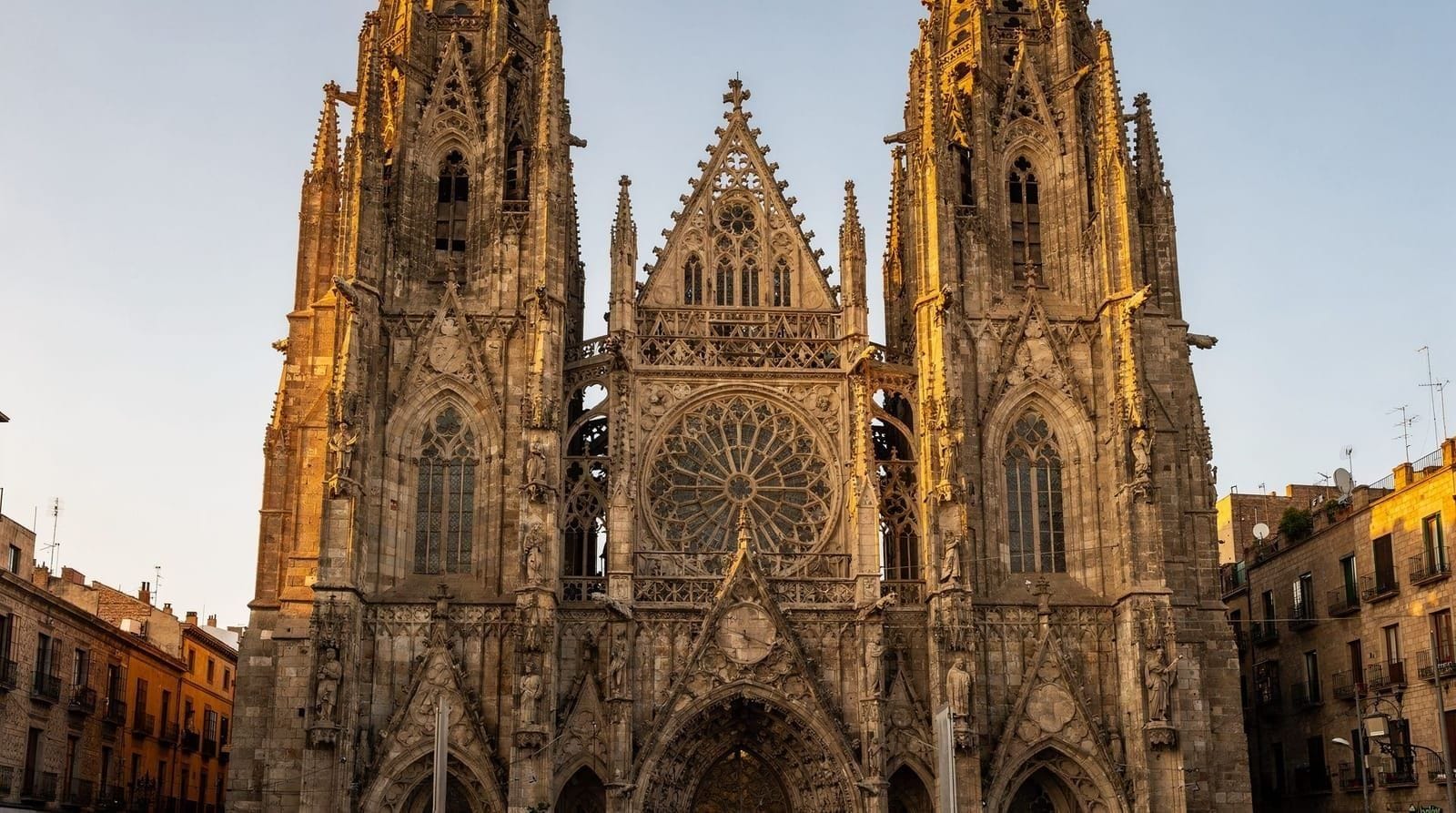
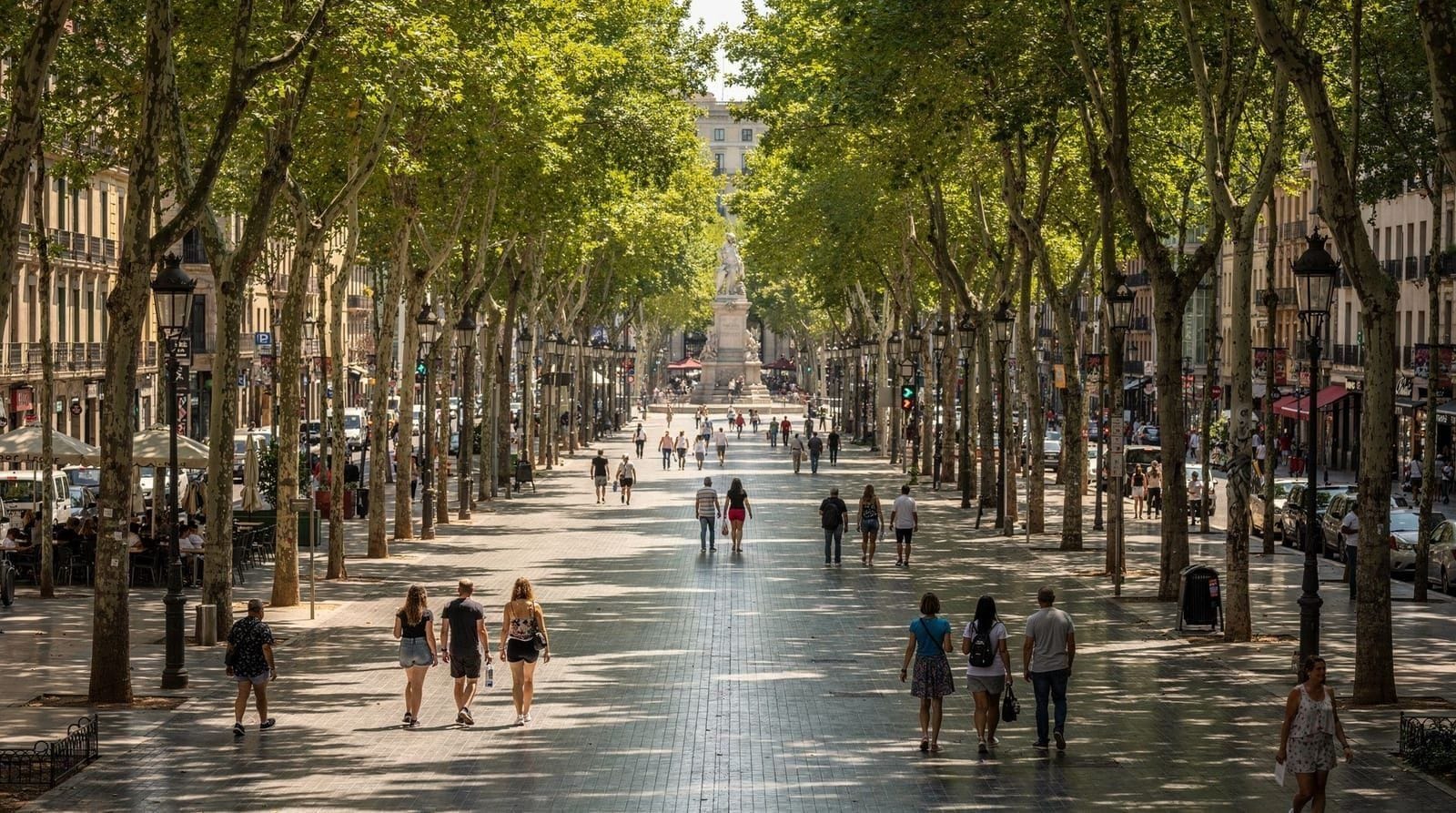
Parc de la Ciutadella is the most relaxed and genuinely local experience available for free in central Barcelona. It does not compete with the Sagrada Família or Park Güell as a reason to visit the city, but as a complement to a fuller programme — a morning park walk before the Picasso Museum, an afternoon of rowing before dinner in El Born — it is consistently rewarding and requires no advance planning. It also pairs well with a stroll down Las Ramblas or a visit to the Barcelona Cathedral, both under 20 minutes’ walk away.
Frequently asked questions about Parc de la Ciutadella
What is there to do in Parc de la Ciutadella?
The park has a large artificial lake for rowing boats (hire at the boathouse), the Cascada monumental fountain, the Hivernacle and Umbracle (Victorian glasshouses), the Geology Museum, the Catalan Parliament building (Parc Zoològic de la Generalitat) and the Barcelona Zoo. There are also multiple outdoor café-bars, a children's area and open lawns popular with locals for picnics.How do you get to Parc de la Ciutadella?
Metro L4 (yellow line) to Barceloneta or Ciutadella-Vila Olímpica. Both stops are about 5 minutes' walk from the main park entrance. The park is also an easy 15-minute walk from the Gothic Quarter through El Born.Is the Barcelona Zoo worth visiting?
The Barcelona Zoo occupies the southern half of the park and houses approximately 450 animal species. Adult tickets are €22. For families with children under 12, it is a reliable half-day activity. For adults without children, the park itself is more rewarding than the zoo and costs nothing. The zoo is not among the top zoos in Europe for facilities but is well-maintained and compact.What is the Cascada fountain?
The Cascada Monumental is a large Neo-Baroque fountain built for the 1888 Universal Exposition. It was partially designed by the young Antoni Gaudí (as a student) and is the most elaborate sculptural feature in the park. The central triumphant arch and water cascade are impressive; the full sculptural programme — carved figures, gilded details, multiple tiers — is best seen in morning or afternoon light.What is the Hivernacle in the park?
The Hivernacle (winter garden) is a Victorian cast-iron and glass glasshouse built in 1884 for the 1888 Exposition. The building is now used as an events space but is partially open for informal visits. The Umbracle next to it (a brick-and-ironwork shaded garden) is open and free, with mature tropical plants inside.When is Parc de la Ciutadella busiest?
Weekend afternoons are the most crowded, particularly in spring and summer when locals use the lawns for picnics. Weekday mornings are the most peaceful. The park empties significantly in the early morning (07:00–09:00) when it is used primarily by joggers.Can you combine Parc de la Ciutadella with other sights in one visit?
Yes. The park's western edge borders El Born, about 300 metres from the Picasso Museum, and its eastern edge is a 10-minute walk from La Barceloneta beach. A common combination is a morning at the Picasso Museum followed by a walk and rowing in the park, or a beach morning in Barceloneta followed by the park in the afternoon.
Top experiences
Bookable activities with verified prices and instant confirmation on GetYourGuide.