Poble Sec travel guide
Poble Sec: Carrer de Blai pintxos bars, vermouth culture and the funicular to Montjuïc — Barcelona's best-value foodie neighbourhood with no tourist
Barcelona: Montjuïc cable car roundtrip ticket
Duration: 1 hour
- Free cancellation
Quick facts
- Metro
- L3 Paral·lel, L3 Poble Sec
- Character
- Foodie, local, hillside, multicultural
- Best for
- Pintxos, vermouth, Montjuïc access
- Key street
- Carrer de Blai (Barcelona's pintxos street)
Poble Sec is what happens when a Barcelona neighbourhood escapes the tourist circuit by being slightly too far off the standard itinerary to become a destination in itself. The result is one of the city’s best-value eating and drinking neighbourhoods, with a food culture — Basque pintxos, Catalan vermut, multicultural restaurants — that attracts locals from across the city rather than visitors following guidebook recommendations.
| Where | Between Eixample and Montjuïc; Metro L3 Paral·lel, L3 Poble Sec |
| Cost | €12–20 per person for pintxos and drinks |
| Time needed | Half a day |
| Getting there | Metro L3 to Paral·lel or Poble Sec |
| Best time | Thursday–Saturday evenings for the liveliest pintxos scene |
Carrer de Blai: Barcelona’s pintxos street
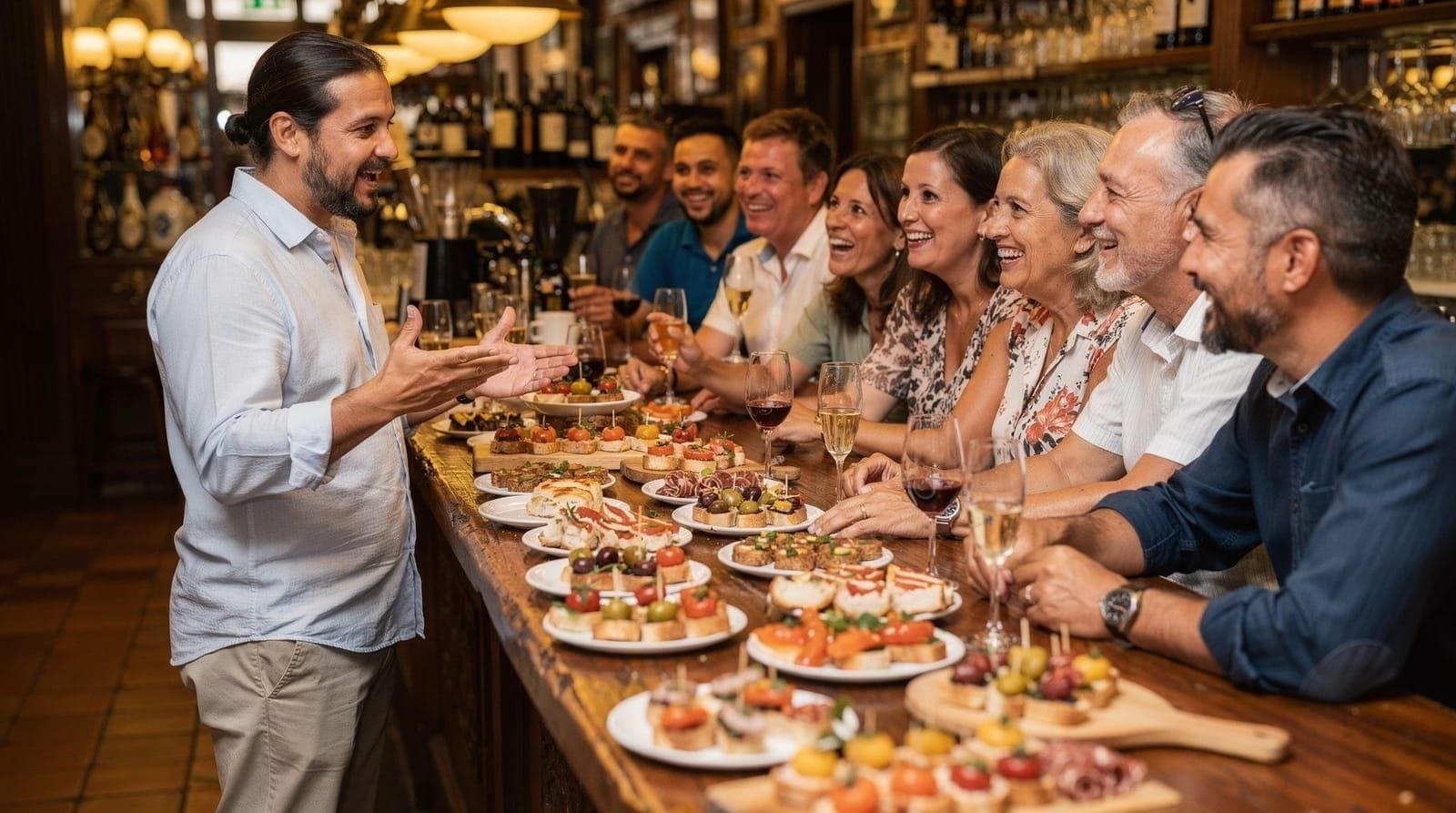
The pedestrianised Carrer de Blai is the neighbourhood’s centrepiece and justifiably the neighbourhood’s best-known feature. The street runs for about 200 metres and is lined on both sides with pintxos bars — the Basque tradition of small, individually priced bites served from the bar counter or assembled to order in the kitchen.
The model is different from conventional tapas: you typically order a drink, then either pick from the displayed selection (bread-mounted pintxos arranged on the bar at around €1.50–2.50 each) or order hot pintxos from the kitchen (€2.50–3.50 each for grilled mushrooms, croquetes, tortilla, chipirones). A satisfying dinner of 6–8 pintxos and two drinks runs €15–20 per person — dramatically cheaper than a sit-down restaurant in El Born or the Gothic Quarter.
The best times to visit Blai are Thursday through Saturday evenings from 19:00 onwards, when the bars fill with a mix of locals and visitors and the atmosphere is at its best. On weekend lunchtimes, the street is busier but still manageable. The bars rotate their pintxos selection regularly; the hot options are generally better than the cold ones as the day progresses.
Among the most reliable bars: La Tasqueta de Blai (no. 17) has a strong rotating selection and faster-than-average kitchen output; Quimet & Quimet (Carrer del Poeta Cabanyes 25, one street away) is a legendary bodega that has been standing-room-only since the 1950s, serving conserved fish, canned goods and house vermut in a tiny space stacked floor-to-ceiling with bottles.
Vermouth culture in Poble Sec
The neighbourhood has a strong vermouth tradition — the Sunday late-morning vermut ritual (vermouth with olives and a small snack, around 12:00–14:00) is more intact here than in more gentrified parts of the city. Bar Calders (Carrer del Parlament 25, on the boundary with Left Eixample) has been the benchmark vermut bar for years. El Sortidor (Plaça del Sortidor 5) is another neighbourhood institution, in a remarkable modernista space, with a weekly programme of cultural events alongside the drinks.
The vermouth at these bars is typically Catalan or Spanish (Yzaguirre, Miró, Petroni) rather than Italian — different from northern European expectations of the spirit, drier and more herbal, typically served over ice with a slice of orange and olives.
Gateway to Montjuïc
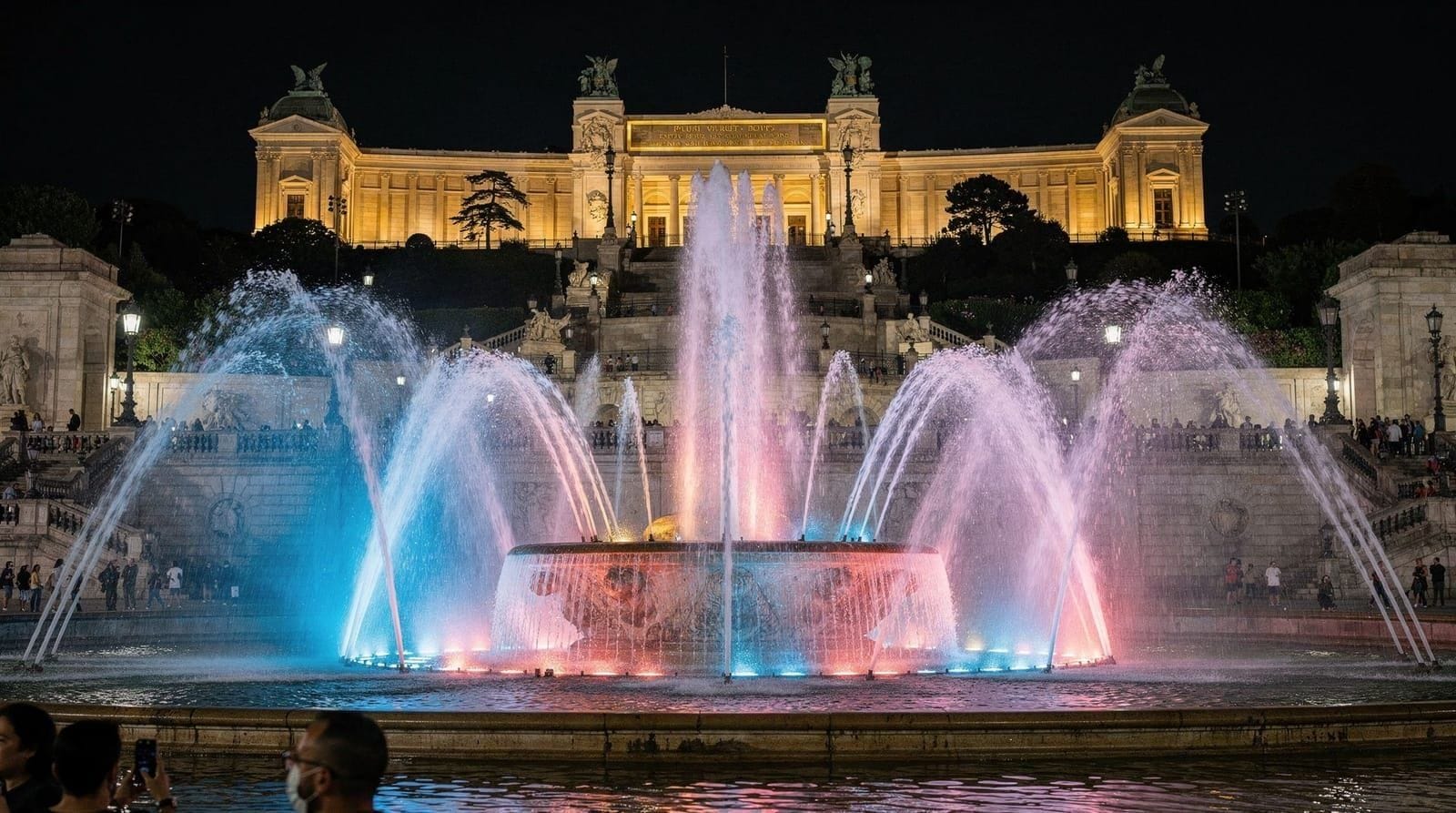
Poble Sec sits at the foot of the Montjuïc hill, which means the neighbourhood functions as the most practical entry point to everything the hill offers. The Montjuïc Funicular departs from Paral·lel metro station (L2/L3, integrated into the T-Casual metro card) and takes you up to the midway point in under 5 minutes.
From there, the Montjuïc cable car (Telefèric de Montjuïc) continues to the summit and Castell de Montjuïc — a 17th-century fortress with 360-degree views over the city and sea that was used as a political prison until the 1960s and is now a free-entry (€5 for exhibitions) cultural centre. The cable car roundtrip ticket is €14 and is one of the more justifiable tourist purchases in Barcelona given the views and convenience.
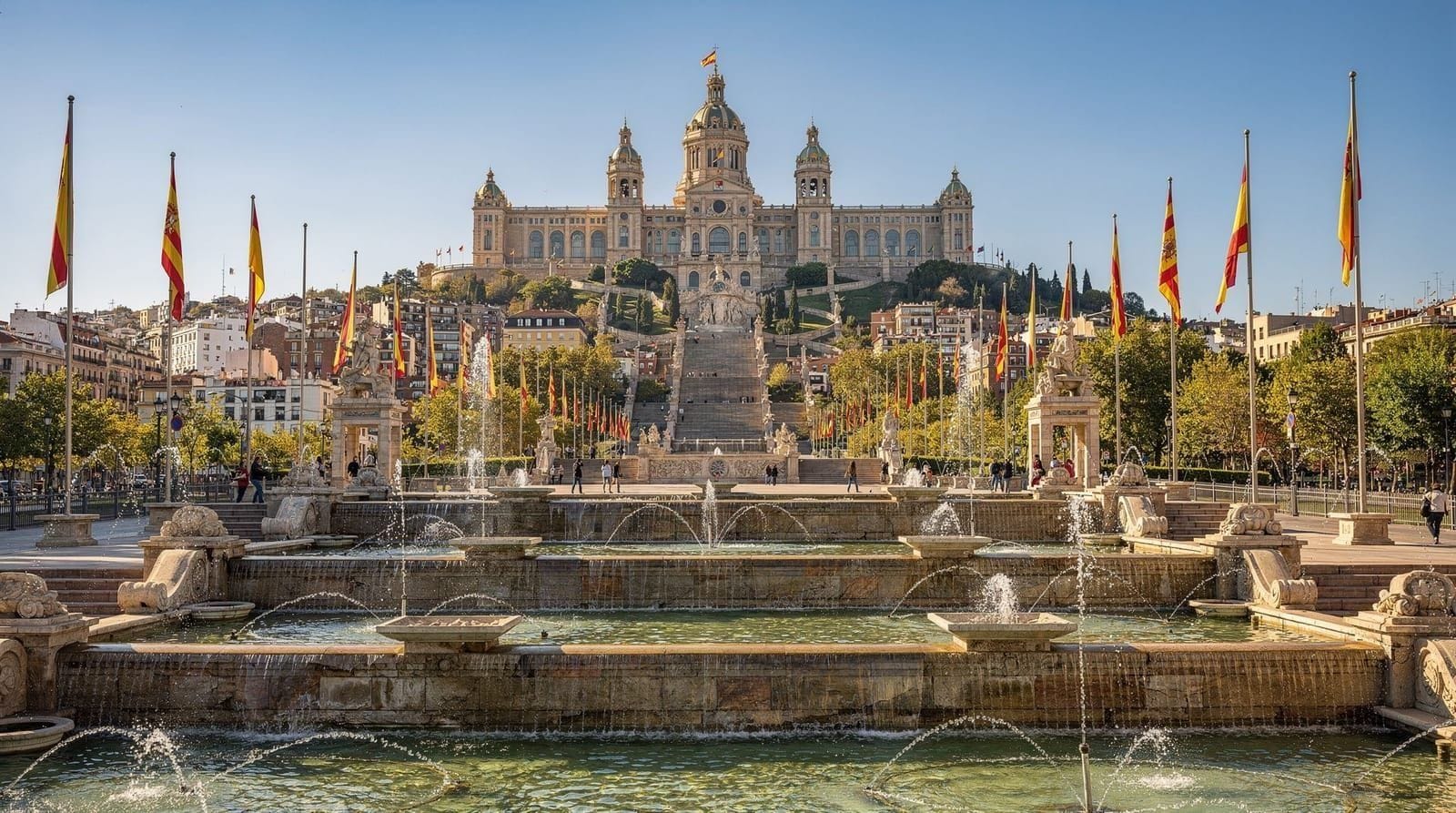
Walking from Poble Sec up to the MNAC (Museu Nacional d’Art de Catalunya) and Fundació Joan Miró takes 15–20 minutes on foot via the road or the staircases and paths that wind through the gardens. Both are worthwhile; the MNAC’s Romanesque art collection is world-class. See the MNAC guide and Joan Miró Foundation guide for booking details, or the full Montjuïc destination guide for the whole hill.
Culture and theatre
The Teatre Grec is a 1929 open-air amphitheatre carved into the Montjuïc hillside immediately above Poble Sec. It hosts the Festival Grec every July — the most important summer theatre and dance festival in Catalonia, with a programme that runs the gamut from classical Catalan drama to international contemporary dance. The setting is extraordinary: stone seating, pine trees, views over the city, performances starting at dusk. Tickets are affordable by European festival standards (€12–30 for most events) and can be booked via the festival website weeks in advance.
The neighbourhood also has one of Barcelona’s most interesting contemporary theatre venues: the Sala Apolo (Carrer Nou de la Rambla 113) hosts theatre, music and the legendary Nitsa Club electronic music night (Friday and Saturday from 00:00). The venue occupies a 1940s ballroom and is one of the few remaining spaces in Barcelona’s old city that has maintained a genuine nightlife culture without becoming a tourist operation.
Eating beyond pintxos
Poble Sec’s restaurant scene extends well beyond Carrer de Blai. The neighbourhood’s multicultural demographics — it has historically housed immigrant communities from across Spain, Latin America and North Africa — have produced an eclectic restaurant scene at accessible prices. Carrer de Blai and the surrounding streets have restaurants serving everything from Venezuelan arepas to Moroccan tagines alongside the Catalan standards.
For a more formal meal, the neighbourhood has several genuinely good restaurants that have avoided tourist pricing because they depend entirely on local repeat custom. Bodega Sepúlveda (Carrer de Sepúlveda 173, on the Left Eixample boundary) is worth the 10-minute walk for its wine list and traditional cooking. Tickets (Avinguda del Paral·lel 164) — Albert Adrià’s tapas bar — is one of the most sought-after restaurant reservations in Barcelona, available only via an online ballot system that opens two weeks in advance; if you secure a table, expect €60–80 per person for exceptional creative tapas.
Poble Sec vs the old city, at a glance
| Poble Sec | Gothic Quarter / El Born | |
|---|---|---|
| Meal price | €12–20 pintxos, €15 set lunch | €15–30 set lunch, higher à la carte |
| Crowds | Local, uncrowded on weekdays | Heavy, especially midday |
| Sightseeing density | Lower — Montjuïc is the draw | High — cathedral, museums, ruins |
| Nightlife | Sala Apolo, local bars | Bigger bar and club scene |
| Best for | Value eating, Montjuïc access | First-time sightseeing |
Neighbourhood safety and character
Poble Sec has gentrified significantly in the past decade but retains a mixed and generally friendly character. The main commercial streets around Carrer de Blai and Avinguda del Paral·lel are safe and lively evenings. The quieter streets further up the hill towards Montjuïc are less busy at night but not problematic. The Barcelona safety guide covers the general picture; Poble Sec does not have the pickpocket concentration of La Rambla or the Gothic Quarter.
Poble Sec combines the best budget eating in central Barcelona with direct access to Montjuïc’s museums, cable car and castle — a half-day that runs naturally from a lunch on Carrer de Blai to an afternoon on the hill. See the Poble Sec pintxos crawl for a bar-by-bar route, and the best tapas neighbourhoods guide for how it compares citywide.
Top experiences
Bookable activities with verified prices and instant confirmation on GetYourGuide.