Montjuïc travel guide
Montjuïc is Barcelona's museum hill: MNAC, Fundació Joan Miró, the 1992 Olympic Stadium, the Magic Fountain and a castle with views over the whole city.
Barcelona: Montjuïc cable car roundtrip ticket
Duration: 1 hour
- Free cancellation
Quick facts
- Access
- Funicular from Paral·lel metro (L2/L3)
- Cable car
- Telefèric de Montjuïc, €14 roundtrip
- Best for
- Art museums, Olympic history, city views
- Free highlight
- Magic Fountain: Thu–Sun 20:30, May–Oct
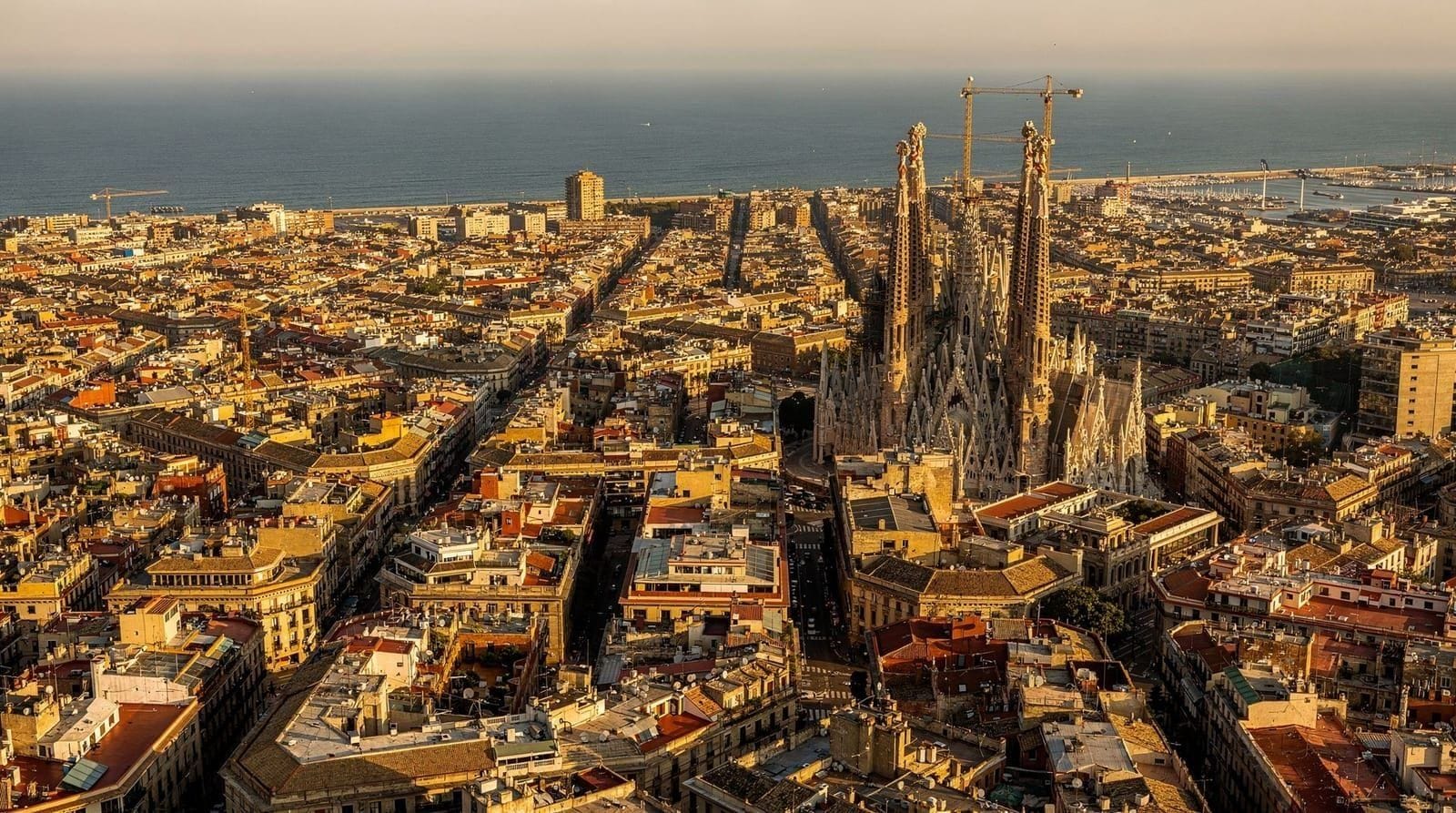
Montjuïc is not a neighbourhood in the conventional sense — nobody lives on it, and no metro line runs through it. It is a 184-metre hill that rises from the southern edge of the city and functions as Barcelona’s cultural hilltop: two major art museums, the 1992 Olympic complex, a 17th-century castle, botanical gardens, the Grec theatre and the nightly Magic Fountain show from May through October. A half-day here covers a broader range of genuinely significant sights than almost any other single area of the city.
| Where | Southern hill above Poble Sec; funicular from Paral·lel metro (L2/L3) |
| Cost | Cable car €14 return; MNAC/Miró/Poble Espanyol ~€12–15 each |
| Time needed | Half a day to a full day |
| Getting there | Funicular + cable car, or 20–30 min walk from Poble Sec |
| Best time | May–June and September–October; Magic Fountain Thu–Sun evenings |
Getting to the top
Three routes lead up to Montjuïc, each with different characteristics. The most practical for most visitors starts at Paral·lel metro station (L2/L3, easily reached from anywhere in the city): the Montjuïc Funicular (included in the T-Casual metro card) rises in under 3 minutes to the midway station. From there, the Telefèric de Montjuïc cable car (€14 roundtrip) continues to the castle. The combination — metro to funicular to cable car — is the standard tourist circuit and is efficient.
The Transbordador Aeri del Port offers a more dramatic alternative: a cable car rising from the beach at Barceloneta directly to the Montjuïc midstation, passing over the port at considerable height. The views are exceptional; the ride takes about 11 minutes. One-way is €14.50, which is expensive relative to what you get, and the service is weather-dependent. Worth it if you are coming from Barceloneta and want a memorable ascent; less practical as a first approach.
Walking from Poble Sec takes 20–30 minutes via Avinguda del Marquès de Comillas or the stairs and paths that wind through the gardens. The walk has good views and is pleasant in cooler weather. Buses 55 and 150 also serve the hill from Plaça d’Espanya.
MNAC: the world’s finest Romanesque collection
The Museu Nacional d’Art de Catalunya (Palau Nacional, Parc de Montjuïc) is one of the most undervalued museums in Europe for visitors focused primarily on the Gaudí buildings. The Palau Nacional itself — built for the 1929 International Exhibition and restored in the 1990s by Gae Aulenti — is a baroque-eclectic confection with a central oval hall of considerable drama.
The Romanesque collection is the MNAC’s unambiguous masterpiece: apse frescoes, carved capitals, altarpieces and triptychs rescued from tiny Pyrenean churches in the early 20th century when they faced either deterioration or purchase by American collectors. Displayed in purpose-built spaces that recreate the apse dimensions of the original churches, this is the most comprehensive Romanesque art collection in the world. Admission €15 (free first Sunday of the month). No advance booking is typically required.
Beyond the Romanesque, the Gothic collection is also excellent (Ramon Llull manuscript illuminations, the great Catalan altarpiece painters), and the modern Catalan art section covers the 19th and early 20th centuries thoroughly. Budget at least 2 hours for a meaningful visit; 3–4 hours if the Romanesque section is your primary interest.
Fundació Joan Miró
The Fundació Joan Miró (Parc de Montjuïc, 1975) is a building to experience before seeing any of the art inside. Josep Lluís Sert designed it as a manifesto of what a museum building should be: white-rendered Mediterranean forms flooded with natural light, roof terrace with sculpture garden and city views, flow between interior and exterior spaces. The building and the landscape setting work together more successfully than almost any art museum built in the late 20th century.
The collection (300 paintings, 150 sculptures, 9 tapestries, over 4,000 drawings donated by Miró himself at the museum’s founding) documents the full arc of his career — from early figurative work through the development of his unmistakable symbolic language (the primary-colour stars, crescent moons, birds and simple human forms) to the monumental paintings of his final years. Skip-the-line admission from €15. Plan 90 minutes for a thorough visit; the roof terrace deserves at least 20 minutes of that time.
Pavelló Mies van der Rohe
The German Pavilion, designed by Ludwig Mies van der Rohe for the 1929 International Exhibition, was demolished after the exhibition closed and reconstructed on its original site in 1986 using materials as close as possible to the originals. It is one of the key buildings of 20th-century architecture — a study in planar space, material richness and the relationship between inside and outside that influenced modernist architecture for a century. Admission €12. Small, focused and unmissable for anyone with architectural interests.
Poble Espanyol
The Spanish Village (Avinguda de Francesc Ferrer i Guàrdia 13) was built for the 1929 Exhibition to display architecture from across Spain in a single complex. The result is kitsch but sincere: 117 buildings from different regions, a functioning main square, craft workshops where artisans produce traditional goods (ceramics, glass, espadrilles, leather), restaurants and a flamenco tablao. Admission from €15.
The evening programme is the most interesting: after 19:00 the Village has a quieter, more atmospheric character, the restaurant terraces open properly and the tablao runs shows from 19:30. The nightclub (Torres de Ávila, in a pair of gothic-revival towers) is a Barcelona institution that operates weekends only from around midnight. Poble Espanyol is more cultural curiosity than museum; worth it for specific interests (craft shopping, flamenco show) less so as a standalone sight.
Botanical gardens and the Olympic ring
Beyond the museums, Montjuïc holds several green spaces worth knowing about. The Jardí Botànic (Botanical Garden, €5) covers Mediterranean-climate flora from five continents across a series of terraced paths with sea views — a quiet, uncrowded counterpoint to the busier museum circuit. The Mossèn Costa i Llobera garden, near the cable car route, specialises in cacti and succulents on a dramatic south-facing slope.
The Olympic ring around the Estadi Olímpic Lluís Companys — the main 1992 stadium, the Palau Sant Jordi arena (Arata Isozaki) and the Bernat Picornell swimming pools, still used for public swimming — is free to walk through and gives a sense of how thoroughly the 1992 Games reshaped this part of the city. The FC Barcelona and Camp Nou guide covers the club’s current stadium, which is a separate site in Les Corts, not on Montjuïc.
The Magic Fountain
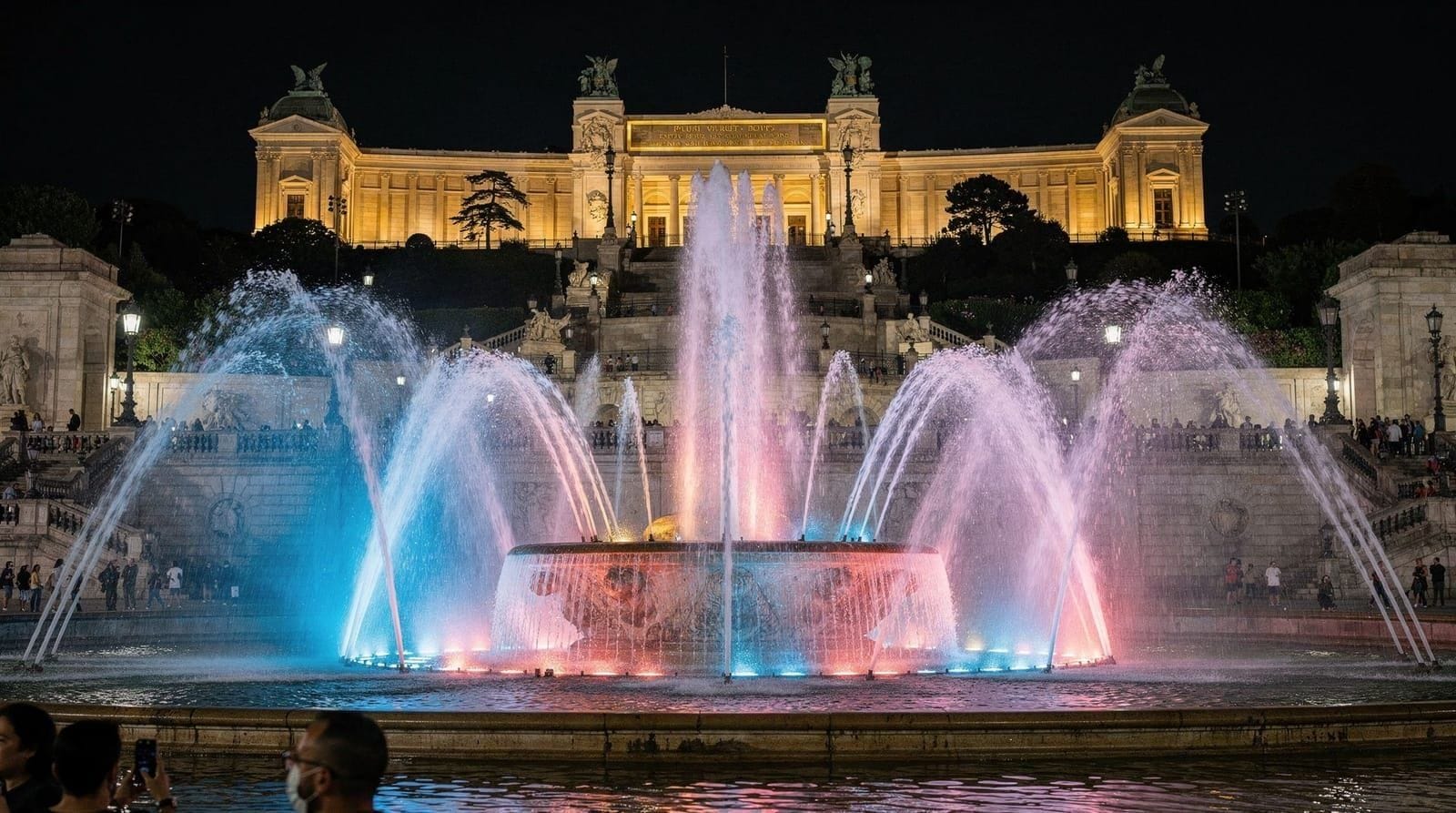
The Font Màgica (Magic Fountain) at the base of Avinguda de la Reina Maria Cristina runs a free light-and-music show on Thursday through Sunday evenings from May through October (approximately 20:30–21:30, varying by month). The show — coloured light and water choreographed to classical and popular music — is tourist-facing by design, but the scale and the setting (below the illuminated MNAC, with the Plaça d’Espanya and the Arenas bullring-turned-shopping-centre in the background) is genuinely impressive. Completely free; no booking required. Arrive 15 minutes early for the best position.
The castle and its history
Castell de Montjuïc (castle summit, cable car drop-off) is a 17th-century military fortress that was used for considerably less neutral purposes throughout Catalan history: as a prison for political opponents of the Spanish state, as a site of bombardments against the city below (1714, 1842) and as an execution venue during and after the Civil War. The castle grounds (outer walls, the star fort layout, the moat) are free to walk and provide the best 360-degree panorama in Barcelona — the city, the port, the sea and the hills inland are all visible. The interior exhibitions (€5) tell the fortress’s uncomfortable history honestly.
The castle was returned to the city of Barcelona from military control only in 2007, after decades of campaigning by Catalan cultural organisations. It now hosts outdoor events, concerts and exhibitions in summer and is one of the quieter sunset spots in the city.
Combining Montjuïc with adjacent areas
Poble Sec at the foot of the hill is the natural complement to a Montjuïc visit — pintxos on Carrer de Blai and a vermouth at El Sortidor make an excellent endpoint to a day on the hill. From the base, Barceloneta beach is accessible via the Transbordador Aeri cable car for visitors who want to end a museum day with a swim.
For the complete picture on Barcelona’s museum landscape and how to combine them efficiently, see the transport guide and the seasonal guide for events that affect Montjuïc (the Grec Festival in July makes summer a particularly good time to visit the hill in the evening).
Montjuïc rewards a full day for art lovers (MNAC plus Miró plus cable car) or a well-timed half-day focused on one museum and the castle — and the free Magic Fountain show makes any Thursday-to-Sunday evening visit to the hill an easy decision. The Montjuïc cable car guide and castle guide cover ticket options and routes in more detail, and the Articket guide explains whether the combined museum pass is worth it if MNAC and the Miró Foundation are both on your list.
Top experiences
Bookable activities with verified prices and instant confirmation on GetYourGuide.
Barcelona: cable car sky views, magic fountain and castle visit
- Free cancellation
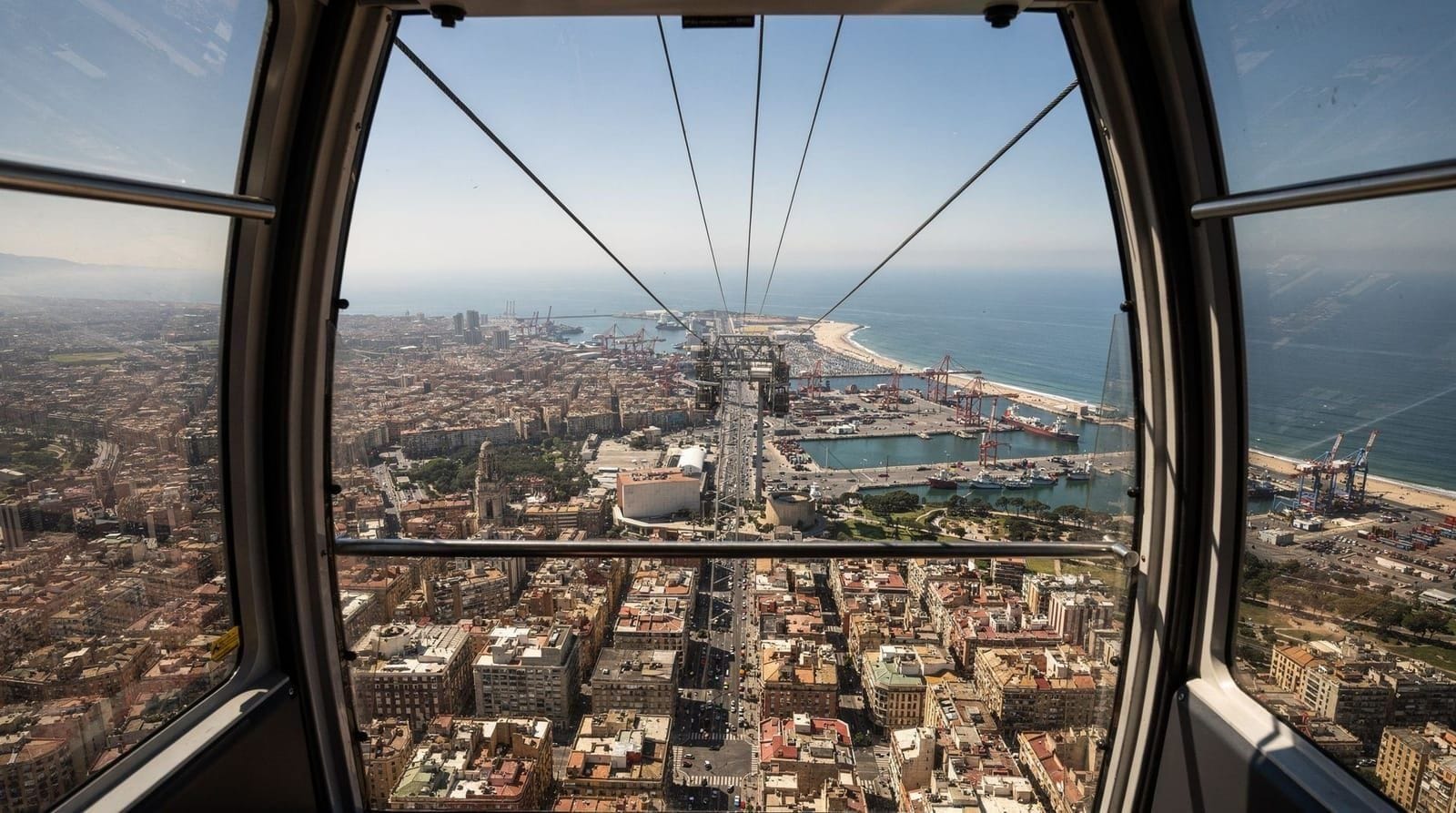
Barcelona: walking tour with Montjuïc castle and cable car
- Free cancellation
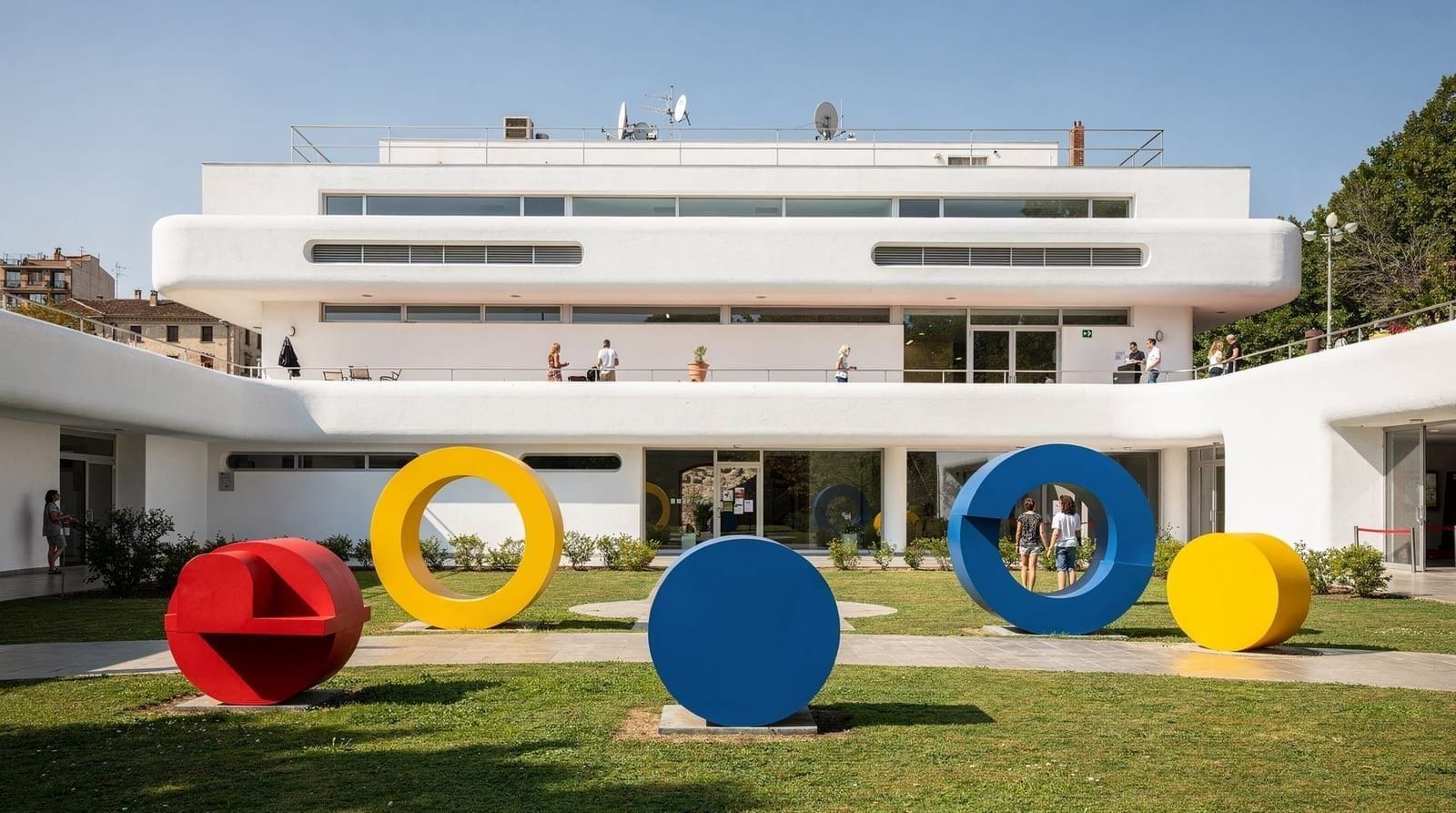
Barcelona: Fundació Joan Miró skip-the-line entry ticket
- Free cancellation
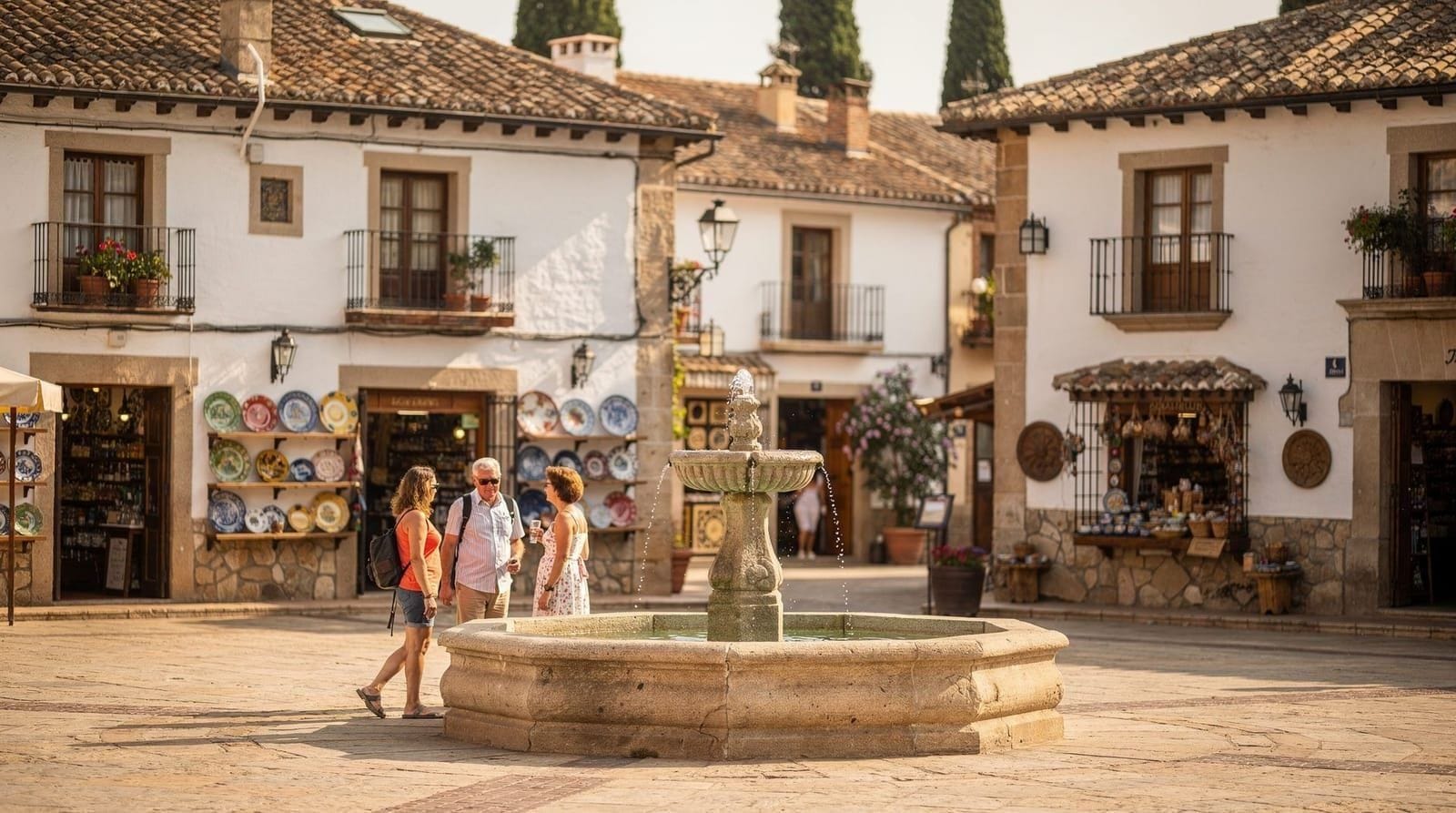
Barcelona: Poble Espanyol skip-the-line entry ticket
- Free cancellation