Best time to visit Barcelona
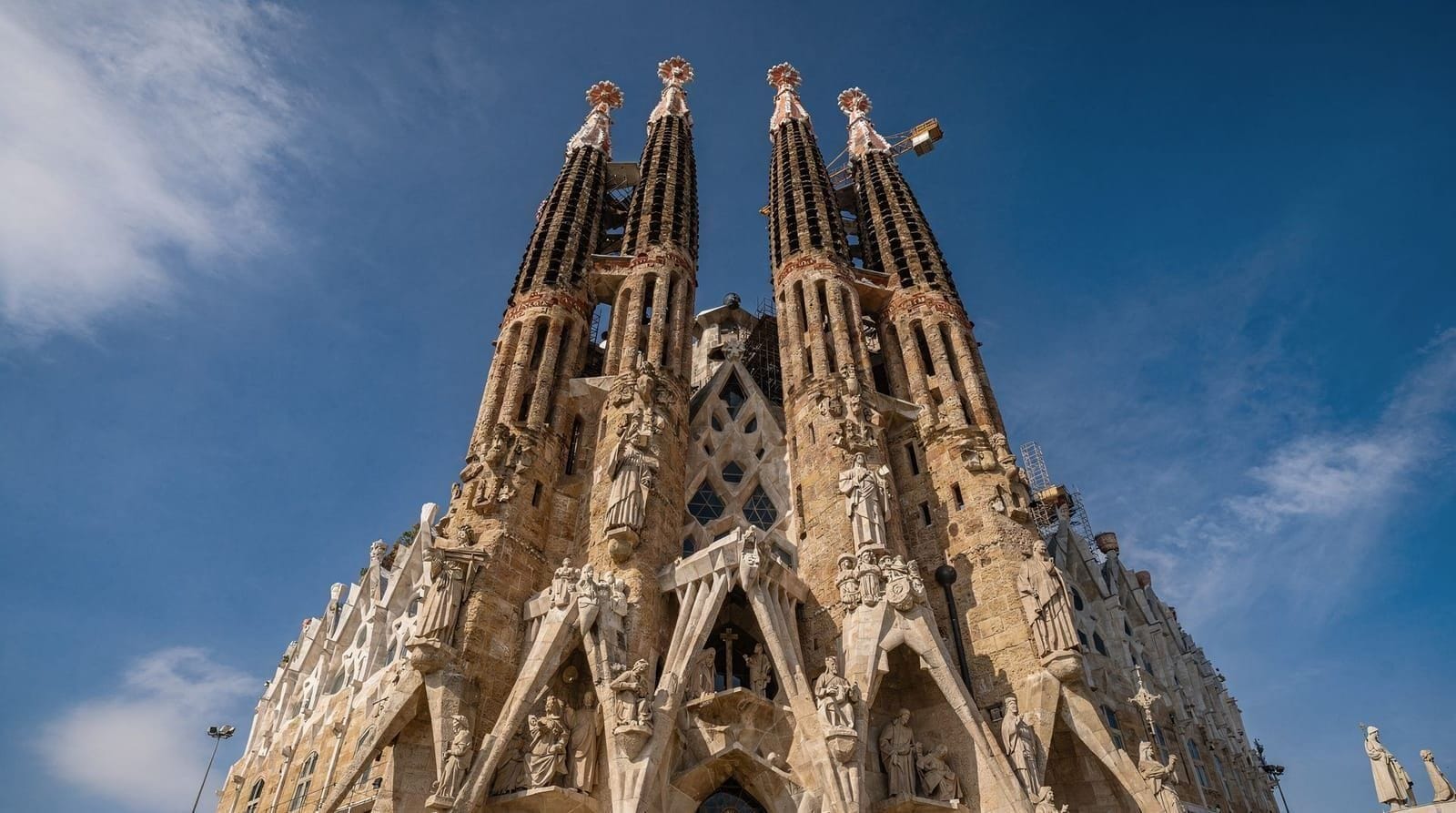
Barcelona: Sagrada Família skip-the-line ticket with audio guide
Duration: 2 hours
- Free cancellation
- Instant confirmation
When is the best time to visit Barcelona?
April–May and September–October offer the best balance of warm weather, manageable crowds and lower hotel prices. July and August are hot and expensive; January–February is cheapest but cooler.
Barcelona earns its reputation as a year-round destination, but timing your visit thoughtfully can mean the difference between an affordable, uncrowded trip and an expensive slog through peak-season queues. Here is the honest month-by-month breakdown.
Month-by-month at a glance
| Month | Avg daytime temp | Crowds | Hotel benchmark | Key notes |
|---|---|---|---|---|
| January | 12–18°C | Very low | Cheapest of year | Three Kings parade Jan 5; post-Christmas calm |
| February | 13–18°C | Very low | Very cheap | Quietest month; carnival in Sitges |
| March | 15–20°C | Low–shoulder | Budget-friendly | Easter can surge if timing aligns |
| April | 18–20°C | Shoulder | €80–150 less than Aug | Sant Jordi Apr 23; best light for photos |
| May | 21–23°C | Moderate | Mid-range | Arguably the optimal month: warm, green, low rain |
| June | 24–27°C | Rising fast | High | Primavera Sound (Jun 4–6); Sónar (Jun 18–20) |
| July | 27–32°C | Peak | €200–350/night | Hottest, busiest, most expensive month |
| August | 25–32°C | Peak | €200–350/night | Many locals leave; tourist-saturated; Festa Major de Gràcia Aug 14–20 |
| September | 22–27°C | Declining | Shoulder-falling | Sea 24°C; La Mercè Sep 23–27; insider favourite |
| October | 18–23°C | Low | Value | Extraordinary light; no beach crowds; great for culture |
| November | 14–18°C | Very low | Very cheap | Christmas markets begin late in month |
| December | 12–16°C | Low | Cheap (except Christmas week) | Nativity markets; Three Kings approaching |
Spring: the sweet spot that most visitors overlook
April and May are consistently the months that experienced travellers recommend above all others.
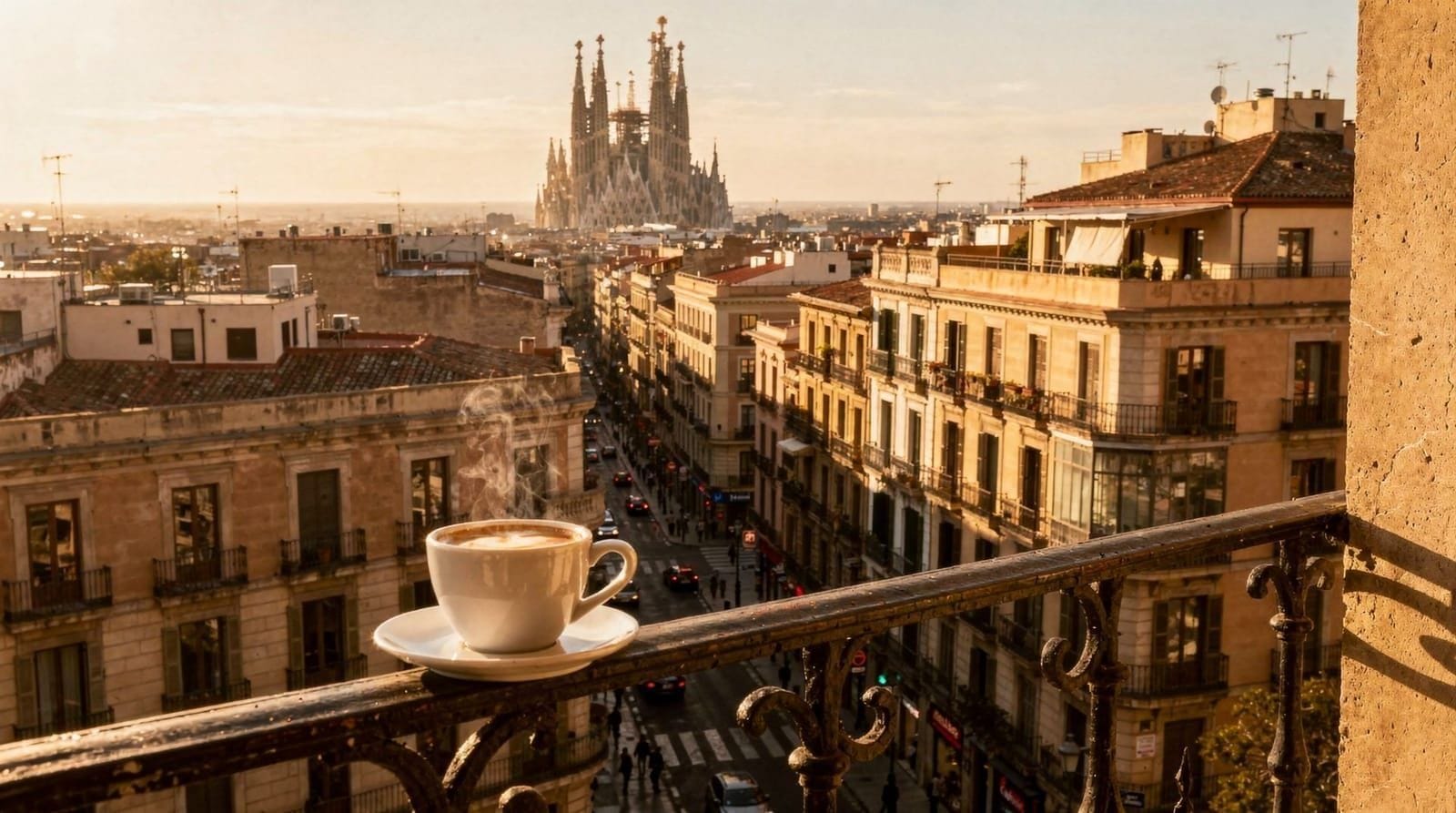
April daytime temperatures sit at 18–20°C — warm enough for pavement café culture but not so hot that the Eixample grid becomes a furnace. Rain showers are short and quick-moving. Hotel prices run €80–150 per night lower than August equivalents, and Sagrada Família basic tickets are still bookable one to two weeks ahead instead of months.
The 23rd of April is Sant Jordi — the Catalan equivalent of Valentine’s Day, when tradition holds that men give roses and women give books. La Rambla and the Born fill with stalls selling both. It is genuinely one of the best days to be in the city and one that barely registers on most foreign visitors’ radars.
May edges ahead in sheer comfort: sea temperatures creep toward 18°C (swimable for hardy types), the days are long, and the city feels populated without being overwhelmed. Parks Güell and the gardens of Montjuïc are at their greenest. For a first visit where you want to see everything without exhaustion, May is the answer.
Easter is the one April risk. When the dates align with late March or early April, Barcelona receives an influx of domestic Spanish tourists and prices jump briefly. Check the calendar before booking.
Summer: real costs versus the postcard appeal
June through August brings the Barcelona that fills Instagram feeds: blue skies, packed beaches, warm evenings on terrace bars. It also brings the highest prices, the longest queues, and the most crowded metro carriages.
June is a transition month that can still feel manageable in the first two weeks. Primavera Sound (usually the first weekend of June) and Sónar (mid-June) are genuinely world-class music events but push city-wide accommodation rates up 20–40% around those dates. If you are not attending the festivals, find dates outside their weekends in June.
July and August should be approached with specific expectations. Temperatures regularly reach 30–32°C with high humidity near the seafront. Official taxis operate at their busiest. Sagrada Família tower tickets sell out 8–12 weeks in advance. Hotels in the Eixample and Gothic Quarter charge their annual peak rates.
That said, the beaches at Barceloneta are at their best, the nightlife scene is at full capacity, and the city has genuine energy. If your priorities are beach and nightlife rather than comfortable museum visits and affordable restaurants, summer delivers. Just book everything — accommodation, Sagrada Família, Park Güell, Casa Batlló — as far in advance as possible.
The Festa Major de Gràcia (14–20 August) is a free neighbourhood festival where residents decorate entire streets with elaborate handmade installations themed around a different concept each year. It is completely free, completely local, and one of the most visually striking events in the city’s calendar. Worth timing a summer visit around.
Autumn: the insider’s season
September is the month that well-travelled locals recommend first. The sea reaches its annual maximum temperature of 24–25°C in the first two weeks. Crowds thin noticeably after the first week of the month as European school terms resume. Hotel prices drop from August peaks.
The anchor event is La Mercè (23–27 September) — the city’s main patron-saint festival, with free outdoor concerts, castellers building human towers, and the correfoc (fire run) where participants in devil costumes run through streets with fire-spitting pitchforks. It is the best single event for first-time visitors wanting to see genuinely Catalan culture rather than a tourist-facing show.
October is underrated to the point of being a secret. Days average 18–23°C, which is perfect for walking and cycling. The light quality in October — golden and low-angled — is extraordinary for photography. No beach crowds. Museums are accessible without the summer queues. Hotel prices are often half what they were in August.
Winter: the budget season with real rewards
January and February are the cheapest months by a significant margin. Daytime temperatures average 12–18°C — bring a light jacket rather than a winter coat. Rain is possible but the city rarely sees more than a few consecutive grey days.
The Three Kings parade on the evening of 5 January (Cabalgata de Reis) is one of the most spectacular events in the city’s calendar and almost entirely missed by foreign tourists who book around Christmas. Floats distributing sweets to children wind through the city centre; the crowd energy is unlike anything in the tourist-facing calendar.
For culture-focused visitors, winter is ideal. The Picasso Museum, MNAC, and Fundació Joan Miró are as good in January as August, admission prices are unchanged, and you can often walk straight in. La Pedrera and Park Güell also have far shorter approaches. The sea is cold (13°C), so the beach is off the agenda, but the rest of the city is fully operational.
What to pack by season
Packing for Barcelona depends on the season more than many Mediterranean cities because the temperature swings between January and July are significant. Here is what actually matters for each season.
Spring (March–May): Layers are the practical answer. Mornings at Park Güell or the Bunkers del Carmel can still be brisk at 14–16°C. By noon the same day, 20°C in direct sun on Passeig de Gràcia feels warm. A light jacket or cardigan that can be tied at the waist is more useful than a coat. Comfortable walking shoes matter enormously — the Gothic Quarter’s cobblestones are hard on feet, and a single day easily covers 12–18 km on foot. A compact umbrella handles the occasional April shower; you will not need it in May.
Summer (June–August): The honest advice is to pack as little clothing as possible and invest in sun protection. A small bottle of SPF50 in your bag is not optional in July — the Eixample walks and Barceloneta beach expose you to sustained UV. Breathable natural fabrics outperform synthetics in the heat. Evenings are warm enough for short sleeves until 23:00 or later. One lightweight cardigan or thin jacket handles the aggressive air conditioning in restaurants and the metro — restaurants on La Rambla sometimes set their AC to an almost aggressive temperature differential from the 32°C outside.
Autumn (September–October): September is essentially summer clothing until mid-month, then transitions. A medium-weight jacket for October evenings is useful; days remain warm enough for short sleeves until late October. Rain likelihood increases in October; a packable waterproof is worth the space.
Winter (November–February): Barcelona winter clothing is lighter than northern European visitors expect. A mid-weight jacket (not a heavy winter coat) handles most days. Evenings can reach 8–10°C in January, which feels cold if you have been walking and the wind picks up off the sea. Waterproof footwear is useful in November–December when rain probability is highest.
The Catalan cultural calendar in depth
Barcelona’s festival calendar is dominated by Catalan culture, not generic Spanish tourism events. Understanding which events are local and which are tourist-facing changes how you experience the city.
Five Días de Reis / Three Kings parade (5 January): The main children’s gift-giving event in Catalonia (not Christmas Day). The Cabalgata de Reyes Magos processes through the city centre in the evening with elaborate floats, confetti cannon, and an atmosphere entirely unlike anything on the tourist calendar. This is a genuinely local mass event; the tourist population attending is minimal. If your trip overlaps with early January, the parade on the 5th evening repays attending.
Carnestoltes (February, variable dates): Carnival exists across Catalonia, with the Sitges carnival (35 minutes from Barcelona by Rodalies train) being the most famous — elaborate costumes, outdoor processions, and a genuine party atmosphere. Barcelona’s own Carnestoltes is more modest but runs in the Gràcia and Raval neighbourhoods.
Sant Jordi (23 April): Catalonia’s patron saint day has developed into a books-and-roses tradition that is as close to a universal Catalan cultural moment as exists. The city transforms: every major street is lined with stalls selling roses (traditionally given by men to women) and books (given by women to men). La Rambla and the Rambla de Catalunya are pedestrianised and filled with stall tables. Publishers release major titles for the occasion; Catalan authors sign books on the street. This is not a tourist event — it is observed by the whole city.
Sant Joan (23–24 June): The night of the 23rd (Nit de Sant Joan) is the biggest popular celebration of summer: bonfires on the beach, fireworks from balconies and rooftops, music in the streets, and a general atmosphere of barely-organised festivity across every neighbourhood. Barceloneta beach on the night of the 23rd is an experience like no other in the city’s calendar. Bring ear protection and expect noise until dawn.
Festa Major de Gràcia (14–20 August): Each year the residents of the Gràcia neighbourhood compete to decorate the streets of their barri with handmade installations. A judging panel awards prizes; the installations are elaborate, thematic, and often extraordinary in their scale given that they are neighbourhood-funded. The street festival runs all week with outdoor concerts, food stalls, and evening gatherings. It is entirely free. The best streets change each year based on competition results, but the core streets (Carrer de Verdi, Carrer de Torrent de l’Olla, and the spaces around Plaça del Diamant) reliably host good installations.
La Mercè (23–27 September): The city’s main civic festival, named for the patron saint of Barcelona. Five days of free outdoor concerts across multiple stages city-wide, the correfoc (a fire run involving devil figures with fire-dispensing implements, which visitors can participate in by wearing old clothes and walking into the controlled fire zone), castellers (human tower competitions in front of the Ajuntament), gegants (giant puppet processions through the old city), and exhibitions. This is the single best event for first-time visitors who want to experience Catalan culture. Check the programme at lamerce.barcelona as dates approach.
Diada Nacional de Catalunya (11 September): Catalan National Day, marking the fall of Barcelona in 1714. Large political demonstrations typically take place, particularly in years of elevated Catalan political tension. This is a significant local event that can affect traffic and public transport in the centre.
Best time for popular day trips
Barcelona’s most popular day trips each have their own seasonal logic, and timing them well matters as much as timing the city itself.
Montserrat is worth visiting nearly year-round, but spring and autumn are best for the hiking trails around the monastery — summer heat makes the exposed rock paths uncomfortable by midday, and the cable car and rack railway queues lengthen considerably in July–August. Winter visits are quieter but the mountain can see mist or light snow above the monastery, which is atmospheric but reduces the views the trip is built around.
Girona and the Costa Brava reward a September visit specifically: the Costa Brava’s coves are swimmable, Girona’s old town is walkable without July’s heat, and both are markedly less crowded than August. Spring is also good for Girona itself, though the sea is too cold for most people before June.
Sitges peaks for its carnival in February (one of the best in Spain) and for beach season June through September; outside those windows it’s a pleasant but quieter coastal town, still worth a half-day for the old town and beach promenade even off-season.
Public holidays and long weekends to plan around
Spanish and Catalan public holidays can either enhance a trip (local festivities, a livelier city) or complicate one (closed museums, fully booked trains to day-trip towns). The ones most likely to affect visitors: 1 January (New Year), 6 January (Epiphany, following the Three Kings parade the evening before), Good Friday and Easter Monday (variable, March/April), 1 May (Labour Day), 24 June (Sant Joan), 15 August (Assumption, mid-Festa Major de Gràcia), 11 September (Diada), 24 September (La Mercè, city holiday), 12 October (Spanish National Day), 1 November (All Saints), 6, 8 and 25 December (Constitution Day, Immaculate Conception, Christmas). On these dates, expect some museums and shops to close, popular restaurants to book out, and regional trains to Montserrat or Girona to be busier than usual — plan bookings a little further ahead if your trip overlaps with one.
Practical booking calendar: what to book when
The timing of advance bookings should be calibrated to the season. Here is the honest planning sequence by travel window.
If visiting June–August: Book accommodation and Sagrada Família tower tickets the moment dates are confirmed — ideally 10–12 weeks ahead. Park Güell Monumental Zone 4–6 weeks ahead. Casa Batlló and La Pedrera 3–4 weeks ahead. Any evening restaurant at a known address 1–2 weeks ahead. Montserrat day trip can be booked 1–2 weeks out.
If visiting April–May or September–October: Sagrada Família basic entry 2–3 weeks ahead; towers 3–5 weeks. Park Güell 1–2 weeks ahead. Casa Batlló and La Pedrera 1–2 weeks ahead. Accommodation 4–8 weeks ahead for best price. Restaurant reservations 3–5 days ahead is typically sufficient.
If visiting November–March (excluding Christmas week): Accommodation can often be booked 1–2 weeks ahead without penalty. Sagrada Família basic entry 3–5 days ahead on weekdays. Towers 1–2 weeks ahead. Park Güell can sometimes be booked same-week in very low season, but advance booking is still the correct approach.
For the full booking guide with exact lead times by season, see the Sagrada Família booking guide.
The 2026 Gaudí centenary effect
The 2026 centenary of Antoni Gaudí’s death is not just a marketing narrative — it is measurably affecting ticket availability and pricing. Barcelona holds the UNESCO–UIA World Capital of Architecture designation for 2024–2026, and every booking platform reports above-average demand for Sagrada Família, Park Güell, Casa Batlló and La Pedrera.
A centenary surcharge of €2–5 now applies to most tickets at Gaudí sites. More importantly, booking windows for tower access at the Sagrada Família should be extended beyond what you might have expected from older trip reports. Treat this year as if it were an Olympic summer in terms of advance planning. See the full guide to booking Sagrada Família for specific lead times by month.
Key events calendar
- Three Kings / Reis Mags — 5 January evening; Cabalgata de Reyes parade through the city
- Sant Jordi — 23 April; books and roses; Catalan Valentine’s Day; La Rambla transforms
- Primavera Sound — early June; world-class music festival at Parc del Fòrum; hotel prices surge
- Sónar — mid-June; pioneering electronic music and digital arts
- Festa Major de Gràcia — 14–20 August; neighbourhood street decorations; completely free
- La Mercè — 23–27 September; patron-saint festival; castellers, correfoc, free concerts
What to book regardless of when you visit
The attractions that sell out do so year-round, not just in peak season. For any trip from March through October, treat these as day-one bookings:
- Sagrada Família — book the moment your dates are confirmed. See the booking guide for lead times by season.
- Park Güell Monumental Zone — advance booking mandatory year-round; walk-up entry to the paid zone is not available. Note that the rest of the park is free — see Park Güell free vs paid.
- Casa Batlló — dynamic pricing means earlier booking also means lower prices.
For a full planning sequence, see our guide on how many days to spend in Barcelona and the itinerary tips page.
Shorter shoulder windows worth knowing about
Beyond the broad spring and autumn recommendations, a few narrower windows deliver an especially good ratio of good weather to low crowds. The first two weeks of June, before Primavera Sound and Sónar push prices up, offer warm weather close to summer levels with shoulder-season crowds and prices. The last week of September into the first half of October is arguably the single best fortnight of the year: sea still warm enough to swim, daytime temperatures in the low-to-mid 20s, La Mercè just finished (so the city is lively but not overwhelmed), and hotel rates already dropping from August peaks. The first half of November, before Christmas markets and decorations begin, is a quiet, mild window that’s easy to overlook — days average 14–18°C, which is comfortable for walking, and it’s one of the cheapest periods to fly into Barcelona.
How weather affects specific attractions
Some of Barcelona’s best-known sights are meaningfully affected by season in ways that go beyond general comfort. Park Güell’s Monumental Zone has almost no shade, so a July or August midday visit in direct sun is genuinely draining — booking the first morning slot matters more in summer than in any other season. The Bunkers del Carmel, a popular sunset viewpoint, gets crowded for sunset year-round but the wait is worse in summer when sunset is later and evenings are warm enough to linger; spring and autumn sunsets are earlier and the crowd thins faster afterward. Montjuïc’s outdoor spaces (the Magic Fountain, the gardens, the Olympic ring) are far more pleasant to walk between in spring and autumn than under summer heat, though the Magic Fountain’s evening shows run through summer with the largest crowds of the year. Beach season at Barceloneta genuinely starts in June and ends in September for swimming, though the promenade itself is walkable and pleasant nearly year-round.
The short version: April–May for first-time visitors who want comfort and value; September for those who want summer warmth without the peak-season price tag; January–February for budget-focused culture trips. Summer is viable but requires advance planning and a larger budget.
Frequently asked questions about Best time to visit Barcelona
Is July or August a bad time to visit Barcelona?
Not bad, but demanding. Temperatures hit 28–32°C, hotel rates are 40–60% above shoulder-season prices, and Sagrada Família tower tickets sell out 8–12 weeks ahead. Budget travellers and those sensitive to crowds are better served in May or October.When are Sagrada Família tickets hardest to get?
June through August. Tower tickets can sell out 8–12 weeks ahead in summer. Basic entry goes 1–2 weeks in advance on weekdays. Book the moment your dates are confirmed regardless of the month.What is the weather like in Barcelona in April?
April days average 18–20°C with occasional rain showers. Sea temperature is still cool (17°C) but the city is at its most photogenic: low crowds, good light, Sant Jordi festival on 23 April.Is Barcelona worth visiting in winter?
Yes for culture and budget travellers. January–February temperatures hover at 12–18°C by day, which is mild enough for sightseeing. Hotel rates are at their annual low. The Three Kings parade on 5 January is a spectacular local event that tourists rarely plan around.Which month has the best weather for the beach?
July and August for sea swimming (water peaks at 24–25°C), but the beaches are packed. September is the insider's month: sea still at 24°C, crowds thinning noticeably by mid-month, and La Mercè festival running 23–27 September.When do music festivals affect hotel prices?
Primavera Sound (early June) and Sónar (mid-June) both push city-wide hotel rates up 20–40%. Book accommodation months ahead if your dates overlap, or plan around them to find lower rates in the same calendar window.Does Barcelona have a rainy season?
There are only 78 rainy days per year. The wettest months are October and November, though rain is rarely all-day. Spring showers in March–April come and go quickly. July and August are nearly rain-free.Is the 2026 Gaudí centenary affecting visit timing?
Yes. The UNESCO–UIA World Capital of Architecture 2024–2026 designation and the 2026 centenary of Gaudí's death are driving record demand for Sagrada Família and other Modernisme sites. A €2–5 centenary surcharge applies to most tickets, and booking windows should be extended beyond normal expectations this year.
Top experiences
Bookable activities with verified prices and instant confirmation on GetYourGuide.
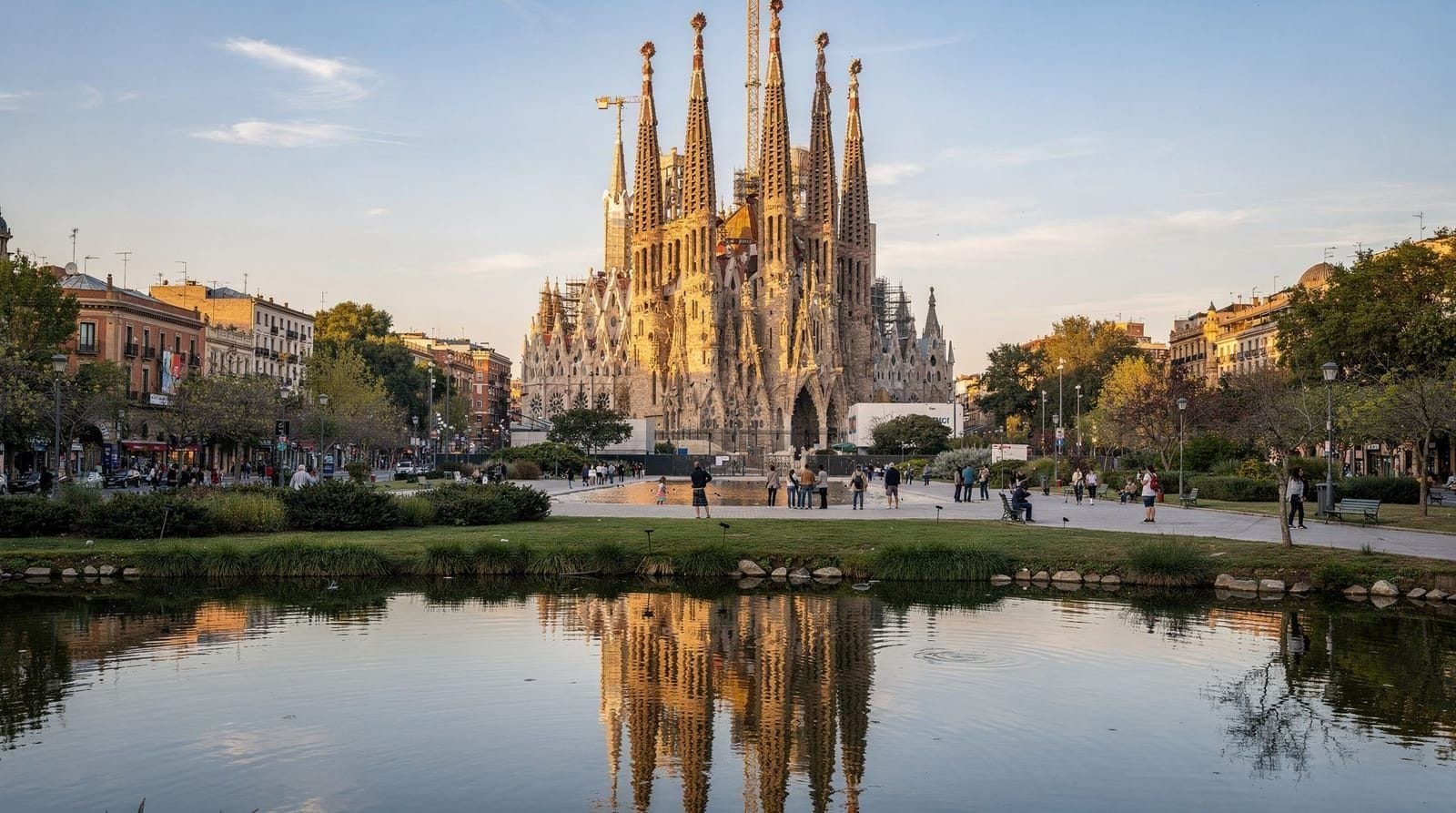
Barcelona: Sagrada Família skip-the-line ticket with audio guide
- Free cancellation
- Instant confirmation
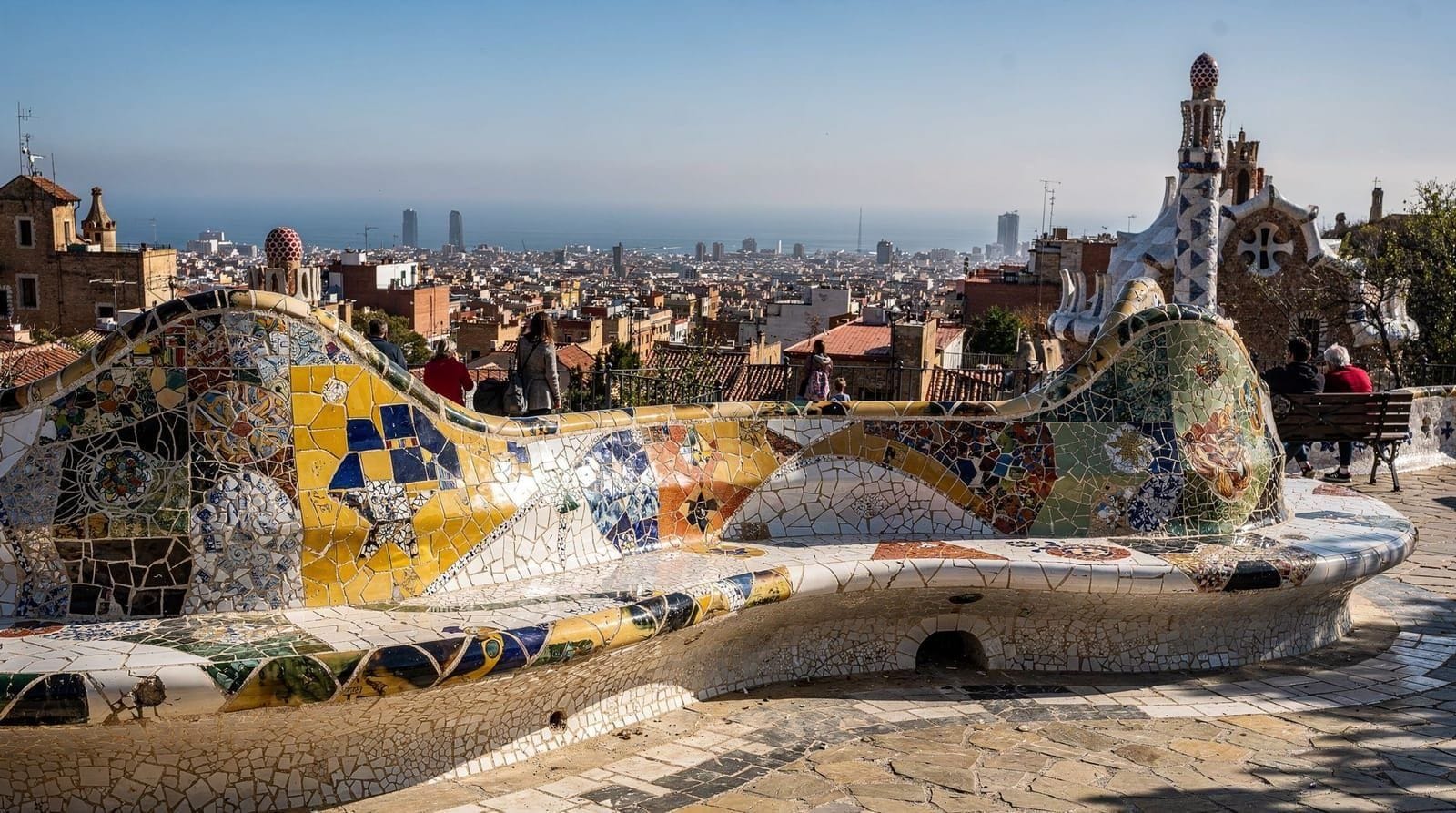
Barcelona: Park Güell guided tour with fast-track ticket
- Free cancellation
- Small group
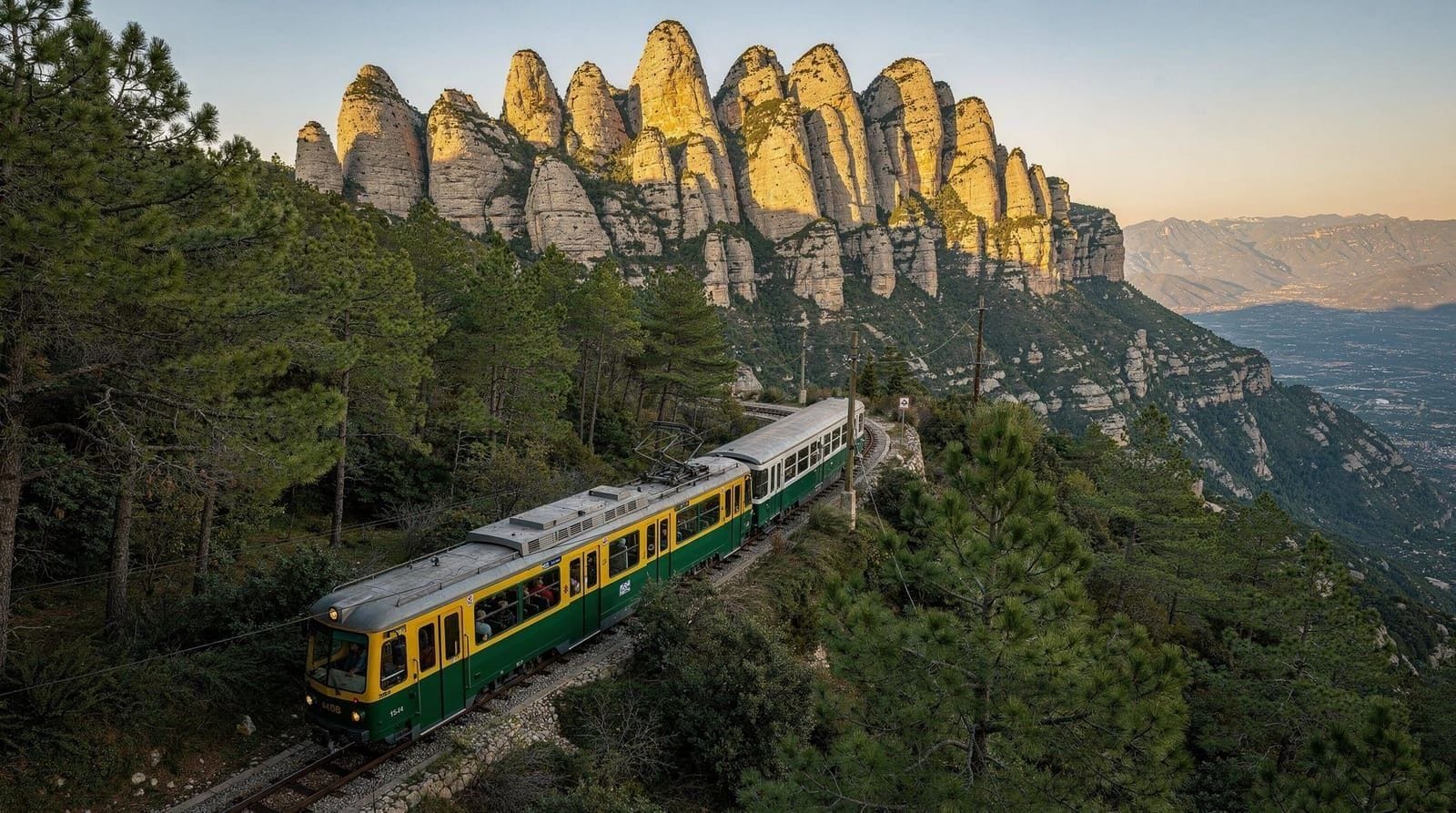
Barcelona: Montserrat monastery and natural park day trip
- Free cancellation
- Hotel pickup
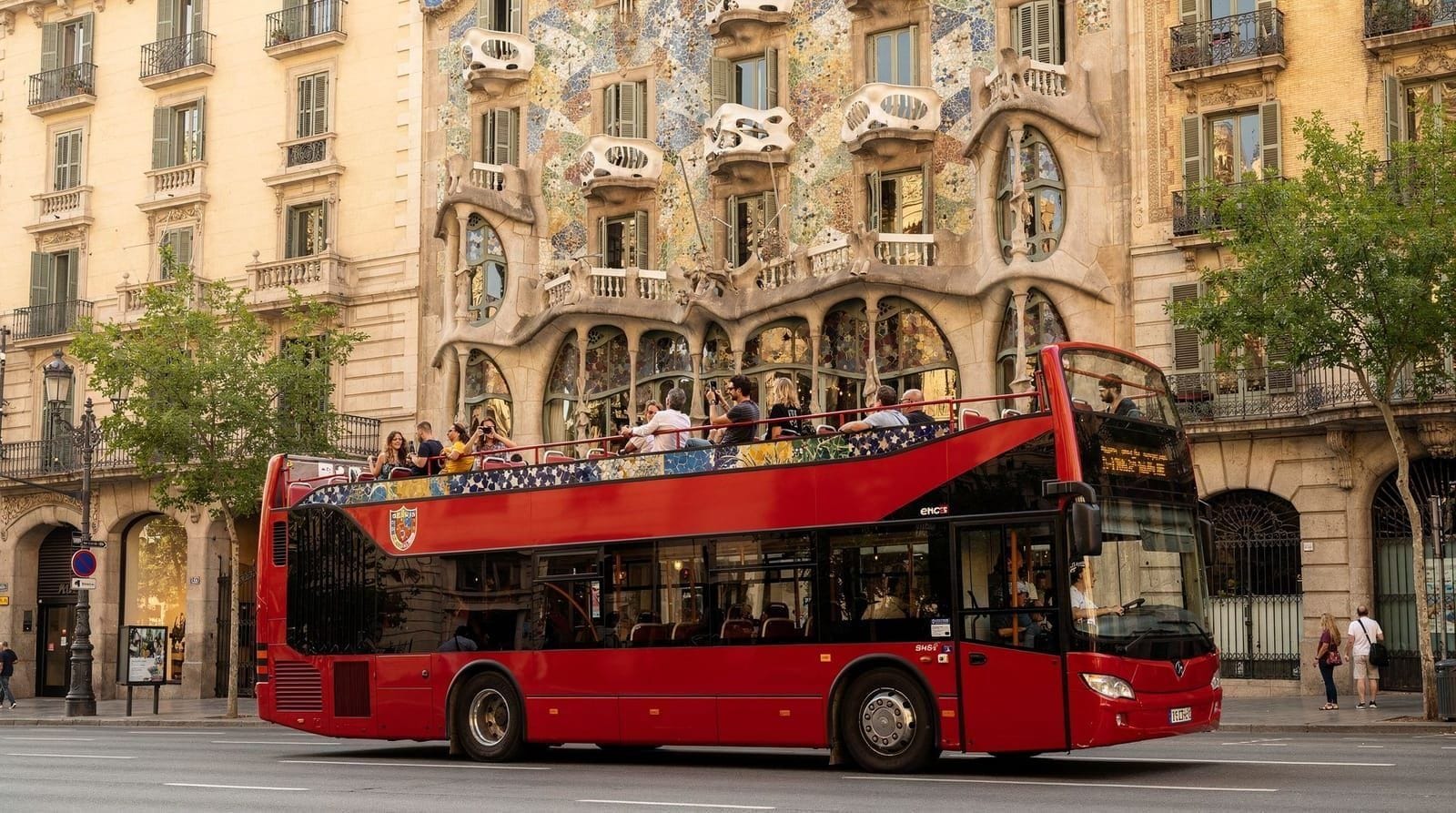
Barcelona: City Sightseeing hop-on hop-off bus 1 or 2-day ticket
- Free cancellation