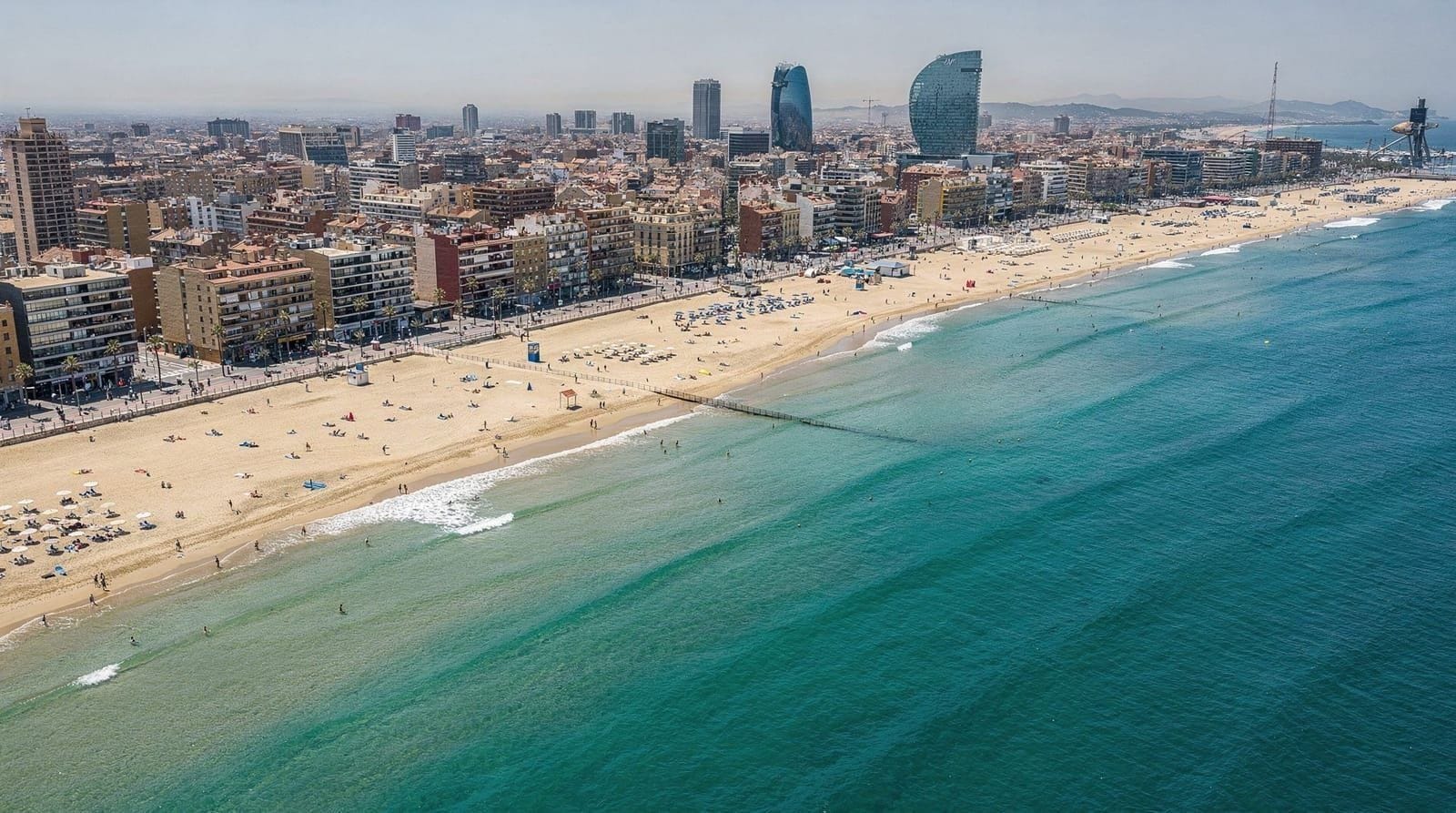
Costa Brava boat trips from Barcelona: coastal coves by sea
Barcelona: Costa Brava boat ride and Tossa de Mar visit
Duration: 9 hours
- Free cancellation
- Hotel pickup
How do I do a Costa Brava boat trip from Barcelona?
Most Costa Brava boat trips operate as full-day guided tours from Barcelona — coach to the coast (1–1.5 hours), then a boat excursion along the cliffs and coves. Prices run €65–80 per person. Independent access to the best coves requires a car or a boat, as road access is limited.
The Costa Brava (Rough Coast) takes its name from the limestone cliffs that drop into the Mediterranean between Blanes and the French border — 214 kilometres of headlands, coves, sea caves and pebble beaches that no road can fully follow. The most dramatic sections of the coast are only accessible by boat: sea caves wide enough to navigate, turquoise coves between cliff faces, the silhouette of medieval towers on a promontory above the water.
This is why boat trips are the defining Costa Brava experience. From the water, you see the coast as it looks — raw limestone cliffs, pine crowns at the edges, water colour shifting from pale aquamarine to deep blue — without the hotel strips or car parks that interrupt the view from land.
| Where | Tossa de Mar, 100km / around 1h15 from Barcelona |
| Cost | Around €65–80/person guided from Barcelona; €15–25 independent from Tossa |
| Time needed | Full day from Barcelona; half day independently from Tossa |
| Best time | June or September for fewer crowds, reliable warmth |
| Booking | 48–72 hours ahead, more in July–August |
Understanding the Costa Brava sections
The Costa Brava divides roughly into three sections with different characters:
Southern Costa Brava (Blanes to Platja d’Aro): Most accessible from Barcelona. Lloret de Mar dominates here — a major resort with a large beach but package-holiday character. Tossa de Mar, 15 km further north, is the exception: intact medieval walls, a fishing village scale, and the most famous silhouette on the coast.
Central Costa Brava (Palamós to Begur): The finest coves. Aiguafreda, Sa Riera, Tamariu, Aiguablava — these are the postcard photographs. Car or boat access only for most. Begur village (on the hilltop) is surrounded by 10 different coves within a 5-km radius. This section requires an overnight stay or a car to enjoy properly.
Northern Costa Brava (Cap de Creus to France): Cadaqués and Cap de Creus. The landscape becomes more austere — grey schist rather than limestone, wind-twisted olive trees, violent tramuntana light. Cadaqués is exceptionally beautiful and completely unsuited to a Barcelona day trip (2h30+ each way by car or bus with a change at Figueres).
Costa Brava boat trips: what’s available
From Barcelona by guided tour (most popular option)
Full-day tours depart from central Barcelona by coach (approximately 1–1.5 hours to the coast), transfer to a small boat or catamaran, and spend 2–4 hours exploring coves and sea caves before returning. Most include Tossa de Mar as a base, with 1–2 hours to explore the medieval town before or after the boat section.
Typical format:
- Depart Barcelona 08:00–08:30
- Arrive Tossa de Mar 09:30–10:00
- Boat excursion along the coast: 10:30–13:00
- Lunch and free time in Tossa
- Return to Barcelona: 18:30–19:00
Price: €65–80 per person. Hotel pickup is usually included or available as an add-on.
Variants include snorkelling tours (equipment provided), Costa Brava boat + Girona combinations, and private charter options.
For a route that pairs the boat excursion with a coastal walk along the headlands:
From Tossa de Mar independently
In summer (June–September), small excursion boats depart from the main beach at Tossa de Mar for coastal excursions. Routes go north along the coast as far as Lloret, south past Sant Feliu de Guíxols, and into sea caves near the headland.
Getting to Tossa independently:
- Bus from Barcelona’s Estació del Nord (SARFA operator): approximately 2 hours. Buses run 3–4 times daily in summer.
- Train to Girona (37–40 min by AVE) + SARFA bus from Girona bus station to Tossa (45 min). This is faster than the direct Barcelona–Tossa bus if you time the connections well.
Cost of independent coastal boat from Tossa: €15–25 per person for a 1–2 hour excursion, depending on route length.
What to see from the water
Tossa de Mar’s Vila Vella: The medieval walled headland of Tossa — 12th-century towers and crenellated walls on a rocky promontory — is vastly more impressive seen from the water than from land. Most boats circle the headland at close range.
Sea caves near Cap Roig: Between Tossa and Sant Feliu, a series of sea caves of varying size. The largest are wide enough for a small boat to enter; the play of light in shallow sea caves is a genuine spectacle.
Coves: Small pebble coves inaccessible from land — accessible only by boat. The sea floor is visible in 8–10 metres of water; snorkelling in these conditions is excellent.
Seabirds and wildlife: The rocky headlands between coves host nesting seabirds. Dolphins are occasionally seen on crossings in calm conditions, though are not reliably predictable.
Planning your Costa Brava boat trip
Book in advance
Summer departures (July–August) fill fast, particularly for the small-group options from Barcelona. Book at least 72 hours ahead. June and September are less pressured but worth booking 48 hours ahead.
Weather dependency
Boat trips are weather-dependent. The tramuntana (north wind) can create rough seas on the northern Costa Brava even on otherwise sunny days. Most operators have a cancellation policy for sea conditions — check before booking and confirm cancellation terms.
What to bring
- Swimsuit and towel (most boats have a swimming stop)
- Sunscreen (high SPF — sea reflection amplifies sun intensity significantly)
- Motion sickness tablets if you are susceptible (coastline navigation can involve choppier sections)
- Small dry bag for phone and valuables on the boat
- Cash for lunch in Tossa (card acceptance in smaller restaurants is inconsistent)
Combining with Girona
The most efficient combination is Girona in the morning and Tossa de Mar / Costa Brava boat in the afternoon. Several operators run this combination as a single day tour (~€75–80). Alternatively, take the AVE to Girona (37 min), explore the medieval city for 2–3 hours, then take the bus to Tossa for the boat excursion and return to Barcelona in the evening. This requires good timing but works well in summer when days are long.
The marine environment
Posidonia meadows and why they matter
The underwater landscape of the Costa Brava is shaped by posidonia oceanica — the endemic Mediterranean seagrass that forms dense meadows across the seafloor in depths of 1 to 35 metres. These meadows are among the most productive marine ecosystems on earth: they produce oxygen, filter the water, trap sediment, and provide nursery habitat for nearly every species of fish found in the Mediterranean. The exceptional water clarity in the sheltered coves of the Costa Brava is largely a result of posidonia filtering.
Posidonia is highly sensitive to disturbance — anchoring, boat propellers, and excess nutrients from development all damage the meadows. Protected marine areas along the Costa Brava, including sections of the coastline near Cap de Creus and the Medes Islands, maintain restrictions on anchoring to preserve the seagrass beds. The Medes Islands (off L’Estartit, northern Costa Brava) are a UNESCO-recognised marine reserve with posidonia meadows in near-pristine condition, some of the densest in the western Mediterranean.
Endemic species and what you will see snorkelling
The rocky coves between Tossa de Mar and Cadaqués offer some of the most accessible snorkelling in the Mediterranean for casual visitors. Water visibility in calm conditions is typically 10–20 metres over the rocky seafloor. Species commonly visible:
- Gilt-head bream (orada): The signature Mediterranean fish, silver with a gold forehead bar, found in schools near posidonia meadows.
- Ornate wrasse: Brilliantly coloured — green, orange and blue — and abundant in rocky areas.
- Damselfish and blennies: Small, territorial fish in the rocks. The damselfish (Chromis chromis) forms dense schools over shallow rocky ground.
- Octopus: Frequently visible in rocky crevices, often identified by the pile of shells left at the den entrance.
- Scorpionfish: Cryptic and camouflaged on rocky seafloor; visually extraordinary but do not touch — the dorsal spines are venomous.
The coral caves mentioned in boat trip descriptions are typically low-arching overhangs colonised by red coral (Corallium rubrum), yellow sea fans, and sponges. Red coral collection is illegal throughout the Marine Protected Areas; it has been heavily over-harvested historically and protection has allowed slow recovery.
Snorkelling conditions at different coves
Best for beginners: The sheltered coves directly below Tossa de Mar (Cala dels Codolar, accessible on foot from the Vila Vella) have calm water, rocky edges, and immediate underwater interest. Depth: 1–4 metres close in, deepening gently.
Best visibility: The coves accessible only by boat between Tossa and Sant Feliu — particularly the north-facing coves that receive no direct afternoon sun — have the clearest water. The absence of beach access means lower human activity and less sediment disturbance.
Worst for snorkelling: Main sandy beaches (Tossa de Mar’s Platja Gran in mid-summer) have reduced visibility due to sunscreen, swimmer activity, and sediment in the water column. Go to a rocky cove instead.
Water temperature: June: 19–21°C (cold without a wetsuit for extended immersion). July–August: 23–25°C (comfortable without equipment). September: 24–26°C (warmest month; peak conditions for snorkelling).
| Month | Water temp | Crowds | Notes |
|---|---|---|---|
| May | 17–19°C | Low | Boats resuming full schedule; wetsuit useful |
| June | 19–21°C | Moderate | Good balance of warmth and quieter coves |
| July–Aug | 23–25°C | Peak | Book well ahead; busiest boats and beaches |
| September | 24–26°C | Moderate–low | Warmest water, fewer crowds; the sweet spot |
| October | 21–23°C | Low | Some operators wind down; check schedules |
A day from Barcelona without a car
For visitors without a rental car, the guided full-day tour is usually the simplest way to see the Costa Brava coves properly, since independent access to the finest stretches — around Begur and Palamós — really does depend on either a car or a boat. If you would rather build your own day, the AVE-to-Girona-then-bus route described above works, and it’s worth reading the Girona and Costa Brava day trip guide in full before attempting it independently, since the bus connections from Girona to Tossa need reasonable timing to avoid long waits.
Beyond Tossa: Costa Brava boat trips further north
For visitors who have a car or are staying on the Costa Brava for more than a day, the boat trip options from ports further north offer different landscapes and more remote coves than the Tossa de Mar circuit.
From Sant Feliu de Guíxols
Sant Feliu de Guíxols (55 km from Tossa de Mar, 30 minutes by car along the coast road) is a small working port town with a medieval Benedictine monastery and a boat excursion industry operating from the fishing harbour. The coastline north of Sant Feliu — between the town and Palamós — passes some of the finest cove beaches on the southern Costa Brava: Cala de Sant Antoni, Cala del Pi, and the narrow coves around Cap Roig.
Boat excursions from Sant Feliu typically cover the coastline north to Platja de Sant Pol and the gardens of Cap Roig (a botanical garden on the headland above the sea, also the site of one of Spain’s most prestigious summer music festivals). Duration: 2–3 hours for a round trip with cove stops.
From Palamós
Palamós is a fishing port of real significance — the Palamós red prawn (gamba de Palamós) is among the most expensive and sought-after shellfish in Spain, landed here daily and served across Catalonia. The fish auction at the Palamós port (7 days a week in season, open to public observation) is worth 30 minutes if you are there in the late afternoon.
Boat excursions from Palamós cover the central Costa Brava coves: Cala Margarida, Cala Fosca, and the beaches around Begur (Aiguafreda, Sa Riera, Aiguablava). These are the finest coves on the Costa Brava in terms of water clarity and landscape quality — turquoise water over pale pebble, pine-crowned limestone headlands, minimal development. The best of them are inaccessible by road and only reachable by boat or on foot (20–40 minute trails from Begur village).
From Cadaqués
Cadaqués requires a committed journey — 175 km from Barcelona, 2.5 hours by car, with the final section over the mountain pass of Coll de Perafita. The effort is consistently described by those who make it as one of the best travel decisions of a Spain trip.
The boat excursions from Cadaqués focus on the Cap de Creus peninsula — the easternmost point of the Iberian Peninsula, a Marine Nature Reserve, and a landscape of extraordinary austere beauty: grey schist cliffs, wind-shaped olive trees, completely transparent water over bare rock. The light in Cap de Creus is particular — the tramuntana wind off the Pyrenees gives it a clarity and sharpness that Salvador Dalí painted obsessively from his studio at Port Lligat (the Dalí house is open to visitors; book well ahead).
Boat excursions from Cadaqués cover the coves east of the village toward the Cap: Cala Fredosa, Culleró, Cala Jugadora. These are wilderness coves with no services and no shade — the boat is the only means of access for most of them.
What to know before booking from Cadaqués
Given the travel time involved, a Cadaqués boat trip is realistically a two- or three-day-trip commitment rather than a Barcelona day excursion — staying overnight in the village makes far better use of the journey than a rushed there-and-back. Boats from Cadaqués run less frequently than from Tossa de Mar, so check schedules with the harbour operators directly rather than assuming departures throughout the day. Cap de Creus’s exposed position also makes it more weather-sensitive than the southern Costa Brava; the tramuntana wind that gives the peninsula its dramatic light can also cancel excursions with little notice, so build a flexible day around it if this is part of your plan.
The Costa Brava is the most visually spectacular section of the Barcelona region — and the coastline reveals itself fully only from the water. See our Girona and Costa Brava day trip guide for the land-based version, or compare all excursion options in our best day trips guide.
Frequently asked questions about Costa Brava boat trips from Barcelona
Can I do a Costa Brava boat trip independently without a tour?
From Tossa de Mar yes — local boats depart regularly in summer from the beach for excursions along the coast. Getting to Tossa independently requires a bus from Girona (45 minutes) or a bus from Barcelona's Estació del Nord (2 hours). For the more remote coves around Begur or Aiguablava, a tour or car is much more practical.What will I see on a Costa Brava boat trip?
The primary attraction is the coastline itself — limestone cliffs, sea caves (covetes), crystal-clear water in turquoise coves, pine forests reaching the cliff edge. Many tours pass the medieval walls of Tossa de Mar's Vila Vella, visible from the water with exceptional impact. Snorkelling stops are common.When is the best time for Costa Brava boat trips?
May–October for boat operation. July–August sees peak crowds and higher prices. June and September are the sweet spots: warm water, fewer boats on the coast, and still reliably sunny. The tramuntana north wind can make seas rough in spring — check conditions before booking.Is Tossa de Mar the best base for the Costa Brava?
For a day trip from Barcelona, yes. It is the most accessible Costa Brava town with significant medieval character and a good beach. Cadaqués has more artistic heritage but requires much more travel time. Begur and Palafrugell are better suited to multi-day stays with a car.How far is the Costa Brava from Barcelona?
Tossa de Mar is 100 km from Barcelona (1h15 by bus direct, or train to Girona then bus). Cadaqués is 175 km (2h30+ by car). Begur is 130 km (2h by car). The Costa Brava begins at Blanes, 60 km from Barcelona.
Top experiences
Bookable activities with verified prices and instant confirmation on GetYourGuide.
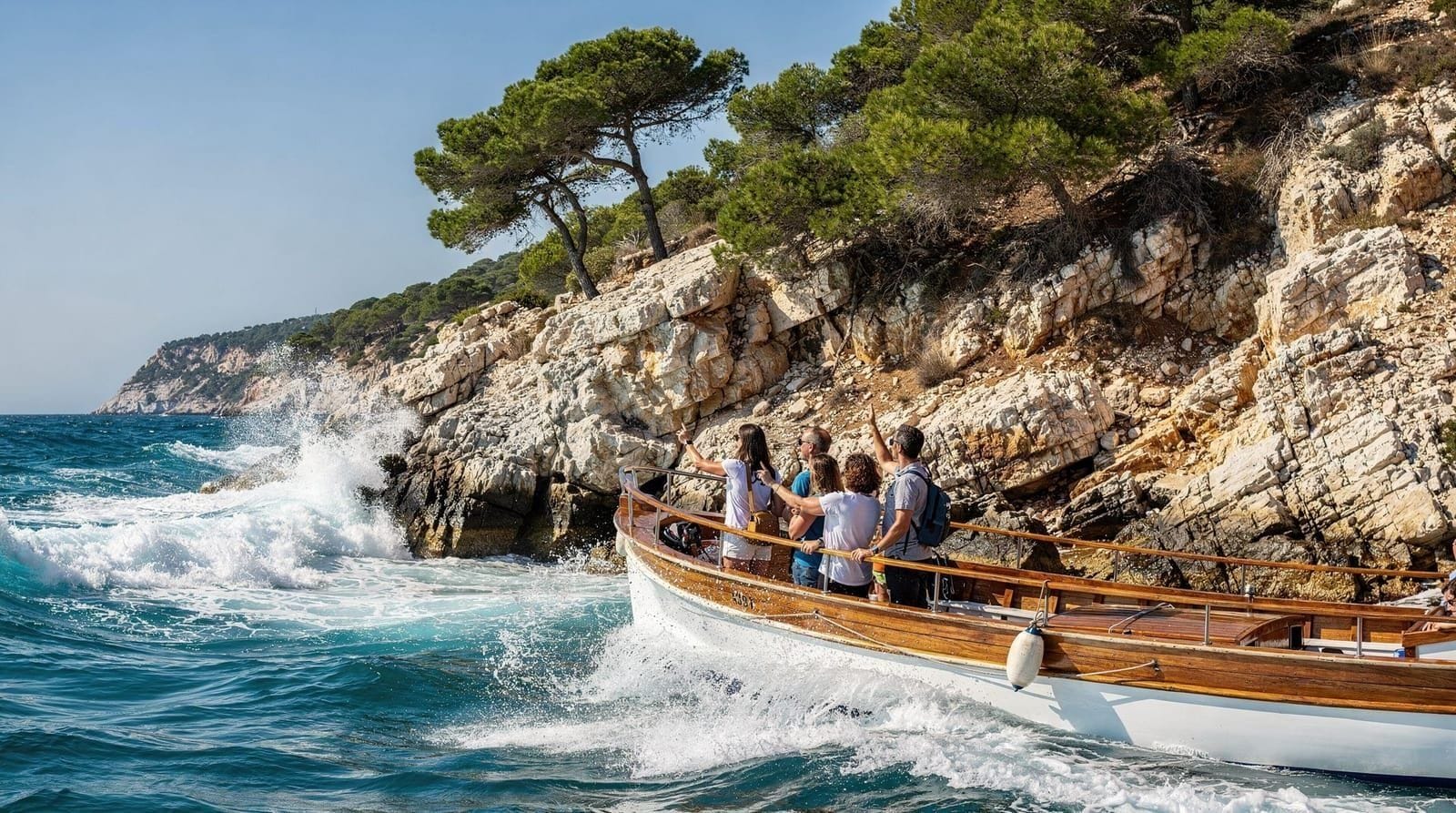
Barcelona: Tossa de Mar coastal path & Costa Brava boat trip
- Free cancellation
- Small group
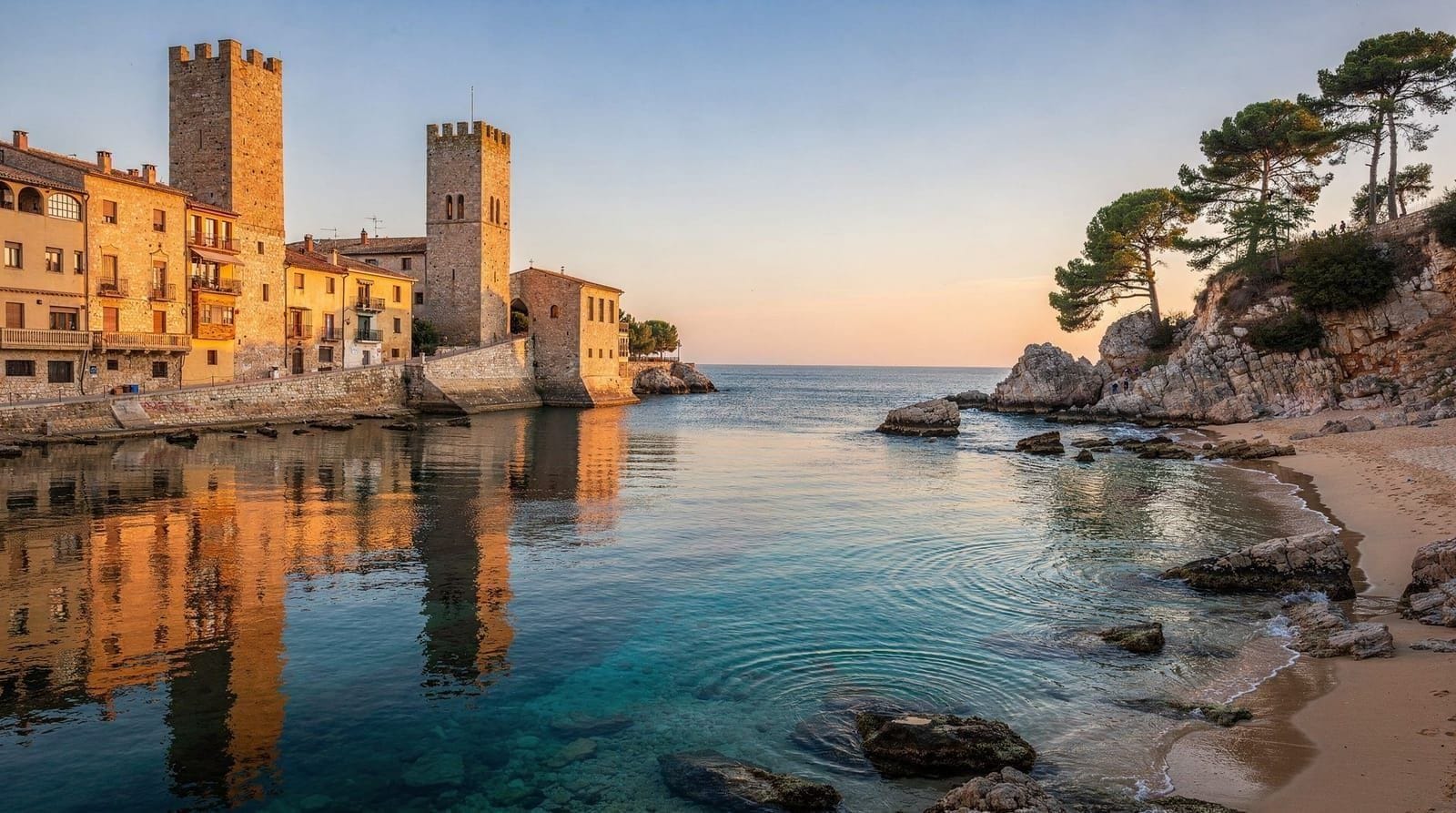
From Barcelona: Costa Brava and Girona small-group tour
- Free cancellation
- Small group
- Hotel pickup
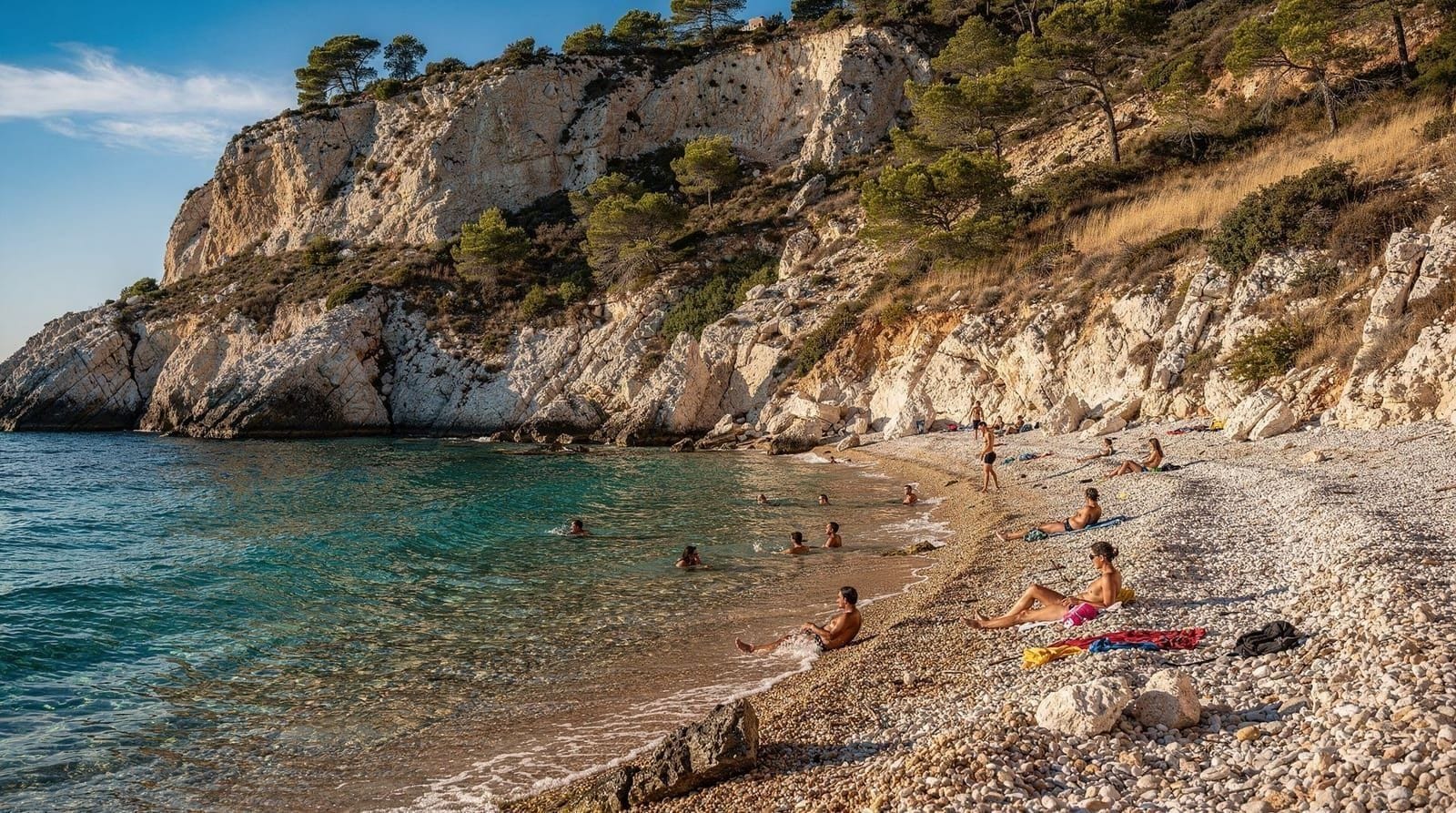
From Barcelona: Costa Brava day tour with boat trip
- Free cancellation
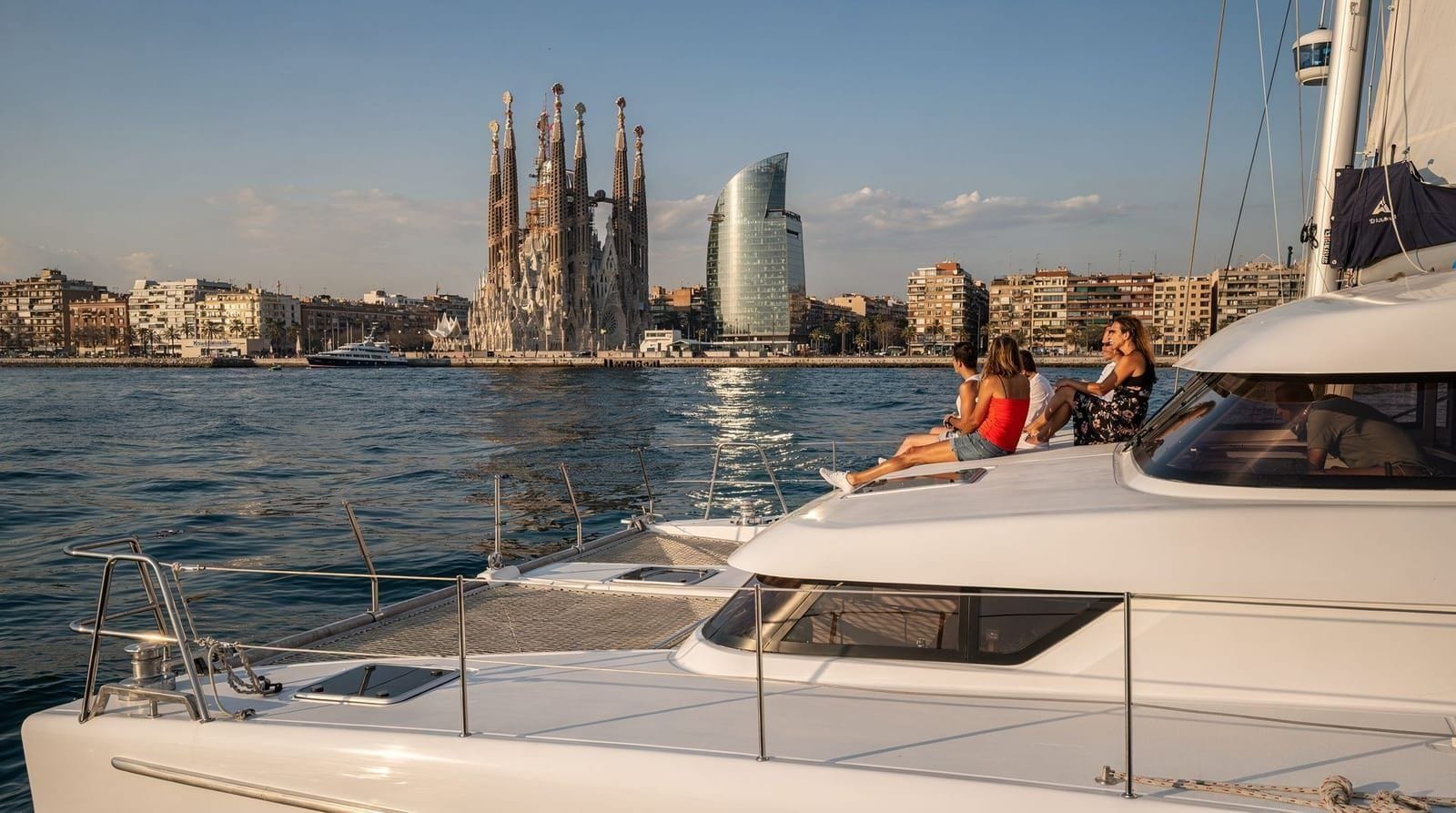
Barcelona: private catamaran sailing with drinks and snacks
- Free cancellation
- Private