Barcelona on a budget: real costs and how to keep them low
Barcelona: Hola Barcelona public transport travel card
Duration: 48-120 hours
- Instant confirmation
How much does a day in Barcelona cost?
Budget travellers can manage €70–90 per day. A mid-range trip runs €120–180. Comfortable travel with good hotels and paid attractions is €250 or more. Accommodation is the biggest variable.
Barcelona is not a cheap city by Mediterranean standards, but it is significantly cheaper than London or Paris, and strategic choices compress costs substantially. Here is the honest picture, by budget tier and category.
| Cheapest day | Around €70–90/day (hostel, menú del día, free sights) |
| Biggest lever | Accommodation, not food |
| Best transport buy | T-Casual (€13/10 trips) unless flying into El Prat, then Hola Barcelona |
| Best free days | First Sunday of the month, plus Thu evening at the Picasso Museum |
| Book ahead for | Sagrada Família — dynamic pricing rises closer to the date |
Daily budget reality check
These are real daily totals including accommodation, food, transport and one or two paid attractions — not aspirational figures.
Budget (€70–90/day): Hostel dormitory or budget double (€30–50/night). Two menú del día lunches (€12–15 each), evening pintxos at Carrer de Blai (€15). T-Casual metro card (€1.30/trip amortised). Free attractions only, or one paid museum on a free-entry day.
Mid-range (€120–180/day): Decent 3-star hotel in Eixample or El Born (€80–120/night). Menú del día lunches, proper sit-down dinner (€25–35). Two paid attractions per day at average €20–25 each. Metro plus occasional taxi.
Comfortable (€250+/day): Good 4-star or boutique hotel (€150–250/night). Restaurants of your choosing including seafood and wine. All attractions paid including tower access at Sagrada Família. Private transfers where convenient.
Accommodation is the dominant variable. The difference between a hostel and a mid-range hotel is €50–80/night — equivalent to two paid attractions. If budget is the primary concern, reduce accommodation quality first, not food.
Transport: the right card for your trip
The T-Casual (€13 for 10 trips, Zone 1) works for metro, buses, trams, and Rodalies within the city. For most 3–4 day trips, 10 trips covers airport-to-hotel plus all in-city travel if you are staying centrally and walking most things.
The Hola Barcelona card (€18.70 for 48 hours, €27.30 for 72 hours, €35.60 for 96 hours) includes airport metro L9, which the T-Casual does not cover. If you are arriving and departing by metro from El Prat, this card is worth calculating: two airport metro trips alone cost €11.40.
The Rodalies R2 Nord train from Terminal 2 is the cheapest airport connection at €4.90 each way — cheaper than the Aerobus (€7.75) and usable with a T-Casual Zone 2 card (€25.50). The catch: it only departs from Terminal 2, and T1 passengers need a free shuttle bus connection adding 15–20 minutes.
The Barcelona Card (€59 for 5 days) is the tourist-facing pass that sounds good but performs poorly for most itineraries. It does not include Sagrada Família entry, Park Güell, or Casa Batlló — the three things most visitors actually spend money on. The transport element competes with the T-Casual which is cheaper if you are not making 7+ trips per day.
The Articket (€38) genuinely saves money for art-focused visitors: it covers the Picasso Museum, Fundació Joan Miró, MNAC, MACBA, Fundació Antoni Tàpies, and Museu Nacional — with skip-the-line access. Individual tickets average €14 each, so visiting four or more puts you ahead. See the transport pass comparison for a fuller breakdown of every card against every itinerary shape.
If you would rather bundle transport with museum access in one purchase, compare that against the Barcelona Card worth it breakdown before buying — it is not the right choice for most budget trips, for the reasons above.
Cheap day trips: Sitges on a Zone 2 T-Casual
Budget visitors often overlook that the T-Casual card comes in Zone 2 and Zone 3 variants that cover destinations well beyond the city. The Zone 2 T-Casual (€25.50 for 10 trips) covers Sitges on the Rodalies R2 Sud line — the small coastal town 35 km south of Barcelona, reachable in 35–40 minutes from Passeig de Gràcia station.
Sitges has a long beach, a pedestrian historic centre, and a genuinely different atmosphere from Barcelona. On a Zone 2 T-Casual, the Sitges day trip costs the same as any city metro journey (€2.55/trip). Compare this to the Aerobus return (€14.80) or a Montserrat all-in-one (€30+). For budget visitors wanting a beach day without Barceloneta’s tourist density, Sitges on the Rodalies is the best per-value excursion available.
Practical detail: Rodalies from Passeig de Gràcia, platforms 1 and 2 (underground). R2 Sud line direction Vilanova i la Geltrú. Journey time to Sitges: 35–40 minutes. Trains run every 30 minutes in peak hours, hourly in off-peak. The Zone 2 T-Casual is available from any metro ticket machine.
Budget accommodation by neighbourhood
Where you stay affects both your daily costs and your transport requirements. Here is the honest picture by area.
Hostels in the Gothic Quarter and El Raval: The highest concentration of budget hostel beds in the city. Dormitory beds run €20–35/night in shoulder season, €40–55 in July–August. Private double rooms in the same hostels: €60–90. The Gothic Quarter location is extremely central — walking distance to everything in the old city — but the narrow streets mean noise until 02:00 or later on weekends. El Raval hostels are slightly cheaper and quieter; the neighbourhood is safe in the central and upper sections but warrants more awareness in the lower section near the port after midnight.
Budget hotels in the Eixample: The Eixample has a surprisingly good supply of 2-star hotels and pensions (family-run guesthouses) in the €50–80/night range outside peak season. The neighbourhood is quieter than the Gothic Quarter at night, the streets are wider, and the location is convenient for Passeig de Gràcia and Sagrada Família. Look in the streets between Gran Via de les Corts Catalanes and Avinguda Diagonal, west of Passeig de Gràcia.
Apartments and short-stay rentals: For stays of four nights or more, apartments typically offer better per-night value than hotels at equivalent price points, and the self-catering kitchen meaningfully reduces food costs. A basic apartment in Gràcia or Poble-sec for four nights can run €60–90/night total (split between two people: €30–45 each), while providing a kitchen for breakfast and occasional dinner. This model reduces the daily food budget by €20–30 if you use the kitchen for one meal per day.
Gràcia as a budget base: Gràcia is often overlooked by first-time visitors who prioritise proximity to the Gothic Quarter. In practice, Gràcia is a single metro stop from the Diagonal or Fontana stations, 10–12 minutes by metro from both the Sagrada Família and the Gothic Quarter area. Hotel and apartment prices in Gràcia run 15–25% below equivalent-quality accommodation in the Eixample. For a 4–5 day trip where the itinerary spreads across the city anyway, Gràcia is undervalued as a budget base.
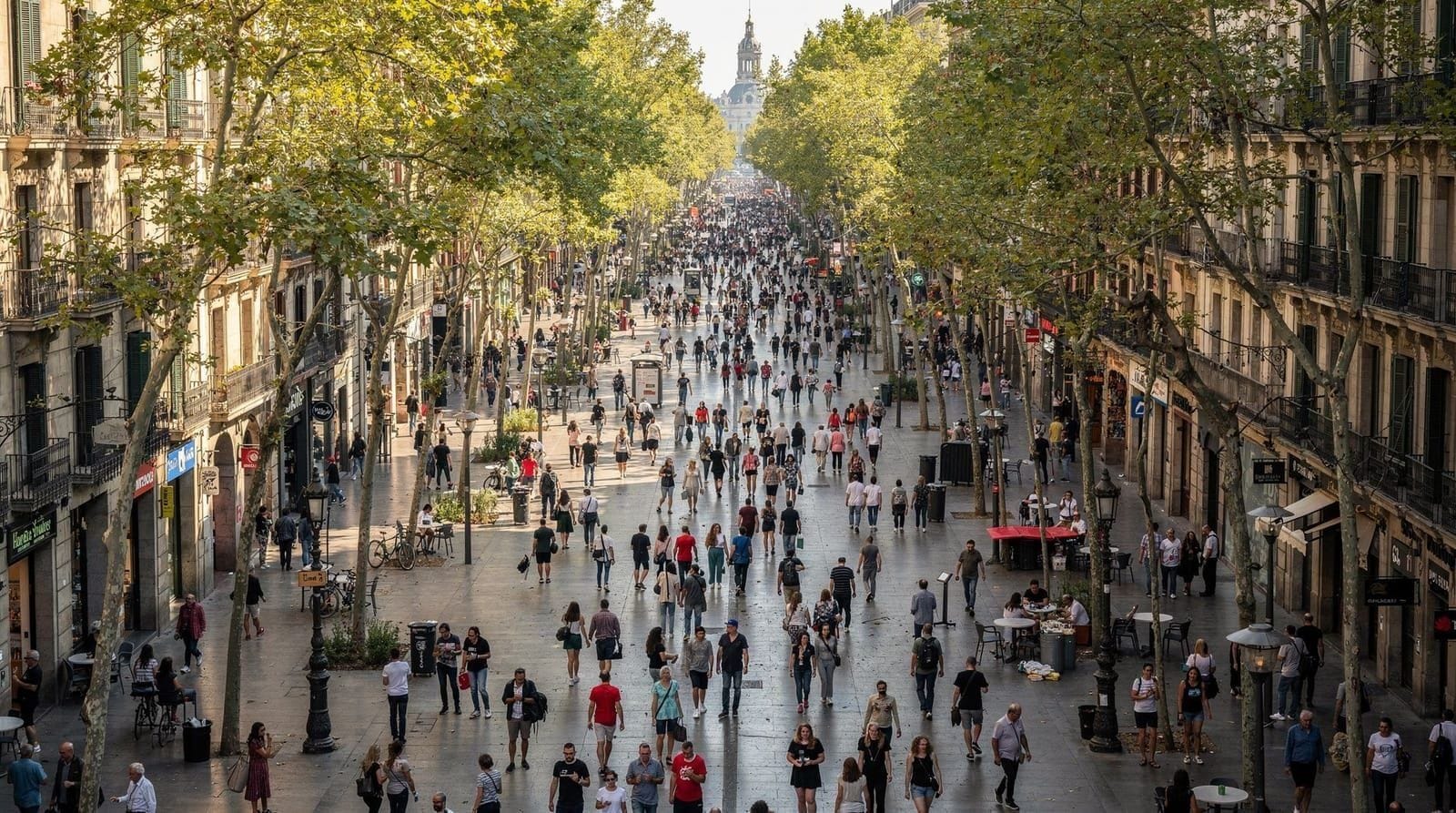
What to avoid at budget price points: La Rambla-adjacent hotels charge a location premium for noise, small rooms, and security risks. Barceloneta hotels command beach proximity pricing that does not reflect quality. Both areas offer poor value in the budget tier.
Free cultural events calendar
Beyond the permanent free attractions, Barcelona has a calendar of free cultural events that budget travellers should build around.
Sardana dancing — every Sunday from approximately 12:00 in front of the Cathedral de Barcelona. The sardana is the traditional Catalan circle dance: participants join a circle, hold hands at shoulder height, and follow a complex stepping pattern to live music from a cobla (a small brass and woodwind ensemble). It is free, open to participation if you want to join, and one of the few regular cultural events in the city’s tourist zone that is entirely local.
La Mercè festival (23–27 September) — the patron-saint festival offers five days of free content: outdoor concerts on multiple stages across the city, castellers at the Ajuntament, correfoc (fire run with public participation), and gegants (giant puppet processions). The programme is published on the ajuntament website a month in advance. There is no wristband, no ticket, no cost.
Festa Major de Gràcia (14–20 August) — street decoration festival in the Gràcia neighbourhood with outdoor concerts and free entry to all streets. The evening hours are the most atmospheric; the neighbourhood bars set up outdoor seating.
Sant Joan bonfire night (23 June) — the night before the feast of Saint John is a city-wide outdoor celebration with bonfires on Barceloneta beach, fireworks from private balconies, and spontaneous street parties. Free, chaotic, and one of the most genuinely local evenings in the calendar.
Font Màgica light show (May–October, Thursday–Sunday) — the Magic Fountain on Montjuïc runs a free music and light show at 20:30–21:30. No ticket, no booking. Arrive 20–30 minutes early for a good viewing position.
Museum free-entry days:
- Picasso Museum: first Sunday of each month (all day); Thursday 16:00–19:00 (October–April)
- MNAC: first Sunday of each month
- MACBA: free on some Saturdays after 15:00 (confirm current schedule on macba.cat)
- Cathedral of Barcelona: free 08:30–12:30 and 17:30–19:30 daily
Supermarket options for self-catering
Self-catering for breakfast and occasional meals is the highest-impact single budget move available in Barcelona, but the options vary significantly by neighbourhood.
Mercadona is the dominant Spanish supermarket chain with multiple Barcelona locations. Well-stocked, reliably cheap, good fresh produce and deli counters. Branches in the Eixample (Carrer de Muntaner, Carrer de Consell de Cent) and Gràcia (Carrer de Còrsega). Open typically 09:00–22:00.
Lidl operates several stores within the city, mostly in less central areas (Raval, Poblenou). Prices are the lowest available — useful for buying packaged goods, coffee, yoghurt, and shelf staples at German discount prices. Not convenient for a daily fresh-produce shop from a central tourist location.
Consum is a Valencian cooperative supermarket with several central Barcelona locations including in the Gothic Quarter and Eixample. Slightly smaller than Mercadona, good quality, reliable hours.
Bon Preu/Esclat — mid-market Catalan chain with good produce and a strong fresh food section. Located in the Gràcia area and Eixample.
For a budget visitor self-catering breakfast (coffee, bread, fruit, yoghurt): approximately €3–5 per person per day, versus €5–9 at the cheapest café. Over a five-day trip for two people, that saves €20–40 total — meaningful but not transformative. The bigger saving is in having a kitchen for one evening meal per week, particularly for wine at supermarket prices (€4–7 for a decent Catalan bottle) versus restaurant mark-up.
Budget museum strategy
The free museum entry schedule and the Articket require some strategy to use efficiently.
The first-Sunday strategy: If your trip includes the first Sunday of any month, plan that day around free museum access. Picasso Museum and MNAC are both free. The cost saving: €15 (Picasso) + €12 (MNAC) = €27 per person. On a 3-day budget trip, that is a substantial shift. The downside: first Sunday is one of the busier days at both museums. Arrive at opening time (10:00 for both) to minimise queuing.
Thursday evening at the Picasso Museum: 16:00–19:00 on Thursdays from October to April, the Picasso Museum is free. This is less known than the Sunday free day and therefore less crowded. Evening light in the Montcada street area is also pleasant.
The Articket calculation: €38 covers the Picasso Museum, Fundació Joan Miró, MNAC, MACBA, Fundació Antoni Tàpies, and Museu Nacional — six museums with skip-the-line access. Individual tickets are approximately €14 each. If you will visit four or more of the six, the Articket saves money. For a four-day trip with genuine art interest, this is often the right purchase.
What to skip on a budget: Casa Batlló has dynamic pricing from €29 and can exceed €50 — the highest per-visit cost in Barcelona relative to time inside. If budget is the primary concern, the exterior is free and extraordinary; the Manzana de la Discordia facades (all three within one block on Passeig de Gràcia) are impressive from the street without any ticket. La Pedrera from €25 is better value than Casa Batlló at comparable price points if forced to choose one.
Free attractions worth building time around
Park Güell — the majority of the park is entirely free: the forested paths, the viaducts, the gingerbread gatehouses, the portico columns, and the terraces with city views. Only the central Monumental Zone (the famous mosaic terrace and Hypostyle Room) requires the €13 timed ticket. Many visitors arrive expecting the whole park to require payment and are pleasantly surprised. Full explanation at Park Güell free vs paid.
Picasso Museum — free first Sunday of the month and Thursday evenings 16:00–19:00 from October to April (general admission otherwise €15). On free evenings the queues are long; book timed entry online even for the free slots.
MNAC — free first Sunday of the month. The Romanesque art collection alone is worth a visit.
Cathedral of Barcelona — free entry 08:30–12:30 and 17:30–19:30. The Gothic cloisters with their resident geese are one of the city’s more charming free experiences.
Bunkers del Carmel — anti-aircraft bunkers on a hilltop in the Carmel neighbourhood with arguably the best 360-degree panoramic view in the city. No entrance fee. Bus 119 or a 30-minute walk up from Gràcia. Avoid sunset when it gets crowded; midday is fine.
Barceloneta beach — four kilometres of free city beach. Bring your own food.
Font Màgica — the Magic Fountain on Montjuïc runs a free light and music show Thursday–Sunday evenings at 20:30–21:30 from May through October. Crowds gather 20 minutes before; arrive 30 minutes early for a decent spot.
Sardana dancing — the traditional Catalan circle dance takes place in front of the Cathedral most Sunday mornings. Free, genuinely local, and almost entirely unknown to tourists.
Where to eat on a budget
The menú del día is the best value meal in Barcelona. Almost every neighbourhood restaurant offers it at lunch (typically 13:00–15:30): two or three courses, bread, a carafe of house wine or soft drink, and dessert or coffee, for €12–16. The same restaurants charge €20–30 for the equivalent à la carte dinner. The menú is a lunch-only phenomenon — do not expect it in the evening.
Carrer de Blai in Poble-sec is the best pintxos street in the city. Pintxos (small snacks on bread) cost €1.50–2 each; four to six per person with a beer works out to €10–14. Far better quality than the Gothic Quarter tapas circuit, at a third of the price. Get there at 19:30 before the evening crowd builds.
Mercat de Santa Caterina in El Born is less touristy than La Boqueria and cheaper. The fresh produce stalls, cheese counters, and prepared-food vendors are all excellent. La Boqueria is fine for a brief walk-through but the food stalls inside have tourist-facing prices and deliberately small portions.
Gràcia neighbourhood has the best restaurant-to-price-quality ratio in the city. The squares — Plaça del Sol, Plaça de la Virreina, Plaça de la Vila de Gràcia — are ringed with independent cafés and restaurants where a two-course dinner with wine runs €20–25.
Avoid: La Rambla restaurants (uniformly overpriced and mediocre — more at the La Rambla honest guide), the Barceloneta seafront seafood strip, and Passeig de Gràcia terrace cafés. One block off any tourist spine drops prices significantly.
Paid attractions: the honest cost breakdown
These are the real admission prices for 2026:
| Attraction | Standard adult | Budget move |
|---|---|---|
| Sagrada Família (basic) | €26–28 | Book furthest ahead for cheapest dynamic price |
| Sagrada Família (tower) | €36–46 | Worth it; cannot be replicated; book early |
| Park Güell Monumental Zone | €13 | Only the monumental zone; rest is free |
| Casa Batlló | €29–53 (dynamic) | Morning slots are cheapest; book 2+ weeks ahead |
| La Pedrera | €25–39 (dynamic) | Same dynamic pricing logic applies |
| Picasso Museum | €15 | Visit on first Sunday or Thu evening for free |
| MNAC | €12 | First Sunday free |
| Joan Miró Foundation | €14 | Articket covers it |
| Camp Nou Immersive | €28 | Less competitive availability; book same week fine |
The 2026 Gaudí centenary surcharge of €2–5 is applied across most Gaudí sites.
Reseller sites charge €5–15 above these prices for the same entry. Always book directly from official sites. For a full rundown of reseller and ticket scams, see tourist traps in Barcelona.
The one free day in Barcelona
If you had exactly one day and no budget for paid attractions, here is the itinerary:
Morning — free zone of Park Güell (no ticket needed); walk the forested paths and upper terraces for the city views. Mid-morning — walk or bus down to Gràcia for coffee and a menú del día lunch. Afternoon — Gothic Quarter and El Born on foot: Roman temple, Cathedral cloisters, Plaça Reial, the El Born market building (free entry). Early evening — Carrer de Blai for pintxos. If it is a Thursday–Sunday in May–October, end at the Font Màgica on Montjuïc at 20:30.
Total cost: metro fares (€2.60 return), menú del día (€13), pintxos (€12), coffee (€2). Under €30 for a full and genuinely good day in the city.
Weekday vs weekend cost differences
Barcelona’s costs are not flat across the week, and budget travellers who ignore this leave money on the table. Hotel rates in the Gothic Quarter and El Born typically rise 15–25% on Friday and Saturday nights versus Sunday–Thursday, driven by both tourism and local nightlife demand. If your trip dates are flexible, shifting to a Sunday–Wednesday block for the hotel-heavy nights, even within the same overall week, can meaningfully cut the accommodation total.
Restaurant pricing itself does not usually change by day, but availability does: the best-value neighbourhood spots in Gràcia and Poble-sec fill up on weekend evenings, pushing overflow diners towards pricier, more touristy alternatives nearby. Booking a table by early afternoon for a Friday or Saturday dinner avoids this trap entirely — a five-minute reservation call or app booking, no cost, real saving.
Free events also cluster: the Font Màgica runs Thursday to Sunday only, sardana dancing is a Sunday-only event, and weekend afternoons at Park Güell’s free zone are considerably busier than weekday mornings, which does not cost money directly but does affect how much you enjoy the free option relative to paying for a fast-track alternative. If your schedule allows it, front-load free, popular sights (Park Güell’s free areas, the Gothic Quarter) into weekday mornings and save weekend slots for paid, bookable attractions where crowding matters less because you have a timed entry regardless.
Cash, cards and hidden charges
Spain is largely card-first now, and most budget-relevant purchases — metro tickets, menú del día lunches, supermarket shops — accept contactless card or phone payment without a minimum spend. Carrying cash mainly matters for small pintxos bars on Carrer de Blai, some Mercat de Santa Caterina stalls, and tipping (not obligatory, but rounding up €1–2 on a meal is normal and appreciated).
Dynamic currency conversion (DCC) is the most common hidden charge for budget travellers: when a card terminal asks “pay in euros or your home currency,” always choose euros. Paying in your home currency routes the conversion through the merchant’s bank at a worse rate, typically adding 3–5% to the bill for no benefit. This single habit, repeated across a multi-day trip’s worth of purchases, is worth more than most active money-saving tactics on this page.
Budget tiers compared
The gap between tiers is almost entirely accommodation and how many paid attractions you fit in per day — food cost is more compressible than people expect.
| Tier | Daily cost | Sleeps | Attractions/day | Food |
|---|---|---|---|---|
| Budget | €70–90 | Hostel dorm or budget double | 0–1 paid, rest free | Menú del día + pintxos |
| Mid-range | €120–180 | 3-star hotel, Eixample/El Born | 2 paid | Menú del día + sit-down dinner |
| Comfortable | €250+ | 4-star/boutique | Unlimited, incl. tower access | Restaurant of choice |
How many days changes the maths
Cost per day drops on longer trips because fixed costs (flights, one-off passes like the Articket) amortise, and self-catering becomes more worthwhile once you have a kitchen for more than one night. See how many days in Barcelona for how the ideal trip length interacts with budget, and best time to visit Barcelona for how season shifts every number on this page — shoulder-season hotel rates alone can move a mid-range day from €180 down towards €130.
For a first trip, avoiding the classic overspends matters more than any single hack: read the first-timer mistakes in Barcelona and the tourist traps guide before you book anything, since several of the worst money leaks (reseller tickets, La Rambla restaurants, unofficial taxis) are avoidable with zero loss of experience.
Barcelona rewards planning more than any other budget measure. Booking attractions early (especially Sagrada Família) gets cheaper dynamic prices and avoids the reseller markup. Eating lunch at neighbourhood restaurants rather than tourist spots cuts food spend by 40%. And the free park-and-museum options are genuinely excellent, not consolation prizes.
Frequently asked questions about Barcelona on a budget
What is the cheapest time to visit Barcelona?
January and February offer the lowest hotel rates of the year — sometimes 50–60% below August prices for the same hotel. November and early December are also cheap. Avoid the festival weekends in June (Primavera Sound, Sónar) even in lower-cost months as those spike hotel prices city-wide.Which major attractions in Barcelona are free?
The Picasso Museum is free on the first Sunday of each month and on Thursday evenings 16:00–19:00 (October–April). The MNAC is free on the first Sunday of the month. The Cathedral is free in the morning. La Boqueria market entry is free (though everything inside costs money). The entire Park Güell outside the Monumental Zone is free.Is the Barcelona Card worth buying?
For most visitors, no. The Barcelona Card (€59 for 5 days) includes 25+ museum discounts and transport, but critically does not cover Sagrada Família or Park Güell — the two attractions virtually everyone prioritises. The Articket (€38), which covers 6 art museums with skip-the-line access, is stronger value for art-focused travellers.How much does transport cost in Barcelona?
A T-Casual card costs €13 for 10 trips on the metro and buses within Zone 1. This covers most in-city travel for a typical 3-4 day trip. If you are arriving from the airport, the Hola Barcelona card (from €18.70 for 48 hours) includes airport metro L9, which the T-Casual does not.Where can I eat cheaply in Barcelona?
The menú del día (set lunch) is the best budget move in the city: 2–3 courses, bread, water and wine or soft drink for €12–16 at neighbourhood restaurants. Look in Poble-sec (Carrer de Blai for pintxos at €1.50–2 each), Gràcia, and the inland streets of Barceloneta. Avoid La Rambla, the waterfront seafood strip, and the Passeig de Gràcia restaurant terraces.What free things can you do in Barcelona?
Extensive free options include: walking the Gothic Quarter and El Born (no entry fee), Barceloneta beach, the Font Màgica light show (Thu–Sun evenings, May–Oct), Montjuïc viewpoints and gardens, the Bunkers del Carmel panoramic terrace, the exterior of all Gaudí buildings, and the Festa Major de Gràcia in August. Sardana dancing happens free most Sundays in front of the Cathedral.Are there free walking tours in Barcelona?
Yes, but with caveats. 'Free' tours run on a tip model and typically end with a strong social expectation of €10–20 per person. The guides vary significantly in quality. Some are excellent; some push paid add-ons aggressively. If using one, read reviews carefully and treat the 'free' framing as marketing.How much does a taxi cost in Barcelona?
White official taxis are metered. A typical in-city journey (e.g. Eixample to Gothic Quarter) runs €7–12. The airport flat rate to the city centre is approximately €39. Cabify (ride-hailing app) runs slightly cheaper. Never accept offers from unofficial drivers or tout-arranged cars outside the airport terminal.How many days in Barcelona keep costs lowest per day?
Four to five days is the sweet spot for budget travellers: it is long enough to amortise a fixed cost like the Articket or a self-catering apartment, but short enough that accommodation, the largest daily variable, does not dominate the trip. Very short trips (2 days) push you towards paid attractions and taxis simply for time efficiency, which raises the average daily spend.Does travelling in low season actually save money on more than hotels?
Yes. Beyond 50–60% lower hotel rates in January–February, restaurant terraces have shorter queues so you spend less time (and are less tempted by) impulse food purchases, and paid attractions have more flexible timed-entry slots, reducing the chance you pay a premium for a last-minute booking closer to your date.
Top experiences
Bookable activities with verified prices and instant confirmation on GetYourGuide.
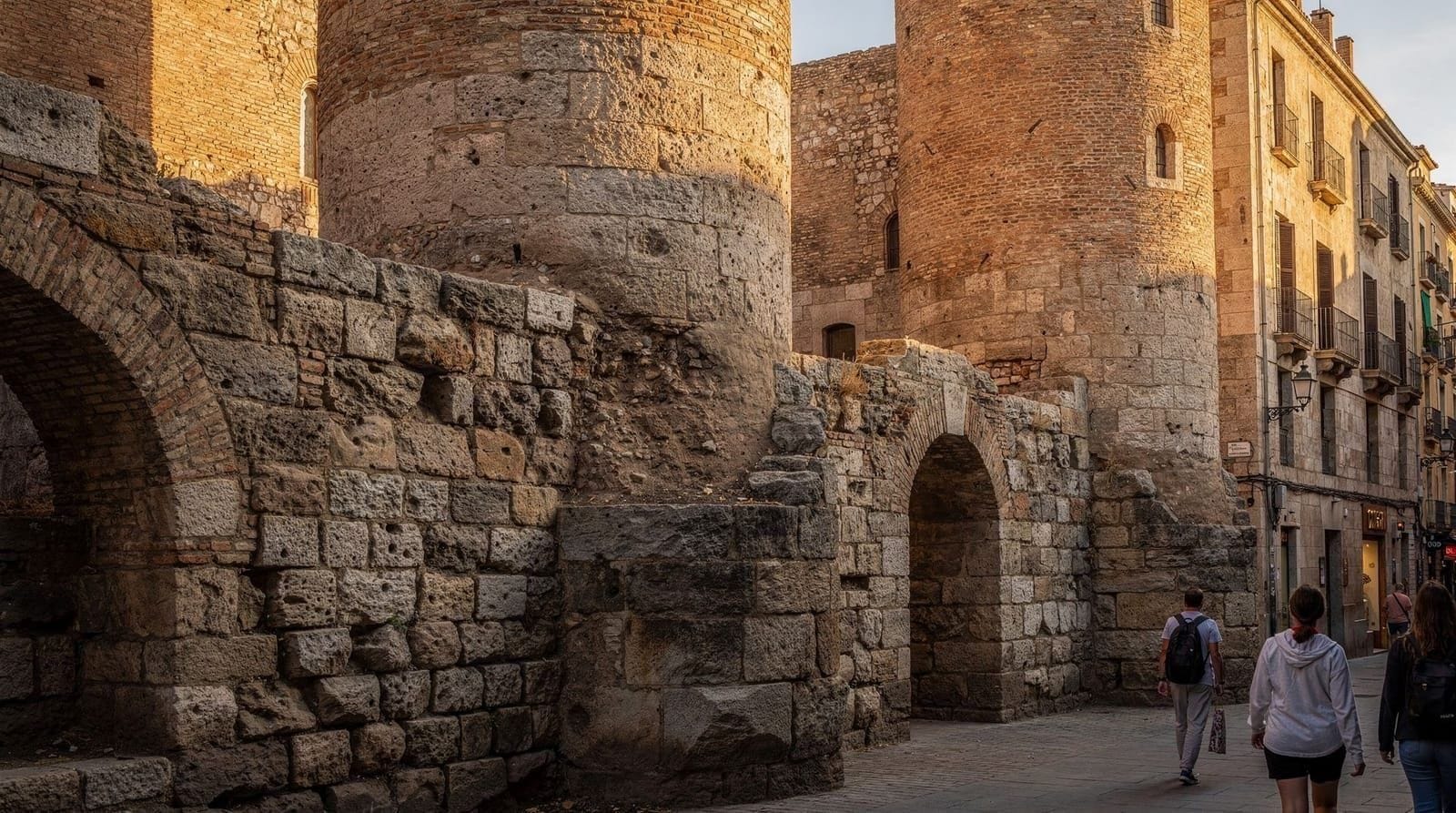
Barcelona: 2-hour Gothic Quarter walking tour
- Free cancellation
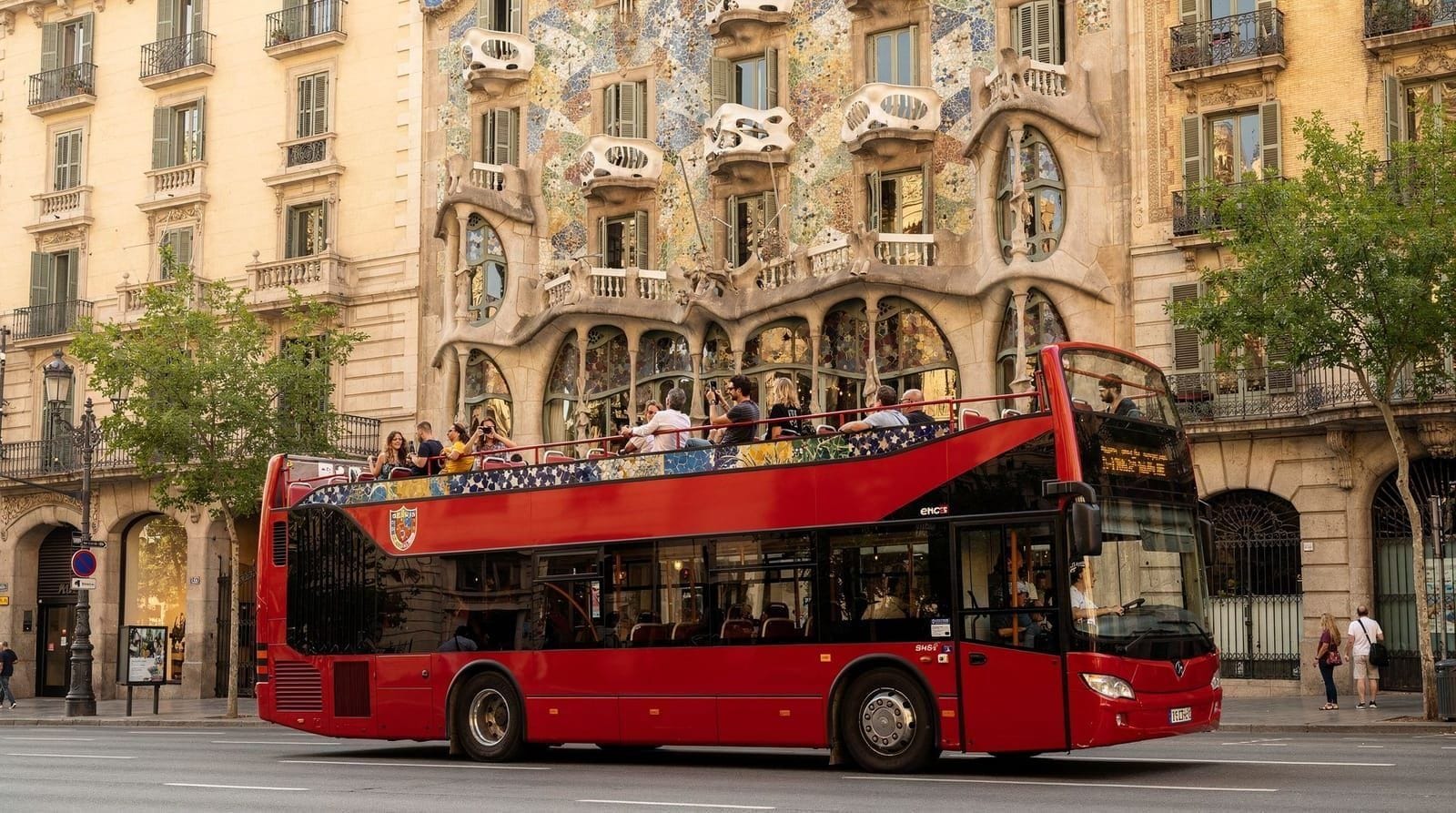
Barcelona: City Sightseeing hop-on hop-off bus 1 or 2-day ticket
- Free cancellation
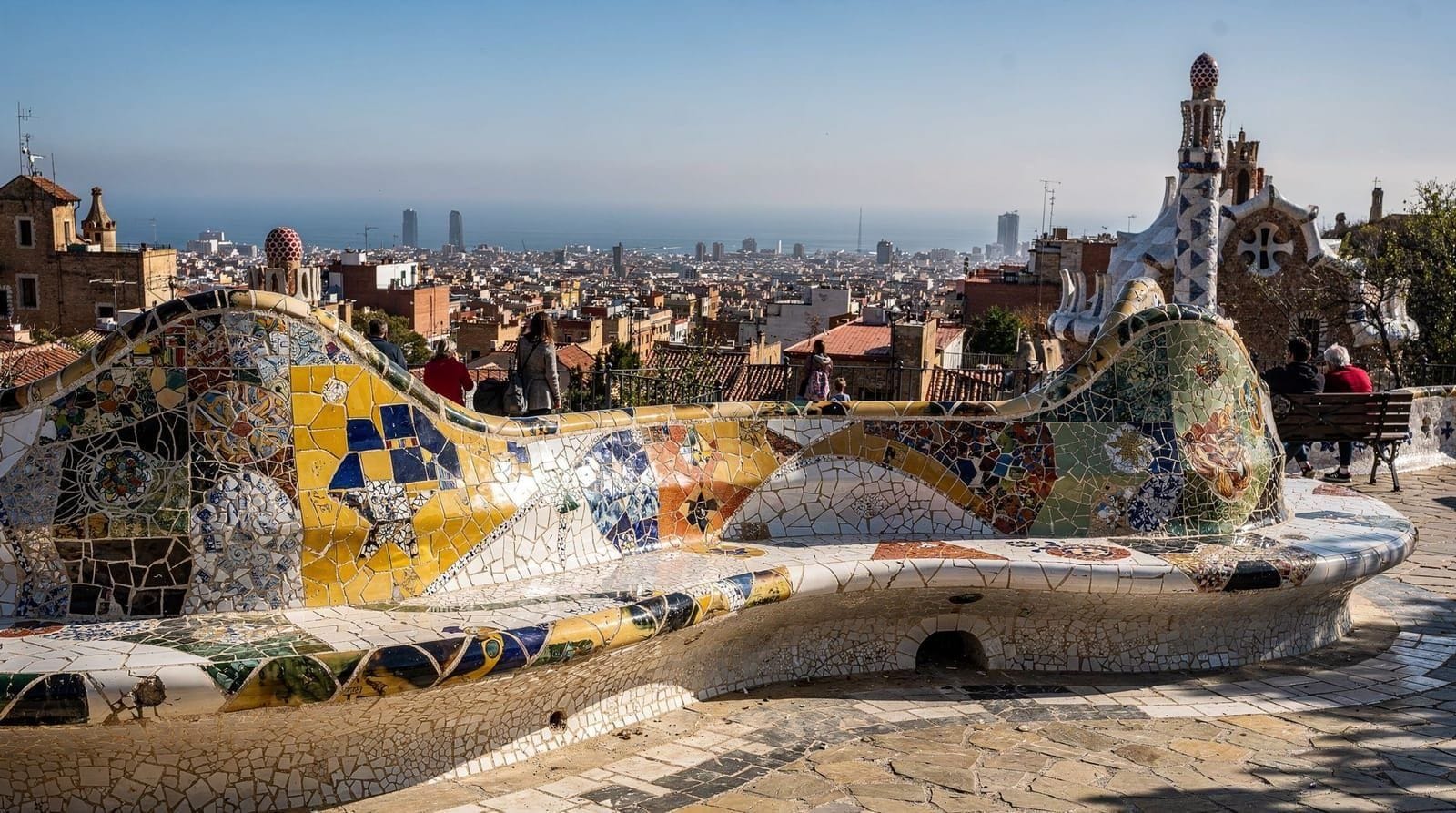
Barcelona: Park Güell guided tour with fast-track ticket
- Free cancellation
- Small group
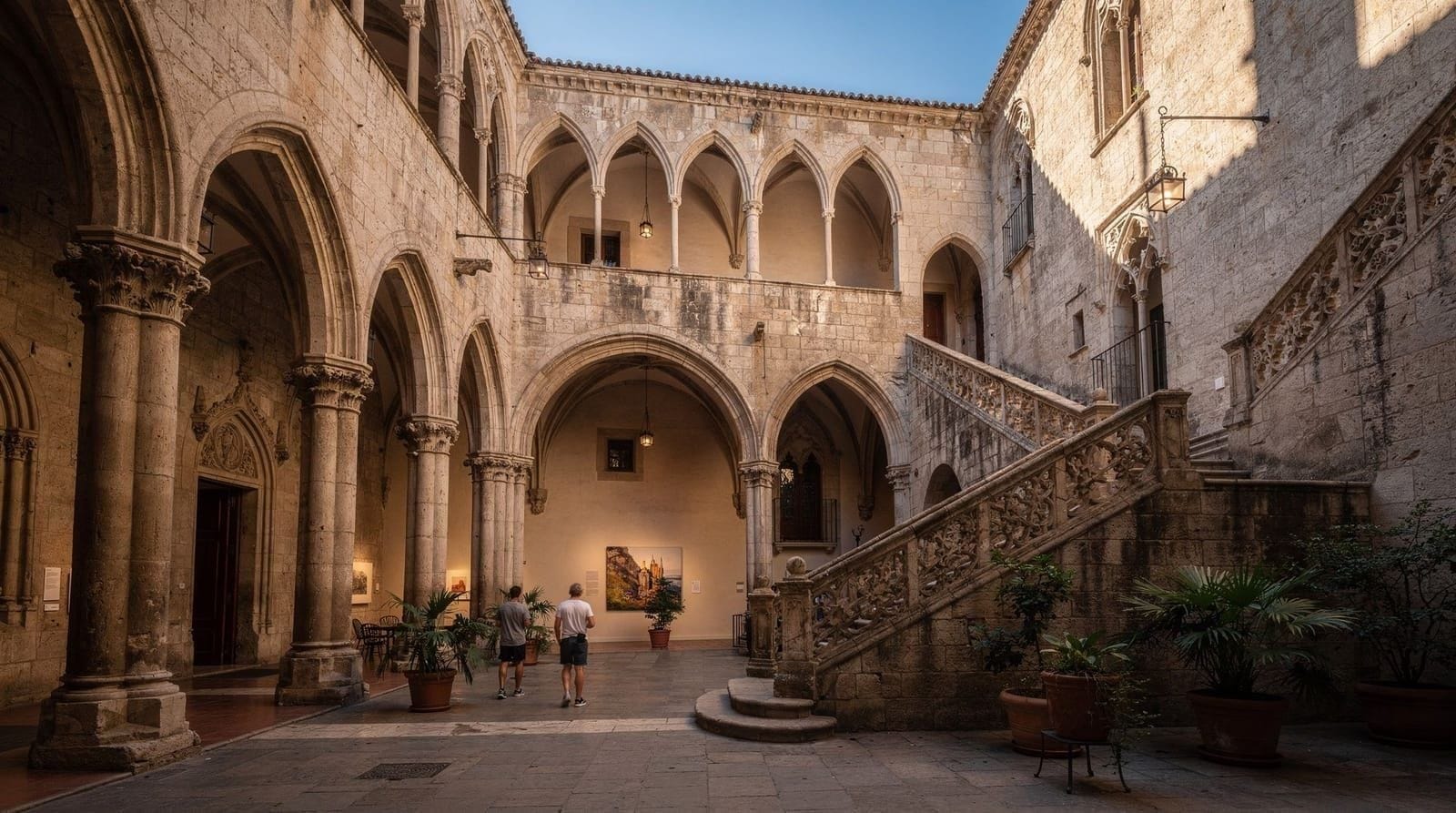
Barcelona: skip-the-line entry to 6 top art museums
- Free cancellation