Cava country weekend: a guide to the Penedès wine region
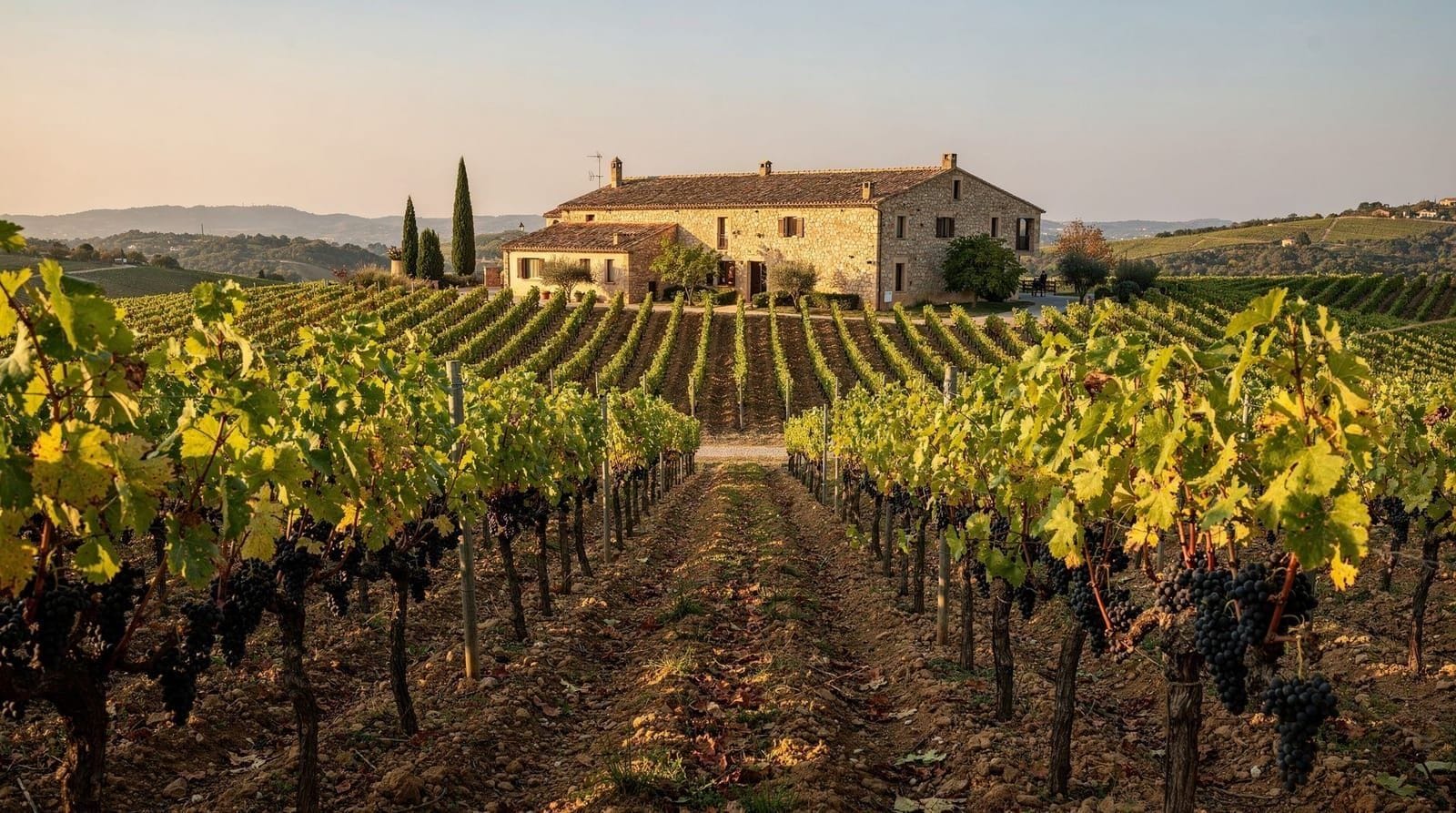
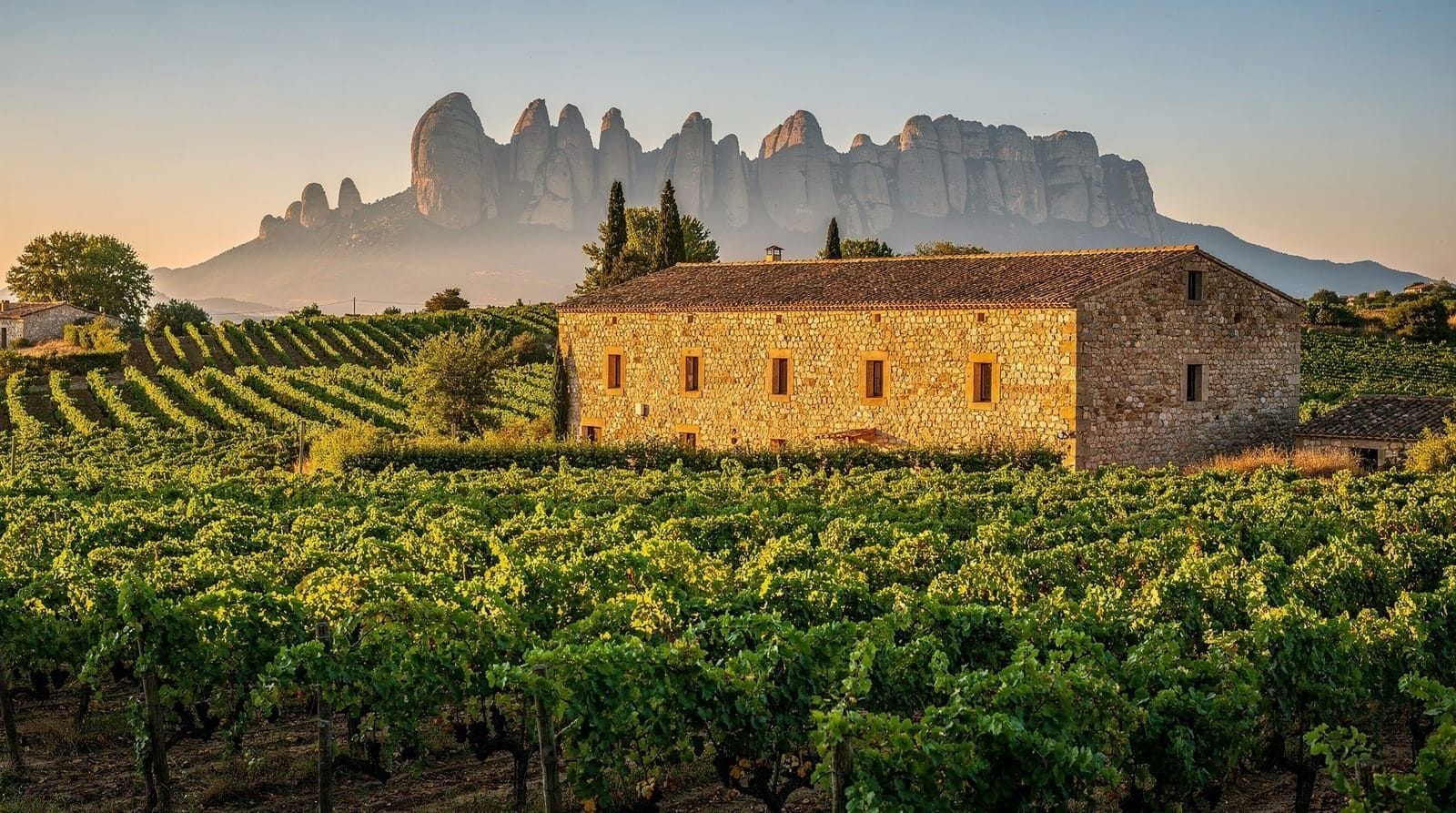
Forty-five minutes from Barcelona by suburban train, the Penedès plateau unfolds into something that looks nothing like the city you just left. Rolling vine-covered hills, dusty tracks between limestone outcrops, and the smell — in autumn particularly — of fermenting grapes coming from cellar vents. The Penedès wine country is Barcelona’s wine backyard, and it’s one of the best-kept day trip secrets in the region.
| Where | Sant Sadurní d’Anoia, 45 min by FGC train from Plaça Espanya |
| Cost | Around €8–11 return train, €15–40 per cellar tour |
| Time needed | A day trip works; a weekend is better |
| Getting there | FGC (Manresa direction) — no car needed for Sant Sadurní |
| Best time | September–October for the harvest, any month for cellar tours |
The area produces two things worth knowing about: cava, the traditional-method Spanish sparkling wine that is one of the world’s great underappreciated drinks, and still wines of increasingly serious quality from varieties like Xarel·lo, Garnatxa Blanca, and Sumoll. Most visitors come for the cava, which makes sense — the cava capital, Sant Sadurní d’Anoia, is on the FGC train line and easily accessible without a car.
Understanding cava before you go
Cava is made by the same traditional method as Champagne — secondary fermentation in the bottle, extended ageing on the lees, riddling and disgorgement — but uses different grape varieties and a different terroir. The classic Penedès cava blend uses Macabeo (also called Viura), Xarel·lo and Parellada, three native Catalan varieties that produce wines with higher natural acidity and a slightly more earthy, mineral character than Champagne’s Chardonnay-Pinot Noir base.
The cava vs champagne guide goes into the technical detail. The short version for visitors: cava at the producer level is dramatically better than the cava you may have tried from a supermarket shelf. The difference between mass-market industrial cava and a well-made small-producer cava from Penedès is comparable to the difference between mass-market fizzy wine and a decent Champagne.
Sant Sadurní d’Anoia has over 80 cava producers within its municipal limits. Most do not accept walk-in visitors. The two that do — and do it well — are Codorníu and Freixenet.
Codorníu: the most spectacular cellar
Codorníu is the oldest cava house still in operation, founded in 1551 as a winemaking estate and producing cava since the 1870s. The cellar building was designed by Josep Puig i Cadafalch — one of the leading architects of Catalan Modernisme alongside Gaudí and Domènech i Montaner — and it’s a stunning piece of industrial architecture: a vast brick and wrought-iron complex with a decorative facade that wouldn’t look out of place on the Passeig de Gràcia.
Tours run in Spanish, Catalan and English, and take you through the cellars — 26 kilometres of underground tunnels, in total — by electric mini-train, past the riddling racks, the disgorgement machinery, and the ageing bottles. The tour ends with a tasting of typically two to three cavas. The basic tour costs approximately €15-20 per adult; a more comprehensive tasting costs €30-40 and includes older reservas.
Book online in advance, particularly for weekend visits in autumn when the harvest context makes these tours more popular. A guided option that bundles transport from Barcelona with the Codorníu cellar tour and tasting removes the need to manage train times yourself:
Freixenet: the iconic brand
Freixenet is the cava producer most recognisable outside Spain — the black bottle is ubiquitous on export markets worldwide. The Sant Sadurní winery runs regular English-language tours that are well-organised, professionally presented, and end with a tasting of the main cava range.
The experience is more corporate than Codorníu’s — the architecture is less dramatic, the volume of visitors higher — but Freixenet tours run more frequently and are easier to join without advance booking outside of peak weekends. Prices are similar: around €15-18 for the basic tour with tasting.
For those interested in more serious cava production, the Freixenet group also owns Segura Viudas, a smaller producer in Penedès with excellent single-vineyard cavas that rarely appear outside Catalonia. The Segura Viudas estate is more atmospheric and less crowded; it requires a car to reach but is worth including if you’re driving.
If you’d rather explore the vine country actively rather than move between two fixed cellar tours, an e-bike route through the Penedès vineyards covers more ground and includes tastings along the way:
Getting there by train (no car needed)
Sant Sadurní d’Anoia is the easy, car-free option and it’s genuinely simple. The FGC line from Plaça Espanya in Barcelona runs to Sant Sadurní d’Anoia — look for the Manresa direction, and check that your train stops at the station you want (some express services skip it). The journey takes about 45 minutes, and return tickets cost around €8-11 depending on the service.
From the train station, Codorníu is about a 20-minute walk through the vine-covered outskirts of town; Freixenet is about 10 minutes on foot in the other direction. The town centre itself is small and pleasant — a Saturday morning market, several wine bars and restaurants serving Penedès wine by the glass, and the quiet pride of a place that produces something the world drinks.
The full logistics are covered in the Penedès wine day trip guide, which includes notes on the independent producers and weekend market timing.
Vilafranca del Penedès: for wine beyond cava
If cava is the main interest, stay in Sant Sadurní. If you want a broader picture of the Penedès wine region — still wines, rosés, local gastronomy, and regional wine culture — take the regional train or drive 12 kilometres west to Vilafranca del Penedès.
Vilafranca is the capital of the Alt Penedès comarca and has a proper regional wine museum: the Vinseum, housed in a 10th-century royal palace, which covers the winemaking history of the region from Roman times to the present. Entry costs around €8 and the building is worth visiting in its own right.
The weekly Saturday market in Vilafranca is one of the better food markets in the wider Barcelona region: local olive oil, seasonal produce, artisan charcuterie, and a selection of local wines at farm-gate prices. Arrive before 10am for the best produce selection.
Lunch in Vilafranca: the local restaurant scene is geared towards Catalan families rather than tourists, which means good value for money and seasonal cooking. Escudella (the traditional Catalan one-pot stew) appears on autumn menus; grilled seafood with local white wine is the summer version. A three-course menú del día in a Vilafranca restaurant typically runs €14–20, notably better value than a comparable meal in central Barcelona.
A weekend itinerary that works
If you have a weekend to spend on this rather than a single day, this sequence works well:
Friday evening: Take the FGC train from Barcelona to Sant Sadurní d’Anoia after work. The town has small guesthouses and agrotourism accommodation in the vine country surrounding it — book in advance, as options are limited. Dinner in the town centre.
Saturday: Morning cellar tour at Codorníu or Freixenet (book ahead). Lunch in Sant Sadurní. Afternoon: either hire a bicycle and explore the vine country lanes, or take the 12-kilometre bus or taxi to Vilafranca for the Saturday market and afternoon wine bar exploration.
Sunday: Regional train from Vilafranca to Sitges (40 minutes, connecting service) for a beach walk and a final lunch on the Sitges seafront before the 30-40 minute Rodalies train back to Barcelona.
This three-day circuit — Barcelona, Penedès, Sitges — gives you the best of the regional day-trip options without repeating any step. The Sitges day trip guide covers the coastal town’s independent pleasures.
The weekend at a glance
| Day | Activity | Time needed |
|---|---|---|
| Friday evening | Train to Sant Sadurní, dinner in town | 1 hour incl. travel |
| Saturday morning | Codorníu or Freixenet cellar tour | 2–3 hours |
| Saturday afternoon | Vine-country cycling or Vilafranca market | 3–4 hours |
| Sunday | Train to Sitges, beach walk, lunch | Half day |
Honest notes on independent producers
The most interesting cava — the bottles that genuinely challenge the best Champagnes at their price points — comes from small producers like Recaredo, Gramona and Raventós i Blanc, all within the Penedès area. These houses farm organically or biodynamically, extend their ageing well beyond legal minimums, and produce cavas with real complexity and age-worthiness.
Getting to these producers without a car is genuinely difficult. They are in the vine country between villages, on roads that don’t have bus services. The honest options: join a Penedès wine tour from Barcelona that specifically includes the artisan producers (these typically cost €55-100 per person including transport and tasting), or rent a car for the day and plan a route.
For those serious about wine who want the full picture, the artisan tour is worth the investment. For casual visitors who want a pleasant day trip with good cava and an interesting Modernisme building, the Codorníu train day trip is the right choice.
FAQ
Can I visit Penedès without a car? Yes, for the main experience — Sant Sadurní d’Anoia (Codorníu and Freixenet) is directly reachable by FGC train from Plaça Espanya in about 45 minutes. Reaching the small artisan producers without a car is genuinely difficult; a guided tour or car rental is needed for those.
Is a Penedès day trip better than a weekend? A single day covers Sant Sadurní comfortably — one cellar tour, lunch, a walk through the vines. A weekend adds Vilafranca’s market and wine museum, or a loop through Sitges, and suits anyone who wants a fuller regional picture rather than just a cava tour.