Penedès cava tours from Barcelona: DIY vs guided, what to expect
Penedès: Codorníu discovery tour with cava tasting
Duration: 4 hours
- Free cancellation
Can I visit Penedès cava wineries from Barcelona as a day trip?
Yes, easily. Sant Sadurní d'Anoia — home to Codorníu and Freixenet — is 45 minutes from Barcelona Plaça Catalunya by FGC train, around €8–11 return. Both major wineries are a short walk from the station. Guided tours add transport, multiple wineries, and tastings from €70–90.
Fifty kilometres southwest of Barcelona, the Penedès wine country produces more than 95 percent of all the cava made in Spain. The landscape is gentle — rolling hills planted with vines, punctuated by old stone masias and the occasional modernista winery — and the whole region is reachable by commuter train in under an hour. For a visitor who drinks wine or wants to understand Catalan culture from the inside, a Penedès day trip might be the most rewarding excursion the city enables.
This guide covers the full picture: how to get there, which wineries are worth your time, what cava actually is, and whether a guided tour makes more sense than going it alone.
| Where | Sant Sadurní d’Anoia and Vilafranca del Penedès, 45 min from Barcelona |
| Cost | Train around €8–11 return; guided tours around €70–90; winery tours from €12–18 |
| Time needed | 5–7 hours DIY; 6–8 hours guided |
| Getting there | FGC train from Plaça Catalunya, or guided minibus/4WD/e-bike tour |
| Best time | April–June or September–November for weather and vineyard views |
DIY or guided: which suits you
Before diving into the wineries themselves, it is worth deciding upfront which approach fits your day. A DIY train trip works best if you want to focus on Sant Sadurní d’Anoia specifically — Codorníu and Freixenet are both an easy walk from the station, and the train itself is cheap, frequent and simple. A guided tour makes more sense if you want to reach the smaller, harder-to-access producers like Recaredo or Gramona, want lunch and logistics handled for you, or want a knowledgeable guide contextualising what you are tasting. Many first-time visitors default to the train because it feels simpler, then wish afterward they had booked a guided option to reach the smaller estates — factor that into your decision before the day, not after.
The Penedès region and what makes it special
The Penedès denominació d’origen (DO) sits between Barcelona and Tarragona, with its heartland in the limestone plateau around Sant Sadurní d’Anoia and Vilafranca del Penedès. The climate is Mediterranean near the coast and increasingly continental as you move inland — warm summers, cool nights, and winters cold enough to stress the vines in the right way.
Cava is the region’s crown jewel. Produced by the same method as Champagne (secondary fermentation in the bottle), cava uses a different set of base grapes: Macabeu, Xarel·lo and Parellada for whites and rosé base wines; Garnacha and Monastrell for the increasingly popular rosé cavas. The Penedès limestone soils give cava its characteristic mineral edge and the freshness that makes it pair so naturally with food.
The still wines are underrated. Penedès whites — particularly those led by Xarel·lo, a grape that ages surprisingly well — have been gaining serious recognition. Torres, based in Vilafranca, makes reds from Tempranillo and international varieties that compete with the best in Spain.
Codorníu: where cava began
No single visit in the Penedès carries more historical weight than Codorníu. Founded in 1551, it is the oldest wine estate in Spain still owned by the founding family. In 1872, Josep Raventós produced the first cava here — the first bottle of méthode traditionnelle sparkling wine made in Spain — using grapes from the Penedès and the technique he had observed in Champagne. The industry that now exports millions of bottles a year traces a direct line back to that experiment.
The winery itself is worth seeing before you taste a drop. In 1908, Codorníu commissioned Josep Puig i Cadafalch — one of the leading figures of Catalan modernisme, a contemporary of Gaudí — to design a new cellar complex. What Puig i Cadafalch built is extraordinary: gothic arches, stained glass, brick vaulting, a sweeping Art Nouveau facade, and 30 kilometres of underground cellars carved into the rock beneath. The complex is currently on the UNESCO World Heritage candidate list.
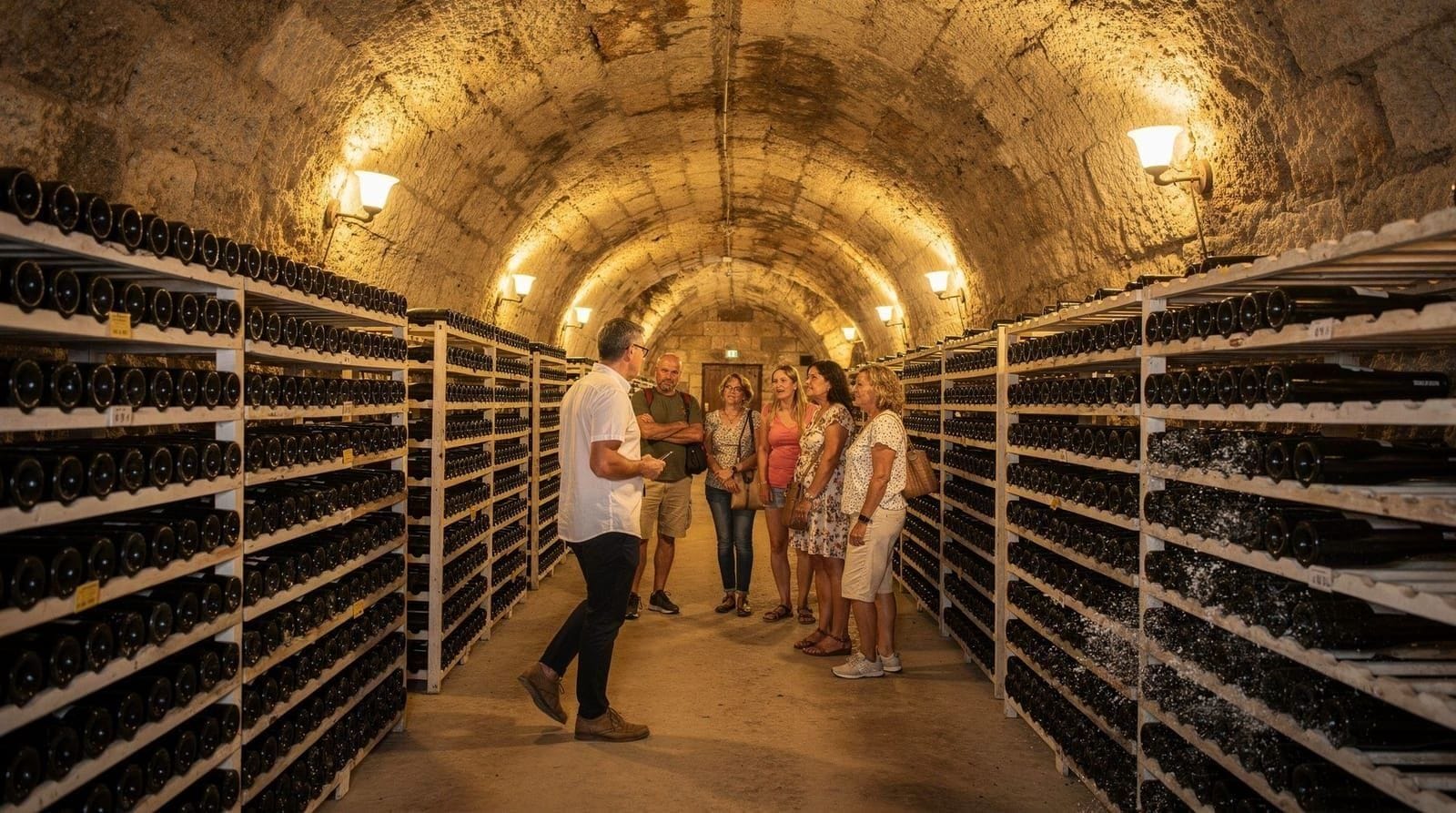
Tours run throughout the day and include a tram ride through the cellars, a close look at the production process, and a guided tasting. The full experience with multiple pours takes around 2.5 hours. Book in advance at weekends — the more immersive tasting formats sell out. Codorníu is about 15 minutes’ walk from Sant Sadurní d’Anoia train station.
If you prefer to visit with an expert guide rather than manage it independently, the Codorníu discovery tour is a well-structured option that combines the cellar visit with a guided cava tasting.
Freixenet: the world’s most recognised cava
A short walk across town from Codorníu, Freixenet is the single most-sold cava brand on earth. The black bottle of Cordon Negro is on shelves in 140 countries. That commercial scale gives Freixenet a different atmosphere from Codorníu — busier, more interactive, with a strong focus on the production numbers and brand story — but the tours are genuinely well made and the cellars, containing over 100 million bottles at any given moment, are impressive on a purely physical level.
The tasting experience covers Freixenet’s core range from Brut to Reserva Real, with a good explanation of how aging time on the lees affects flavour development. Entry-level tours start from around €18; premium packages go higher.
Visiting both Codorníu and Freixenet in a single day is straightforward if you start the first tour by 10:30 and keep lunch brief. The contrast between the two is instructive: the same denomination, the same method, meaningfully different results.
Smaller producers worth the extra effort
The most exciting cava being made in Penedès does not come from the large houses. A cluster of smaller producers are redefining what the denomination can do, often with biodynamic or organic farming and extended aging well beyond the legal minimum.
Recaredo produces what many critics consider the finest cava in Spain. The house works biodynamically, refuses to add dosage to its top wines (true Brut Nature, zero grams of residual sugar per litre), and ages its prestige cuvées for 30 to 60 months on the lees — double or triple what most producers do. Recaredo is also a founding member of Corpinnat, a breakaway group of producers who left the DO Cava label to operate under stricter self-imposed rules. Visits are by appointment.
Gramona, a family winery since 1881, sits in the same quality tier. Their Tres Lustros cava spends 180 months on the lees — fifteen years — and the result is a wine that genuinely competes with vintage Champagne in complexity. Also a Corpinnat member. Tours available on request.
Raventós i Blanc left the DO Cava denomination entirely in 2012 to found DO Conca del Riu Anoia, arguing that the larger DO had been diluted by producers who source grapes outside the Penedès. Their wines are estate-grown, minimal-intervention, and beautiful. The winery near Sant Sadurní is worth visiting for the wines and the estate landscape.
For context on how these premium cavas compare to Champagne, the cava vs champagne guide covers the method, grapes, and honest tasting differences in detail.
Vilafranca del Penedès and the Vinseum
If the wine culture itself interests you as much as the individual wines, Vilafranca del Penedès — the regional capital, 15 minutes south of Sant Sadurní by train — is worth half a day. The Vinseum (Museu de les Cultures del Vi de Catalunya) is one of the best wine museums in Europe: 14 rooms tracing the history of wine in Catalonia from prehistoric vessels through Roman amphorae to modern DO regulation. The collection is well-curated and the interpretation is in Catalan, Spanish, and English.
Torres, the largest Catalan wine producer by volume, is based just outside Vilafranca. Their public tour covers the operation from vineyard to bottle and includes tastings of their extensive range — from basic Sangre de Toro to the flagship Mas La Plana Cabernet Sauvignon that won the famous 1979 Gault Millau Olympics blind tasting (beating Château Latour). Tours from €12, bookable online.
Vilafranca also has a good Thursday morning market and several decent restaurants where you can eat regional Catalan food — pa amb tomàquet (bread rubbed with ripe tomato and olive oil), butifarra sausage, local cheeses — before heading back to the city. For the tapas culture that puts these flavours in a city context, the El Born and Gràcia bars in Barcelona are the natural follow-up.
Getting there by train: the DIY option
The FGC (Ferrocarrils de la Generalitat de Catalunya) suburban rail network runs frequent services from Barcelona Plaça Catalunya to Sant Sadurní d’Anoia. Journey time is 45 minutes; return tickets cost €8–11 depending on your Barcelona travel zone card. Trains run roughly every 30 minutes throughout the day.
Sant Sadurní station puts you within walking distance of both Codorníu (15 minutes) and Freixenet (10 minutes). For Vilafranca del Penedès, continue one more stop on the same line — another 10 minutes.
The DIY approach works extremely well for a focused visit to one or two wineries. Its limitation is that it keeps you in the Sant Sadurní orbit. The smaller producers are spread across the appellation and usually require a car to reach. If Recaredo, Gramona, or Raventós i Blanc are on your list, a guided tour with transport makes more practical sense.
Guided tours from Barcelona: what they offer
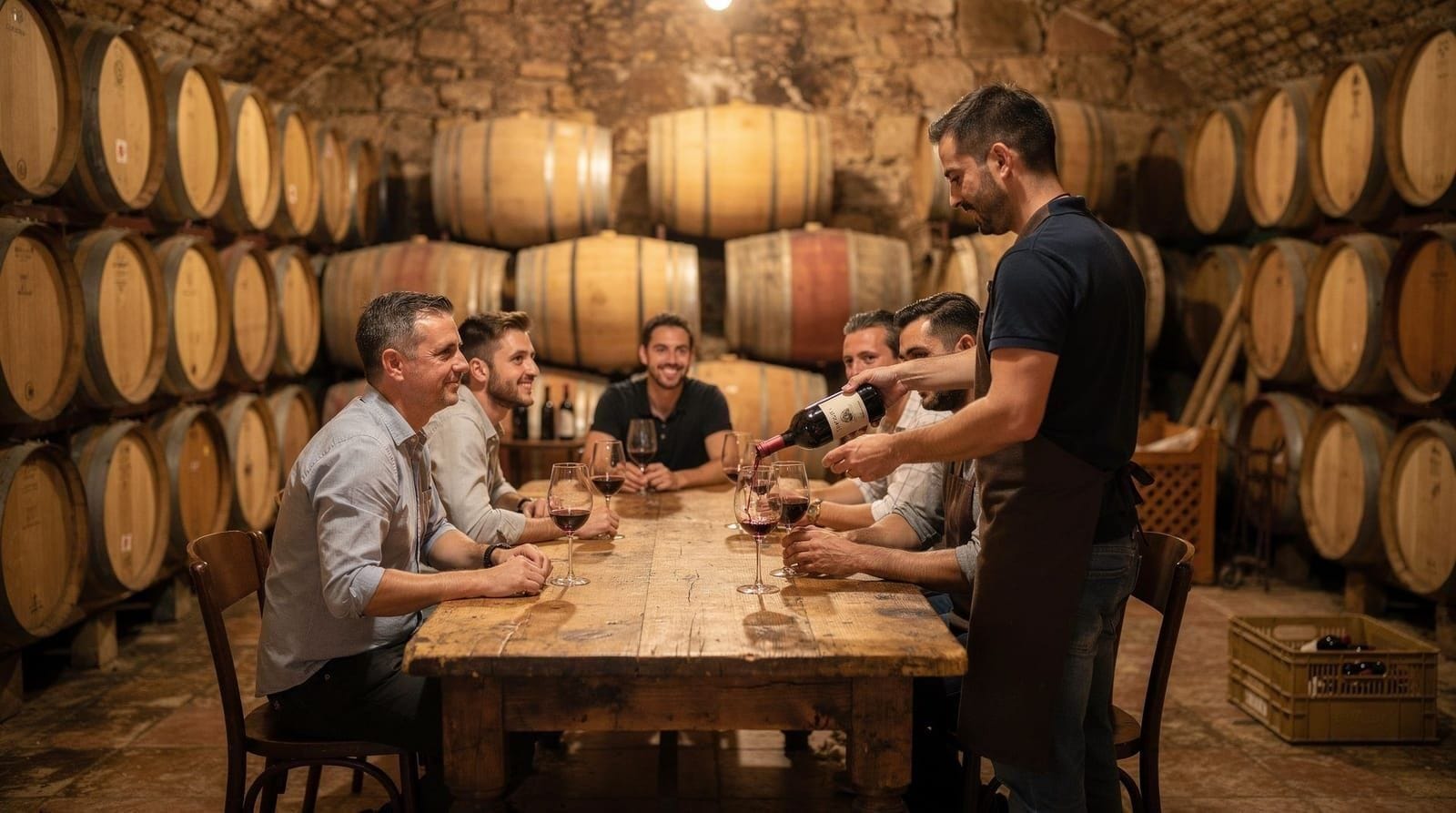
Guided Penedès tours typically include a minibus or van from central Barcelona, visits to two or three wineries with guided tours and tastings at each, lunch (sometimes included, sometimes at an additional cost), and a knowledgeable guide who can put what you are tasting in context.
The 4WD wine and cava tour covers the region’s terrain in a way that a standard minibus cannot, reaching smaller estates on rural tracks and giving a genuine sense of the agricultural landscape. The electric bike tour is an entirely different experience — you cycle through the vineyards themselves, stopping at a winery for a tasting and a picnic lunch, and the pace allows you to feel the landscape rather than just pass through it. Both options run around 5–6 hours.
For visitors who want to combine Penedès with another landmark excursion, the Montserrat and cava wineries day trip is a practical solution — the mountain monastery and the wine country in a single long day, with a cava tasting built into the afternoon. See the Penedès wine country destination page for more logistics.
What to taste and what to look for
Cava is classified by sweetness level and by aging time. The sweetness scale runs from Brut Nature (0–3 g/l residual sugar, bone dry) through Brut, Extra Seco, Seco, Semi-Seco, to Dulce. Brut and Brut Nature are the categories where serious cava producers compete; most good winery tours will pour across the spectrum.
Aging classifications matter more than sweetness for quality. Cava de Guarda (standard) is aged a minimum of 9 months. Reserva requires 15 months minimum. Gran Reserva requires 30 months and must be vintage-dated. Paraje Calificado — a recent super-premium tier — requires 36 months from estate fruit with exceptional site designation. At a tasting, try to compare at least a standard cava with a Reserva or Gran Reserva side by side: the difference in complexity and texture is striking.
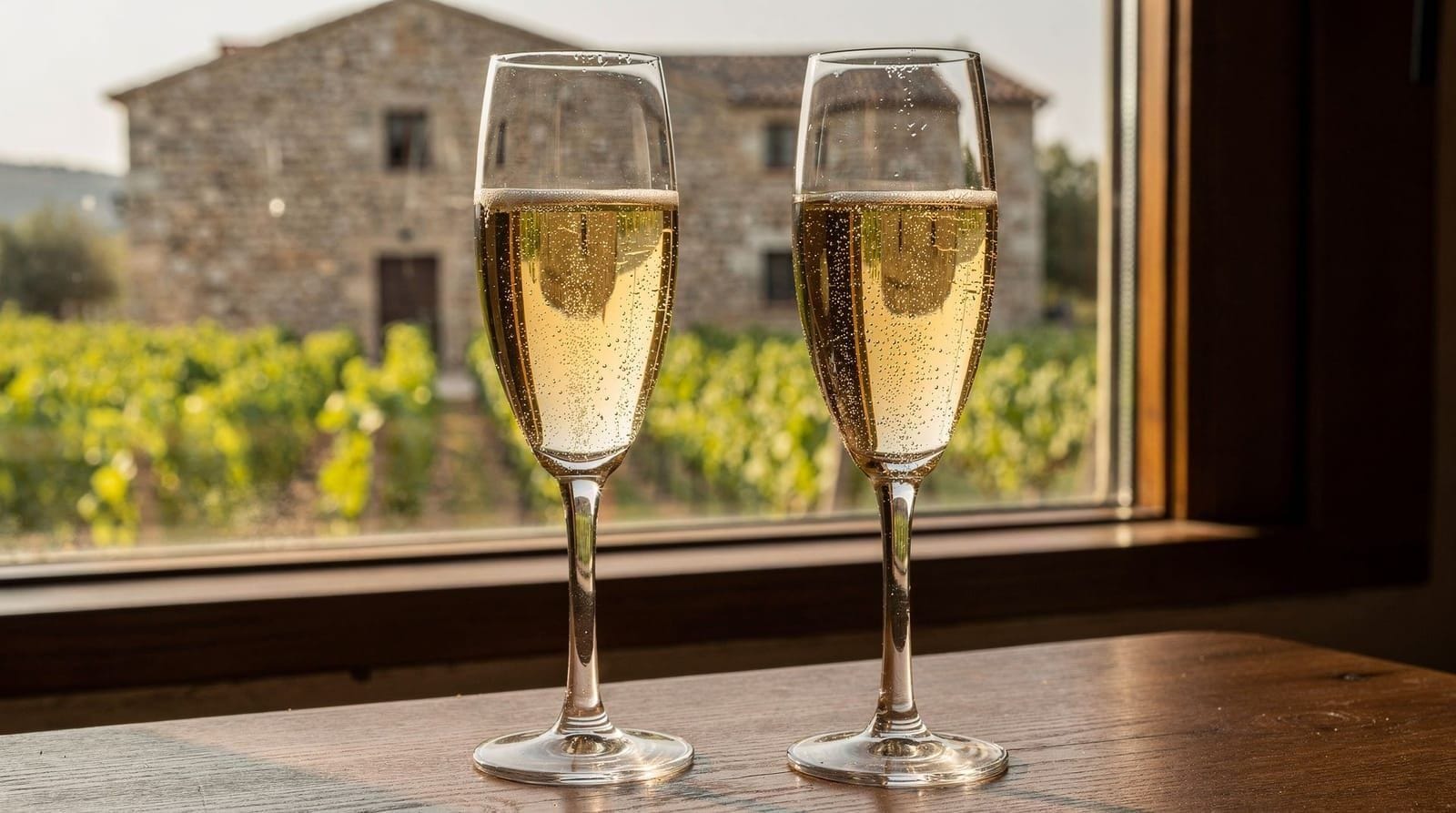
Flavour profile: fresh cava tends toward green apple, citrus peel, white peach, and a light almond bitterness in the finish. With age, brioche, dried fruit, and honeyed notes develop. The mousse (bubble texture) on well-made cava is finer than many people expect.
Still Penedès wines to try: a Xarel·lo-driven white (mineral, structured, ages well), a Macabeu (lighter, more floral), and a Torres Mas La Plana if the budget allows.
A realistic DIY day-trip schedule
A well-paced self-guided day from Barcelona looks roughly like this: catch a morning FGC train from Plaça Catalunya around 09:00, arriving Sant Sadurní d’Anoia by 09:45. Walk to Codorníu first (15 minutes) for the 10:30 tour, which with the tasting runs to around 13:00. Walk across town to Freixenet for an early-afternoon tour and tasting, finishing by 15:30. From there, either head back to Barcelona or take the short onward train to Vilafranca del Penedès for an hour at the Vinseum and a late lunch before returning. This sequence keeps both major houses unhurried and leaves the smaller producers for a dedicated guided visit on a separate trip, since they are not realistically reachable on foot from the station.
Practical planning notes
Best time to visit: Spring (April–June) and autumn (September–November) are ideal — the vineyards look their best during bud burst and harvest respectively, and the weather is comfortable for walking between wineries. Harvest season (late September into October) adds the visual drama of active picking and pressing. See the best time to visit Barcelona guide for how the Penedès season fits into the broader city calendar.
Booking: Always book winery tours in advance, especially at Codorníu. Weekend mornings fill quickly in summer. Tours at the smaller producers require advance contact even on weekdays.
Driving: If you rent a car, the rule is simple — designate a driver who does not taste. Most guides and tour operators handle this automatically; on a DIY car trip, plan accordingly. The train-and-walk option eliminates the problem entirely for Sant Sadurní.
Luggage: Most wineries sell bottles for less than retail. If you plan to buy, bring a small bag or ask at the winery about shipping — several offer direct export for larger purchases.
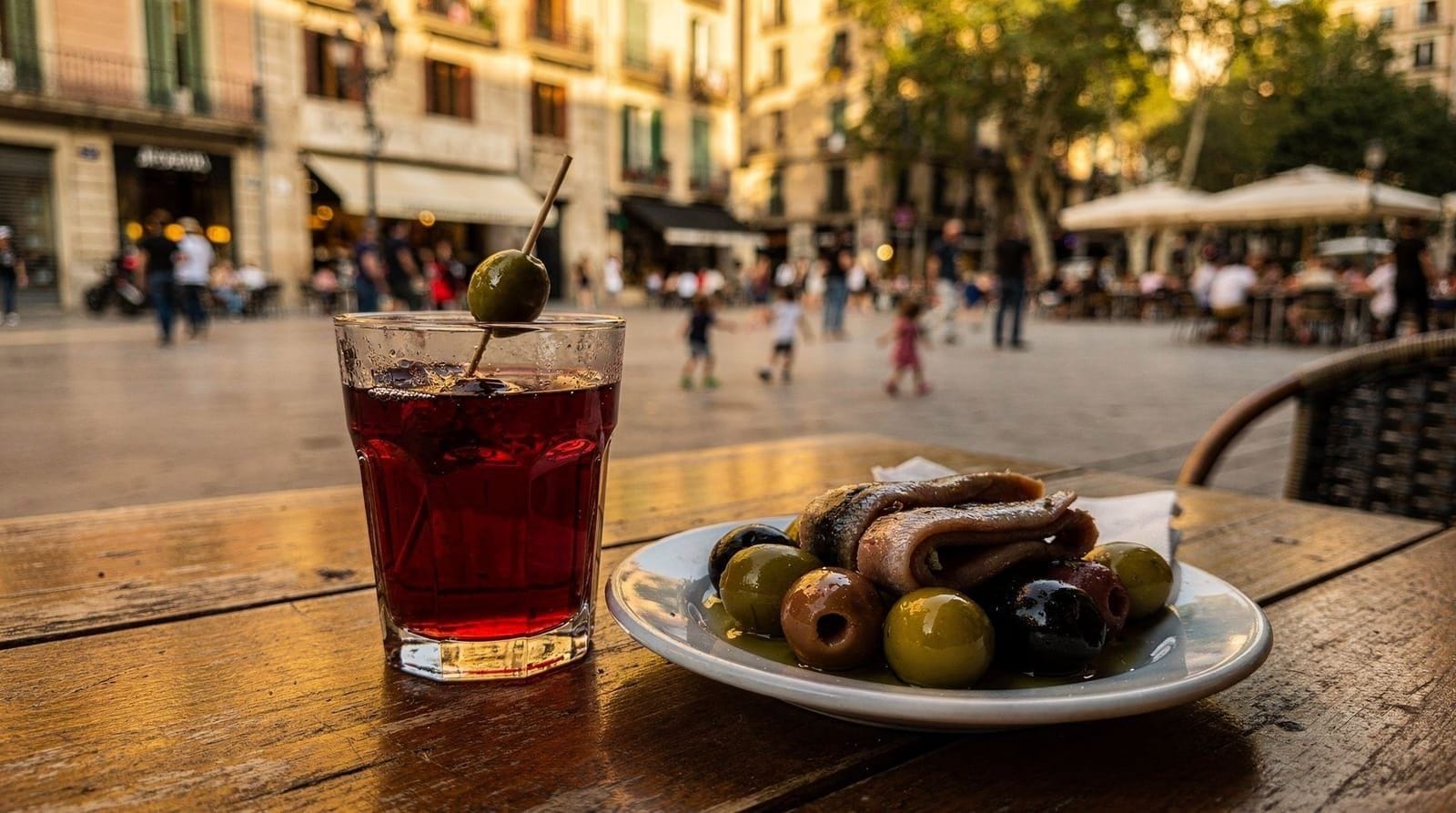
For wine experiences you can do without leaving the city, the wine tasting in Barcelona guide covers the best bars, the standout Catalan wine regions, and how to navigate a city-based tasting tour. If you want to pair a Penedès day with an evening in the city, the best neighborhoods guide will help you choose where to base yourself. And for a deeper look at how vermut fits into the wider Catalan drink culture, see the vermut guide.
The Penedès wine country is one of the most rewarding day trips from Barcelona — close, beautiful, and producing wines that reward the kind of attention you can only give them in person.
Frequently asked questions about Penedès cava tours from Barcelona
Which is better for a day trip: Codorníu or Freixenet?
Both are excellent in different ways. Codorníu has the deeper history (founded 1551, first cava 1872) and a stunning Art Nouveau winery designed by Puig i Cadafalch. Freixenet is the world's biggest-selling cava brand and offers a more commercial, interactive experience. Both are walkable from Sant Sadurní d'Anoia station. If time allows, visit both — they are about 15 minutes apart on foot.How long does a Penedès day trip take?
Comfortably 5–7 hours for a self-guided day, or 6–8 hours on a guided tour. Allow 1.5–2 hours per winery including the tour and tasting. Add travel time (45 minutes each way by train) and a lunch stop in Sant Sadurní or Vilafranca del Penedès and a full day fills quickly.Is Penedès only about cava?
No. The Penedès DO produces excellent still whites from Macabeu, Xarel·lo and Parellada, and Torres winery in Vilafranca del Penedès makes some of Catalonia's most respected reds, including Gran Coronas and Mas La Plana. The Vinseum in Vilafranca is worth 90 minutes for any wine lover.What is the best way to book a Penedès wine tour?
You can book directly with individual wineries (Codorníu, Freixenet, Torres all have online booking), or take a guided day tour from Barcelona that handles transport and includes 2–3 wineries with tastings. Guided tours are better value if you want to cover multiple stops without logistics.Do I need to speak Spanish or Catalan for winery tours?
No. Codorníu, Freixenet, and Torres all offer tours in English. Most smaller producers also have English guides or audio aids. Book in advance to confirm language options, especially at smaller family wineries.Should I choose the DIY train option or a guided tour?
The DIY train works well if you want to focus on Sant Sadurní d'Anoia — Codorníu and Freixenet are both walkable from the station. A guided tour is the better choice if you want to reach the smaller producers like Recaredo or Gramona, which are spread across the region and generally need a car, or if you want lunch and logistics handled for you.
Top experiences
Bookable activities with verified prices and instant confirmation on GetYourGuide.