Wine tasting in Barcelona: bars, tours, and Catalan wines to know
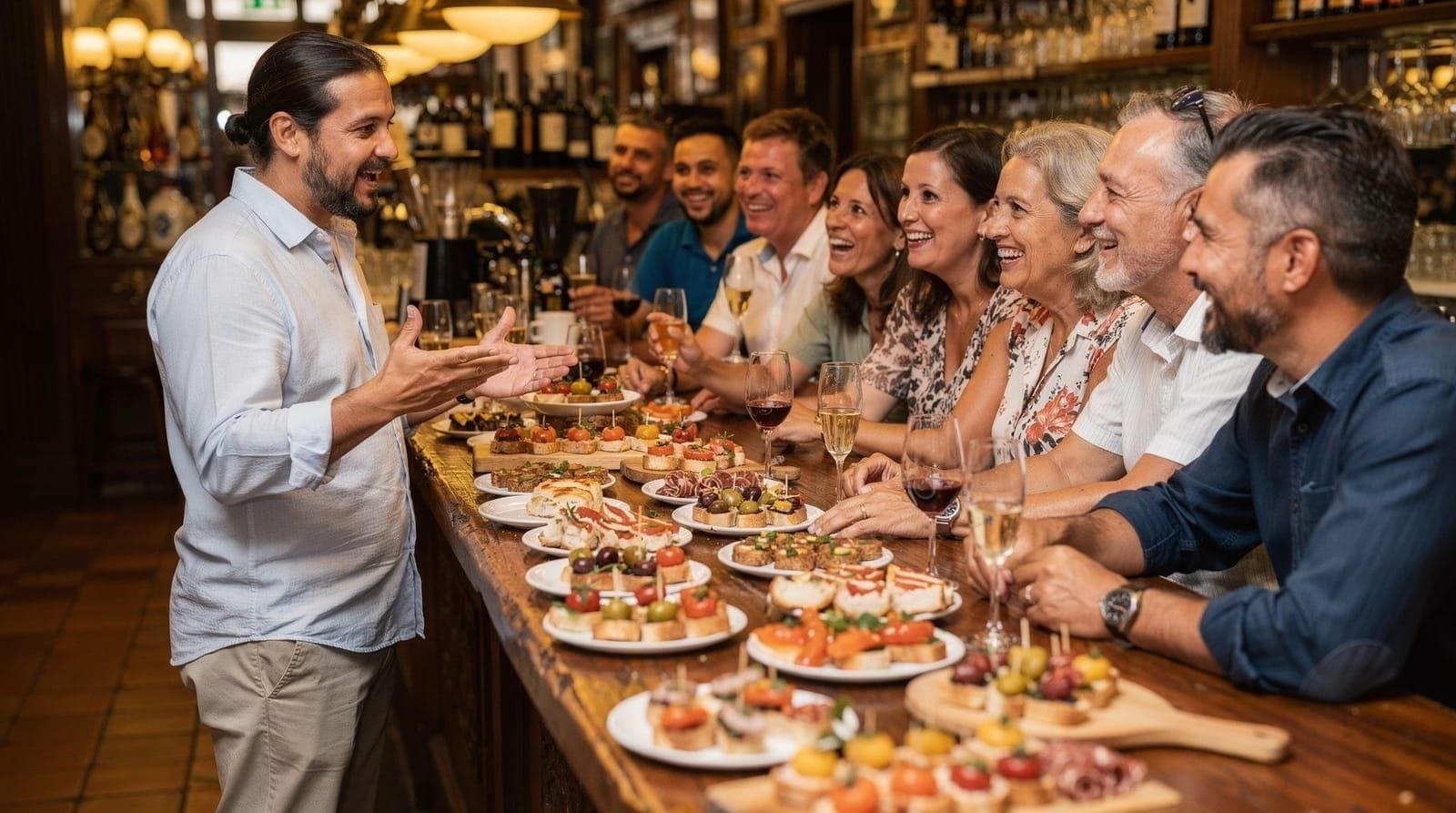
Barcelona: evening tapas and wine tasting tour
Duration: 3 hours
- Free cancellation
What is the best way to experience Catalan wine tasting in Barcelona?
Three good options: explore El Born's wine bars independently (El Xampanyet for cava, Vila Viniteca for a serious selection), join an evening tapas and wine tasting tour for guided context, or day-trip to Penedès to taste at the source. The wine bar route is best for flexibility; a guided tour is best for understanding what you're drinking.
Barcelona is not typically the first city that comes to mind when people think about wine — Florence, Bordeaux, Vienna all carry more obvious associations. But for anyone who wants to drink well and drink local, Barcelona rewards attention. The city sits inside a network of remarkable wine regions, its bars and wine shops stock a depth and range that surprises most visitors, and the local culture of drinking — slow, social, paired with food — is one of the things that make an evening in this city genuinely different from evenings elsewhere.
This guide covers the wine bars worth knowing, the Catalan DO regions behind the bottles, how organized tasting tours work, and what to order when you are standing at a bar and want to drink something real.
| Where | El Born and Eixample have the best concentration of wine bars |
| Cost (bar tasting) | around €20–35/person for two or three glasses with food |
| Cost (guided tour) | around €60–90/person for 2.5–3.5 hours |
| Best time | Early evening, from around 6:30pm, before the dinner rush |
| Day trip | Penedès, 45 minutes by train, for tasting at the source |
Catalan wine: the regions behind the glass
Understanding where your wine comes from makes the glass more interesting. Catalonia is home to a dozen denominacions d’origen, each with a distinct character shaped by soil, altitude, and distance from the sea.
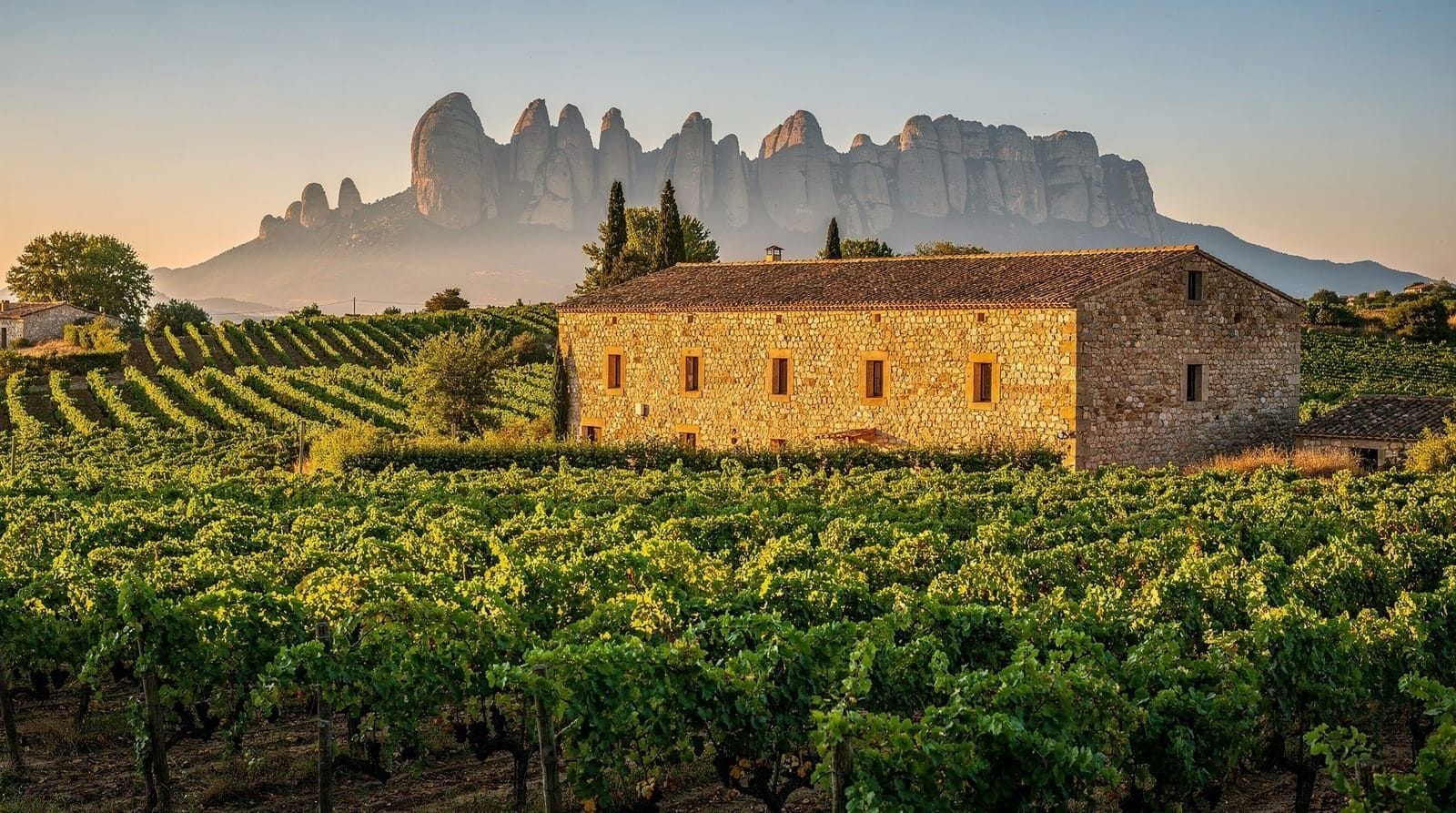
Penedès is the most visited and the most versatile. The denomination covers still whites from Macabeu, Xarel·lo and Parellada, still reds from Cabernet Sauvignon and Tempranillo (Torres pioneered these), and the cava sparkling wines that have made the region internationally famous. The Penedès is 50 kilometres from the city and reachable by train in 45 minutes — see the Penedès cava tours guide for how to organize a day trip.
Priorat produces what many consider Spain’s finest red wines. The DO sits inland in a rugged valley where old Garnacha and Cariñena vines grow in black slate soils called llicorella. The resulting wines are powerful, mineral, and genuinely age-worthy. Top producers include Clos Mogador, Álvaro Palacios (whose L’Ermita regularly appears on best-in-world lists), and Mas d’en Gil. These are not everyday-drinking wines — prices reflect quality — but even entry-level Priorat from a good producer tells you something about the potential of the region.
Montsant surrounds Priorat like a frame around a canvas and produces wines from the same grape varieties on similar soils, at significantly lower prices. The style is somewhat lighter, but Montsant produces outstanding value — bottles that a year ago would have been labelled Priorat before the DO boundary changed. Good producers include Celler de Capçanes and Acústic Celler.
Empordà occupies the northeastern corner of Catalonia, near the French border and the Costa Brava. The DO is known for light, aromatic reds from Garnacha — sometimes slightly chilled — and increasingly for rosé wines and white Garnacha Blanca. The Tramuntana wind shapes both the landscape and the wines. Empordà rosés are worth seeking out specifically.
Pla de Bages is inland, north of Barcelona, a small denomination making elegant whites and increasingly interesting reds. Less well known than Penedès or Priorat, which is reflected in the prices.
For a deeper understanding of cava and how it compares to Champagne, the cava vs champagne guide covers the method, the grapes, and the honest differences without tourist-trap oversimplification.
El Born: the neighbourhood for wine lovers
El Born has the highest concentration of genuinely good wine bars and wine shops in Barcelona. The neighbourhood’s mix of medieval lanes, renovated spaces, and local clientele creates exactly the kind of environment where good wine culture thrives.
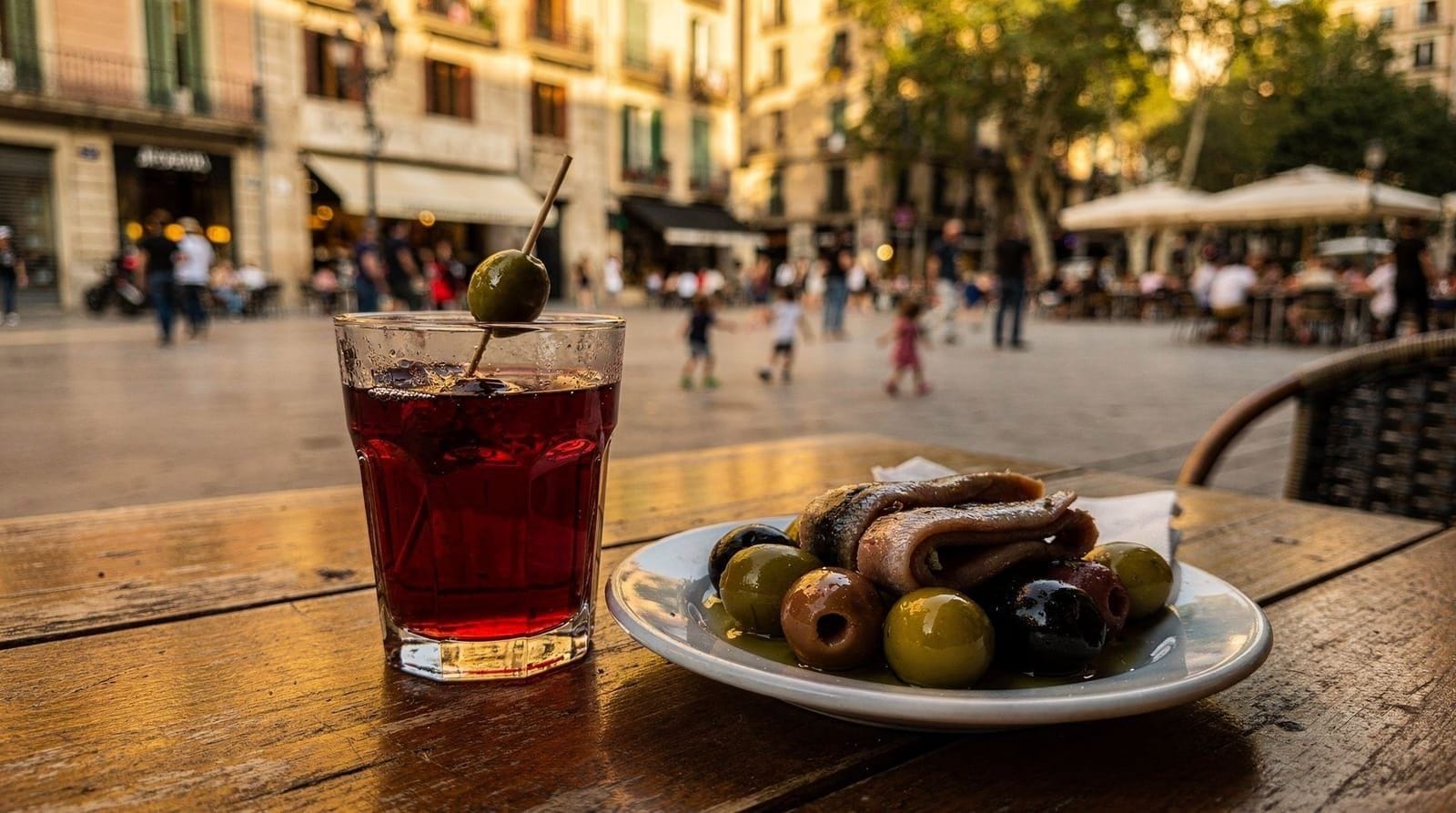
El Xampanyet on Carrer de la Montcada is one of the most beloved bars in the city, open since 1929. The house cava — their own label, poured from large bottles at the bar — is honest, lively, and inexpensive. The anchovies are outstanding. The atmosphere at its best (mid-afternoon or early evening before the dinner crowds) is exactly what you hope a Barcelona wine bar will be. Cash only. Closed Mondays.
Vila Viniteca on Carrer dels Agullers is technically a wine shop, but calling it that is like calling Codorníu a cava producer — technically accurate but missing the scale. The shop carries around 6,000 references, weighted heavily toward Catalan and Spanish wines, with excellent depth in Priorat, Penedès, and natural wine producers from across the peninsula. Staff know the stock seriously. They also run regular tasting events in the space at the back; check their calendar online. Prices are excellent — often the best you will find for premium Catalan bottles outside of buying direct from the winery.
Bar del Pla, also in El Born, is a bistro rather than a wine bar in the strict sense, but the list leans natural and Catalan with genuine care, and the food — especially the croquetes and the pan con tomate — is excellent.
Eixample: Monvinic and the wine bar culture
Eixample is where Barcelona’s most sophisticated wine culture lives. The grid streets of the 19th-century expansion district are home to a wine bar that has few rivals anywhere in the world.
Monvinic on Carrer de la Diputació is regularly cited among the best wine bars on earth and was named the best wine bar in the world by the World’s 50 Best Restaurants committee in 2010. The list runs to over 3,500 references, with an unusual depth in natural wines, biodynamic producers, and smaller Catalan estates. The space is cool and serious without being unfriendly — the staff understand that most people do not want a lecture, they want help choosing. The food is excellent and designed to accompany wine rather than compete with it. Reserve, especially at weekends.
The Eixample also has a cluster of natural wine bars and wine-focused restaurants that have opened in the past few years, concentrating particularly around Carrer del Consell de Cent and the streets running between Passeig de Gràcia and Carrer de Muntaner. Worth exploring on foot if you are in the neighbourhood after visiting Sagrada Família or walking the modernisme route.
Organized wine tasting tours in the city
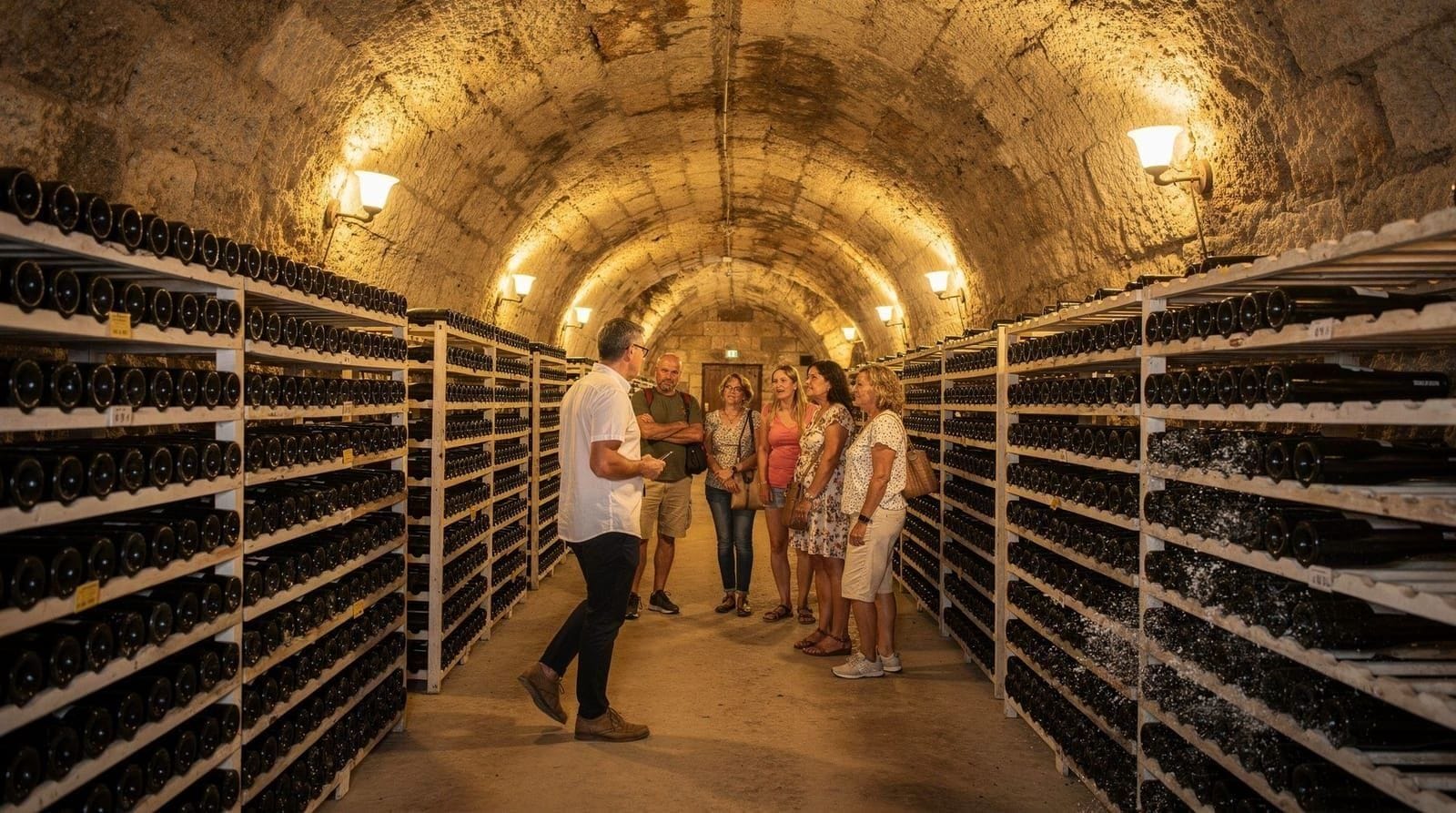
For visitors who want guided context — who want to understand what they are drinking, not just drink it — an organized wine tasting tour is worth the cost. The best ones pair Catalan wines with local food, cover the geography of what is in the glass, and take you to bars or cellars that you might not find on your own.
The evening tapas and wine tasting tour runs for around three hours from early evening, typically starting in El Born or the Gothic Quarter and moving through two or three venues. The format pairs each wine with a corresponding bite — a Penedès white with seafood, a Priorat red with cured meat, cava as aperitivo — in a way that makes the food-wine logic of Catalan cooking legible. This is a practical choice for visitors who want one evening that covers both food and wine comprehensively rather than planning separate bar visits.
The tapas walking tour with food, wine and vermouth takes a broader approach across the El Born and Gothic Quarter neighbourhoods, with vermouth integrated alongside wine and tapas — appropriate, since vermut is as embedded in Catalan drink culture as cava. See the vermut guide for context on why this matters.
Drinking cava in the city
Cava is not something you order at tourist bars in Barcelona — it is what locals drink to celebrate, to accompany aperitivo, and as a house sparkling option across the price spectrum. Most good restaurants have a cava list; most wine bars pour it by the glass.
The short version of what to know: cava is Catalan sparkling wine made by the same method as Champagne (secondary fermentation in bottle), from different grapes (Macabeu, Xarel·lo, Parellada), on Penedès limestone soils. Price in a bar ranges from €3–4 for a standard Brut pour to €8–12 for a Gran Reserva or a Corpinnat producer like Recaredo. At a bottle shop like Vila Viniteca, a serious Reserva costs €10–18.
Order cava by asking for “una copa de cava” — simple, universally understood. If you want something specific, ask for Brut Nature (bone dry) or Reserva (more body, longer aged). El Xampanyet’s house cava is poured from unlabelled bottles and is a category of its own — slightly sweeter than a standard Brut, deeply refreshing, and very much part of the El Born experience.
Wine and food: matching Catalan style
Catalan food culture is built around honest, seasonal ingredients — pa amb tomàquet, salt cod, grilled vegetables with romesco, botifarra sausage, fideuà. The wines evolved alongside this food, and the pairings that make intuitive sense reflect that history.
Cava with anchovies, raw shellfish, or fried seafood: essentially perfect. The acidity cuts the salt; the bubbles clean the palate.
Penedès whites with fideuà (the noodle paella) or grilled fish: clean, mineral, doesn’t compete.
Priorat or Montsant red with botifarra, lamb, aged cheese: the tannin and concentration match the richness.
Empordà rosé slightly chilled with summer vegetables or charcuterie: underrated and local.
For advice on putting wine in the context of a broader tasting evening, the tapas tours guide covers the food side in depth, and the best tapas neighborhoods guide will point you toward the right streets once you are ready to explore independently.
Gràcia and Poble-sec: neighbourhood bars worth knowing
Beyond El Born and Eixample, two other neighbourhoods have wine cultures worth exploring.
Gràcia has a collection of small wine bars and natural wine-focused restaurants on and around Carrer de Verdi and the area around Plaça del Sol. The neighbourhood is less frequented by tourists than El Born, the bars are generally more relaxed, and a table at a good Gràcia wine bar on a weekday evening is one of the more pleasantly unplanned experiences the city offers.
Poble-sec is known primarily for its pintxos culture on Carrer de Blai, but has a parallel wine bar scene — particularly natural wine — on the quieter streets away from the bar strip. Quimet & Quimet, famously tiny, is technically a vermouth bar but its canned seafood and preserved vegetable montaditos with whatever is poured constitute one of the best-value food-and-drink experiences in the city.
Practical notes for wine tasting in Barcelona
Best time for wine bars: Early evening (from around 6:30 pm) before the dinner rush is ideal. Wine bars fill quickly from 8 pm; arrive early if you want a table rather than counter space.
Buying wine to take home: Vila Viniteca is the definitive answer. Airport duty-free shops have poor selection and high prices for Catalan wine specifically. If you are flying with hand luggage only, ask about checked baggage options or the shop’s direct shipping service.
Wine in restaurants: Barcelona restaurants carry a bias toward Catalan and Spanish producers, which is an advantage — you are likely to discover something regional you would not find at home. House wine by the carafe (vi de la casa) is usually Catalan and usually decent; asking for the wine list is worthwhile at any restaurant above the tourist corridor level.
Natural wine: Barcelona has embraced natural wine enthusiastically. If you lean toward minimal-intervention, low-sulphite wines, El Born and Gràcia have more options than most European cities of similar size.
For the full picture on day trips to the source, the Penedès wine country destination page covers logistics, and the cooking classes guide pairs well if you want to connect wine with Catalan food culture in a hands-on setting.
Wine bar comparison at a glance
| Venue | Neighborhood | Style | Typical spend |
|---|---|---|---|
| El Xampanyet | El Born | House cava, tapas, cash only | €15–25 |
| Vila Viniteca | El Born | Serious wine shop, bottles to take home | €10–50+/bottle |
| Bar del Pla | El Born | Natural-leaning bistro list | €25–35 |
| Monvinic | Eixample | World-class list, formal | €40–70 |
| Gràcia bars (Carrer de Verdi) | Gràcia | Relaxed, natural wine, local crowd | €20–30 |
| Poble-sec (Quimet & Quimet) | Poble-sec | Vermouth-forward, canned montaditos | €15–25 |
A realistic one-evening wine crawl
If you only have one evening for wine in Barcelona, a simple three-stop route works well. Start around 6:30pm at El Xampanyet for house cava and anchovies while it is still quiet. Walk five minutes to Vila Viniteca to browse the shop and, if you are travelling with checked luggage, pick up a bottle or two to take home. Finish with dinner and a glass of Priorat or Montsant red at Bar del Pla or another El Born bistro. The whole route stays within a 10-minute walking radius, so there is no need to plan transport — see the getting around Barcelona guide if you are coming from further afield. For a broader evening that also covers tapas properly, our tapas tours guide lays out a similar walking sequence with food as the anchor.
Combining wine with a Penedès day trip
If a single evening in the city leaves you wanting more, the Penedès day trip guide covers visiting the source region directly — cava houses like Codorníu, still-wine producers, and the countryside itself, all under an hour from Barcelona by train. It is the natural next step for anyone who enjoys the wine bars enough to want to see where the bottles come from.
Wine in Barcelona is never just about the glass — it is about where you are sitting, what you are eating, and the rhythm of an evening that starts later and ends later than almost anywhere else in Europe.
Frequently asked questions about Wine tasting in Barcelona
What wines should I try in Barcelona?
Start with cava from Penedès — it is the local sparkling wine and a genuine part of Catalan culture, not a substitute for Champagne. Then explore Penedès still whites (Xarel·lo, Macabeu), a Priorat red for something powerful and mineral, and a Montsant for better value in the same style. At a good wine bar, ask for something from Empordà if you want something lighter and aromatic.Is Barcelona a good city for wine lovers?
Yes, particularly for Catalan wines. The city has excellent wine bars, a culture of drinking local, and easy access to the Penedès wine country by commuter train. Monvinic in the Eixample is frequently cited as one of the best wine bars in the world. The wine shop and tasting room at Vila Viniteca in El Born has around 6,000 references.How much does a wine tasting tour cost in Barcelona?
Organized wine tasting tours in Barcelona typically cost €60–90 per person for 2.5–3.5 hours, including multiple pours and food pairings. Self-guided tasting at a wine bar, with two or three glasses and a plate of cheese or charcuterie, usually comes to €20–35 per person.What is Priorat wine?
Priorat is a small DO in the mountains south of Tarragona, producing some of Spain's most concentrated and complex red wines from old-vine Garnacha and Cariñena on black slate (llicorella) soils. These are powerful, mineral wines that age well. Prices at the source start around €15 for entry-level bottles; premium Priorat (Clos Mogador, Álvaro Palacios) runs to €50 and above.Where in Barcelona can I buy good Catalan wine to take home?
Vila Viniteca in El Born is the definitive destination — enormous selection, knowledgeable staff, and prices below what you will pay at airport shops. El Magnífico (also El Born) specialises in smaller producers. Both shops offer shipping for larger purchases.Is vermouth the same as wine tasting in Barcelona?
No, but they overlap. Vermut is a fortified, aromatised wine and drinking it — usually at midday, with olives and a small snack — is a distinct Catalan ritual rather than a wine-tasting exercise. Many wine bars also pour a good vermut, so the two experiences naturally sit side by side on the same evening out.
Top experiences
Bookable activities with verified prices and instant confirmation on GetYourGuide.