Best neighborhoods in Barcelona: a local's guide to the city's barris
Barcelona: 2-hour Gothic Quarter walking tour
Duration: 2 hours
- Free cancellation
What are the best neighborhoods to explore in Barcelona?
El Born and the Gothic Quarter are the most rewarding for first-time visitors — dense with history, food and things to discover on foot. Gràcia rewards slower exploration, Poble-sec has the best local food scene per euro, and Barceloneta makes sense in summer for beach days.
| Best for history | Gothic Quarter and El Born |
| Best for food | El Born and Poble-sec |
| Most local feel | Gràcia |
| Best base to stay | Eixample — flat, central, well connected |
| Beach access | Barceloneta or Poblenou |
Barcelona’s barris: why neighborhood identity matters here
Barcelona is a city of barris — the Catalan word for neighborhood, carrying more weight than its English translation suggests. When locals describe themselves in relation to the city, they often say which barri they’re from before they mention Barcelona itself. This isn’t nostalgia; it’s a living reality. Gràcia residents shop in Gràcia. Poble-sec regulars have their bars on Carrer de Blai. El Born has its own aesthetic, its own food logic, its own rhythm.
For visitors, this means the neighborhood you’re exploring on a given day is not just a backdrop to the major sights — it is itself an experience worth paying attention to. The Roman temple hidden in the courtyard of a medieval building complex in the Gothic Quarter tells a completely different story from the modernista apartment blocks of Eixample or the industrial loft conversions of Poblenou. Getting between them involves 20-30 minutes on the metro or a long walk, but also a genuine shift in register.
This guide covers what makes each neighborhood worth visiting as a destination in itself — the character, the food, the specific things to notice. For the more practical question of which neighborhood to base yourself in, see the where to stay in Barcelona guide.
Gothic Quarter (Barri Gòtic): layered history on a walkable grid
The Gothic Quarter is the oldest part of Barcelona, built on and around the Roman city of Barcino. That layering is the neighborhood’s defining quality: a medieval street plan that absorbed, built over and occasionally preserved what came before. The Temple d’August — four Roman columns from the 1st century BC — stands in the courtyard of a medieval building at Carrer del Paradís 10. You walk through a door in an unremarkable street, climb stairs, and find yourself looking at something that predates the entire medieval quarter by a thousand years.
The 14th-century Cathedral of Barcelona is the neighborhood’s central landmark. The nave is free to visit; the rooftop costs €9 but offers a view over the tiled Gothic rooflines that’s worth the price. The Call Jueu (Jewish Quarter) occupies the streets to the west of the cathedral — one of the oldest Jewish communities in the Iberian peninsula before the 1391 pogroms ended it. The streets are narrow enough that the plaques on the walls are easy to miss; the MUHBA El Call visitor centre provides context.
Plaça Reial, the neighborhood’s grandest open space, was designed in the 1840s in a neoclassical style that feels oddly French for Barcelona. The lampposts were an early commission by a young Antoni Gaudí — one of the city’s better pub-quiz facts. The square gets busy at night and has a reputation for persistent restaurant tout activity; the better bars are the ones not employing someone to stand outside.
What to notice: The shift in scale as you move from wider medieval lanes to the narrow passages of the Call. The way the Roman street grid survives as a ghost beneath the medieval plan — visible on maps, occasionally in the underground ruins.
What to skip: The main tourist restaurants on the obvious streets. The €14 sangria is not a Barcelona tradition; it’s an invention for visitors.
El Born (Sant Pere): fashionable, food-forward, historically dense
El Born borders the Gothic Quarter to the east and outperforms it on almost every metric that matters to contemporary visitors: better food, better bars, more interesting boutiques, a stronger contemporary identity alongside comparable medieval heritage. It’s where Barcelona residents go when they want old-town atmosphere without old-town tourist density.
The Picasso Museum is the neighborhood’s biggest draw — one of the best collections of early Picasso in the world, covering his formative years in Barcelona before Paris. Our Picasso Museum guide covers which rooms to prioritise and how to avoid the worst of the queues. Book ahead; walk-up tickets on busy days involve waits that eat into the rest of your morning.
The Palau de la Música Catalana is five minutes north of the Picasso Museum — a 1908 concert hall by Lluís Domènech i Montaner that is the most visually overwhelming building in the city. The stained glass skylight in the main auditorium is best seen from a seat during a concert, but daytime guided tours (book in advance) let you into the space without needing a programme.
The El Born Cultural Centre occupies the 19th-century iron market building on Plaça Comercial. In 2002, during renovation work, construction crews discovered an intact layer of the neighborhood from 1714 — houses, wells, ceramics, personal objects — preserved beneath the market floor when the area was demolished after the Spanish siege of Barcelona. The ruins are now visible beneath a glass floor. It’s one of the most quietly affecting historical sites in the city.
The food and bar scene runs from El Xampanyet on Carrer de Montcada (cava since 1929, no-frills, standing room, one of the neighbourhood’s most genuinely local bars) to newer wine bars and natural wine shops that have opened in the past five years. Bar del Pla does excellent patatas bravas and honest Catalan cooking. The area around Mercat de Santa Caterina — Enric Miralles’ coloured mosaic rooftop visible from several blocks away — has the highest concentration of genuinely good-value lunch spots.
What to notice: The medieval archways over Carrer dels Carders. The contrast between the 14th-century church of Santa Maria del Mar (built by the neighbourhood’s own residents, not royalty) and the grander Gothic Quarter Cathedral.
Eixample: modernisme at street level
Eixample is where Barcelona made its 19th-century wager on rational urban planning — and won. Ildefons Cerdà’s 1860 grid design, with its distinctive chamfered octagonal corners, created interior courtyard blocks intended as green space for residents. Most of those courtyards were eventually built on, but the overall effect of wide boulevards, consistent building heights and legible street layout remains one of the most liveable large urban grids in Europe.
The neighborhood’s visual centrepiece is the Passeig de Gràcia block between Carrer d’Aragó and Carrer del Consell de Cent — the so-called Manzana de la Discordia, where three rival modernista architects placed their most ambitious buildings on adjacent plots. Casa Lleó Morera (Domènech i Montaner), Casa Amatller (Puig i Cadafalch) and Casa Batlló (Gaudí) occupy positions 35, 41 and 43. All three are visitable; Casa Batlló is the most theatrical and the most expensive (€39 for the standard entry).
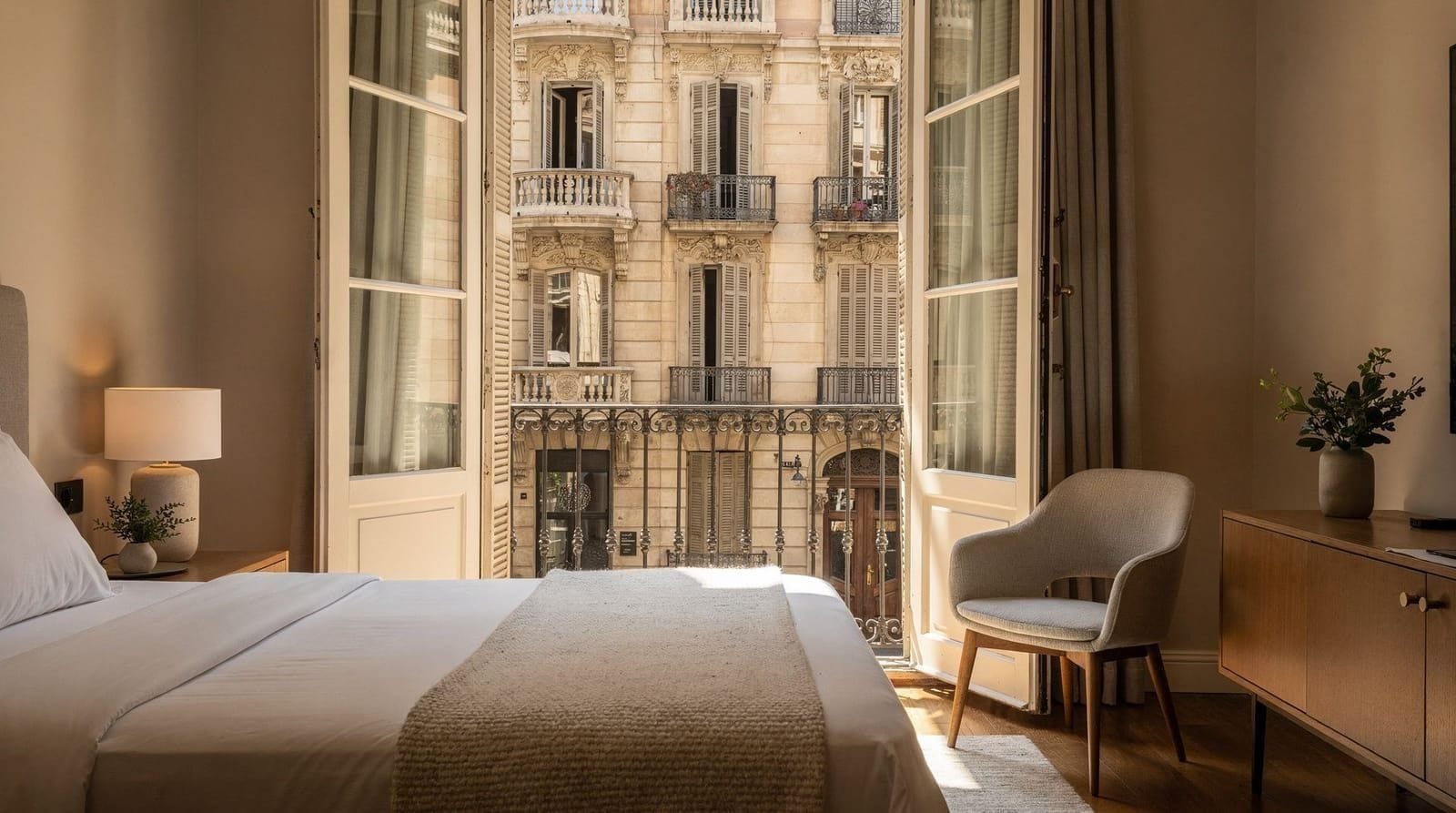
Walking Eixample is itself worthwhile. The neighbourhood has the highest concentration of modernista apartment buildings in the city — not just the famous ones, but hundreds of less-celebrated buildings with ornate tile work, ironwork balconies and carved stone façades that get overlooked because they’re not on the tour map.
The left section of Eixample (Esquerra de l’Eixample, or “Gayxample”) has been the city’s established LGBTQ+ neighbourhood for decades. Carrer del Consell de Cent is the social spine, with bars and restaurants that have served the community since the transition from Franco-era prohibition in the 1970s.
What to notice: Look up. Eixample apartment buildings have decorative detail on their upper floors that most visitors walking at street level completely miss. The pharmacy signs — many of which are original modernista crosses in illuminated glass — are worth photographing.
Gràcia: the village the city swallowed (but didn’t change)
Gràcia was absorbed into Barcelona in 1897, and it has been making its displeasure known ever since — or so the neighbourhood mythology goes. What’s actually true is that Gràcia has maintained a degree of cultural autonomy that most absorbed villages lose within a generation. The neighbourhood has its own distinct feel: smaller in scale, more human, less obviously designed for visitors.
The squares are the key. Plaça del Sol fills up with locals from late afternoon, when the tables at the surrounding bars extend into the open space and the neighbourhood’s residents take up positions for the evening ritual of drinks, conversation and watching people pass. Plaça de la Vila de Gràcia has the neighbourhood’s landmark clock tower and a more family-oriented weekend energy. Plaça de la Virreina is the most bohemian, with a mix of young regulars and the kind of old men who have sat at the same café table for twenty years.
Independent restaurants and cafés dominate Gràcia to a degree unusual in modern Barcelona. There are no chains. Lunch menus are genuinely local. The neighbourhood has attracted a community of artists, musicians and writers that gives it a creative density worth noting — not in the self-conscious “creative quarter” way of marketed neighborhoods, but as a simple description of who lives here.
The Festa Major de Gràcia in August (14-20) is one of Barcelona’s best free events. Neighbouring streets compete for most elaborate decorations — not just bunting and paper flowers, but full architectural installations that transform entire blocks. The neighbourhood fills with locals from across the city; it is noticeably not a tourist event, though visitors are welcome and plentiful.
What to notice: The independent bookshops and record stores concentrated on Carrer de Verdi and its side streets. The covered market on Plaça de l’Abaceria (Mercat de l’Abaceria) — less famous than La Boqueria, more genuinely used by local residents.
Barceloneta: the beach neighborhood with a real history
Barceloneta was built in the 1750s to house the fishing community displaced when the Ciutadella fortress was constructed on their original neighborhood. The 18th-century grid is still visible — narrow blocks, buildings designed to be only one room wide to maximise light and air on a cramped peninsula. The community that lived here fished the Mediterranean for two centuries.
The beach transformation came with the 1992 Olympics, when the waterfront was opened up, the industrial barriers were removed and the beaches were landscaped into their current form. The result is 4.5 km of city beach — genuinely urban, busy in summer, accessed directly by metro.
The food scene here has two clearly distinct modes. The tourist-facing mode operates on the beachfront passeig: seafood restaurants with paella photographs outside, pricing that bears no relationship to what locals pay, quality that varies from mediocre to actively bad. The local mode operates a few streets back: El Vaso de Oro on Carrer de Balboa is a narrow bar with no tables, standing room for maybe fifteen people, and excellent draft beer poured by staff who have been doing this for decades. Cova Fumada — often credited with inventing the bomba, Barcelona’s distinctive potato croquette — has no sign and irregular hours, but if you find it open, go in.
The Mercat de la Barceloneta (Plaça de la Font) is a working food market used primarily by residents, as opposed to La Boqueria, which has become primarily a tourist destination. Our food markets guide covers both and helps you decide which suits your visit.
What to notice: The architecture of the original 18th-century blocks, particularly on Carrer de Sant Carles. The way the beach promenade transitions from the marina in the south to the more family-oriented sections further north.
Poble-sec: Barcelona’s best food street and the gateway to Montjuïc
Poble-sec climbs the hillside between the flat Eixample grid and the Montjuïc hill, and it has developed into one of the most interesting neighborhoods in the city for food without attracting the attention its quality deserves. Carrer de Blai is the reason most visitors come: a short street lined entirely with pintxos bars serving Basque-style snacks at €1.50–2.50 each, every evening from around 6pm. It gets busy; the quality varies between bars; the overall experience is reliably excellent value.
Quimet & Quimet on Carrer del Poeta Cabanyes is one of the city’s most iconic small bars — a standing-room-only space that opens only for lunch, serves an extraordinary range of canned and pickled foods (montaditos of smoked salmon with honey and yoghurt being the crowd favourite), and pours excellent vermut from the barrel. It holds maybe 30 people at a squeeze. The neighbourhood’s history with vermut is worth tracing — see our vermut guide for context on why this drink has such deep roots in Barcelona’s working-class neighbourhoods.
The neighbourhood also functions as the most practical base for visiting Montjuïc. The funicular from Paral·lel metro rises to the hill’s southern section, where the MNAC, Fundació Joan Miró, Pavelló Mies van der Rohe and the 1992 Olympic Stadium are clustered. Coming back down for lunch in Poble-sec — especially if you time it to catch Quimet & Quimet — makes for an ideal half-day structure.
What to notice: The way the neighbourhood transitions from the flat street grid to hillside terracing as you walk south toward Montjuïc. The Teatre Grec, the outdoor amphitheatre on the hill above the neighbourhood, hosts a major summer festival (Grec Festival) every July.
Montjuïc: the hill that holds half the city’s cultural infrastructure
Montjuïc is not a residential neighborhood but a hill, and it deserves a half-day of any serious Barcelona visit. The concentration of cultural institutions is unusual even by European capital standards: the MNAC houses Catalonia’s national art collection, with a Romanesque collection transferred from remote Pyrenean churches that is extraordinary. The MNAC guide covers which collections justify the entry price. The Fundació Joan Miró is one of the best single-artist museums in Spain — Miró’s relationship with Barcelona is inseparable from the city’s modern cultural identity.
The Pavelló Mies van der Rohe is the reconstructed 1929 Barcelona Pavilion: a small building of enormous architectural influence, built from travertine, marble and water, that essentially invented the open-plan modern interior. The cable car from Barceloneta — or from Paral·lel metro via the funicular — provides the most scenic approach.
The Font Màgica (Magic Fountain) operates Thursday through Sunday evenings from May to October (20:30–21:30), with free light and music displays visible from the broad staircase below the MNAC. It’s unabashedly theatrical and draws enormous crowds; arrive early for a spot with a clear view.
What to notice: The view from the Castell de Montjuïc across the city, the port and (on clear days) the mountains of the Garraf and Penedès. The Penedès wine country itself — cava country, less than an hour south — is covered in our Penedès cava tours guide for those extending their visit beyond the city.
El Raval: gritty, multicultural, genuinely interesting
El Raval occupies the western side of La Rambla and has always been the neighborhood that doesn’t fit Barcelona’s self-image as cleanly as the rest. It was the city’s working-class and immigrant quarter for most of the 20th century, the location of brothels and opium dens that gave it a literary mythology (Orwell describes it in Homage to Catalonia), and it has never fully shed the edge that comes from being the part of town where people who couldn’t afford anywhere else ended up.
The contemporary version is a neighbourhood in active transition. MACBA — the Barcelona Museum of Contemporary Art — opened in a Richard Meier-designed building in 1995 and triggered a transformation of the surrounding area. The open plaza in front of the museum has become one of the city’s most animated public spaces, used by skateboarders, students, tourists and local residents in a mix that feels genuinely urban rather than designed. The CCCB (Centre de Cultura Contemporània de Barcelona) sits adjacent and programmes some of the most interesting exhibitions in the city.
El Raval’s food scene reflects its multicultural character in ways that don’t appear in other Barcelona neighborhoods — South Asian restaurants on Carrer del Carme, Pakistani grocery stores stocked with ingredients unavailable in the rest of the city, halal butchers alongside modernista pharmacy signs. The neighbourhood has not been fully smoothed out for tourists, which makes it more interesting to walk.
What to notice: La Boqueria market is technically on the Raval side of La Rambla — our La Boqueria guide is honest about which stalls are worth visiting versus which are tourist traps. The Filmoteca de Catalunya on Plaça de Salvador Seguí screens classic and international cinema at very reasonable prices.
Poblenou: Barcelona’s newest old neighbourhood
Poblenou’s industrial past is the most recent of any neighborhood on this list — not medieval stone but 19th-century brick factories, some still standing as shells, others converted into the loft apartments and co-working spaces that now define the area’s visual identity. The 22@ innovation district designation brought investment and a particular demographic of design-sector workers and digital nomads.
What this means for visitors is a neighbourhood where the food scene is genuinely local (because the people who live here are young professionals who eat out regularly, not tourists), the architecture is interesting in a completely different register from the old town, and the beaches are accessible without the crowds of Barceloneta.
The Rambla del Poblenou is worth walking precisely because it functions as a neighbourhood main street rather than a tourist thoroughfare — locals pushing prams, elderly residents at café tables, the kind of quiet late-afternoon energy that La Rambla had before it was transformed into what it is now. The Palo Alto market (first weekend of each month) is the city’s best design and food market.
What to notice: The surviving factory buildings on Carrer de Pallars and the streets around it — some converted, some in transition, some still industrial. The contrast between 19th-century industrial brick and contemporary architectural interventions.
The best neighborhoods in Barcelona for exploring depend on what you’re prioritising — historical depth, food quality, local atmosphere or beach access. No single neighbourhood covers everything; the city’s character comes from the contrasts between them.
For where to base yourself on a typical trip, the where to stay in Barcelona guide covers hotel prices and honest trade-offs for each area. For food-specific neighbourhood exploration, see the best tapas neighborhoods guide and the tapas tours guide.
The nine neighborhoods described here — Gothic Quarter, El Born, Eixample, Gràcia, Barceloneta, Poble-sec, Montjuïc, El Raval and Poblenou — cover the main visitor territory. Barcelona has dozens more; the ones above are the ones where the investment of a morning’s walking pays off most reliably.
How the neighborhoods connect by metro
Most of these barris are one or two metro stops apart, which makes hopping between them for different parts of the day genuinely practical rather than a logistics chore. L4 (yellow) is the workhorse for old-town exploration, connecting Barceloneta, the Gothic Quarter/El Born area (Jaume I) and continuing north toward Poblenou. L3 (green) runs through the Gothic Quarter (Liceu) and up into Gràcia (Fontana, Lesseps). L2 and L1 both serve El Raval from different angles (Sant Antoni, Universitat). For Poble-sec and Montjuïc, the Paral·lel station serves both the L2/L3 metro and the funicular up the hill in one interchange.
Walking between adjacent neighbourhoods is often just as fast as the metro once you include the time to reach and exit a station — Gothic Quarter to El Born is a 10-minute walk, as is El Born to Barceloneta. Save the metro for genuine cross-city moves: Eixample to Poblenou, or Gràcia to Montjuïc, where 25-35 minutes of walking becomes a 12-15 minute metro ride.
Neighborhoods compared at a glance
| Neighbourhood | Character | Best for | Avoid if |
|---|---|---|---|
| Gothic Quarter | Medieval, dense, touristic | First-time history walk | You dislike crowds |
| El Born | Fashionable, food-forward | Best all-round old-town base | Budget is tight |
| Eixample | Modernisme, grid, flat | Staying central and comfortable | You want village atmosphere |
| Gràcia | Village, local, independent | Slower exploration, evenings | You want everything walkable to major sights |
| Barceloneta | Beach, working-class history | Summer beach days | You dislike crowds in peak season |
| Poble-sec | Food street, Montjuïc gateway | Value dining, hill access | You want nightlife density |
| El Raval | Multicultural, contemporary art | MACBA, edgier character | You want a polished, quiet stay |
| Poblenou | Industrial-turned-creative | Quiet beach access, design | You want old-town atmosphere |
Neighborhoods for repeat visitors
If this is not your first trip to Barcelona and you have already covered the Gothic Quarter, El Born and Eixample thoroughly, Poblenou and the deeper end of Gràcia (past Plaça de la Vila de Gràcia, toward Vallcarca) reward a second visit more than a repeat walk through the old town. Both have continued evolving — Poblenou’s design and food scene in particular has grown noticeably since the early 22@ redevelopment years — and neither suffers from the crowd density that can make a second Gothic Quarter visit feel repetitive rather than additive.
Building a neighbourhood-based itinerary
Rather than chasing a checklist of individual sights, the most efficient way to see Barcelona is to dedicate a morning or afternoon to one neighbourhood at a time, letting the geography set the pace. Gothic Quarter and El Born pair naturally as adjoining half-days; Poble-sec and Montjuïc form another natural pairing given the funicular link between them; Gràcia and the Park Güell free zone sit close enough to combine into a single relaxed day. Our 3-day classic itinerary and 4-day extended itinerary both build around this neighbourhood-block logic rather than treating each attraction as a separate trip across the city.
For first-timers deciding where to sleep versus where to spend daytime hours, these are two different questions. A hotel in the Eixample with daytime exploration concentrated in El Born, Gràcia and Poble-sec gives you the practical benefits of a flat, well-connected base without sacrificing time in the more atmospheric neighbourhoods. Our how many days in Barcelona guide has a fuller breakdown of how many neighbourhoods you can realistically cover per day without rushing.
Frequently asked questions about Best neighborhoods in Barcelona
Which Barcelona neighborhood has the best food scene?
El Born and Poble-sec have the strongest food scenes for genuine value and quality. The Gothic Quarter and Barceloneta waterfront have the most tourist-trap restaurants — avoid the obvious spots and you'll find good things, but the ratio of good to bad is lower.What is the most bohemian neighborhood in Barcelona?
Gràcia has the strongest claim — it was an independent village until 1897 and has maintained a genuinely local, independent character. No chain restaurants, active neighbourhood squares, and an August street festival that is one of the city's best free events.Which neighborhood has the best street art and contemporary culture?
El Raval, anchored by the MACBA plaza, has the most active contemporary art and street culture scene. The skateboarding community around the museum is a constant presence, and the CCCB programmes some of the city's most interesting events.Can you explore Montjuïc in a day trip from any neighborhood?
Yes — Montjuïc is a half-day destination accessible via funicular from Paral·lel metro or cable car from Barceloneta. Poble-sec sits at the foot of the hill and makes a natural lunch base after a morning on the hill.What's the difference between El Born and the Gothic Quarter for visitors?
The Gothic Quarter is older (Roman foundations, medieval streets) and more tourist-dense. El Born is more fashionable and food-forward, with a better bar scene and the Picasso Museum. Both are walkable; El Born has a better ratio of local-to-tourist establishments.How many neighborhoods can I realistically see in 3 days?
Four to five with a genuine half-day each - typically Gothic Quarter, El Born, Gracia and Poble-sec/Montjuic as a pair. Trying to fit in all nine neighbourhoods covered in this guide within three days leads to rushed, superficial visits that miss what makes each one distinct.Should I stay in the neighborhood I want to explore most, or somewhere central?
Somewhere central and practical, generally the Eixample, works better for most visitors than basing yourself in the most atmospheric neighbourhood. You can spend daytime hours in Gracia, El Born or Poble-sec while sleeping somewhere flat, well-connected and quieter at night.
Top experiences
Bookable activities with verified prices and instant confirmation on GetYourGuide.
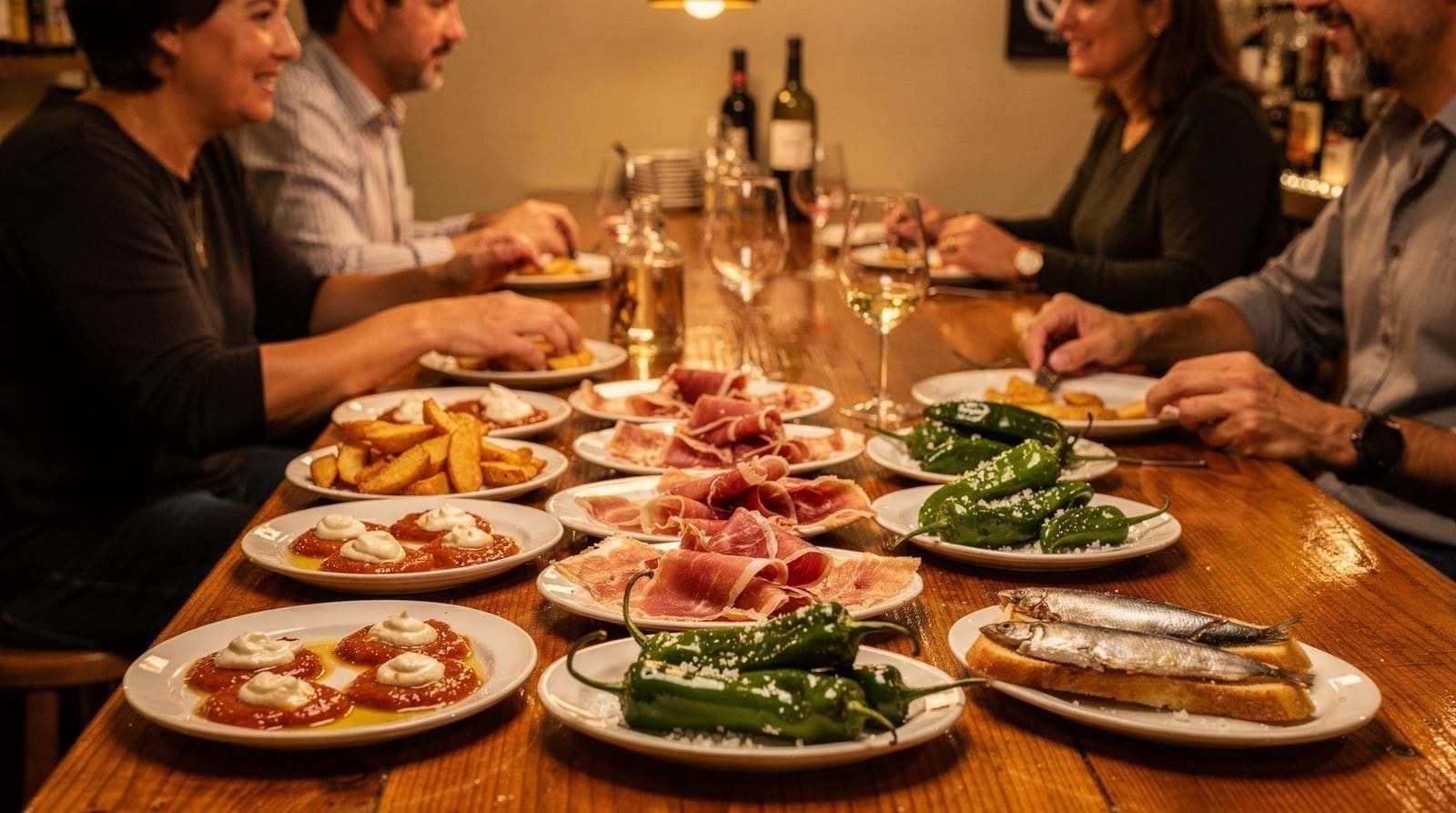
Barcelona: El Born and Gothic Quarter wine & tapas bar tour
- Free cancellation
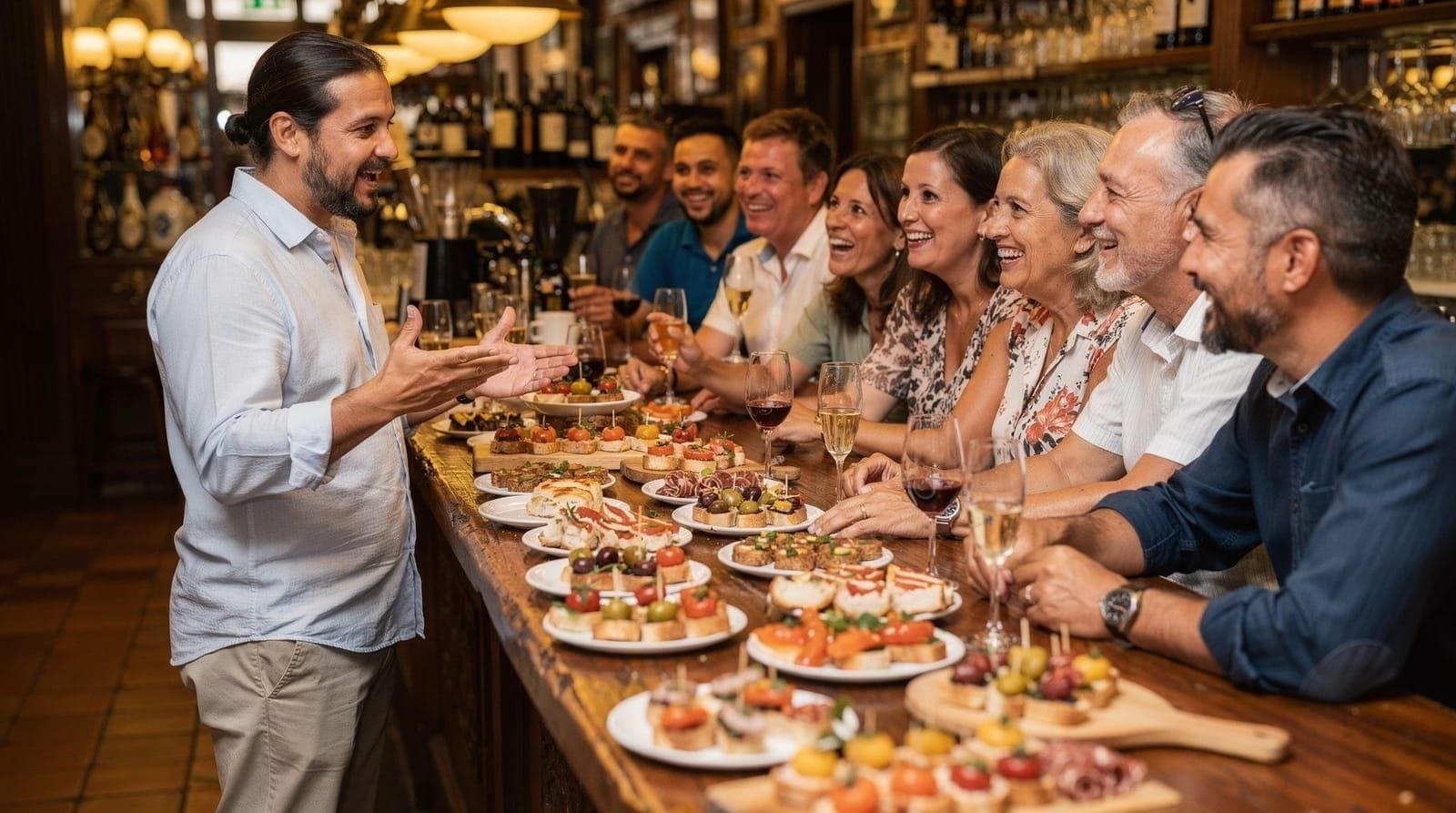
Barcelona: El Born food walking tour with tapas and drinks
- Free cancellation
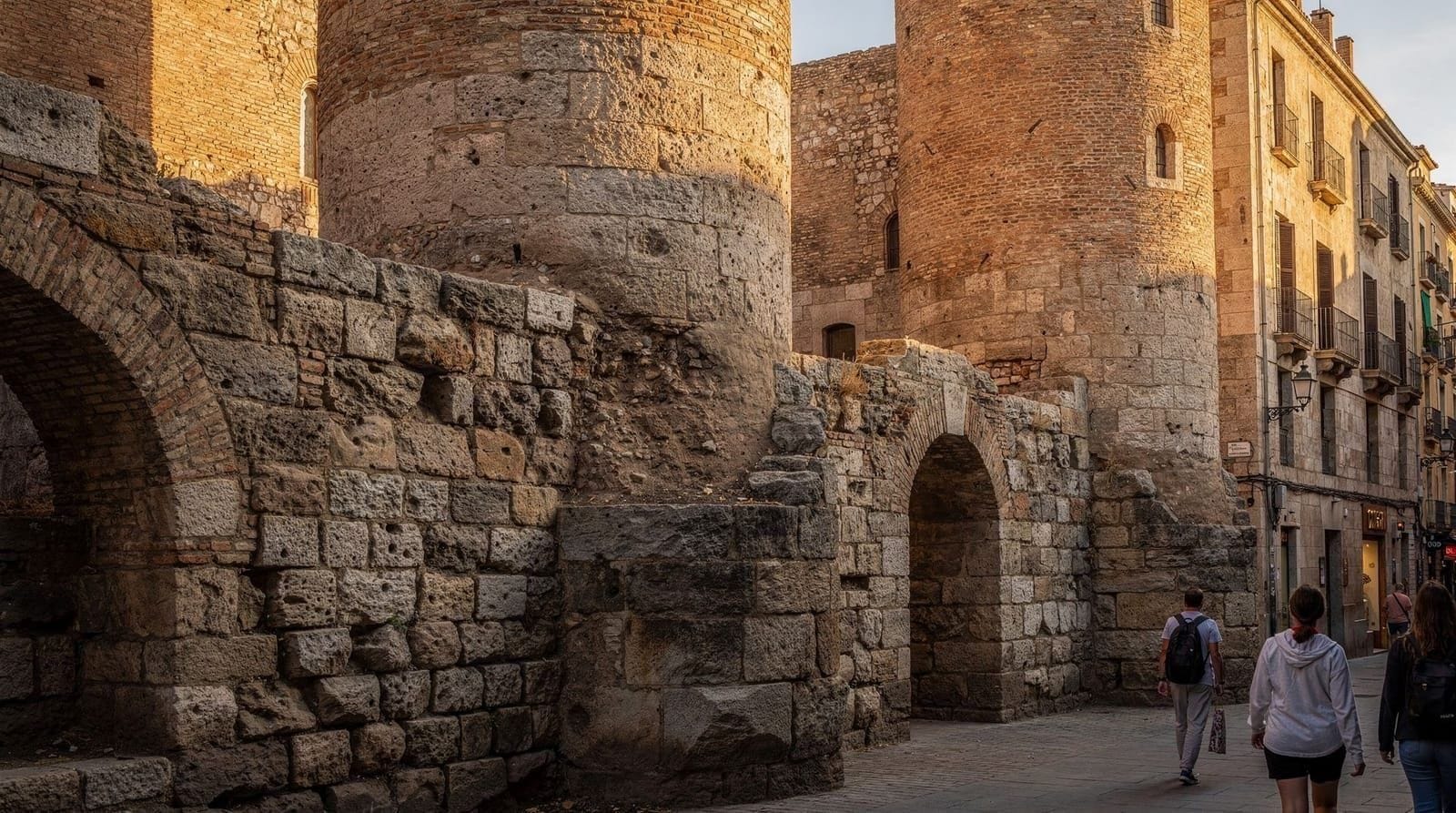
Barcelona: 1-hour Gothic Quarter and El Born walking tour
- Free cancellation
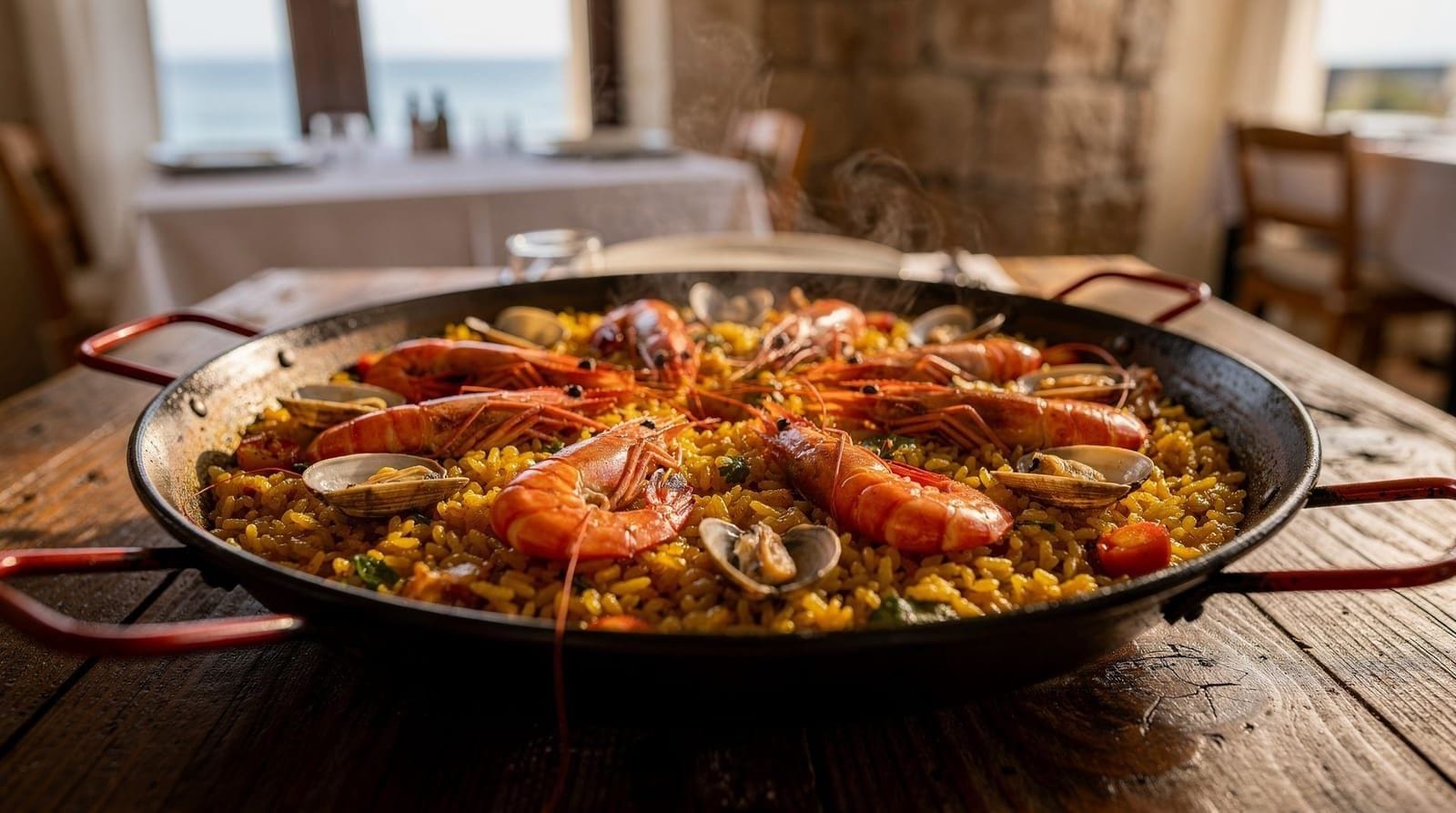
Barcelona: old town tapas & paella food tour with 8 tastings
- Free cancellation