Primavera Sound 2026: what to know before you go
Primavera Sound is not the biggest music festival in the world, but it might be the best-run one. It takes place on the northeastern edge of Barcelona at Parc del Fòrum, a flat coastal site with the Mediterranean a few hundred metres away and the city’s skyline visible from every stage. The 2026 edition runs June 4–6, and if you are reading this close to the festival date and have not yet sorted accommodation, you will need to move quickly.
| Dates 2026 | June 4–6 |
| Where | Parc del Fòrum |
| Weekend pass | Around €195–250+ depending on tier |
| Getting there | Metro Line 4 to El Maresme - Fòrum |
| Book accommodation | 4–6 months ahead |
What makes Primavera different
The festival’s reputation is built on curation rather than commercial muscle. Rather than booking the same five legacy acts that every European summer festival rotates, Primavera consistently programmes artists who are either at an interesting moment in their career or have been critically recognised without getting mainstream festival slots. The result is a lineup that feels both credible and surprising year after year.
The site helps. Parc del Fòrum was built for the 2004 Universal Forum of Cultures and has an odd industrial-coastal character that suits festival infrastructure better than you would expect. There are multiple main stages with enough separation that sound bleed is minimal. Food and drink options have improved considerably over the years — the days of queuing thirty minutes for a mediocre burger are largely over, though prices are festival prices (expect €8–12 for a meal, €5–7 for a beer or wine).
The crowd is also worth noting. Primavera attracts a notably international audience — perhaps more so than any other European festival — with a significant portion of attendees flying in specifically for the weekend. The age range skews older than you might expect: thirty-somethings and forty-somethings who have been coming for a decade mix comfortably with first-timers in their twenties.
Tickets and when to buy them
Primavera Sound sells out. This is not festival marketing copy — it genuinely sells out, often months before the event. The site has a capacity of over 200,000 people across the three days, and it fills. Weekend passes go first; single-day tickets are released in smaller quantities.
For the 2026 edition, the first ticket wave typically opens in autumn 2025. If you are planning to attend, the practical advice is: buy tickets before you book flights, not after. Discovering you cannot get tickets after committing to flights and a hotel is a common and painful experience.
Ticket prices vary by tier; early-bird weekend passes in previous years have been around €195–220, with later tiers pushing past €250. Check the official Primavera Sound website for the current price and availability.
Where to stay during Primavera Sound
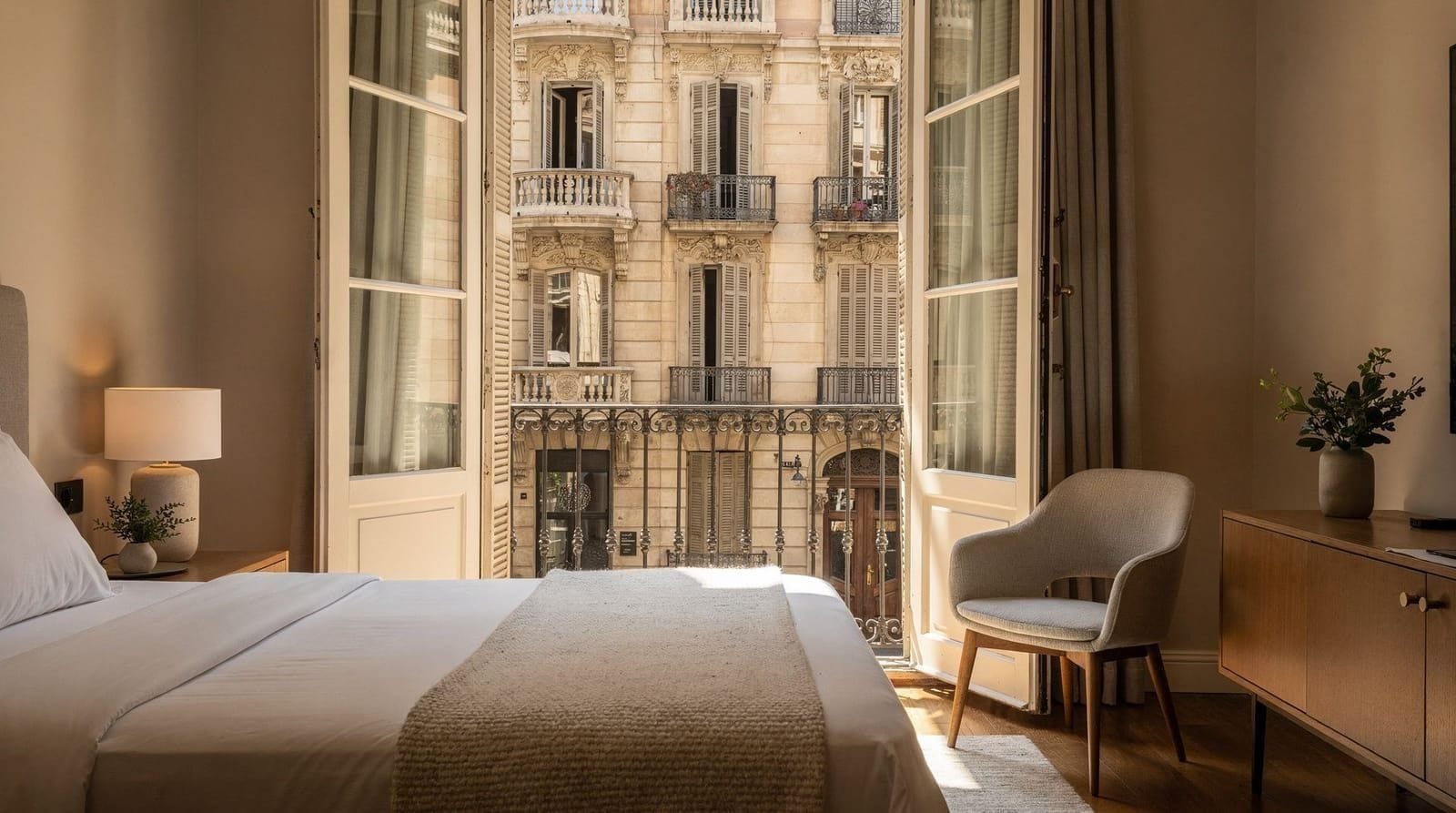
This is where the real planning challenge lies. Hotel and apartment prices in Barcelona during Primavera Sound week surge significantly — it is not unusual to see rates double or triple compared to the previous week. Central apartments that normally cost €100 per night may reach €200–300. The earlier you book, the better.
Our full guide to where to stay in Barcelona covers all the neighbourhoods. For Primavera Sound specifically:
Poblenou is the closest neighbourhood to Parc del Fòrum and fills up fast with festival-goers. It is also a genuinely interesting place to stay — a former industrial district that has transformed into one of Barcelona’s most creative areas. Apartments here are popular and prices reflect that during festival week.
Eixample is the most central option and still within reasonable transport distance of the site. The metro from Passeig de Gràcia to the venue takes about twenty-five minutes. This is where you will find the widest range of hotels at various price points.
Further out: if central Barcelona is fully booked or prohibitively expensive, Badalona and Sant Adrià del Besòs are both close to the festival site and often have cheaper accommodation. They are not picturesque, but they are functional and well-connected.
Book four to six months ahead if possible. This is not being overcautious — it is what experienced Primavera attendees do.
Getting to Parc del Fòrum
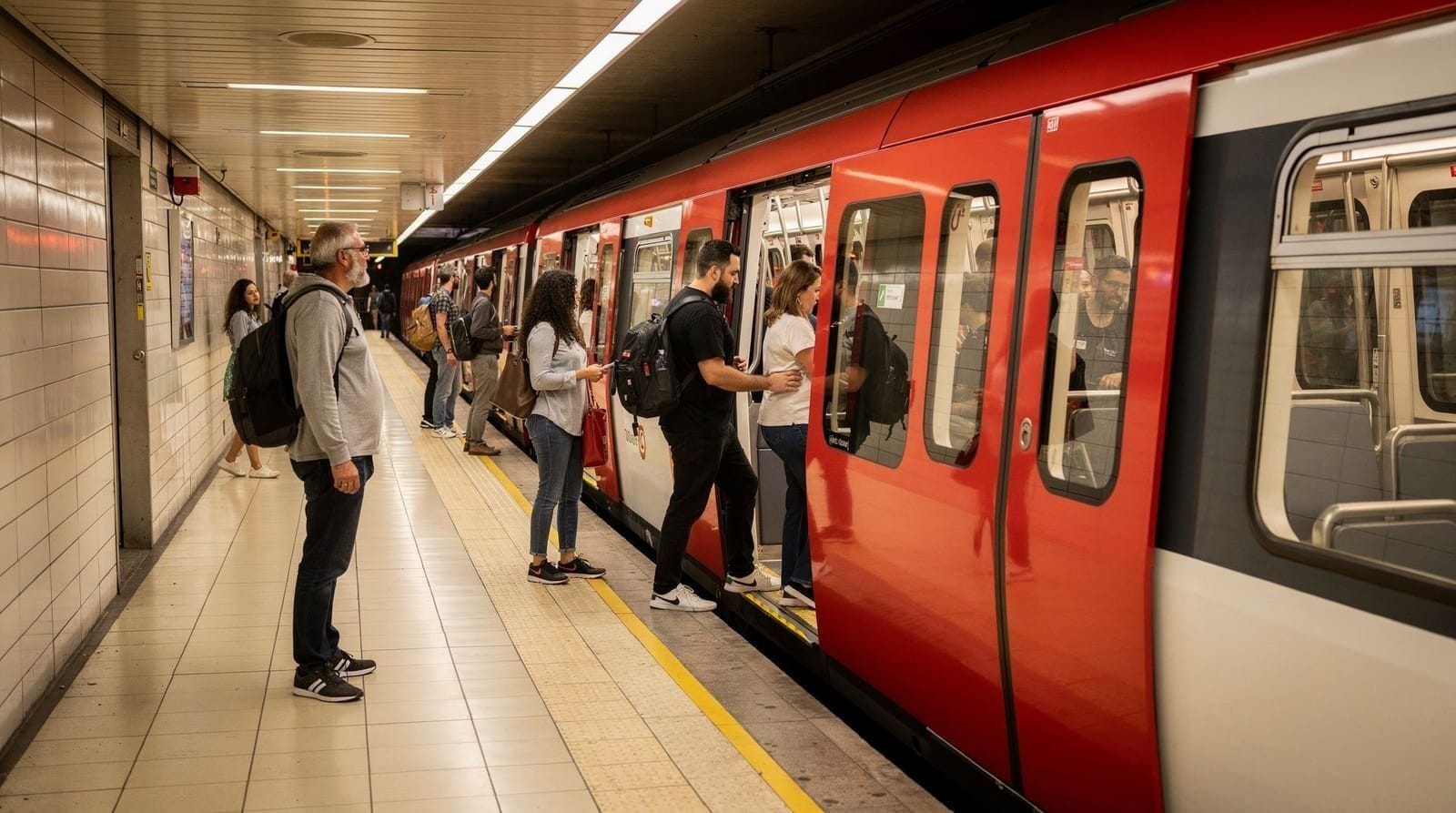
The metro is the standard answer. Take Line 4 (yellow) to El Maresme - Fòrum station, which is essentially at the festival entrance. Trains run until well past midnight, and festival organisers typically arrange extended hours for the final nights.
Buses also serve the site; the T33 and other routes connect from central Barcelona. Walking from Barceloneta along the seafront takes about forty-five minutes and is pleasant before the festival but less appealing at 3am after a long day.
Taxis and rideshares are available but expect significant surge pricing late at night when the stages close. Sharing with other festival-goers is common and cost-effective. Our transport pass comparison article explains the metro options in detail — the T-Casual ten-journey card is the most practical for a festival weekend.
What to pack
The Mediterranean in early June is warm but not reliable. Daytime temperatures are typically 22–26°C and comfortable; evenings cool to around 18°C, sometimes lower with a sea breeze. A light layer is worth carrying, especially after midnight. Rain is possible but June is statistically one of Barcelona’s drier months.
Practical list:
- Comfortable shoes that can handle tarmac for twelve hours
- A small bag or backpack with a zip — the site is generally well-policed but festival crowds attract pickpockets
- Earplugs (both for stage protection and for sleeping after late nights)
- A reusable water bottle — there are free water points on site
- Suncream for the afternoon sessions; the site has limited shade
- A portable battery charger for your phone
Combining Primavera with Barcelona sightseeing
Most people arrive a day or two before the festival and leave a day or two after — which means you have time to actually see the city. June is one of the better months for visiting: long days (sunset around 9:15pm), warm temperatures, and the main summer tourist rush not quite at its peak.
The big decisions: Sagrada Família, Park Güell, Casa Batlló all require advance booking. If you want timed-entry tickets for the same week as Primavera Sound, book them when you book your festival tickets. They will sell out too.
If you are staying in Poblenou, you are already well-positioned for the city’s more local side: Rambla del Poblenou, the beach at Barceloneta a short walk or cycle away, and the emerging restaurant scene around the 22@ tech district. Our best time to visit Barcelona guide covers the June window in detail.
The day stages and Primavera Pro
One thing many first-timers do not know: Primavera runs a complementary programme during the days before and during the main festival. Primavera Pro is an industry conference component that takes place in various venues around the city. Some Pro events are open to the public; others require professional accreditation. Check the programme if you are interested in talks, panels or smaller showcase gigs.
There are also typically free satellite events in bars and clubs around Barcelona during the festival week — acts playing smaller shows for free or at low cost. These are worth seeking out if you want to extend the festival experience beyond the Fòrum site.
Solo attendance and meeting people
Primavera Sound is one of the more solo-friendly major festivals in Europe. The international crowd, the general absence of aggressive drinking culture compared to some UK or German festivals, and the fact that many attendees are there specifically for the music rather than the social scene all make solo attendance genuinely comfortable. Staying in Poblenou or Eixample puts you near other festival-goers, and the daytime hours before the music starts are a natural time to explore the city on your own terms without missing anything.
Recovering the day after
Three days of standing on tarmac, late nights and festival food take a toll, and first-timers often underestimate the recovery time needed before flying home. If your schedule allows it, build in a genuinely low-key day after the final night — a slow morning, a walk along Barceloneta beach, a long lunch rather than another big outing. Poblenou, where many festival-goers stay, is well suited to this: quiet cafés, the beach nearby, and none of the intensity of the Gothic Quarter. Flying out the same night the festival ends is possible but rarely enjoyable; a buffer day makes a noticeable difference to how the whole trip is remembered.
Primavera Sound is an event that rewards planning. The festival itself is excellent; the experience around it — staying in a good location, eating well, seeing the city — is what separates a great trip from a stressful one.