Where to stay in Barcelona: neighborhood-by-neighborhood guide
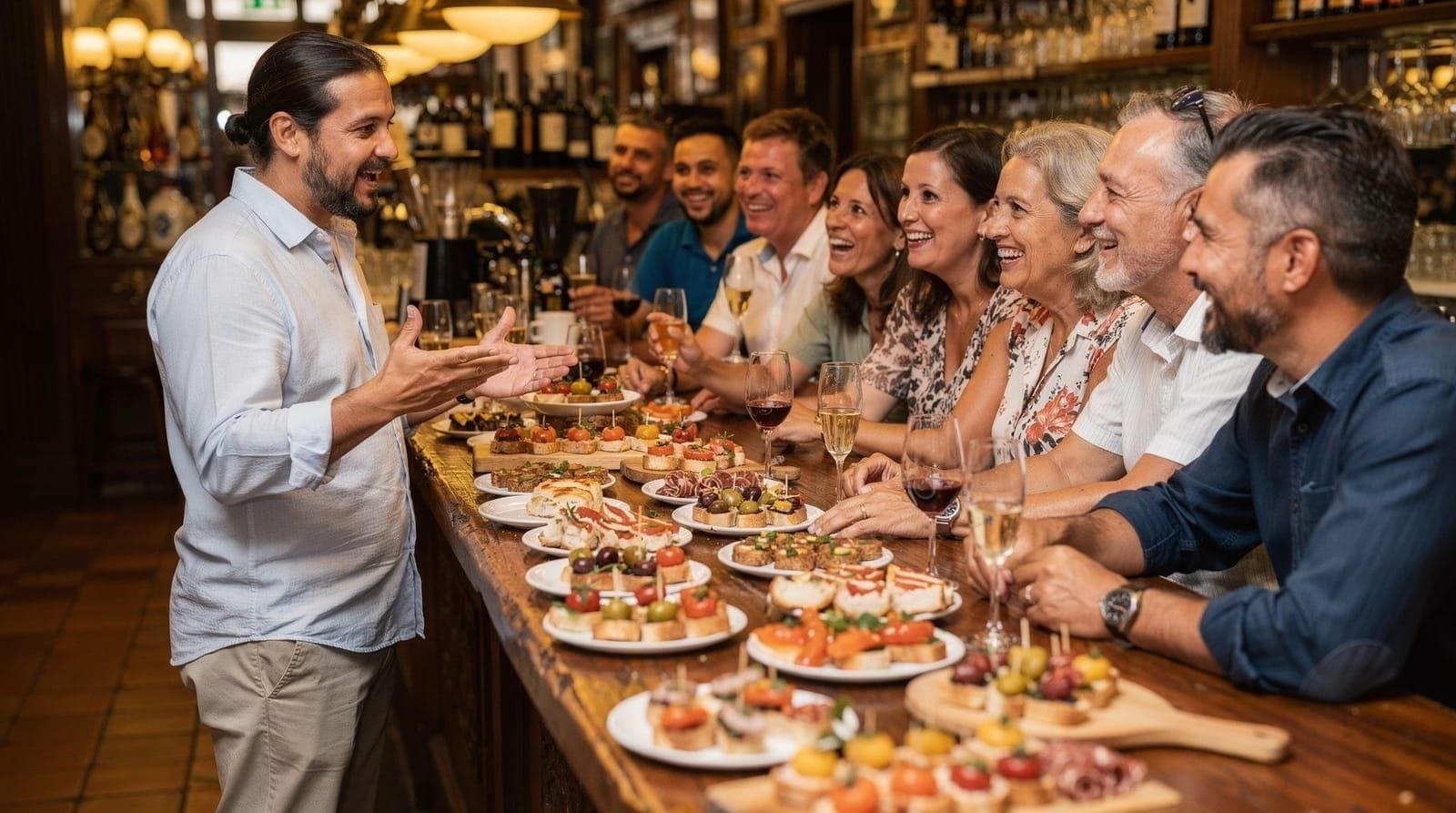
Barcelona: El Born and Gothic Quarter wine & tapas bar tour
Duration: 2.5 hours
- Free cancellation
What is the best neighborhood to stay in Barcelona?
El Born is the best all-round choice for most visitors — central, atmospheric, great food scene and fewer tourist traps than the Gothic Quarter. First-timers on short trips do well in the Gothic Quarter; families and longer-stay visitors often prefer Gràcia or Eixample.
Picking your base: what Barcelona’s neighborhoods actually feel like
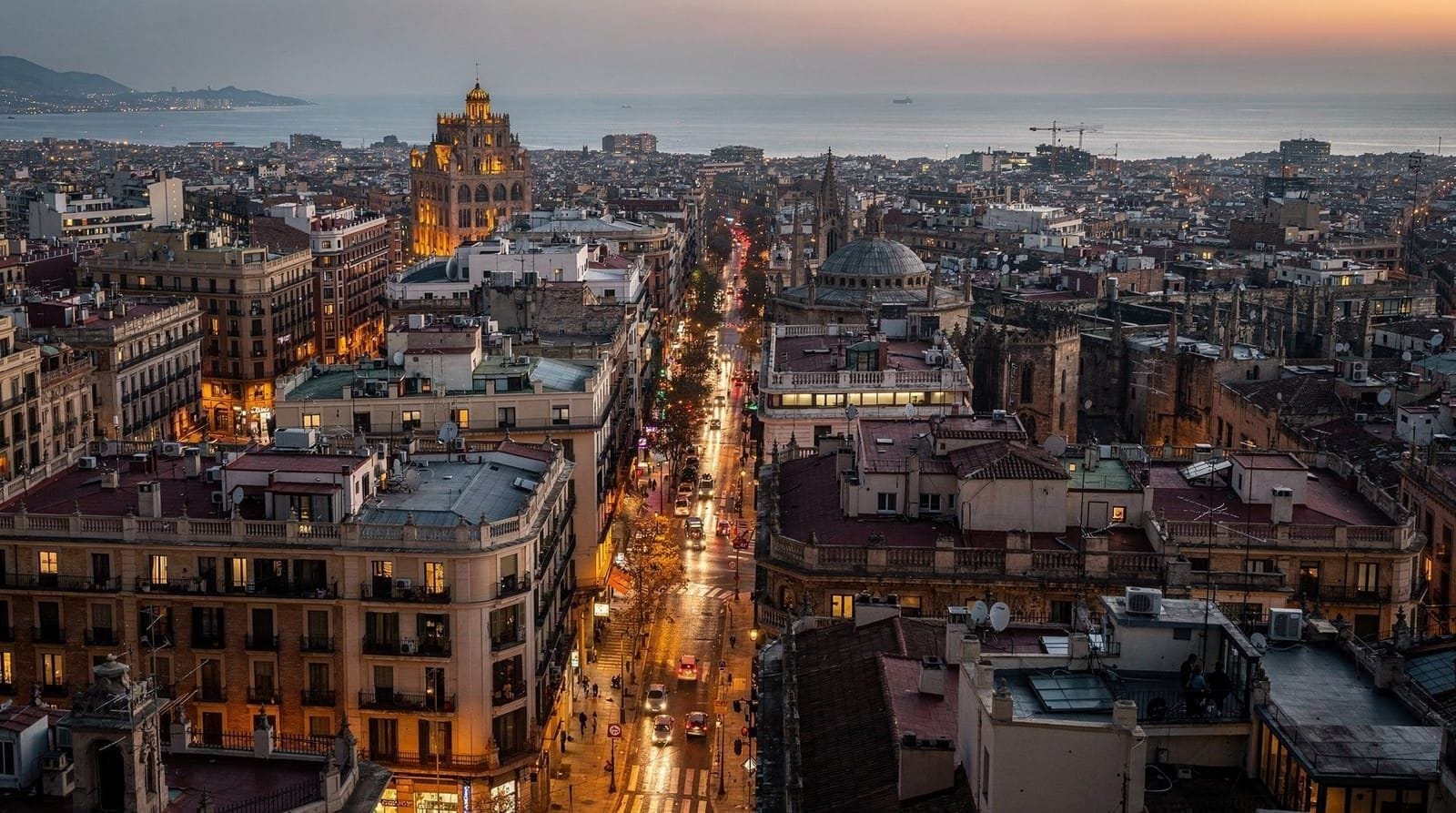
Barcelona divides neatly into distinct zones, each with its own texture, price range and trade-offs. The decision matters more here than in most European cities because the differences between neighborhoods are real — not just marketing. Sleeping in the Gothic Quarter and sleeping in Gràcia are genuinely different experiences of the same city.
This guide covers the eight neighborhoods most visitors consider, with honest notes on who each suits and what the typical hotel budget looks like. For a deeper dive into each area’s cultural character and what to do there as a visitor, see the guide to Barcelona’s best neighborhoods.
The short version: El Born is the best default for most people, Eixample is best for comfort and transport, Gràcia is best for longer stays, and the Gothic Quarter works well for short first trips if you go in with clear eyes about the trade-offs.
| Best all-round | El Born |
| Best for first-timers, 2-4 nights | Gothic Quarter |
| Best value / budget base | Gràcia or El Raval |
| Best for the beach | Barceloneta (summer only) |
| Typical price range | around €60–350+/night, depending on neighborhood and season |
Gothic Quarter (Barri Gòtic)
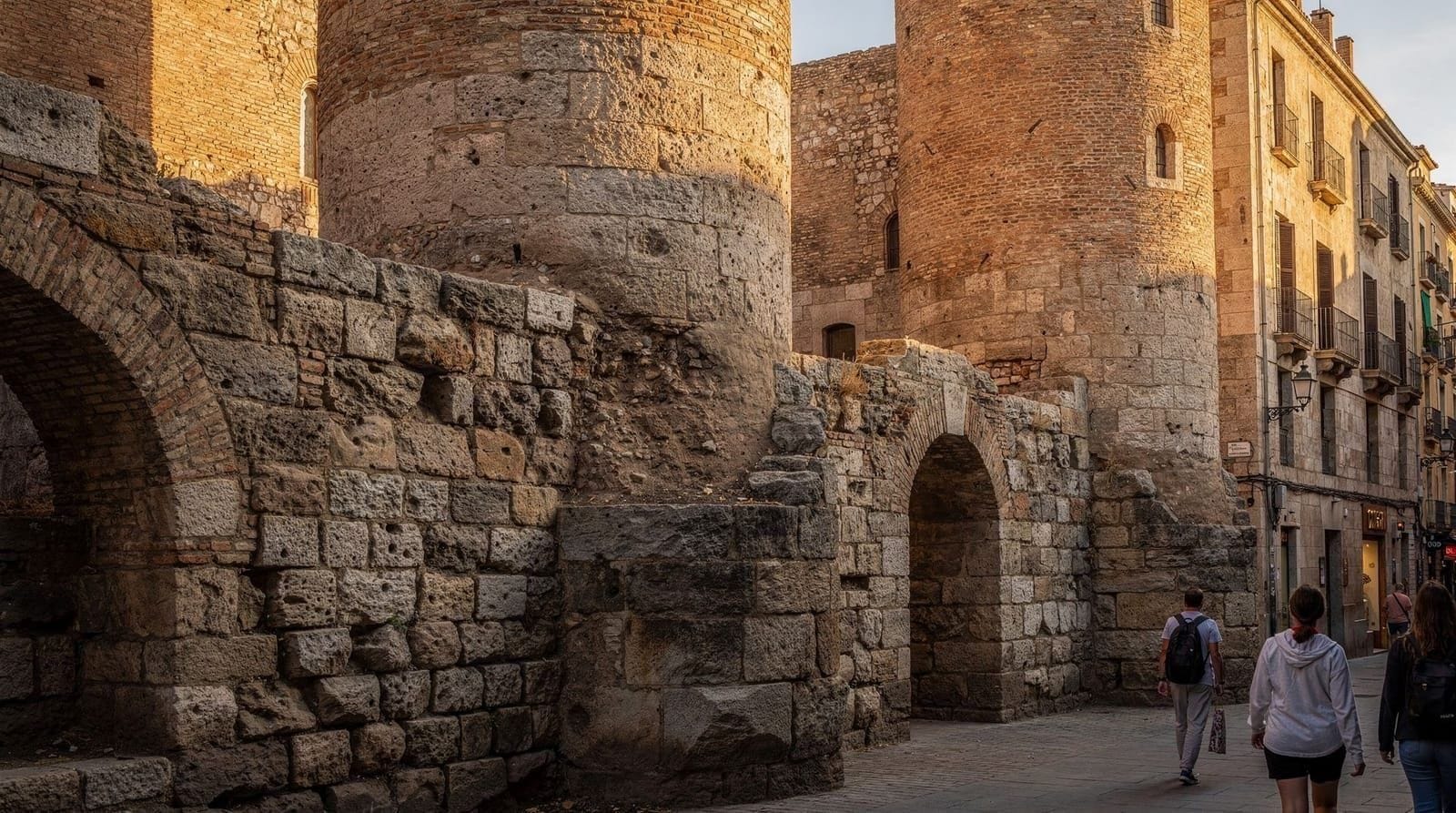
The Gothic Quarter is the obvious first choice for first-time visitors, and for short trips of two or three nights it earns that status. Roman ruins, medieval lanes, a 14th-century cathedral — the density of history within a walkable area is hard to match. The neighborhood’s narrow streets connect directly to La Rambla, the Picasso Museum (see our Picasso Museum guide for skip-the-line strategies), and the city’s main food market.
Who it’s best for: First-timers on trips of two or three nights, travellers who want to be at the centre of everything without planning transport, anyone who prioritises atmosphere over authenticity.
Typical hotel prices: Mid-range hotels dominate, with budget options near the fringes. Expect €80–150/night for a decent double room. Boutique options in the medieval lanes can push considerably higher.
Honest caveats: The Gothic Quarter has the highest tourist density of any Barcelona neighborhood, and the restaurant scene around the main streets reflects that — overpriced menus del día, €14 sangria, staff who switch to English before you finish your first sentence. The authentic food scene has largely migrated to El Born next door. Pickpocket concentration around La Rambla is real: it’s the single highest-risk street in the city. Rolling luggage is also a genuine problem — the stone lanes are narrow and uneven, and the constant suitcase noise is part of the neighbourhood’s ambient soundtrack.
A Gothic Quarter walking tour in the morning before the crowds arrive is transformative — the lanes feel genuinely medieval at 9am in a way they don’t at noon.
El Born (Sant Pere)
El Born is the neighborhood that the Gothic Quarter wishes it were. It has comparable medieval character — winding lanes, stone archways, centuries-old bars — but with a food and design scene that’s kept pace with contemporary Barcelona rather than catering to the tour group market. The Picasso Museum anchors its northern edge; the El Born Cultural Centre (which preserves an entire 1714 archaeological layer beneath the old market building) sits at its heart.
El Xampanyet on Carrer de Montcada has been pouring cava since 1929. Bar del Pla does some of the most honest Catalan cooking in the old town. The Palau de la Música Catalana — a UNESCO-listed modernist concert hall — is a five-minute walk.
Who it’s best for: Couples, design travellers, food-focused visitors, second-time visitors who found the Gothic Quarter too touristy, anyone who wants a base with a genuine neighbourhood feel and still be 10 minutes from the major sights.
Typical hotel prices: Mid-range, with some design boutiques pushing higher. Budget options are limited; expect €90–180/night for most hotels.
Honest caveats: El Born has gentrified significantly in the past decade, and prices — for accommodation and food — reflect that. It’s not cheap. Some of the most-Instagrammed bars operate on the same tourist-pricing logic as the Gothic Quarter. Streets are still narrow enough that heavy luggage is a nuisance.
The El Born and Gothic Quarter food tours consistently use this neighbourhood as their primary territory, which tells you something about where the city’s most interesting eating is concentrated.
Eixample
Eixample was built in the 19th century on an ambitious octagonal grid designed by Ildefons Cerdà — wide boulevards, chamfered corners, interior courtyard blocks. It feels like a different city from the old town: calmer, more ordered, with better street lighting and pavements that actually work for rolling luggage.
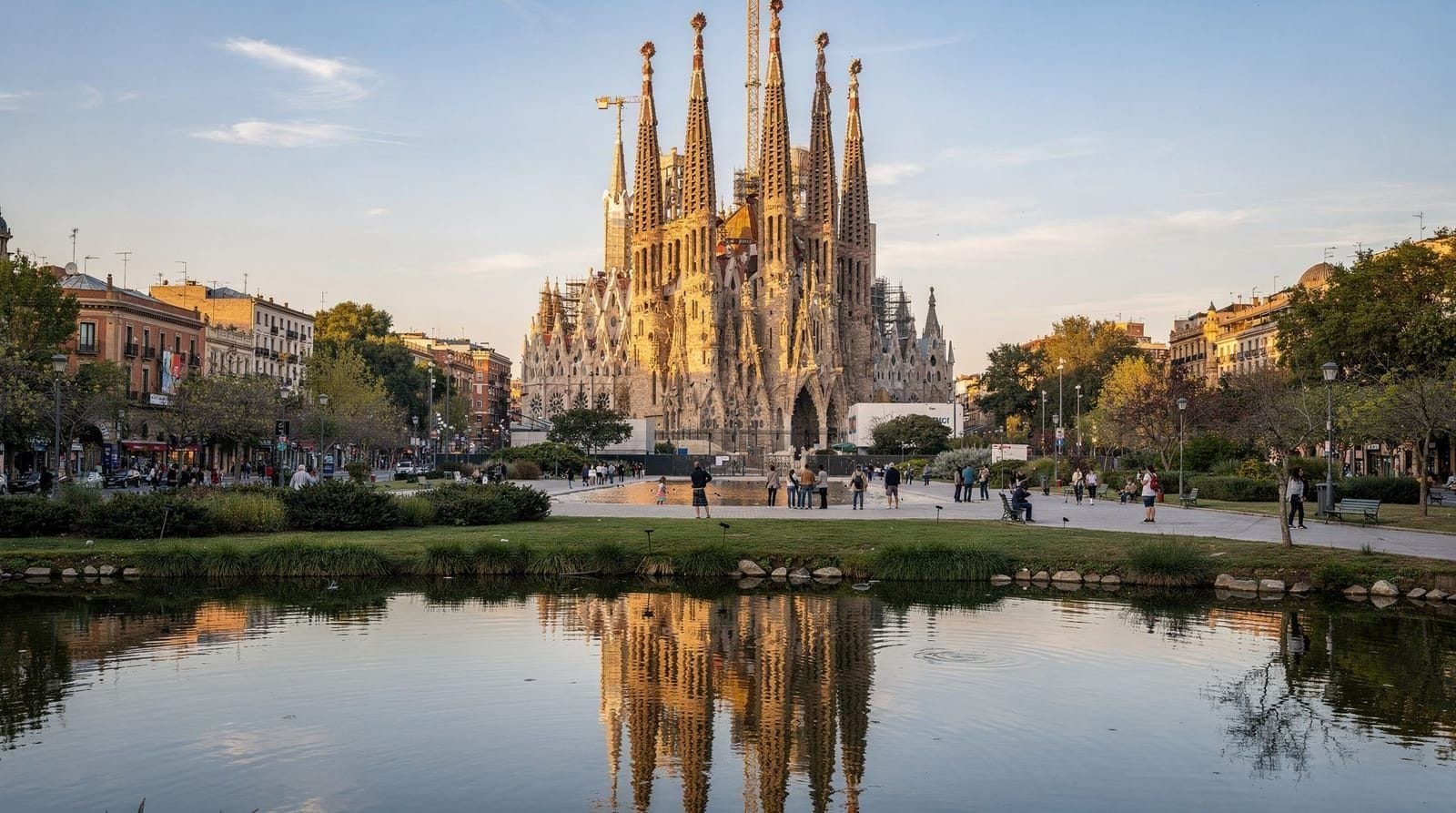
The neighbourhood’s centrepiece is the Passeig de Gràcia block known as the Manzana de la Discordia, where Casa Batlló, Casa Amatller and Casa Lleó Morera — three competing modernista masterpieces by three different architects — occupy adjacent plots. The Sagrada Família is in the northern section of Eixample; the best approach involves walking the grid and seeing how Cerdà’s plan actually functions at street level.
The left side of Eixample (Esquerra de l’Eixample) is the city’s established LGBTQ+ hub, centred on Carrer del Consell de Cent, with a dense concentration of bars, restaurants and community spaces.
Who it’s best for: Travellers who prioritise transport access, families who want reliable infrastructure, anyone staying five or more nights who wants a calmer base, luxury hotel seekers.
Typical hotel prices: The widest range of any neighbourhood, from mid-range business hotels around €100/night to Barcelona’s best five-star properties at €350+ per night.
Honest caveats: Eixample lacks the atmospheric quality of the old town neighbourhoods — the grid is rational and comfortable but not particularly evocative. If you’re visiting for two nights and want to feel Barcelona’s medieval pulse, this isn’t your neighbourhood. The distances to key sights in the old town (Picasso Museum, Gothic Quarter, Barceloneta beach) are manageable by metro but not walking-distance for most people.
Gràcia
Gràcia was an independent village until Barcelona absorbed it in 1897, and it has spent the 130 years since maintaining its own identity with considerable success. The neighbourhood has no major tourist attractions, which is precisely what makes it interesting to stay in. Daily life happens in its lively squares — Plaça del Sol, Plaça de la Vila de Gràcia, Plaça de la Virreina — where locals drink vermut at midday and families take up the café terraces on warm evenings.
The restaurant scene is almost entirely independent: no chain restaurants, no tourist-menu laminated placards outside the door. The August street festival (Festa Major de Gràcia, August 14–20) is one of the city’s best free events — neighbouring streets compete to build the most elaborate decorations, and the entire neighbourhood becomes an outdoor party for a week. Our vermut guide covers several Gràcia bars that are genuinely worth going out of your way for.
Who it’s best for: Repeat visitors who’ve done the tourist circuit, slow-travellers on stays of a week or more, families who want a quieter residential base, anyone who prefers neighbourhood cafés over hotel breakfast.
Typical hotel prices: Budget to mid-range, with limited high-end options. Expect €70–130/night for most properties.
Honest caveats: Gràcia is not within walking distance of the Gothic Quarter or El Born — it’s a 25-minute walk or a short metro/FGC ride. If you’re doing a packed itinerary of major sights, you’ll spend time commuting. The neighbourhood’s authenticity is its appeal, but that cuts both ways: it’s quieter and less obviously exciting to visitors on short trips who want constant stimulation.
Barceloneta
Barceloneta is Barcelona’s beach neighbourhood — a 18th-century grid of narrow streets that housed the city’s fishing community before the 1992 Olympics transformed the waterfront. The beaches stretch 4.5 km north from the harbour, and in summer the neighbourhood runs at a completely different pace from the rest of the city.
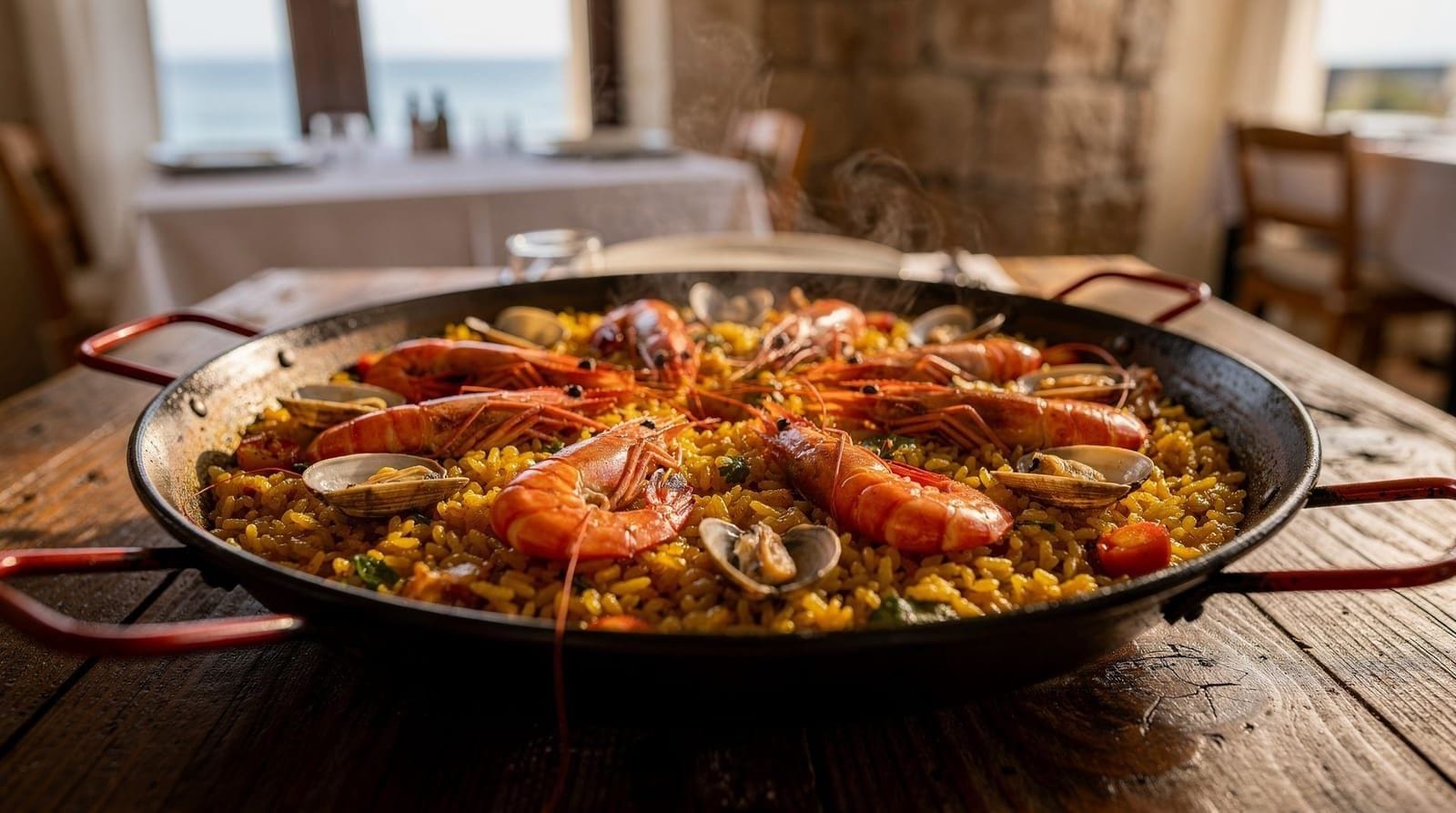
The seafood scene has two modes. The tourist-trap mode operates on the main beachfront strip, serving frozen paella at restaurant prices. The real mode hides a few streets back: El Vaso de Oro (a narrow standing bar on Carrer de Balboa) pours excellent draft beer and does proper Catalan tapas; Cova Fumada (no sign, irregular hours) is credited with inventing the bomba and remains one of the most local-feeling places in the city. Our Barceloneta food tour covers the neighborhood’s better options in detail.
Who it’s best for: Visitors who are primarily coming for the beach, summer trips of three to four nights, anyone who wants to wake up and be at the water in five minutes.
Typical hotel prices: Mid-range, with significant summer premiums on anything near the beach. Expect €90–160/night, rising sharply in July and August.
Honest caveats: Barceloneta is a poor cultural base. The old-town sights are 20-25 minutes on foot or a short metro ride away, but the neighbourhood itself doesn’t have much to offer beyond the beach and a handful of good-to-excellent food spots. Off-season — October through April — the area feels underpopulated and limiting. If you’re visiting in November, there’s almost no reason to base yourself here.
Poble-sec
Poble-sec climbs the hillside between Eixample and Montjuïc, and has developed one of the city’s best food scenes over the past decade without most tourists noticing. Carrer de Blai is the main event: Barcelona’s pintxos street, where Basque-style bar snacks go for €1.50–2.50 each, and a good dinner for two costs a fraction of what it would cost in El Born.
Quimet & Quimet on Carrer del Poeta Cabanyes is one of the city’s most beloved bars — a tiny space packed with canned goods and vermut, standing room only, open only for lunch. Bar Calders does proper cocktails and excellent food. The neighbourhood sits directly below the Montjuïc funicular station, which makes it a natural base for visiting the MNAC and the Joan Miró Foundation.
Who it’s best for: Food-focused travellers, younger visitors, those who want nightlife access (the Apolo venue is a neighbourhood anchor), visitors doing Montjuïc in their itinerary.
Typical hotel prices: Budget to mid-range. Poble-sec has not caught up with El Born or Eixample on accommodation prices. Expect €65–110/night.
Honest caveats: The neighbourhood is a 20-minute walk from the Gothic Quarter and El Born. Public transport connections are good (Paral·lel and Poble Sec metro stations) but it’s not within easy walking distance of the main old-town sights. The pintxos street can get busy on weekend evenings.
El Raval
El Raval sits on the western side of La Rambla, directly opposite the Gothic Quarter. Its cultural anchors are the MACBA (contemporary art museum) and the CCCB (contemporary culture centre), which sit on an open plaza that functions as a skateboarding hub and informal social space for much of the day. The Filmoteca de Catalunya shows classic and art-house cinema in the neighbourhood’s south end.
El Raval is genuinely multicultural in a way that few Barcelona neighbourhoods are — significant South Asian and North African communities, an international food scene that goes well beyond Catalan cuisine, and a street life that feels different from the tourist-optimised zones across La Rambla.
Who it’s best for: Arts and culture-focused visitors, travellers who prefer multicultural urban neighbourhoods, budget-conscious visitors who still want an old-town location.
Typical hotel prices: Budget to mid-range. Expect €60–110/night for most properties.
Honest caveats: Street safety varies within El Raval. The northern section (around MACBA, Carrer dels Tallers) is fine; the southern section near the port end can be rough late at night and is best avoided after midnight. This caveat is not a reason to avoid the neighbourhood, but it does mean your choice of specific hotel matters more here than it does in Eixample or El Born.
Poblenou
Poblenou was Barcelona’s 19th-century industrial heartland — textile mills, factories, warehouses — and it spent the late 20th century in various states of decline before the city designated it a tech innovation district (22@) in the 2000s. The transformation is visible everywhere: converted factory lofts now house design studios and co-working spaces; the neighbourhood’s Rambla (Rambla del Poblenou) is a quieter, more local version of La Rambla proper, with families and residents rather than tourist buses.
The Palo Alto market (first weekend of each month) is one of the city’s best design markets. The beaches extend along the neighbourhood’s eastern edge.
Who it’s best for: Digital nomads, design and architecture enthusiasts, visitors who want beach access without Barceloneta’s tourist concentration, anyone who prefers emerging neighbourhoods over established ones.
Typical hotel prices: Budget to mid-range, with some design boutique hotels at the higher end. Expect €70–130/night.
Honest caveats: Poblenou is the furthest from the old-town sights of any neighbourhood on this list. The L4 metro connects it, but plan for 20-30 minutes each way to the Gothic Quarter. It rewards visitors who want to use it as a base for working or exploring the eastern waterfront rather than doing daily trips into the medieval centre.
Neighborhood comparison at a glance
| Neighborhood | Price range | Walk to Gothic Quarter | Best for |
|---|---|---|---|
| Gothic Quarter | €80–150 | 0 min | First-timers, 2-3 nights |
| El Born | €90–180 | 5-10 min | Food, design, most visitors |
| Eixample | €100–350+ | 15-20 min | Transport, families, luxury |
| Gràcia | €70–130 | 25 min | Slow travel, repeat visitors |
| Barceloneta | €90–160 | 20-25 min | Summer beach trips |
| Poble-sec | €65–110 | 20 min | Value, food, Montjuïc access |
| El Raval | €60–110 | 5-10 min | Arts, budget, multicultural |
| Poblenou | €70–130 | 30 min | Digital nomads, quieter beach |
When prices spike, and how to plan around it
Barcelona hotel prices move sharply with the calendar, and the neighborhood you choose interacts with timing more than most visitors expect. July and August push Barceloneta rates up 30-50% over shoulder-season prices, while the Gothic Quarter and El Born see smaller but still noticeable spikes around Sant Jordi (23 April), La Mercè (late September) and the Christmas–New Year window. If you’re building your trip around one of these dates, see our spring in Barcelona or Christmas in Barcelona posts for what else shifts alongside pricing. Booking 6-8 weeks ahead for peak weeks is worth it regardless of neighborhood; for Gràcia or Poble-sec in shoulder season, two to three weeks is usually enough.
Getting around from each base
Every neighborhood on this list connects to the rest of the city by metro or FGC rail, so no choice here leaves you stranded — but travel time genuinely varies. Old-town bases (Gothic Quarter, El Born, El Raval) put most major sights within a 15-20 minute walk. Eixample, Gràcia and Poble-sec require a short metro ride to reach the old town but offer easier access to Sagrada Família and the Park Güell area. Barceloneta and Poblenou trade sightseeing convenience for beach proximity. For a full breakdown of tickets, passes and which one suits your trip length, see our getting around Barcelona guide and transport pass comparison.
Families and safety by neighborhood
Families with young children generally do best in Eixample or Gràcia — wider pavements, calmer streets, and easier stroller access than the old town’s narrow lanes. If your trip includes attractions further out, our Barcelona with kids guide builds a full itinerary around whichever base you choose. On safety, the honest picture is neighborhood-specific rather than city-wide: pickpocketing risk concentrates around La Rambla and crowded metro lines regardless of where you sleep, while El Raval’s southern end is best avoided late at night. Our Barcelona safety and scams guide covers the specifics in more depth than this page can.
How to choose
The honest decision tree looks like this:
First time in Barcelona, 2-4 nights: Gothic Quarter or El Born. Both are within walking distance of the main sights. El Born has better food and slightly less tourist pressure; the Gothic Quarter is marginally more central. Either works; El Born is the better call for most people.
Repeat visitor or stay of 5+ nights: Gràcia, Eixample or Poble-sec. You’ve already done the tourist circuit; now you want a neighbourhood that rewards slower exploration. Gràcia is the most authentic; Eixample is the most convenient; Poble-sec is the best value.
Priority: beach: Barceloneta in summer, only.
Priority: luxury and transport: Eixample, which has the best five-star hotels and sits central to the metro grid.
Priority: budget: Gràcia, El Raval or Poble-sec. All three offer decent budget options with real neighbourhood character.
Cultural/arts focus: El Raval sits next to MACBA and CCCB. Montjuïc is a half-day destination from anywhere — it makes no sense to stay there (there are no hotels), but Poble-sec puts you at the foot of the funicular.
Barcelona’s metro is efficient and cheap enough that no neighbourhood leaves you stranded. The choice is really about what kind of experience fills the gaps between the major sights — whether you want tourist infrastructure or local life in the streets outside your hotel door.
For more on exploring each neighbourhood as a visitor rather than just sleeping there, see the best neighbourhoods in Barcelona guide. If you’re planning your food itinerary alongside your accommodation, the tapas tours guide and the best tapas neighbourhoods guide will help.
For the most common questions about choosing a base in Barcelona, see the answers above — or check our dedicated neighborhood guides for El Born, Gothic Quarter, Eixample, Gràcia, Barceloneta, Poble-sec, El Raval and Montjuïc.
Barcelona’s neighborhoods each have a distinct character — the right choice depends on trip length, travel style and budget more than any single “best” answer can capture.
If you want a guided introduction to your base’s streets and food scene before exploring on your own, a tapas and wine evening tour is a low-effort way to get oriented on day one.
Frequently asked questions about Where to stay in Barcelona
Is the Gothic Quarter safe to stay in?
The Gothic Quarter itself is safe to sleep in, but the area around La Rambla has the city's highest concentration of pickpockets. Keep your phone in your front pocket, avoid the obvious tourist restaurants, and you'll be fine.Which Barcelona neighborhood is best for the beach?
Barceloneta puts you steps from 4.5 km of city beach. It's ideal for summer beach trips but less useful as a cultural base, and off-season it can feel quiet and limited.Where should I stay in Barcelona on a budget?
Gràcia and El Raval offer the best budget-to-midrange options. Poble-sec is also excellent value and gives access to the city's best pintxos street.Is Eixample worth the price for accommodation?
Yes, if transport and safety are priorities. Eixample sits central to the metro grid, has Barcelona's best 5-star hotels, and feels noticeably calmer than the old town — though it lacks medieval atmosphere.How far is Gràcia from the main sights?
Gràcia is walkable to Sagrada Família and the Passeig de Gràcia modernisme block in 15-20 minutes. The FGC rail line connects it to the city centre in under 10 minutes.Do I need a car if I stay outside the old town?
No. Barcelona's metro and FGC network reaches every neighbourhood covered in this guide, and driving in the old town is impractical anyway — narrow streets, limited parking and low-emission zone restrictions. Base yourself anywhere on this list and rely on public transport or walking.
Top experiences
Bookable activities with verified prices and instant confirmation on GetYourGuide.