Barcelona beaches in summer: what to expect and where to go
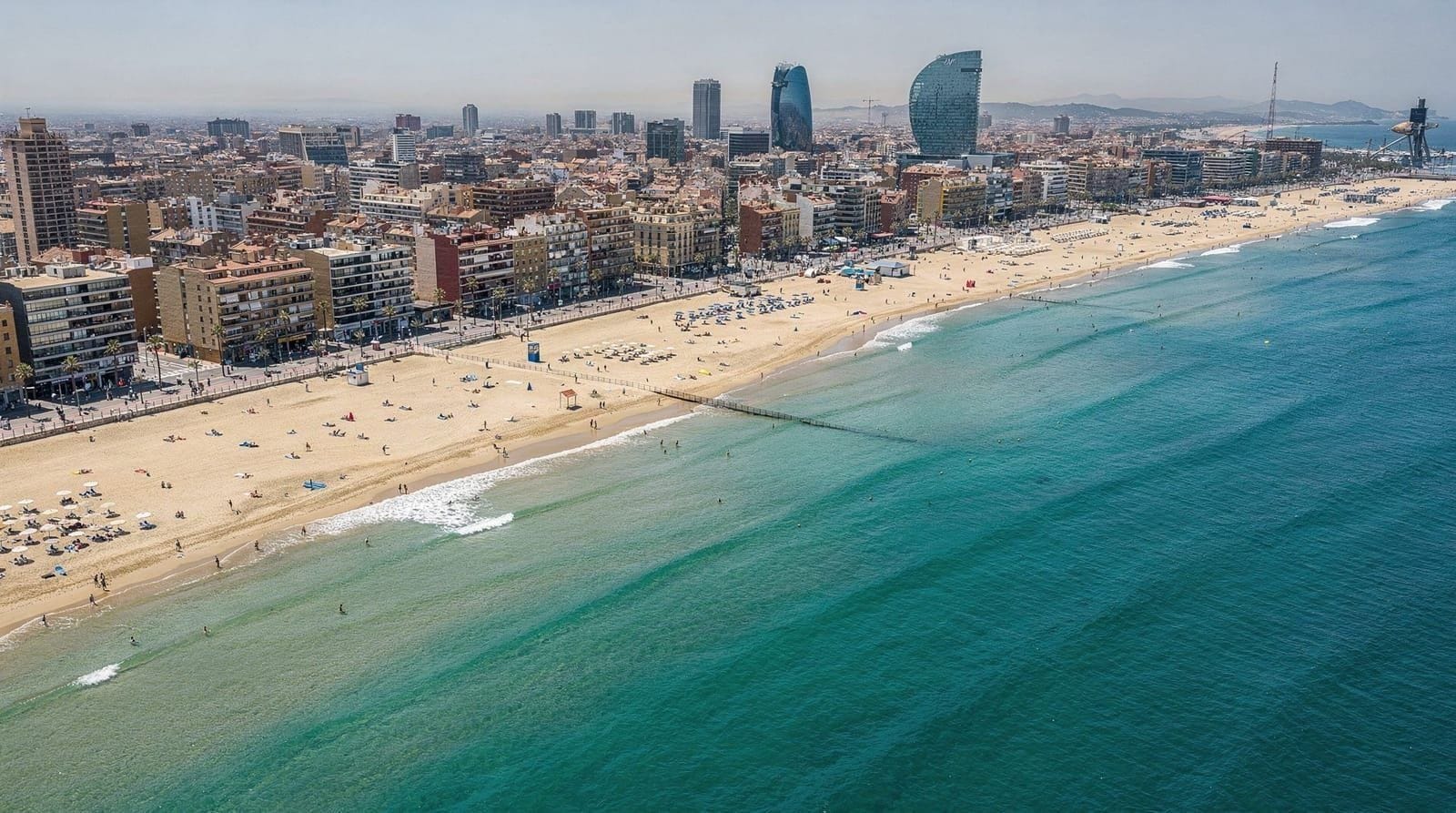
Barcelona has about 4.5 kilometres of city beaches, all created or substantially rebuilt for the 1992 Olympic Games. They are convenient, they are clean by Mediterranean city-beach standards, and in July and August they are extremely crowded. Understanding what you’re getting into before you lay your towel down on Barceloneta beach in peak summer makes the experience significantly better — or leads you to smarter alternatives.
| Where | Barceloneta (central) or Bogatell/Mar Bella (quieter, north) |
| Cost | Free — sunbed/umbrella rental around €15–25/day if wanted |
| Water temp | 19–21°C June, 22–23°C July, 24–25°C September (warmest) |
| Best time of day | Before 9:30am for space, after 6pm for the light |
| Getting there | Metro L4 to Barceloneta, Llacuna or Poblenou for the northern beaches |
The honest truth about Barceloneta in July and August
Barceloneta beach is the most famous of Barcelona’s urban beaches and the most accessible — Metro L4 to the Barceloneta stop, then a ten-minute walk or a short trip on the V15 bus. It’s a proper beach: 1.1 kilometres of sand, clear water, lifeguards, showers, changing facilities, and a row of chiringuitos (beach bars) along the promenade.
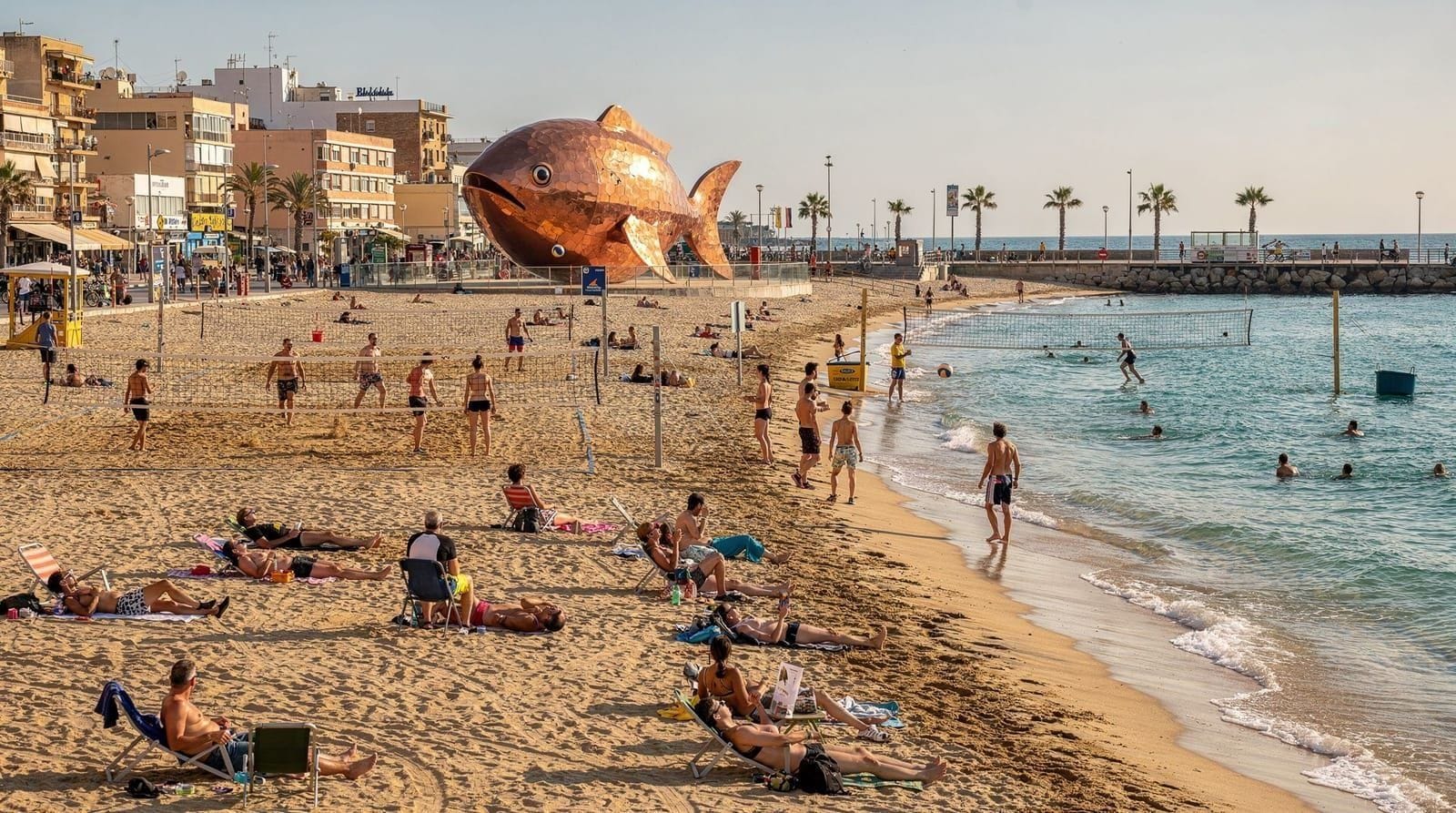
In July and August, it is also an almost continuous mass of bodies from 10am to 8pm. The sand is not visible. The water near the shore is thick with swimmers. Finding space for a towel requires arriving before 9:30am or accepting a position far back from the water. Beach vendors circulate constantly offering ice-cold Estrella, massages, mojitos and braided bracelets.
None of this is a disaster — it is a beach in a city of 5 million people in the middle of summer — but it helps to know what you’re heading into. The people who are most disappointed by Barceloneta are those who expected something resembling the deserted cove from the travel agency brochure. It is more like a very large, flat, outdoor nightclub that serves cold beer and happens to have the sea at one end.
Petty theft is a real concern. Do not leave bags, phones or valuables unattended on the beach. The Barcelona safety and scams guide covers this in more detail, but the short version is: take only what you need, use a small backpack that stays on you when you swim, and be aware that the beach is one of the city’s main spots for opportunistic theft.
Vendors selling counterfeit sunglasses, bags and clothing (often called “manteros”) are a constant, low-level presence on Barceloneta. They are not dangerous, but the goods are illegal counterfeits and buying them supports an exploitative supply chain — a polite “no, gracias” is enough, and repeated approaches from the same vendor are normal rather than a sign of anything unusual.
If you’d rather see the beachfront from the water than fight for sand, a short catamaran trip along the coast is a genuinely pleasant way to spend an hour without the crowd management:
The better city beaches: where locals actually go
The city beaches running north of Barceloneta — Nova Icária, Bogatell, Mar Bella and Nova Mar Bella — are consistently less crowded and feel more like genuine neighbourhood beaches. They’re within walking distance of each other and reachable by Metro L4 (Llacuna or Poblenou stops) or by bike path along the waterfront.
Mar Bella has a nudist section and a reputation as the local young people’s beach. Bogatell, just south of it, is clean, spacious, and draws a working Barcelona crowd rather than a tourist one — you’ll hear Catalan and Spanish more than English. These beaches have the same water quality as Barceloneta, similar facilities, and considerably more sand per person in peak season.
If you’re exploring Poblenou, the converted industrial-creative neighbourhood behind these beaches, combining a beach morning with an afternoon walking Poblenou’s increasingly interesting streets and café scene makes for a better day than staying around the Barceloneta promenade.
Facilities on the northern beaches are slightly more basic than Barceloneta’s — fewer showers per stretch of sand, chiringuitos more spread out — but that thinness is exactly why they’re calmer. Bring your own water and a beach umbrella if you’re staying past midday, since shade is scarcer than on the main tourist stretch.
Water temperature and the summer calendar
The Mediterranean here doesn’t rush to warm up. In June, sea temperature is typically 19-21°C — fine for confident swimmers, a shock for those used to tropical water. By July it reaches 22-23°C, and the peak is in September, when the water hits 24-25°C after a full summer of solar absorption.
This creates a counterintuitive result: September is actually the best month for swimming in Barcelona. The beaches thin out dramatically after the August school holidays end, the water is at its warmest, the air temperature is still 25-28°C, and the city itself breathes a collective sigh of relief at the departure of peak-season crowds. If beach swimming is a priority and your travel dates are flexible, late September is the answer.
| Month | Sea temp | Crowds | Notes |
|---|---|---|---|
| June | 19–21°C | Moderate | Cool water, best light, kids’ schools not out yet |
| July | 22–23°C | Very heavy | Peak tourist season, book everything ahead |
| August | 23–24°C | Maximum | Spanish and Catalan school holidays too |
| September | 24–25°C | Thinning fast | Warmest water, best overall month for the beach |
The best time to visit Barcelona guide covers the full annual calendar and the trade-offs between weather, crowds and prices.
Alternatives that are genuinely better
Two alternatives are consistently better than the city beaches in summer, and both are easily reachable:
Sitges: 35 kilometres south, 30-40 minutes by Rodalies R2 Sud train, covered by Zone 2 of the T-Casual card. Sitges has 17 beaches stretched along an elegant 19th-century seafront; the town itself is beautiful; the water is clear. In the middle of August, Sitges is also crowded, but it’s a different kind of crowd — more Catalan, less tourist-group — and the beaches are long enough that space is usually findable. The Sitges day trip guide has all the transport details.
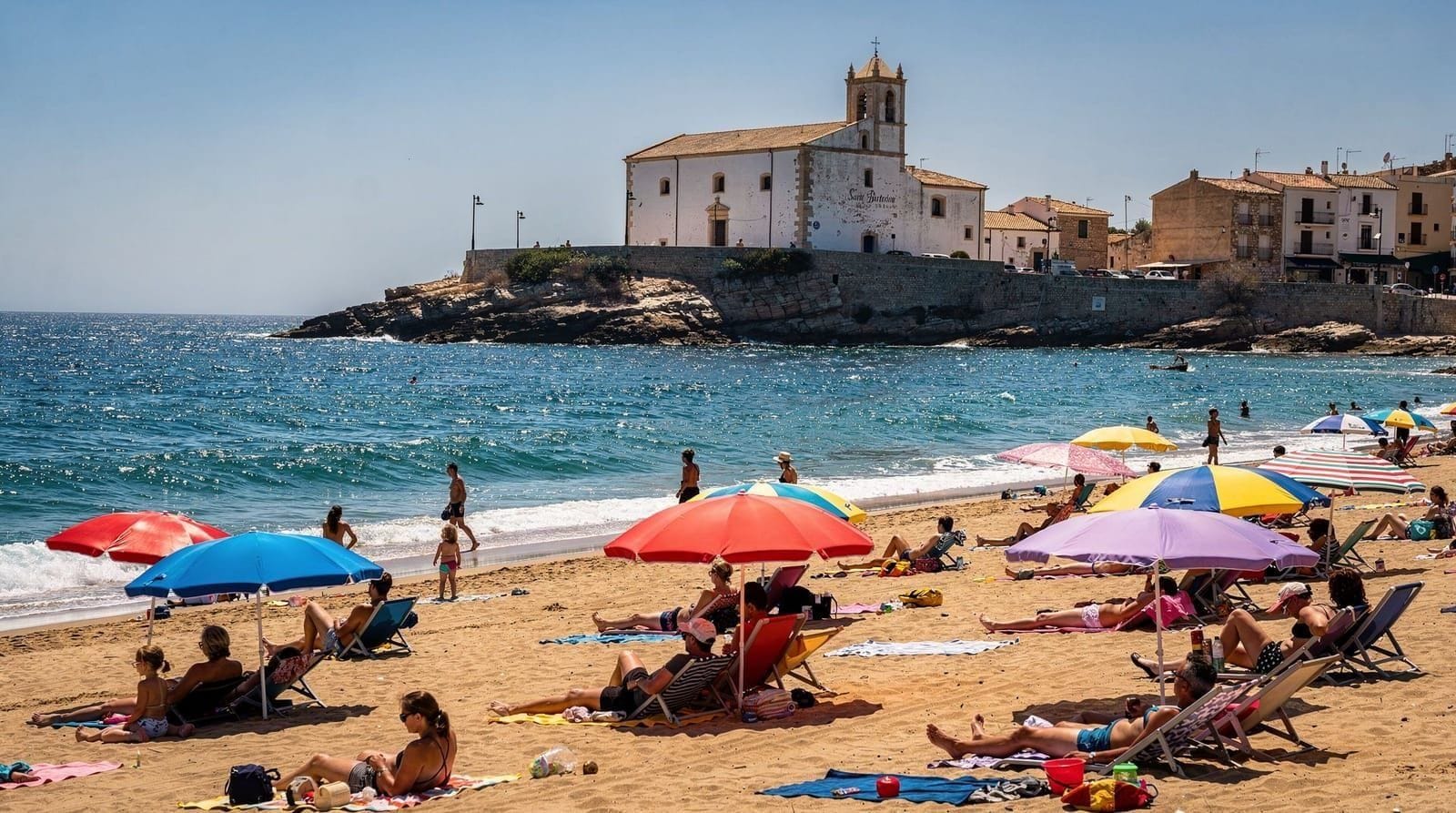
Costa Brava: Further north, Tossa de Mar is 1 hour 15 minutes by bus from Estació del Nord. The water quality is noticeably better than Barcelona city beaches, the scenery is dramatic, and while Tossa is busy in summer, the combination of medieval walls, clear water and proper sea views makes it a more memorable beach day. See the Barcelona beaches guide and the Costa Brava best beaches roundup for a comparison. A guided boat day trip covers several coves in one outing if driving or bus transfers aren’t appealing:
Both alternatives require committing a full day, so they work best paired with a rest day rather than squeezed between city sightseeing.
The chiringuitos: beach bars worth knowing
One genuine pleasure of Barcelona’s city beaches is the chiringuito culture. These are simple beach bar-restaurants serving cold beer, sangria (though the best tapas neighborhoods guide would suggest avoiding sangria except at dedicated spots), fresh juice and basic fried food. In the early evening, as the beach empties slightly and the heat softens, sitting at a chiringuito with a cold drink and watching the city behind the sea is quietly excellent.
The chiringuitos on Barceloneta beach are open from around 10am to 10pm in summer. On the northern city beaches, they operate similar hours. Prices are tourist-level — expect to pay €5-6 for a beer, €10-14 for a basic plate of food. Nobody is pretending this is great value; it’s the beach, in summer, in a European city.
Arriving early: the only summer strategy
For Barceloneta specifically, the single most effective thing you can do to improve the experience is arrive early. The beach is pleasant before 9:30am. The sand is accessible; the vendors are setting up rather than circulating; the water is uncrowded. A morning swim followed by coffee and a croissant at one of the Barceloneta neighbourhood cafés costs €2-3 and is genuinely restorative.
By 11am, the dynamic changes. If you’re arriving at 11am with a group in summer, go to Bogatell or Mar Bella instead.
What the beaches are genuinely good for
In June: swimming without crowds, long evening beach walks, golden light that Barcelona specialises in.
In September: the best swimming, a quieter city, shoulder-season hotel prices.
For families: the Barcelona with kids guide covers which beaches work best for children and what the facilities are like.
For the full picture of the urban beach options alongside the regional alternatives, the Barcelona beaches guide covers all the city beaches in detail, with notes on facilities, crowding and local character. For a broader regional view, the best beaches near Barcelona guide ranks the city beaches against Sitges, Costa Brava and Costa Daurada options.
FAQ
Is Barcelona city beach water safe to swim in? Yes — the city beaches are monitored, have lifeguards during the main season and generally meet EU bathing water quality standards. Water clarity is not as good as Costa Brava or Sitges, but it is safe and clean by Mediterranean city-beach norms.
Which Barcelona beach is best for avoiding crowds? Mar Bella and Nova Mar Bella, the furthest north of the main city beaches, are consistently the least crowded, followed closely by Bogatell. Both are a short Metro L4 ride from the centre and have the same water quality as Barceloneta with considerably more space per person.