Best neighborhoods for tapas in Barcelona: an honest guide
Barcelona: old town tapas & paella food tour with 8 tastings
Duration: 3 hours
- Free cancellation
Which Barcelona neighborhood has the best tapas?
El Born for creative, upscale tapas; Poble-sec (Carrer de Blai) for pintxos and value; Barceloneta for seafood tapas. Avoid most of the Gothic Quarter — it looks convenient but delivers mostly mediocre food at tourist prices.
The real map of where to eat tapas in Barcelona
Every travel article about Barcelona mentions tapas. Fewer of them tell you that the experience varies enormously by neighbourhood — that a perfectly decent-looking bar two streets from La Rambla will charge you €14 for a plate of calamares that would cost €6 three metro stops away, and that some of the city’s best tapas bars have no English menus, no TripAdvisor presence, and no reason to advertise to tourists at all.
This guide is neighbourhood-by-neighbourhood and honest. It names real bars, explains what makes each area work (or not), and tells you where the tourist traps are concentrated — so you can spend your time and money on food that is actually worth it.
The Barcelona destination overview gives broader context on the city’s layout if you’re still getting oriented.
| Best overall | El Born for creative tapas, Poble-sec (Carrer de Blai) for value |
| Typical cost | around €2.50–6 per tapa; around €1.50–2.50 per pintxo |
| Best times | lunch 13:30–15:30, evening tapas 20:00–22:00 |
| Booking | rarely needed, except small famous bars at peak times |
| Avoid | main streets of the Gothic Quarter near La Rambla |
El Born: the most creative tapas scene in the city
El Born is where Barcelona’s tapas scene is at its most interesting — and its most expensive. The neighbourhood is small, densely packed with good bars and restaurants, and fashionable enough that prices have risen significantly over the past decade. But the quality justifies most of it.
El Xampanyet on Carrer de Montcada is the place to start. Open since 1929, it serves the neighbourhood’s house cava (bright, slightly sweet, very drinkable) alongside anchovies, olives, and a small selection of tapas that haven’t changed much in decades. It’s cramped, it’s loud, it’s genuinely excellent. Arrive early or expect to wait — there are no reservations.
Bar del Pla near the Carrer de la Montcada end of El Born is more restaurant than bar but serves excellent tapas at lunch. The patatas bravas here are among the best in the city — crisp outside, fluffy inside, with a proper aioli that bears no resemblance to the sweet mayonnaise many places serve.
Llambar is the upscale option — a beautiful space with creative tapas that nod toward contemporary Catalan cooking. Prices are higher but the cooking is precise and ingredient-led. Worth it for a special meal.
The El Born neighbourhood guide covers the wider area including the Picasso Museum and the Gothic architecture of the Basílica de Santa Maria del Mar, which makes a natural stop before or after eating.
If you want a structured introduction to El Born’s food scene, the El Born food walking tour is one of the better options available — a local guide covers the neighbourhood’s bars and history in a way that’s hard to replicate independently.
Poble-sec and Carrer de Blai: the pintxos street
Poble-sec is the neighbourhood most worth knowing about if you want good food at honest prices. It sits below Montjuic, slightly off the tourist circuit, and has developed one of the best casual eating scenes in the city.
Carrer de Blai is Barcelona’s pintxos street — a single block of bars serving Basque-style bar snacks displayed on the counter, speared with toothpicks, priced at €1.50–2.50 each. The format is self-service: you take what you want, keep your toothpicks, and pay by count at the end. The quality varies between bars, but the best — and there are six or seven good ones on this street — serve fresh pintxos with genuinely interesting toppings: salt cod with piquillo, txistorra (spiced sausage) on bread, anchovy with roasted pepper.
The best approach to Carrer de Blai is to walk the street first before committing — look for bars where the pintxos are being replenished frequently (freshness matters) and where the clientele is mixed rather than exclusively tourist groups.
Bar Calders is slightly off Carrer de Blai on Carrer del Parlament and is the neighbourhood’s best vermut bar. It is a perfect example of the Barcelona bar that functions as living room, aperitif spot, and light-meal destination simultaneously. The tapas here are simple but good — olives, chips, an occasional daily special — and the vermouth list is serious. More about this in the vermut guide.
Quimet & Quimet is a tiny, legendary bar on Carrer del Poeta Cabanyes that has been producing extraordinary montaditos (open-faced canapés) since 1914. It holds perhaps 30 people at maximum capacity, has no seating, and operates lunch hours only (typically 12:00–16:00, closed weekends in summer — check before going). The tinned fish and conserva combinations here are unlike anything you’ll find elsewhere: combinations of anchovies, cockles, tuna belly, and cured salmon on bread with unexpected accompaniments.
Gràcia: the neighbourhood bar experience
Gràcia has a different energy from El Born — more residential, more mixed in its demographics, more authentically day-to-day. The tapas here are less destination-dining and more what you eat when you live in the neighbourhood.
Plaça del Sol is the local gathering point, surrounded by terrace bars that fill up on weekend afternoons with residents rather than visitors. The bars here are decent without being remarkable — the appeal is the atmosphere and the sense of being in a functioning neighbourhood rather than a tourist zone.
La Pepita on Carrer de Còrsega is a small, popular spot known for a creative take on classic tapas. The croquetas are consistently good; the daily specials are worth asking about.
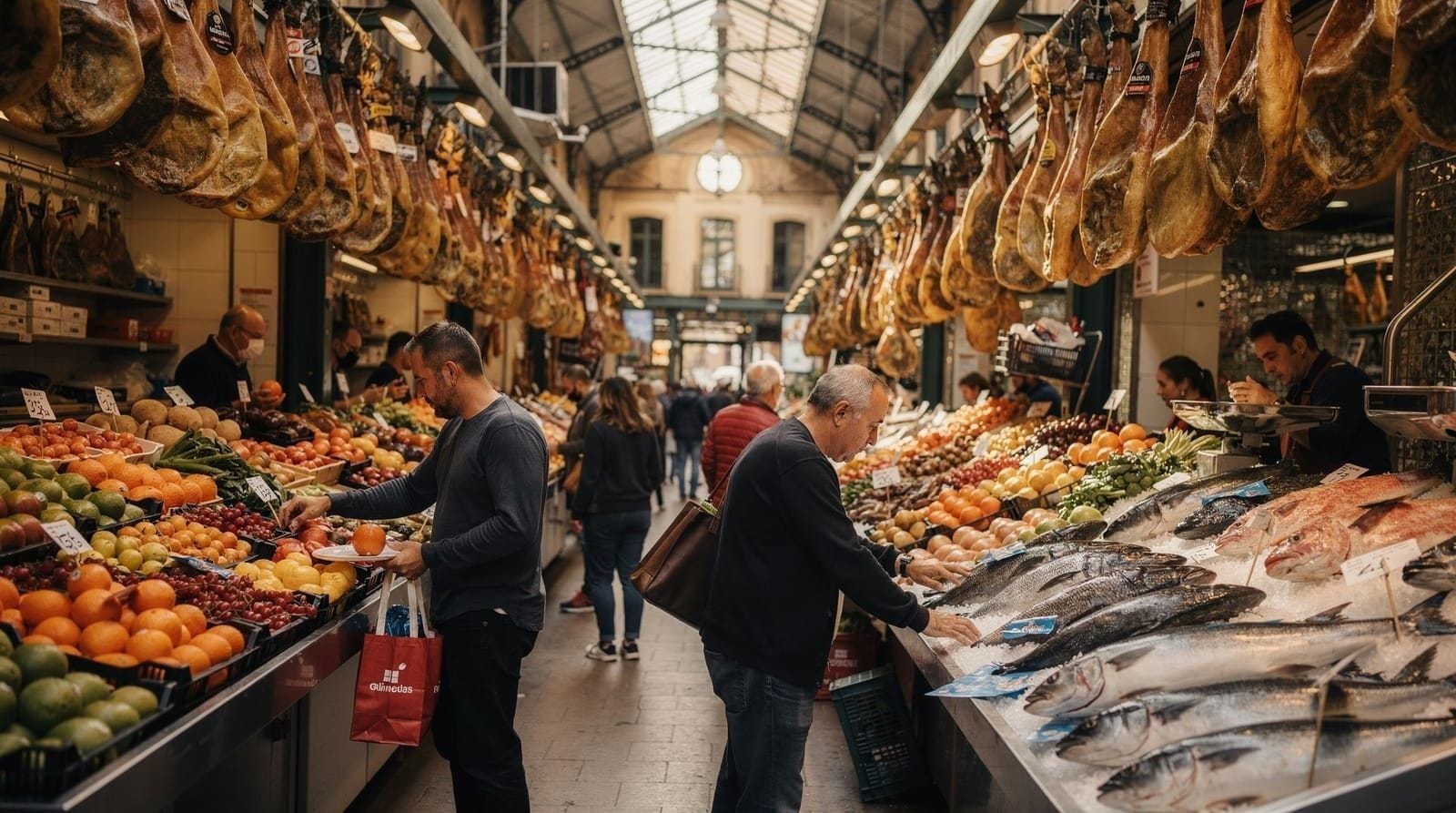
The neighbourhood’s best feature for food is its market: Mercat de l’Abaceria, a covered market with a bohemian character and a Sunday antiques and food market that draws a genuinely local crowd. The food markets guide covers this in more detail.
Barceloneta: seafood tapas — with caveats
Barceloneta is the right neighbourhood for seafood tapas, but it requires some navigation. The main strip facing the beach — Passeig Marítim and the streets immediately behind it — is heavily tourist-facing, with menus in six languages and prices to match. The area’s best bars are on the neighbourhood’s interior streets, away from the sea.
Cova Fumada is one of Barcelona’s most famous seafood bars — credited with inventing the bomba (a fried potato ball filled with meat, served with spicy and alioli sauces). It is a small, family-run operation that does not take reservations, closes early, and sometimes closes entirely without announcement. It opens for lunch only. Call ahead or check recent reviews for current status before making a trip specifically for it. When it’s open and the bombas are fresh, it is extraordinary.
El Vaso de Oro on Carrer de Balboa is a narrow, slightly cramped cervecería — a beer-focused bar — that serves excellent tapas alongside its house draught beer. The gambas, patatas bravas, and tostas here are all good. It’s popular with locals and savvy visitors and can be crowded at peak hours.
For a more relaxed seafood tapas experience with wine, the Barceloneta food tour covers the neighbourhood’s highlights with a local guide who knows which spots are worth the queue.
Avoid the large seafood restaurants directly on the beach promenade — they are priced for one-time visitors and the cooking rarely justifies the setting.
The Gothic Quarter: beautiful, mostly disappointing for food
The Gothic Quarter is where most visitors to Barcelona spend their first hours — it is the most historically dramatic part of the city, dense with Roman walls, Gothic churches, and narrow medieval lanes. It is also, with a few exceptions, the worst area in the city for tapas.
The restaurants and bars within two or three blocks of La Rambla, the Cathedral, and the Plaça Reial are almost universally tourist-facing: English menus, photos of dishes on boards outside, €15 paella portions made with frozen seafood. The food is mediocre at best. The prices assume you won’t know better and won’t return.
The honest advice is to eat breakfast or coffee here, enjoy the architecture, and then walk to El Born (ten minutes on foot), Poble-sec (twenty minutes or a short metro ride), or anywhere outside the tourist core for actual meals.
The exceptions are real but require seeking out:
Bar Marsella on Carrer dels Escudellers is the oldest bar in Barcelona — open since 1820, still run by the same family, still serving absinthe from bottles that have been sitting on the shelves for decades. It is not a tapas bar; it is a drinking experience, and a genuinely remarkable one. The bottles have dust on them. The mirrors are foxed. The whole place feels like a film set except that it is entirely real.
Milk bar on Carrer dels Gegants serves excellent brunch and some of the better cocktails in the old town. Again, not a tapas bar, but worth knowing about.
One block from La Rambla in any direction: the food improves and the prices drop. Two blocks: you start finding places where locals eat. The Gothic Quarter guide covers the neighbourhood’s sights; use it for architecture and history, not for dinner recommendations.
A note on timing
Barcelona eats late. This is not a stereotype — it is simply how the city functions, and eating at the wrong time can mean an empty restaurant and indifferent service from staff waiting for the real service to begin.
Lunch: 13:30–15:30. This is when the set-price menú del día operates — typically €12–15 for three courses with wine or water — and it is the single best-value eating option in the city, available at most neighbourhood restaurants.
Evening tapas: 20:00–22:00. Arriving at 19:00 often means a bar is still cleaning up from lunch service.
Late dinner: 21:30 onwards is normal. 22:30 is not unusual for a family dinner on a weekend.
This timing applies across all neighbourhoods. Adjusting your eating schedule to match is one of the most effective things you can do to improve your Barcelona food experience.
Guided food tours: when they make sense
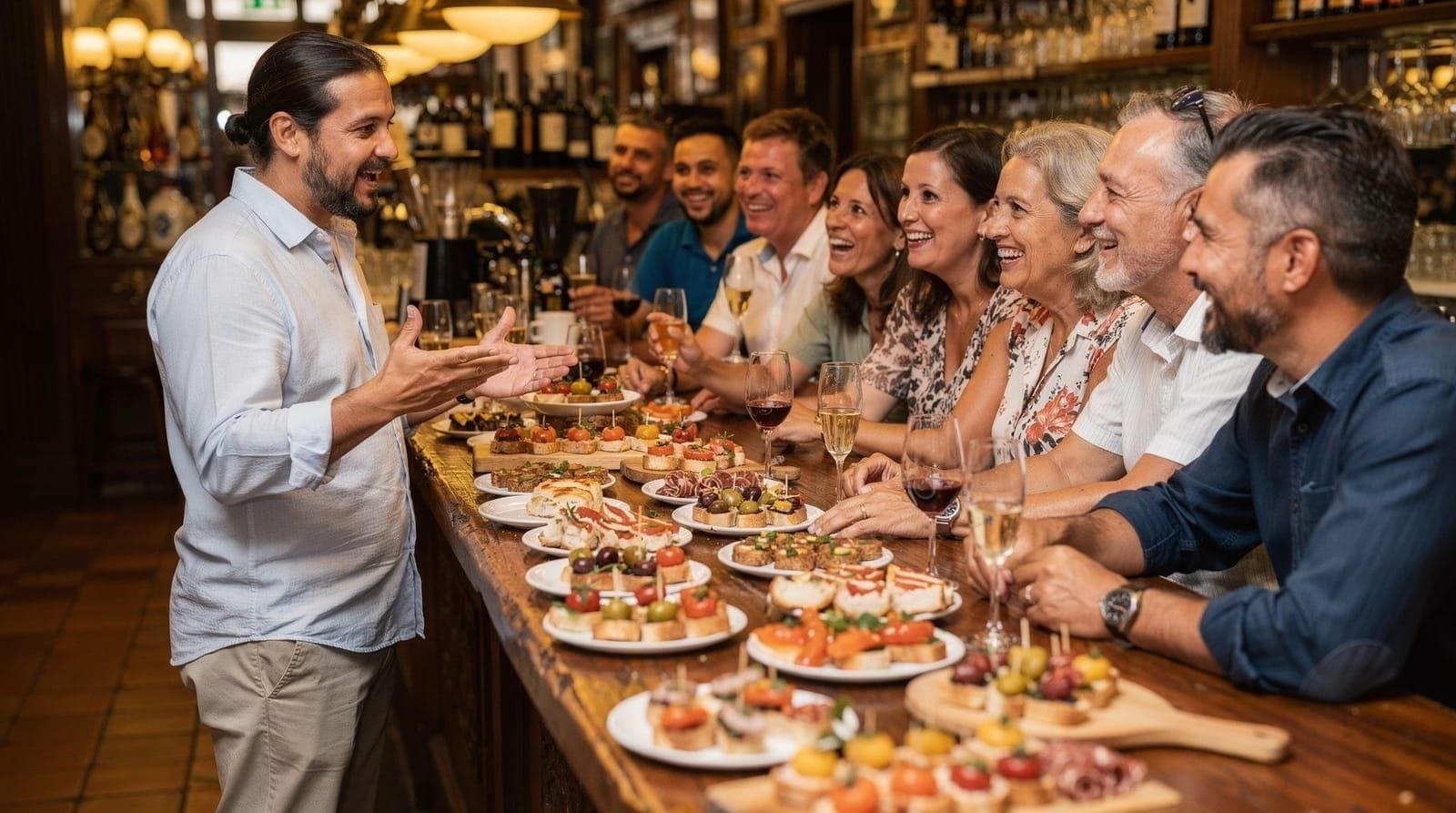
A guided tapas tour works best when you are navigating an unfamiliar neighbourhood and want the bars that locals actually use rather than the ones that appear first in a search. The difference in quality between tourist-facing tapas bars and neighbourhood institutions is significant enough that a guide who knows the difference saves both money and disappointment.
The best tapas tours in Barcelona cover either the old town (Gothic Quarter and El Born) or specific neighbourhoods, usually with four to six stops and genuine tastings — not just a brief visit to each bar. A good guide will also explain what you’re eating and the cultural context: why vermut at noon is a Catalan ritual, why patatas bravas have two entirely different interpretations in Barcelona versus Madrid, why the quality of the bread matters as much as what’s on top.
For a more complete overview of guided food experiences across the city, the tapas tours guide covers the main options and what each one is best suited for.
The most useful things to order
If you are new to Spanish bar culture, a few ordering notes help:
Pan con tomate (pa amb tomàquet in Catalan) is the foundation of Catalan food — bread rubbed with tomato, drizzled with olive oil, finished with salt. It should be made to order with a cut tomato on the bread, not from a squeeze bottle. It costs €1–2 and is correct to order at almost any meal.
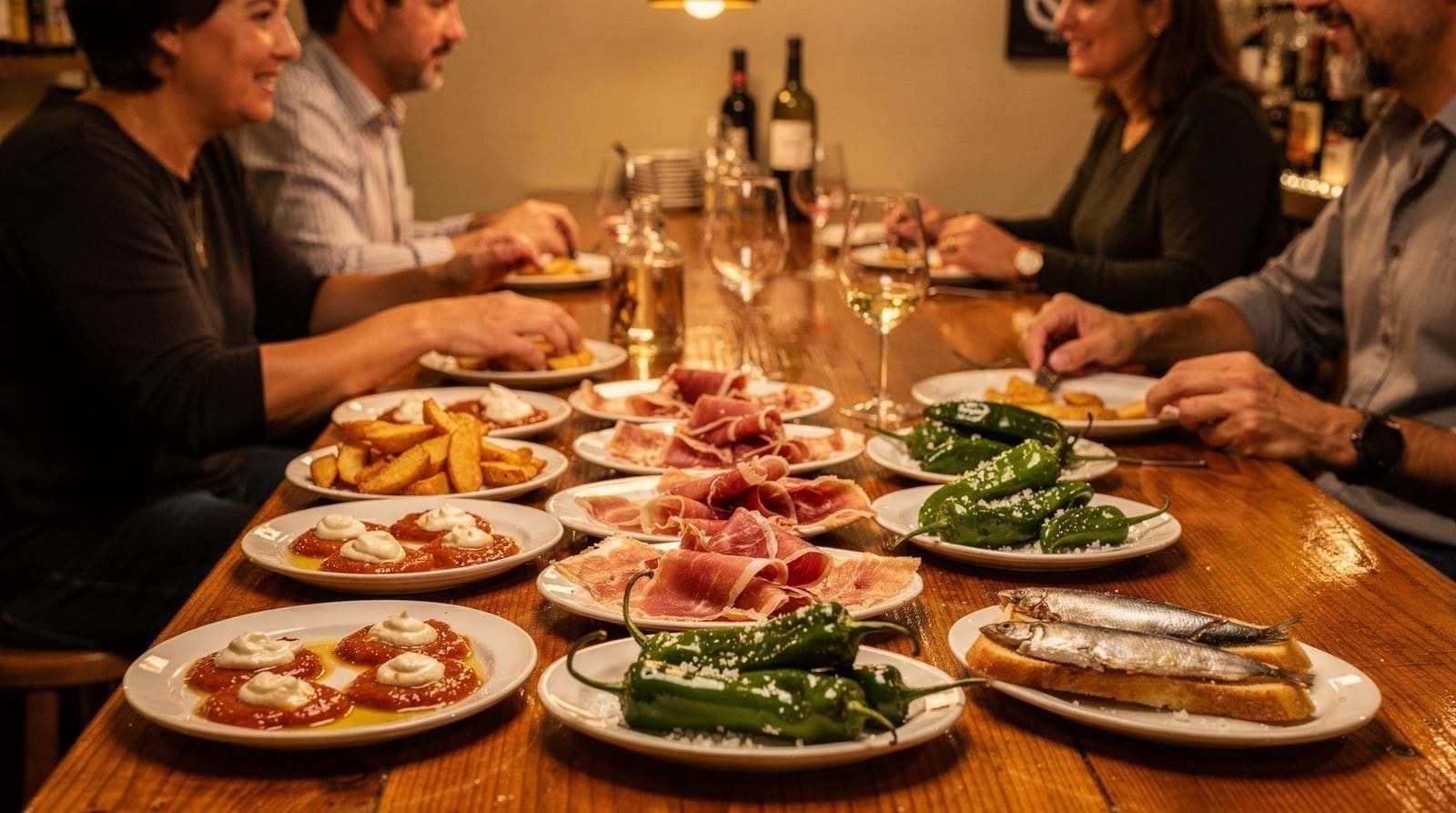
Patatas bravas exist in two versions in Barcelona: the Catalan version (crispy fried potatoes with a mildly spiced tomato sauce and alioli) and the more common pan-Spanish version (softer potatoes with a paprika sauce only). Ask which version a bar serves; the Catalan version is generally better.
Croquetas are small béchamel-based fritters, typically filled with jamón, salt cod, or mushroom. They should be crispy outside and molten inside. Avoid bars where they are lukewarm.
Boquerones (fresh anchovies in vinegar) and anxoves (salted anchovies) are different products and both excellent. Catalonia’s salt cod tradition (bacallà) produces dozens of preparations worth exploring.
The cooking classes guide is useful if you want to understand these dishes from the inside — several Barcelona cooking schools teach traditional Catalan tapas preparation.
Getting between neighbourhoods for a tapas crawl
Barcelona’s tapas neighbourhoods are close enough to combine in a single evening if you plan the route sensibly. El Born and the Gothic Quarter are a ten-minute walk apart, connected by the Via Laietana. Poble-sec is a short metro ride from the centre on L3 (Poble Sec or Paral·lel stops) or a twenty-minute walk from El Born through the old town. Barceloneta sits at the end of L4, with the last stretch to the interior streets best done on foot once you’re off the metro — the beachfront strip is not where the good bars are.
A realistic crawl covers two neighbourhoods in one evening, not four. Trying to fit El Born, Gràcia, Poble-sec and Barceloneta into a single night means rushing the food and spending more time in transit than at the bar. Pick one area to anchor the evening (El Born for a special night, Poble-sec for value and atmosphere) and treat a second, nearby stop as a bonus if there’s time.
Taxis and ride-hailing apps are reasonably priced for short hops late at night when metro frequency drops, particularly useful for the Barceloneta-to-Gràcia or Poble-sec-to-Barceloneta routes that don’t have a direct line.
Vermut hour: the ritual before tapas
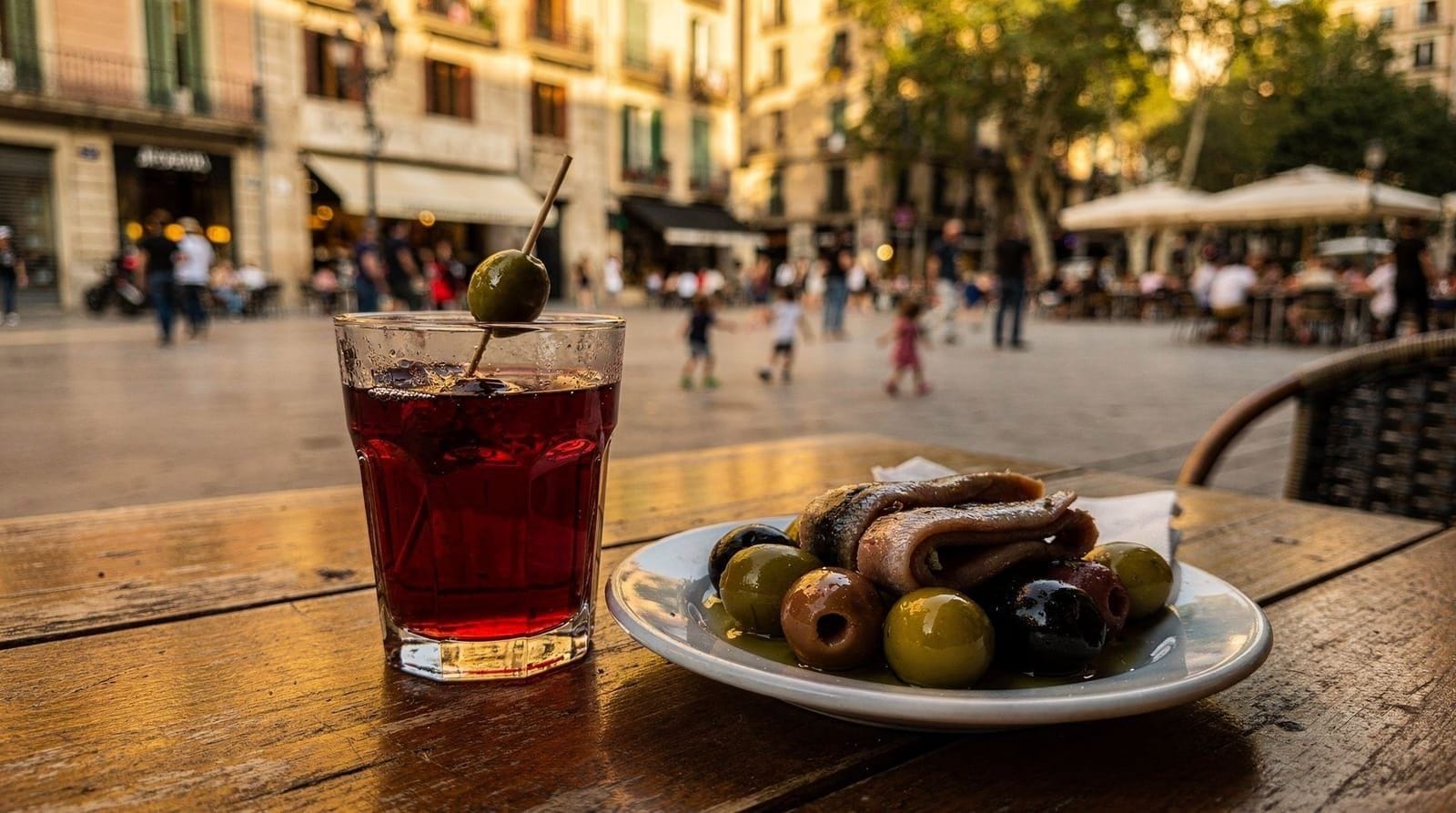
Vermut (vermouth) hour — roughly midday to early afternoon on weekends — is a genuinely Catalan institution worth building into a tapas itinerary rather than an optional extra. The ritual involves a glass of house vermouth, usually red and slightly bitter-sweet, served with ice, a slice of orange, an olive, and a small dish of something salty on the side: chips, olives, or a tin of mussels or cockles. Bar Calders in Poble-sec and several bars around Plaça del Sol in Gràcia do this particularly well, and it’s a lower-commitment, lower-cost way to sample a neighbourhood before deciding whether to stay for a full tapas round. The full history and where to find the best versions across the city is covered in the vermut guide.
Bar etiquette: how tapas ordering actually works
Barcelona’s tapas bars run on a set of unwritten rules that make the experience smoother once you know them. In a standing bar, you order directly at the counter rather than waiting for table service — catch the bartender’s eye and ask clearly, and don’t feel you need to order everything in one go. If there’s table service, a menu will usually appear unprompted, but standing at the bar is often faster and puts you closer to the action. Tabs are common: at busier bars, staff keep a running total (sometimes literally chalked on the counter or the bar itself) rather than billing after each round, and you settle when you leave. Tipping is not obligatory the way it is in some countries — rounding up or leaving small change is normal and appreciated, not expected. A simple “la cuenta, por favor” (or “el compte, si us plau” in Catalan) gets the bill when you’re ready; nobody will rush you to pay before then, which is also why bars rarely bring the bill unprompted.
Dietary restrictions and allergies
Barcelona’s tapas culture is generally manageable for common dietary needs, but it helps to know the pattern. Vegetarian options are widespread — patatas bravas, pimientos de padrón, escalivada, pan con tomate, tortilla, and mushroom croquetas appear on almost every menu — but strict vegan options are less consistent, since alioli, tortilla, and many sauces contain egg or dairy by default; asking is normal and usually accommodated. Gluten-free tapas exist (grilled seafood, tortilla without bread, most salads) but fried items like croquetas and calamares are rarely safe unless a bar specifically states otherwise. Shellfish allergies need particular care in Barceloneta’s seafood-heavy bars, where shared fryers are common. Staff at neighbourhood bars are generally used to the questions, but English fluency varies — a translated allergy card is a reasonable precaution for anything serious.
Neighbourhood summary
| Neighbourhood | Best for | Price level | Avoid |
|---|---|---|---|
| El Born | Creative tapas, cava | €€–€€€ | Nothing specific |
| Poble-sec | Pintxos, vermut, value | € | Peak hours on Carrer de Blai |
| Gràcia | Local atmosphere, casual | €–€€ | Nothing specific |
| Barceloneta | Seafood tapas | €€ | Beach promenade restaurants |
| Gothic Quarter | Atmosphere only | — | Most restaurants on main streets |
| Eixample | Modern restaurants | €€–€€€ | Nothing specific |
Which is better for tapas, El Born or Poble-sec? They serve different purposes. El Born is more creative and upscale — better for a special evening meal. Poble-sec (especially Carrer de Blai) offers better value and a more casual, social experience. Both are worth visiting if you have time.
Is Eixample worth it for tapas? Eixample has some excellent modern restaurants and a growing wine-bar scene, but it is not a traditional tapas neighbourhood in the same way as El Born or Poble-sec. Worth exploring for sit-down dining; less so for bar-hopping.
Can I do a tapas tour independently? Yes — this guide gives you the bars and timing you need. But the gap between the tourist-facing places and the local institutions is significant enough that a guide with neighbourhood knowledge adds real value, particularly in El Born and Barceloneta.
What is the best tapas bar in Barcelona? This is the wrong question — the best experience comes from moving between several bars in the same neighbourhood rather than committing to one. Two or three tapas bars across an evening, with walking between them, is how locals eat.
Are tapas bars child-friendly? Generally yes, particularly at lunch. Spanish food culture is family-inclusive in a way that Northern European food culture is not. A child ordering a plate of patatas bravas and some pan con tomate at a neighbourhood bar is entirely normal.
The best neighborhoods guide covers the wider character of each barri beyond food, which is useful context for deciding where to base yourself during your visit.
Frequently asked questions about Best neighborhoods for tapas in Barcelona
What is the difference between tapas and pintxos?
Tapas are small dishes ordered from a menu or requested at the bar. Pintxos (Basque style) are snacks skewered or stacked on bread, displayed on the counter and priced individually, typically €1.50–2.50 each. Carrer de Blai in Poble-sec is Barcelona's pintxos street.What time do locals eat tapas in Barcelona?
Lunch tapas run from 13:00 to 15:30. Evening tapas start around 20:00 and run late — most locals don't eat dinner until 21:00 or later. Arriving before 20:30 for evening tapas often means an empty bar.Is the Gothic Quarter good for tapas?
Mostly no. The main streets near La Rambla and the Cathedral are dominated by tourist-facing restaurants with mediocre food at premium prices. Walk one or two blocks off the main drag to find exceptions.What should tapas cost in Barcelona?
In neighbourhood bars: €2.50–6 per tapa. Pintxos on Carrer de Blai: €1.50–2.50 each. In tourist areas near La Rambla: expect to pay double for similar or worse quality.Are there good vegetarian tapas options in Barcelona?
Yes — patatas bravas, escalivada (roasted aubergine and peppers), pan con tomate, pimientos de padrón, croquetas de setas (mushroom), and tortilla española are all typically vegetarian or can be ordered as such.Do I need to book a table for tapas in Barcelona?
Rarely for casual bars — most neighbourhood tapas bars are walk-in, standing-room-friendly, and turn tables quickly. The exceptions are small, popular spots like El Xampanyet or Quimet & Quimet at peak times, where arriving early or waiting a few minutes is normal. For a group dinner of six or more at a sit-down restaurant, a booking is sensible.How many tapas should I order per person?
As a rough guide, two to three tapas per person makes a full meal when shared across a group, plus one or two extra dishes to split. Ordering in rounds rather than all at once is normal practice — ask for a few dishes, see how hungry the table still is, then order more.
Top experiences
Bookable activities with verified prices and instant confirmation on GetYourGuide.
Barcelona: tapas walking tour with food, wine and vermouth
- Free cancellation
Barcelona: El Born food walking tour with tapas and drinks
- Free cancellation
Barcelona: Barceloneta tapas, wine & local flavors food tour
- Free cancellation
Barcelona: the ultimate local tapas & drinks food tour
- Free cancellation