Sónar 2026: Barcelona's electronic music festival guide
Two festivals, one week apart, both in Barcelona. Primavera Sound takes the first weekend of June; Sónar takes the third. If you have to choose between them, the choice comes down to what kind of music experience you want. Primavera is a broad-church indie and rock-adjacent festival with electronic elements; Sónar is exclusively electronic, experimental and digital arts, and it has been so since 1994. It runs this year from June 18 to 20.
| Dates | June 18–20, 2026 |
| Venues | Fira Montjuïc (Day), Fira Gran Via, L’Hospitalet (Night) |
| Tickets | Day €65–85, Night €75–95, full pass €195–250 |
| Getting there | Metro to Espanya (Day) / Europa-Fira on L9 Sud (Night) |
| Book hotels | 4–6 months ahead — same month as Primavera Sound |
What Sónar actually is
Sónar is not simply a festival where DJs play loud music in a field. It started as a festival of advanced music and new media, and that founding philosophy still shapes everything about it. Alongside the music stages, there are exhibitions, installations, talks and tech demonstrations. The artists selected tend to sit at the intersection of electronic music and some other discipline — visual art, code, performance, neuroscience. It is more demanding than most festivals and more rewarding for it.
The core structure divides the programme into two distinct halves:
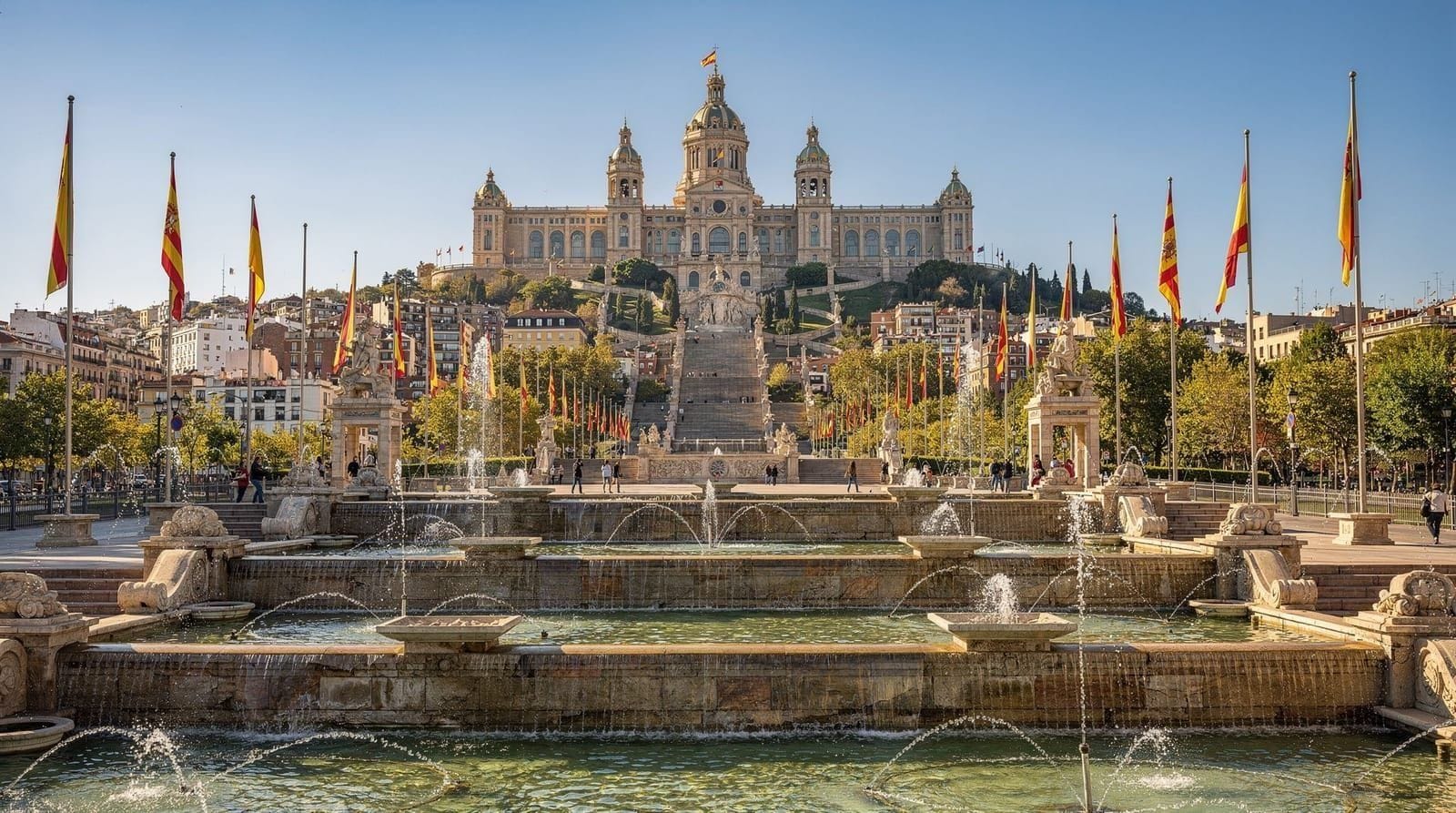
Sónar by Day takes place at Fira Montjuïc, in the exhibition halls at the foot of Montjuïc hill. This is the more relaxed, curious half of the festival — underground spaces with excellent sound systems, outdoor areas between the buildings, and an atmosphere that feels more like a very large arts centre than a festival site. The crowd here skews toward the curious and the attentive; sets often involve live instrumentation, conceptual visuals, or formats that would not work in a traditional nightclub context.
Sónar by Night takes place at Fira Gran Via in L’Hospitalet de Llobregat, a large industrial exhibition complex about twenty minutes by metro from central Barcelona. This is where the festival becomes unambiguously huge — larger stages, bigger names, longer sets, and an audience that can number in the tens of thousands. The sound system at Gran Via is exceptional; the space lends itself to the kind of immersive experience that electronic music at its best provides.
Sónar vs Primavera Sound
The question comes up constantly for anyone planning a June trip to Barcelona. A few real differences:
Sónar is entirely electronic; Primavera is mixed, though with a strong electronic programme. If guitar-based music is important to you, Primavera. If you want to go deep into electronic, experimental and club-adjacent music, Sónar.
Sónar’s day programme is genuinely unusual and worth attending for the art content alone; Primavera by Day is primarily about bands playing stages. If daytime festival culture interests you, Sónar offers something more distinctive.
The Sónar by Night venue is not in Barcelona proper — it is in L’Hospitalet. This matters for logistics; getting back into central Barcelona at 4 or 5am involves a journey rather than a short walk.
Primavera is typically more expensive and harder to get tickets for. Sónar is also not cheap, but availability tends to be somewhat better.
Both have excellent food and drink offerings; both attract an international crowd; both use the June weather well. Many people attend both in the same year, treating them as a two-weekend festival circuit.
| Sónar | Primavera Sound | |
|---|---|---|
| Music | Electronic, experimental, digital arts | Mixed — indie, rock, pop, electronic |
| Dates | Third weekend of June | First weekend of June |
| Venue location | Fira Montjuïc + L’Hospitalet | Parc del Fòrum, in the city |
| Ticket availability | Generally better | Sells out faster, pricier |
| Best for | Club culture and art-adjacent sets | Broad-genre festival experience |
Tickets and pricing
Sónar offers several ticket configurations: day-only, night-only, and combined passes. Combined passes for all three days and nights are the most cost-effective if you plan to attend extensively. Day passes in recent years have been around €65–85; night passes €75–95; full festival passes in the range of €195–250 depending on the wave.
Sónar does not sell out as fast as Primavera, but early-bird tickets are meaningfully cheaper than later tiers, and accommodation pressure during the same week makes early planning worthwhile in any case.
Where to stay for Sónar
The accommodation picture during Sónar week is complicated by the fact that it follows closely after Primavera Sound, meaning two consecutive festival weekends in June. Hotel prices across the city are elevated throughout the month, peaking on both festival weekends.
Our full guide to where to stay in Barcelona covers all the options. For Sónar specifically:
For Sónar by Day at Fira Montjuïc: staying in Poble Sec or the lower part of Eixample puts you within a short walk or easy metro ride of the venue. Poble Sec is an interesting neighbourhood in its own right — one of the better places in Barcelona to eat well without paying tourist prices.
For Sónar by Night at Gran Via L’Hospitalet: staying anywhere on metro Line 1 (red) makes the return journey from the venue straightforward. L’Hospitalet itself has hotels that are typically cheaper than central Barcelona; not glamorous, but functional and close.
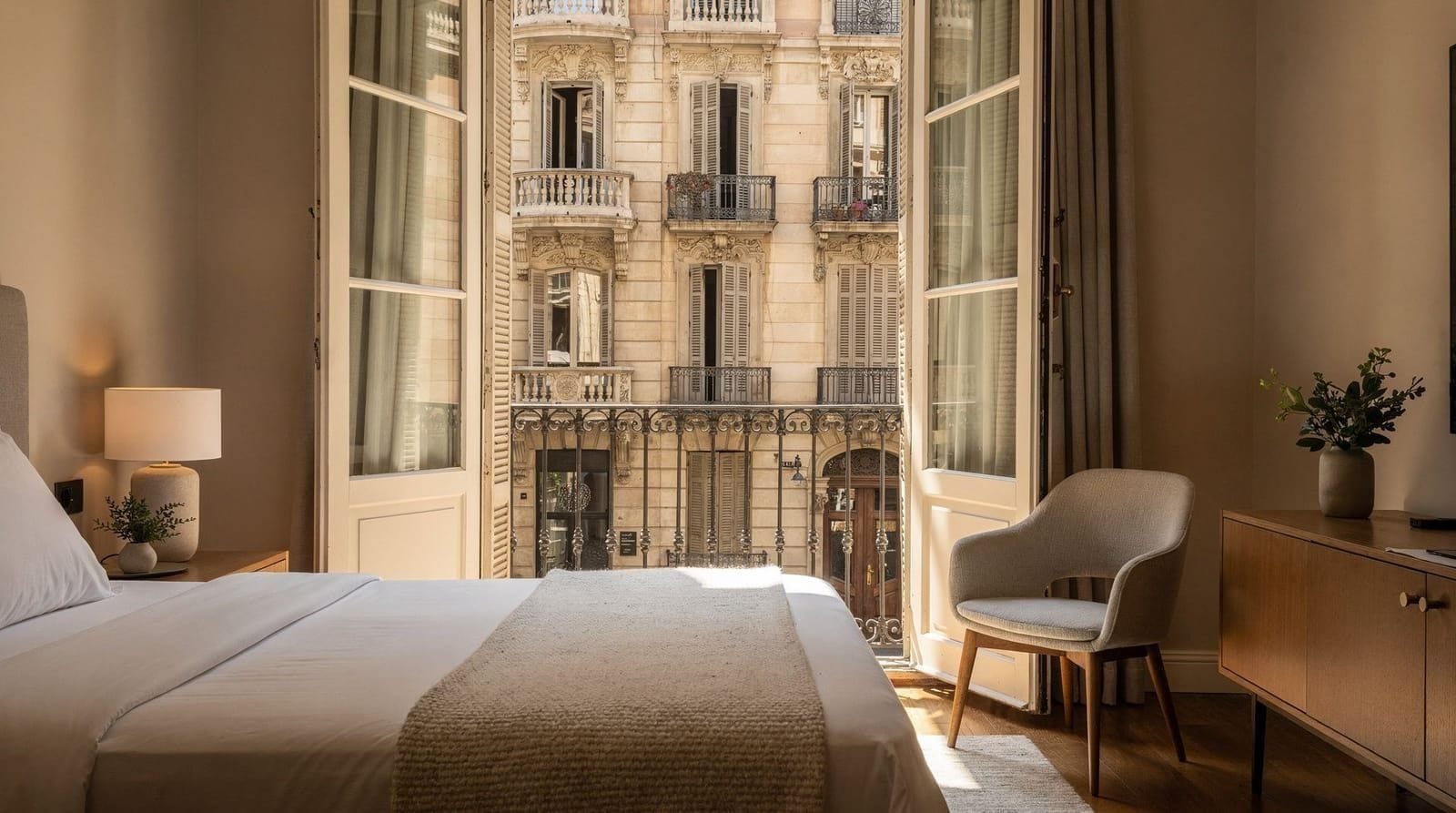
The safest general approach is to stay somewhere central — Eixample, El Born, Gràcia — and use the metro for both venues. This keeps you well-positioned for the city itself on days you are not at the festival. Book four to six months ahead if you want reasonable prices.
Getting to the venues
Fira Montjuïc (Sónar by Day): Metro to Espanya (Lines 1 and 3), then a ten-minute walk up Avinguda de la Reina Maria Cristina. Alternatively, the Montjuïc funicular from Paral·lel metro station (Line 2) and then a short walk down. The setting at the base of Montjuïc is genuinely attractive — the hill provides a natural backdrop for the outdoor areas.
Fira Gran Via (Sónar by Night): Metro to Europa / Fira on Line 9 Sud, or Gran Via on Line 1. The Line 9 option is faster from most central Barcelona locations. Last metro runs vary by night — check the TMB website for extended festival hours, and budget for a taxi or rideshare if you stay until closing. Our transport pass comparison covers the TMB options.
Making the most of June in Barcelona
Sónar runs June 18–20, which means the surrounding days are also in Barcelona. June is an excellent time to visit: the best time to visit Barcelona guide makes the case for late spring and early summer as the sweet spot before the August heat and crowds arrive.
The days around Sónar are long — sunset close to 9:15pm — which makes afternoon sightseeing deeply pleasant. Sagrada Família in late afternoon light is one of the city’s genuinely great experiences; book timed-entry tickets well in advance. Park Güell is worth the early morning visit before the day gets hot. A morning at Barceloneta beach with the sea at a swimmable 23–24°C is an excellent counterpoint to a long night at Gran Via.
The neighbourhood of Montjuïc — where Sónar by Day is based — has its own rewards beyond the festival. The Fundació Joan Miró sits on the hill; the Castell de Montjuïc offers views over the entire city and port; the outdoor terraces at dusk are exceptional. If you arrive a day or two before the festival, Montjuïc is worth a half-day in its own right.
Practical notes
The June sun in Barcelona is strong; afternoon sessions at Fira Montjuïc’s outdoor areas can be hot. Bring suncream and something to cover your head. Evenings cool to around 18–20°C — a light layer is useful once the sun goes down, especially at the indoor venues where air conditioning can be aggressive.
Sónar has a strict no-re-entry policy on some nights; check the current rules when buying tickets. Bag searches at entry are standard. Cash is accepted at most bars and food stalls but contactless payment is faster.
The digital arts programme — SónarMàtica — is free with a festival ticket and worth planning time around. In previous editions it has included interactive installations, AI art experiments and interactive sound works that you do not need to be a music expert to appreciate.
If you’re only free for one venue
If you can only make it to one half of Sónar, choose based on what you actually want: Sónar by Day at Fira Montjuïc for a calmer, more curious, art-and-installation-led experience with live sets you can watch closely; Sónar by Night at Fira Gran Via for the huge stages, big-name sets and the immersive club atmosphere the festival is best known for internationally. Staying centrally in Eixample or El Born works for either, since both venues are metro-accessible.
FAQ
Is Sónar the same as Primavera Sound? No. They’re separate festivals held a week apart in June — Sónar (June 18–20) is exclusively electronic and experimental with a strong digital-arts programme, while Primavera Sound is a broader indie, rock and pop festival with electronic elements. Some visitors attend both in the same trip.
Do I need to book Barcelona accommodation far ahead for Sónar? Yes — Sónar falls in the same month as Primavera Sound, so hotel prices across the city rise through June and rooms can sell out. Booking four to six months ahead gives you the best choice and price, especially if you also want to stay for Primavera the weekend before.