Autumn in Barcelona: October and November travel guide
There is a particular quality to Barcelona in October that the city’s tourism marketing almost never mentions, probably because the tourism marketing doesn’t need to try harder — the summer months sell themselves. But for those who can choose their travel dates, October is quietly the best month in the city. The light changes. The heat softens. The tourist crowds thin to something manageable. And the restaurants, which in August are full of people eating quickly before rushing to the next attraction, start to feel like places where people sit down and stay for a while.
| Best window | Late September to early November |
| Daytime temps | 18–23°C (October), 12–18°C (November) |
| Hotel prices | Around 20–35% below August peak |
| Booking lead time | Sagrada Família: 2–4 weeks; other Gaudí sites: 1–2 weeks |
| Standout trip | Penedès harvest day trip or a Montserrat hike |
The October light
The first thing people notice about Barcelona in autumn is the quality of the afternoon light. The sun sits lower in the sky, casting longer shadows and a golden-hour glow that starts mid-afternoon rather than near sunset. This matters enormously if you’re photographing the city or simply want to look at it clearly.
The Bunkers del Carmel — the anti-aircraft battery ruins on the hill above Gràcia with the best panoramic view of Barcelona — becomes the city’s most talked-about sunset spot in October, when dozens of locals and visitors gather on the circular concrete platform to watch the city turn amber at dusk. The same view exists in summer, but the October light makes it extraordinary. Arrive an hour before sunset; the light peaks in the half-hour before the sun drops.
October daytime temperatures typically range from 18 to 23°C, making extended walking tours genuinely comfortable for the first time since May. Nights drop to around 12-14°C — warm enough for outdoor dining in a jacket, cool enough for sleeping properly for the first time after sweating through an August hotel room.
Hotel prices soften noticeably too. October rates typically run 20-35% below the August peak, and that gap widens further into November. It is not a secret to hoteliers — shoulder season is a known category — but the combination of lower prices, better light and thinner crowds rarely gets marketed as loudly as it deserves. If your dates are flexible, comparing the best neighborhoods in Barcelona for an autumn stay is worth doing before you book, since areas that feel overwhelmed in August, like the Gothic Quarter, breathe again in October.
Museums without the wait
In July and August, the main Gaudí sites require advance booking of 6-12 weeks, and even with tickets, you’re moving through Sagrada Família in a slow procession of bodies. In October, the situation changes: Sagrada Família still requires advance booking (2-4 weeks is typically sufficient), but you can often find tickets with a few days’ notice in October if your dates are flexible. Park Güell and Casa Batlló similarly become more manageable.
The non-Gaudí museums see even more dramatic drops. The Picasso Museum in El Born is pleasant to visit in October without advance booking for significant periods; the Joan Miró Foundation on Montjuïc has queues that evaporate by mid-October; the MNAC (National Museum of Art of Catalonia) on the hill above the Olympic stadium is almost always quietly accessible, but in autumn it’s possible to spend an entire morning with the extraordinary Romanesque collection and encounter fewer than a hundred other visitors.
The Gaudí trail through the main Modernisme works is worth attempting in October as a 2-3 day intensive. It is also a good month to weigh up whether the Barcelona Card is worth it — with shorter queues everywhere, the time-saving element of skip-the-line access matters less than in summer, so the math shifts more toward pure cost.
La Mercè fades, and something quieter begins
The city’s biggest festival, La Mercè, runs from September 23 to 27 — technically the end of summer rather than autumn, but it marks the psychological shift. In the final days of September, Barcelona hosts free concerts, castellers (human tower competitions) in the squares, fire-running processions, and the kind of public festivity that feels genuinely local rather than performed for tourists.
By early October, La Mercè is over and the city settles. This is not emptiness — there are still tourists, still full restaurants, still busy weekends — but the relentless intensity of summer peak season lifts. Locals reclaim the terrace bars. The gothic quarter’s lanes are walkable without swimming through a crowd.
Two October events worth knowing: the Sitges Film Festival (first two weeks of October) brings cinema to the coastal town 35 kilometres south of Barcelona, with screenings ranging from mainstream premieres to horror and cult film — pairing well with a Sitges day trip if you time it right. And the Barcelona Jazz Festival begins in October, running through November, with concerts at venues including the Palau de la Música Catalana — one of the most beautiful buildings in the world to hear live music.
Castellers — the human-tower teams that perform during La Mercè — occasionally hold smaller practice sessions and local festival appearances into early October, particularly in neighbourhood squares outside the main tourist circuit. If you see one advertised at a local church square, it is worth a detour; see the castellers guide for what you’re watching and why it matters in Catalan culture.
The wine harvest in Penedès
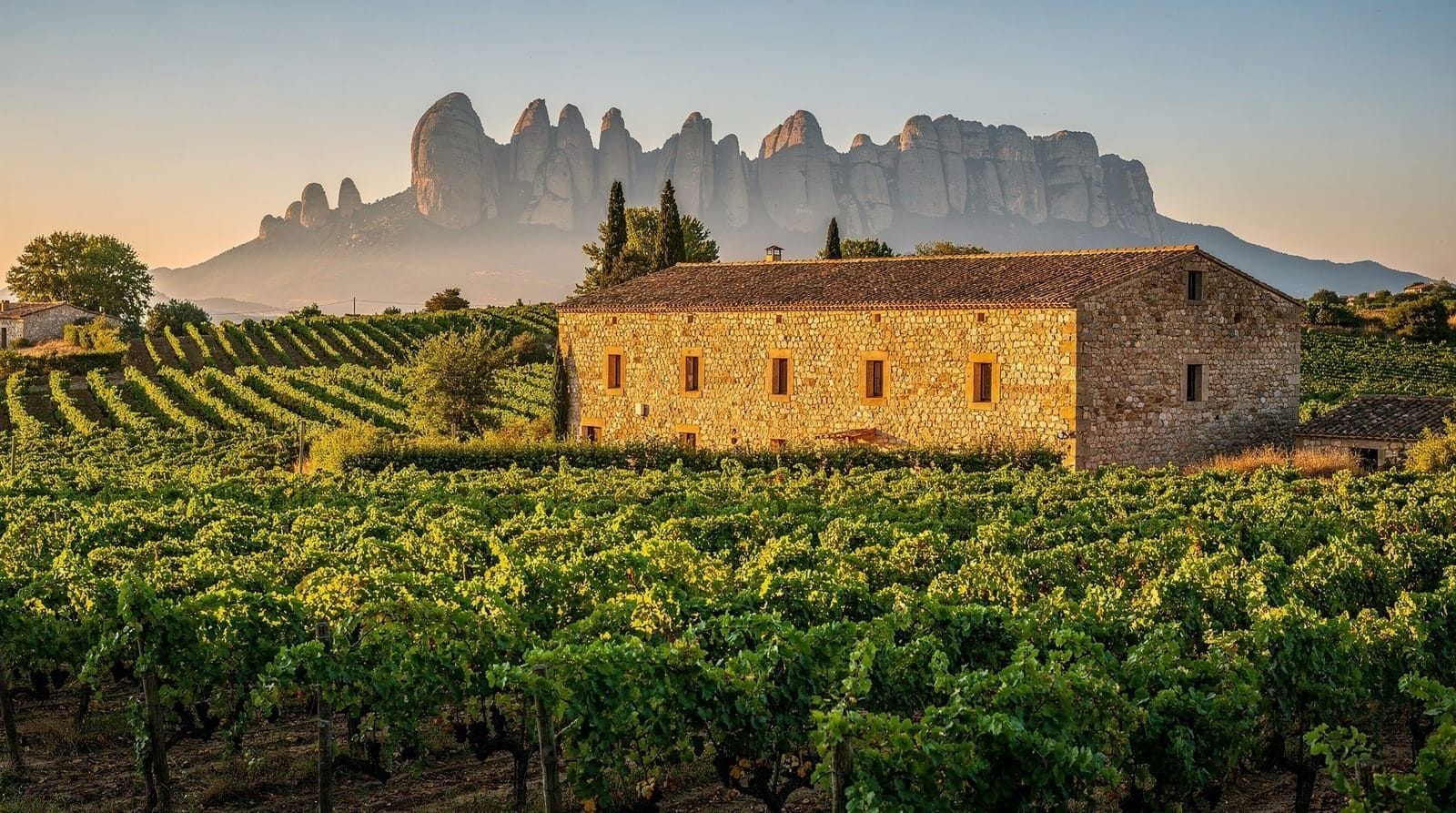
September and October is harvest season in the Penedès wine country, the wine-producing region 50 kilometres southwest of Barcelona. The cava and still wine producers are at their most active in these months: grapes coming in, fermentation beginning, cellar staff actually having something to do beyond pouring tasting glasses for visitors.
Several of the major producers — Codorníu and Freixenet in Sant Sadurní d’Anoia — offer harvest-season tours that include a vineyard component during October. It’s worth checking their websites in advance for specific harvest tour dates and booking, as these are more popular than standard cellar tours.
Getting there is easy: the FGC train from Plaça Espanya runs to Sant Sadurní d’Anoia in about 45 minutes, making it an obvious day trip addition to a Barcelona week in autumn. The Penedès wine day trip guide covers the logistics, which producers are worth visiting, and what to expect.
If you’d rather not manage trains and cellar reservations yourself, a guided harvest-season option takes care of transport and tastings in one booking:
Rovellons — the wild saffron milk cap mushrooms Catalans go slightly obsessive over — start appearing in Penedès restaurant menus alongside the harvest, usually grilled simply with garlic and parsley, which is worth timing a lunch stop around if you’re visiting in October.
Catalan cuisine in autumn
The autumn menu in Catalan cooking is notably different from the summer one. September through November brings bolets — wild mushrooms — which appear in everything: scrambled eggs, rice dishes, pasta, on toast. The most prized are rovellons (saffron milk caps, a Catalan obsession), ceps (porcini) and morels. Restaurants that source locally will be changing their menus as the autumn harvests come in.
October also brings chestnuts — castanyes — which are roasted on the street on La Castanyada, All Saints’ Day, November 1st. It is a Catalan tradition of eating chestnuts and sweet potatoes (and panellets, marzipan-like sweets) to mark the start of November. The smell of roasting chestnuts from street vendors appears from mid-October.
For the best tapas in season, the food markets of Barcelona are worth visiting in October when the seasonal produce is at its best and the summer tourist crush has eased. It is also a good month to explore Catalan food beyond the tourist strip — the best tapas neighborhoods guide points toward areas like Gràcia and El Born, where autumn menus lean into bolets and game rather than the simplified summer tourist versions.
Montserrat in autumn
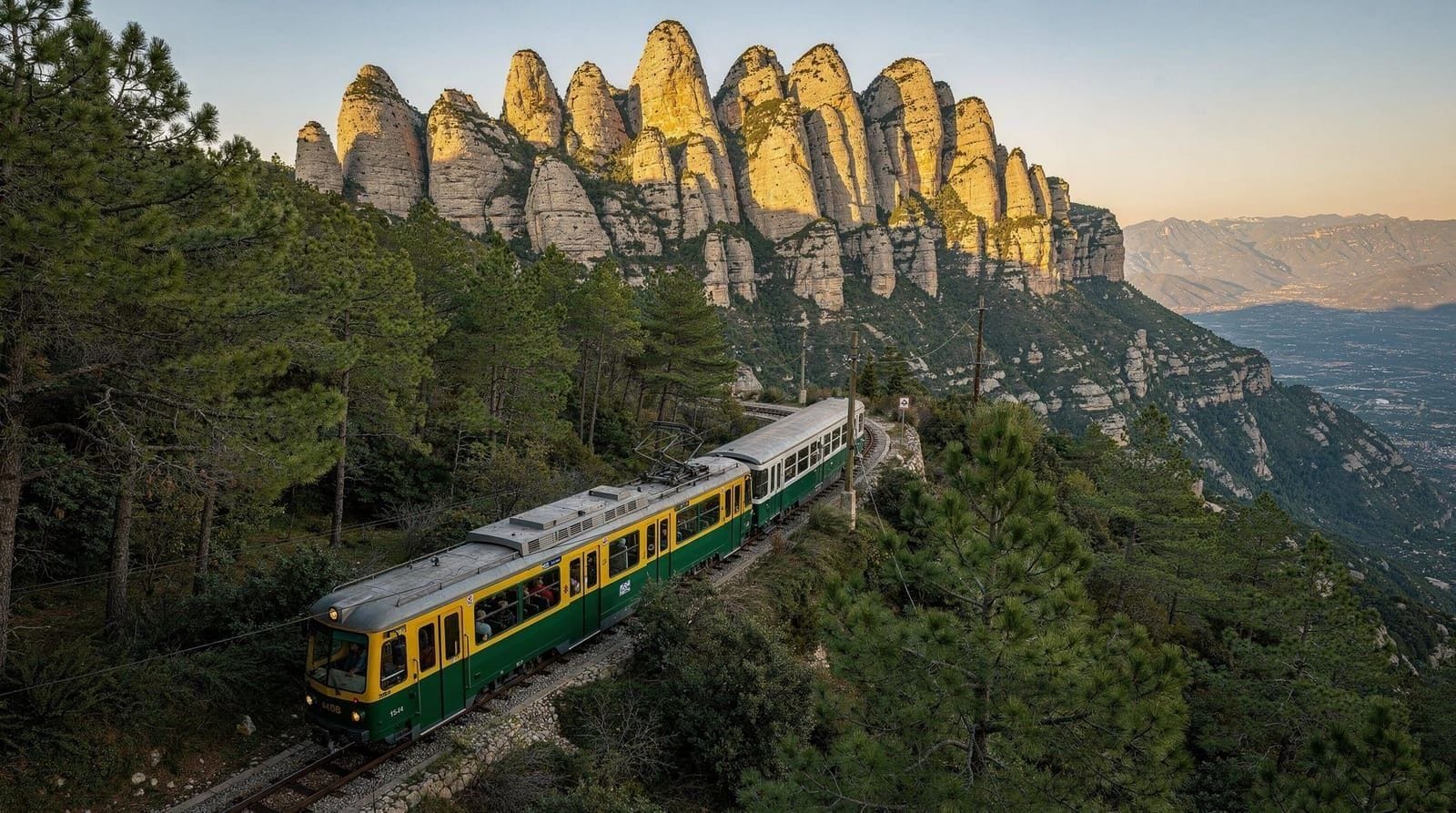
The mountain above Barcelona looks different in autumn, and in a good way. The scrubby vegetation that covers the lower slopes turns gold and russet; the rock formations above seem sharper in the clearer air; and the trails are uncrowded enough that you can reach the Sant Joan chapel and hear nothing but wind.
The Montserrat day trip in October is particularly rewarding if you combine it with the Sant Joan hiking trail rather than just the monastery visit. Temperatures on the upper paths are comfortable all day, unlike the exhausting midday heat of a summer hike. Start at 10am and you can do the monastery, the rack railway up, a two-hour hike to the Sant Joan viewpoint, and a leisurely lunch at the monastery restaurant before returning to Barcelona by 5pm.
If you’d rather have the hiking route and transport handled for you, a guided full-day option covers the logistics:
September, October, November compared
| Month | Daytime temp | Crowds | Hotel prices | Best for |
|---|---|---|---|---|
| September | 23–27°C, still summery | Heavy until La Mercè ends | Near-peak | La Mercè festival, warm sea |
| October | 18–23°C, golden light | Thin, very manageable | 20–35% below August | Sightseeing, Penedès harvest, Montserrat |
| November | 12–18°C, cooler and wetter | Lightest of the year | Lowest of autumn | Museums, indoor culture, value trips |
What to pack for October
Light layers are the key. Daytime temperatures are pleasant in a t-shirt or light shirt; evenings require a jacket. October can bring rain — not the sustained drizzle of northern Europe, but short sharp Catalan downpours that arrive without warning and leave in 20 minutes. A packable rain jacket takes up minimal space and saves you from the umbrella vendors who appear at every tourist spot the moment rain begins.
Comfortable walking shoes are non-negotiable at any time in Barcelona, but particularly in autumn when you’ll be walking more and sweating less. The cobblestones of the Gothic quarter and El Born are beautiful and brutal on inappropriate footwear.
November is a step cooler — 12-18°C in the day, 8-10°C at night — and sees more reliable rainfall. It remains pleasant for museum-heavy trips, but the outdoor terrace culture of October starts to retreat indoors. If your aim is maximum outdoor time combined with tourist-crowd avoidance, October wins clearly over November.
The best time to visit Barcelona guide covers the complete annual calendar with month-by-month comparisons of weather, prices and crowd levels. If you’re weighing autumn against other seasons for a first visit, the how many days in Barcelona guide and the barcelona on a budget guide both help translate the seasonal price gap into a realistic autumn trip cost.
FAQ
Is October too late for the beach in Barcelona? The sea stays swimmable into early October for the hardier, but the beach-holiday atmosphere — sunbeds, beach bars in full swing — winds down after mid-September. By late October, Barceloneta is better for a walk than a swim.
Do I need to book Sagrada Família and Park Güell in October? Yes, still book ahead, just with a shorter lead time than summer. Sagrada Família typically needs 2-4 weeks’ notice in October versus 6-12 weeks in August; Park Güell and Casa Batlló usually need 1-2 weeks. Flexible dates make it easier to find availability with even shorter notice.