Romantic Barcelona: the couples' guide
Barcelona has a quality that makes it particularly good for couples: the combination of extraordinary architecture, a relaxed pace of evening life, excellent food and wine culture, and a setting between sea and hills that creates genuinely beautiful moments throughout the day. These are the experiences that work best for two.
| Best for | A slow 2–4 day break, not a checklist |
| Budget | Around €150–250/day for two, mid-range |
| Booking ahead | Park Güell, Palau concerts, catamaran in July–Aug |
| Best season | April–October for sunset viewpoints and terraces |
| Getting around | Metro + walking; most romantic spots are central |
Sunset at Bunkers del Carmel — the view that requires nothing
The Bunkers del Carmel, Civil War anti-aircraft ruins on the eastern hill above Gràcia, offer a 360-degree panoramic view of the entire city that is, by some distance, the best free viewpoint in Barcelona. On a clear evening, the sky changes from blue to orange to pink over the sea while the Sagrada Família and the grid of the Eixample are laid out below you.
The walk up takes about 25 minutes from Joanic metro station (L4). Arrive an hour before sunset and claim a spot on the ruins — bring a small blanket if the evening is cool, and consider picking up provisions from a nearby shop before you climb. It’s not a formal venue, it’s an outdoor hillside, which is exactly why it works. No ticket, no reservation, just the city and the light.
Best times: April–October when sunsets fall later and the evening is warm enough to linger. Check sunset times (approximately 9pm in midsummer, 6pm in midwinter) and arrive accordingly.
Palau de la Música Catalana — a concert unlike anywhere else
The Palau de la Música Catalana is one of the most visually spectacular concert halls in the world. Designed by Lluís Domènech i Montaner in 1908, the auditorium has a stained-glass ceiling, sculpted columns, mosaics, and Art Nouveau detail that creates an almost overwhelming visual richness. Attending a concert here is a different experience from visiting on a guided tour — the space was built to be filled with music and people.
The programme includes early morning concerts, chamber music series, choral performances, and larger classical concerts. Tickets range from around €20 for early morning concerts to €80+ for premium seats at major performances. Book in advance through the official Palau website; tickets for popular concerts sell out weeks ahead.
Our Catalan music guide provides context on Barcelona’s musical traditions. For a first visit, look for a programme that fills the hall — the acoustics and visual experience are better when the room is full.
An evening walk through El Born
El Born is the neighbourhood for evening wandering. The medieval street grid, the amber lamp light on stone buildings, the terraces of Carrer del Parlament and Passeig del Born filling up around 9pm — it has an easy elegance that doesn’t require planning. Walk north from the Basílica de Santa Maria del Mar along Carrer del Montcada (one of the best-preserved medieval streets in Europe), find a terrace on Passeig del Born, order a glass of cava, and let the evening unfold.
The neighbourhood works particularly well after dinner — the night life here is more sophisticated than the Gothic Quarter, with cocktail bars and wine bars rather than tourist-facing nightlife. Expect dinner at around 9–10pm (Spanish timing) and post-dinner drinks from 11pm.
Sant Jordi — April 23, roses and books
If you happen to be in Barcelona on April 23rd, you’ve landed on the most romantic day in the Catalan calendar. Sant Jordi (Saint George’s Day) is the Catalan equivalent of Valentine’s Day: by tradition, men give women roses and women give men books. The entire city fills with flower stalls and book stalls on La Rambla and in neighbourhood squares, and the streets have a festive, genuinely local atmosphere.
It’s one of the few days when La Rambla is worth spending real time on — the temporary stalls and the celebratory mood transform the boulevard. The rose tradition dates back centuries; the book tradition was added in 1926. Buying your partner a single red rose on Sant Jordi is a Barcelona rite that costs €3–5 and feels entirely right in context.
Cava tasting in the Penedès
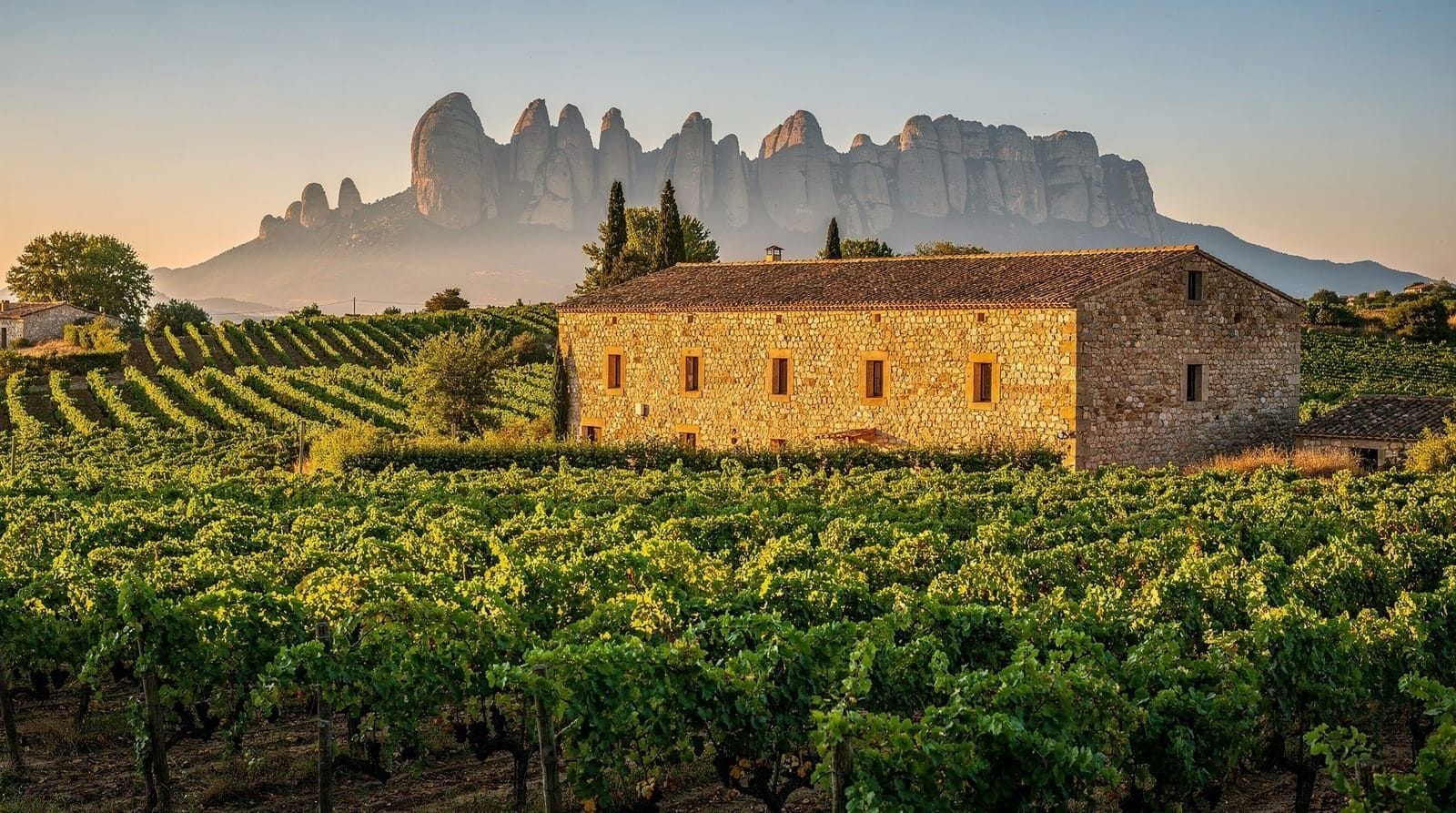
The Penedès wine country is about 40 minutes by train from Passeig de Gràcia — close enough for a day trip, distinctive enough to feel like a proper escape. This is where the great majority of Spain’s cava is made, in wineries that range from large industrial producers to small family operations with ancient cellars.
A cava tasting tour — visiting two or three wineries, seeing the traditional method production, and tasting across a range of styles from brut nature to semi-sweet — runs €40–80 per person depending on how deep you go. Freixenet and Codorníu both offer tourist experiences; smaller producers around Sant Sadurní d’Anoia give a more personal encounter. Our Penedès wine day trip guide covers the logistics and recommends specific producers. The cava vs champagne guide gives context if you want to understand what you’re tasting.
La Mar Salada — seafood without the tourist trap pricing
Beachfront dining in Barceloneta can feel like a compromise: the setting is right but the food often isn’t, and the pricing reflects location rather than quality. La Mar Salada (Passeig de Joan de Borbó, 58) is an exception — a proper seafood restaurant serving locally sourced fish and rice dishes at prices that aren’t inflated beyond reason. A dinner for two with wine runs around €70–90.
The bacallà (salt cod) dishes are excellent, and the rice dishes use proper stock rather than powder. Book ahead, particularly on weekends. It’s not the cheapest option in the city, but it’s the kind of dinner that’s genuinely memorable rather than just convenient.
Magic Fountain in the evening
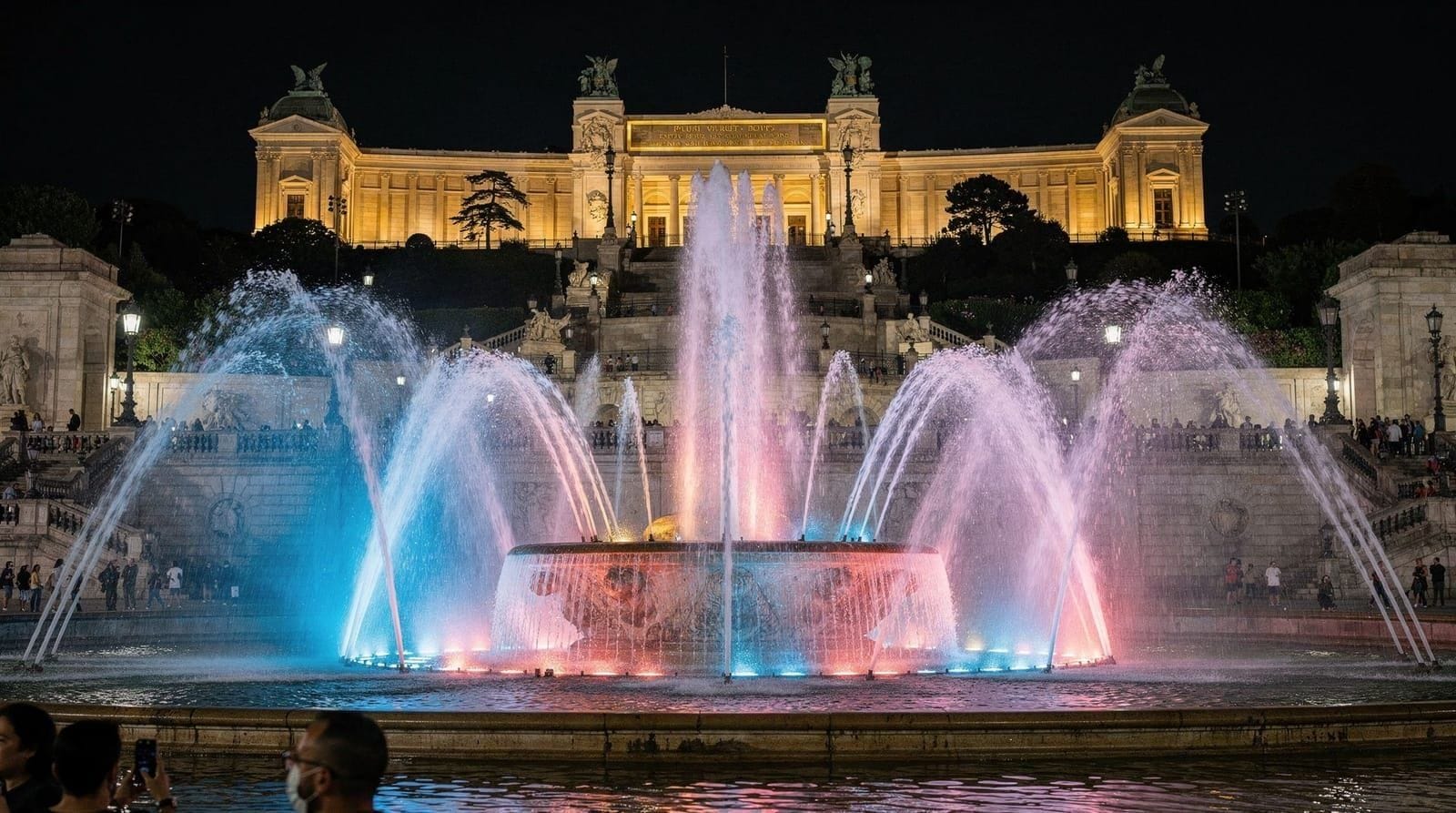
The Magic Fountain (Font Màgica) at the foot of Montjuïc is one of those Barcelona experiences that’s easy to be cynical about — it’s a water and light show, built for the 1929 International Exposition, set to music that ranges from Barça anthem to operatic highlights — and then you stand there in the warm evening with several hundred other people and find it genuinely charming.
It’s free. It runs Thursday through Sunday evenings (times vary by season; check the Ajuntament website for current schedule). The walk up from Plaça d’Espanya takes five minutes. The crowd is mixed — locals, tourists, children — and the atmosphere is convivial rather than hushed. Our Magic Fountain guide covers the programme and seasonal times.
Rooftop bars — the Hotel Arts and Mandarin Oriental
Barcelona has excellent rooftop bars and two that consistently stand out for a special evening. The Eclipse Bar at the Hotel Arts (Torre de Mar, 19th floor) has views over Barceloneta and the sea that are hard to beat. The drinks are expensive (€15–20 per cocktail), the dress code informal-smart, and the bar is popular enough to warrant arriving early or booking ahead.
The Banker’s Bar terrace at the Mandarin Oriental on Passeig de Gràcia looks over the Eixample and the surrounding Modernisme architecture, with the Casa Batlló illuminated at night directly in view. Similarly priced. Both are genuinely special for a single drinks stop rather than an all-evening base. Our best rooftop bars guide covers more options across different price points.
A sailing catamaran sunset cruise
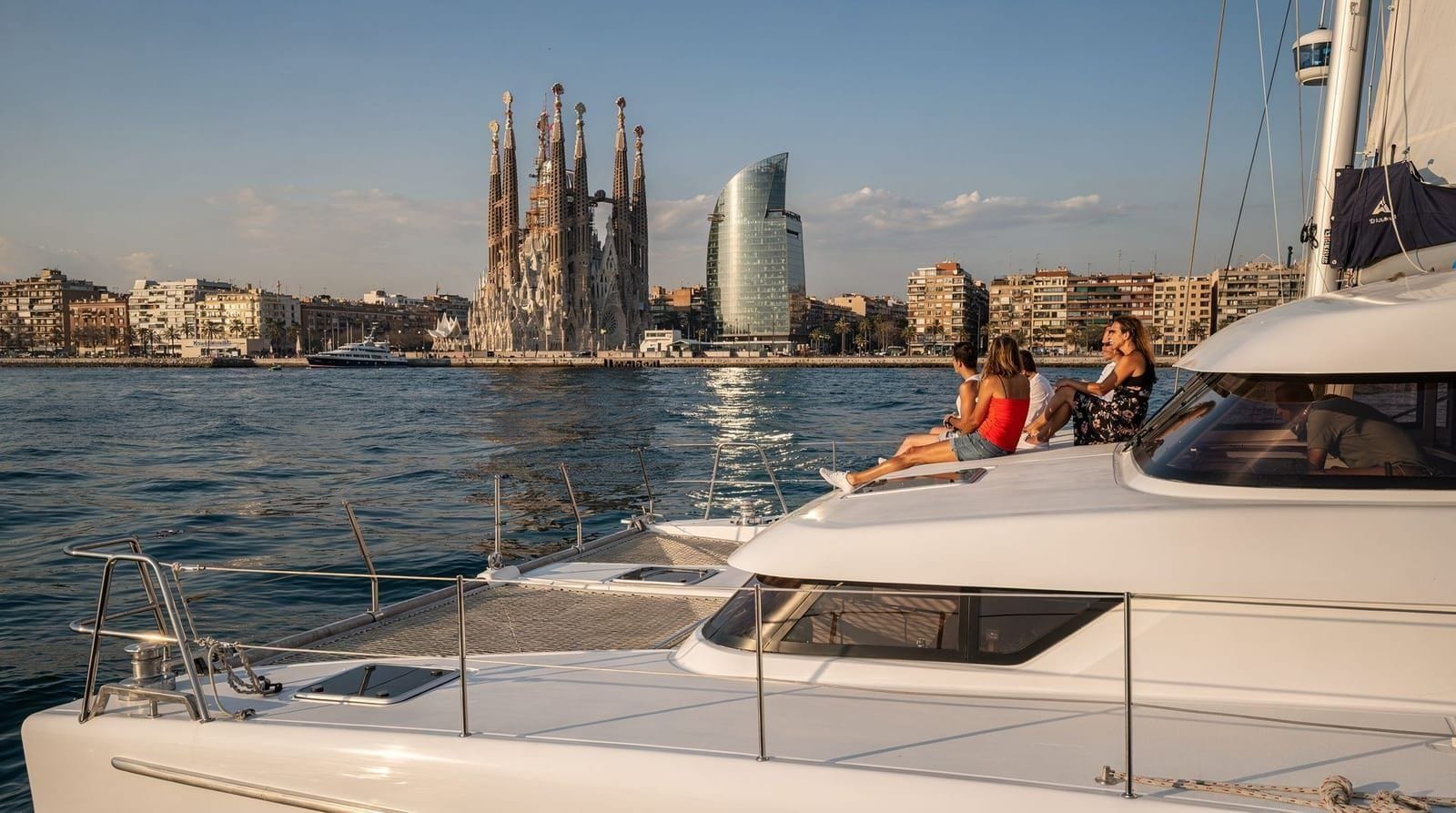
The harbour at Barceloneta offers sunset catamaran cruises that take you past the W Hotel, along the coast towards the Fòrum district, and back as the sun drops into the sea to the south. Trips typically run 2 hours and cost €35–55 per person depending on the operator and whether drinks are included.
It’s not an intimate experience — these are shared boats rather than private charters — but on a summer evening with the light on the water and the city skyline receding, it’s a genuinely good one. Our sailing catamaran Barcelona guide compares the main operators and explains what the different options include. Book ahead in July and August when this sells out.
Park Güell early morning — the terrace without the crowds
The Park Güell Monumental Zone (€13, advance booking required) is at its most photogenic in the hour after opening — typically 8am. The famous mosaic terrace with its serpentine bench and views over the city, the salamander staircase, the hypostyle room — all of these are best experienced before the tour groups arrive at 10am. Two people, an early-morning booking, the mosaic bench largely to yourselves.
This requires being organised — see our Park Güell guide for booking logistics — but it’s the difference between a crowded photo opportunity and something that feels like a genuine discovery. Combine with a late breakfast in Gràcia afterwards; the neighbourhood has good cafés from around 9am.
A practical note on timing
Barcelona’s evenings run late by northern European standards. Dinner before 9pm is considered early; bars fill up after 10pm. If you’re coming from the UK or northern Europe, lean into this rhythm rather than fighting it. The streets of El Born at 11pm on a warm night, the terrace of a Gràcia restaurant at 9:30pm, the post-concert drinks at midnight — these are the city at its best. Our best time to visit Barcelona guide covers the seasonal calendar if you’re still deciding when to go.
A romantic day trip for two
If you have a spare day, Girona makes an easy romantic escape — a compact medieval old town with the River Onyar reflecting pastel houses, quiet lanes with almost none of Barcelona’s crowds, and a proper lunch that feels like a genuine occasion rather than a tourist meal. About 40 minutes by high-speed train from Sants. Our Girona and Costa Brava day trip guide covers the logistics.
For something slower, Montserrat pairs a dramatic mountain setting with the monastery and its choir, plus walking trails with views that make for a genuinely memorable shared afternoon away from the city.
Where to stay for a romantic base
El Born is the strongest choice for couples: walkable, atmospheric after dark, and close to most of the experiences above. Eixample around Passeig de Gràcia is the alternative if you want Modernisme architecture on your doorstep and easy access to the rooftop bars. Our where to stay in Barcelona guide breaks down the trade-offs neighbourhood by neighbourhood, and pairs well with planning how many days in Barcelona you’ll actually need.
Choosing your evening: a quick comparison
| Experience | Cost for two | Booking needed | Best for |
|---|---|---|---|
| Bunkers del Carmel sunset | Free | No | Free, low-key, unbeatable view |
| Palau de la Música concert | €40–160 | Yes, weeks ahead | A proper “occasion” evening |
| Catamaran sunset cruise | €70–110 | Yes, especially July–Aug | Time on the water |
| Rooftop bar (Hotel Arts / Mandarin) | €30–40 in drinks | Recommended | One special drink, not a whole evening |
| Park Güell at opening | €26 | Yes, in advance | Quiet time at an icon |
FAQ
Is Barcelona a good city for a romantic weekend? Yes — the combination of architecture, food culture, viewpoints and an easy walking scale makes it well suited to a short romantic break, especially a 3–4 day trip built around two or three of the experiences above rather than a packed sightseeing schedule.
What’s the single most romantic free thing to do in Barcelona? Watching sunset from the Bunkers del Carmel. It costs nothing, needs no booking, and the 360-degree view over the city and sea is hard to beat at any price.