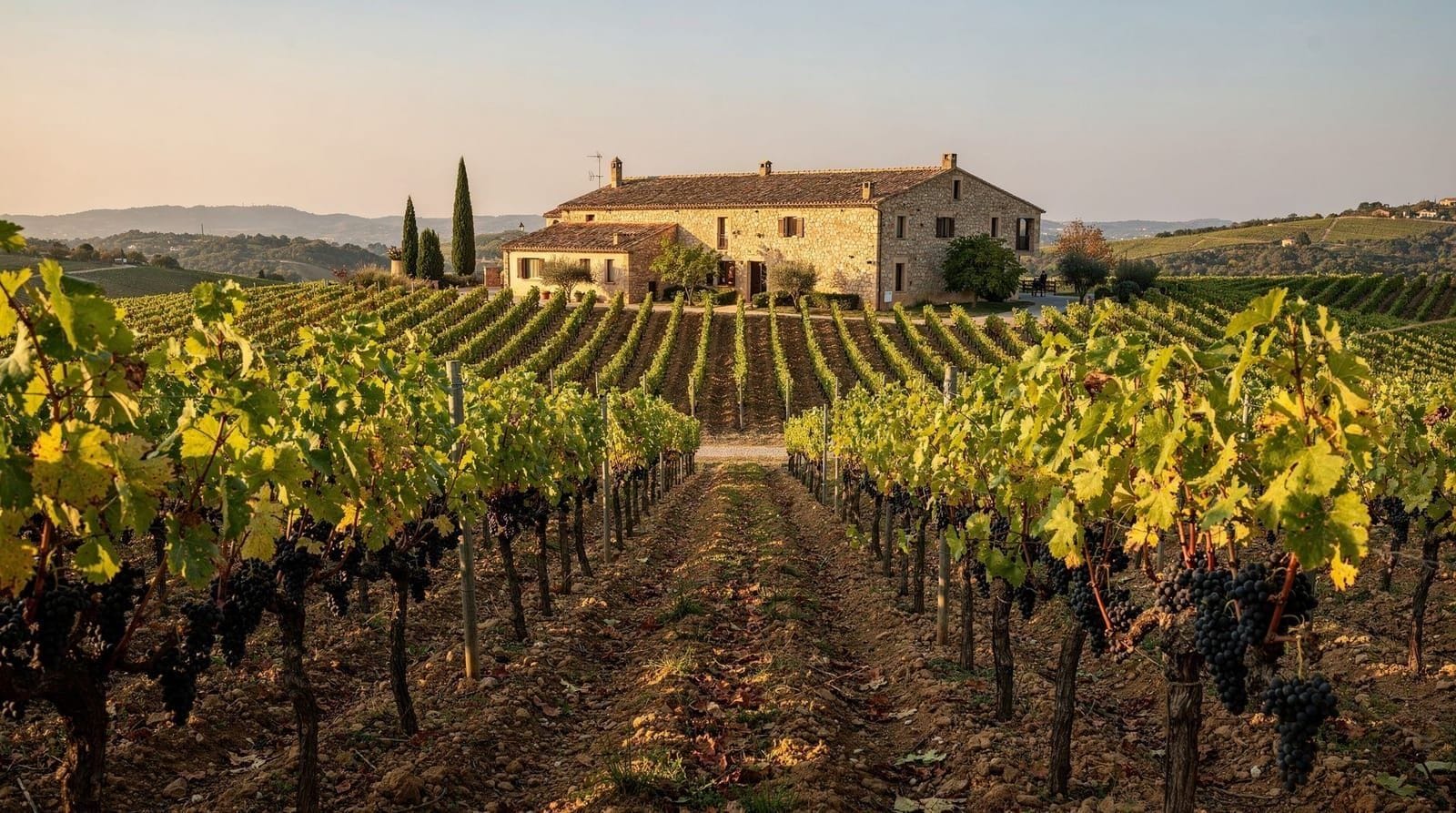
Barcelona wine weekend: cava, vermut and Penedès in 3 days
From Barcelona: Penedès vineyards tour by 4WD with wine & cava
Duration: 6 hours
- Free cancellation
- Hotel pickup
What makes Barcelona a wine-lover’s city
Barcelona is not a wine city in the way that Bordeaux or Burgundy is — it is a wine-adjacent city, close to three distinct wine regions and saturated with a drinking culture of its own that most visitors entirely miss. The vernacular drinks are cava (Catalan sparkling wine, emphatically not champagne — see our cava guide), vermut (Catalan vermouth, drunk cold with ice and soda as an aperitif), and natural wines from small producers in the Priorat, Empordà and Penedès.
This three-day weekend itinerary puts wine at the centre: Day 1 covers the city’s bar geography (El Born wine bars, Poble-sec vermut street, Barceloneta cava aperitif); Day 2 takes you to the Penedès for cava cellars and a winery lunch; Day 3 combines a cooking class with an evening tasting and a final cocktail overlooking the port. None of it requires a car.
One honest note: sangria, which many restaurants push aggressively on tourists, is not a Catalan drink. It does not appear on this itinerary. If you’re offered it as the house speciality, that’s a reliable signal that the restaurant is aimed at tourists rather than locals.
| Best for | Wine lovers, food-focused couples, weekend breaks |
| Pace | Relaxed — one city day, one wine-region day, one lighter finishing day |
| Daily budget | Around €90–130/person including tastings, wine and a cooking class |
| Getting around | Metro in the city; FGC train for the Penedès day |
| Best months | March–May for green vineyards, September–October for the harvest |
Day 1: The city’s wine geography
Morning: La Boqueria and El Born food market
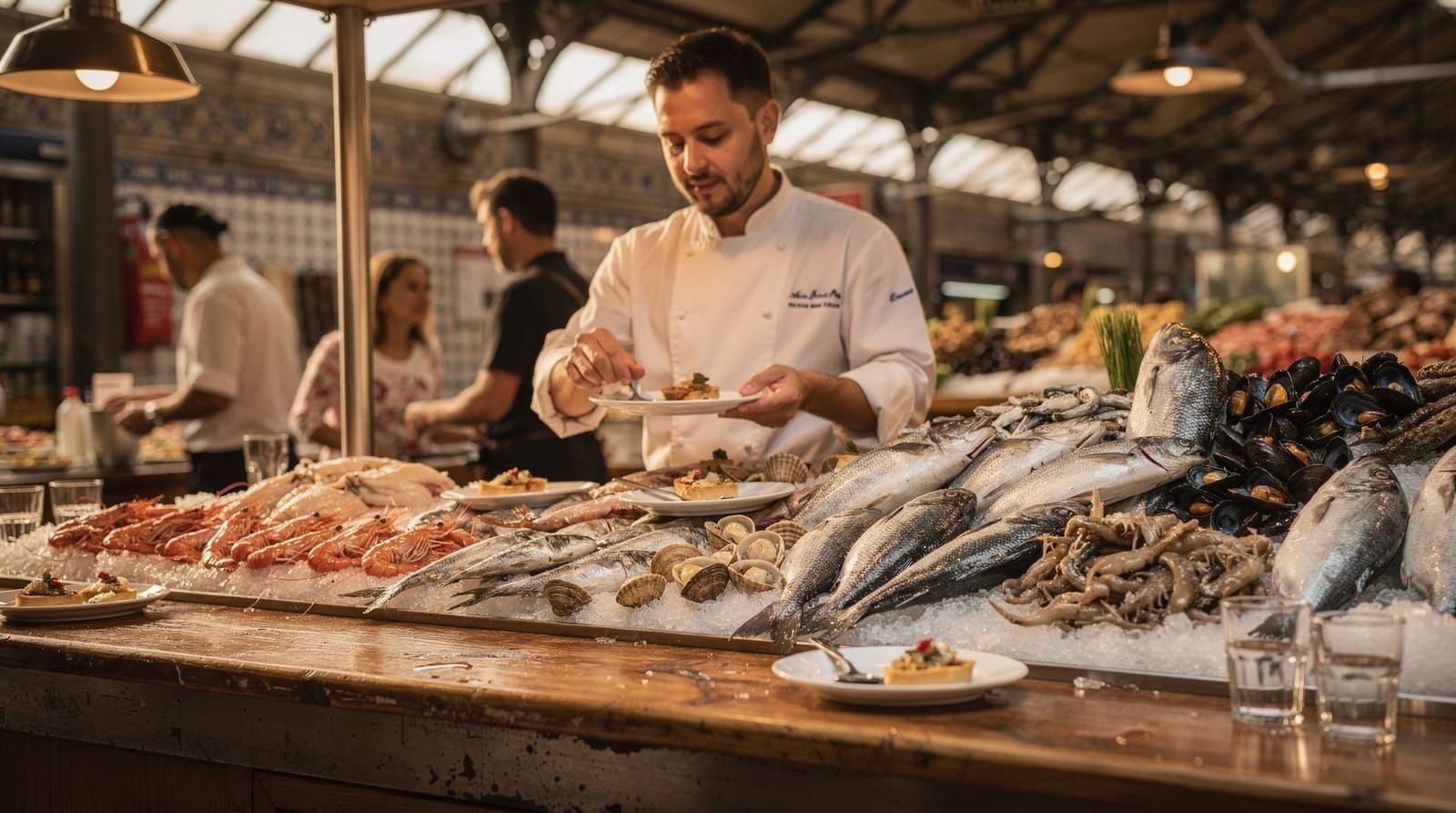
Start at the Mercat de la Boqueria (La Rambla 91, opens 08:00) — not to eat, but to understand the raw material of Catalan cuisine: the salt cod (bacallà), the membrillo, the Iberian ham stands, the fish counter. The market is tourist-saturated by 10:00, so arrive by 09:00 if you want to see it in working mode. Read our La Boqueria guide for an honest account of what to buy vs what to skip.
Walk 10 minutes east to the Mercat de Santa Caterina (Avinguda de Francesc Cambó 16) — the colourful-roofed local alternative. This is where El Born residents actually shop: the prices are honest, the fish is local, and the fruit and vegetable stalls represent the seasonal Catalan larder. The wave roof (Enric Miralles, 2005) is architecturally worth seeing in its own right.
Midday: El Born wine bars
El Born has the densest concentration of natural wine bars in Barcelona. Start at El Xampanyet (Carrer de Montcada 22, opens from noon on weekdays; 11:00 weekends) — one of the city’s most beloved cava bars, unchanged in decades, with house cava at €2–3 a glass and outstanding house-cured anchovies. Order the house cava brut (dry) rather than the sweet version; the difference is significant.
Then walk to Bar Brutal (Carrer de la Princesa 14, opens from 13:00) — one of the pioneer natural wine bars in Barcelona, with a constantly rotating list of small-producer bottles from Catalonia, Aragon and the rest of Spain by the glass. The food menu is small and excellent; the wine advice from the staff is reliable.
Lunch: La Mar Salada (Passeig de Joan de Borbó 58, 10 minutes’ walk to Barceloneta) or El Vaso de Oro (Carrer de Balboa 6, Barceloneta) for seafood tapas and cold Estrella Damm before the afternoon’s wine focus.
Afternoon: Vermut culture in Poble-sec
The Catalan vermut tradition centres on Sunday midday, but in Poble-sec it runs all week from about 12:00–16:00 and then again from 18:00. Take metro L2 or L3 to Paral·lel and walk uphill to Carrer de Blai.
Bar Calders (Carrer del Parlament 25, opens 09:00) is the benchmark Poble-sec vermut bar: cold Yzaguirre or Martini Rosso over ice, splash of soda, orange slice, olive. The bar is narrow, lively and local. Carrer de Blai itself has 15–20 pintxos bars open from 19:00 (Basque-style small bites on bread, €1.50–3 each) — the density makes it the best street for a progressive tapa dinner in the city.
See our vermut guide for the history, the best producers (Miró, Yzaguirre, Zarro) and the correct way to order it.
Evening: tapas and wine tasting tour
The evening tapas and wine tour (3 hours, six stops, €65) is the best way to end the first day if you want guided context. The tour typically covers El Born, the Gothic Quarter and Poble-sec, with stops at bars chosen for quality rather than tourist-friendliness — the guide explains cava vs cava, why Catalan wine culture diverges from the rest of Spain, and which restaurants to return to.
Alternatively, spend the evening at Bodega Celler Cesc (Carrer de la Diputació 201, Eixample) — a small wine bar with one of the best by-the-glass Catalan wine lists in the city, focused on small producers from Penedès, Priorat and Empordà.
Day 2: Penedès wine country
Full day: vineyards and cava cellars
Take FGC R6 from Plaça Espanya (metro L1/L3) to Sant Sadurní d’Anoia (45 minutes, ~€8 return). This small town at the heart of the Penedès is where 95% of Spain’s cava is produced — Codorníu and Freixenet are both headquartered here and both offer cellar tours.
See our Penedès wine country guide and Penedès day-trip guide for the full range of options.
Codorníu (Avinguda de Codorníu, Sant Sadurní d’Anoia; tours from €20, book at codorniu.com): the oldest cava producer in Spain (cava production began here in 1872), housed in a Modernisme building by Josep Puig i Cadafalch. The cellar tour covers 30 km of underground tunnels stacked with 40 million bottles and ends with a three-cava tasting. Budget 2 hours.
Freixenet (Carrer Joan Sala 2; tours from €18, book at freixenet.es): the world’s largest cava producer, a complete contrast to Codorníu — industrial scale, modern facilities, a very clear explanation of the traditional method (méthode champenoise). The tasting at the end includes their range from the standard Carta Nevada to the premium Reserva Real.
Independent producers in Sant Sadurní and the surrounding villages are where the quality gets interesting: Rimarts (small producer, exceptional Gran Reserva), Recaredo (zero-dosage cava, one of the most sophisticated in the world) and Gramona (biodynamic, long-ageing). Most require advance booking for tastings; Recaredo and Gramona book out weeks ahead.
Guided wine tour alternative: If you prefer to leave the logistics to someone else, the Penedès cava and wine tour from Barcelona covers multiple producers by 4WD or electric bike with a guide who can explain the differences between producers and vintages. The electric-bike tour (€70) covers terrain that the car tours miss — vine rows, dirt tracks, lunch at a family winery.
Lunch in Penedès: Most tour operators include lunch at a winery restaurant. If going independently, L’Olivera (Carrer Saüc 3, Sant Sadurní, opens 13:00, closed Monday) does excellent Catalan home cooking and stocks local wines.
Return to Barcelona by 18:00. A light evening is appropriate — perhaps a glass of cava at El Xampanyet and an early dinner at Parking Pizza (Carrer de Londres 98).
Day 3: Cooking class, catamaran and farewell
Morning: cooking class with Boqueria market visit
A Catalan cooking class (3–4 hours, €65–85) starting with a market tour of La Boqueria is one of the most practical ways to consolidate the food knowledge from the previous two days. See our cooking classes guide for the best operators.
The typical format: meet the teacher at La Boqueria at 10:00, shop for ingredients (squid, saffron, bomba rice, olive oil, garlic), walk to the teaching kitchen, and cook for 90 minutes before eating. The focus is usually paella or fideuà (the Catalan noodle version), followed by a crema catalana. Cava is included in most classes — you’ll finish with a clearer understanding of why the beachfront tourist version tastes nothing like the real dish.
Afternoon: Port Vell catamaran
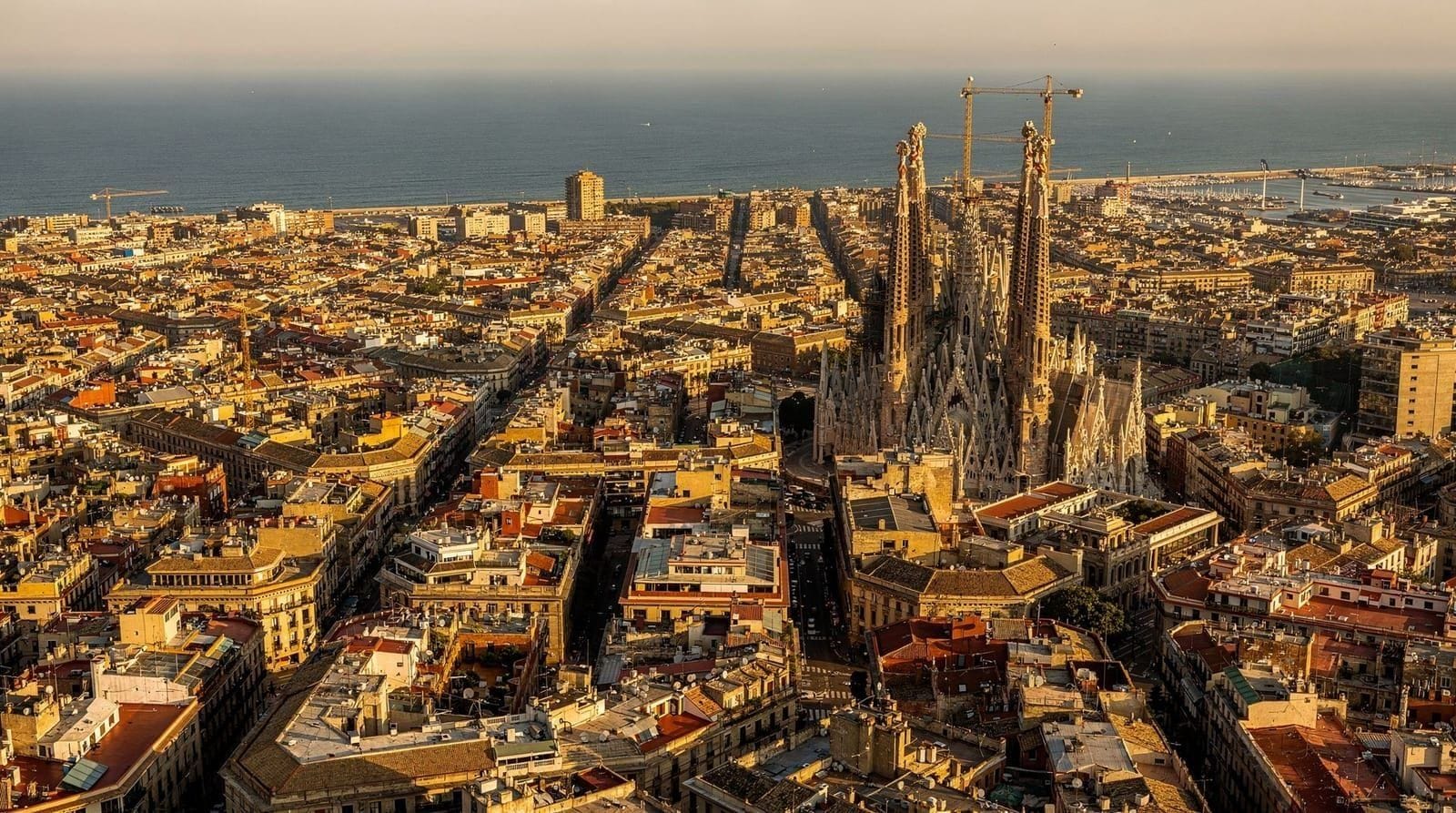
The afternoon slot is calmer and more sociable than the morning. A catamaran sailing cruise from Port Vell (1.5 hours, from €25–35) includes vermouth and drinks on board and a circuit of the Barcelona coast — the Sagrada Família spires above the grid, the W Hotel at Barceloneta, the wind turbines at Poblenou. The 90-minute format is right for an afternoon: long enough to relax, short enough to leave time for a final evening.
The 1.5-hour sailing tour with vermouth is the most appropriate for a wine weekend — vermouth on a sailboat in the afternoon sun is precisely as enjoyable as it sounds.
Evening: farewell dinner
The city’s best wine-and-food pairing for a final dinner:
Budget option: Bar Bodega Manolo (Travessera de Gràcia 49, Gràcia) — a neighbourhood bodega with wine by the glass from €2.50, charcuterie and cheese boards, no reservations needed. Quintessentially Catalan.
Mid-range: Espai Mescladís (Carrer dels Carders 35, El Born) — a social-enterprise restaurant with a rotating seasonal Catalan menu, natural wines and honest pricing. Reservations recommended.
Special occasion: Moments (Passeig de Gràcia 38–40, in the Mandarin Oriental; book 2–3 weeks ahead) — Michelin two-star, one of the few restaurants in Barcelona building modern Catalan haute cuisine directly on traditional techniques. Tasting menu €160–190 without wine; wine pairings add €80–120. Worth it if the weekend is a celebration.
End with a final glass of cava at Bar Marsella (Carrer dels Escudellers 65, Gothic Quarter) — one of the oldest bars in Barcelona, open since 1820, decorated with dusty bottles of absinthe and mirrors so old they barely reflect. The house cava is good; the atmosphere is unrepeatable.
Choosing your Penedès producer: big house vs boutique
Sant Sadurní d’Anoia has two very different kinds of cava experience, and picking the right one shapes Day 2 more than anything else:
| Codorníu / Freixenet | Boutique producers (Recaredo, Gramona) | |
|---|---|---|
| Scale | Large, polished, easy walk-in tours | Small, appointment-only, personal |
| Price | €18–20 per tour with tasting | Often higher, sometimes tasting-only |
| Booking | Same-week booking usually fine | Book weeks ahead, especially spring/autumn |
| Best for | First-time cava visitors, groups | Wine-focused visitors wanting depth and rarity |
Most first-time visitors are well served by Codorníu or Freixenet — the tours are genuinely well run and the Modernisme building at Codorníu is worth seeing on its own terms. Wine-focused travellers with more lead time should book a boutique producer instead, or take the guided route so a local expert handles the introductions. There’s no wrong choice here — both routes give you a genuine cava-country day, and the honest advice is to match the booking window you actually have rather than chase the “best” producer at the cost of a rushed or cancelled visit.
If you’d rather not manage the Penedès logistics yourself
The FGC train to Sant Sadurní is simple, but coordinating tastings, lunch and the return train adds friction some visitors would rather skip. A guided Penedès wine tour handles the transport and the producer bookings, and the electric-bike version adds a physical, scenic dimension the train route misses entirely. For a broader sense of the region beyond the two headline producers, our Penedès wine country guide covers the geography, the grape varieties and the smaller villages worth a detour.
Practical notes for a wine weekend
Getting to Penedès: FGC R6 from Plaça Espanya every 30–60 minutes to Sant Sadurní d’Anoia (€4–5 single); the return last train is around 21:30–22:00. No car required.
Buying wine to take home: Wines purchased at winery shops are typically 30–40% cheaper than in city wine shops. Buy heavy bottles at the end of the Penedès day, not at the beginning — touring with bottles is impractical. El Born’s Vila Viniteca (Carrer dels Agullers 7–9, opens Monday–Saturday 08:30–21:00) is the finest wine shop in Barcelona and stocks the best Penedès producers alongside the full Catalan catalogue.
What to taste: For cava, work from brut nature (zero dosage, driest, most complex) down to brut to seco to semi-seco — most people find that their preference shifts towards drier after a day of tasting. For still Penedès whites, the Xarel·lo grape (local to the region) produces characterful, textured wines that have no equivalent in France or Italy; try the Gramona and Mas Bertran versions specifically.
Frequently asked questions about the Barcelona wine weekend
Is cava the same as Champagne?
No — different region, different grapes, different production scale, different price. Cava uses the same traditional method as Champagne (secondary fermentation in the bottle) but with Catalan grapes: Macabeo, Xarel·lo and Parellada for whites. The result is lighter, fizzier and — at the best producers — genuinely complex. See our cava vs champagne guide for the full picture. The price difference (cava from €8 in a Sant Sadurní shop vs Champagne from €30) reflects volume and marketing, not quality difference.
What is vermut and where should I drink it?
Vermut (vermouth) in Catalonia is a lunchtime aperitif culture, not an after-dinner cocktail. Served cold over ice with soda water and an orange slice, the ritual is called “fer el vermut” (doing the vermouth) and happens Sunday midday particularly. The best bars for it are Bar Calders (Poble-sec), El Xampanyet (El Born) and Bar Marsella (Gothic Quarter). The local Catalan producers to know are Miró (Reus), Yzaguirre (Reus) and Zarro (Tarragona). See our vermut guide.
Can I visit the Penedès without a tour?
Yes, easily. FGC to Sant Sadurní d’Anoia runs every 30–60 minutes from Plaça Espanya. Codorníu and Freixenet both take walk-in groups on their scheduled tours (pre-book online to guarantee a slot, especially in summer). The independent producers require advance booking. The one limitation is reaching the smaller family estates scattered between villages — that’s where a guided tour by 4WD or electric bike adds real value.
Is this weekend itinerary suitable for non-drinkers?
The structure works reasonably well as a food itinerary even without alcohol: the cooking class, the market visits, La Boqueria, the tapas restaurants and the Penedès food culture are all compelling regardless. But the specific wine-tasting components (Codorníu, Bar Brutal, El Xampanyet) are obviously the centrepiece, and replacing them with non-wine activities would significantly change the character of the weekend.
What is the best season for this wine weekend?
The Penedès harvest runs September–early October — visiting during harvest gives you the option to see grapes being picked and to taste the current vintage’s early wines. March–May is excellent for vineyards (green, after winter rain, often with wildflowers in the vine rows). July–August is hot in Penedès but the cellars are cool underground. January–February is the quietest time and often the cheapest — the vines are pruned bare but the cellars are open.
Can I extend this into a longer trip?
Yes — wine-focused travellers with more time often pair this weekend with the 5-day itinerary, which includes its own Penedès day, or continue on to the Costa Brava for a coastal contrast after the wine country. Food-focused visitors who want more market and restaurant depth alongside the wine should look at the foodie 3-day itinerary, which overlaps well with Day 1 of this plan.
Top experiences
Bookable activities with verified prices and instant confirmation on GetYourGuide.
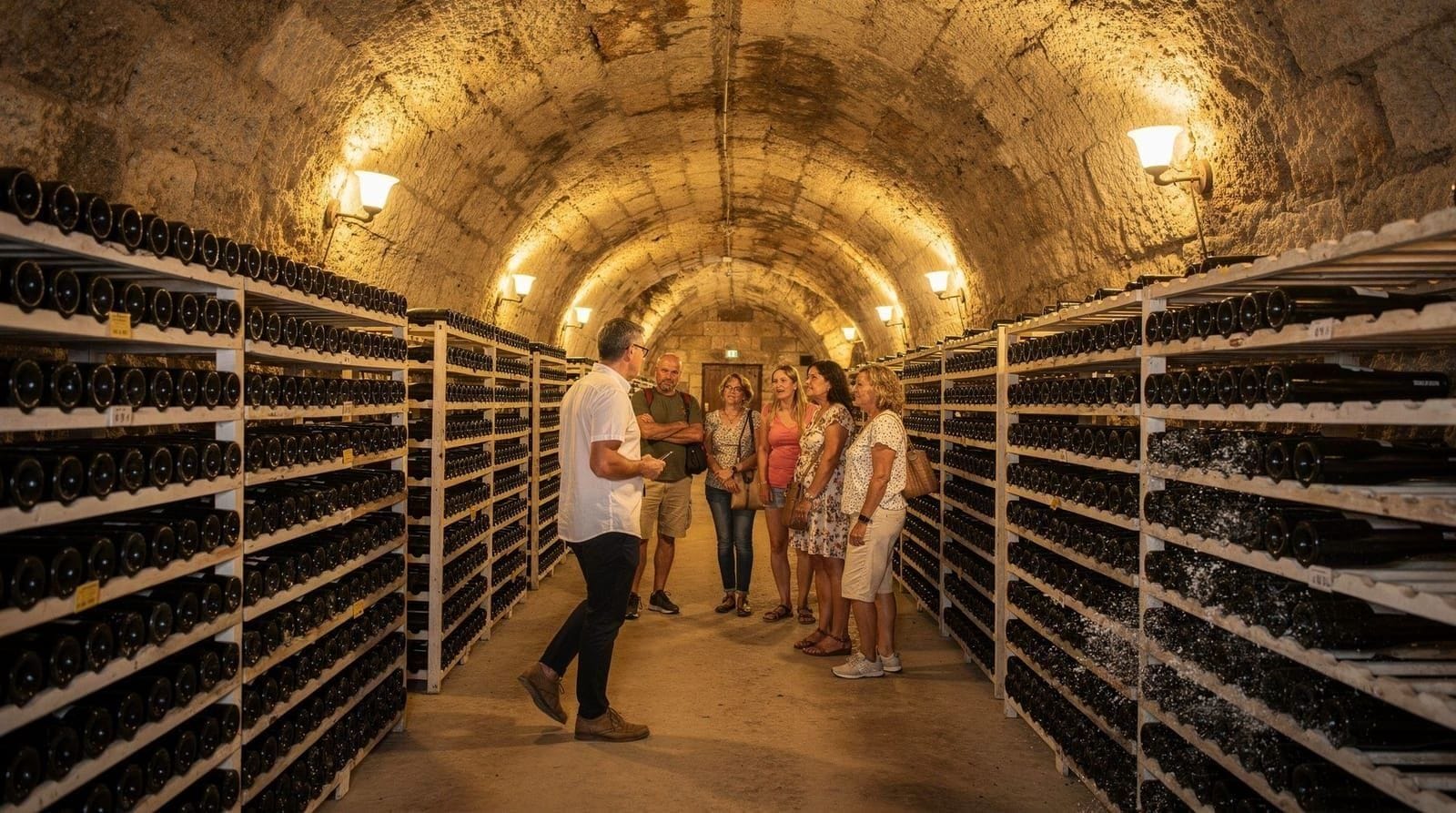
From Barcelona: Penedès vineyards tour by 4WD with wine & cava
- Free cancellation
- Hotel pickup
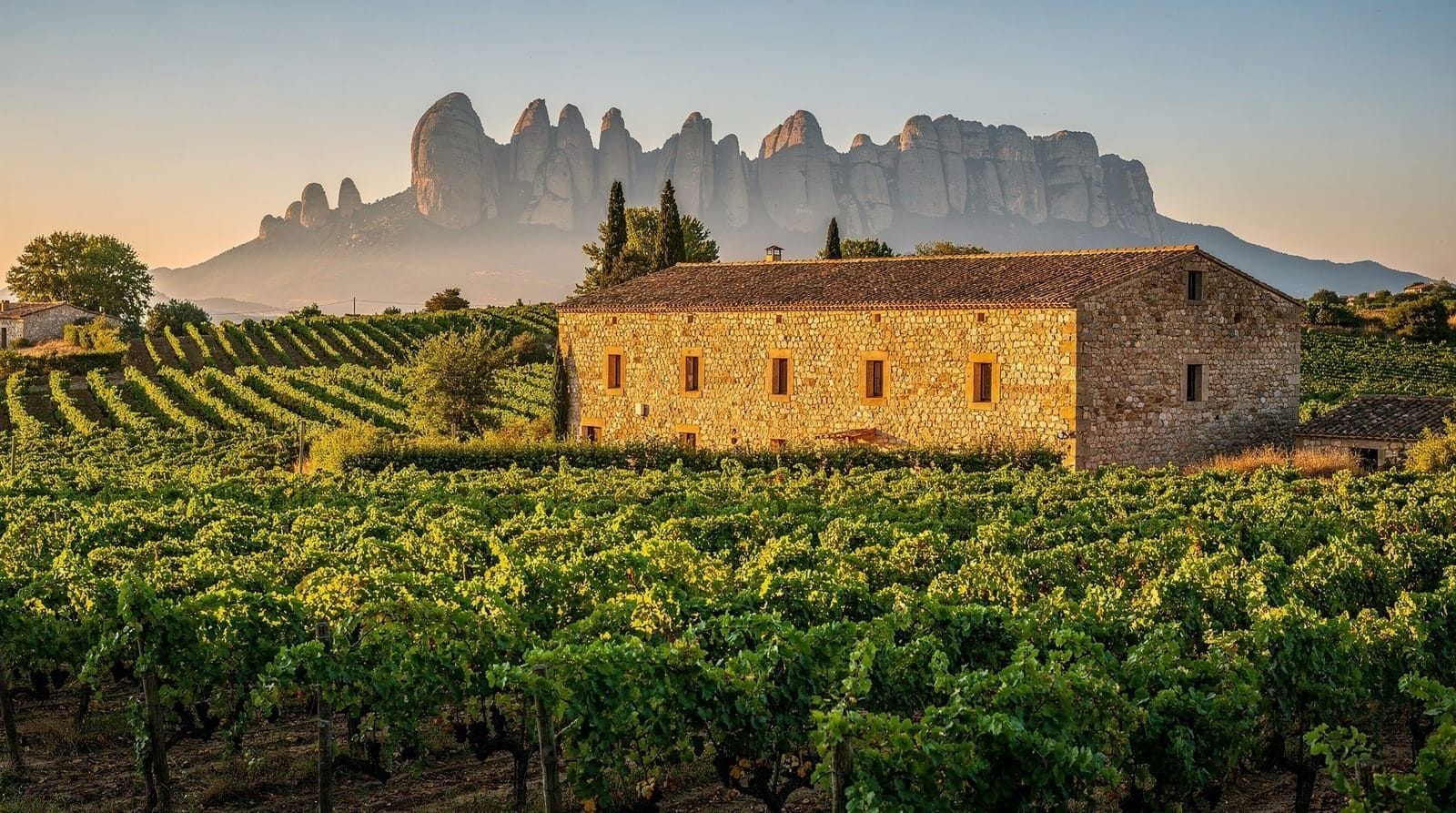
Penedès: Codorníu discovery tour with cava tasting
- Free cancellation
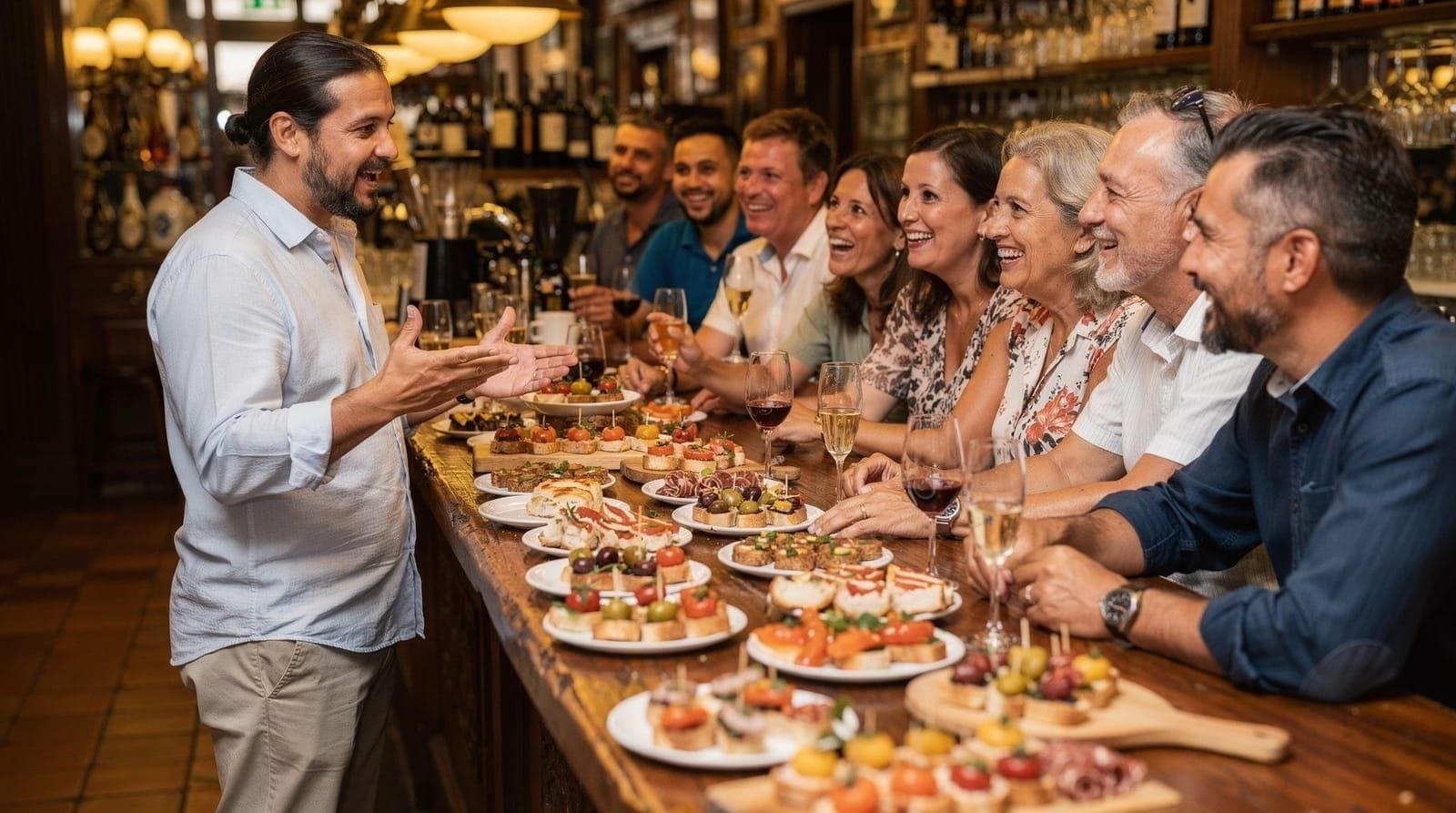
Barcelona: tapas walking tour with food, wine and vermouth
- Free cancellation
Barcelona: evening tapas and wine tasting tour
- Free cancellation
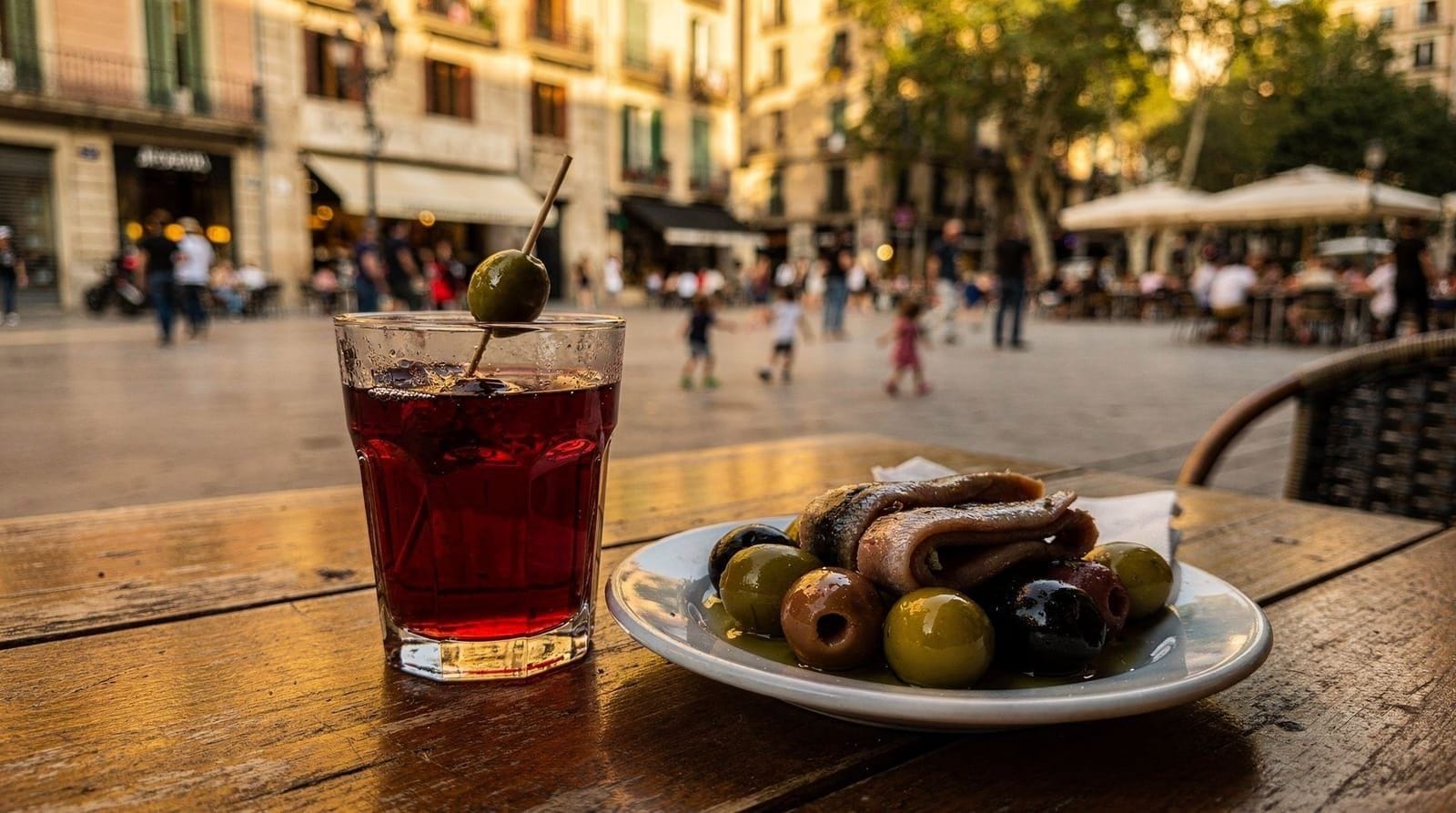
Barcelona: 1.5-hour sailing tour with vermouth and drinks
- Free cancellation
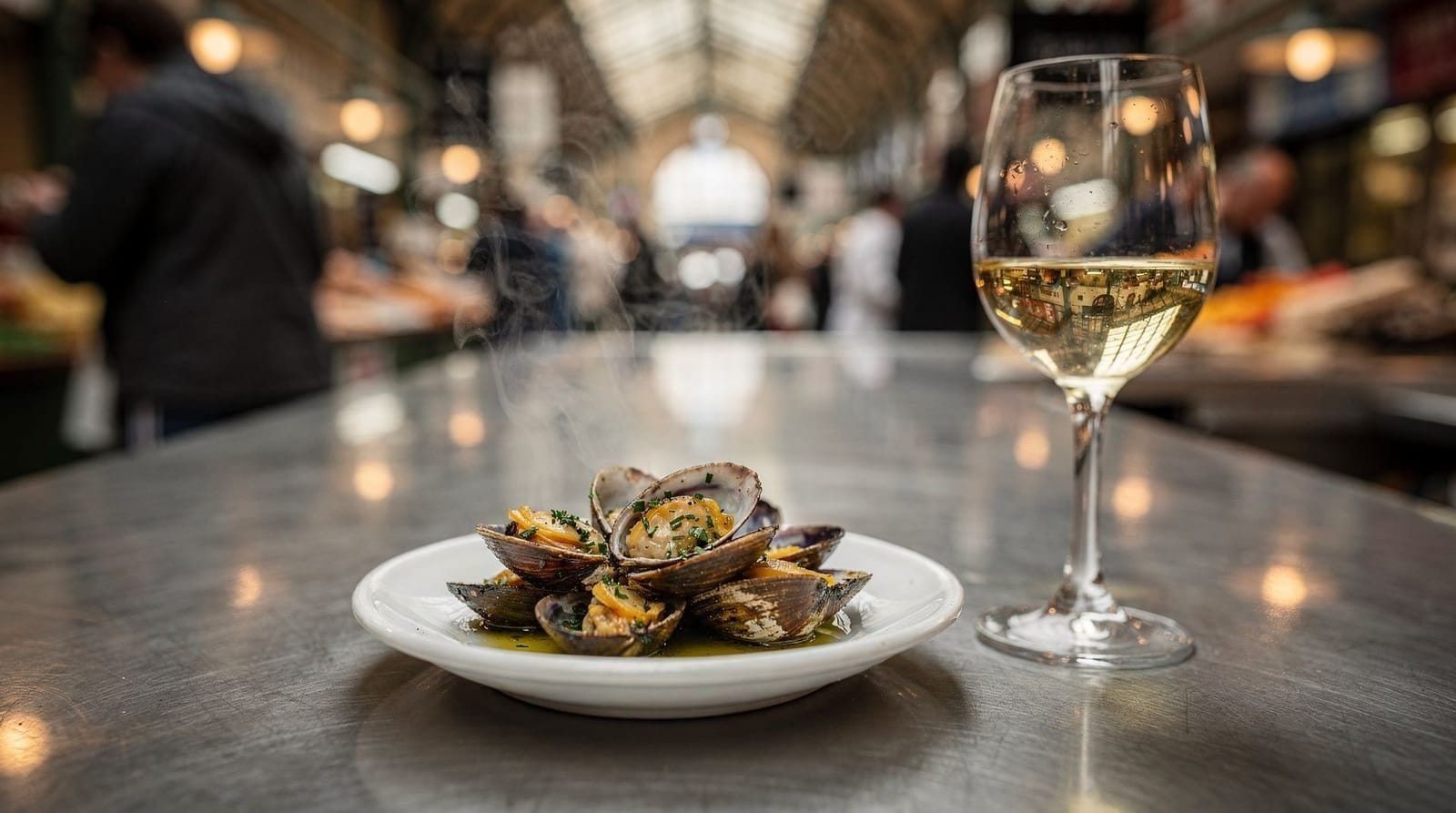
Barcelona: paella cooking class with Boqueria market visit
- Free cancellation