Foodie Barcelona: 3-day itinerary for food lovers
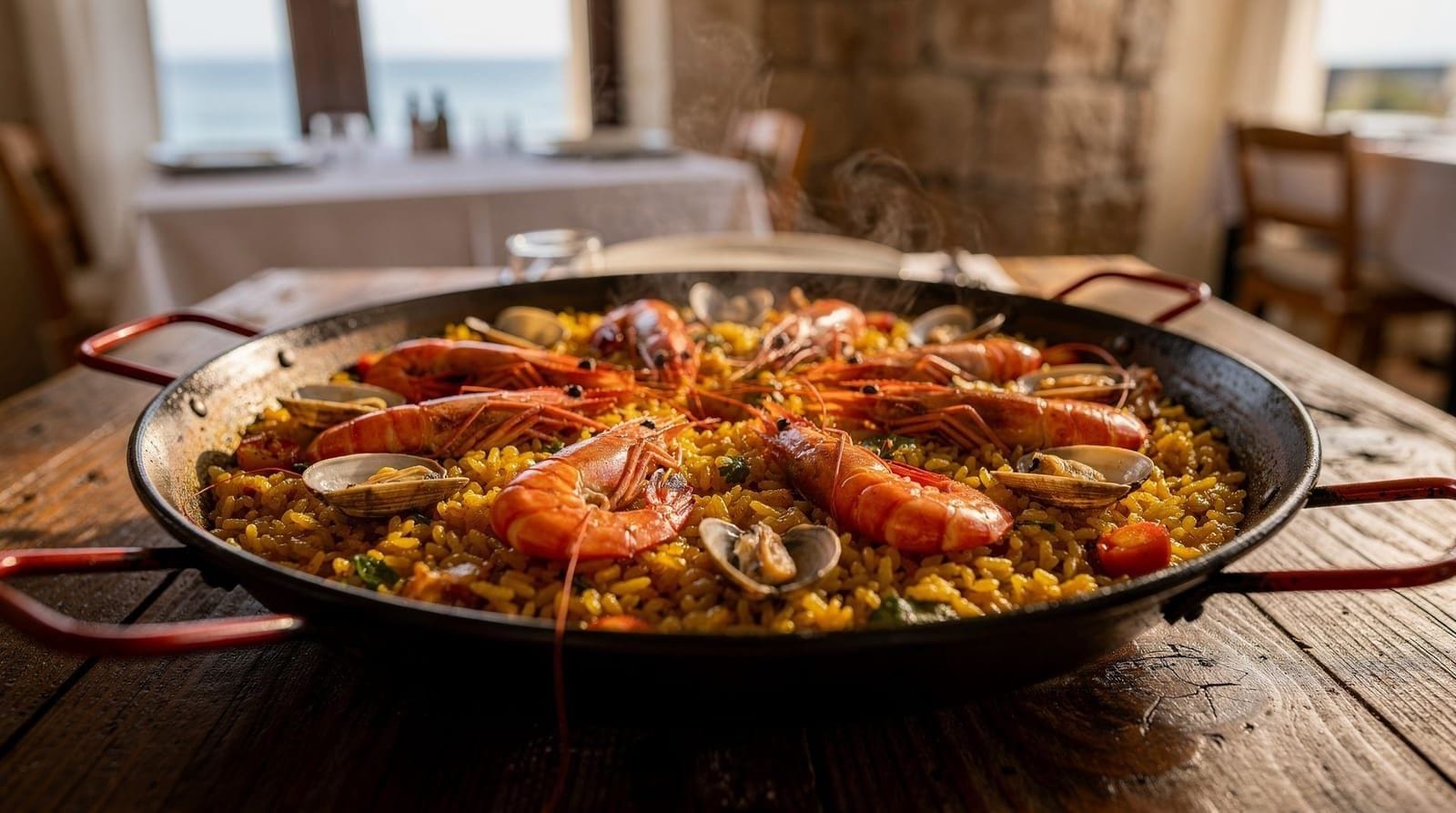
Barcelona: old town tapas & paella food tour with 8 tastings
Duration: 3 hours
- Free cancellation
Why Barcelona is one of Europe’s great eating cities
Barcelona’s food scene is built on an advantage most European capitals lack: a functioning Mediterranean supply chain and a Catalan culture that has always treated cooking as a civic craft. The markets — La Boqueria, Santa Caterina, the Mercat de l’Abaceria — are working food markets, not tourist installations. The seafood arrives at dawn at the Barceloneta fish market. The olive oil is Siurana DOP from the nearby Priorat. The cured meats are cured in the Pyrenean foothills, not in industrial plants.
What makes a food trip to Barcelona work is navigating around the tourist trap layer that sits on top of all this: the beachfront paella (frozen rice at tourist prices), the sangria push (not Catalan; the Catalan aperitif is vermut), the overpriced restaurant menus in Gothic Quarter alleyways. This itinerary tells you where the real food is and what you should be eating.
The Catalan food vocabulary you need:
- Pa amb tomàquet: bread rubbed with ripe tomato and olive oil, the foundation of every meal
- Croquetes de bacallà: salt-cod croquettes, the city’s most ubiquitous tapa done well or badly — this itinerary covers where to find the good version
- Botifarra negra: Catalan black pudding; less heavy than the English version, excellent fried or grilled
- Fideuà: noodle-based paella cooked in seafood stock; the Barceloneta version is the legitimate one
- Crema catalana: the original; cream set with egg yolk and burnt sugar, predates the French version by decades
| Where | El Born, La Boqueria, Barceloneta, Poble-sec, Gràcia and Eixample |
| Cost | Around €60–100 per person per day for markets, tapas and one guided experience |
| Time needed | 3 full days, unhurried, with two afternoon food stops each day |
| Getting there | All stops reachable by metro or on foot from the old town |
| Best time | Year-round; visit markets before 10:00 to see them as locals do |
Day 1: Markets, El Born and an evening food tour
Morning: Mercat de Santa Caterina (09:00)
Start at the Mercat de Santa Caterina (Avinguda de Francesc Cambó 16, El Born, opens 07:30, closed Sunday and Monday afternoons). This is the local market — not the tourist one. The wave roof (Enric Miralles, 2005, mosaic tiles in jewel colours) is more architecturally interesting than La Boqueria’s iron hall, and the produce is bought by Barcelona cooks rather than photographed by visitors.
Spend 45 minutes walking the stalls: the fish counter (observe the catch variety — anchovies, sea bream, cuttlefish, palometa), the fruit stalls (the Catalan tomato varieties, the seasonal fruits), the cheese section (Garrotxa goat cheese from La Garrotxa, mató fresh cheese, aged Manchego alongside local alternatives). Buy pa amb tomàquet from the bread stall and eat it at the counter — this is the correct first meal in Barcelona.
See our food markets guide for a comparison of all major Barcelona markets and what to buy at each.
Midday: La Boqueria visit and El Born tapas lunch
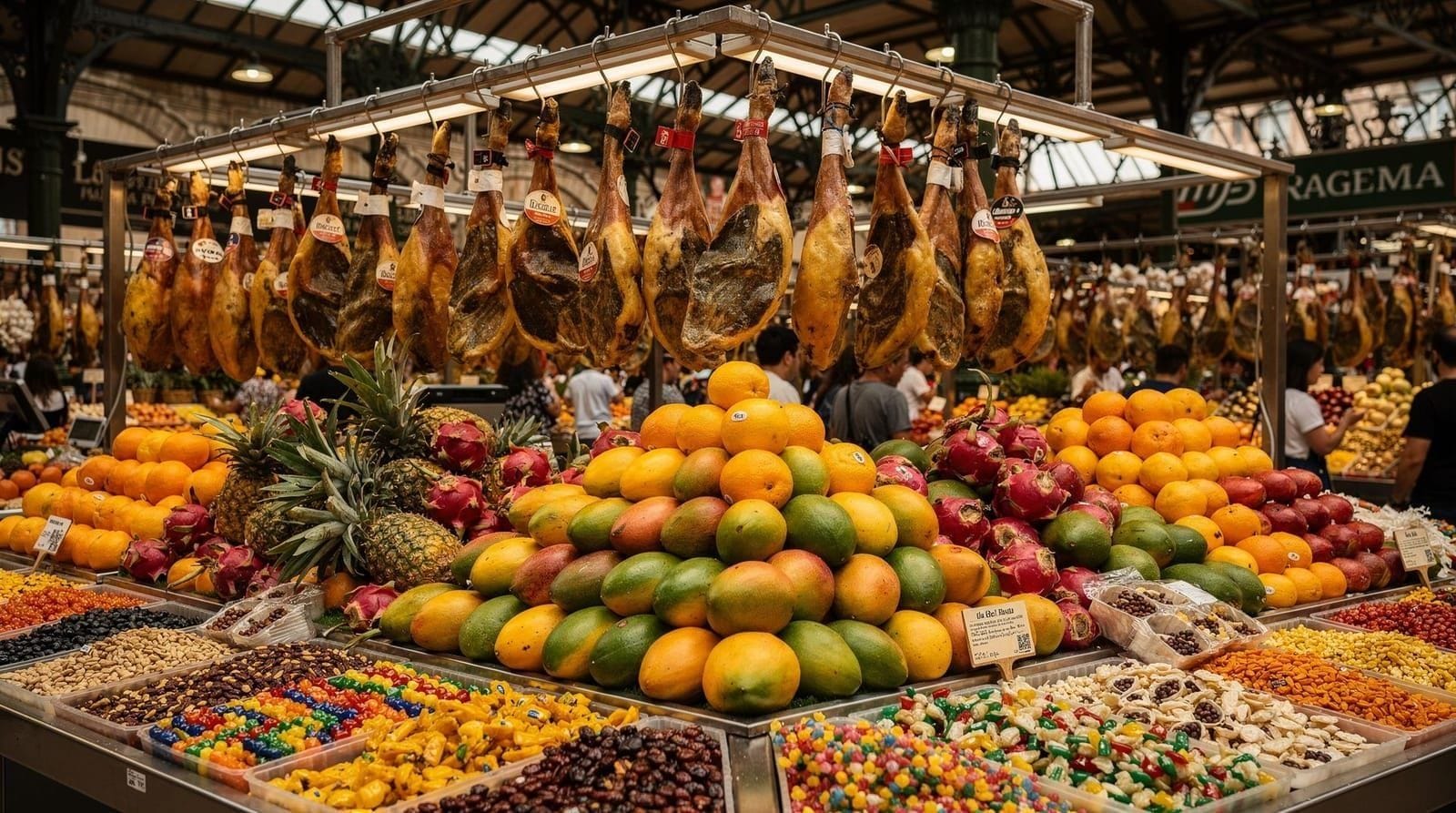
Walk 10 minutes west to La Boqueria (La Rambla 91, opens 08:00, closed Sunday). This is the most famous market in Spain and heavily tourist-oriented — the outer stalls are souvenirs and overpriced snacks; the interior is more authentic. Walk to the back of the market past the first two rows of stalls to reach the areas used by local buyers: the fish counters along the left wall, the mushroom and truffle stall (Petràs, specialising in Catalan wild mushrooms by season), the olive stalls on the central axis. Read our guide on what to eat at La Boqueria — there are genuinely good things to try here if you know which stalls to target.
Lunch in El Born: El Xampanyet (Carrer de Montcada 22, opens from noon) for house-cured anchovies and house cava — the anchovies here are served with their own oil from the jar, rinsed of excess salt, and placed on pa amb tomàquet. They are exceptional and cost €6–8. Bar del Pla (Carrer de la Montcada 2) serves reliable Catalan food in a relaxed room; the croquetes de bacallà (€2.50 each) are among the better ones in El Born.
Afternoon: El Born and the Picasso neighbourhood
Walk the food and drink geography of El Born: the streets around Carrer del Rec and Carrer dels Carders have a cluster of independent wine bars, natural wine specialists and Catalan-focused delis worth marking for later visits. Vila Viniteca (Carrer dels Agullers 7–9, opens 08:30–21:00 Monday–Saturday) is the city’s finest wine and food shop — two adjacent units, one for wine (floor-to-ceiling Catalan and Spanish bottles), one for cheese and charcuterie. This is where to buy wine to take home, or to explore the Catalan wine geography before heading to Penedès.
Coffee at El Nacional (Passeig de Gràcia 24, opens 12:00) — a large converted 1940s garage with four different restaurant stations under one roof; the coffee is reliable and the space extraordinary — or at Cafè de l’Acadèmia (Carrer dels Lledoners 1, Gothic Quarter, opens 09:00) for a more traditional Catalan café.
Evening: old-town food tour
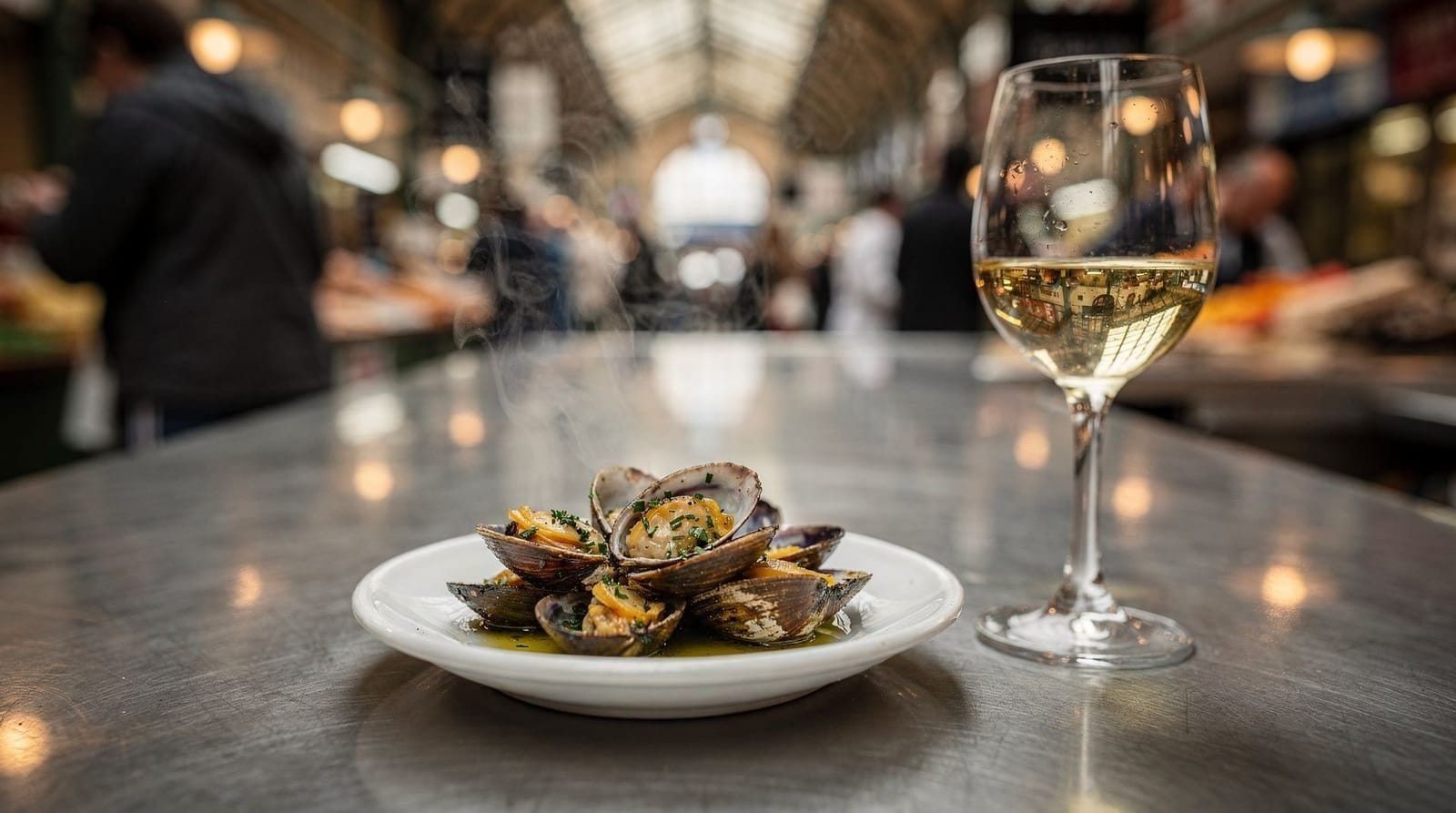
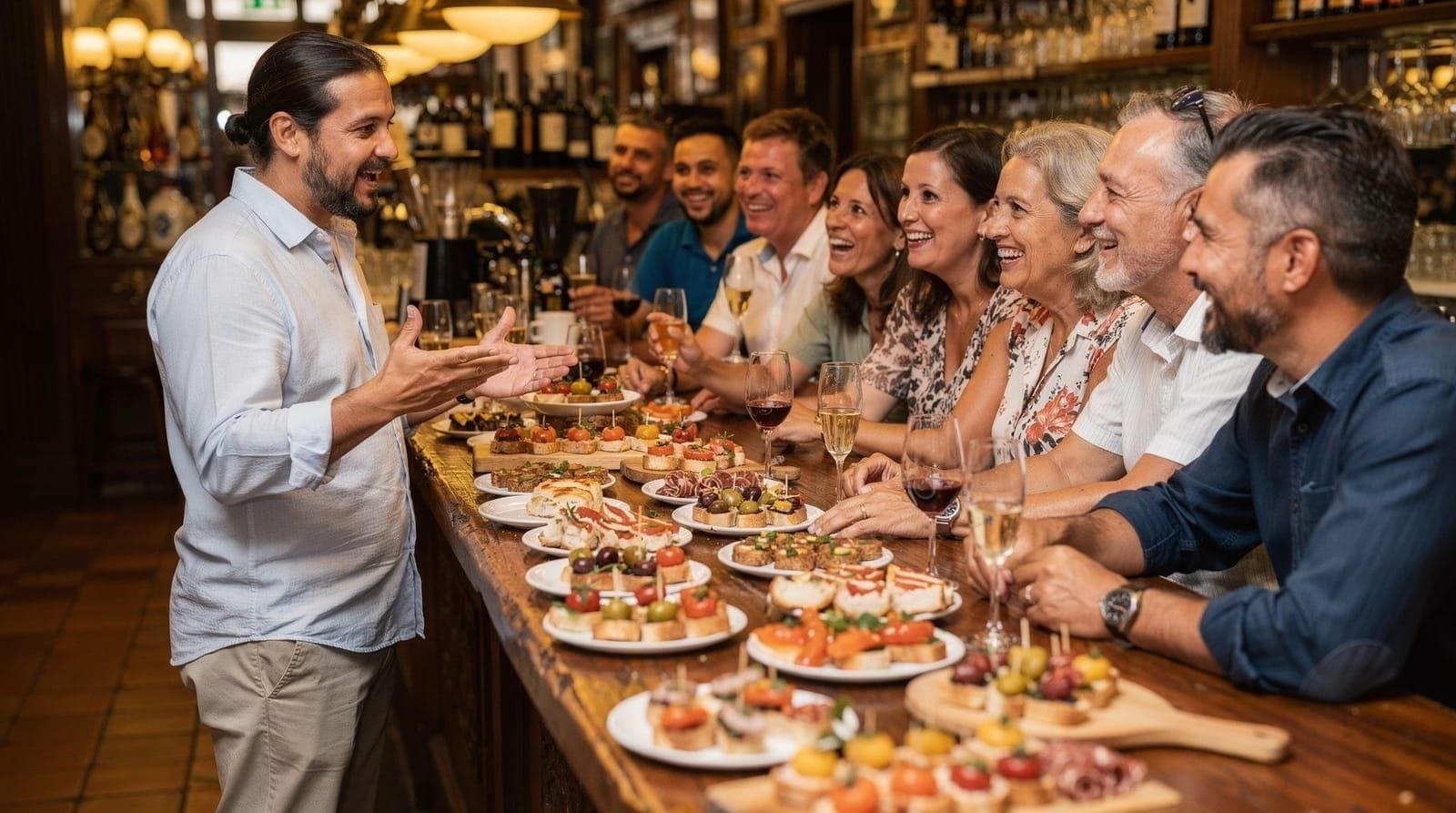
The old-town tapas and paella food tour (eight tastings, three hours, €75) is the best investment of this itinerary if you have not done a Barcelona food tour before. A guide walks you through six or seven stops in the Gothic Quarter, El Born and La Barceloneta, covering: croquetes, jamón, pa amb tomàquet, seafood tapas, cava, and the genuine paella debate (what makes it authentic, why the beachfront versions are fraudulent). The guide can also recommend specific restaurants for your remaining two days based on what you liked most.
If you prefer to self-direct the evening: La Cova Fumada (Carrer del Baluard 56, Barceloneta, opens Monday–Saturday 09:00–15:00, cash only) for the original bomba; La Mar Salada (Passeig de Joan de Borbó 58) for a later dinner of grilled fish and fideuà — one of the few Barceloneta restaurants that uses local fish at honest prices.
Day 2: Cooking class, Barceloneta seafood and Poble-sec
Morning: Boqueria market and cooking class
Book a cooking class with a Boqueria market visit for 10:00 (€65–85, three to four hours; see our cooking classes guide for the best operators). The typical structure: meet the teacher at La Boqueria, shop for ingredients (squid, saffron, bomba rice, garlic, tomatoes), walk to the kitchen, cook for 90 minutes, eat what you made.
The best classes focus on specific Catalan dishes rather than generic “Mediterranean cuisine”: look for classes that teach paella (rice in a wide shallow pan, cooked with seafood stock and finished in the oven), fideuà (noodle version from Gandia but adopted by Barceloneta) or croquetes from scratch. Most classes include cava throughout and end with crema catalana.
Midday: Barceloneta market and fish lunch
The Mercat de la Barceloneta (Plaça de la Font 1, Barceloneta, opens 08:00–14:30, Tuesday–Saturday) is where Barceloneta residents buy fish — small, local and very much not on the tourist circuit. After the morning cooking class, a walk through this market contextualises what you have been cooking: the same species you used (sea bream, cuttlefish, sea bass) available by name, from identifiable fishmongers.
Lunch at a Barceloneta restaurant one block from the strip: La Cova Fumada if you haven’t been yet (bomba, calamars, grilled fish, €10–18 a plate), or El Vaso de Oro (Carrer de Balboa 6, tapas bar, Basque-influenced, standing room or perch at the bar, exceptional cañas and seafood tapas). Both are lunch-only or lunch-focused; neither takes bookings; both are genuinely local.
Warning reiterated: the main Passeig de Joan de Borbó beachfront strip has approximately 20 restaurants with identical “paella + sangria” tourist menus at €25–35. One block back, prices drop 40% and quality improves significantly. See our best paella in Barcelona guide for the specific restaurants doing it correctly.
Afternoon: Poble-sec food geography
Take metro L3 to Poble-sec and walk to Carrer de Blai — the city’s best pintxos street, 200 metres of Basque-style bars open from 19:00. Visit in the afternoon to survey the options before the evening crowds (most bars also open 12:00–16:00 for a quieter lunch session). The pintxos here range from bread-and-anchovy classics to elaborate mini-dishes with Idiazábal cheese and Iberian ham or Basque-style salt-cod croquettes.
Beyond Blai, Mercat de Muntaner (Carrer de Muntaner 1, Eixample, opens 08:00–14:00 Tuesday–Saturday) is a neighbourhood market rarely visited by tourists and entirely authentic: the cheese stall, the rotisserie chicken and the vegetable vendors represent ordinary Barcelona shopping.
Vermut at Bar Calders (Carrer del Parlament 25, opens from noon): cold Miró vermut with a splash of soda and a green olive, €3–4. This is the Catalan aperitif ritual, practised properly in the places that still observe it.
Evening: Carrer de Blai pintxos dinner
Return to Carrer de Blai at 19:00–19:30, when most bars open and the pintxos are freshest. The system: walk the street once to survey what each bar has, then go back to the best two or three. Order freely — point at what you want, eat at the bar or outside, and go back for more rounds. Budget €20–25 per person for a proper pintxos dinner with drinks.
For a more formal evening meal, Bodega Rosell (Carrer de Blai 25, opens 20:00) does excellent Catalan house wine and grilled meats in a proper restaurant setting above the pintxos bar scene. Bar Nuevo (Carrer de la Magadalenes, Gothic Quarter) is a decades-old Catalan wine and charcuterie bar for a quieter nightcap with a glass of Priorat or Empordà.
Day 3: Gràcia neighbourhood, sweet Barcelona and a final dinner
Morning: Gracia neighbourhood bakeries and coffee
Walk or metro to Gràcia for a slow morning. The neighbourhood has the best independent bakery and café concentration in Barcelona: La Pepita (Carrer del Torrent de l’Olla 74, opens 09:00) for breakfast croquetes and bread; Mama’s Bakery (Carrer de Bonavista 16, opens 08:00, closes 15:00 and 20:00 on weekdays) for sourdough loaves; Federal Café (Carrer del Parlament 39, opens 09:00) for the best flat white in the Eixample area.
Explore the Gràcia market: Mercat de l’Abaceria (Travessera de Gràcia 186, Monday–Saturday 07:00–14:00) is the neighbourhood market and one of the most authentic in the city — the cheese vendor, the olive stall (20+ varieties, self-serve by weight) and the deli counter justify a detour.
Midday: Eixample gourmet lunch
Walk south into the Eixample. Lunch at one of the neighbourhood’s honest-value mid-range restaurants:
- Bodega Celler Cesc (Carrer de la Diputació 201): natural wine list, Catalan small plates, the city’s best by-the-glass value. Lunch menu ~€18 (two courses, drink).
- Parking Pizza (Carrer de Londres 98): the city’s benchmark wood-fired pizza, a serious restaurant disguised as a casual one. No booking accepted for lunch; queue from 13:00.
- Cervecería Catalana (Carrer de Mallorca 236): seafood tapas, croquetes, fresh fish counter. Reliable, honest prices, always busy.
After lunch, the Mercat del Ninot (Carrer de Mallorca 133, Eixample, Tuesday–Saturday 07:00–14:30) is the Eixample’s working market, used by the neighbourhood’s chefs and residents: the fish counter, the mushroom stall and the Catalan cheesemaker stall are particularly good.
Afternoon: sweet Barcelona
The Catalan pastry tradition is significant and underexplored by food visitors. Three stops that cover the range:
Pastisseria Escribà (Gran Via de les Corts Catalanes 546, Eixample; the original La Rambla location is more atmospheric but the Gran Via branch is less crowded) — the most famous pastry shop in Barcelona, operating since 1906. The façade is Art Nouveau; the pastries range from the classic xuixo (fried cream-filled pastry from Girona) to elaborate modern confections. Coffee and cake here is €8–12.
Bar Cañete (Carrer de la Unió 17, El Raval, opens 13:30) for the city’s best artisan charcuterie board: house-cured Iberian meats, Catalan sausages and a wine list focused on natural Catalan producers. Not strictly a sweet stop but a mandatory afternoon experience.
Xurreria de la Barceloneta (Carrer de Ginebra 5, Barceloneta, opens afternoon and evening) for churros and chocolate — the winter-afternoon Barceloneta institution, less touristic than the famous Granja M. Viader on Carrer dels Xuclà.
Evening: farewell dinner
Three options at different price points, all genuinely excellent:
Budget (€25–35 per person): El Xampanyet (Carrer de Montcada 22, El Born, opens 19:00) for cava and anchovies as an aperitif; walk to Bar del Convent (Plaça de l’Acadèmia 1) for a Catalan dinner in a convent courtyard.
Mid-range (€50–80 per person): Espai Mescladís (Carrer dels Carders 35, El Born) — social-enterprise restaurant with a seasonal Catalan menu and natural wines; Llamber (Carrer de la Fusina 5) for Basque-Catalan cooking with excellent technique.
Special occasion (€120–200 per person): Disfrutar (Carrer de Villarroel 163; book 6–8 weeks ahead) — three Michelin stars, the most ambitious avant-garde cooking in the city; or ABaC (Avinguda del Tibidabo 1; book 2–4 weeks ahead) for a more classically elegant tasting menu in a hotel setting with a strong Catalan wine list.
Barcelona’s markets compared
| Market | Neighbourhood | Best for | Tourist level |
|---|---|---|---|
| La Boqueria | La Rambla | Photogenic stalls, some genuine finds at the back | High |
| Santa Caterina | El Born | Everyday shopping, the wave roof | Low |
| Mercat de la Barceloneta | Barceloneta | Fresh fish, fishmonger relationships | Very low |
| Mercat del Ninot | Eixample | Chef-quality produce, cheese and mushrooms | Very low |
| Mercat de l’Abaceria | Gràcia | Olives, cheese, neighbourhood atmosphere | Low |
Use this table to prioritise: if time only allows two markets, La Boqueria (for the spectacle, visited early and with management) plus one genuinely local market — Santa Caterina or the Ninot — gives the fullest picture of how Barcelona actually eats.
Vermut hour, properly explained
Vermut (vermouth) is the Catalan pre-lunch ritual, traditionally taken between 12:00 and 14:00 on Sundays but now available daily at bars across the city. The drink itself is a fortified, aromatised wine served over ice with a splash of soda and an olive or a slice of orange; Bar Calders (Carrer del Parlament 25, mentioned above) and Casa Almirall (Carrer de Joaquín Costa 33, El Raval, one of the city’s oldest bars) both do it properly. Order “un vermut” and a small dish of olives or patatas bravas typically arrives alongside — this, not sangria, is the correct pre-meal Catalan aperitif, and ordering it signals you know the city’s actual drinking culture rather than the tourist version. See our vermut guide for a fuller list of where to drink it.
Taking Catalan food and wine home
Beyond Vila Viniteca (mentioned on Day 1), Casa Gispert (Carrer dels Sombrerers 23, El Born, since 1851) roasts nuts and coffee on-site and sells Catalan olive oil, dried fruit and spices that travel well. For wine specifically, look for Priorat (bold reds), Empordà (lighter reds and rosés) and Penedès cava rather than generic Rioja — all three are within day-trip range and represent Catalonia’s own wine geography. Our wine tasting guide covers tastings in the city itself, and the Penedès day trip guide covers visiting the cava producers directly.
Honest notes on Barcelona food
What to skip: La Rambla restaurant menus (overpriced, mass-produced), beachfront paella (see above), the “authentic paella” restaurants on Passeig de Joan de Borbó that cost €25–30 minimum and serve rice from a bag. Our tourist traps guide covers the full landscape.
What Catalan food actually is: The Catalan tradition is closer to French bourgeois cooking than to the tapas culture most visitors associate with Spain. Long braises, seasonal vegetables, bacallà prepared in a dozen ways, fine pastry work and an emphasis on quality ingredients over technique complexity. The food tour on Day 1 evening will orient you within 90 minutes; the cooking class on Day 2 morning will teach you the techniques.
Drinking: Cava for celebrations, vermut before lunch, natural wine from Empordà or Priorat with dinner. Beer (Estrella Damm, the local Barcelona lager) at any time. Not sangria — see our cava guide for why.
Frequently asked questions about eating in Barcelona
Where should I eat paella in Barcelona?
The honest answer: Barcelona is not the home of paella (that is Valencia, where it originated). The city’s own rice dish is arròs caldós (wet rice) and fideuà (noodle-based). If you specifically want paella, the reliably non-fraudulent options are Barceloneta (proper version at Can Solé, Carrer de Sant Carles 4, lunch only, reservations essential) and Sagarno (Carrer del Almirall Churruca 19). Our best paella guide covers six specific restaurants.
Is La Boqueria worth visiting for food?
Yes, but with management. Arrive before 09:30 to see it as a working market. Walk to the back and inner sections. Do not eat at the first-row stalls (overpriced seafood, tourist snacks). The Petràs mushroom stall, the olive vendor at stall 867, and the fish counter on the left wall represent the market at its genuine best. See our what to eat at La Boqueria guide.
What is the best neighbourhood for eating in Barcelona?
For casual tapas and natural wine: El Born. For pintxos: Poble-sec (Carrer de Blai). For sit-down Catalan cooking at honest prices: Gràcia and Eixample. For seafood: Barceloneta (but avoid the strip). For the highest-end restaurants: Eixample (the concentration of Michelin-starred kitchens). See our best tapas neighbourhoods guide.
When do Barcelona restaurants open for dinner?
Significantly later than in Northern Europe. Kitchens typically open 20:30–21:00; most Catalans eat at 21:30–22:30. Restaurants that open at 19:00 are targeting tourists. If you want to eat at the same time as locals, plan dinner at 21:00 minimum. Reservations for popular restaurants should be made 48 hours ahead for weekdays, 1–2 weeks ahead for weekends at any good restaurant.
Can I do a food trip to Barcelona without speaking Catalan or Spanish?
Yes, easily. All food markets have visual displays; staff in tourist-facing restaurants all speak English. However, a few words of Catalan make a significant difference to how you are treated in neighbourhood bars: “Bon dia” (good morning), “Gràcies” (thank you), “Una copa de cava, si us plau” (a glass of cava, please) signal good intent and are always appreciated. See our Catalan language basics guide for the key phrases.
Is it worth doing both a market cooking class and a separate food tour?
Yes, if budget allows, because they teach different things. The food tour (Day 1 evening) is about tasting a wide range of dishes across several neighbourhoods with expert commentary; the cooking class (Day 2 morning) is about understanding how a handful of Catalan dishes are actually made, which changes how you order for the rest of the trip. If you can only do one, first-time visitors usually get more from the food tour; repeat visitors or serious home cooks get more from the class.
How much should I budget per day for food in Barcelona?
For the pace in this itinerary — markets, tapas lunches, one guided experience and a proper dinner — budget €60–100 per person per day. Markets and pintxos crawls (Carrer de Blai) can run as low as €20–30 for a full meal; the evening food tour and cooking class each add €65–85; a special-occasion tasting menu on the final night can push a single dinner to €120–200 per person. See our Barcelona on a budget guide for ways to trim costs without losing the food experience.
Top experiences
Bookable activities with verified prices and instant confirmation on GetYourGuide.
Barcelona: old town tapas & paella food tour with 8 tastings
- Free cancellation
Barcelona: Boqueria market & Gothic Quarter street food tour
- Free cancellation
Barcelona: paella cooking class with Boqueria market visit
- Free cancellation
Barcelona: tapas walking tour with food, wine and vermouth
- Free cancellation
Barcelona: Barceloneta tapas, wine & local flavors food tour
- Free cancellation
Barcelona: exclusive Mercat de la Boqueria walking tour
- Free cancellation
- Small group