5-day Barcelona itinerary: the complete Catalan experience
Barcelona: Sagrada Família guided tour and entry tickets
Duration: 1.5 hours
- Free cancellation
- Small group
Why five days changes what Barcelona can be
Five days in Barcelona is the point at which the city stops being a checklist and starts becoming a place you know. The Gaudí essentials are done in the first two days; Days 3–5 add the layers that most visitors miss: the hipster-industrial district of Poblenou, the fishing town of Sitges 30 minutes down the coast, the vineyards and wineries of the Penedès, and a Montjuïc afternoon with enough time to eat well at the base. This is the itinerary for visitors who want to leave Barcelona understanding it, not just having photographed it.
Pre-trip bookings (do these before you travel):
- Sagrada Família: Day 1 morning, 09:00 slot (€33–65 depending on tour type)
- Park Güell Monumental Zone: Day 2 morning, 08:30 (€13)
- Casa Batlló: Day 1 afternoon (€29–53)
- Penedès wine tour: Day 4 (book 48–72 hours ahead)
| Best for | Thorough first visits, repeat visitors, wine and food lovers |
| Pace | Moderate — a genuine day trip and a wine day break up the city days |
| Daily budget | Around €100–140/person including the Penedès and Sitges days |
| Getting around | Metro in the city; FGC and R2 Sud trains for the day trips |
| Best months | May and September for warm swimmable weather without peak crowds |
Day 1: Sagrada Família, Eixample and Casa Batlló
Morning: Sagrada Família
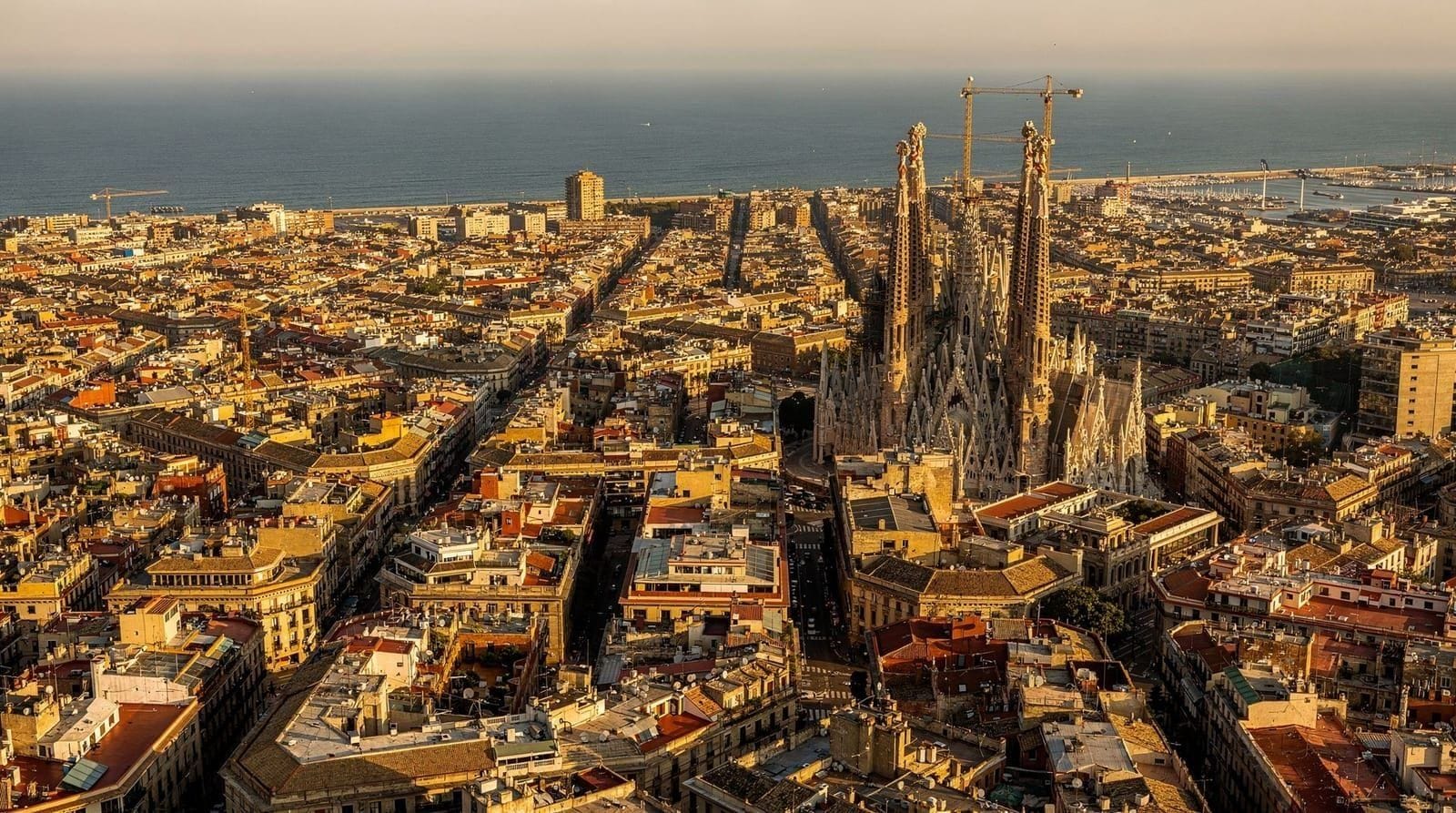
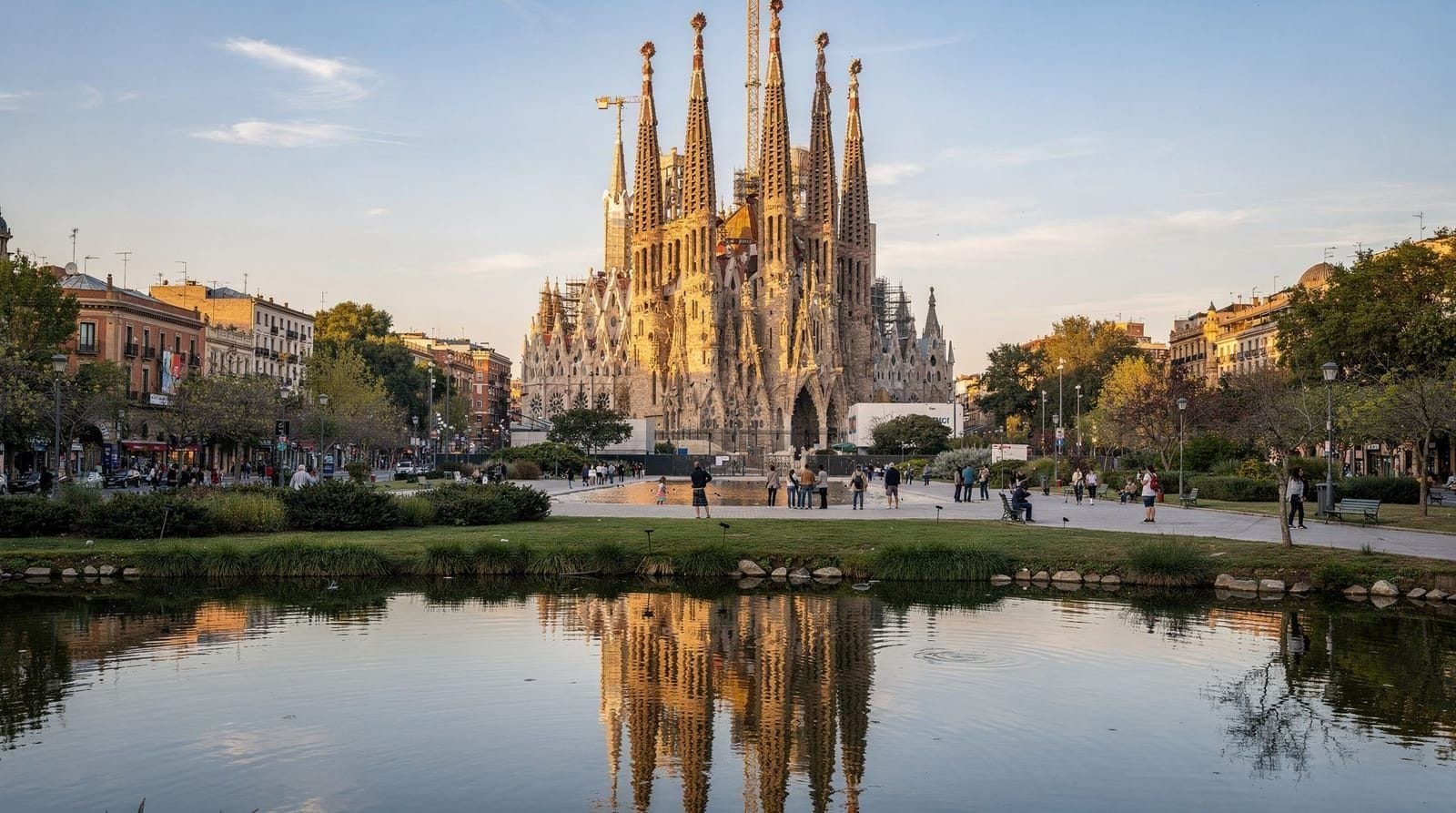
Begin at the Sagrada Família. Take metro L2 or L5 (10 minutes from Plaça Catalunya) and arrive 10 minutes before your 09:00 slot. See our Sagrada Família guide for a detailed walkthrough and booking guide for the ticket tiers.
The 09:00 slot gives you the eastern nave in warm morning light — the stained-glass windows on the Nativity side flood the interior with amber and orange from the east. The 2026 Gaudí centenary year (the hundredth anniversary of his death) has pushed this to peak demand; a guided tour (€40–65) is particularly worthwhile this year because guides are trained on the centenary construction context. With a full guided tower visit, budget 2.5 hours.
Coffee at Cafeteria Sagrada Família or, better, walk 10 minutes west to Flax and Kale (Carrer dels Tallers 74, opens 09:00) — Barcelona’s best healthy breakfast spot.
Midday: Block of Discord
Walk south-west to Passeig de Gràcia (L2 to Passeig de Gràcia, or 20 minutes on foot through the Eixample grid). The Modernisme route along Passeig de Gràcia connects the key 19th-century buildings. The Block of Discord — the stretch between Carrer d’Aragó and Carrer del Consell de Cent — has the three landmark Modernisme houses on one block. Study the exteriors from the street before going inside anywhere.
Lunch: Cervecería Catalana (Carrer de Mallorca 236, opens 13:00) is the most convenient and reliable option near Passeig de Gràcia — seafood tapas, croquetes, fresh fish at fair prices.
Afternoon: Casa Batlló and La Pedrera
Casa Batlló from 14:00 (pre-booked); La Pedrera from 16:30. The two houses are a five-minute walk apart on Passeig de Gràcia. The Casa Batlló experience (dragon roof, bone façade, Blue Room, rooftop) runs 60–90 minutes; La Pedrera (undulating façade, warrior chimneys, Gaudí museum in the attic) another 90 minutes. Both have audio guides included; the La Pedrera one is particularly good.
At 18:30, walk the length of Passeig de Gràcia from La Pedrera back to Plaça Catalunya (20 minutes): the boulevard is at its best in the evening light, and the shop windows — from high-end international brands to Catalan design studios — make for good browsing.
Evening: Eixample dinner
Dinner in the Eixample on night one. Parking Pizza (Carrer de Londres 98) remains the benchmark for wood-fired pizza in Barcelona; for a more Catalan option, Bodega Celler Cesc (Carrer de la Diputació 201) offers a wine-led menu with an outstanding natural-wine list and Catalan dishes at €15–20 per plate.
Day 2: Park Güell, Gràcia and Barceloneta
Morning: Park Güell (08:30 slot)
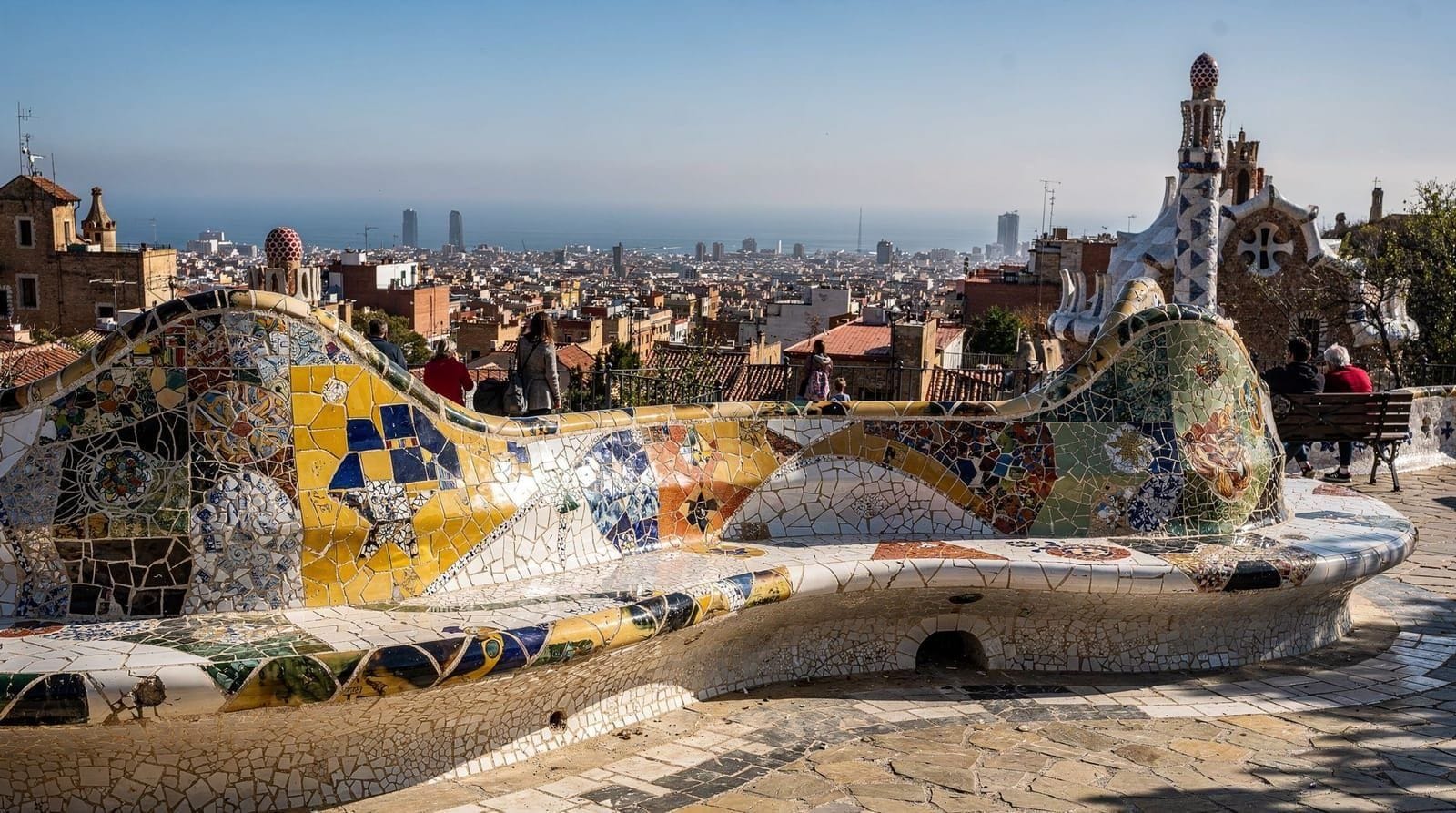
Metro L3 to Vallcarca and 10 minutes uphill on foot. The 08:30 Monumental Zone slot (€13) gives you the mosaic terrace before the main crowds. Read our free vs paid guide: significant portions of the park outside the Monumental Zone — the forested terraces, the viaducts, the Calvary hill viewpoint — are completely free and often more interesting than the tourist-saturated mosaic bench.
After the Monumental Zone, walk through the free park for 30–40 minutes before descending into Gràcia.
Midday: Gràcia
Gràcia is the neighbourhood most visitors overlook because it has no single marquee sight. That is exactly its value. The village-within-the-city character, the squares, the independent restaurants and the complete absence of tourist menus are what make a longer Barcelona stay feel different from a short one.
Lunch: La Pepita (Carrer del Torrent de l’Olla 74, opens 13:30) for croquetes and montaditos; Bar Bodega Manolo (Travessera de Gràcia 49) for daily specials under €12.
Post-lunch: explore Carrer de Verdi (indie cinemas, design shops, café culture), Plaça de la Virreina (locals, not tourists), and walk down to Casa Vicens (Carrer de les Carolines 18, opens 10:00) — Gaudí’s first major commission (1885), now restored and open to the public. See our Casa Vicens guide; tickets €28, less crowded than the later houses and fascinating as an early statement of a style that would become Modernisme.
Afternoon: Barceloneta
Metro L4 to Barceloneta. Spend two hours on the beach (Platja de la Barceloneta is the closest and most accessible; Platja del Bogatell and Platja de la Nova Icària to the north are quieter). Swim, read, recover. The sea temperature is 24°C in September, 22°C in June, 19°C in May.
Eating on the beachfront strip is a trap we document in full in our paella trap guide: the minimum-price paella is €25–30 and it is frozen rice. Eat instead at La Cova Fumada (Carrer del Baluard 56, cash only, opens Monday–Saturday 09:00–15:00) — birthplace of the bomba, the fried potato-and-meat ball that has become a Barcelona staple.
Evening: El Born and a catamaran sunset
Walk from Barceloneta along the seafront to Port Vell (15 minutes). A sunset catamaran cruise departs from Port Vell around 17:00–19:00; the 90-minute circuit with live music and drinks (€30–40) shows the Barcelona skyline from the sea — the Sagrada Família spires above the grid, Montjuïc to the south — and is a genuinely pleasant contrast to the two intensive walking days before it.
Dinner in El Born: El Xampanyet (Carrer de Montcada 22, opens 19:00, closed Monday) for cava and tapas; or Bar del Pla (Carrer de la Montcada 2) for a fuller Catalan meal with an excellent wine selection.
Day 3: Gothic Quarter, Picasso Museum and Montjuïc
Morning: Gothic Quarter
Start at Plaça de Catalunya and walk south into the Gothic Quarter. The Roman ruins, the Cathedral, Pont del Bisbe and Plaça de Sant Felip Neri are all within 15 minutes’ walk of each other. A 2-hour guided Gothic Quarter walk adds the Roman underground chambers and MUHBA (Museum of the History of Barcelona) context that a self-guided visit misses.
At 11:00–11:30, cross Via Laietana into El Born for the Picasso Museum. See our Picasso Museum guide for the must-see rooms. General admission €15; book online for a timed slot. The permanent collection (Las Meninas series, the Blue Period, the early Barcelona work) is one of the strongest single-artist collections in Spain.
Midday: La Boqueria or El Born for lunch
If you haven’t seen La Boqueria yet, the Mercat de la Boqueria (La Rambla 91, opens 08:00) is worth a walk-through, but eat elsewhere: the market stalls are targeted at tourists and the prices reflect it. The Mercat de Santa Caterina in El Born (Avinguda de Francesc Cambó 16) is the local alternative: same quality produce, local prices, less chaos. See our food markets guide for a comparison.
Lunch: Bar del Convent (Plaça de l’Acadèmia 1, El Born, opens 12:00) is one of the neighbourhood’s most underrated restaurant-bars, set in a converted convent courtyard; Catalan dishes around €12–16.
Afternoon and evening: Montjuïc
Metro L2 to Paral·lel, then the Funicular de Montjuïc (included with T-Casual) to the hilltop. See our Montjuïc guide for the full range of options.
For a five-day visit, focus on what previous days have missed: the Fundació Joan Miró (€15, book online; Miró’s own foundation with the definitive collection), the Pavelló Mies van der Rohe (the 1929 Barcelona Pavilion, rebuilt in 1986; €10; one of the most influential buildings of the 20th century) and the Jardins de Laribal (free terraced gardens). If time allows, the Montjuïc Castle (Castell de Montjuïc, €5) gives the best 360-degree panorama of the city, coast and Pyrenees.
Evening: descend to Poble-sec for Carrer de Blai pintxos. Bar after bar serves Basque-style pintxos from 19:00; budget €15–20 for a full spread with drinks. Finish at Bar Calders (Carrer del Parlament 25) for a nightcap vermut.
Day 4: Penedès wine country
Full day: vineyards and cava cellars
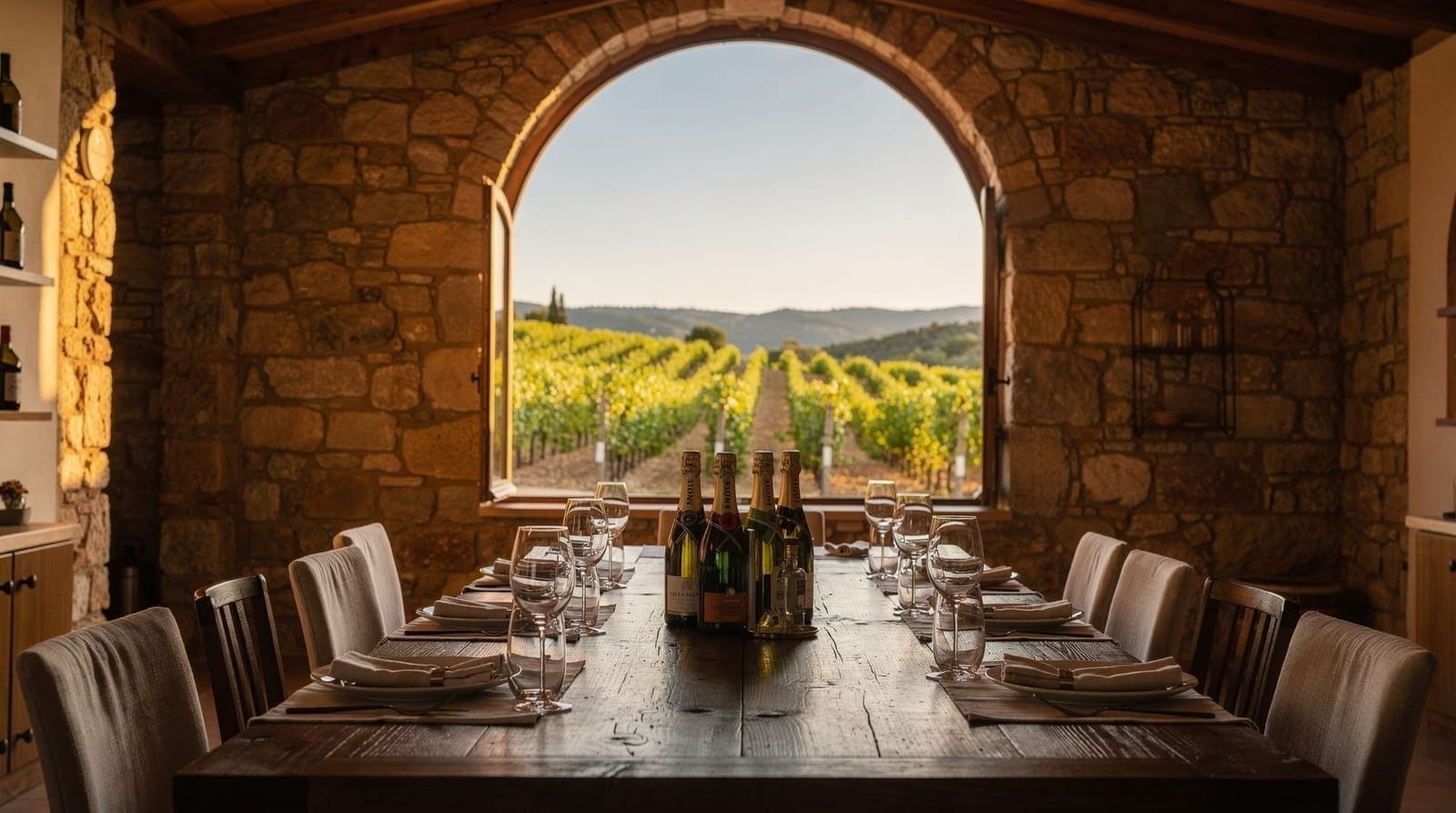
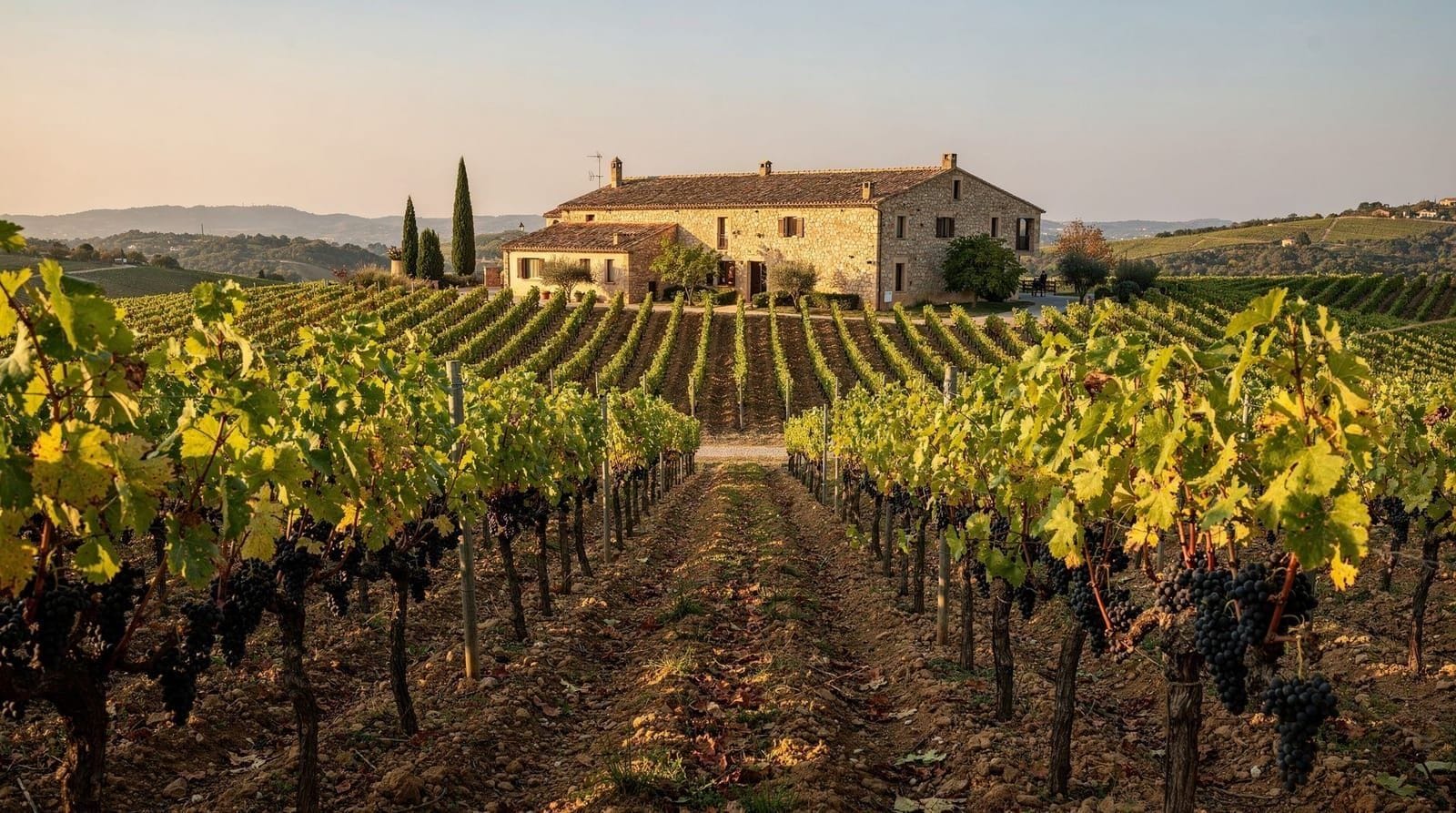
The Penedès wine region — 40 minutes from Barcelona by FGC train — produces 95% of Spain’s cava and some of the country’s most interesting white and rosé wines. For the easiest experience from Barcelona, book a guided Penedès wine tour (€55–85 depending on format). The 4WD winery tour through family estates covers two or three producers and includes tastings of still wine and cava; the electric-bike tour is a more active option through the vines.
If you prefer to go independently: take FGC R6 from Plaça Espanya to Sant Sadurní d’Anoia (45 minutes, ~€8 return), the cava capital of Catalonia. Codorníu (the largest cava producer, with a Modernisme winery building) and Freixenet both offer cellar tours and tastings from around €20. Book in advance at codorniu.com and freixenet.es. A Penedès wine day-trip guide covers the independent logistics in full.
Pair the wine visit with lunch at a winery restaurant: most estates offer a tasting menu paired with their wines. Budget €35–55 per person including wine.
See our Penedès wine country guide for the full landscape — the diversity of grapes grown here (Macabeo, Xarel·lo, Parellada for cava; Garnacha, Cariñena for reds) and what the cava vs champagne debate actually means in practice.
Return to Barcelona by 18:00–19:00. Light dinner or tapas in Eixample — after a tasting menu, something small and fresh is usually right.
Day 5: Sitges day trip and farewell
Morning to afternoon: Sitges
The easiest and most rewarding day trip from Barcelona for a five-day visit is Sitges: 30–40 minutes by R2 Sud train from Passeig de Gràcia or Sants station (€4–6 return with T-Casual Zone 2).
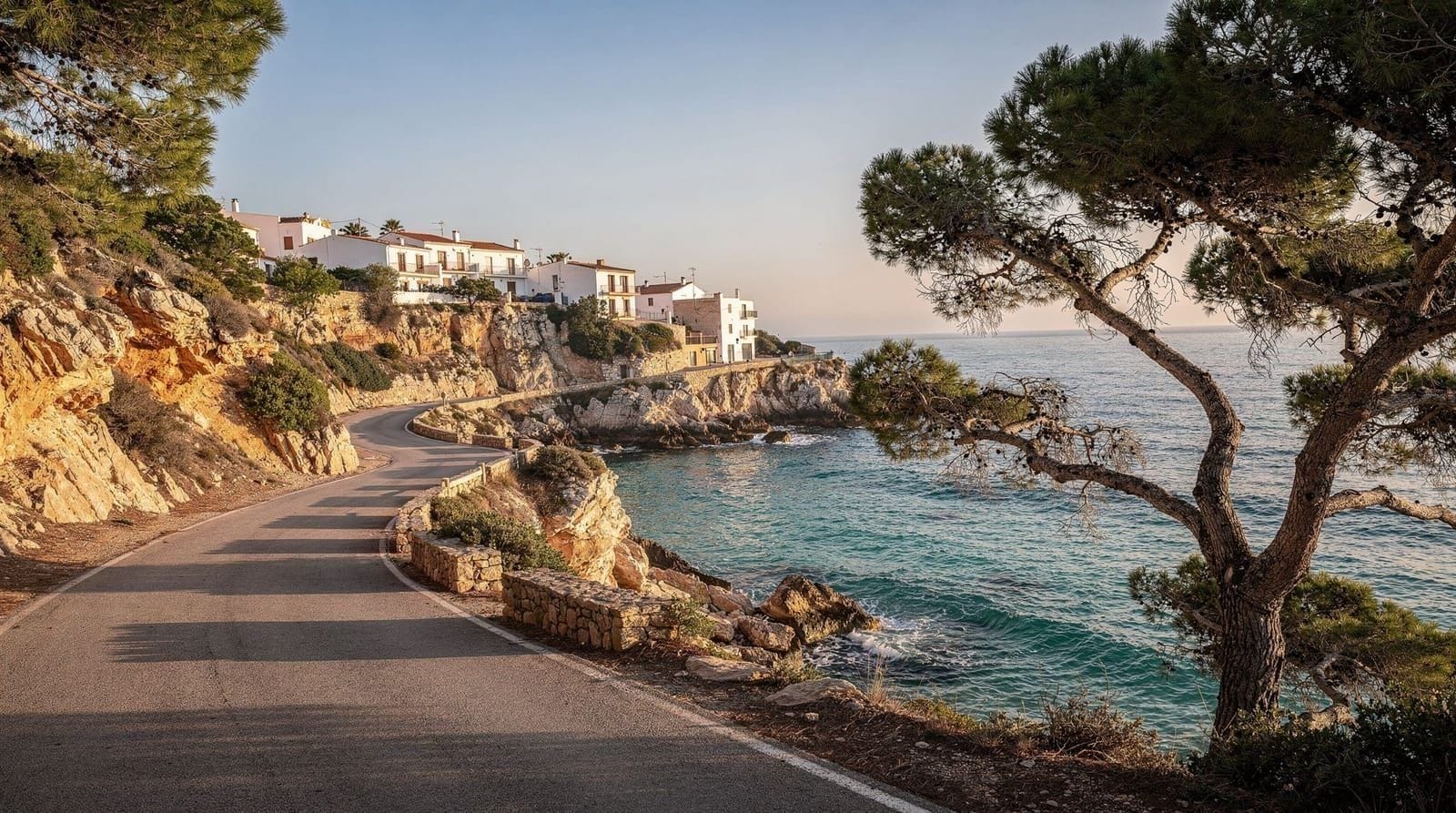
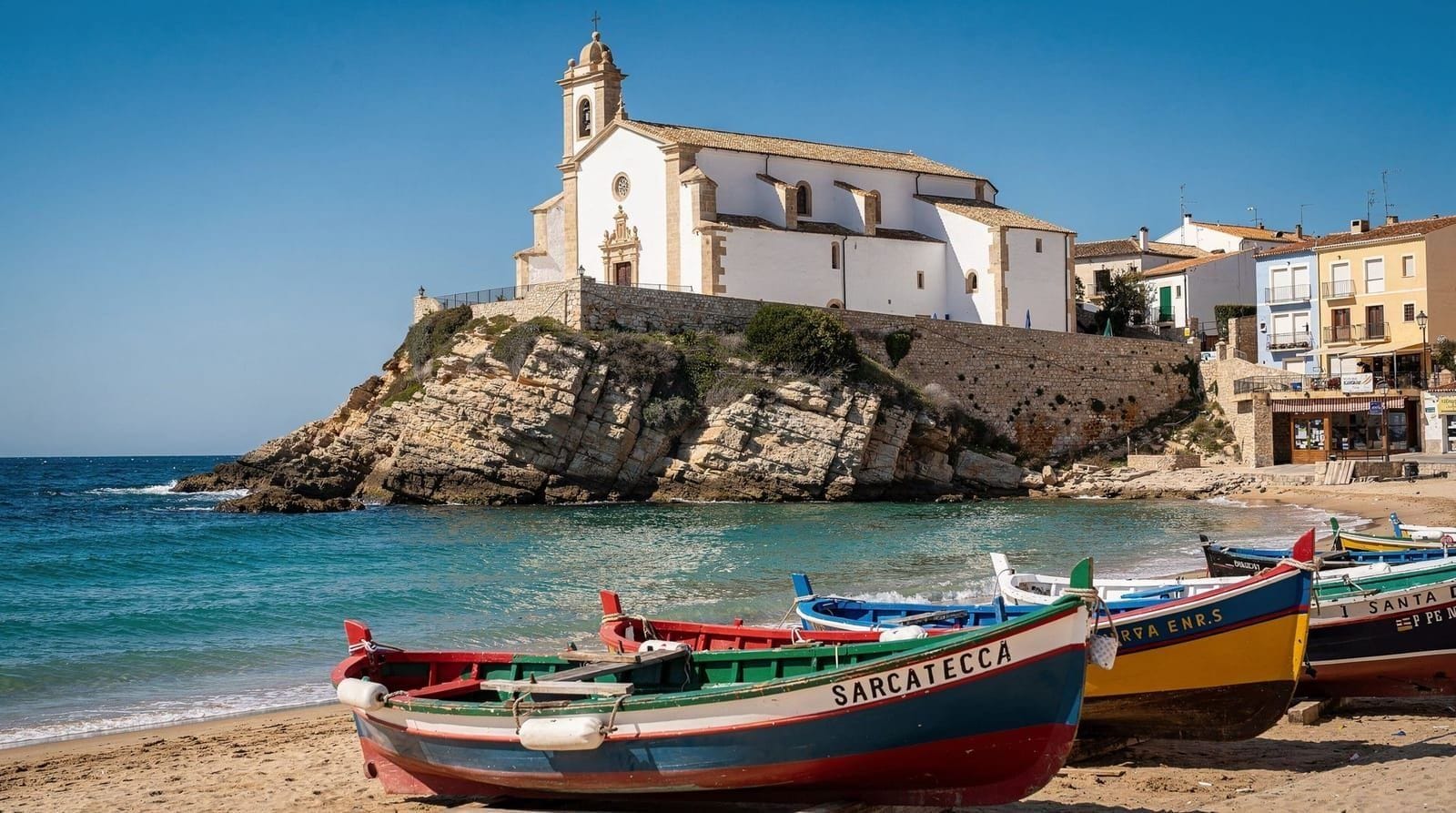
Sitges was a Modernisme artists’ colony in the late 19th century, a counter-culture resort in the 1960s and 1970s, and is now a lively mid-range beach town with a well-preserved old town on a promontory above the sea. See our Sitges day-trip guide for the full breakdown.
Key stops:
- Old town and Carrer de la Parellades: the main pedestrian street, lined with shops and café bars, leads up to the promontory.
- Museu Cau Ferrat (Carrer del Fonollar, tickets ~€10): the studio-house of Modernisme artist Santiago Rusiñol, crammed with El Greco paintings, wrought-iron pieces and Catalan art — one of the most unusual small museums in Catalonia.
- Sant Bartomeu i Santa Tecla church on the promontory: the postcard view of Sitges, with the church above the sea.
- Platja de la Bassa Rodona (south of centre): quieter beach, good swimming.
Lunch in Sitges: El Pou (Carrer de Sant Pau 5, opens 13:00) for fresh seafood at honest prices; Maricel Restaurante (Passeig de la Ribera 6, slightly higher-end) for sea-view Mediterranean cuisine.
Return to Barcelona by 16:00 for a final afternoon walk along the waterfront or through the streets of El Born.
Evening: farewell in the city
A proper farewell dinner on Day 5 merits booking ahead. Options by budget:
- Budget: Bar de Tapas on Carrer de Blai (Poble-sec) — pintxos and beer, €20 per person, no reservation needed.
- Mid-range: Bodega Sepúlveda (Carrer de Sepúlveda 173) — excellent Catalan multi-course with natural wines, €40–60 per person with wine.
- Special occasion: Disfrutar (Carrer de Villarroel 163, book 6–8 weeks ahead) — the city’s most innovative avant-garde restaurant, three-Michelin-star, €150–200 per person; or Enigma (Carrer del Sepúlveda 38–40) for a tasting experience.
A final night glass of cava (not sangria, which has no Catalan tradition — see our cava guide) at El Xampanyet or a cocktail at a rooftop bar rounds out the five days cleanly. See our best rooftop bars guide for the best sunset spots across the city.
Five days at a glance
| Day | Focus | Type |
|---|---|---|
| 1 | Sagrada Família, Casa Batlló, La Pedrera | City, Gaudí |
| 2 | Park Güell, Gràcia, Barceloneta | City, mixed |
| 3 | Gothic Quarter, Picasso Museum, Montjuïc | City, culture |
| 4 | Penedès wine country | Day trip |
| 5 | Sitges | Day trip |
Penedès vs Montserrat: which day trip suits five days better
This itinerary uses Sitges and Penedès rather than Montserrat, on the logic that Barceloneta already covers the beach and the mountain scenery would be redundant with a wine day. If you’d rather have Montserrat instead of one of these two days, here’s the honest trade-off:
| This route (Penedès + Sitges) | Swap in Montserrat | |
|---|---|---|
| Character | Wine, food, beach town | Mountain scenery, monastery, choir |
| Pace | Both are relaxed half-to-full days | Full day, more physically active if you hike |
| Redundancy risk | Low — distinct from Barceloneta | Sitges beach becomes redundant with Barceloneta |
| Best if | Wine interests you, or you want two contrasting day trips | Scenery and a spiritual atmosphere matter more than wine |
is worth booking directly if you want both experiences without sacrificing a full day from this itinerary — it combines the monastery with a Penedès cava stop in a single outing.
There’s no wrong answer here — both versions of Day 4 and Day 5 produce a complete five-day trip. The deciding factor is usually what you’ve already done or plan to do elsewhere in Catalonia: visitors continuing on to Girona or the Costa Brava afterwards often prefer to save mountain scenery for that leg and keep Barcelona’s five days focused on wine, culture and the coast, as this itinerary does.
Making this itinerary work with kids or without a wine focus
Families travelling with children should treat the Penedès day as optional — most wineries are adult-focused, and a slower Montjuïc day or extra Barceloneta beach time is usually a better fit; see the Barcelona with kids guide for age-appropriate alternatives. If wine genuinely isn’t of interest, swap Day 4 for the Montjuïc museums in more depth, or a half-day at Casa Vicens and the Hospital de Sant Pau, both of which the three core city days don’t have time for. Our how many days in Barcelona guide compares this five-day plan against the shorter 3-day and 4-day versions if you’re still deciding on length.
Practical notes for 5 days
Metro pass: Hola Barcelona 5-day card (€43.60) covers all metro, bus, tram and airport metro — best value for a five-day visit with airport arrivals and departures. T-Casual (€13, 10 trips) works if you walk more and the airport connection is handled separately. The Sitges day trip requires Zone 2 fare (T-Casual Zone 2: €25.50, or buy an additional R2 Sud ticket on the day).
What to skip if time runs short: Day 4 (Penedès) and Day 5 (Sitges) are both swappable — Penedès is better for wine lovers, Sitges for beach lovers. The core days (1–3) cover everything essential.
Overnight context: All five nights in one hotel in Eixample or El Born is the most logical base; moving hotels mid-trip is rarely worth the effort for a 5-day Barcelona stay.
Frequently asked questions about this 5-day itinerary
Should I do Sitges or Montserrat for the day trip?
They serve different needs. Montserrat is spectacular scenery and spiritual atmosphere — the mountain is unlike anywhere else in Catalonia. Sitges is a beach-and-old-town escape with better food. For a 5-day trip with beach days in Barceloneta already, Sitges is the less redundant choice. If Montserrat appeals, replace Day 5 with our 4-day itinerary’s Montserrat day.
Is the Penedès worth a full day?
If wine is part of why you travel, yes — the Penedès is one of Europe’s most interesting wine regions and the cellars are genuinely accessible. If wine is incidental to your trip, a half-day Sant Sadurní d’Anoia visit (afternoon only, with lunch back in Barcelona) is sufficient. Our Penedès day-trip guide breaks down the half-day vs full-day options.
How do I pace five days without burning out?
Build in at least one beach or park afternoon per day — Barceloneta on Day 2, Montjuïc gardens on Day 3, the Sitges beach on Day 5 all serve as decompression moments. Barcelona fatigue comes from back-to-back museum visits; the city is more enjoyable when you alternate intensity with leisure.
What is the best season for a 5-day visit?
May and September are close to ideal: temperatures 20–27°C, swimmable sea in September, lower hotel prices than July–August, manageable queues. April has excellent light, fewer crowds and slightly cooler weather. July–August is viable but expensive, crowded and hot; consider shifting the beach activities to the morning. See our best time to visit Barcelona for month-by-month detail.
Can I do all of this without a car?
Yes. The entire 5-day itinerary uses metro, FGC commuter rail and R2 Sud regional train. No car is needed or recommended — Barcelona’s historic centre and Eixample are as congested and expensive to park in as any major European city. See our getting around Barcelona guide for public transport routes and pass options.
Is five days too long for a first visit to Barcelona?
Not if you pace it correctly. The risk with five days isn’t boredom — it’s fatigue from treating every day like the first three. Building in the beach and garden decompression moments described above (Barceloneta, Montjuïc gardens, Sitges) is what keeps a five-day trip feeling generous rather than exhausting. If you’d rather move faster and see fewer things in more depth, our 3-day itinerary covers the essentials in a tighter frame.
Top experiences
Bookable activities with verified prices and instant confirmation on GetYourGuide.
Barcelona: Sagrada Família fast-track guided tour with tower access
- Free cancellation
- Tower access
Barcelona: Park Güell guided tour with fast-track ticket
- Free cancellation
- Small group
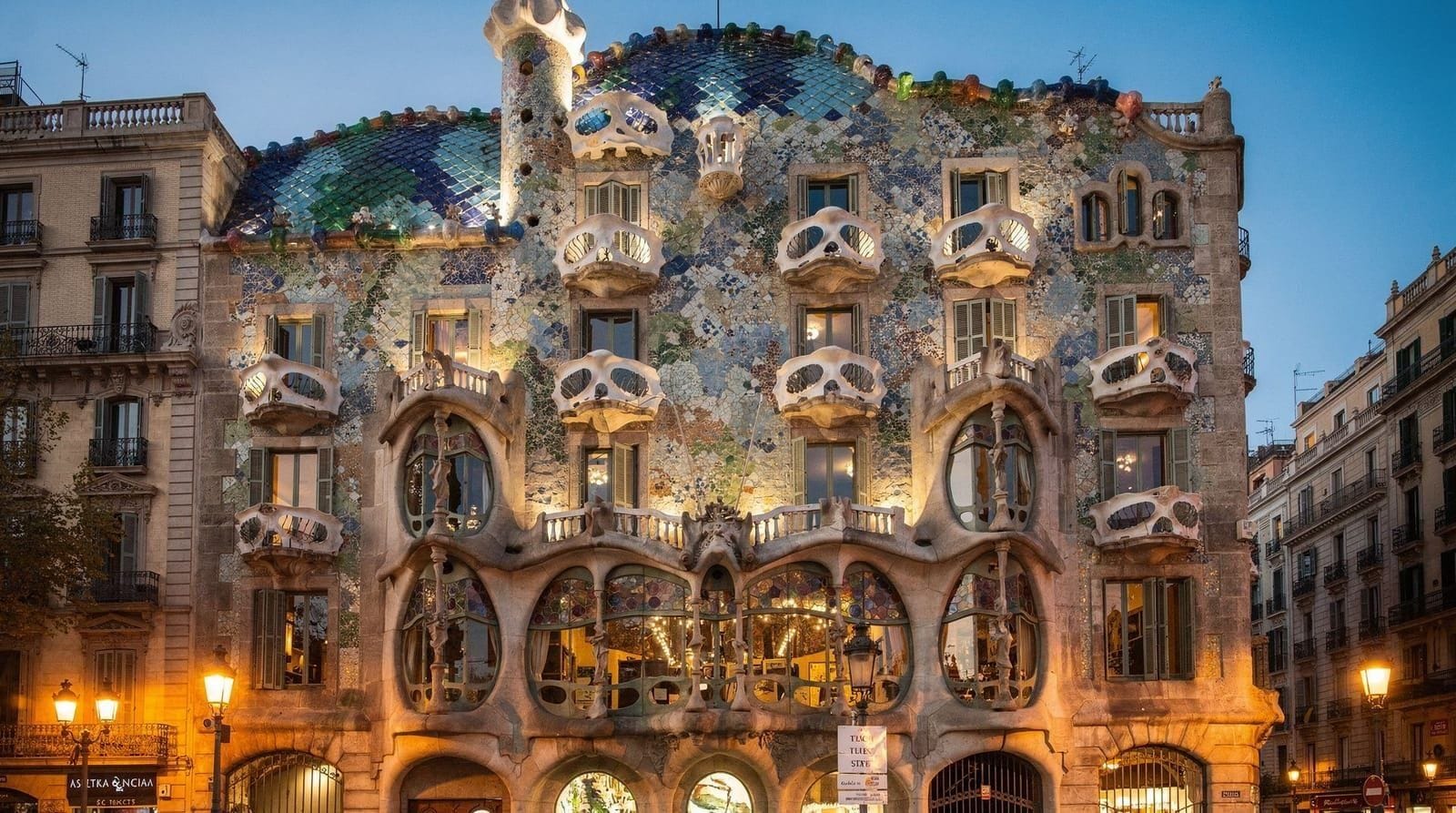
Barcelona: Casa Batlló fast-track tickets and architecture tour
- Free cancellation
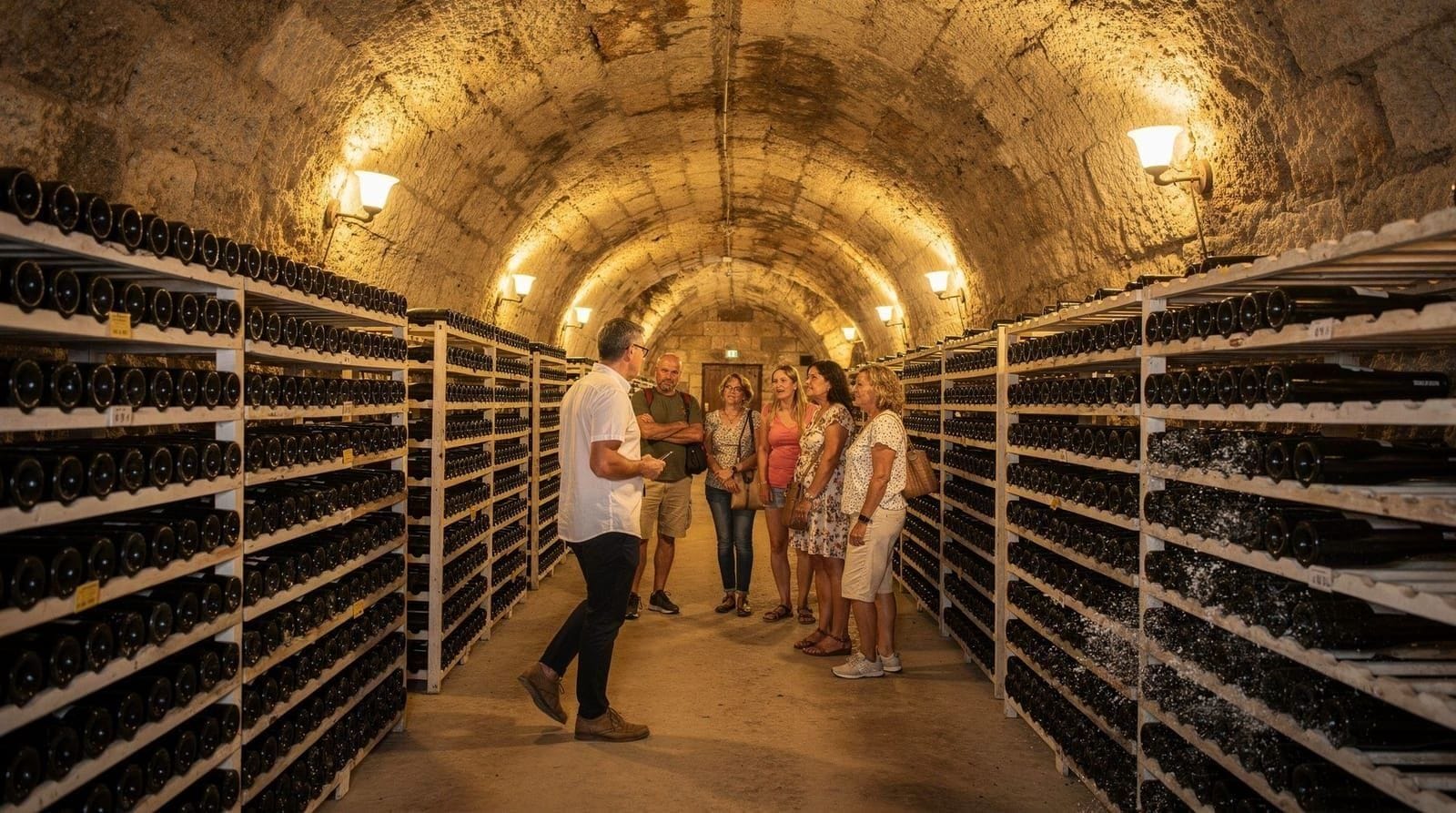
From Barcelona: Penedès vineyards tour by 4WD with wine & cava
- Free cancellation
- Hotel pickup
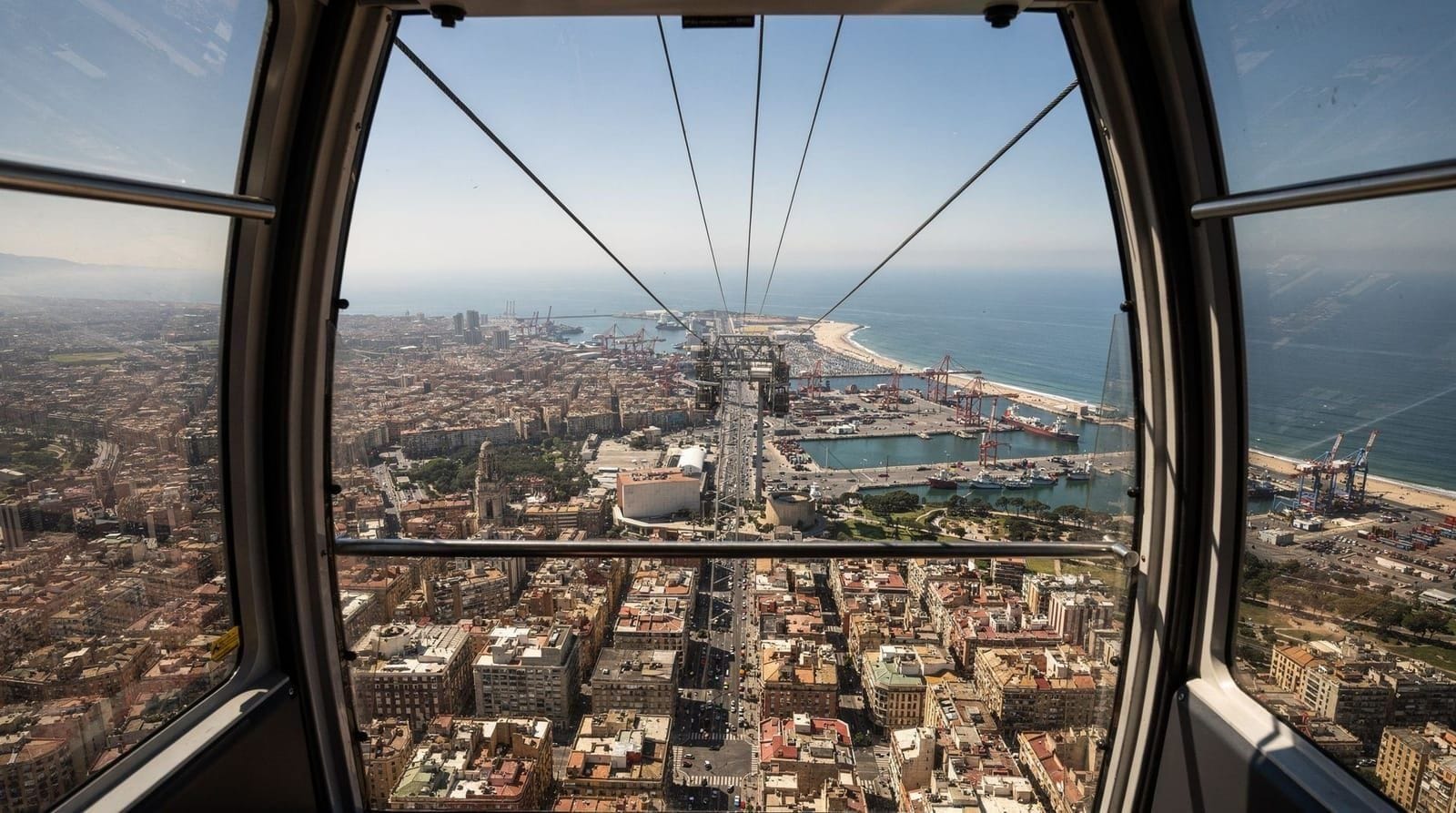
Barcelona: walking tour with Montjuïc castle and cable car
- Free cancellation
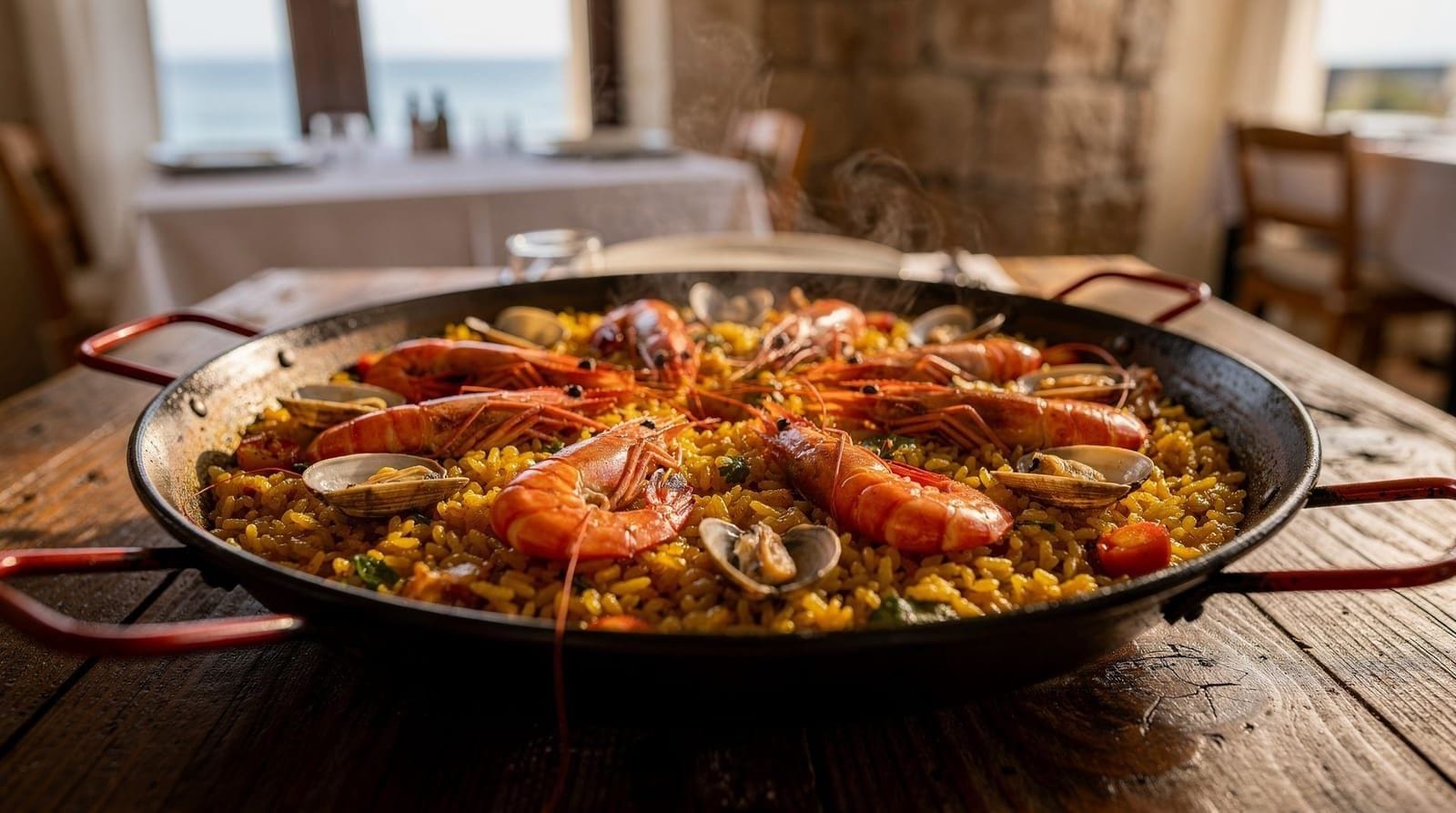
Barcelona: old town tapas & paella food tour with 8 tastings
- Free cancellation