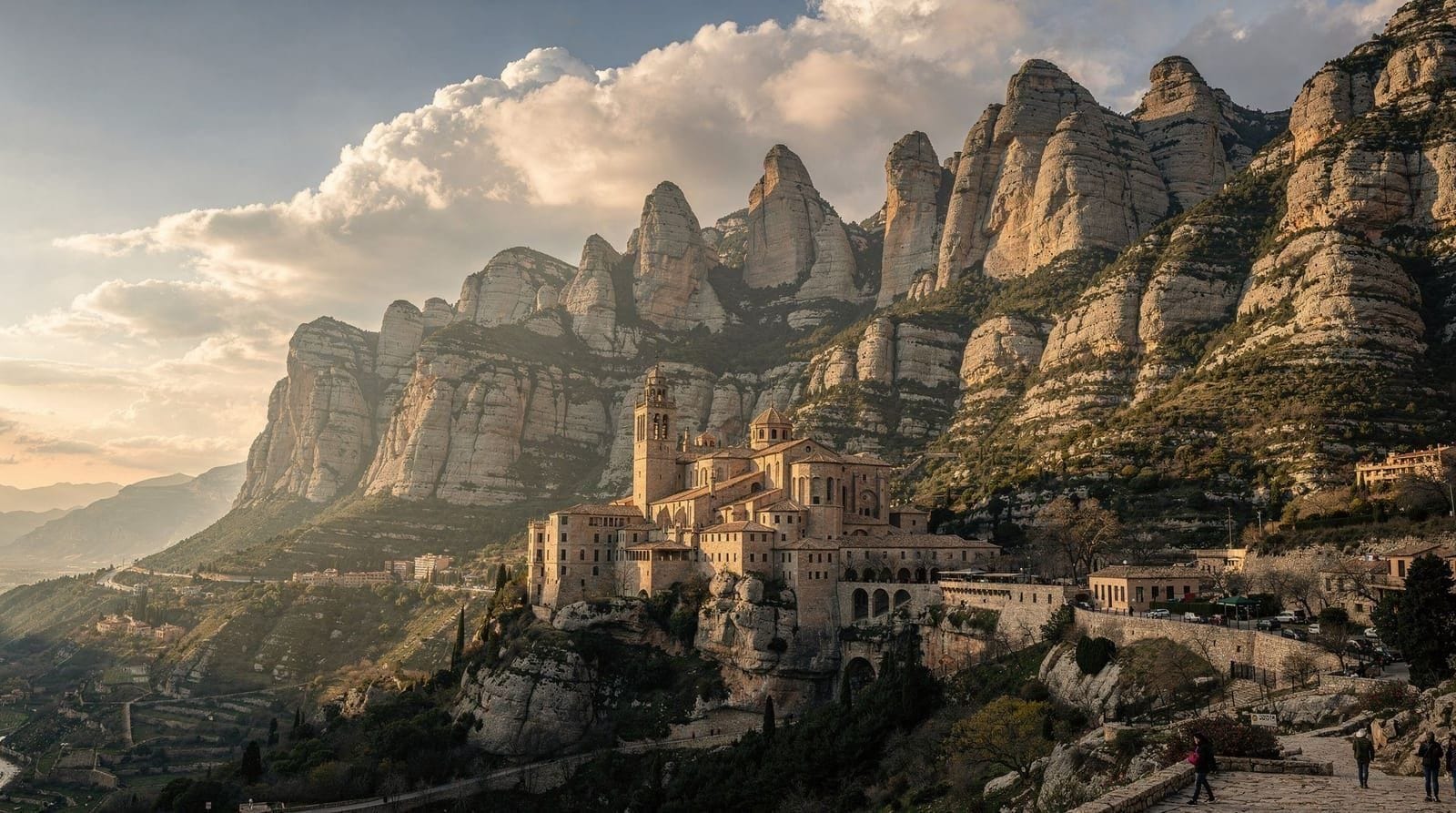
4-day Barcelona itinerary: beyond the essentials
Barcelona: Sagrada Família skip-the-line ticket with audio guide
Duration: 2 hours
- Free cancellation
- Instant confirmation
Why four days transforms the experience
Three days in Barcelona covers the headline sights; four days lets them breathe. The extra day takes you out of the city entirely — to Montserrat, the serrated mountain monastery an hour north — and gives you the morning to properly explore the neighbourhood of Gràcia and an evening on Montjuïc hill that three-day visitors almost always skip.
This itinerary is built around the booking reality of 2026: Sagrada Família and Park Güell both require timed-entry tickets booked in advance; in July–August, popular slots disappear 6–12 weeks ahead. Secure those two first, then build the rest around them.
Pre-departure checklist:
- Sagrada Família: book for Day 1 morning, 09:00 (€33–46)
- Park Güell Monumental Zone: Day 2 morning, 08:30 (€13)
- Montserrat day trip: Day 3 (book tour or FGC train independently)
- Casa Batlló or La Pedrera: Day 1 afternoon (book 1–2 weeks ahead in peak season)
| Best for | First-timers with an extra day, repeat visitors wanting Montserrat |
| Pace | Moderate — one full day trip breaks up two intensive city days |
| Daily budget | Around €90–120/person including the Montserrat excursion |
| Getting around | Metro in the city; FGC train for Montserrat |
| Best months | May, June and September for cooler city walking and clear mountain views |
Day 1: Eixample and Gaudí’s big two
Morning: Sagrada Família (09:00 slot)
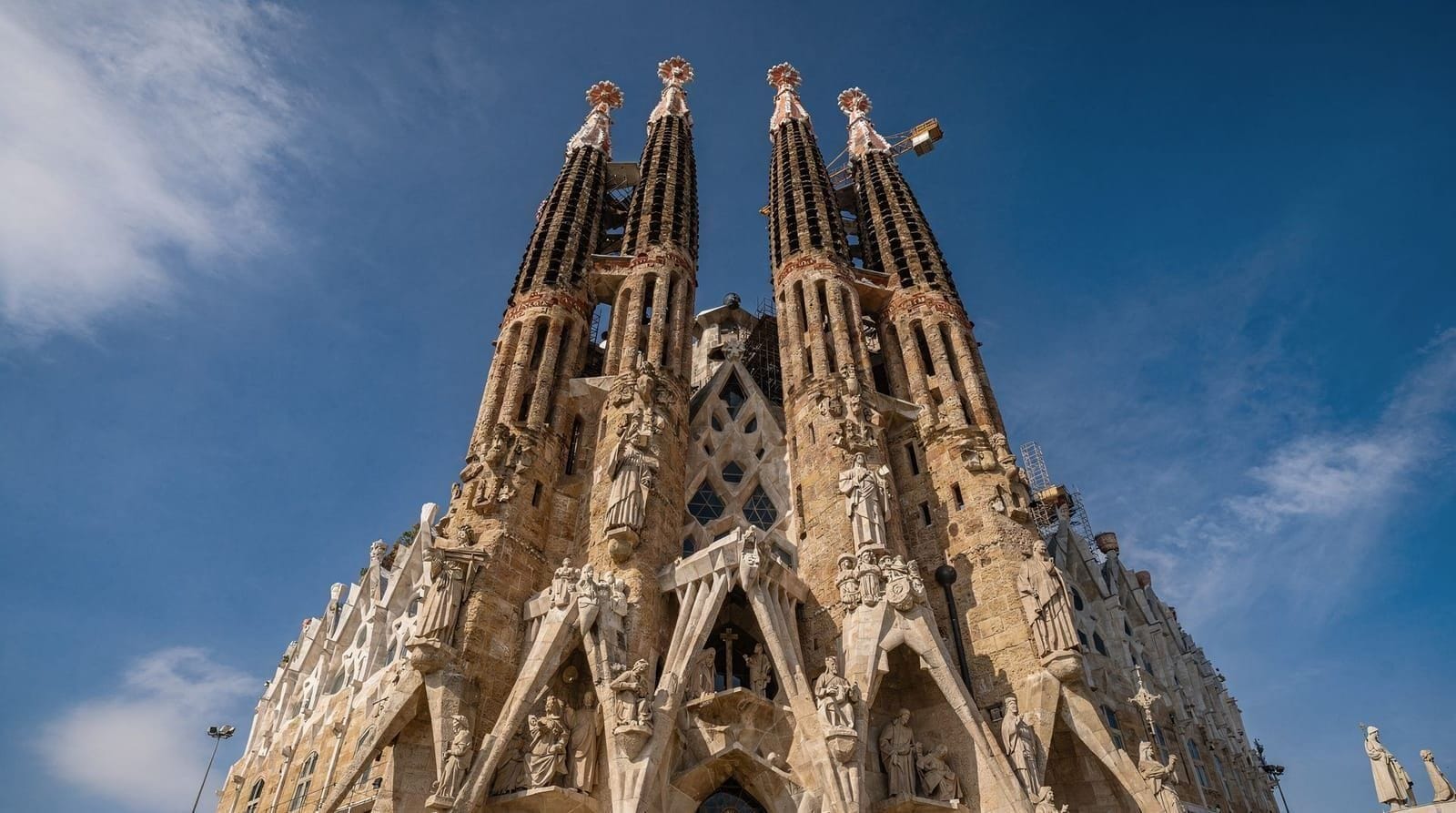
Begin with the most important booking of the trip. Take metro L2 or L5 to Sagrada Família (10 minutes from Plaça Catalunya) and arrive 10 minutes early. See our full guide for a room-by-room breakdown and advice on whether to add tower access.
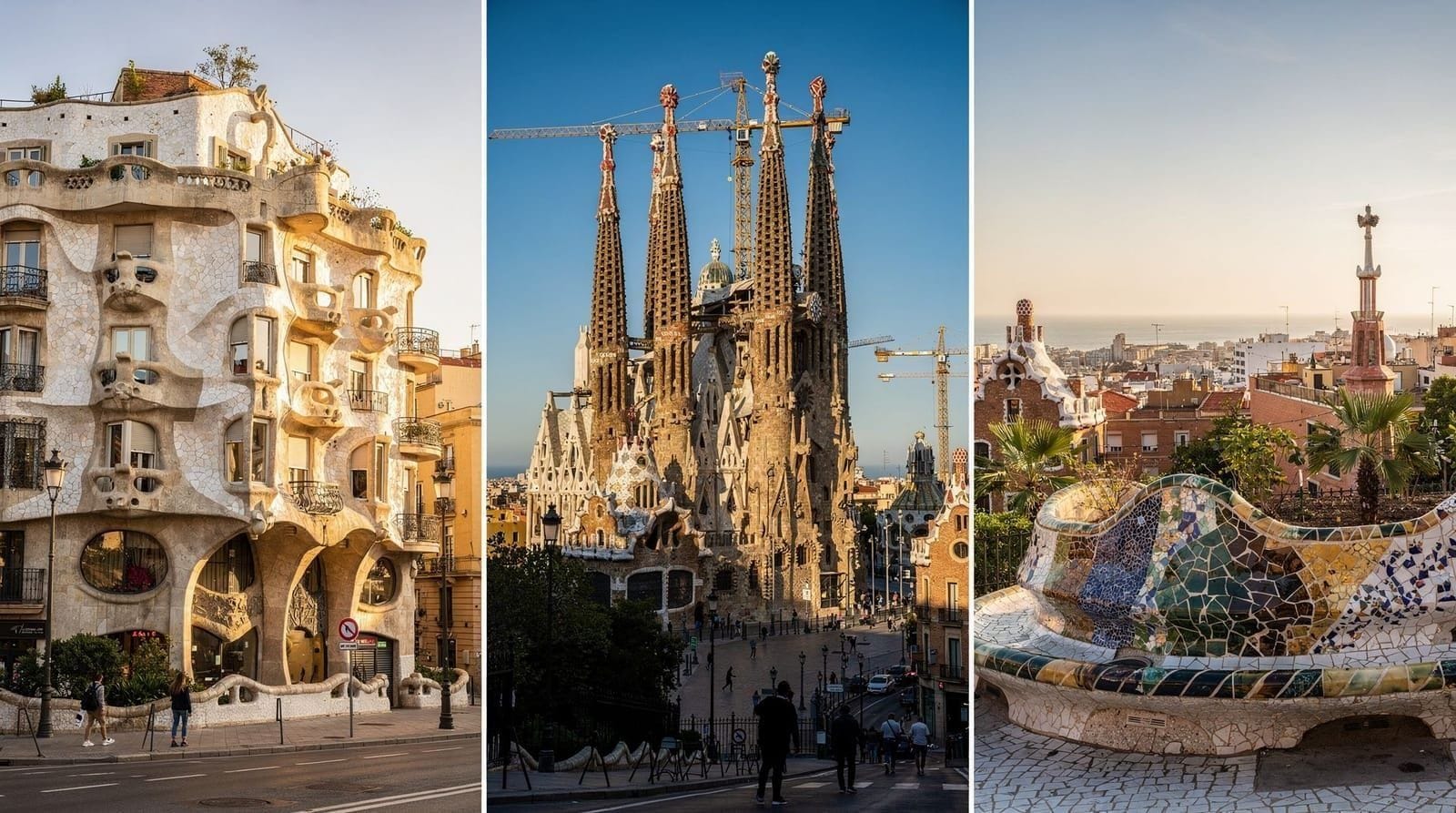
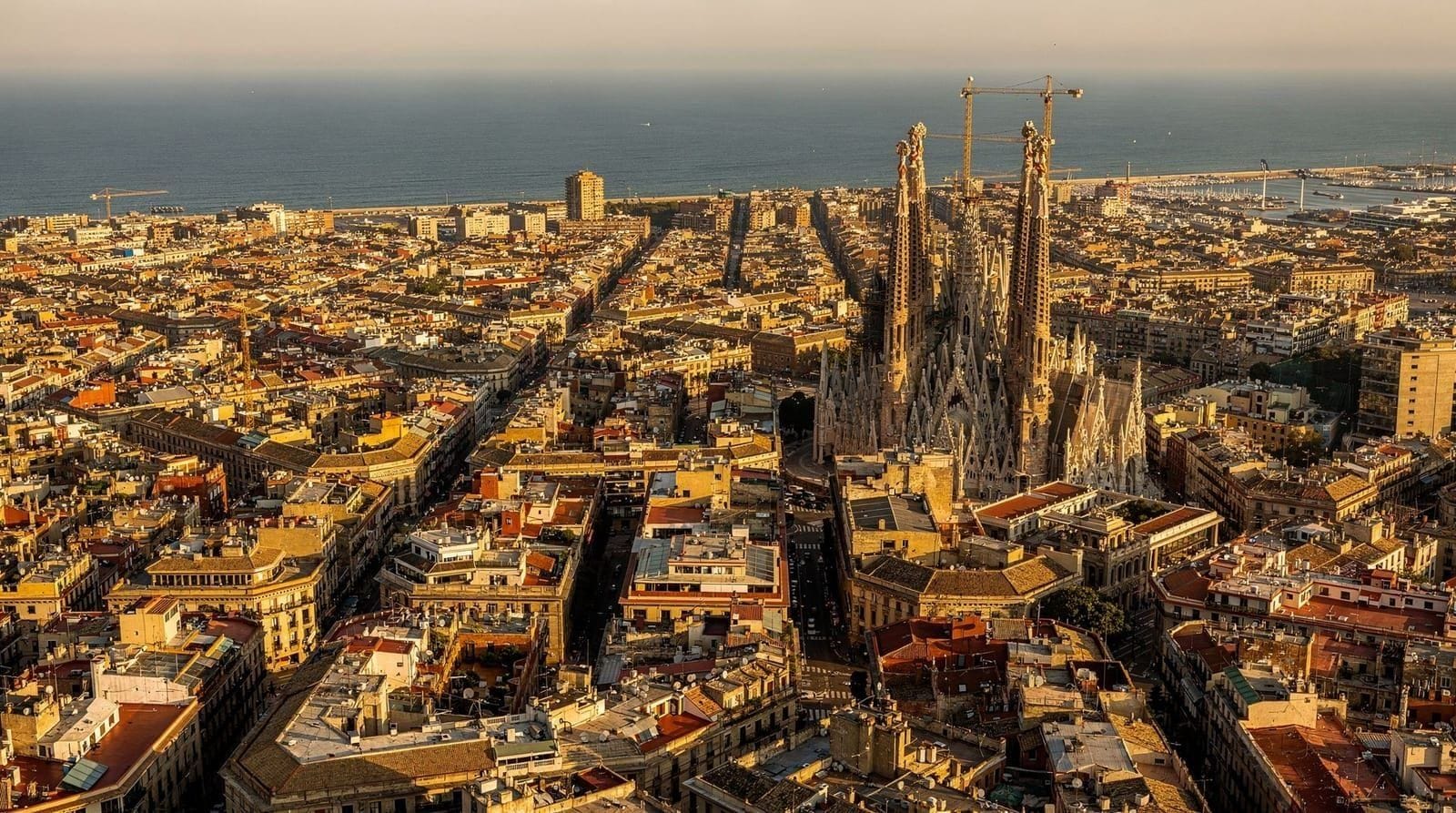
The essentials: morning light floods the Nativity façade and the eastern nave windows with warm colour — the 09:00 slot is the best of the day for interior photography. Budget two hours minimum. The basilica will be complete by the end of 2026 (the 2026 Gaudí centenary year); the central tower lantern and final spires are actively under construction, making this year’s visit historically significant. A guided tour (€40–45, small group) adds detail on the symbolism of the stone carving that a self-guided audio visit misses.
Recover afterwards with coffee at Federal Café (Carrer del Parlament 39, L2 Sant Antoni, 15 minutes by metro or 20 minutes’ walk through the Eixample grid) — a reliable flat-white-and-toast spot if you want a break before Casa Batlló.
Midday: Block of Discord and Casa Batlló
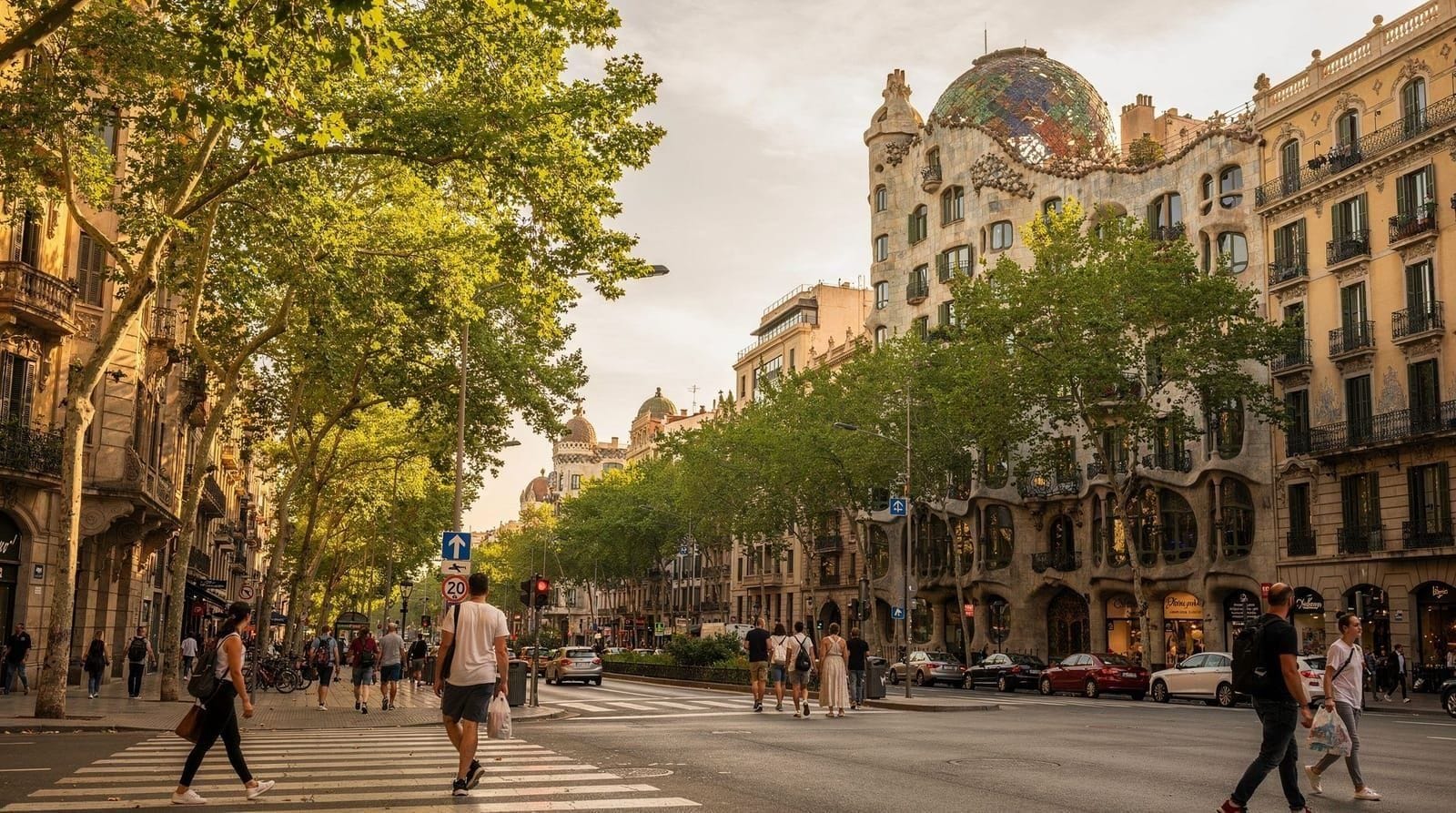
Walk or metro L3/L5 to Passeig de Gràcia (10 minutes). The three modernista houses between Carrer d’Aragó and Carrer del Consell de Cent are the Manzana de la Discordia — “Block of Discord” — where Gaudí, Domènech i Montaner and Puig i Cadafalch competed on the same block. Even from the street, the contrast between their styles is startling.
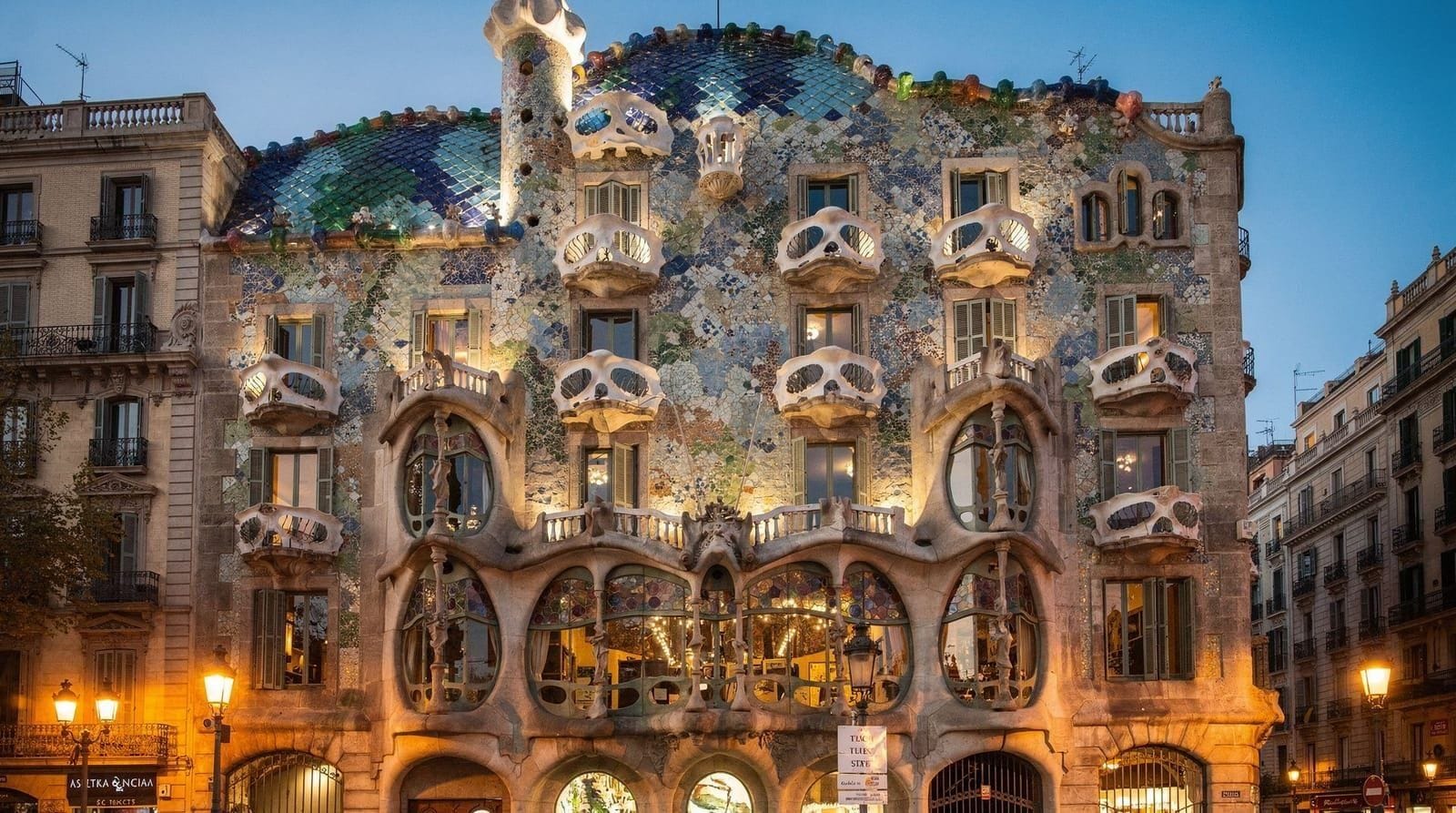
Casa Batlló is the essential paid entry here. The dragon-scale roof, the bone-like columns on the façade, the interior Blue Room and the rooftop terrace justify the ticket price (€29–53 depending on tier; the standard or silver option is sufficient for most visitors). Allocate 90 minutes.
Lunch at Cervecería Catalana (Carrer de Mallorca 236, two blocks from Passeig de Gràcia, opens 13:00) — seafood tapas, reliable and reasonably priced by Eixample standards; queue from 12:45 at weekends.
Afternoon: La Pedrera
La Pedrera (Passeig de Gràcia 92, five minutes’ walk from Casa Batlló) is Gaudí’s most fluid building: the undulating stone façade, the iron-latticed balconies and the warrior-chimney rooftop make it the best surviving example of his organic style before the Sagrada Família consumed his later decades. The essential daytime ticket (€25, pre-booked) includes the rooftop, the Espai Gaudí museum in the attic and a recreated 1910s apartment. Allow 90 minutes.
If you are doing both Casa Batlló and La Pedrera in one afternoon, book them an hour apart (e.g., 13:30 Batlló, 16:00 Pedrera) so you are not rushed. The combined Modernisme route along Passeig de Gràcia is walkable end-to-end.
Evening: Eixample dinner and vermut hour
Before dinner, try a Catalan vermut: Bar Calders (Carrer del Parlament 25, Poble-sec, opens 18:00) and Bar Marsella (Carrer dels Escudellers 65, Gothic Quarter, one of the oldest bars in Barcelona) are both worth the detour. Vermut is served cold with ice, a slice of orange and sometimes a small olive or anchovy — it is the Catalan aperitif, not the Italian cocktail, and ordering it correctly earns immediate goodwill.
Dinner options in Eixample: Parking Pizza (Carrer de Londres 98) for the city’s best pizza; Bodega Rosell (Carrer de Blai 25, Poble-sec) for a proper Catalan bodega with wine by the glass and charcuterie. See our best tapas neighbourhoods guide for the full picture.
Day 2: Park Güell, Gràcia and Barceloneta
Morning: Park Güell (08:30 slot)
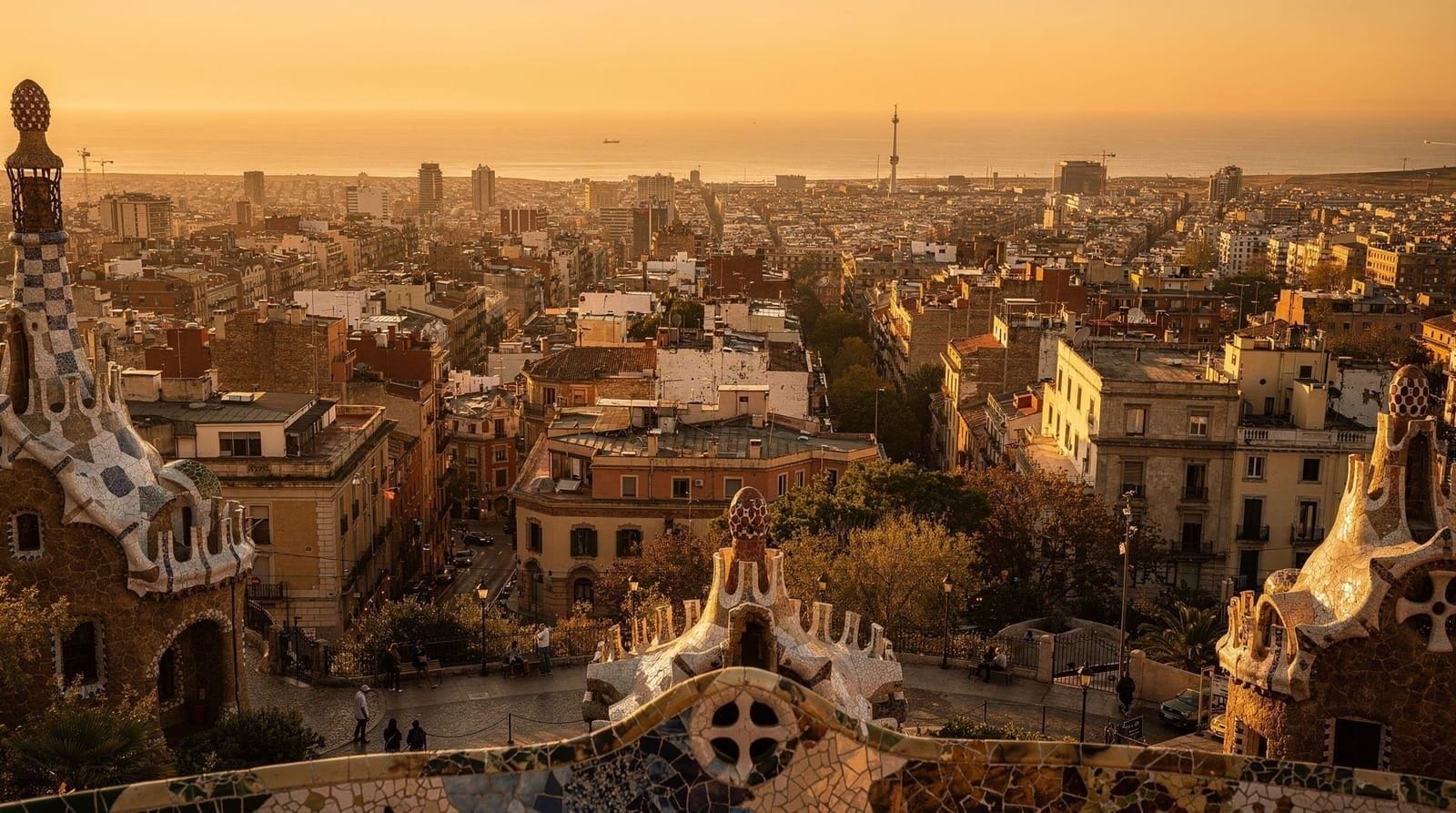
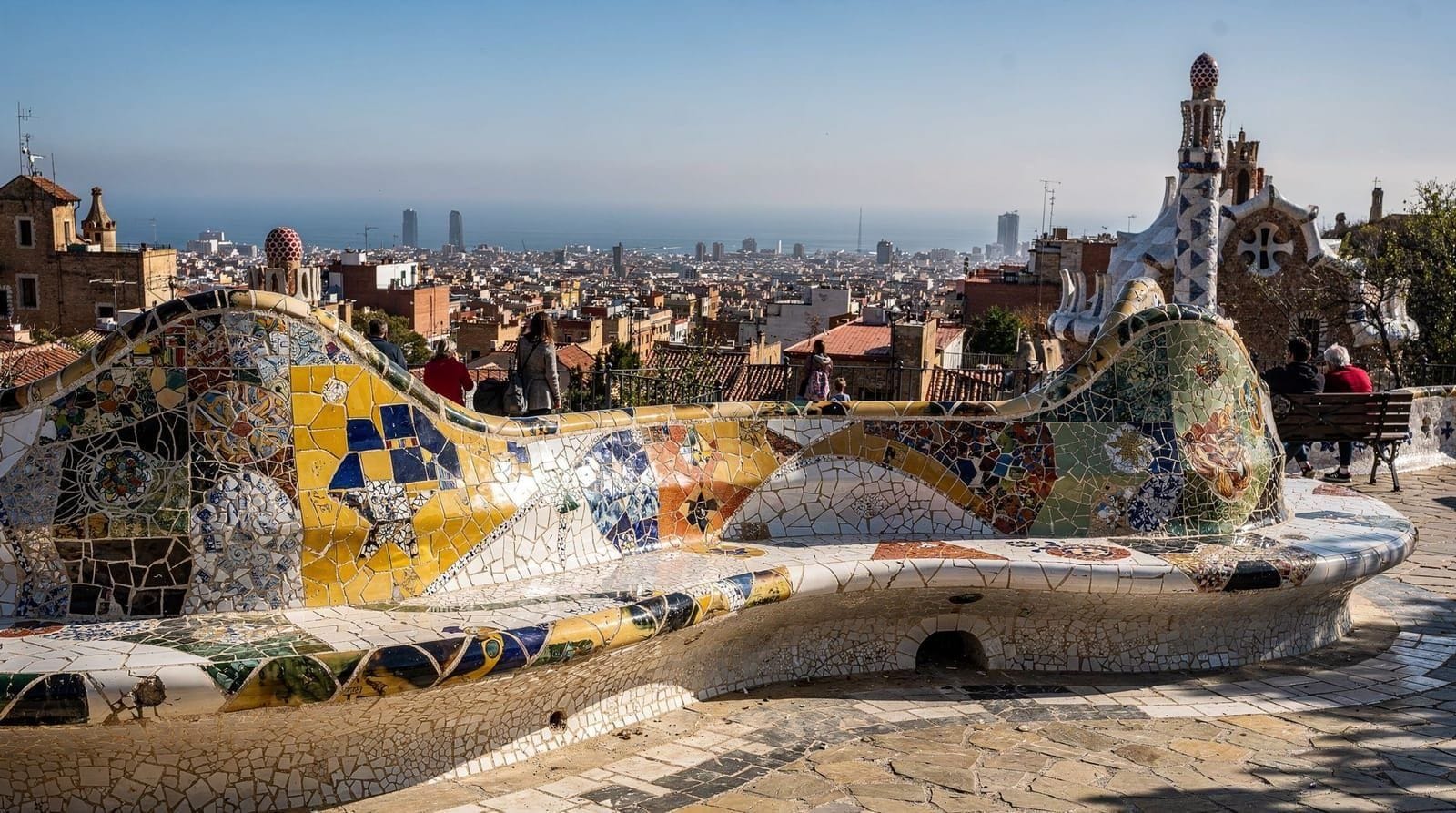
Metro L3 to Vallcarca or FGC to Gràcia, then walk 10–15 minutes uphill. The 08:30 Monumental Zone slot gives you the mosaic terrace and Hypostyle Room in good light with thin crowds. By 10:00 it fills noticeably; by 11:00 the terrace is crowded.
Full detail in our Park Güell free vs paid guide: the large forested areas, the viaducts and the viewpoints outside the Monumental Zone are completely free and take another 45 minutes to explore at leisure. The walk from the free zone’s upper terraces towards the Calvary hill gives you a better cityscape panorama than the main terrace.
Midday: Gràcia lunch
Walk 20 minutes downhill into Gràcia. The neighbourhood is defined by its squares: Plaça del Sol for daytime cafés and sunshine, Plaça de la Vila de Gràcia for locals, Plaça de la Virreina for families in the evening. Independent restaurants line the cross-streets.
Good options for lunch: La Pepita (Carrer del Torrent de l’Olla 74, opens 13:30) is famed for its croquetes and open sandwiches; Bar Bodega Manolo (Travessera de Gràcia 49, opens from noon) is a no-frills Catalan bodega with daily specials under €12. The neighbourhood has almost no tourist restaurants, which is precisely the point.
After lunch, explore the streets: Catalan culture is most visible in Gràcia, where the sardana dance, castellers and language are still everyday rather than heritage-display. The neighbourhood holds one of Barcelona’s two or three genuine neighbourhood festivals (Festa Major de Gràcia, August 14–20, when residents decorate every street with elaborate themed installations — free and extraordinary).
Afternoon: Barceloneta beach
Metro L4 to Barceloneta (20 minutes from Gràcia via L3 transfer). The beach district is a working-class grid of narrow streets from the 18th century, built for the fishermen displaced by the Ciutadella fortress. The seafront is a tourist strip; one block back, the neighbourhood is authentic and quiet.
The beach itself (Platja de la Barceloneta) is clean, well-lifeguarded and swimmable June–October. Avoid eating on the seafront: the restaurant paella is almost universally frozen rice reheated at tourist prices (€25–30 for a plate that should cost €10–14 in a local restaurant). See our paella and tourist trap guide for the honest picture. Instead, eat at La Mar Salada (Passeig de Joan de Borbó 58, slightly away from the strip) or El Vaso de Oro (Carrer de Balboa 6, a narrow tapas bar with outstanding cañas and tapas since 1954).
Evening: Gothic Quarter or El Born
Return metro or walk through Barceloneta to El Born for the evening. The Gothic Quarter walking tour at dusk is a different experience from daytime: the Roman-era streets empty of tour groups and the bars fill with locals. Bar del Pla (Carrer de la Montcada 2) and El Xampanyet (Carrer de Montcada 22, opens 19:00) are the two most reliable stops for cava and tapas before a late Catalan dinner (most Catalans eat at 21:00–22:00).
Day 3: Montserrat day trip
Full-day: Montserrat monastery and mountain
Montserrat — the “serrated mountain” — rises 50 km northwest of Barcelona to 1,236 metres. The Benedictine monastery at 725 metres has housed the revered Black Madonna statue since the 12th century; pilgrims and visitors have been climbing here for nine centuries. For the practical detail — trains, cable car vs rack railway, which hikes to do — see our Montserrat day-trip guide.
Getting there independently: FGC R5 line from Plaça Espanya station (metro L1/L3) towards Manresa; alight at Montserrat Aeri (cable car, 10 minutes, runs every 15 minutes) or Monistrol de Montserrat (rack railway cremallera, 20 minutes). Combined train + cable car/cremallera ticket: approximately €30 return from Barcelona. Journey time: about 1 hour each way.
Getting there by tour: A guided day trip (€55–90 depending on group size and inclusions) picks up from central hotels, includes a guide on the mountain and sometimes adds a Penedès wine or cava visit in the afternoon — good value if you want context without managing the transport yourself. The Montserrat and cava winery day trip combines both.
What to do on the mountain:
- Basilica: the Black Madonna (La Moreneta) is in the upper alcove above the altar; queue 20–40 minutes to stand before her; entry to the basilica itself is free.
- Escolania choir: the boys’ choir sings at 13:00 and 18:45 Monday–Friday (not August, public holidays or school holidays) — the 13:00 recital is the easiest to catch on a day trip.
- Sant Joan funicular and hike: funicular ticket ~€13 return; 20-minute climb from the top station to the Sant Joan chapel with panoramic views of the Pyrenees (on clear days) and the Llobregat valley.
- Mercadona Montserrat (the monastery shop): the monastery’s own liqueur (Aromes de Montserrat) and honey make practical, non-kitsch souvenirs.
Eat lunch at the monastery cafeteria (surprisingly decent, affordable and the only realistic option without hiking down); or bring food and eat at the Sant Joan summit picnic area.
Return to Barcelona by 18:00–19:00, leaving time for a quiet dinner in El Born or Eixample.
Day 4: Montjuïc, museums and a final evening
Morning: Montjuïc by cable car
Montjuïc hill offers the city’s best panoramic views, two major museums, the 1992 Olympic Stadium and the Cable Car from Barceloneta (or the funicular from Paral·lel metro, L3). Start with the cable car from Barceloneta (10 minutes’ walk from metro L4 Barceloneta) if you want a sea-level-to-hilltop arc, or the funicular if you want faster access to the museums.
See our Montjuïc cable car guide and the full Montjuïc guide for the logistics.
Top draws on the hill:
- MNAC (Museu Nacional d’Art de Catalunya): Romanesque art collection — the finest in the world — plus Gothic, Renaissance, Baroque and 20th-century Catalan sections. Open Tuesday–Saturday 10:00–18:00, Sunday 10:00–15:00. Ticket ~€12; free Saturday after 15:00 and first Sunday of month.
- Fundació Joan Miró: Miró’s own foundation, purpose-built in 1975 by Josep Lluís Sert; the collection (paintings, sculptures, tapestries) is among Europe’s best of a single 20th-century artist. Open Tuesday–Saturday 10:00–20:00 (Thursday until 21:00). Ticket €15, skip-the-line available.
- Jardins de Laribal: free terraced gardens on the hillside, often overlooked by visitors rushing between museums.
Afternoon: Olympic Stadium and Palau Sant Jordi
The 1992 Olympic Stadium (Estadi Olímpic Lluís Companys) is free to enter when no event is scheduled — you can walk the track and sit in the stands. The adjacent Palau Sant Jordi (Arata Isozaki, 1992) is considered one of the finest sports arena designs of the 20th century.
Descend Montjuïc by the Magic Fountain route in the late afternoon: the Font Màgica (Magic Fountain) runs its free light-and-music show Thursday–Sunday, 20:30–21:30 (May–October). The walk down the grand staircase from MNAC past the fountain to Plaça de Catalunya takes 20 minutes and provides the city’s most cinematic approach. See our Magic Fountain guide for the exact schedule.
Evening: Poble-sec farewell dinner
Poble-sec, at the base of Montjuïc, is Barcelona’s best pintxos and bar district. Carrer de Blai is the pintxos street: 15–20 bars open around 19:00 selling Basque-style pintxos (small bites on bread) for €1.50–3 each. Order freely, point at what you want, and don’t over-order — the custom is to go back for more. El Sortidor (Plaça del Sortidor 5) is a beautiful early-20th-century pharmacy converted into a cocktail bar — an ideal last-night stop.
Alternatively, book dinner at Bodega Sepúlveda (Carrer de Sepúlveda 173, Eixample, reservations recommended) for a proper Catalan multi-course meal with natural wines — one of the most honest price-to-quality ratios in the city.
Four days at a glance
| Day | Focus | Pace |
|---|---|---|
| 1 | Sagrada Família, Casa Batlló, La Pedrera | Full, city-centre |
| 2 | Park Güell, Gràcia, Barceloneta | Full, mixed indoor/outdoor |
| 3 | Montserrat day trip | Full day out of the city |
| 4 | Montjuïc, museums, Poble-sec | Full, hill and old town |
Should Montserrat be a guided tour or independent FGC?
Both work, and the choice mostly comes down to how much you want to think about logistics on Day 3. The Montserrat day-trip guide covers both routes in detail, but the short version:
| Independent (FGC) | Guided tour | |
|---|---|---|
| Cost | ~€30 return (train + cable car/cremallera) | €55–90, often including a Penedès stop |
| Flexibility | You set your own pace on the mountain | Fixed group schedule |
| Context | Self-guided, using signage and our guide | A guide explains the monastery’s history on-site |
| Best for | Confident independent travellers | Visitors who want the Penedès added without extra planning |
A day trip that combines Montserrat with a Penedès cava stop is a good option if wine interests you as much as the mountain — see our Penedès day-trip guide for how that pairing works as a half-day add-on.
One honest note on timing: the Escolania boys’ choir sings at 13:00 and 18:45 on weekdays (not August or school holidays), and it is genuinely worth planning around if choral music interests you at all — arrive on the mountain by 12:30 for the earlier recital. Neither route guarantees a seat close to the performance, so arrive with margin rather than cutting it fine after the train.
Adjusting the route
If Montjuïc interests you more than Montserrat, swap the order: Day 3 becomes the hill (with a slower pace than the compressed version in this itinerary) and Day 4 becomes the mountain. Families should read the Barcelona with kids guide before committing to Montserrat with young children — the cable car and cremallera are both manageable, but the museum-heavy Day 4 needs breaks built in. If you’d rather trade the mountain day for more city depth, our Gaudí-focused 3-day itinerary shows what a Gaudí-only route looks like, and the how many days in Barcelona guide compares this plan against the 3-day and 5-day versions directly.
Practical notes for 4 days
Accommodation: Eixample puts you equidistant from every major site. The north Eixample (around Passeig de Gràcia) is convenient for Days 1–2; El Born is atmospheric and excellent for Days 1 and 4. See where to stay in Barcelona for neighbourhood-by-neighbourhood pricing.
Metro pass: A T-Casual (€13, 10 trips) covers most needs for four days. If you want airport metro included, the Hola Barcelona 4-day card (€35.60) is the better option. Day 3 (Montserrat) is paid separately via FGC/Rodalies.
Booking sequence: Sagrada Família first (3–12 weeks ahead depending on season), Park Güell second (3–5 days minimum; 2–4 weeks in summer), Casa Batlló and La Pedrera 1–2 weeks ahead, Montserrat tour 48 hours ahead.
Frequently asked questions about this 4-day itinerary
Should I do Montserrat on Day 3 or another day?
Day 3 works well because your city-centre bookings are done and you need a slower pace after two intensive urban days. Some visitors prefer doing Montserrat on Day 1 or 2 as a buffer while waiting for timed-entry slots to open — both work. The main constraint: don’t combine Montserrat with evening Barcelona plans; the return journey takes 1h15–1h30 and you’ll arrive tired.
Is four days enough to see everything in Barcelona?
Four days covers the Gaudí essentials, the old town, one day trip and a proper Montjuïc afternoon. You’ll still miss Poblenou, the lesser Modernisme (Hospital de Sant Pau, Casa Vicens), deeper Gràcia exploration and a second day trip. A fifth day opens those up. Our 5-day itinerary adds exactly that layer.
What if I want to skip Montserrat?
Replace Day 3 with Sitges (30 minutes by R2 Sud train, ~€5 return), a beach town with a well-preserved old town, or dedicate the day to the Montjuïc museums in more depth and a slower walk through Poblenou. Sitges is ideal if you visit April–October; Montjuïc works better in winter when Barceloneta beach is less appealing.
How do I handle the heat in summer?
If you visit July–August, shift heavy walking to the mornings (before 12:00) and schedule museum visits 13:00–17:00 when the streets are hottest. Carry water. The Montserrat excursion is cooler at altitude. See our best time to visit Barcelona guide for month-by-month temperature reality.
Are food tours worth it on a 4-day trip?
A food tour on Day 1 evening is one of the most efficient ways to orientate yourself to the food geography: you learn which neighbourhoods and dishes are worth pursuing over the following days, and you get honest opinions from a guide on what to avoid. The old-town tapas tour covers six to eight stops including cava — a solid investment on an opening night.
Do I need travel insurance or anything else booked before I go?
Beyond the timed-entry tickets covered above, standard travel insurance covering medical costs and cancellations is worth having, as with any European trip. No visa is required for most nationalities for short stays (check current rules for yours before travelling). Nothing else needs pre-booking for this itinerary beyond the sights and the Montserrat logistics already listed — restaurants in this guide are walk-up except where a reservation is explicitly noted.
Top experiences
Bookable activities with verified prices and instant confirmation on GetYourGuide.
Barcelona: Sagrada Família guided tour and entry tickets
- Free cancellation
- Small group
Barcelona: Park Güell guided tour with fast-track ticket
- Free cancellation
- Small group
Barcelona: Casa Batlló fast-track tickets and architecture tour
- Free cancellation
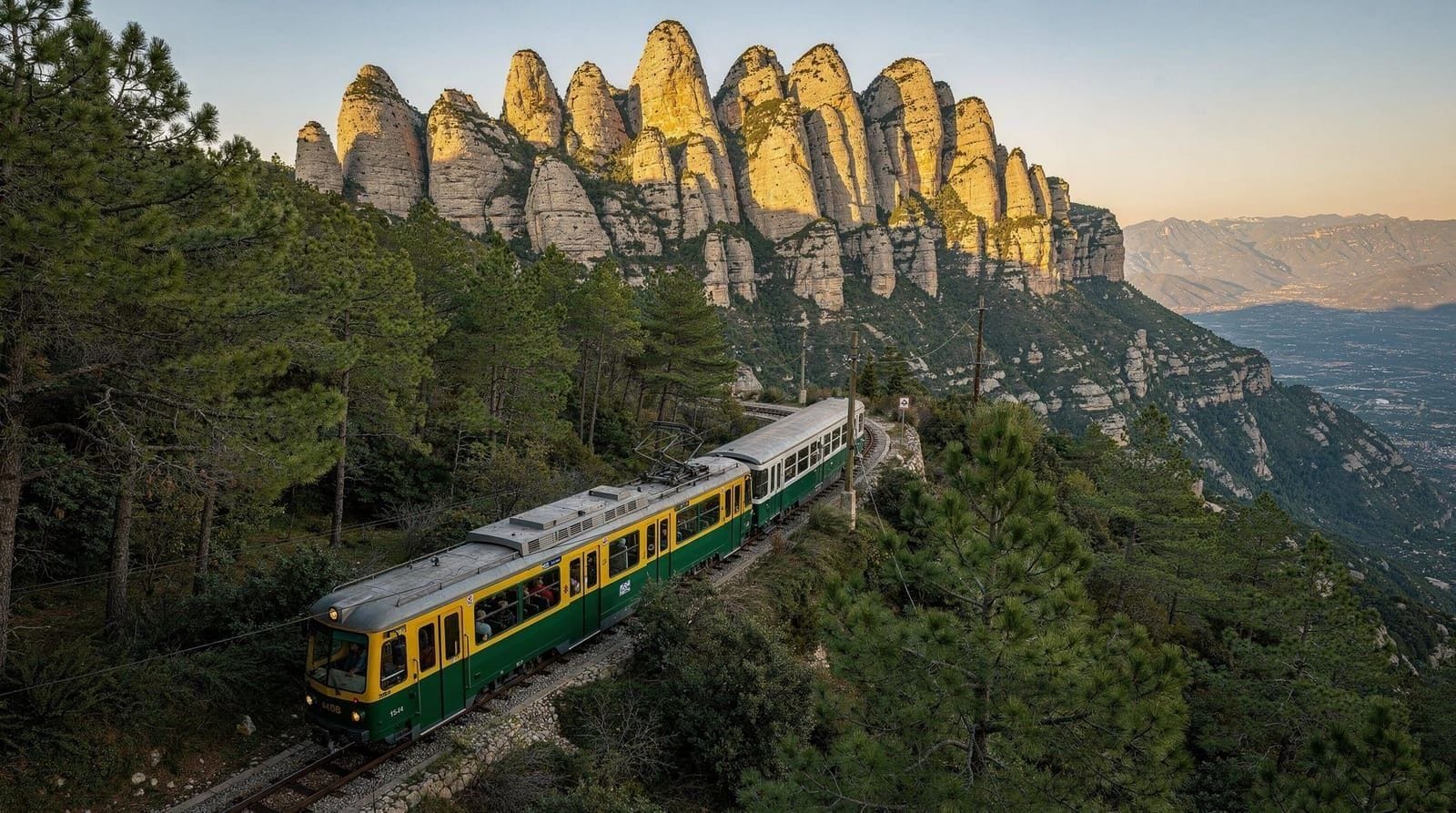
Barcelona: Montserrat monastery and natural park day trip
- Free cancellation
- Hotel pickup
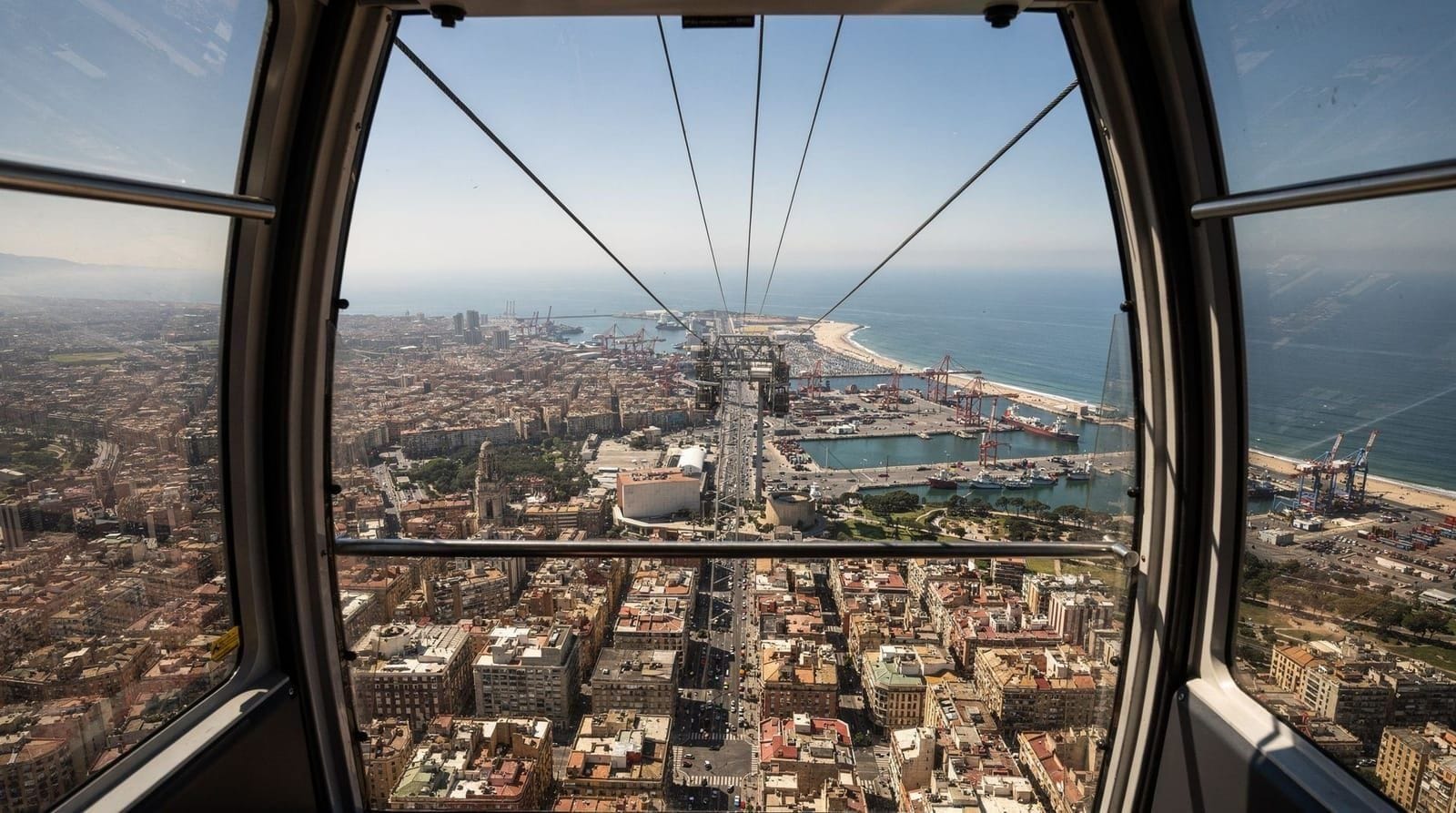
Barcelona: walking tour with Montjuïc castle and cable car
- Free cancellation
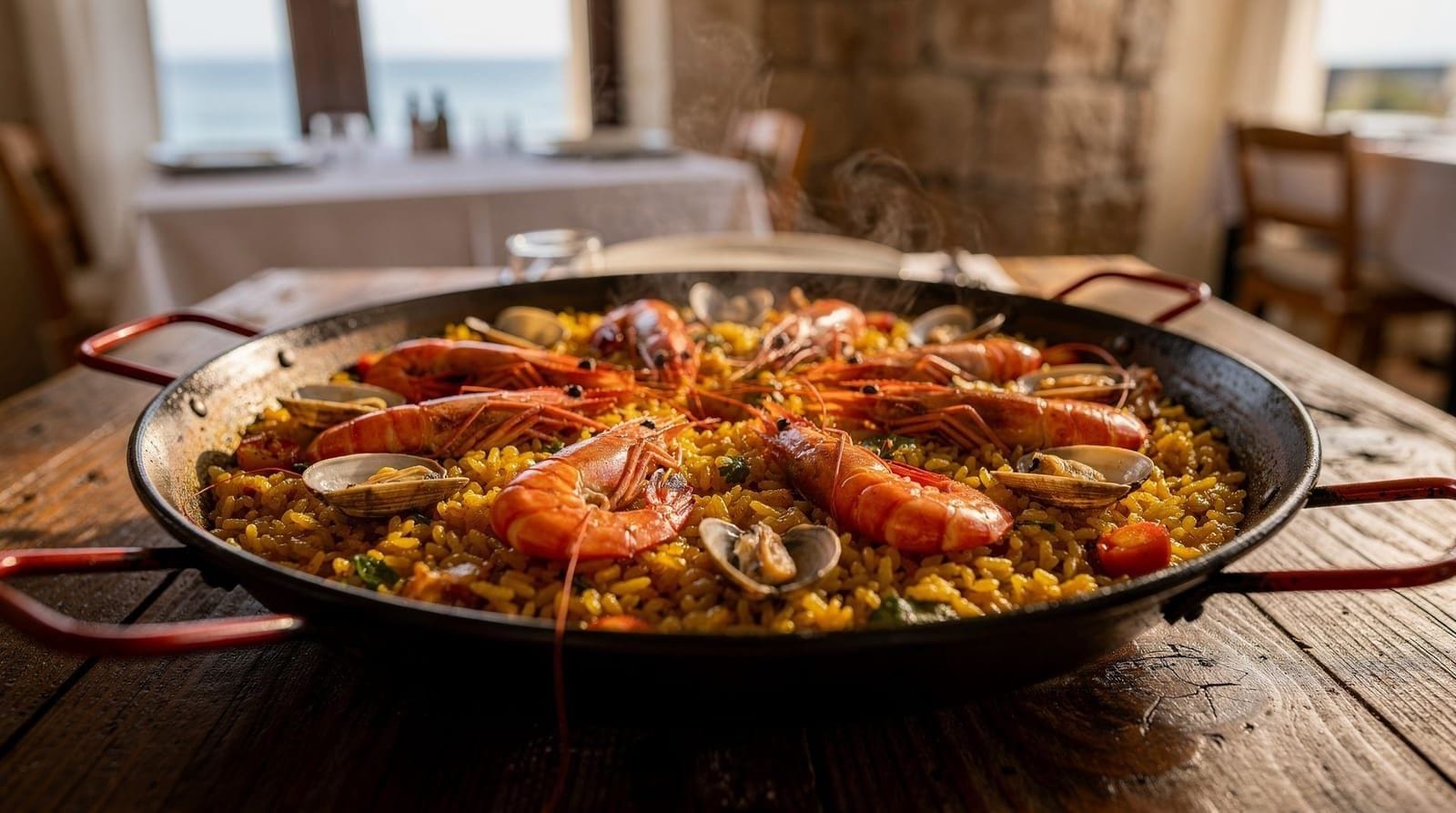
Barcelona: old town tapas & paella food tour with 8 tastings
- Free cancellation