Solo travel in Barcelona: everything you need to know
Barcelona is an excellent city to visit solo. The public transport is reliable, the neighbourhoods are walkable and full of independent cafés and bars, and there’s a strong hostel and co-living scene that makes meeting other travellers easy if you want it. The city is also genuinely well set up for solo dining — bar culture and standing bars mean eating alone never feels awkward here.
| Best base | El Born or Gràcia |
| Daily budget | Around €70–90/day (mid-range), €50–60 tight |
| Main risk | Petty theft on La Rambla and the beach, not violence |
| Transport | T-Casual card, €13 for 10 metro/bus/tram trips |
| Meeting people | Free walking tours, hostel bars, cooking classes |
The main thing to know before you go: Barcelona has real pickpocketing on La Rambla and in certain tourist areas, and solo travellers should know how to manage this. It’s manageable, not alarming — but it’s worth understanding before you arrive.
Safety: the honest picture
Barcelona is safe. The crime that affects tourists is almost exclusively petty theft — pickpocketing and bag snatching in crowded areas — rather than violent crime. Walking alone at night in most neighbourhoods is fine.
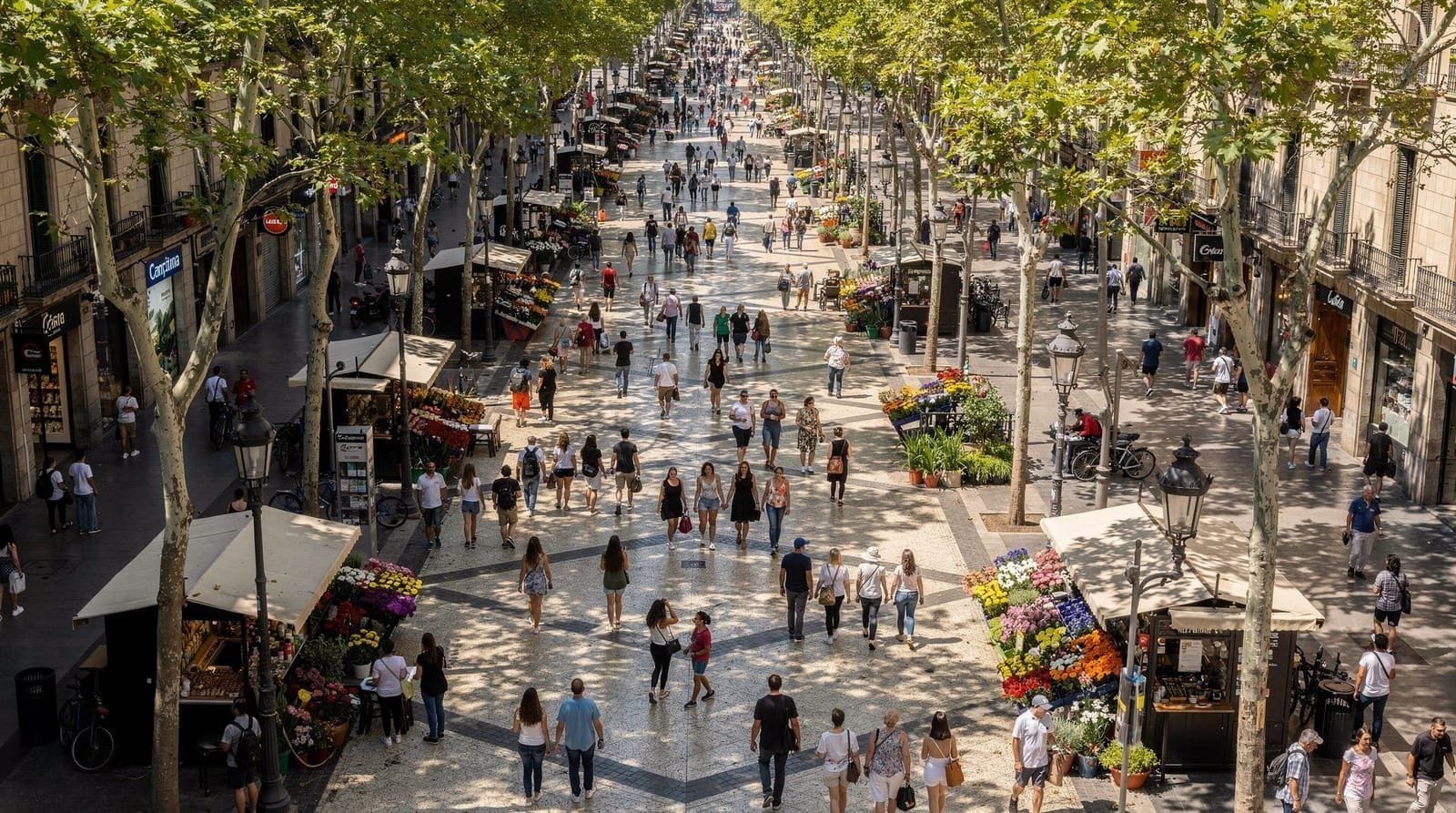
The specific risk areas are La Rambla (particularly the stretch from Plaça de Catalunya to the Boqueria), Barceloneta beach (bag theft from sunbeds and from people swimming), and the Gothic Quarter at night in the narrower streets. These are not dangerous areas; they’re areas where opportunistic theft is more common.
Practical protection: Don’t carry your passport unless you need it (a photo on your phone is usually sufficient for ID purposes). Use a cross-body bag or a bag you wear to the front on La Rambla. Don’t leave a phone or wallet on a café table. At the beach, bring only what you can carry when you swim, or go with someone who can watch your things.
The friendship bracelet scam — where someone ties a bracelet around your wrist uninvited and then demands payment — is common on La Rambla. The counter is simple: don’t stop, don’t engage. Walk at a normal pace and don’t make eye contact. Our avoiding pickpockets guide and Barcelona safety and scams guide cover the specifics in detail.
Barceloneta at night is generally fine but the beach itself becomes less populated after dark and is not the place to be sitting alone with valuable items. The neighbourhood streets are livelier and safer.
Best neighbourhoods to stay solo
El Born is the top recommendation for solo travellers. It’s centrally located, walkable to the Gothic Quarter, Barceloneta, and Picasso Museum, and has excellent independent cafés, wine bars, and restaurants at all price points. The neighbourhood is social without being a nightlife district, and the streets are active until late. Safety is good. Our where to stay Barcelona guide covers this in full, but for solo travellers El Born is the default answer.
Gràcia is an excellent second choice — a residential neighbourhood with a village atmosphere, good café culture, and a local population that gives it a grounded feel. It’s slightly further from the main sights but the metro connection (Fontana or Diagonal on L3) makes it easy. Less touristy than El Born, which some solo travellers prefer.
The Gothic Quarter is convenient but noisier, more tourist-facing, and has the most active pickpocket risk in the narrow streets at night. Perfectly acceptable to stay here, but El Born or Gràcia tend to be better bases.
Poble-sec is worth knowing about if budget is a priority — a slightly less central neighbourhood with lower accommodation prices, good local restaurants, and a noticeably local atmosphere.
Hostel vs boutique hotel: the solo choice
Hostels make the most sense for solo travellers who want to meet people. Barcelona has a good range of social hostels — places with common areas, group dinners, walking tour partnerships, and rooftop bars that become natural meeting points. Expect €25–40 per night in a dorm bed in a well-rated hostel, or €70–100 for a private room in a hostel with good communal areas.
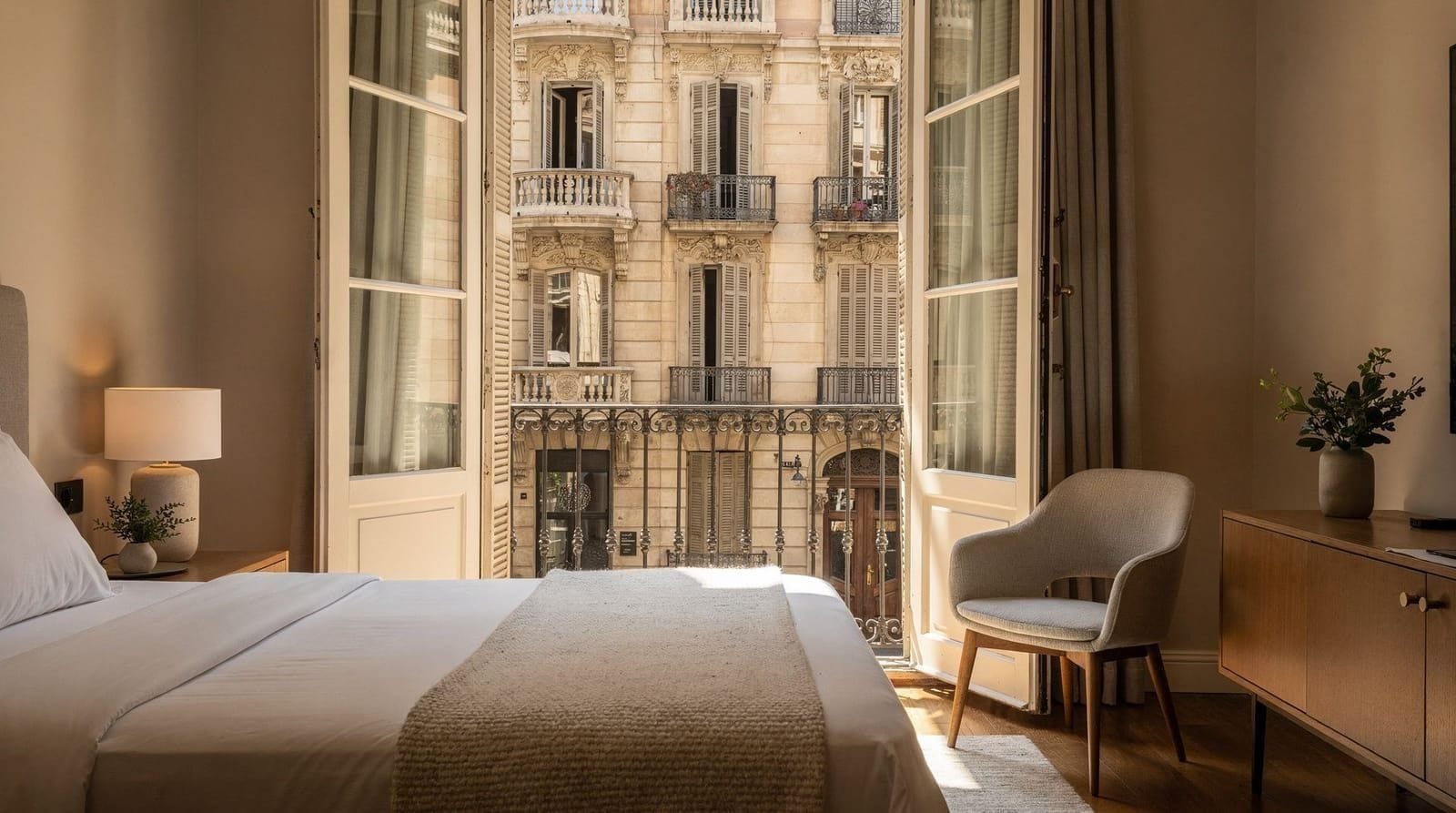
Boutique hotels make more sense if you prefer solitude or have a higher budget. The where to stay guide covers specific area recommendations. A mid-range boutique hotel in El Born runs €100–160 per night for a double used solo.
Solo dining culture
Barcelona is unusually good for solo dining because bar seating is the norm. The standard way to eat in a tapas bar is standing at the bar or on a stool, ordering a few dishes with a drink — this is the native format, not a solo-traveller accommodation. Nobody looks twice at one person at the bar.
Vermut culture (vermouth served at noon, with olives and anchovies or chips) is particularly well suited to solo travel. You stand at a bar, you order a glass, you eat a few small things, you talk if you want to talk, you leave if you don’t. Bars in Poble-sec and Gràcia are the best places for this.
Sit-down restaurant lunches are entirely comfortable solo in Barcelona — the menú del día format (three courses plus wine, €12–16) means you order once from a fixed menu and the meal progresses without ongoing waiter interaction if that’s your preference. Evening tapas bars are social by nature; joining a conversation at the bar counter is normal and welcomed. Our best tapas neighbourhoods guide identifies the streets worth targeting.
Meeting people
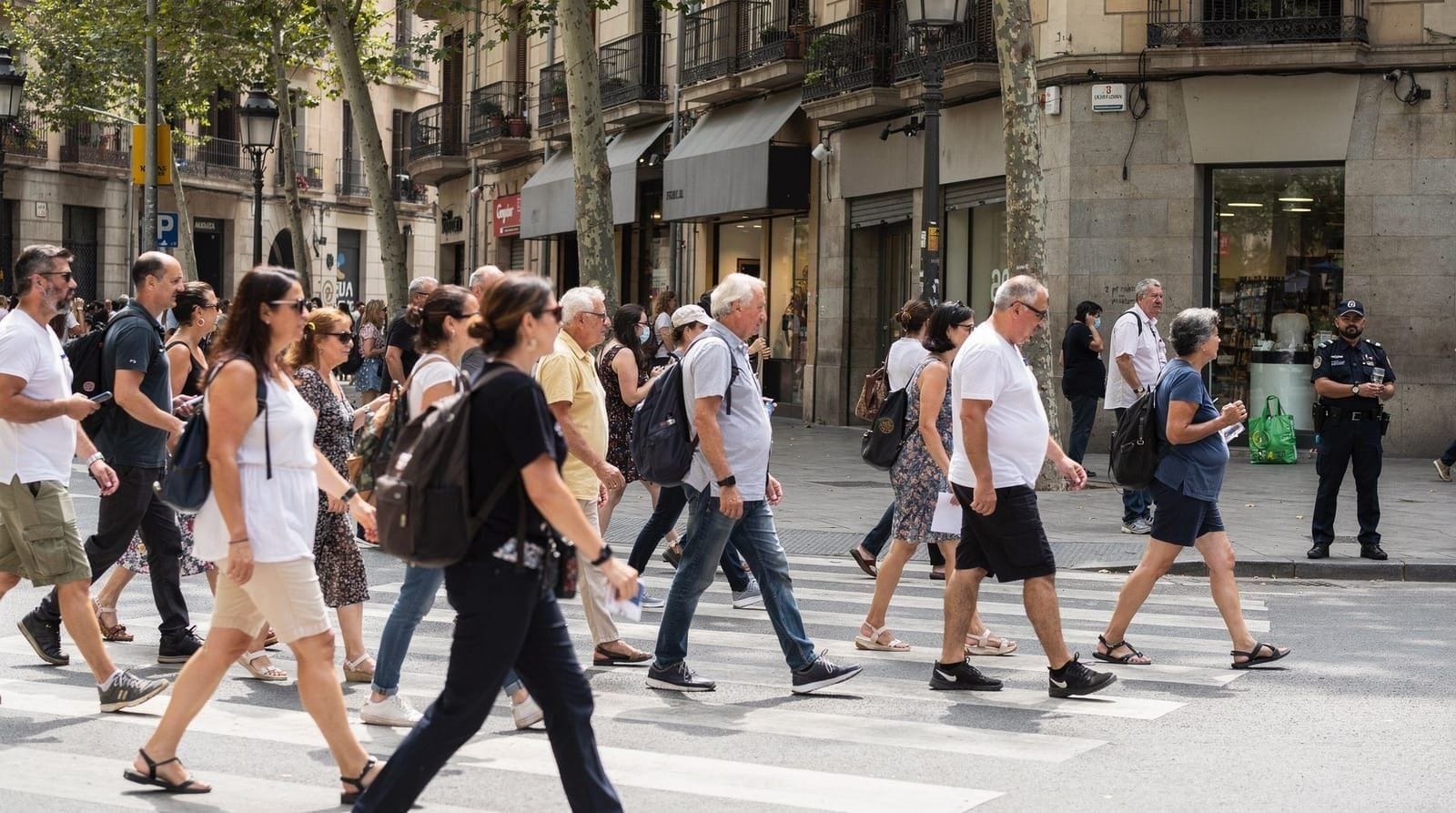
Free walking tours are the classic meeting-people activity for solo travellers and Barcelona has several good options. The tours are tip-based (guide decides at the end), cover the Gothic Quarter or the Eixample, and are mixed enough in age and nationality that you’ll almost certainly end up talking to someone. Start times are typically 11am from Plaça de Catalunya or Plaça Reial.
Cooking classes in El Born or Gràcia are a more immersive option — two to three hours cooking with a group of eight to twelve people produces the kind of conversation that walking alongside strangers doesn’t. Our cooking classes guide compares the main options and prices (€65–95 per person).
Language exchanges — Spanish or Catalan practice — happen in bars across the city on weekday evenings. Organically, the hostel bar is the most reliable meeting point for other travellers.
Transport is easy solo
Public transport is very straightforward for solo travellers. The T-Casual card (€13 for 10 trips) works for metro, bus, and trams. The Citymapper app covers Barcelona well and includes real-time transit information. For day trips, the Renfe regional train network (used for Sitges, Montserrat, and the Penedès wine country) sells tickets on the day at the station and is reliable.
Taxis are metered and honest; the official Taxi Barcelona app is the safest way to book. Bolt also operates in Barcelona. Our getting around Barcelona guide covers all the options.
Free vs paid activities: the solo budget
Going solo means paying single rates for everything, so budget matters. The good news is Barcelona has a lot of genuinely good free content:
- Bunkers del Carmel viewpoint: free
- Most of Park Güell outside the Monumental Zone: free
- La Boqueria and Mercat de Santa Caterina: free to browse
- Barceloneta beach: free
- Magic Fountain shows (Thu–Sun evenings): free
- Cathedral interior (morning hours): free
- Santa Maria del Mar basilica: free
Paid must-dos: Sagrada Família (€26+), Picasso Museum (€15), and whichever Modernisme interior you choose (Casa Batlló from €29 or La Pedrera from €25). Budget €70–90 per day total for a solo traveller including accommodation, food, transport, and one major paid sight — or €50–60 if you’re genuinely budget-focused. Our Barcelona on a budget guide goes deeper on this.
Day trips solo
Montserrat is excellent solo — the mountain monastery, the hiking trails, the cable car or rack railway up — and the Renfe train from Plaça Espanya takes about an hour. A full day trip works well solo because there’s enough to do independently. Our Montserrat day trip guide covers the logistics.
Sitges is another easy solo day trip — a 35-minute train from Passeig de Gràcia, known for good beaches, an old town, and a notably LGBTQ+ friendly atmosphere (see below). The Sitges day trip guide covers beaches and the town in detail.
LGBTQ+ Barcelona
Barcelona is one of Western Europe’s most LGBTQ+ welcoming cities. The main LGBTQ+ district is the Eixample Esquerra (left Eixample, west of Passeig de Gràcia) — locally nicknamed “Gayxample” — with a dense concentration of bars, restaurants, clubs, and shops. The area around Carrer del Consell de Cent and Carrer de Muntaner is the core.
Public displays of affection are entirely normal throughout the city; Barcelona’s social culture is open. Sitges (day trip from Barcelona) has an internationally known LGBTQ+ scene and is particularly welcoming. Pride (June) is a large event with events across the city.
Useful apps for solo Barcelona
- Citymapper: best for real-time transit navigation
- Google Translate with Catalan: note that in Barcelona, Catalan is the first language; Spanish is also understood everywhere, but making the effort with basic Catalan phrases (“gràcies,” “bon dia”) is appreciated
- eSIM options: Airalo or Holafly offer affordable data plans for Spain if you don’t want to pay roaming; essential for maps and navigation as a solo traveller
Barcelona runs late. Arriving at a restaurant at 8pm is early; most places fill up from 9pm. If you’re used to earlier European timings, give yourself a couple of days to adjust — once you align with the local rhythm, the evenings open up considerably.
A solo evening that works well
Start with vermut in Poble-sec around 7pm, standing at the bar with a small plate. Walk to El Born for a proper tapas dinner around 9pm — sit at the counter, order two or three dishes, and let the conversation with the bartender or your neighbours happen naturally if it wants to. Finish with a drink on a Passeig del Born terrace before heading home. None of it requires a booking, a plan, or another person, and all of it is genuinely enjoyable done alone.
FAQ
Is Barcelona safe for solo female travellers? Yes, generally. Violent crime affecting tourists is rare; the real risk is petty theft (pickpocketing, bag snatching) in crowded spots like La Rambla and Barceloneta beach. Walking alone at night in most neighbourhoods, including El Born and Gràcia, is fine — standard city awareness is all that’s needed.
What’s the best neighbourhood to stay in as a solo traveller? El Born is the strongest default — central, walkable to the main sights, safe, and full of independent bars and cafés where solo dining feels completely normal. Gràcia is a close second if you want a quieter, more residential feel.