Spring in Barcelona: why April and May are the best months
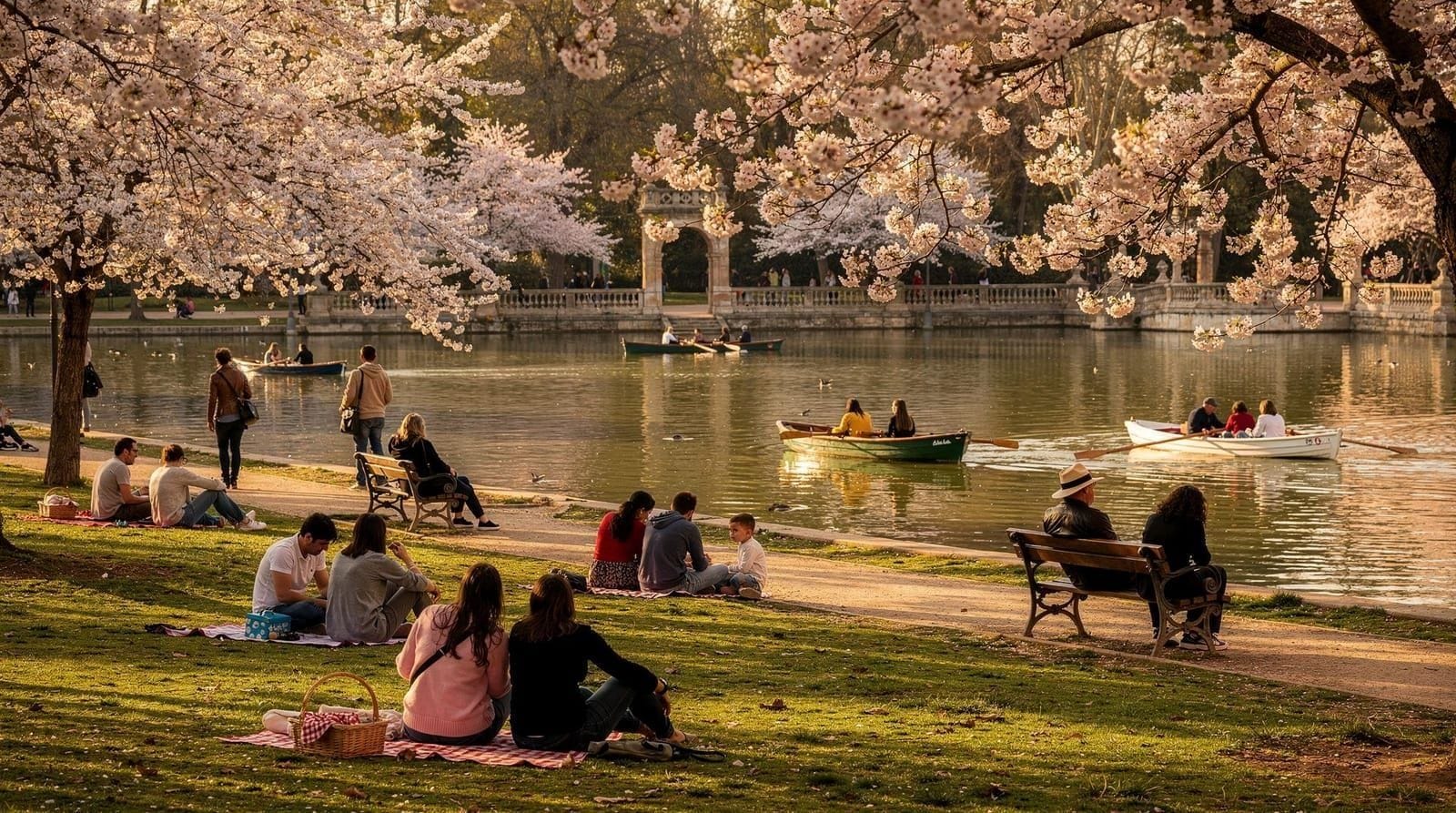
Ask Barcelonins when to visit their city and most of them will say spring. April and May hit the right balance with unusual precision: long days, comfortable temperatures, affordable hotels, manageable crowds at the major sights, and the best local festival of the year squeezed into a single April afternoon. For first-time visitors with flexibility over their dates, spring is the honest answer.
| Temperatures | April 15–19°C days, May 18–23°C days |
| Rain | Around 6–8 rainy days/month, short showers |
| Hotel prices | 30–40% below July–August peaks |
| Key date | Sant Jordi, April 23 |
| Booking lead time | 4–6 weeks for Sagrada Família vs 8–12 in summer |
The weather case for April and May
April in Barcelona averages 15 to 19°C in the daytime, dropping to around 9-11°C at night. May pushes that up to 18 to 23°C, with evenings comfortable in a light jacket but no longer cold. Rainfall is possible in both months — spring is technically Barcelona’s rainiest season, which requires context: the city gets about 65mm of rain in April and 55mm in May, spread across six to eight rainy days each month. These are short Catalan showers rather than sustained downpours, and sunny days comfortably outnumber wet ones.
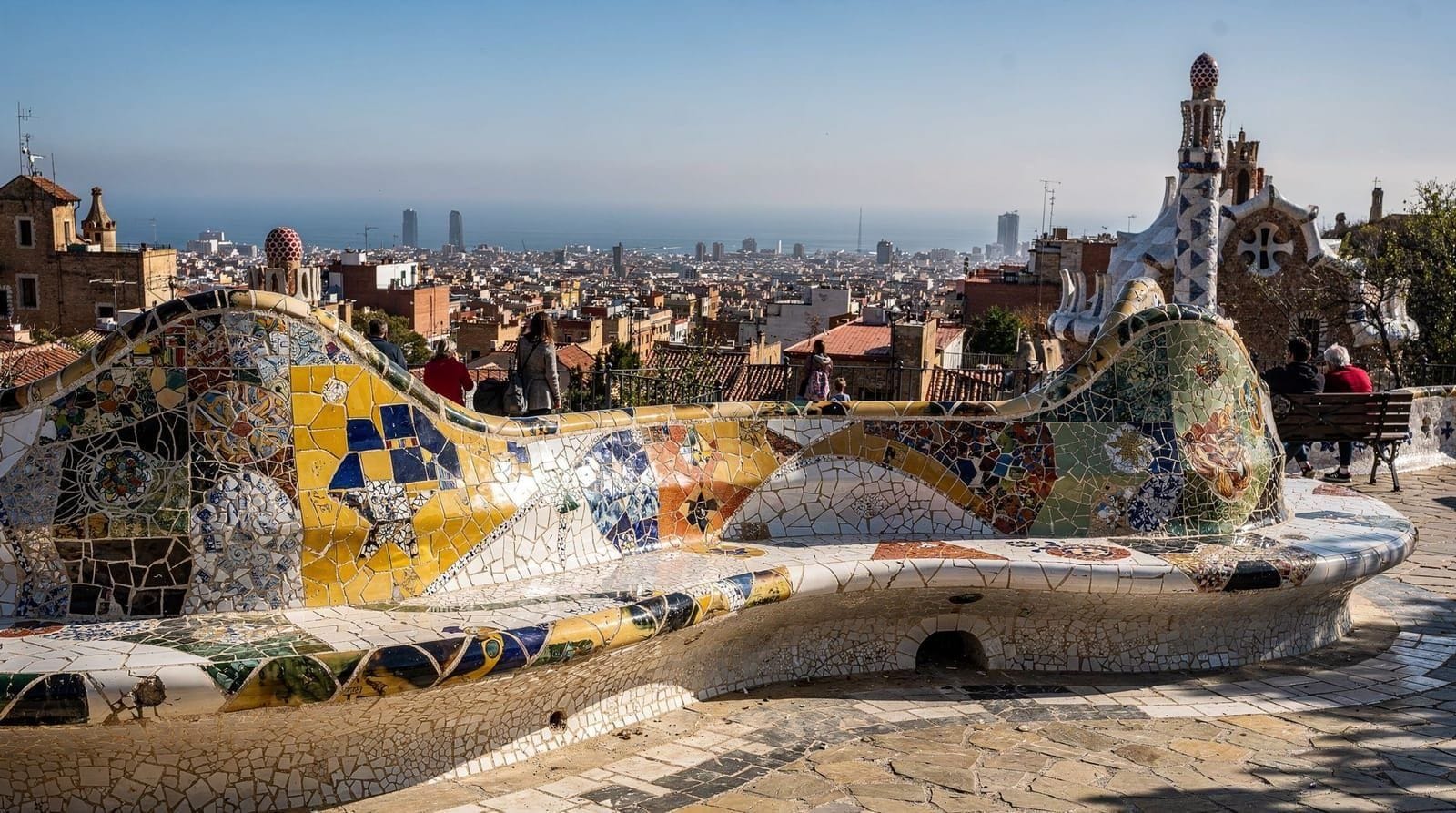
The practical result: you can sit on a terrace in April most of the day without sunscreen anxiety, walk the Gothic Quarter for four hours without overheating, and visit Park Güell without feeling like you’re viewing the mosaics through a sauna. By July, the same midday walk is a feat of endurance.
What you lose compared to summer: the beach temperature is still cool in April (around 16-17°C in the sea) and only warming up in May (18-19°C). Barceloneta beach is pleasant for a walk and for sitting in the sun, but cold for casual swimming until late May or early June.
Sant Jordi: the day worth planning around
April 23 is Sant Jordi — the feast of Catalonia’s patron saint — and it is the most genuinely local major festival day in Barcelona. Booksellers and flower vendors set up along La Rambla, Passeig de Gràcia, and dozens of other streets and squares across the city. Men traditionally give women roses; women give men books; increasingly, everyone gives everyone books and roses. The streets fill from mid-morning, the smell of roses is extraordinary, and the whole city moves through it at a slow, cheerful pace.
The Sant Jordi post covers the day in full detail — where to walk, when to go, what to expect. But the headline for planning purposes is this: if you have any flexibility and you want one day in Barcelona that feels like the real city rather than the tourist city, time your visit around April 23.
Easter week (Semana Santa) falls somewhere in March-April depending on the year, and brings processions through the Gothic Quarter that are atmospheric and worth seeing. The Friday procession in particular, with its traditional images of Christ and the Virgin, is a reminder that Catalonia’s relationship to Catholic tradition is complicated but present.
What’s open and how crowded is it
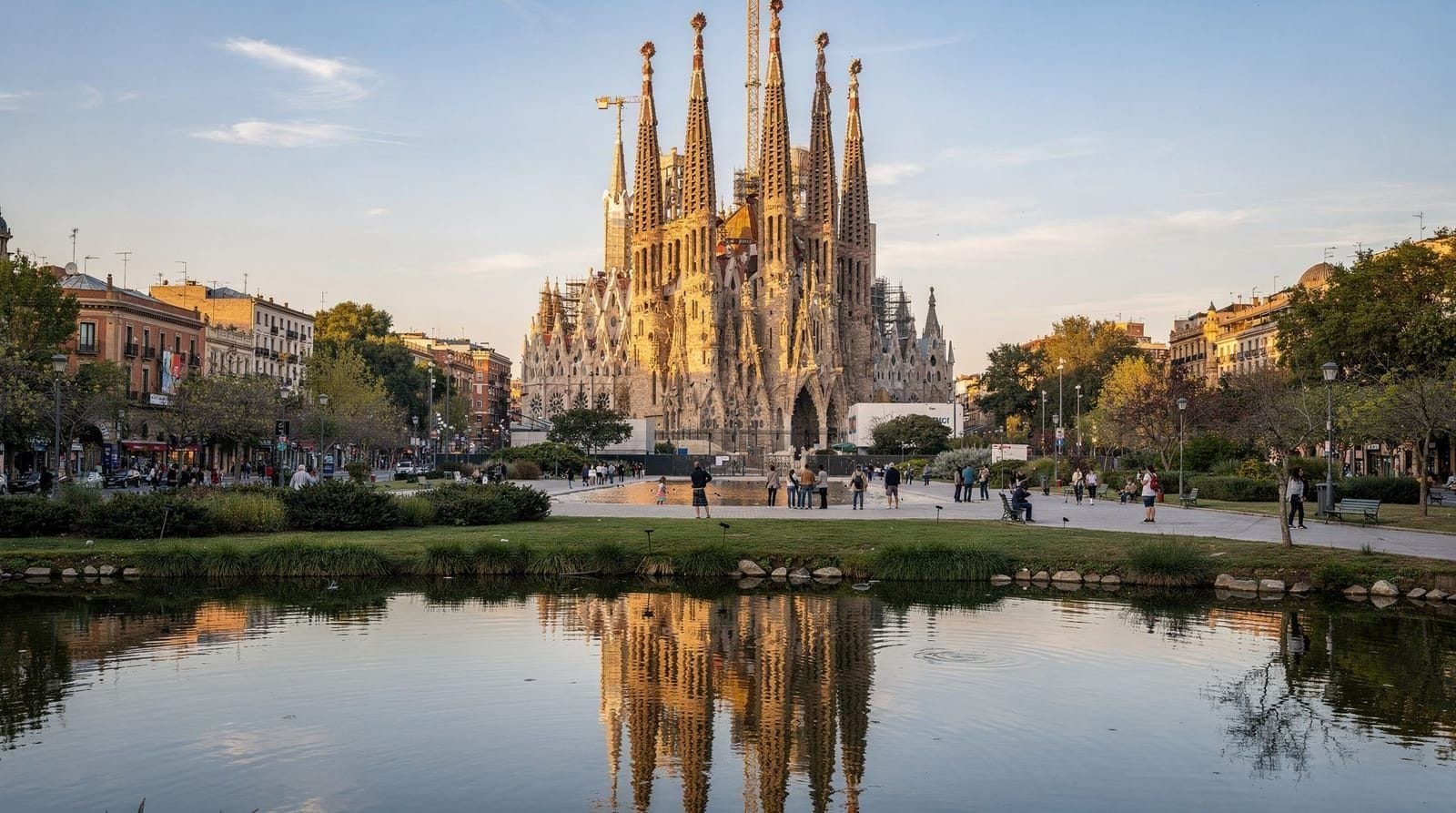
The spring season at Barcelona’s major attractions has improved significantly in recent years — nearly everything that’s open in summer is open from March onwards. Sagrada Família runs full opening hours from April; Casa Batlló and La Pedrera similarly.
The critical practical difference from summer: you can book Sagrada Família four to six weeks in advance in spring and find available slots, compared to eight to twelve weeks minimum in summer and significantly more in 2026’s centenary year. Park Güell’s ticketed Monumental Zone still needs advance booking but is more manageable. The Gaudí trail through the main works is best undertaken in spring when each site requires less clock-watching anxiety.
The Picasso Museum in El Born often has same-day or next-day tickets available in April, which is functionally impossible in August. The Joan Miró Foundation and MNAC are similarly accessible without the desperate advance planning of peak season.
Neighbourhoods for slow walking
One of spring’s unacknowledged pleasures in Barcelona is that the neighbourhoods can be walked properly. In August, La Rambla is a human river flowing in both directions; in April, it’s busy but navigable. The lanes of El Born are reachable without sideways shuffling. Gràcia — the neighbourhood of squares and terraces north of the Eixample — is at its best in spring, when its residents are back on the outdoor terraces without summer’s overwhelming tourist overlay.
May in particular invites the kind of aimless neighbourhood walking that is actually what most people enjoy most about Barcelona. Pick a square in Gràcia — Plaça de la Vila de Gràcia, Plaça del Sol, Plaça de la Virreina — and sit at an outdoor café for an hour. Order something and watch. This is available in summer too, but it’s more pleasant in the spring light.
Poblenou is worth dedicating a spring afternoon to: the old industrial neighbourhood north of Barceloneta has transformed into a creative district over the past decade, with galleries, converted factory cafés and independent restaurants that haven’t yet reached the visitor radar the way El Born has. A spring morning on the nearby Bogatell beach followed by lunch in Poblenou is a good day.
What to pack
Light layers are the key principle. The days can feel warm enough for a t-shirt by midday but the mornings are genuinely cool, and the sea breeze off the waterfront has an edge to it even when the air temperature seems mild. A lightweight packable jacket is useful. A light rain layer is worth carrying — the April showers are short but can arrive fast.
Comfortable walking shoes are always non-negotiable in Barcelona, which is harder on feet than it looks due to the cobblestones in the old city and the long distances between sights on the Eixample grid. May makes the walking even more tempting because the light and temperature are so pleasant — budget more time than you think you need.
Hotel prices and booking timing
Spring hotel prices are typically 30 to 40 percent below their July-August peaks. A hotel in the Eixample or El Born that costs €180-220 per night in August often comes in at €110-140 in April. The savings across a week are significant, and the quality differential is in spring’s favour in terms of experience.
The sweet spot for booking: six to eight weeks ahead of your April or May trip, with more flexibility in April than May (as May, especially its second half, is increasingly popular). Last-minute deals in April are not unheard of, unlike in summer when the city runs near-full occupancy.
The where to stay in Barcelona guide covers the neighbourhood trade-offs in detail — the choice between the tourist-central Gothic Quarter, the Modernisme grandeur of Eixample, and the increasingly popular El Born-Poblenou corridor.
Montserrat in spring wildflowers
The 50-kilometre trip to Montserrat in spring rewards with something that summer doesn’t offer: the mountain covered in flowering herbs, wild orchids and the small, tough plants that cling to the rock faces at altitude. The scrubby garrigue comes to life in April and May, and the trails smell of rosemary and thyme.
The Montserrat day trip guide has the full transport and logistics breakdown — FGC train from Plaça Espanya, rack railway up, combined ticket around €30. In spring, the trails above the monastery are cool enough to hike comfortably, and the views from the Sant Joan path include wildflower-covered slopes that look nothing like the summer-dry mountain.
Spring is also when the Penedès wine country emerges from winter — vines are budding, cellar tours are running fully, and the landscape between Sant Sadurní d’Anoia and Vilafranca del Penedès is greener than at any other time of year.
The complete seasonal case, with honest month-by-month comparisons, is in the best time to visit Barcelona guide. The conclusion there, as here, is the same: if you’re choosing freely, spring is the answer.
April or May: which to choose
| April | May | |
|---|---|---|
| Daytime temp | 15–19°C | 18–23°C |
| Sea temp | 16–17°C, cold | 18–19°C, still cool |
| Sant Jordi | Yes, April 23 | No |
| Crowds | Lower | Rising, especially late May |
| Booking lead time | More flexible, last-minute deals possible | Book 6–8 weeks ahead |
If Sant Jordi or slightly lower prices matter more, choose April. If warmer evenings and a better shot at comfortable beach weather matter more, choose May.
A short beach and day-trip escape
Spring is also a good window for the Costa Brava’s best beaches — quieter than summer, with the coastal towns still easy to navigate. Closer to the city, an autumn in Barcelona comparison shows how the two shoulder seasons differ if your dates could stretch either way.
FAQ
Is April or May better for visiting Barcelona? Both are excellent. April is slightly cooler, has lower prices and includes Sant Jordi on the 23rd; May is warmer with better odds of comfortable outdoor evenings, but prices and crowds start climbing, especially in the second half of the month.
Can I swim in the sea in Barcelona during spring? Technically yes, but it’s cold — around 16–17°C in April and 18–19°C in May. Most visitors wait until June for comfortable swimming; spring is better suited to walking the beach and sitting on the sand than actual swimming.