Barcelona in September: La Mercè festival 4-day itinerary
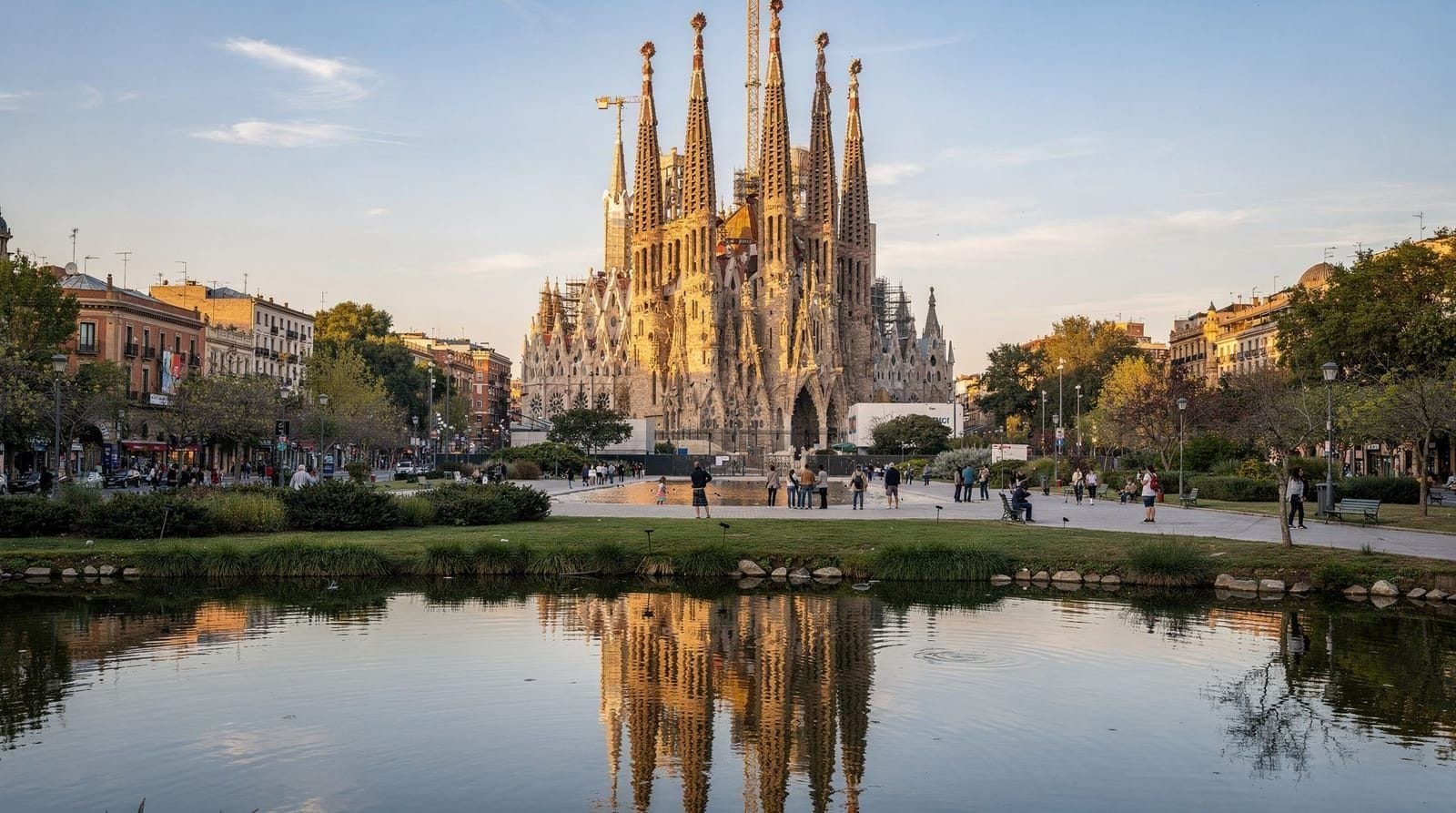
Barcelona: Sagrada Família skip-the-line ticket with audio guide
Duration: 2 hours
- Free cancellation
- Instant confirmation
La Mercè: Barcelona’s best festival
La Mercè (La Mercè, pronounced mer-SEH) runs September 23–27 each year and is the city’s patron-saint festival — four days of almost entirely free outdoor events that have no equivalent in any other major European city. The programme includes classical concerts in the courtyard of the MNAC, free outdoor cinema in Parc de la Ciutadella, sardana dancing in Plaça de Sant Jaume, castellers (human towers reaching 9 storeys high) outside the City Hall, and the correfoc (fire run) — a procession of fire-breathing devils and giant dragon figures through the Gothic Quarter streets while participants run through the sparks.
September is also the best month for weather: the sea temperature peaks at 24°C (warmer than June), the summer tourist volume has dropped 15–20%, hotel prices have fallen from their July–August peak, and the light has the particular amber quality of early Mediterranean autumn. The combination of the festival and the ideal weather makes September 23–27 arguably the best single week to visit Barcelona.
Booking for La Mercè:
- Sagrada Família: book 3–6 weeks ahead (demand remains high in late September)
- Park Güell: book 1–2 weeks ahead
- Hotel: book 6–8 weeks ahead — La Mercè week is the last surge of the tourist season and central hotels fill quickly
- Festival events: all free, no booking required except Grec Theatre productions (separate festival)
| Best for | Festival lovers, culture seekers, best-season visitors |
| Pace | Full — festival events layer on top of the usual sightseeing days |
| Daily budget | Around €80–110/person; most festival events are free |
| Getting around | Metro and walking; several streets close to traffic during the festival |
| When | September 23–27 exactly, every year |
Day 1: Arrival, Barceloneta and first festival events
Morning: Barceloneta beach (final warm sea swim)
Arrive in Barcelona and check in. Take metro L4 to Barceloneta for a morning swim. The sea at 24°C in late September is the warmest of the year — significantly warmer than May or June — and the beach has fewer families than August, replaced by a mix of locals enjoying the last warm days and savvy festival visitors.
See our Barceloneta beach guide for the beach strip layout and the water-quality information. The beach is clean and lifeguarded until the end of September. For food on or near the beach: La Cova Fumada (Carrer del Baluard 56, Monday–Saturday 09:00–15:00, cash only) for the original bomba and grilled fish; El Vaso de Oro (Carrer de Balboa 6) for tapas and cold beer.
Afternoon: El Born and festival programme survey
Walk from Barceloneta through the fishing-village streets of Barceloneta into El Born. Collect the La Mercè programme from the City Hall tourist office (Plaça de Sant Jaume) or download the app (bcn.cat/lamerce) to plan which events to prioritise over the four days. The full programme has 600+ events; the ones most accessible to visitors without Catalan are:
- Correfoc (fire run): the headline dramatic event; Saturday night of festival week
- Castellers (human towers): Sunday afternoon at Plaça de Sant Jaume; also scattered throughout the week
- Gegants (giant puppet processions): Saturday morning parade through the old town
- Free outdoor concerts: major stages at Parc de la Ciutadella, Parc del Fòrum and scattered plazas throughout the city — local artists on the smaller stages, international names on the main stages
- Sardana: the Catalan circle dance, performed in public squares — Plaça de Catalunya typically has several sessions during La Mercè week
See our castellers guide and sardana guide for the cultural background.
Evening: La Mercè opening concert
The festival typically opens on September 23 with a free outdoor concert at a central location (Parc de la Ciutadella amphitheatre or Plaça de Sant Miquel, adjacent to the City Hall). Check the programme the week before travel. The opening events draw local crowds rather than tourist crowds — a good introduction to the character of the festival.
Dinner in El Born: El Xampanyet (Carrer de Montcada 22, opens 19:00) for cava and anchovies; or walk to Bar Brutal (Carrer de la Princesa 14) for natural wine and plates before heading to the evening concert.
Day 2: Sagrada Família, Eixample and sardana
Morning: Sagrada Família
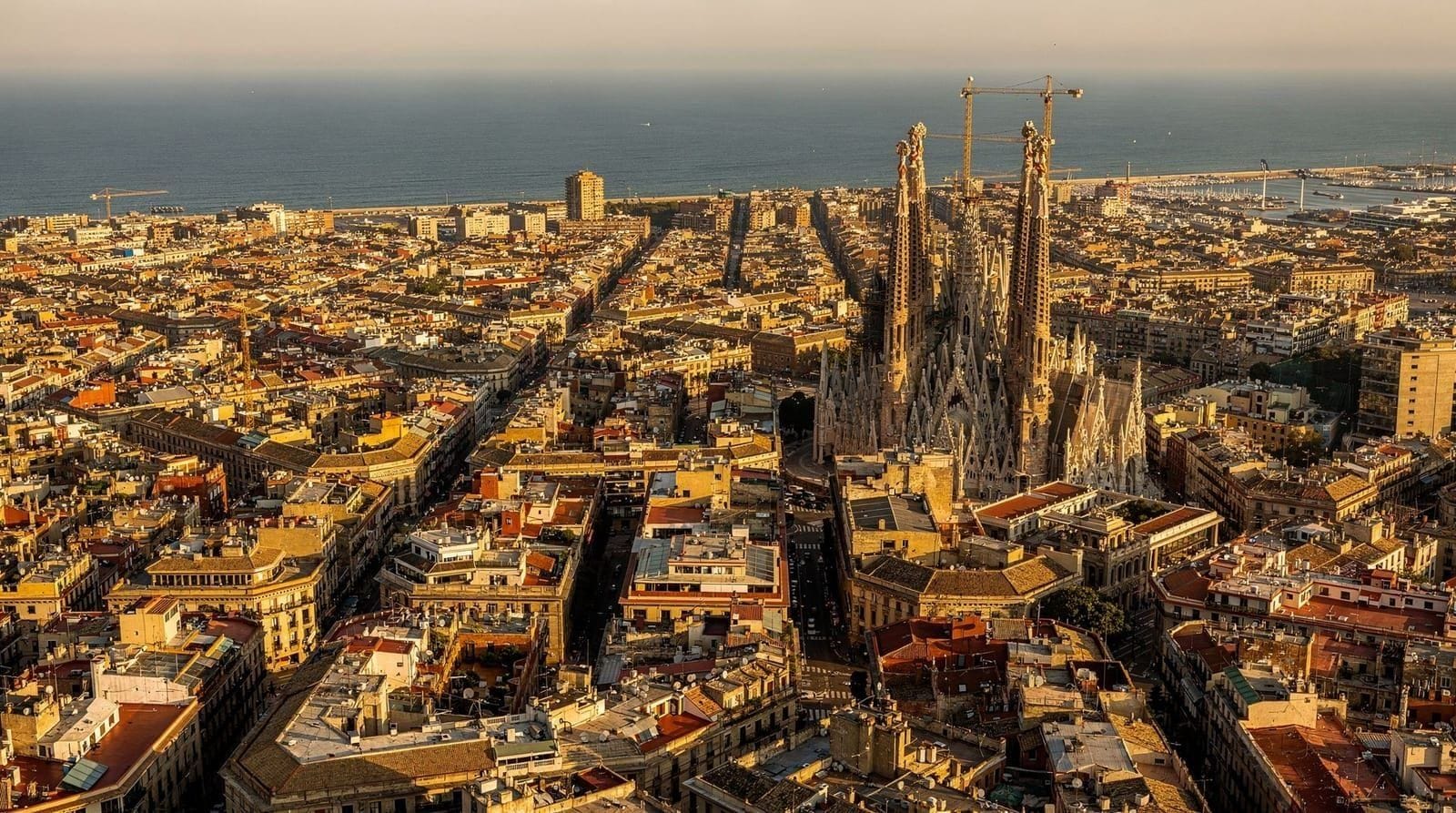
Book the 09:00 slot (€33–46, book 3–6 weeks ahead for late September). The September visit has specific advantages: the afternoon light quality is different from summer, the crowds are lighter than July–August, and the completion of the Sagrada Família’s central tower lantern is visible in the skyline context you approach from the metro.
See our Sagrada Família guide and booking guide for the full briefing. For La Mercè week, check sagradafamilia.org for any centenary events scheduled during the festival — in 2026 (the Gaudí centenary year), some events are tied to the September-October period.
Midday: Passeig de Gràcia and Block of Discord
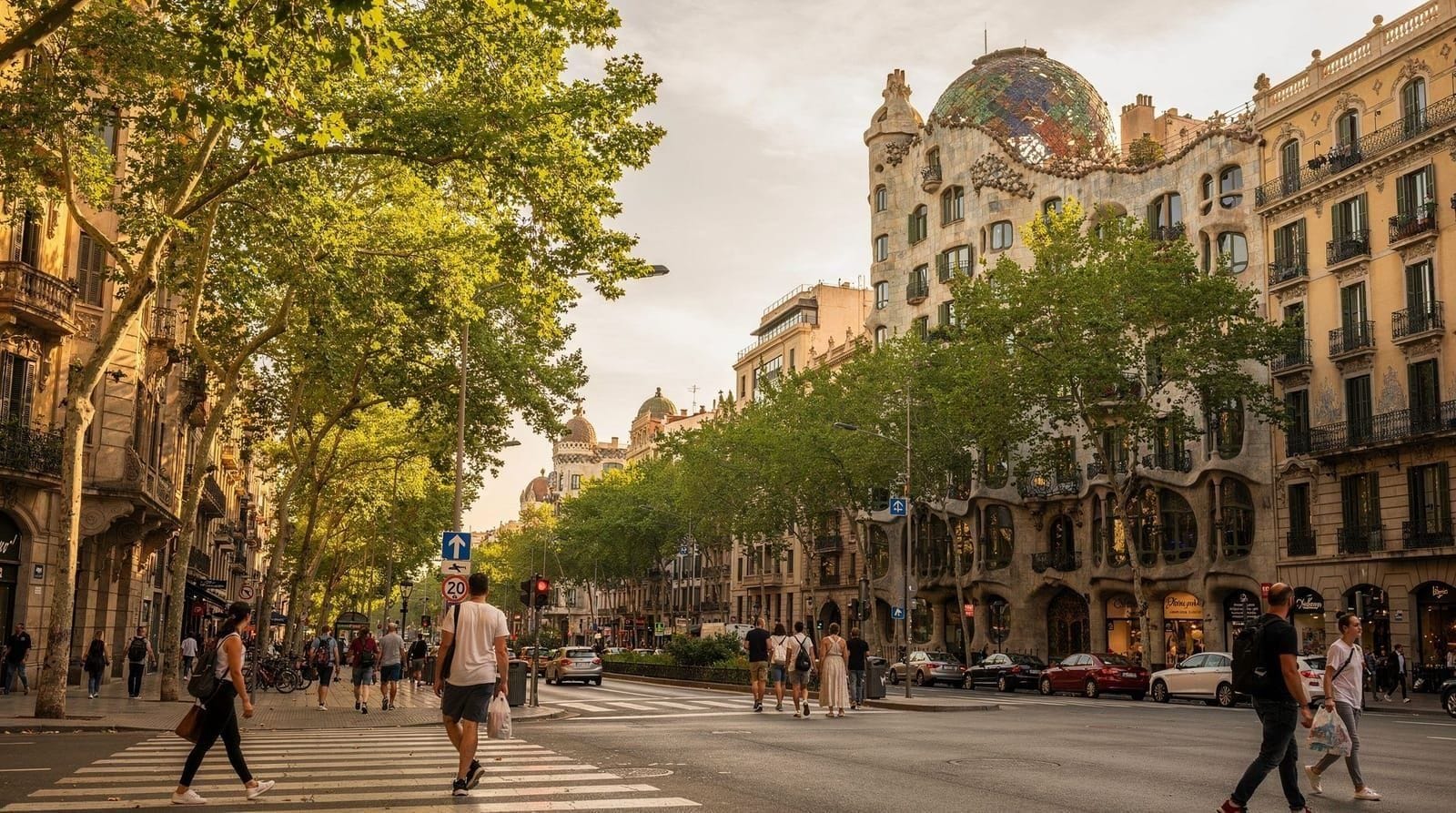
Walk south-west to Eixample and Passeig de Gràcia. September light on the modernisme buildings — the warm, directional amber light that northern Europeans associate with “Mediterranean autumn” — is the best of the year for street photography of the Block of Discord facades. Casa Batlló (€29–53, book 1–2 weeks ahead; La Batlló’s rooftop is at its most spectacular in late-September light).
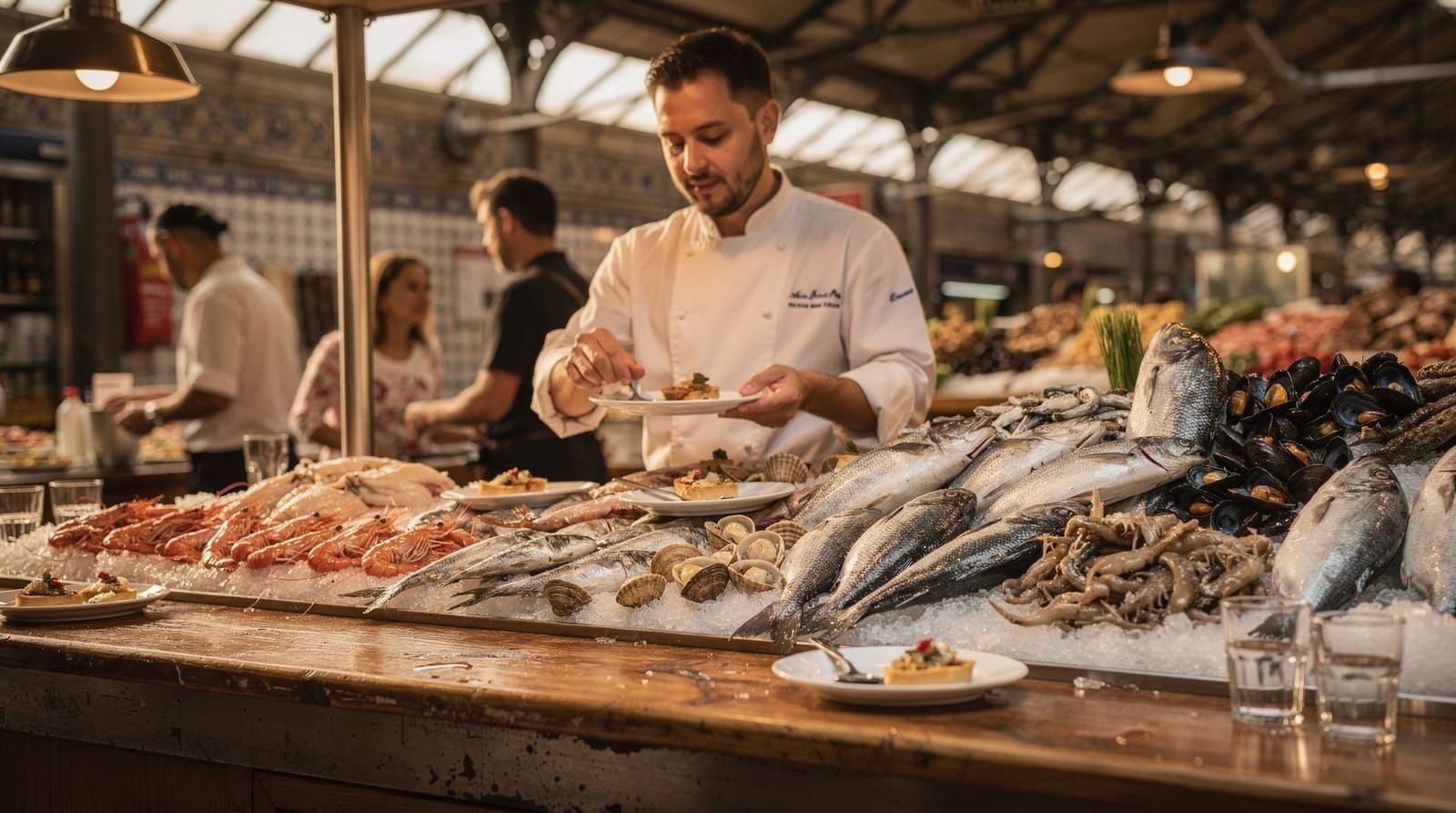
Lunch: Cervecería Catalana (Carrer de Mallorca 236, opens 13:00). September menus include the early autumn mushrooms (bolets) and the transition-season dishes that are not available in summer: braised white beans with botifarra, late-summer tomato salads, the first mussels of the new season.
Afternoon: Gràcia neighbourhood and sardana
Take metro L3 to Fontana and walk to Gràcia. During La Mercè week, Gràcia hosts neighbourhood-level festival events — sardana sessions in the squares, local gegants walking the streets — distinct from the main programme but often more intimate.
The sardana (Catalan national dance) is performed in a circle, holding hands; anyone can join, and the steps are learnable in 10 minutes. Festival sardana sessions at Plaça de Catalunya and Plaça de Sant Jaume are the most accessible. See our sardana guide for the origin, the music and the protocol for joining. The sardana is one of the cultural experiences most foreign visitors miss — it is simultaneously ancient, strange and immediately moving when you see a hundred people in a circle in the middle of the city, dancing without hurry.
Evening: free concert at Parc de la Ciutadella
Check the La Mercè programme for evening concerts at Parc de la Ciutadella. The park’s open-air stage typically hosts major performances from 21:00; the surrounding lawns fill with Barcelona families and young people. Entry is free; arrive by 20:00 if you want a good position.
Dinner before the concert: Bar del Pla (Carrer de la Montcada 2, El Born) at 19:00, or grab tapas from the temporary La Mercè market stalls set up around Plaça de Sant Jaume during the festival.
Day 3: Park Güell, castellers and the correfoc
Morning: Park Güell
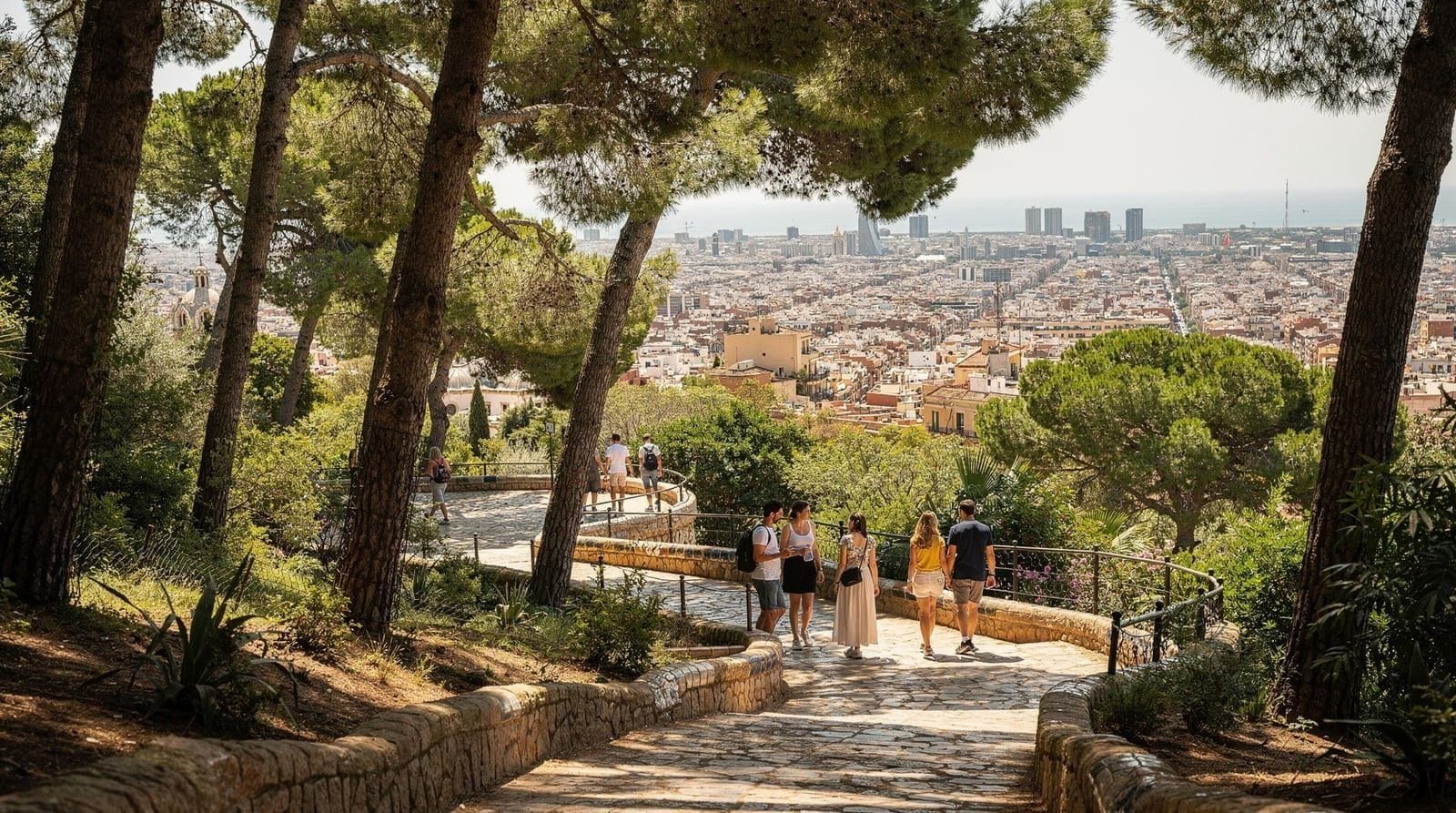
Metro L3 to Vallcarca, 10 minutes uphill, Monumental Zone 09:00 or 10:00 slot (€13, book 1–2 weeks ahead; La Mercè week slightly busier than other September weekends but nothing like summer). September at Park Güell: the mosaic terrace in September morning light, with the city behind it in the warm haze, is the definitive photograph. See our Park Güell free vs paid guide.
After the Monumental Zone, walk the free sections: the forested terraces east of the entrance, the Calvary hill viewpoint (20-minute walk from the main terrace, highest point of the public park, views of the Pyrenees on clear September mornings). Then walk downhill to Gràcia for lunch.
Midday: castellers at Plaça de Sant Jaume
During La Mercè, the main castellers competition and display takes place at Plaça de Sant Jaume (adjacent to the City Hall and the Generalitat) on the Sunday afternoon of the festival week (September 27 or 26 depending on the year’s calendar). If your Day 3 falls on that Sunday, adjust the timing: head to Plaça de Sant Jaume by 11:30 to secure a good position; the castellers typically begin at 12:00 and last until 14:00.
The castellers (human towers) are one of the defining cultural expressions of Catalonia — teams from different towns and districts competing to build the tallest and most complex human tower. Towers of 8–10 storeys are built and dismantled; the smallest child (the enxaneta) climbs to the top and raises a hand to signal completion. See our castellers guide for the team structure and the classification of tower types. Entry is free; the square fills to capacity, so arrive early.
Lunch after the castellers: Cafè de l’Acadèmia (Carrer dels Lledoners 1, Gothic Quarter, opens 13:30) for a post-castellers Catalan lunch, or the surrounding Gothic Quarter bars.
Afternoon: Gothic Quarter and free time
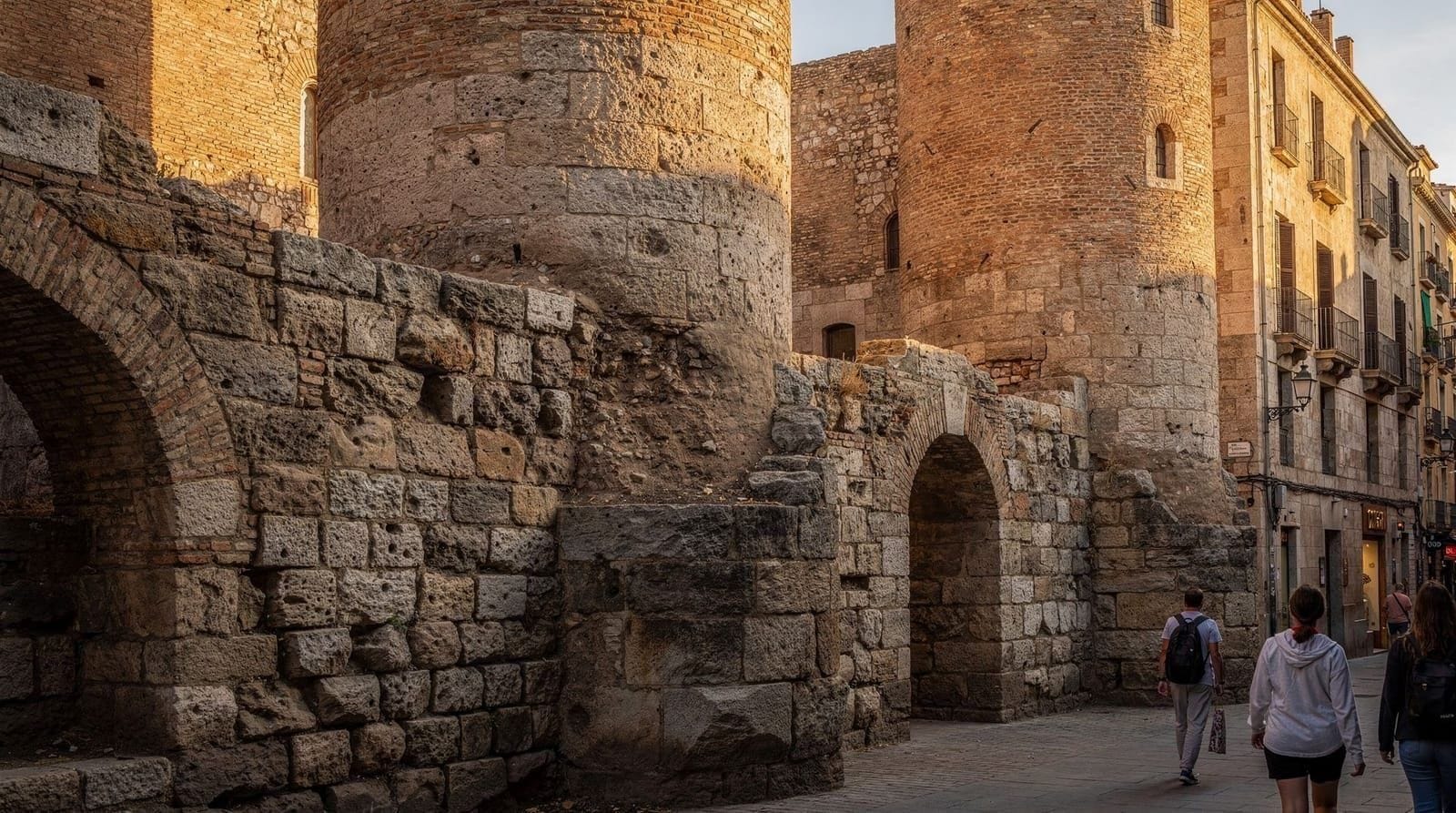
The afternoon of castellers day is typically unstructured. The Gothic Quarter streets during La Mercè are closed to traffic for the festival and fill with street performers, food stalls and temporary art installations. Wander the Plaça Reial, the Roman columns at the Centre Excursionista (free, weekday afternoons), the Cathedral cloister (free before 12:30 with donation suggested). The neighbourhood is at its most alive and least tourist-saturated during the festival.
For a guided context, a Gothic Quarter walking tour during La Mercè week gives the festival events a historical frame — your guide can contextualise the medieval roots of the castellers tradition and the sardana.
Evening: correfoc (fire run)
The correfoc is the most spectacular and unique event of La Mercè. Processions of people dressed as fire-breathing devils parade through the Gothic Quarter streets, carrying pitchforks with fireworks attached. Participants run through the sparks; spectators line the streets to watch. The noise is intense, the sparks are real, and the experience is unlike anything in Northern European festival culture.
Practical correfoc advice:
- Wear old clothes you don’t mind getting spark burns on
- Cover your hair and arms (a cotton hoodie and a cap or headscarf)
- Do not wear synthetic fabrics (they melt)
- Keep children close and at the edges of the crowds
- Earplugs recommended for children
- The procession typically moves from Passeig de Lluís Companys (Parc de la Ciutadella end) towards Plaça de Sant Jaume, starting around 21:30–22:00; check the year’s specific route on bcn.cat
After the correfoc, most bars in the Gothic Quarter and El Born are open until 03:00. Bar Marsella (Carrer dels Escudellers 65, opens 21:30) for a quiet drink away from the crowds; El Xampanyet for one last cava if it is still open.
Day 4: Montjuïc, Barceloneta and festival closing
Morning: Montjuïc
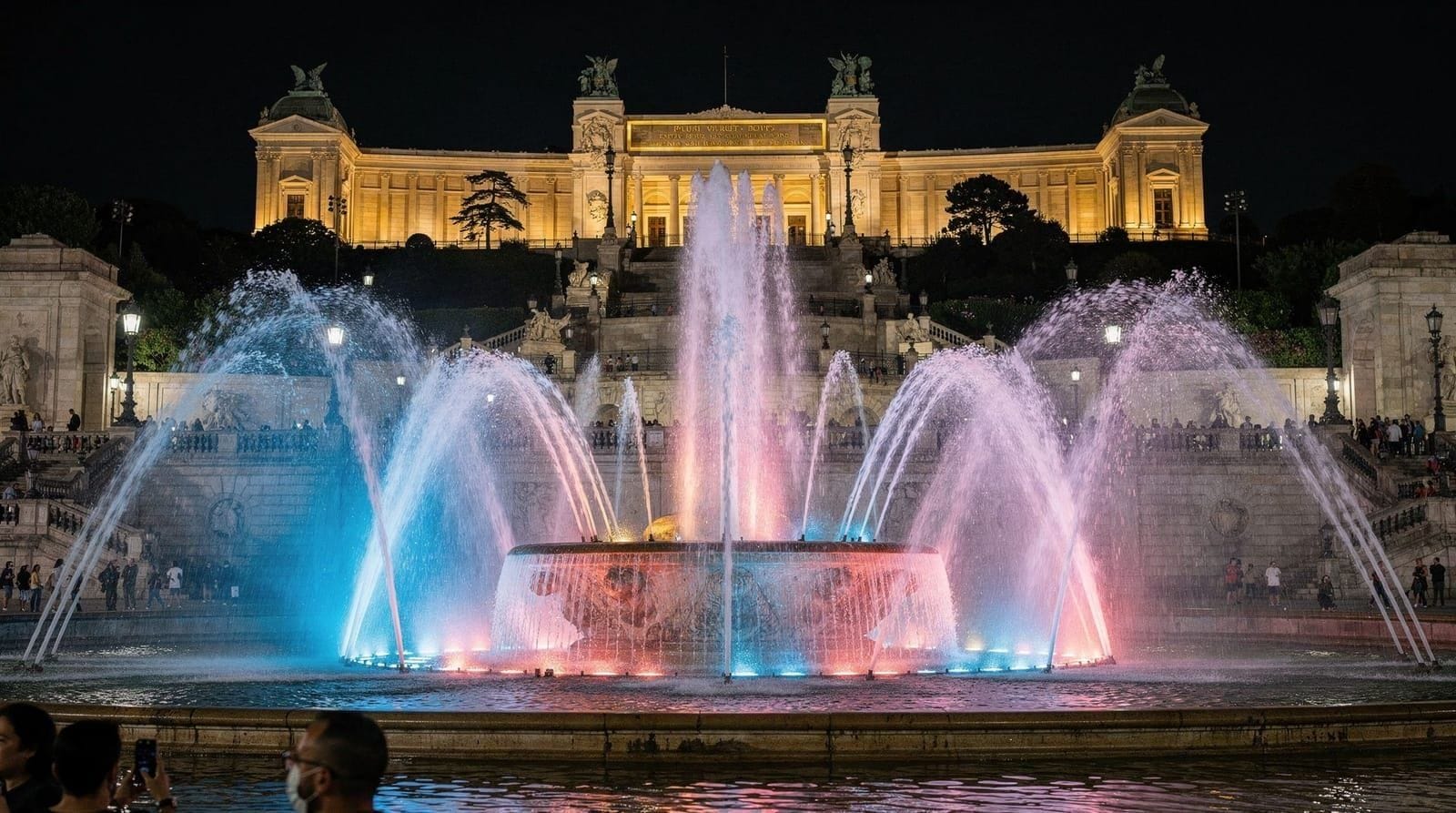
Take the funicular from Paral·lel (metro L3) to Montjuïc. September morning on Montjuïc hill: the Magic Fountain (Fuente Mágica) is illuminated Thursday–Sunday evenings 20:30–21:30, but the approach via the grand staircase from MNAC down to Plaça d’Espanya is beautiful in morning light. See our Magic Fountain guide.
During La Mercè, Montjuïc hosts several festival events including an outdoor film screening at the MNAC esplanade and sometimes a closing concert. Check the festival programme.
MNAC (opens 10:00, €12; free first Sunday and Saturday afternoons): the Romanesque art collection is the finest single reason to visit Montjuïc, and in September it is uncrowded even during festival week (visitors come for the outdoor events, not the museums). Allow 90 minutes minimum.
Midday: Barceloneta last swim
Final beach morning. Metro L4 to Barceloneta for a last swim in the 24°C Mediterranean. La Cova Fumada for lunch (closes 15:00) or El Vaso de Oro for standing-room tapas.
A sunset catamaran cruise from Port Vell (15 minutes’ walk from Barceloneta) makes a fitting penultimate activity: the 90-minute catamaran departs around 17:00–19:00 most days, with live music and drinks, and provides a Barcelona skyline view that sets the Sagrada Família against the waterfront and Montjuïc together.
Afternoon: La Mercè closing events
The festival closes on September 27 (the actual feast day of La Mercè) with several free events concentrated around the City Hall and the old town. The closing sardana, the last gegants parade and the final outdoor concert in Parc de la Ciutadella are typically held on the afternoon and evening of the 27th. The schedule is on bcn.cat.
If your trip ends before September 27, the festival events on September 23–25 are fully representative of the spirit. The correfoc (typically September 26 evening) is the unmissable highlight; everything else is context and bonus.
Evening: farewell dinner
September dinner in Barcelona should showcase the transitional season: the first autumn mushrooms (bolets) from the Pyrenean foothills, the late-summer peppers from the Llobregat valley, the grilled October-approaching cuttlefish. Restaurant recommendations by style:
- Neighbourhood Catalan: Bodega Celler Cesc (Carrer de la Diputació 201, Eixample) — natural wines, seasonal Catalan dishes, honest pricing
- Seafood: Can Solé (Carrer de Sant Carles 4, Barceloneta, opens 13:30 and 20:30) — the city’s benchmark for genuine arròs negre (black rice) and fideuà; reservations essential for dinner
- Tasting menu: Moments (Passeig de Gràcia 38–40, Mandarin Oriental) for a Catalan haute-cuisine send-off; book 2–3 weeks ahead
Where to base yourself for easy access to festival events
Most La Mercè events cluster around the old town — Plaça de Sant Jaume, the Gothic Quarter streets and Parc de la Ciutadella are all within a 15-minute walk of each other. Staying in El Born or the Gothic Quarter itself puts you at the centre of the action, useful for a late correfoc night without a long metro ride home. Eixample is a reasonable alternative if you’d rather have a quieter base and take the metro in for events — Passeig de Gràcia is only 10–15 minutes from Plaça de Sant Jaume by metro or on foot. Avoid staying directly on the correfoc route itself if you want a quiet night’s sleep; the noise carries well after the procession ends.
What if your dates don’t line up with La Mercè exactly
If your trip falls just outside September 23–27, the good news is that September itself is worth the visit regardless — the weather, sea temperature and lighter crowds hold for the whole month. Visitors arriving in early September should read our autumn in Barcelona piece for what the shoulder-season weeks either side of the festival look like. If you specifically want a big free event and can’t make La Mercè, the closest alternatives are Festa Major de Gràcia (mid-August, smaller and more neighbourhood-focused) or Primavera Sound (late May/early June, a ticketed international music festival rather than a free civic one).
Combining La Mercè with a day trip
Because most of this itinerary’s four days are festival-focused, it deliberately skips a day trip. Visitors staying a fifth or sixth day should consider Sitges (30 minutes by train, ideal in September’s still-warm weather) or Girona as an add-on — our Girona and Costa Brava day-trip guide covers the logistics. Both work well appended to either end of the festival days without disrupting the schedule above. If a Montserrat day trip appeals more than a beach or old-town add-on, note that the monastery and mountain are unaffected by the festival crowds in the city — it makes a genuinely calm counterpoint to four dense festival days, and the Escolania choir schedule runs as normal through late September.
is a good add if your festival days don’t happen to include a Thursday–Sunday Magic Fountain show — it guarantees you see it rather than leaving it to schedule luck.
La Mercè event schedule reference
| Date | Key events | Location | Time |
|---|---|---|---|
| Sep 23 | Opening concert, gegants parade | Plaça de Sant Jaume | 18:00– |
| Sep 24 | Sardana sessions, music stages | Parc de la Ciutadella, Plaça Catalunya | 12:00–, 20:00– |
| Sep 25 | Castellers (smaller displays), open museum night | Various | 12:00– |
| Sep 26 | Main gegants parade, correfoc | Old town streets | 10:00, 22:00 |
| Sep 27 | Main castellers, closing concert | Plaça de Sant Jaume, Parc de la Ciutadella | 12:00, 18:00 |
Exact times and locations vary by year. Check bcn.cat/lamerce for the current year’s full programme.
Frequently asked questions about La Mercè and September in Barcelona
Do I need to buy tickets for La Mercè events?
Most events are free with no booking required. A few events — some theatrical productions, the premium concert stages at Parc del Fòrum — have ticketed sections or preferred viewing areas. The castellers, correfoc, sardana sessions, gegants parade and most outdoor concerts are entirely free and open to all. Check bcn.cat/lamerce for any paid events in the current year’s programme.
Is the correfoc safe?
Yes, if you follow the guidelines. The sparks from the fireworks are real (steel filings, not hot enough to seriously burn but capable of marking synthetic fabrics and catching in hair). The correct dress is: old cotton hoodie with hood up, cap or headscarf, glasses if you have them, earplugs for children. Thousands of Barcelona residents run through the procession every year without injury. The spectator role (watching from the sides) is equally spectacular and requires no protective clothing. See our Catalan culture guide for the history of the correfoc.
How does September compare to other months for a first visit?
September is arguably the best month for a first visit: the sea is warmest (24°C), crowds are lower than July–August, prices are lower than peak, and La Mercè week adds a layer of authentic cultural experience with no entry cost. May is comparable for weather (slightly cooler, sea less warm) and lacks the festival but has lower hotel prices. See our best time to visit Barcelona for the full month-by-month comparison.
What should I know about the sardana before watching it?
The sardana is danced in a circle, holding hands, with steps that alternate short and long counts to a cobla (a Catalan wind and brass ensemble). It looks restrained from the outside but the internal complexity is significant — the count changes and the steps shift, requiring attention and memory. Spectators are welcome to join at the outer edge of any public sardana circle; the protocol is to ask the person next to you in the circle and enter between two people, not by breaking through. See our sardana guide for the full cultural context.
Are hotels much more expensive during La Mercè?
Yes, noticeably. La Mercè week (September 23–27) is one of the last peaks of the tourist season; central Barcelona hotels book up 6–8 weeks ahead, and rates run 20–40% above the standard September shoulder price. Book as early as possible. Alternatively, stay in Gràcia or Poble-sec (15–20 minutes by metro from the festival centre) for significantly lower rates. Our where to stay in Barcelona guide covers all neighbourhood options with price ranges.
Is La Mercè family-friendly?
Mostly yes, with one clear exception. The gegants parade, sardana sessions and daytime castellers are all family favourites — children are often as captivated by the human towers as adults are. The correfoc is the exception: the sparks, noise and crowd density make it unsuitable for young children, though older kids with proper covering and earplugs can watch from a safe distance at the edges. See our Barcelona with kids guide for which festival days to prioritise with a family.
Top experiences
Bookable activities with verified prices and instant confirmation on GetYourGuide.
Barcelona: Sagrada Família skip-the-line ticket with audio guide
- Free cancellation
- Instant confirmation
Barcelona: Park Güell guided tour with skip-the-line entry
- Free cancellation
Barcelona: 2-hour Gothic Quarter walking tour
- Free cancellation
Barcelona: Montjuïc Magic Fountain night tour
- Free cancellation
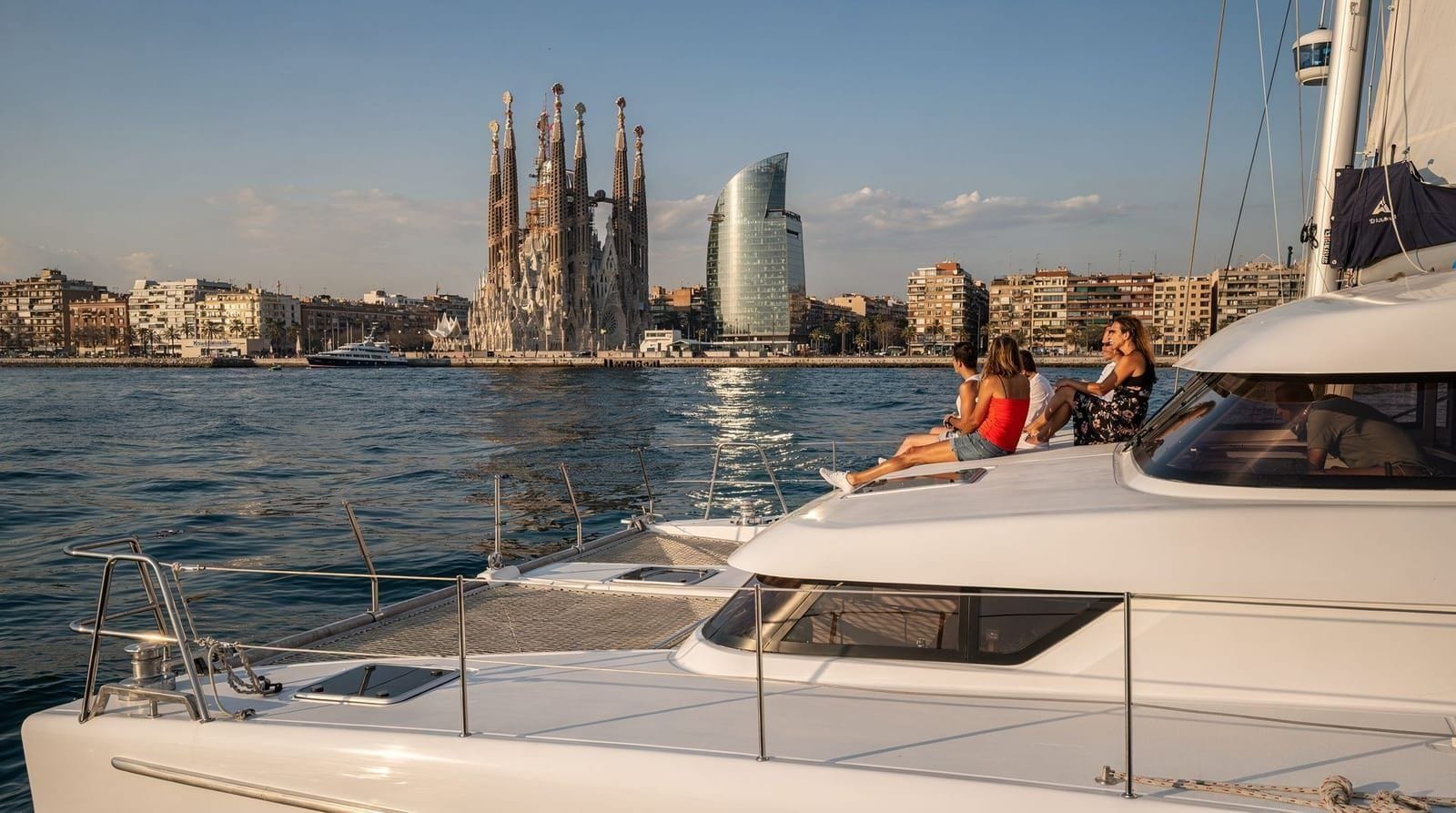
Barcelona: sunset catamaran cruise with live music
- Free cancellation
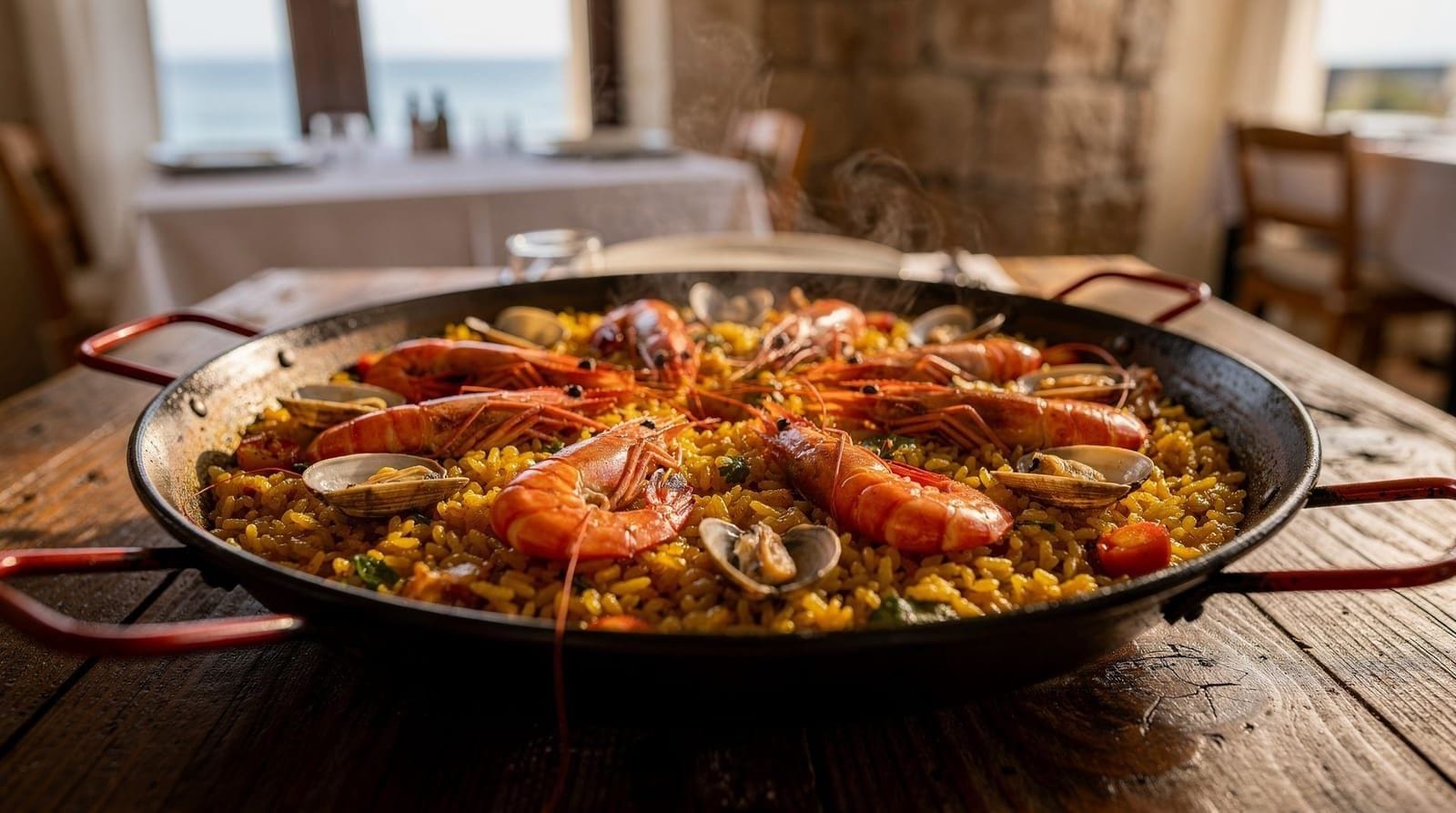
Barcelona: old town tapas & paella food tour with 8 tastings
- Free cancellation