Articket BCN: is it worth buying in 2026?
Barcelona: skip-the-line entry to 6 top art museums
Duration: Full day
- Free cancellation
Is the Articket BCN worth buying?
Yes, if you plan to visit four or more of the six covered museums. At €38 against individual online prices of €8 to €15 per museum, three museums only pay off if they are the pricier ones. Check current prices on each museum's official website.
Barcelona has one of the more honest museum passes in southern Europe. The Articket BCN covers six institutions that are genuinely worth visiting — not a list padded with minor attractions or tourist traps — and the skip-the-line benefit is real at the specific museums where queues are actually a problem. At €38 for access to six major art collections, the maths work for most art-focused visitors. Whether the pass is right for your trip depends almost entirely on how many of the six museums you intend to visit, and on when in the week you are visiting. This guide does the arithmetic and gives you the honest call.
| Cost | €38, adult |
| Covers | Picasso Museum, Fundació Joan Miró, MNAC, MACBA, Fundació Antoni Tàpies, CCCB |
| Validity | 12 months |
| Break-even | Usually four museums visited |
| Buy where | The official Articket BCN website, linked from each museum’s own ticket page |
The six museums: what each one is
Understanding what you are getting requires knowing the six institutions individually, because they vary substantially in size, character and individual ticket price.
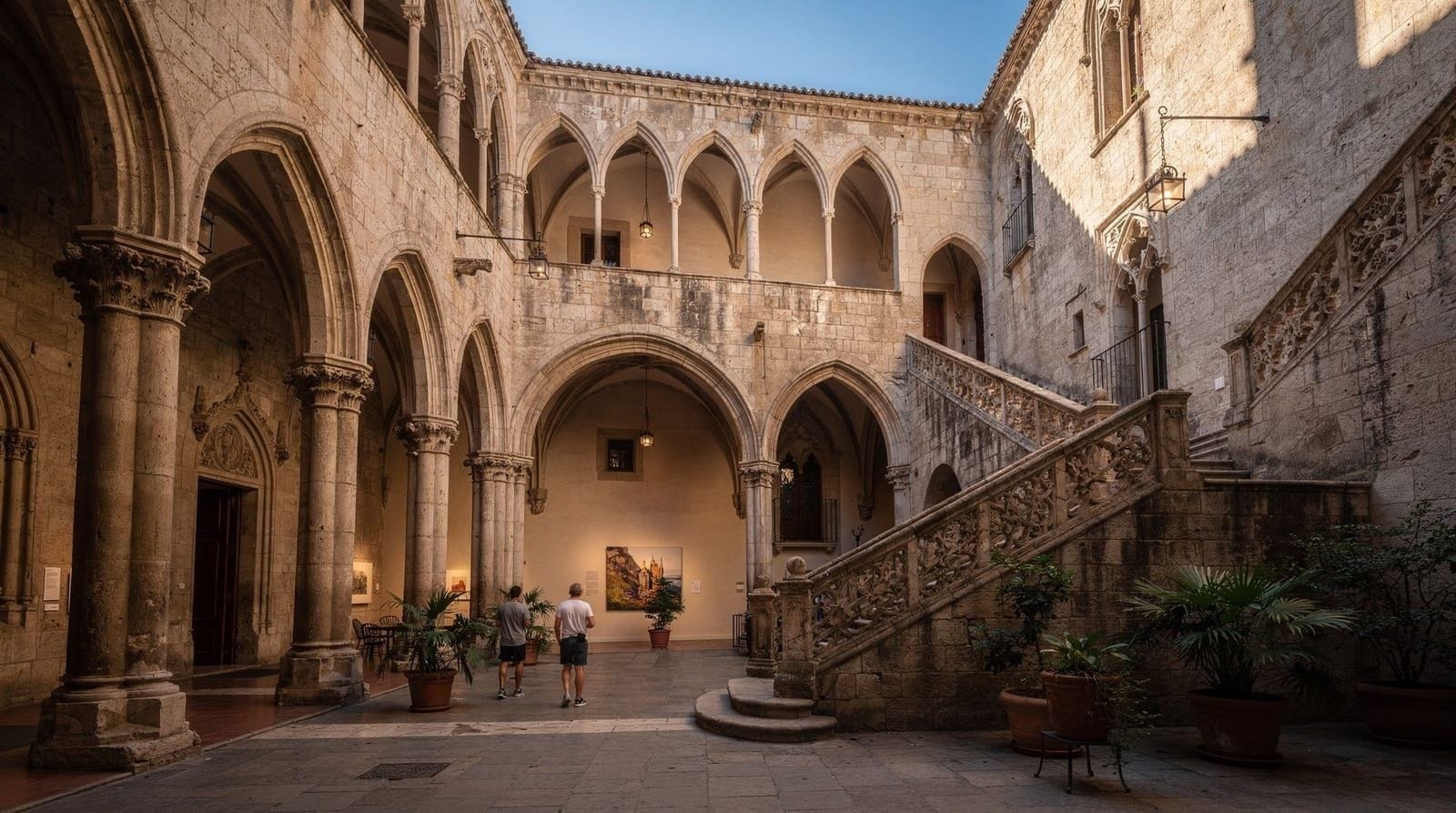
Picasso Museum (Museu Picasso) — Carrer Montcada, El Born. The most important collection of early Picasso work in the world, spanning his formative years in Barcelona and Madrid before the Paris period. The permanent collection is strongest on his academic drawings and paintings from the 1890s, the Blue Period and the Rose Period, and the famous Las Meninas series of 1957 in which Picasso reinterpreted Velázquez across 58 canvases. Adults pay €12 online (€13 at the ticket office) individually. The Picasso Museum also generates the longest queues of the six — up to an hour at peak times in summer — which means the Articket’s skip-the-line benefit is most valuable here. Our full Picasso Museum guide covers what to see and how to read the collection.
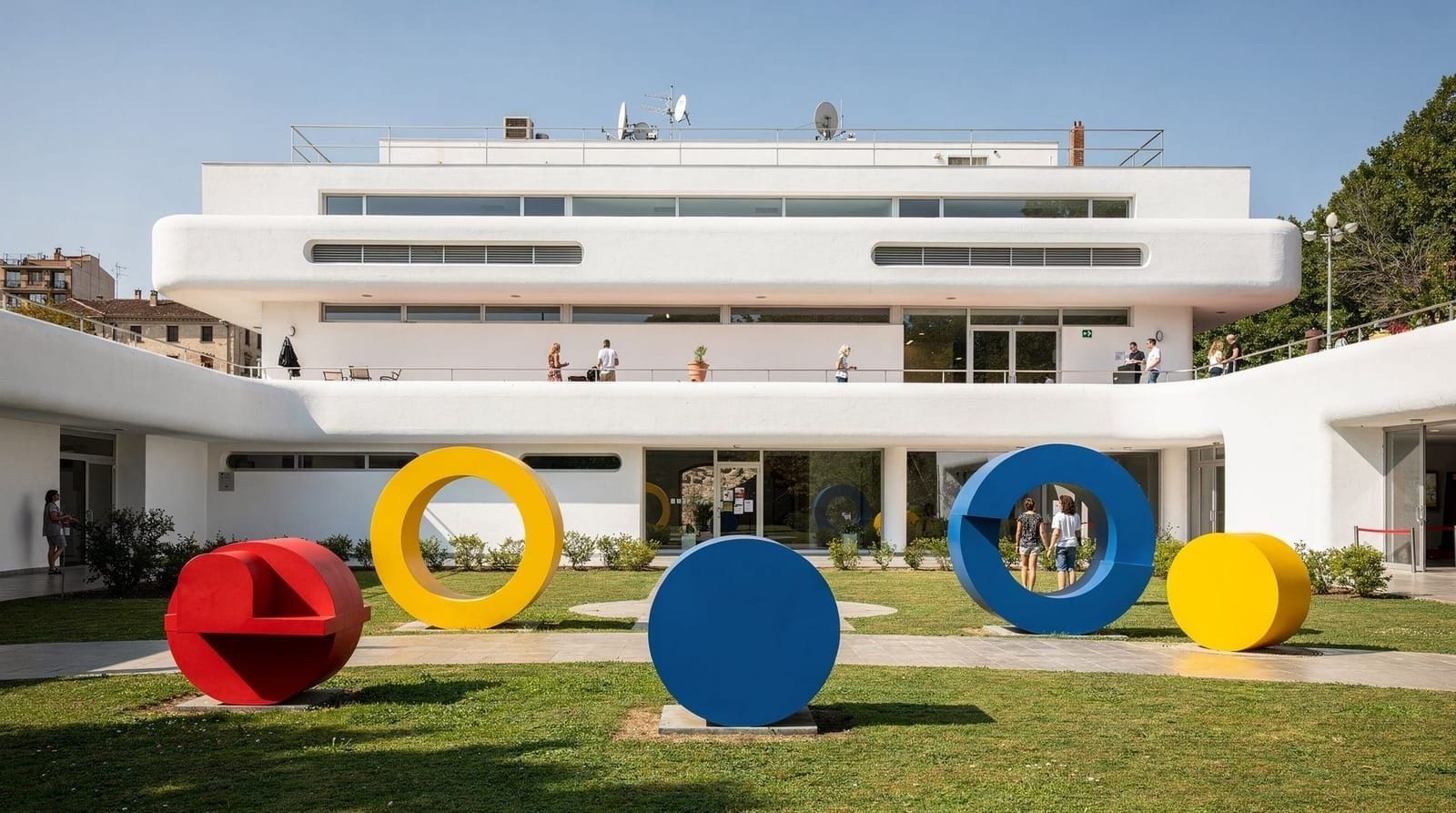
Fundació Joan Miró — Montjuïc. A major permanent collection covering Miró’s full career alongside ambitious temporary exhibitions, housed in a purpose-built Sert building with exceptional natural light and a sculpture garden. Check the current adult price on the Fundació Joan Miró’s official website. The building — designed by Miró’s friend Josep Lluís Sert and completed in 1975 — is one of the better museum buildings in Barcelona in its own right: the relationship between interior light, white walls and the outdoor terraces is thought through in ways that enhance rather than compete with the work. Full visiting details in our Joan Miró Foundation guide.
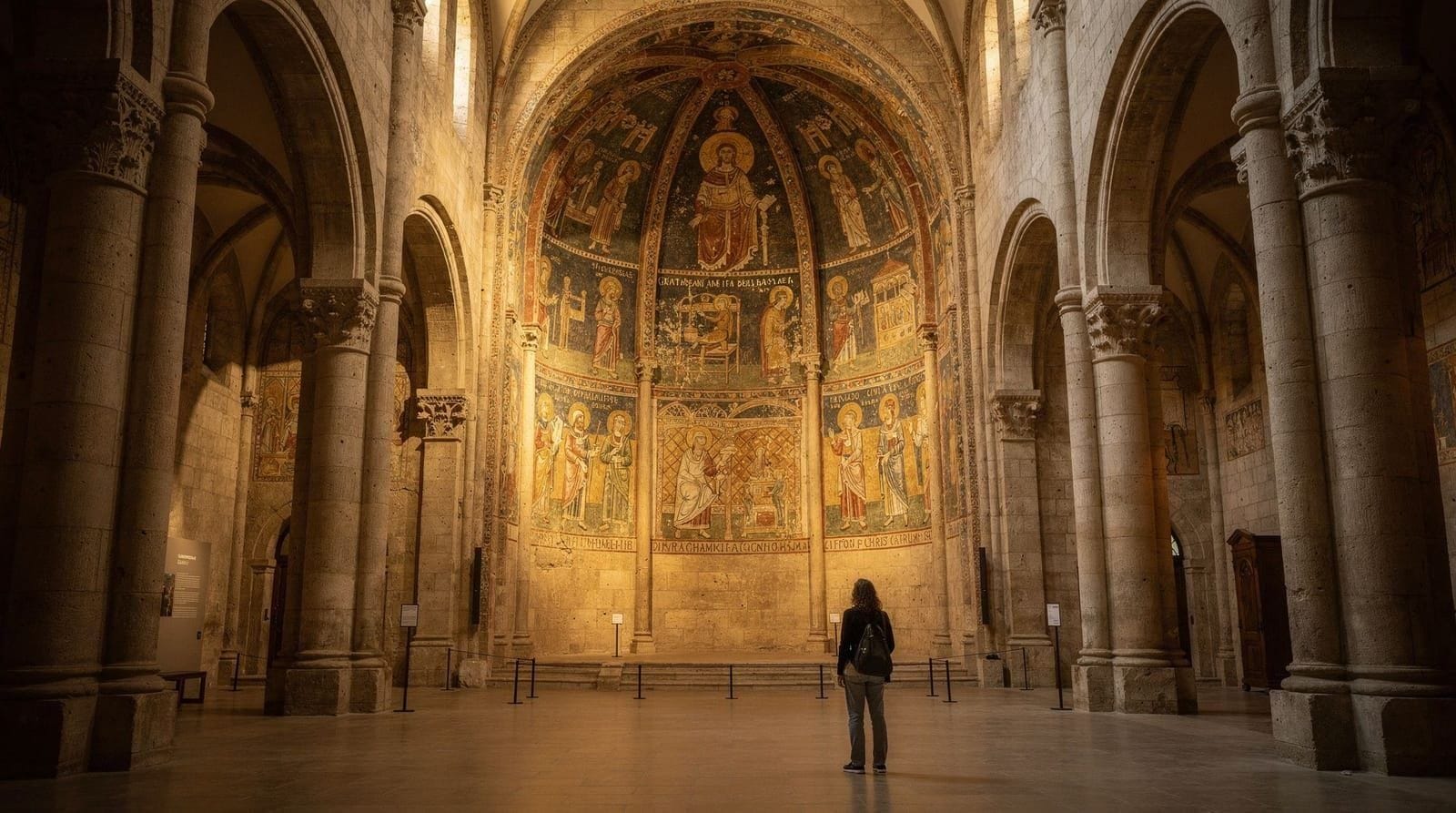
MNAC (Museu Nacional d’Art de Catalunya) — Montjuïc. The national art collection, strongest in two areas: Romanesque art (the collection of apse frescoes and altar frontals removed from Pyrenean churches for preservation in the early twentieth century is world-class and genuinely unmissable) and nineteenth-century Catalan painting. Adults pay €12 individually. The Palau Nacional building and the views from the front terraces back toward central Barcelona are themselves significant, and the building’s position at the top of the Montjuïc cascade makes the approach theatrical. Full details at our MNAC guide.
MACBA (Museu d’Art Contemporani de Barcelona) — El Raval. Contemporary art from the 1950s onward, in Richard Meier’s white 1995 building on Plaça dels Àngels. The collection is strongest on Informel painting, conceptual art of the 1960s and 70s, and video art from the 1980s and 90s. Adults pay €15 at the ticket desk or €13.50 online. MACBA also offers free entry on Thursday, Friday and Saturday evenings from 18:00 and all day on the first Sunday of the month, which affects the value calculation considerably.
Fundació Antoni Tàpies — Eixample. Dedicated to the Catalan painter Antoni Tàpies and housed in a converted Modernista publishing house (the Montaner i Simon building, 1880) with a characteristic wire-and-tube sculpture by Tàpies on the rooftop. A smaller, more intimate museum than the others, focused on a single artist’s career. Adults pay €15 individually.
CCCB (Centre de Cultura Contemporània de Barcelona) — El Raval, across Plaça dels Àngels from MACBA. A cultural centre that runs temporary exhibitions on urban culture, architecture, digital art and moving image, set around a mirrored-glass courtyard. Admission to one exhibition costs €8 online or €10 at the ticket desk, which makes it the cheapest of the six individually.
The six institutions are therefore: Picasso Museum, Joan Miró Foundation, MNAC, MACBA, the Fundació Antoni Tàpies and the CCCB.
The honest maths
This is the section most museum-pass guides skip. Let us do it properly.
Individual adult entry prices, as published by each museum (online price where there is one):
| Museum | Individual price |
|---|---|
| Picasso Museum | €12 online, €13 at the ticket office |
| Fundació Joan Miró | check the museum’s official website |
| MNAC | €12 |
| MACBA | €13.50 online, €15 at the ticket desk |
| Fundació Antoni Tàpies | €15 |
| CCCB | €8 online for one exhibition, €10 at the ticket desk |
Five of the six add up to €60.50 at online prices, before adding the Fundació Joan Miró. The Articket costs €38, so the saving if you visit all six is more than €22.50, plus whatever the Miró ticket would have cost on its own.
The break-even point is usually four museums. Any four of the five priced above cost at least €45.50 online (CCCB, Picasso, MNAC and MACBA is the cheapest combination), which is more than the €38 pass. Three museums only pay off if they are among the pricier ones: Tàpies, MACBA and Picasso or MNAC come to €40.50, just above the pass price. Add the Miró Foundation and three museums can tip into profit, but check its current price first.
The MACBA complication: MACBA is free on Thursday, Friday and Saturday evenings from 18:00 and all day on the first Sunday of the month. If your visit can line up with those windows, take MACBA out of your cost calculation. The remaining museums then have to carry the pass on their own, and it is worth running the sum again before buying.
The free-day complication: Several Barcelona museums are free at set times. MNAC is free on Saturdays from 15:00 and on the first Sunday of the month (reserve online in advance), and the Picasso Museum and MACBA also have free first Sundays. If your trip happens to fall on one of those days, the individual total goes down. However, on these days crowds are notably higher, and the Articket’s skip-the-line access becomes more rather than less valuable.
When the Articket is clearly the right buy
You are an art-focused visitor spending three or more days in Barcelona and planning to visit at least four of the six museums. This describes many visitors who are reading a guide to the Articket. The pass usually pays for itself on visit four and saves progressively on five and six.
The twelve-month validity period is a genuine bonus that most passes do not offer. If you are visiting Barcelona in two trips within a year — common for people with connections to the city — you can use remaining entries on the return. This makes the pass particularly good value for people who are not certain they will complete all six museums on the first trip.
The skip-the-line benefit is most valuable at the Picasso Museum. In summer (June through September), queues at peak times (10:00–13:00) routinely run 45 minutes to an hour. Arriving with an Articket and walking past the queue into the timed-entry channel is a material advantage. At MNAC and Joan Miró the queues are more moderate; at MACBA and Tàpies they are rarely a practical problem at all.
When to skip the Articket
You are visiting one or two museums. The maths do not work. Buy individual tickets, and check free windows — MACBA on Thursday to Saturday evenings from 18:00, MNAC on Saturdays from 15:00, and several museums on the first Sunday of the month.
Your trip is primarily Gaudí-focused. The Sagrada Família, Park Güell, Casa Batlló and La Pedrera are not covered by the Articket. If those are the main events of your trip, book them individually and treat the art museums as secondary — one or two individual tickets will serve you better than a pass you will not fill.
Free days cover your art needs. If your visit includes a first Sunday of the month, several of the museums can be seen at no cost that day, and MACBA and MNAC have further free windows (MACBA from 18:00 on Thursday to Saturday, MNAC on Saturdays from 15:00). Add up what you would still pay for at individual prices before buying the pass; with only one or two paid museums left, it is cheaper to skip it. Free days can need an advance online reservation, so check each museum’s website.
You are travelling with children under 16. Under-16s enter free at MNAC, MACBA, CCCB and the Fundació Antoni Tàpies, and the Picasso Museum is free for under-18s. If you are one adult travelling with children, calculate what the adult-only tickets cost before defaulting to the pass.
Articket vs Barcelona Card: the real comparison
The Barcelona Card is the pass most often mentioned alongside the Articket, and the comparison is instructive because the two products serve almost completely different needs.
The Barcelona Card is listed from €39 on the official tourist-office shop (the price depends on the number of days and on whether transport is included; check the official Barcelona Card website). The version with transport covers unlimited metro and bus travel, and the card gives free entry to more than 25 museums and cultural venues (including the Picasso Museum, Fundació Joan Miró, MNAC, MACBA and the Barcelona History Museum) and more than 70 discounts. What it does not include: free entry to Sagrada Família or Park Güell, and Casa Batlló and La Pedrera only get a €7 discount. The Gaudí buildings are largely outside it, while the major art museums are inside it, so the choice with the Articket comes down to price and flexibility.
If you are staying centrally (say, in the Gothic Quarter or the Eixample) and walking most of the time, the transport coverage of the Barcelona Card adds little value. A T-Casual metro card (ten journeys, roughly €12) covers most visitors’ transit needs more cheaply. The Articket at €38 delivers substantially more direct value for art-focused visitors than the Barcelona Card at €59.
The one scenario where the Barcelona Card makes sense: you are spending five days in Barcelona, plan very few museum visits, and will use public transport heavily from accommodation that is not walkable to the main attractions. That is a fairly specific profile and probably not yours if you are researching the Articket.
Skip-the-line: where it actually saves you time
The Articket includes skip-the-line access at all six museums, but this benefit varies enormously by venue. Here is where it actually matters:
Picasso Museum: high value. Peak-season queues of 45–60 minutes are common between 10:00 and 13:00 from June through September. The Articket allows you to bypass the main queue and enter the timed-entry channel directly. This is the single most valuable skip-the-line benefit in the pass.
Fundació Joan Miró: moderate value. Queues are meaningful in July and August, typically 20–30 minutes at peak time. Skip-the-line access is a genuine time-saver on busy days, less so in shoulder season.
MNAC: low to moderate value. The museum’s scale and the lower awareness of the Romanesque collection among casual visitors means queues rarely exceed 15 minutes. The skip-the-line benefit here is a minor convenience.
MACBA: low value. Walk-up tickets are usually available without a meaningful wait. Free-entry sessions can be busier.
Fundació Tàpies: effectively zero. This is a relatively small and less crowded museum. Skip-the-line is almost never a practical issue.
The practical conclusion: if you are visiting Barcelona in July or August, the skip-the-line access at the Picasso Museum alone is worth roughly €5–10 of time and stress. In April, October or November, it is a minor convenience rather than a meaningful saving.
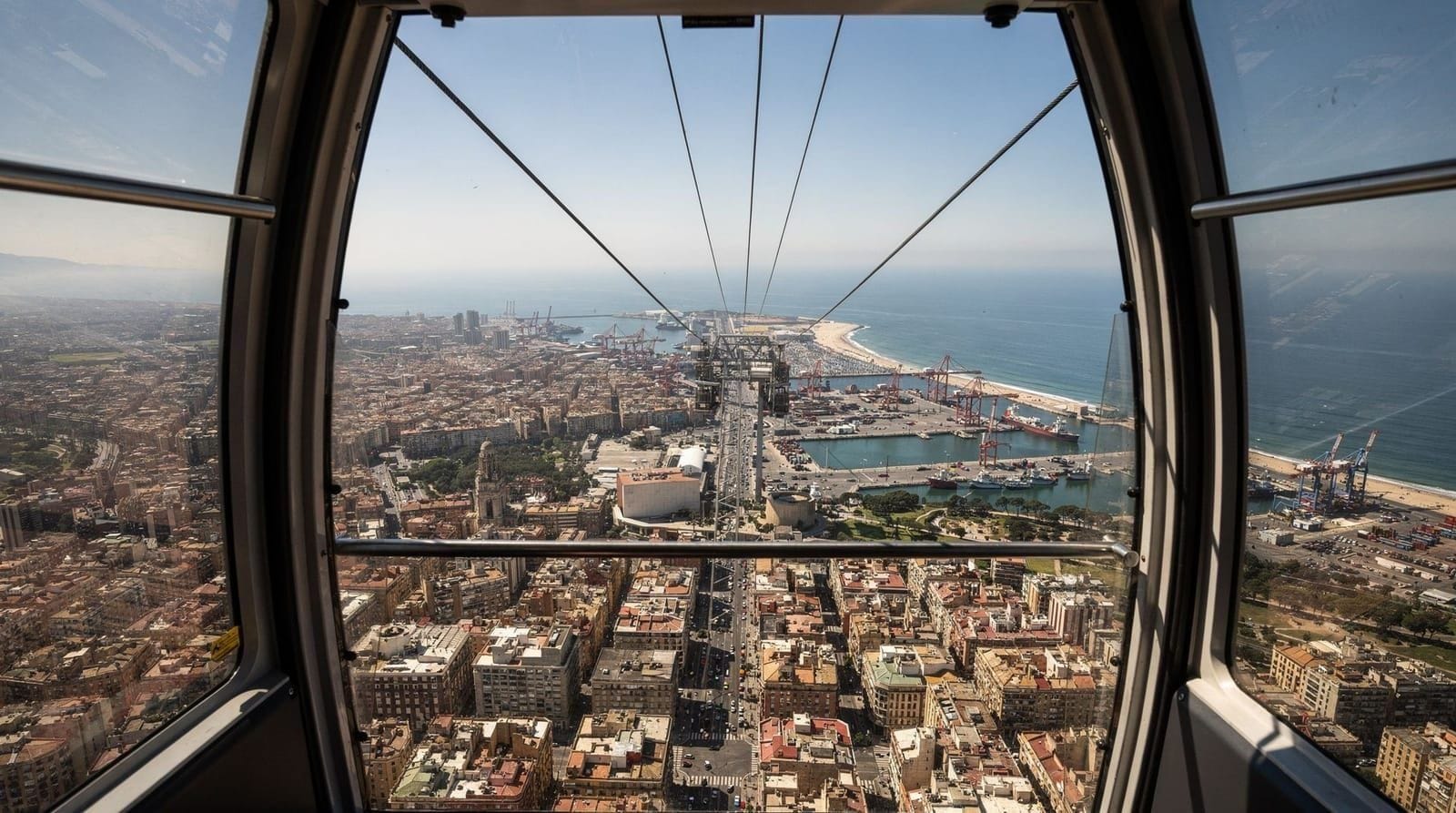
If your priority is Montjuïc rather than El Born, pairing a museum visit with a cable car ride up the hill is a pleasant way to reach MNAC and Fundació Joan Miró without the uphill walk.
Accessibility and visiting with children
The museums covered by the Articket mostly have step-free access to their main galleries, though the level of adaptation varies. The Picasso Museum, spread across five connected medieval palaces in El Born, has lifts installed between the buildings, but the original stone staircases in a couple of the connecting sections mean wheelchair users should ask staff for the recommended accessible route on arrival rather than following the standard visitor path. Fundació Joan Miró and MNAC, both purpose-built or extensively renovated 20th-century buildings, are the most straightforwardly accessible of the five, with wide galleries, lifts and accessible toilets throughout. MACBA and Fundació Antoni Tàpies are smaller and equally well adapted, though MACBA’s multi-level central atrium is worth checking with staff if mobility is a significant concern.
For children, MNAC’s Romanesque collection and the Miró Foundation’s bright, playful canvases tend to hold younger visitors’ attention better than the more academic early Picasso rooms, which are strongest for teenagers and adults with some art background. Under-16s enter free at MNAC, MACBA, CCCB and the Fundació Antoni Tàpies, and under-18s at the Picasso Museum, regardless of whether you use the Articket, so calculate the adult-only cost before assuming the pass is the right choice for a family visit — a family of two adults and two children may find that direct tickets for the adults, with the children entering free, undercuts the Articket if you are only visiting two or three museums.
How to buy the Articket
Buy it through the official Articket BCN website, which each participating museum (Picasso Museum, MACBA, CCCB, Fundació Antoni Tàpies and the others) links to from its own ticket page. Check there for the current purchase options and for how the pass is delivered and activated. Beware of resellers: the pass costs €38 on the museums’ own pages.
The pass is valid for twelve months. If you use it at one museum before you leave Barcelona, you can return later in the year and use the remaining entries, which is unusually flexible for a museum pass.
A three-day art itinerary using the Articket
If you are buying the Articket specifically to build an art-focused trip, here is a practical three-day sequence that covers the museums efficiently and leaves time for the neighbourhoods around them.
Day one — El Born and the Picasso Museum: Use skip-the-line access to arrive at the Picasso Museum at opening (10:00 most days). The queue is shortest at opening; with the Articket you enter immediately. Allow two hours for the collection. Spend the afternoon in El Born — Carrer Montcada and the surrounding medieval streets, the Basílica de Santa Maria del Mar, the covered Born market building. If you want food context alongside your art day, our tapas tour guide covers El Born’s best options and the best tapas neighbourhoods overall.
Day two — Montjuïc: Both MNAC and the Joan Miró Foundation are on Montjuïc, about fifteen minutes apart on foot downhill. Take the metro to Paral·lel and then the Montjuïc funicular (included in metro fare) or take the cable car up from Barceloneta — a scenic route. MNAC in the morning (the Romanesque collection before midday crowds), walk down to Fundació Joan Miró after lunch, which you can take at the museum café or at one of the restaurants in the Poble Sec neighbourhood below the hill. The cable car provides an optional atmospheric way to descend; the views from Montjuïc back toward the sea are among the best in the city.
Day three — El Raval and the Eixample: MACBA opens at 11:00 on weekdays. Arrive for opening, spend 90 minutes in the permanent collection and current exhibition. Walk across Plaça dels Àngels to the CCCB, which the Articket also covers. Lunch in El Raval, then walk or take the metro one stop to the Eixample for the Fundació Antoni Tàpies in the afternoon. The Tàpies Foundation is in a quieter part of the Eixample, a ten-minute walk from Passeig de Gràcia — easy to combine with looking at the Modernisme buildings on the boulevard before or after.
For the full neighbourhood context on each area the itinerary passes through, our Barcelona neighbourhoods guide is a useful complement.
Temporary exhibitions and why they can change the maths
All six museums run temporary exhibitions alongside their permanent collections. The official Articket BCN description says the pass covers both the permanent and the temporary exhibitions, but individual museums can set their own rules for special events or activities, so check each museum’s current exhibition page before your trip if a particular show is the reason you are going.
Exhibition rotation also affects timing. MNAC periodically closes individual galleries for reinstallation — usually a single wing rather than the whole museum — and the Fundació Joan Miró occasionally closes for a week between major shows. Neither closure is common enough to plan around specifically, but if a particular gallery or artist is the reason for your visit, a quick check of the museum’s website the week before avoids disappointment. The Picasso Museum, given its scale and staggered gallery layout across five buildings, essentially never closes fully, which is one more reason it anchors most Articket itineraries. Public holidays such as 25 December and 1 January close most of the museums, and hours change on other holidays, so check each museum’s opening hours before planning an Articket day around them.
The honest verdict
The Articket BCN is one of the better city museum passes in Europe for a simple reason: it covers institutions that are actually worth visiting rather than padding the list with minor attractions, and it prices itself at a point where the arithmetic works for most art-interested visitors from the fourth museum onward.
It is not the right buy for Gaudí-focused trips, for very short visits, or for visitors whose museum interest is casual rather than deliberate. But for anyone spending three or more days in Barcelona with genuine interest in art — from medieval Romanesque to 1990s contemporary — the pass delivers clean value, meaningful time-saving at the Picasso Museum, and the flexibility of a twelve-month window.
Buy it if four or more of the six museums are on your list. Do not buy it as a hedge if you are not sure you will visit museums — the individual ticket prices are not so high that hedging makes financial sense.
The Articket works best as a planning tool rather than a spontaneous purchase. Decide which museums genuinely interest you, check the individual prices in the table above, and buy with confidence if the numbers work — they usually do for anyone who cares about Barcelona’s art beyond a single afternoon. At €38 it is among the most straightforwardly honest museum passes in any major European city.
If your trip is spread across several days, our Barcelona itinerary tips guide covers how to slot museum mornings around Gaudí bookings without the days feeling rushed. And if art is only part of a broader budget-conscious trip, the Barcelona on a budget guide has the free-entry calendar for the museums the Articket does not need to cover.
Frequently asked questions about Articket BCN
What museums does the Articket BCN cover?
Six: Picasso Museum, Fundació Joan Miró, MNAC (Museu Nacional d'Art de Catalunya), MACBA, Fundació Antoni Tàpies and CCCB (Centre de Cultura Contemporània de Barcelona). The pass includes skip-the-line access to all six.How long is the Articket valid?
Twelve months. You do not need to visit all six museums in a single trip; you can return to Barcelona and use remaining entries within the year. Check the activation rules on the official Articket BCN website.Where can I buy the Articket?
Through the official Articket BCN website, which each participating museum links to from its own ticket page. Check there for the current purchase options.Does the Articket include Sagrada Família or Park Güell?
No. It covers only the six art museums listed. The Barcelona Card also does not include Sagrada Família or Park Güell — worth knowing before buying either pass.Is the Articket better than the Barcelona Card for art lovers?
For art-focused visitors, usually yes. The Barcelona Card adds transport and discounts but is not built around the major art museums. The Articket (€38) covers six of them. Check current Barcelona Card prices on its official website.
Top experiences
Bookable activities with verified prices and instant confirmation on GetYourGuide.