What I wish I'd known before visiting Barcelona
I’ve been to Barcelona four times. The first trip was wonderful despite myself — I stumbled through La Rambla with my backpack dangling off one shoulder, paid €28 for a frozen paella on the beach, and spent a sweaty Tuesday afternoon queuing outside the Sagrada Família only to be told the next available entry was three days away. The subsequent trips got better, because I learned things. These are those things.
| Book early | Sagrada Família, Park Güell — weeks ahead in peak season |
| Skip | Beachfront paella, La Rambla restaurants, sangria |
| Drink instead | Cava or vermut, €2–3 at a neighbourhood bar |
| Eat instead | A menú del día one street back, €10–13 |
| Best month | September — warm sea, thinner crowds, lower prices |
The Park Güell that costs money is only a small part of it
Let’s start here, because this is the one that surprises almost every first-time visitor. Park Güell has a ticketed section — the famous terrace with the mosaic salamander, the hypostyle room, the undulating bench — and it costs €13. You need to book this in advance, ideally at least a few days ahead, and in summer you should book as soon as your dates are confirmed.
But here’s what the ticket-selling websites don’t make obvious: the rest of the park is free. The forested hillside paths, the viaducts, the views over the city — all accessible without paying anything. The €13 gets you into what’s officially called the Monumental Zone, roughly 10% of the total park area. So if you’re on a tight budget, you can still experience most of Park Güell at no cost. If you want the iconic Gaudí terrace, book it early and pay the official price directly. Our Park Güell guide covers all of this in more detail.
Sagrada Família sells out months in advance — plan accordingly
If Park Güell is the surprise, Sagrada Família is the heartbreak. I’ve watched people arrive at the ticket window in July, check the availability screen, and visibly deflate. In peak season — roughly late June through August — entry slots can sell out eight to twelve weeks ahead. That’s not a typo. Eight to twelve weeks.
Tower access (€36–46 depending on which tower) goes even faster. If you want to climb the towers, you need to plan further out than if you’re just booking standard entry (from €26). In 2026 there’s an additional centenary surcharge of €2–5 reflecting the year of the Sagrada Família’s nominal completion centenary — Gaudí died in 1926. It’s worth it. The interior is extraordinary. But you need a ticket to get through the door. Read our full Sagrada Família guide before booking.
Sangria is not a Catalan drink
This one sounds like pedantry but it matters for your enjoyment. Sangria is served everywhere in Barcelona because tourists expect it. It’s not what Catalans drink. It’s not local. It’s typically made with cheap wine and excessive sugar and you’ll feel it the next morning.
The local drinks are cava — the sparkling wine from the Penedès wine country just outside the city — and vermut, the sweet-bitter vermouth that Catalans drink at aperitivo hour (roughly noon to 2pm) with olives and chips. If you order a glass of house cava at a neighbourhood bar you’ll spend €2–3 and drink something genuinely good. Our vermut guide explains how to do it properly, and the cava vs champagne guide will tell you why the local stuff is worth exploring.
Beachfront paella is almost always a scam
Walking along the Barceloneta promenade on a sunny afternoon, those restaurants with the big paella pans displayed in the window look appealing. The reality is that most of them serve mass-produced, often frozen paella at €25–30 a plate, heavily marketed at tourists who don’t know the difference. It tastes like very little.
Real paella is a Valencian dish, not a Barcelona speciality. What you should eat in Barceloneta is fresh fish and seafood cooked simply. If you specifically want paella, our best paella in Barcelona guide will point you to places where it’s actually made properly — which means not the restaurants directly on the beachfront strip.
La Rambla restaurants will charge you double
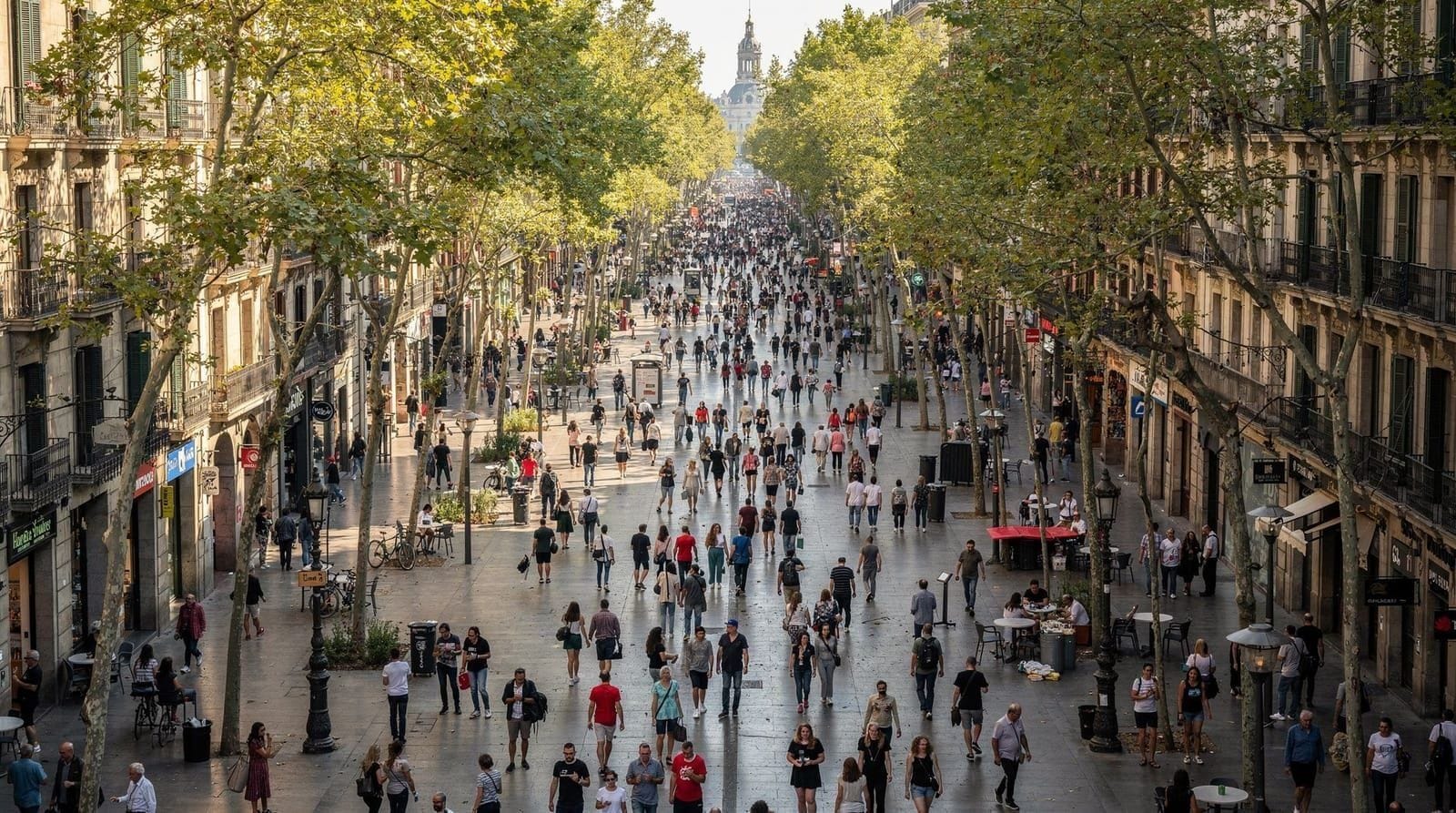
La Rambla is Barcelona’s famous pedestrian boulevard and it’s genuinely worth walking. It’s also lined with restaurants that charge tourist prices for food that ranges from adequate to disappointing. A café con leche on La Rambla costs roughly three times what it costs one street back. A bocadillo that might be €4 in El Born becomes €9 in a La Rambla terrace. The logic is simple: the foot traffic is there, so the margins are high.
Walk La Rambla, enjoy it, take photos — but duck into any side street for food or coffee. You’ll eat better, pay less, and feel less like a mark. Our honest La Rambla guide goes deep on what’s worth your time and what isn’t.
Flamenco is not from Barcelona
This is cultural knowledge worth having before you book a show. Flamenco is from Andalusia — Sevilla, Jerez, Granada. It’s a southern Spanish art form and it’s beautiful, but it has no particular connection to Catalonia. Barcelona has flamenco shows, mostly in the tourist areas, and some of them are decent. But you’re not experiencing local culture when you go.
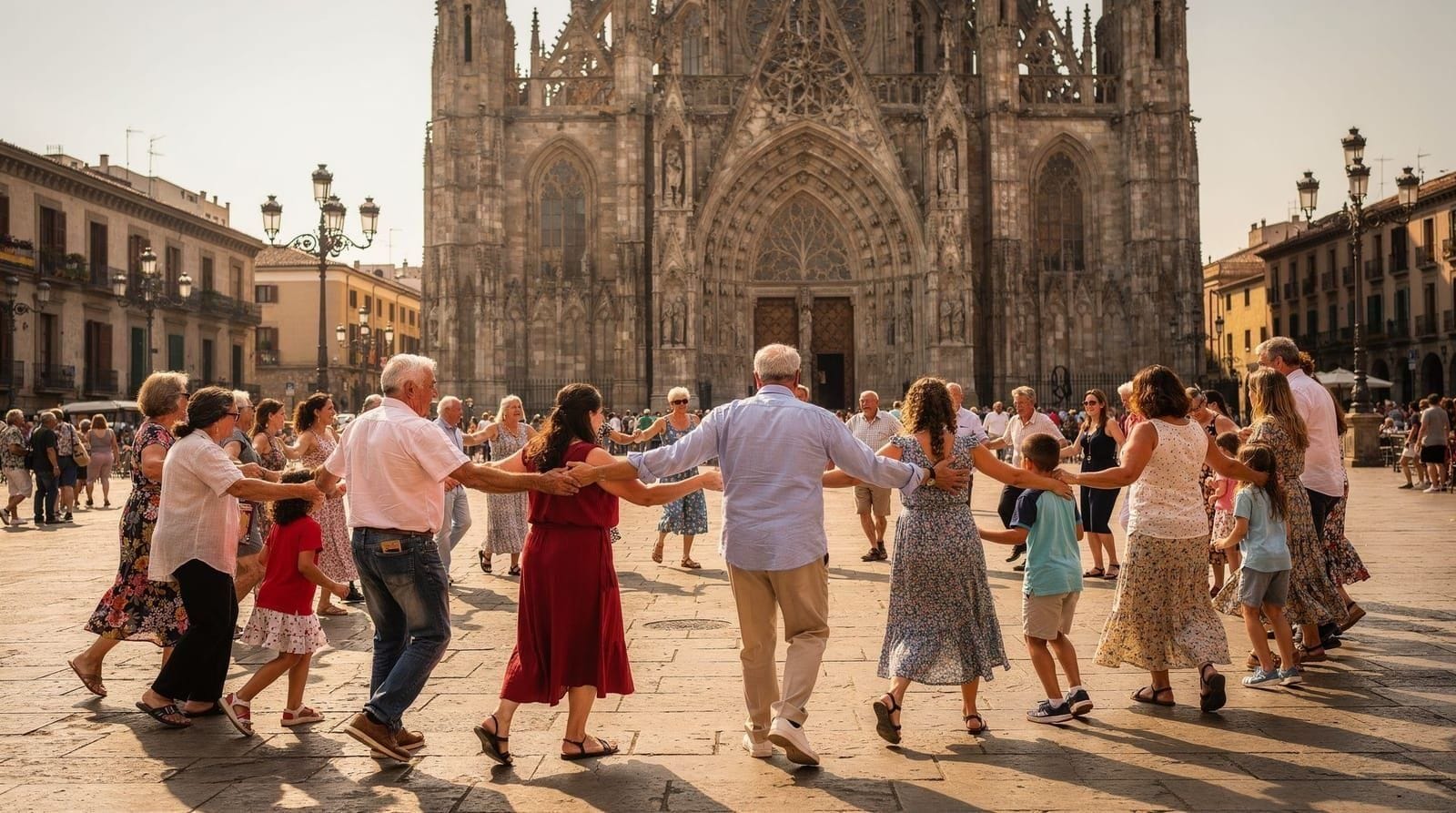
If you want authentic local performance culture, look for sardana dancing in front of the Cathedral on Sundays, or seek out a castellers performance — the Catalan tradition of building human towers. Our Catalan culture guide explains all of this clearly. If you still want to see flamenco, our flamenco shows guide will help you find the better venues rather than the tourist traps.
The metro is fast and the T-Casual card is all you need
First-timers often assume Barcelona requires taxis or constant walking. It doesn’t. The metro is clean, frequent, and fast. A T-Casual card costs €13 for 10 trips and covers metro, bus, and trams within the main zones. That’ll last most visitors two to three days of normal sightseeing.
The Barcelona Card and Hola BCN are worth examining if you’re planning very heavy use of public transport, but for most itineraries the T-Casual is the most flexible option. Our getting around Barcelona guide covers the full breakdown.
Barceloneta is nice but there are better beaches
Barceloneta is the most accessible beach from central Barcelona and it’s genuinely pleasant. It’s also, in high summer, extremely crowded. If you want to swim in comfort rather than weave between sunbeds, it’s worth knowing that there are quieter beaches a short metro or bus ride away — Bogatell and Mar Bella to the north of Barceloneta, or the beaches at Sitges for a full day trip.
Our Barcelona beaches guide maps out what’s where and what conditions to expect. The Sitges day trip guide will help you plan an escape if you want something genuinely quieter.
Neighbourhood eating beats the tourist strips every time
The difference between eating in Gràcia and eating on the Passeig de Gràcia is not subtle. In tourist-facing areas, menus are in six languages, prices are elevated, and the cooking is adequate. In residential neighbourhoods — Gràcia, Poble-sec, Poblenou — you find lunch menus (menú del día) for €10–13 that include three courses and a drink. The food is better because the customers are regulars.
If you stay in El Born or the Gothic Quarter, you can eat excellently by simply walking a few streets further than the obvious restaurant row. Our best tapas neighbourhoods guide identifies the specific streets and areas worth seeking out.
September is the secret best month
July and August are expensive, crowded, and very hot (regularly above 32°C). April and May are lovely. But September might actually be the best month of all. The summer crowds thin noticeably after the first week of September, prices drop, the sea is still warm from summer (24–26°C), and the city comes back to life as locals return from holiday.
The La Mercè festival falls in late September (typically around the 24th) and is one of the most genuinely local events in the city calendar — free concerts, human towers, fire runs, and traditional celebrations. It’s the opposite of a tourist experience. If your schedule allows, September is when I’d always choose to go.
You’ll do better with a plan and a bit of knowledge
None of this is meant to put you off — Barcelona is genuinely one of the best cities in Europe to visit. The architecture alone is worth the trip. But a little advance reading saves real frustration: the Sagrada Família ticket booked six weeks ahead, the knowledge that the best food is one street back from the obvious strip, the confidence to order a glass of cava instead of sangria. For more on avoiding the most common traps, our tourist traps guide is a good next read.
Go in September if you can. Book Sagrada Família today if you can’t. Eat wherever locals eat. That’s most of it.
What tourists overpay for, and what it should actually cost
| Item | Tourist price | Real price | Where |
|---|---|---|---|
| Café con leche | €4–5 on La Rambla | €1.50–2 | Any bar one street back |
| ”Paella” on the beach | €25–30 | €12–18 for the real thing | Best paella guide picks |
| Sangria | €8–10 a glass | €2–3 for house cava instead | Any neighbourhood bar |
| Lunch menú del día | Rarely offered on tourist strips | €10–13, three courses + drink | Gràcia, Poble-sec |
The one thing I’d tell myself on trip one
Don’t try to see everything. My first trip was a checklist rushed through in three days, and I remember almost none of it clearly except the queue outside Sagrada Família. The trips I actually remember well are the ones where I picked two or three things a day and left space for getting mildly lost in Gràcia or El Born. Barcelona rewards unhurried time more than most cities; our how many days in Barcelona guide has honest suggestions for pacing a first visit.
FAQ
How far ahead should I book Sagrada Família tickets? At least four to six weeks ahead outside peak season, and eight to twelve weeks ahead for visits in June through August or during 2026’s centenary year. Tower access sells out even faster than standard entry.
What’s the biggest mistake first-time visitors make in Barcelona? Eating on the main tourist strips — the Barceloneta beachfront and La Rambla — where prices are inflated and quality is often mediocre. Walking one street back into a residential area like Gràcia or El Born gets you better food for less money almost every time.